Introduction/Overview
In the long history of human struggle against malignant tumors, natural products and their derivatives have always been an important source of drug discovery and development. Arabinocytosine (Ara-C), as a classic pyrimidine nucleoside analogue, its discovery and clinical application are milestone events in the history of chemical drug development. Cytarabine is not directly isolated from plants, but from Caribbean sponges(Cryptotethya crypta)Inspired by the structure of Spongothymidine, a nucleoside compound extracted from it, it was obtained through chemical synthesis and structural modification. This discovery process deeply reflects the paradigm of drug development from natural products to lead compounds.
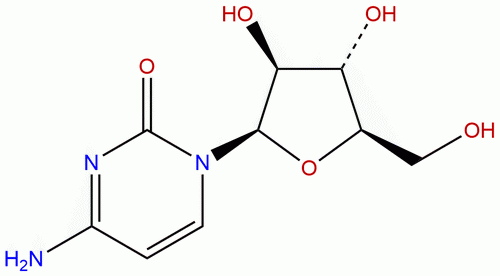
The chemical structure of cytarabine is composed of cytosine bases connected to D-arabinofuran through β - N1 glycosidic bonds. This structural feature gives it a crucial difference from the naturally occurring cytosine nucleoside (ribose is D-ribose) in the human body, thereby endowing it with unique biological activity. Since its approval by the US Food and Drug Administration (FDA) in 1969, cytarabine has become one of the cornerstone drugs for the treatment of acute myeloid leukemia (AML) and acute lymphoblastic leukemia (ALL). It selectively kills rapidly proliferating leukemia cells by interfering with DNA synthesis, significantly improving the prognosis of patients.
In addition to its anti leukemia activity, cytarabine also exhibits broad-spectrum antiviral and immunosuppressive properties. However, its clinical application also faces many challenges, including the development of drug resistance, dose limiting toxicity (such as bone marrow suppression, gastrointestinal reactions), and central nervous system toxicity caused by blood-brain barrier penetration. In recent years, with the deepening understanding of the molecular pathological mechanisms of leukemia, especially the recognition of key driver gene mutations such as FLT3, JAK2, DNMT3A, BCR-ABL, the combination therapy strategy, resistance mechanism, and personalized treatment plan optimization of cytarabine have become research hotspots. This article will provide a systematic review of cytarabine, a classic anti-tumor drug, from the aspects of chemical structure, pharmacological activity, mechanism of action, drug evaluation, and clinical application prospects.
Chemical structure and physicochemical properties
The chemical name of cytarabine is 1- β - D-arabinofuranosyl-4-amino-2 (1H) - pyrimidinone, with a molecular formula of C ₉ H ₁ ∝ N ∝ O ₅ and a molecular weight of 243.2190 g/mol. Its core structure consists of two parts: a cytosine base and a D-arabinofuran sugar. Unlike the 2 '- hydroxyl group of ribose in natural cytidine, which is located below the furan ring plane (cis), the 2' - hydroxyl group of arabinose in cytarabine is located above the furan ring plane (trans). This small difference in stereochemistry is the key to determining its biological activity.
Physicochemical properties:
- Solubility and LogP The LogP value of cytarabine is -2.1420, indicating its high hydrophilicity. Its good water solubility (24.2161 mg/mL) is related to the presence of multiple polar groups such as hydroxyl (- OH) and amino (- NH ₂) in its molecule. High water solubility is beneficial for making it into injectable form, but it also limits its oral bioavailability.
- Topological Polarity Surface Area (TPSA)The TPSA is 130.8300 Å ², which is much higher than the usual threshold for oral drugs (<140 Å ²), indicating that its transmembrane passive diffusion ability is limited and mainly relies on nucleoside transporters (such as hENT1, hCNT) on the cell membrane to enter the cell.
- Blood-brain barrier penetrability Despite its high molecular polarity, cytarabine has been evaluated to have high blood-brain barrier penetration. This is related to its small molecular weight (<400 Da) and possible carrier mediated transport. This characteristic makes it effective in treating central nervous system leukemia, but at the same time increases the risk of central nervous system toxicity.
- Stability Cytarabine is unstable both in vivo and in vitro, and is easily deaminated by cytidine deaminase (CDA) to produce inactive uracil arabinoside (Ara-U). This is the main reason for its short half-life in the body (about 10-15 minutes).
- Other parameters HERG inhibition is predicted as' no ', indicating a low risk of cardiac toxicity. The Ames test result is 0.9 (close to the positive threshold), indicating its potential genotoxicity, which is consistent with its mechanism of action as a DNA synthesis inhibitor.
Plant sources and extraction methods
Strictly speaking, cytarabine is not directly derived from plants, but rather a semi synthetic nucleoside analogue. Its discovery was inspired by natural marine products. In the 1950s, Bergmann et al. extracted Caribbean sponges from the waters off Florida(Cryptotethya crypta)Two unique nucleosides were isolated: Spongothymidine (Ara-T) and Spongouridine (Ara-U). Among these compounds, the sugar moiety is D-arabinofuranose, rather than the commonly found D-ribose or 2 '- deoxy-D-ribose in mammals. This discovery inspired researchers to synthesize the corresponding cytosine analogue, namely cytarabine.
Synthetic method:
The industrial production of cytarabine mainly relies on chemical synthesis. The classic synthesis routes include:
1. Preparation of sugar based donors Using D-arabinose as the starting material, activated arabinofuran halides or glycosides are prepared through protective strategies such as acetylation and benzoylation.
2. Glycosylation reaction Activated arabinose is condensed with cytosine or its silicon ether derivatives under Lewis acid catalysis (such as SnCl ₄, TMSOTf) to form β - N1 glycosidic bonds. The key to this step is to control stereoselectivity to obtain products with a predominantly β - configuration.
3. Deprotection Remove the protective group on the sugar group (such as using methanol ammonolysis to remove the acetyl group) to obtain crude cytarabine.
4. purification Purification of high-purity pharmaceutical grade cytarabine is achieved through recrystallization, ion exchange chromatography, or preparative high-performance liquid chromatography (HPLC).
extraction method:
Although cytarabine itself is not directly extracted from plants, in recent years, the production of cytarabine or its precursors using biocatalytic or biosynthetic methods has become a research hotspot. For example, using recombinant Escherichia coli or yeast to express nucleoside phosphorylase, catalyzing the enzymatic reaction between cytosine and arabinose 1-phosphate to achieve green synthesis. In addition, directly extracting Ara-U or Ara-T from sponges and then preparing cytarabine through chemical conversion is also a possible approach, but due to the scarcity and extraction efficiency of sponge resources, it does not have industrial scale.
Pharmacological activity research
The main pharmacological activity of cytarabine is reflected in its strong anti-tumor effect, especially against rapidly proliferating malignant tumors of the hematopoietic system.
1. Anti leukemia activity
Cytarabine is the core drug of the standard chemotherapy regimen for AML and ALL (such as the "7+3" regimen: continuous infusion of cytarabine for 7 days, combined with anthracyclines for 3 days). Its anti leukemia activity has cell cycle specificity and mainly acts on S phase (DNA synthesis phase) cells. Clinical studies have shown that high-dose cytarabine (HDAC) regimens exhibit higher efficacy in consolidation therapy and refractory relapsed AML, but are also accompanied by more severe bone marrow suppression and neurotoxicity. Cytarabine also has a certain therapeutic effect on the acute phase of chronic myeloid leukemia (CML), but it is usually not used as a first-line option.
2. Antiviral activity
Cytarabine has inhibitory effects on various DNA viruses in vitro, such as herpes simplex virus (HSV), varicella zoster virus (VZV), and cytomegalovirus (CMV). Its mechanism is related to the inhibition of viral DNA polymerase. However, due to its systemic toxicity (especially bone marrow suppression) being much higher than more specific antiviral drugs (such as acyclovir and ganciclovir), cytarabine is generally not used for antiviral therapy in clinical practice, and is only used as an alternative in certain special cases (such as severe infections that are resistant to conventional antiviral drugs or ineffective).
3. Immunosuppressive activity
Cytarabine exhibits immunosuppressive effects by inhibiting lymphocyte proliferation. This characteristic has been attempted for the treatment of autoimmune diseases and organ transplant rejection. However, due to its significant bone marrow toxicity and the emergence of safer and more effective immunosuppressants such as cyclosporine and tacrolimus, the application of cytarabine in the field of immunosuppression has been completely replaced.
4. Other activities
The study also found that cytarabine has inhibitory effect on some solid tumor cell lines (such as ovarian cancer and breast cancer), but its clinical efficacy is limited. In addition, it is also used to treat certain rare blood system diseases, such as myelodysplastic syndrome (MDS) and polycythemia vera.
Mechanism of action and molecular targets
Cytarabine is a prodrug whose anti-tumor activity depends on a series of metabolic transformations within cells and interactions with specific molecular targets.
1. Cell uptake and activation
Cytarabine enters cells through the balanced nucleoside transporter 1 (hENT1) and concentrated nucleoside transporter (hCNT) on the cell membrane. After entering the cell, it is first phosphorylated by Deoxycytidine Kinase (DCK) to Ara CMP. Subsequently, Ara CMP was further phosphorylated by pyrimidine nucleotide kinase (UMP CMP kinase) and nucleoside diphosphate kinase (NDPK) into its active form, Ara CTP.
2. Inhibit DNA synthesis
Ara CTP is the core active metabolite of cytarabine that exerts anti-tumor effects. Its mechanism of action mainly includes:
- Competitive inhibition of DNA polymerase Ara CTP competes with the natural substrate deoxycytidine triphosphate (dCTP) and embeds into the DNA strand being synthesized. Due to the steric hindrance of the 2 '- hydroxyl group of arabinose, the embedded Ara-C prevents further extension of DNA polymerase α, δ, and ε, leading to termination of DNA strand synthesis.
- Inhibit DNA repair The embedding of Ara CTP can also interfere with strand elongation during DNA repair processes.
- Inhibition of ribonucleotide reductase Ara CTP can also inhibit ribonucleotide reductase (RRM1/RRM2), which is responsible for reducing ribonucleotides to deoxyribonucleotides. Inhibiting this enzyme will reduce the level of dCTP pool in cells, thereby further enhancing the competitive inhibitory effect of Ara CTP on DNA polymerase.
3. Inducing cell apoptosis
The termination of DNA strand synthesis and DNA damage activate checkpoint mechanisms within cells, such as the ATM/ATR-Chk1/Chk2 pathway, ultimately leading to cell cycle arrest (mainly in the S phase) and apoptosis. Ara-C induced apoptosis involves mitochondrial pathways (releasing cytochrome c, activating Caspase-9) and death receptor pathways (such as Fas/FasL).
4. Inactivation and drug resistance
Cytarabine can be deaminated by cytidine deaminase (CDA) in the body to form inactive Ara-U. In addition, there are various enzymes within cells that can inactivate Ara CMP, such as dCMP deaminase which can deamidate Ara CMP to Ara UMP, and 5 '- nucleotidase (NT5C2) which can dephosphorylate Ara CMP.
5. Key molecular targets and resistance mechanisms
The efficacy and resistance of cytarabine are closely related to multiple genes:
- DCK It is the rate limiting enzyme for the activation of cytarabine. The decrease or loss of DCK activity is one of the most common mechanisms leading to resistance to cytarabine.
- CDA It is the key enzyme that inactivates cytarabine. High expression of CDA can accelerate the degradation of cytarabine, leading to drug resistance.
- NT5C2 Catalytic dephosphorylation of Ara CMP, and its high expression is also associated with drug resistance.
- RRM1/RRM2 As one of the targets of Ara CTP, changes in its expression level or activity can affect the sensitivity of cytarabine.
- FLT3、JAK2、DNMT3A、BCR-ABL、KIT These are common driver gene mutations in leukemia. For example, FLT3-ITD mutations are associated with cytarabine resistance and poor prognosis. JAK2 V617F mutation is common in myeloproliferative tumors. The BCR-ABL fusion gene is the pathogenic basis of CML. These mutations activate downstream proliferation and anti apoptotic signaling pathways (such as PI3K/AKT, STAT5), making leukemia cells resistant to cytarabine induced apoptosis. DNMT3A mutations affect DNA methylation and may alter gene expression profiles, thereby affecting drug sensitivity.
Evaluation of drug properties and pharmacokinetics
The pharmacological evaluation of cytarabine reflects its advantages and challenges as an anti-tumor drug.
1. Pharmaceutical advantages
- Clear targets and mechanisms As a DNA synthesis inhibitor, its mechanism of action is clear and it has a selective killing effect on rapidly proliferating cells.
- Powerful anti leukemia activity It is a cornerstone drug for the treatment of AML and ALL, with definite clinical efficacy.
- Good water solubility Easy to make into injections and convenient for intravenous administration.
- Low cardiac toxicity HERG inhibition prediction is negative, and clinical center toxicity is rare.
2. Challenges in drug development
- Low oral bioavailability Due to its high hydrophilicity and first pass effect, oral administration is almost ineffective and must be administered intravenously.
- Short half-life in the body Rapid deamination and inactivation by CDA, with a half-life of only 10-15 minutes, requires continuous intravenous infusion or frequent administration to maintain effective blood drug concentration.
- Severe bone marrow suppression This is its main dose limiting toxicity, which can lead to fatal complications such as infection and bleeding.
- Central nervous system toxicity High blood-brain barrier penetration can lead to cerebellar toxicity (such as ataxia and articulation disorders), especially when used at high doses.
- drug resistance Multiple mechanisms can lead to drug resistance, limiting its long-term efficacy.
- Genotoxicity The Ames test results are close to positive, indicating a potential carcinogenic risk, but as a chemotherapy drug, its therapeutic benefits usually outweigh the risks.
3. Pharmacokinetic characteristics
- absorb Poor oral absorption, bioavailability<20%. Commonly used in clinical practice are intravenous infusion, continuous intravenous infusion, or subcutaneous injection.
- distribution Large distribution volume (Vd>1 L/kg), can be widely distributed in tissues throughout the body, including cerebrospinal fluid (CSF concentration is about 40-50% of plasma concentration). The plasma protein binding rate is low (about 13%).
- Metabolism Mainly in the liver, blood, and gastrointestinal tract, it is rapidly deaminated by CDA and metabolized into inactive Ara-U. In addition, there is a small amount of phosphorylation metabolism.
- excretion Mainly excreted through the kidneys in the form of Ara-U. Patients with renal insufficiency need to adjust their dosage.
4. Formulation improvement
To overcome the problems of short half-life and toxicity, various liposomal formulations of cytarabine have been developed, such as DepoCyt ®), It can prolong the retention time of drugs in the body, improve efficacy, and reduce systemic toxicity. In addition, prodrug strategies (such as the design ideas of gemcitabine and capecitabine) and their combination with CDA inhibitors (such as tetrahydrouridine) are also being studied.
Clinical application prospects and prospects
Although cytarabine has been around for over half a century, its position in leukemia treatment remains unshakable. In the future, its clinical application prospects will mainly be reflected in the following aspects:
1. Individualized treatment and precision medication
With a deeper understanding of leukemia genomics, optimizing the dosage and combination therapy of cytarabine based on the patient's gene mutation profile (such as FLT3, NPM1, CEBPA, IDH1/2, DNMT3A, etc.) has become a trend. For example:
- FLT3 mutation FLT3-ITD mutation patients are resistant to cytarabine, but the combination of FLT3 inhibitors (such as perindoptyline and giritinib) can significantly improve efficacy.
- DCK/CDA expression By detecting the expression levels of DCK and CDA in tumor cells, the sensitivity of patients to cytarabine can be predicted, and dosage adjustment or selection of alternative drugs can be guided.
- HENT1 expression The expression level of hENT1 in tumor cells is positively correlated with the uptake of cytarabine and therapeutic efficacy, and can be used as a predictive biomarker for therapeutic efficacy.
2. Combination therapy strategy
The combination therapy of cytarabine and other drugs is the main direction to improve efficacy and overcome drug resistance:
- Combination with targeted drugs As mentioned above, in combination with inhibitors such as FLT3, IDH, BCL-2 (such as Venetoclase), KIT, etc.
- Combined with immunotherapy Cytarabine can induce immunogenic cell death (ICD) and enhance tumor immunogenicity. Combining with immune checkpoint inhibitors (such as PD-1/PD-L1 antibodies) or CAR-T cell therapy is expected to produce synergistic effects.
- Combination with epigenetic drugs Combined with demethylating drugs such as decitabine and azacitidine, or histone deacetylase inhibitors (HDACi), silenced tumor suppressor genes can be reactivated, reversing drug resistance.
3. New delivery system
- nano-formulation Liposomes, polymer micelles, inorganic nanoparticles, etc. can enhance the targeting of cytarabine, reduce systemic toxicity, and achieve sustained release.
- Antibody drug conjugate (ADC)Conjugate cytarabine or its active metabolites onto monoclonal antibodies targeting leukemia specific antigens (such as CD33, CD123) to achieve precise delivery and reduce damage to normal tissues.
4. New strategies to overcome drug resistance
- Developing new nucleoside analogues Examples of drugs such as clarithromycin, fludarabine, and nallabine have different metabolic pathways and resistance profiles, and can be used as alternative or combination therapy options for cytarabine resistance.
- Targeted resistance mechanism Develop DCK activators, CDA inhibitors, NT5C2 inhibitors, etc. to restore or enhance sensitivity to cytarabine.
Conclusion
As a classic anti metabolic drug inspired by marine natural products, the discovery and application of cytosine is a model of the combination of medicinal chemistry and clinical oncology. It becomes an indispensable cornerstone for treating acute leukemia by simulating natural nucleosides and interfering with DNA synthesis. Despite facing challenges such as short half-life, high toxicity, and drug resistance, a deeper understanding of its mechanism of action, as well as the development of personalized therapy, combination therapy, and novel delivery systems, are constantly expanding its clinical application boundaries and improving patient prognosis. In the future, with the advancement of precision medicine and medicinal chemistry, cytarabine and its derivatives will continue to play an important role in the treatment of hematological malignancies. Their research and development process also provides valuable experience for mining and modifying lead compounds from natural products.