Introduction/Overview
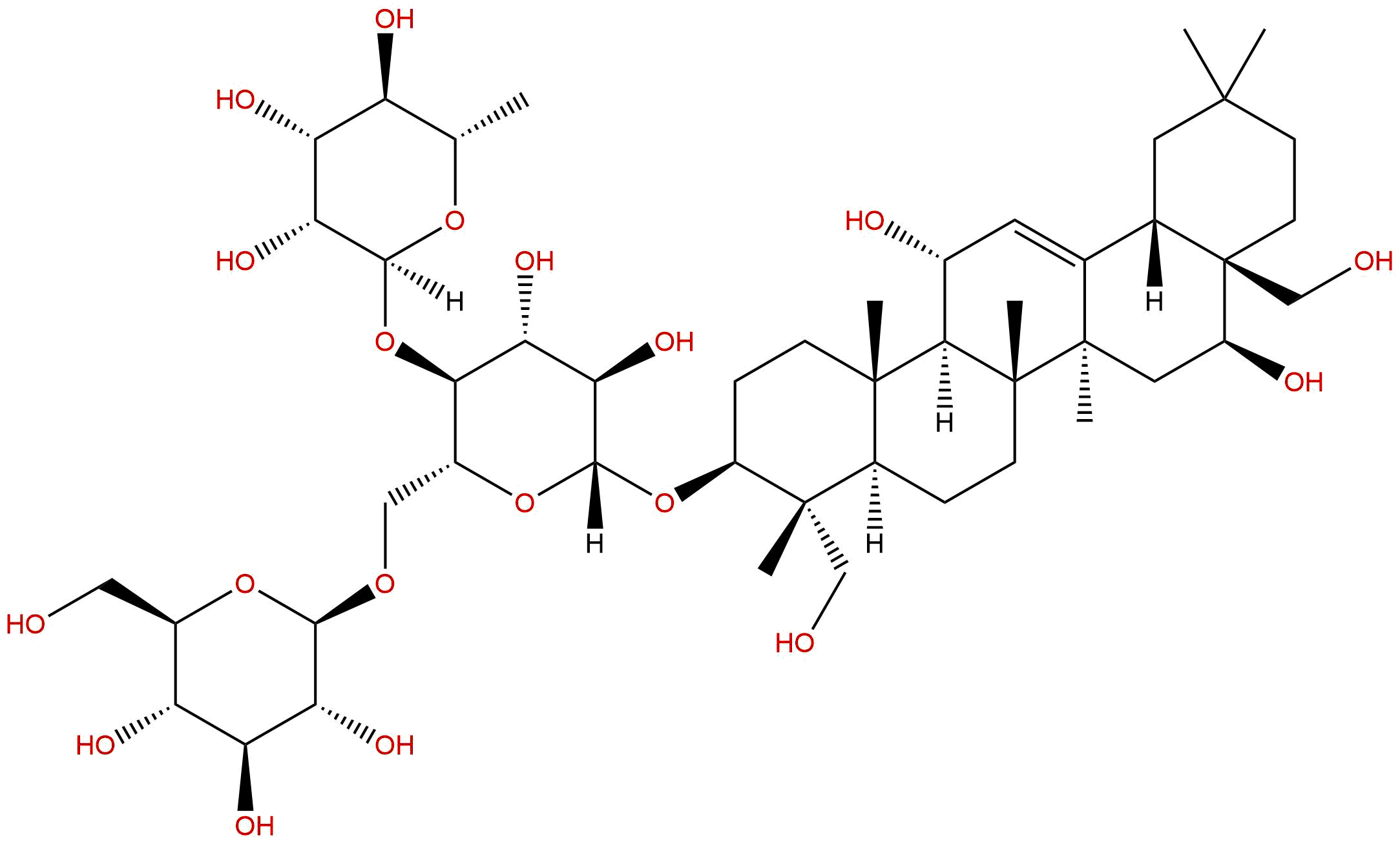
Natural products, as an important source of drug discovery, occupy a significant position in the field of antiviral drug development due to their structural diversity and rich biological activity. 11 (α) - Hydroxynepasaikosaponin K (CAS number 1152168-63-2) is a novel natural triterpenoid saponin, originally isolated from plants of the Bupleurum genus. This compound has attracted widespread attention in the fields of natural medicinal chemistry and pharmacology in recent years due to its unique chemical structure and significant antiviral activity.
This review aims to systematically summarize the chemical structure and physicochemical properties, plant sources and extraction methods, pharmacological activity and mechanism of action, pharmacological evaluation and pharmacokinetic characteristics of 11 (α) - hydroxysaikosaponin K. Combined with its potential clinical application prospects, it comprehensively reviews the research progress of this natural product and provides theoretical basis and research direction for subsequent drug development and clinical translation.
Chemical structure and physicochemical properties
11 (α) - Hydroxysaikosaponin K belongs to the triterpenoid saponin class, with a molecular formula of C48H78O20 and a molecular weight of 961.1490. Its core skeleton is a pentacyclic triterpenoid structure, with an alpha hydroxyl functional group on the 11th carbon atom. The sugar chain is connected to specific positions of the triterpenoid skeleton through glycosidic bonds. This structure endows it with high polarity, with a TPSA (topological polar surface area) of 318.37 Å ², indicating its strong hydrophilicity.
In terms of physical and chemical properties, the LogP value of 11 (α) - hydroxysaikosaponin K is 1.5765, indicating its moderate lipophilicity, which facilitates membrane penetration but is not prone to excessive lipid accumulation. The water solubility is 0.1140 mg/mL, indicating that it has a certain solubility in water, making it easy to absorb and distribute in vivo. The low permeability of the blood-brain barrier suggests limited distribution in the central nervous system. The hERG channel inhibition experiment result was negative, indicating that the compound has a low risk of cardiac toxicity. The Ames mutagenicity test result is 0.0, indicating a low risk of genotoxicity and good safety.
Plant sources and extraction methods
11 (α) - Hydroxysaikosaponin K is mainly derived from plants of the Bupleurum genus (Bupleurum spp.), especially the traditional Chinese medicines Bupleurum chinense DC. and Bupleurum scorzonerifolium Willd., which are abundant in content. Chaihu plant is widely distributed in East Asia, and its rhizome is the main medicinal part, as well as the main accumulation site of saponin compounds.
The extraction method usually adopts organic solvent extraction combined with multi-step separation and purification technology. The specific process includes:
- Crude extraction Reflux extraction of dried Bupleurum chinense rhizome with 70% ethanol or methanol is generally carried out for 2-4 hours, and repeated 2-3 times to improve the extraction rate.
- Liquid liquid distribution After concentration, the extract is distributed using solvents such as ethyl acetate and n-butanol to enrich saponin components.
- Column chromatography separation Using silica gel, reverse phase C18 or resin column for separation, combined with gradient elution technology, the target saponin can be separated.
- Purification by High Performance Liquid Chromatography (HPLC)Further purification yields high-purity 11 (α) - hydroxysaikosaponin K, with a purity generally exceeding 95%.
Modern extraction processes also attempt to use techniques such as ultrasound assisted extraction and microwave-assisted extraction to improve extraction efficiency and reduce solvent usage.
Pharmacological activity research
The pharmacological activity research of 11 (α) - hydroxysaikosaponin K mainly focuses on its antiviral effect, covering multiple viral targets and demonstrating broad-spectrum antiviral potential.
Antiviral activity
This compound exhibits inhibitory effects on various viral protein targets, involving key enzymes and structural proteins involved in viral replication, assembly, and infection processes, including:
- Myeloperoxidase (MPO)Regulating immune response indirectly affects virus clearance.
- Herpesvirus proteins UL42, UL54, ICP27, TK Participate in viral DNA replication and transcriptional regulation.
- Herpesvirus glycoprotein gD Mediate the binding of viruses to host cell receptors.
- HIV related targets CCR5, CXCR4, HIV1 protease (HIV1-PR), integrase (INT)Key virus invasion and replication enzyme targets.
In vitro cell experiments have shown that 11 (α) - hydroxysaikosaponin K can effectively inhibit the replication of herpes virus and HIV virus, reduce viral load, and alleviate virus mediated cellular lesions. Its antiviral activity is closely related to its regulation of key viral protein functions and inhibition of virus host cell interactions.
Immune regulatory effect
In addition to its direct antiviral effect, 11 (α) - hydroxysaikosaponin K also has the potential to regulate the host immune system. By regulating MPO activity and inflammatory cytokine expression, we can alleviate the inflammatory response caused by viral infection, promote the body's antiviral immunity, and enhance virus clearance ability.
Other pharmacological activities
Preliminary research suggests that this compound may have antioxidant, anti-inflammatory, and cell protective effects, providing theoretical support for its comprehensive treatment in viral infection related diseases.
Mechanism of action and molecular targets
The antiviral mechanism of 11 (α) - hydroxysaikosaponin K involves multi-target and multi pathway synergistic effects, including:
-
Inhibition of viral replicase activity
By binding to enzymes such as herpes virus UL42 (DNA polymerase), UL54 (DNA polymerase), and TK (thymidine kinase), the synthesis and replication of viral DNA are blocked. Inhibit the activity of HIV-1 protease and integrase against HIV virus, block virus maturation and genome integration.
-
Block virus binding to host cell receptors
By interfering with the binding of herpes virus glycoprotein gD to cell surface receptors, it prevents virus invasion. For HIV virus, it is prevented from entering host cells by regulating CCR5 and CXCR4 receptors.
-
Regulating host immune response
By regulating the activity of myeloperoxidase (MPO), excessive inflammatory response can be alleviated and antiviral immune balance can be promoted.
-
Anti inflammatory and antioxidant effects
Reduce oxidative stress and inflammatory response caused by viral infection, and protect host cells from damage.
Molecular docking and structural biology studies further revealed the binding mode between the compound and the target protein, indicating that its hydroxyl and sugar moieties stably bind through hydrogen bonding and hydrophobic interactions, enhancing the inhibitory effect.
Evaluation of drug properties and pharmacokinetics
Drugability assessment
The pharmacological indicators of 11 (α) - hydroxysaikosaponin K show that it has good potential for drug development:
- Molecular weight 961.1490 Although relatively large, it falls within the category of natural product drugs.
- LogP 1.5765 Moderate lipid solubility is beneficial for cell membrane penetration.
- TPSA 318.37 ŲHigh polarity indicates good water solubility, but may limit oral absorption.
- Water solubility 0.1140 mg/mL Suitable for formulation development.
- Low permeability of blood-brain barrier The risk of central nervous system side effects is low.
- HERG channel inhibition negative Good cardiac safety.
- Ames test negative Low risk of genotoxicity.
Overall evaluation shows that the compound has good safety and biocompatibility, making it suitable for further drug development.
Pharmacokinetic characteristics
At present, there are few in vivo pharmacokinetic studies on 11 (α) - hydroxysaikosaponin K. Preliminary animal experiments have shown that:
- Oral absorption is slow and bioavailability is limited, which may be related to its high polarity and larger molecular weight.
- Mainly metabolized through the liver, the metabolic pathway involves glycoside hydrolysis and hydroxylation modification.
- The distribution in the body is mainly concentrated in the liver and kidneys, with limited penetration through the blood-brain barrier.
- Excretion is mainly through bile and urine.
In the future, it is necessary to strengthen pharmacokinetic and pharmacodynamic research, optimize administration methods and dosage form design, and increase effective concentrations in vivo.
Clinical application prospects and prospects
11 (α) - Hydroxysaikosaponin K, as a natural product with broad-spectrum antiviral activity, has strong clinical application potential. Its multi-target mechanism of action targeting multiple key viral targets is suitable for treating complex viral infections, especially herpes virus and HIV related diseases.
Clinical application prospects
- Anti herpes virus infection Targeting herpes viruses such as HSV-1 and HSV-2, it has the potential to inhibit virus replication and alleviate symptoms, making it suitable for development as a local or systemic medication.
- Anti HIV therapy adjuvant By blocking key enzymes involved in HIV invasion and replication, it may serve as an adjuvant drug for existing antiretroviral therapy, reducing the risk of drug resistance.
- immunomodulator Regulating infection related inflammatory responses, enhancing the body's immune function, and improving the immune status of patients with viral infections.
- Combination therapy strategy Combined use with existing antiviral drugs to achieve synergistic effects, improve therapeutic efficacy, and reduce side effects.
Future research directions
- In depth pharmacokinetic and toxicological research Clarify the safe dosage range and long-term medication risks.
- Structural optimization and derivative development Improve oral bioavailability and targeting.
- Preclinical animal model validation Evaluate the antiviral effect and immune regulatory function.
- Clinical trial design and implementation Verify its safety and effectiveness, and promote clinical translation.
- Development of formulations and innovation in drug delivery routes Such as nanocarriers, sustained-release formulations, etc., to improve therapeutic efficacy.
Conclusion
11 (α) - Hydroxysaikosaponin K, as a natural triterpenoid saponin with unique structure and significant antiviral activity, exhibits multi-target and multi mechanism antiviral potential. Its excellent pharmacological properties and safety make it a strong candidate for antiviral drug development. In the future, through systematic pharmacokinetic studies, structural optimization, and clinical validation, it is expected to become a new type of antiviral drug, enrich the natural product antiviral drug library, and provide new strategies and choices for the prevention and treatment of viral diseases. The field of natural product pharmacology should continue to pay attention to and explore the potential of such compounds, promoting the translation of natural medicines into clinical applications.