Introduction/Overview
The Farnesoid X receptor (FXR), as an important member of the nuclear receptor superfamily, is a key target for regulating bile acid, lipid, and glucose metabolism, and is widely expressed in organs such as the liver, intestine, and kidneys. The activation of FXR plays a central role in maintaining metabolic homeostasis, reducing inflammatory responses, and protecting tissues from damage. Therefore, developing efficient and selective FXR agonists has become an important strategy for treating diseases such as non-alcoholic fatty liver disease (NAFLD), cholestasis, inflammatory bowel disease (IBD), and metabolic syndrome. In the treasure trove of natural products, researchers continuously discover novel structures with FXR agonist activity, providing valuable lead compounds for innovative drug development.
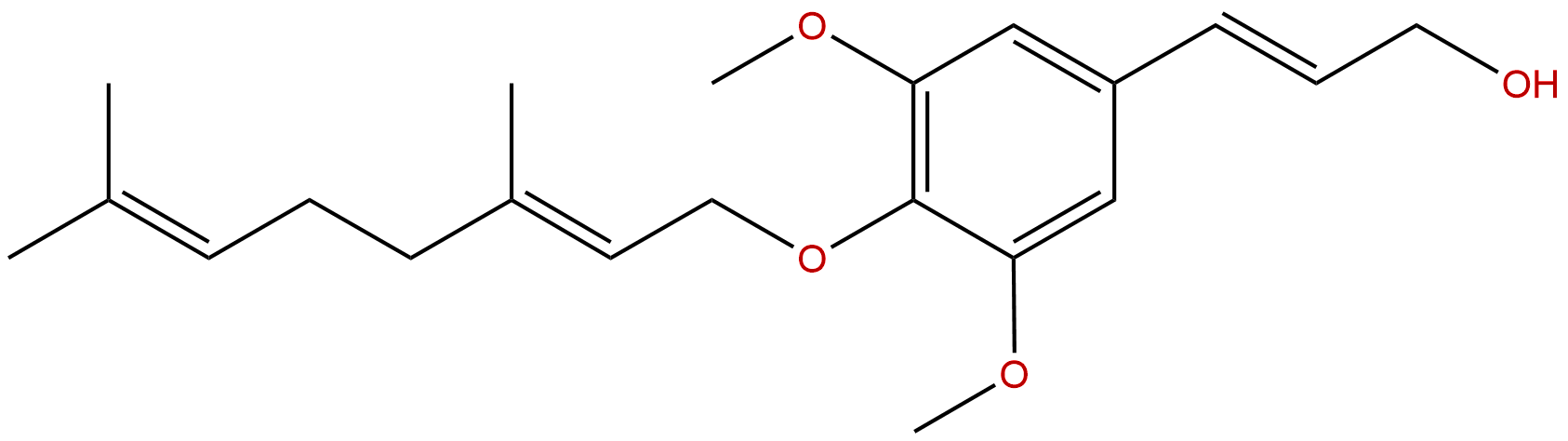
Nelumol A (CAS number: 77836-86-3) is a naturally occurring FXR agonist that has received much attention in recent years. As a natural product with a unique skeleton, Nelumol A not only becomes a potential tool molecule for metabolic disease research due to its specific activation of FNR, but also reveals its broad prospects in the field of anti-inflammatory therapy due to its significant inhibitory activity in various inflammation related signaling pathways. Its pharmacological effects involve the regulation of multiple targets such as interleukin-6 (IL-6), signal transduction and transcription activator 3 (STAT3), tumor necrosis factor (TNF), and key components of the nuclear factor kappa B (NF - κ B) pathway (such as RELA, IKBKB), suggesting that it may exert anti-inflammatory effects through multiple pathways and targets. This article aims to systematically review the chemical properties, plant sources, pharmacological activities, mechanisms of action, medicinal properties, and clinical application potential of Nelumol A, in order to provide comprehensive scientific references for the in-depth research and development of this compound.
Chemical structure and physicochemical properties
The molecular formula of Nelumol A is C21H30O4, with a molecular weight of 346.4670 g/mol. Structurally, it belongs to the sesquiterpene class and has a unique, highly oxidized carbon skeleton, typically containing multiple ring systems (such as decalin or similar fused rings) and oxygen-containing functional groups (such as hydroxyl and carbonyl groups). Its precise stereochemical configuration is crucial for its biological activity, but specific structural details need to refer to its original isolation and identification literature.
Its physical and chemical properties determine its behavior in biological systems. The calculated lipid water partition coefficient (LogP) is 4.8661, indicating that Nelumol A has high lipophilicity, which facilitates its penetration of cell membranes and binding to intracellular targets such as nuclear receptor FXR, but may also affect its water solubility and in vivo distribution. Its topological polar surface area (TPSA) is 47.92 Å ², which is relatively low, further confirming its good membrane permeability. The low water solubility value (about 0.0079 mg/mL) suggests that there may be dissolution challenges when developing it into oral formulations, which may need to be improved through formulation methods such as making nanocrystals, solid dispersions, or using solubilizers.
It is worth noting that its predicted blood-brain barrier (BBB) permeability is "high", which means that Nelumol A may enter the central nervous system. This characteristic provides a structural basis for its application in the treatment of neuroinflammatory diseases such as neurodegenerative diseases and neuropathic pain, as its targets such as TRPV1, TRPA1 ion channels, and NF - κ B pathway play key roles in inflammation and pain perception in the central nervous system. In addition, preliminary pharmacological risk assessment showed that the hERG inhibition risk was "no", and the Ames test result was 0.0 (negative), indicating a low potential risk of arrhythmia and genetic toxicity, laying a good foundation for further safety evaluation.
Plant sources and extraction methods
Nelumol A was originally isolated from Nymphaeaceae plants. Water lily plants, especially the Nelumbo genus, have a long history of application in traditional medicine, often used for clearing heat, detoxifying, stopping bleeding, and calming the mind. Modern plant chemistry research has discovered a large number of structurally novel and diverse alkaloids, flavonoids, and terpenes from these plants, among which Nelumol A is one of the representative sesquiterpenes.
Its extraction and separation usually follow the standard process of natural product chemistry. Firstly, dry and crush specific parts of the plant, such as roots, leaves, or seeds. Subsequently, medium polarity organic solvents such as methanol, ethanol, or acetone are used for cold soaking or heated reflux extraction to fully extract the medium polarity components, including Nelumol A. After vacuum concentration, the crude extract was subjected to preliminary fractionation using liquid-liquid distribution method (such as extraction with petroleum ether, ethyl acetate, and n-butanol in sequence). Nelumol A was mainly enriched in the ethyl acetate extraction site due to its LogP value.
Further purification relies on various chromatographic techniques. Silica gel column chromatography is commonly used for preliminary separation, using different ratios of petroleum ether ethyl acetate or chloroform methanol gradient elution. Then, fine purification was carried out in combination with reversed-phase silica gel column chromatography (such as C18 packing, eluted with methanol water or acetonitrile water system), gel column chromatography (such as Sephadex LH-20) and high performance liquid chromatography (HPLC) to finally obtain high-purity Nelumol A monomer. Structural identification involves the comprehensive use of techniques such as nuclear magnetic resonance (NMR, including 1H, 13C, 2D-NMR), mass spectrometry (MS), infrared spectroscopy (IR), and X-ray single crystal diffraction. At present, there are relatively few reports on its total synthesis route, and the main source still relies on plant extraction, which to some extent limits its large-scale supply and structural modification research.
Pharmacological activity research
The pharmacological activity research of Nelumol A mainly focuses on its anti-inflammatory effect and has been validated in multiple inflammation models.
1. In vitro anti-inflammatory activity:
Nelumol A can dose dependently inhibit the production of pro-inflammatory mediators induced by stimuli such as lipopolysaccharide (LPS) in various immune cell models (such as macrophage RAW264.7, microglial BV2) and epithelial cell models. Research has shown that it can significantly reduce the production of nitric oxide (NO, catalyzed by NOS2/iNOS) and prostaglandin E2 (PGE2, catalyzed by PTGS1/COX-1 and COX-2). Meanwhile, it can effectively inhibit the mRNA expression and protein secretion of key pro-inflammatory cytokines such as TNF - α, IL-6, and IL-1 β (whose maturation depends on the cleavage of CASP1/caspase-1). These effects indicate that Nelumol A exerts inhibitory effects at multiple stages of the inflammatory cascade.
2. In vivo anti-inflammatory activity:
In animal disease models, Nelumol A exhibits promising therapeutic potential. For example, in a mouse model of acute lung injury (ALI), Nelumol A pretreatment significantly reduced LPS induced pulmonary inflammatory cell infiltration, pulmonary edema, and histopathological damage, accompanied by a decrease in TNF - α, IL-6, and IL-1 β levels in bronchoalveolar lavage fluid. Nelumol A also exhibits significant anti-inflammatory and analgesic effects in mouse paw swelling or arthritis models induced by chemical substances such as carrageenan and formalin. Its effects may be related to the inhibition of local inflammatory factors and regulation of the activity of pain receptors such as TRPV1 and TRPA1. In addition, given its FXR agonist activity, Nelumol A may regulate bile acid metabolism and alleviate liver inflammation and fibrosis by activating FXR in animal models of cholestasis or NAFLD. However, specific research data in this area needs further enrichment.
3. Specific activity related to the target:
As an FXR agonist, Nelumol A can directly bind to and activate FXR, inducing the expression of its target genes such as small heterodimeric chaperone (SHP) and bile salt efflux pump (BSEP), thereby playing a role in metabolic regulation. Its anti-inflammatory effect may be partially attributed to the negative regulation of inflammatory pathways such as NF - κ B by FXR activation, known as the "metabolic inflammatory cross-talk".
Mechanism of action and molecular targets
The anti-inflammatory mechanism of Nelumol A is complex, involving the regulation of multiple key signaling pathways and molecular targets, exhibiting characteristics of multi-target action:
1. Core target: farnesol X receptor (FXR)
Nelumol A, as a natural agonist of FXR, is the starting point for its metabolic regulation and partial anti-inflammatory effects. After FXR activation, on the one hand, it induces SHP expression, inhibits genes such as cholesterol 7 α - hydroxylase (CYP7A1), and regulates bile acid synthesis; On the other hand, activated FXRs can directly interfere with the transcriptional activity of NF - κ B through protein-protein interactions, or indirectly inhibit inflammatory responses by inducing the expression of antioxidant and cell protective genes.
2. Regulating the NF - κ B signaling pathway:
NF - κ B is the core transcription factor of inflammatory response. Nelumol A can inhibit the activation of LPS induced I κ B kinase (IKK, the catalytic subunit of IKK β encoded by IKBKB), thereby preventing the phosphorylation and degradation of I κ B α, causing NF - κ B dimers (such as p65/RELA) to remain in the cytoplasm and unable to enter the nucleus to initiate the transcription of pro-inflammatory genes such as TNF - α, IL-6, and NOS2. This is one of the key mechanisms by which it inhibits the production of various pro-inflammatory factors.
3. Regulating the JAK/STAT signaling pathway:
Cytokines such as IL-6 activate JAK kinase, leading to phosphorylation, dimerization, and nuclear translocation of STAT3. Research has shown that Nelumol A can inhibit the phosphorylation activation of STAT3 and block the expression of downstream pro-inflammatory and pro proliferative genes. This mechanism may be related to direct intervention in STAT3 activation or upstream inhibition of IL-6 production.
4. Inhibit inflammasome activation:
The assembly and activation of inflammasomes (such as NLRP3) can lead to self cleavage activation of caspase-1 (CASP1), which in turn cleaves pro-IL-1 β and pro-IL-18, producing mature cytokines with strong pro-inflammatory effects. Nelumol A has been proved to inhibit the activation of NLRP3 inflammasome, reduce the activation of caspase-1 and the secretion of IL-1 β, which provides a basis for its treatment of diseases related to the over activation of inflammasome (such as gout, type 2 diabetes, Alzheimer's disease).
5. Regulating ion channels related to pain perception:
Transient receptor potential vanillic acid subtype 1 (TRPV1) and transient receptor potential anchor protein subtype 1 (TRPA1) are key ion channels involved in the perception of inflammatory pain and neuropathic pain. Nelumol A may contribute to its observed analgesic effect by directly or indirectly inhibiting the overactivation of these channels. Its high BBB permeability makes this central or peripheral analgesic effect possible.
6. Affects the activity of other enzymes:
Nelumol A may have a regulatory effect on cyclooxygenase-1 (PTGS1/COX-1), thereby affecting the production of prostaglandin mediators. However, further research is needed to determine whether it directly inhibits COX enzyme activity like traditional nonsteroidal anti-inflammatory drugs or reduces its expression through transcriptional regulation.
In summary, Nelumol A activates the core metabolic regulatory target FXR and synergistically inhibits multiple key inflammatory signaling nodes such as NF - κ B, STAT3, inflammasomes, and may regulate pain perception channels, forming a multidimensional and networked anti-inflammatory mechanism.
Evaluation of drug properties and pharmacokinetics
Based on its physicochemical parameters and preliminary biological activity data, a preliminary evaluation of the pharmacological properties of Nelumol A is conducted
Advantage:
1. Clear targets and potent activity: As an FXR agonist, it has a clear molecular mechanism of action and exhibits strong anti-inflammatory activity in cell and animal models.
2. Good membrane permeability and BBB permeability: A higher LogP and lower TPSA indicate good oral absorption potential and the ability to cross physiological barriers, including the blood-brain barrier, which is crucial for the treatment of central nervous system inflammatory diseases.
3. Preliminary safety is good: The absence of hERG inhibition warning and negative Ames test reduced the risk of severe cardiac toxicity and genetic toxicity in early development.
Challenge:
1. Poor water solubility: The extremely low water solubility is the main obstacle facing the development of its oral formulation, which may affect its dissolution and absorption in the gastrointestinal tract, leading to low bioavailability.
2. Metabolic stability unknown: Currently, there is a lack of systematic in vitro and in vivo metabolic research data. Multiple oxygen-containing functional groups in its structure may become sites for phase I metabolism (such as CYP450 enzyme catalyzed oxidation reactions) and phase II binding reactions, affecting its half-life and exposure.
3. Lack of pharmacokinetic (PK) data: There is no systematic report on the absorption, distribution, metabolism, and excretion (ADME) process of Nelumol A in animal bodies. The key PK parameters such as oral bioavailability, tissue distribution characteristics (especially brain tissue distribution), major metabolites, and elimination pathways urgently need to be clarified.
4. Potential multi-target off target effects: Although multi-target effects may bring synergistic therapeutic effects, they also increase the risk of unpredictable off target side effects, requiring comprehensive in vitro selective screening and in vivo toxicological evaluation.
Improvement strategy:
To improve its medicinal properties, future research may consider: 1)Structural modification By chemically synthesizing its derivatives or prodrugs, improve water solubility and metabolic stability while retaining activity. For example, introducing polar groups or making phosphate/amino acid ester prodrugs. 2)Advanced formulation technology Using delivery systems such as nanocrystals, liposomes, micelles, or solid dispersions to improve their solubility and oral absorption. 3)Research on System PK/PD Conduct a complete pharmacokinetic pharmacodynamic association study in appropriate animal models to clarify the effective exposure level and safety window.
Clinical application prospects and prospects
The unique dual properties of Nelumol A - FXR activation and multi-target anti-inflammatory - depict broad prospects for its application in various disease fields:
1. Metabolic inflammatory diseases:
- Non alcoholic fatty liver disease/non-alcoholic fatty liver disease (NAFLD/NASH): As an FXR agonist, Nelumol A is expected to become a candidate drug for the treatment of NASH by regulating bile acid and lipid metabolism, inhibiting liver inflammation and fibrosis. Its anti-inflammatory effect can directly target Kupffer cells and hepatic stellate cells in the liver, inhibit NF - κ B and STAT3 pathways, and alleviate liver injury.
- Inflammatory bowel disease (IBD): FXR is expressed in intestinal epithelial cells and immune cells, and its activation has anti-inflammatory and barrier integrity maintaining effects. Nelumol A may have therapeutic value for Crohn's disease and ulcerative colitis when administered locally or systemically.
- Type 2 diabetes and atherosclerosis: Metabolic inflammation is the common pathological basis of these diseases. Nelumol A may bring comprehensive benefits by improving metabolic disorders and inhibiting vascular inflammation.
2. Neuroinflammation and pain related diseases:
- Neurodegenerative diseases (such as Alzheimer's disease, Parkinson's disease): With its high BBB penetration and strong anti-inflammatory properties (inhibiting NF - κ B, STAT3, inflammasomes) and potential neuroprotective effects, Nelumol A is expected to be used to inhibit central nervous system inflammation and slow down disease progression.
- Neuropathic pain: Its potential regulatory effect on TRPV1/TRPA1 channel, combined with its anti-inflammatory properties, may provide new ideas for the treatment of diabetes neuralgia, chemotherapy induced peripheral neuralgia, etc.
3. Other inflammatory diseases:
Preliminary therapeutic effects have been demonstrated in models such as acute lung injury, rheumatoid arthritis, and gouty arthritis, and further exploration is warranted.
Future research directions and challenges:
1. Deep analysis of the mechanism of action: It is necessary to use techniques such as gene knockout, reporter genes, and co crystallization to accurately elucidate the binding mode, affinity, and functional consequences of Nelumol A with FXR and other targets.
2. System preclinical development: Complete pharmacodynamic (validated in more relevant disease models), pharmacokinetic, and toxicological studies of the system to determine its therapeutic index.
3. Structural optimization and similar development: Using Nelumol A as the lead compound, a systematic structure-activity relationship study and structural optimization were conducted to obtain candidate molecules with stronger activity, higher selectivity, and better pharmacokinetic properties.
4. Potential for combination therapy: Explore the synergistic effects of Nelumol A in combination with other mechanism of action drugs, such as anti fibrotic drugs and other metabolic modulators.
Conclusion
Nelumol A, as a natural FXR agonist discovered from traditional medicinal plants, has become an attractive molecule for connecting metabolic regulation and inflammation intervention research due to its unique chemical structure and multi-target anti-inflammatory pharmacological activity. It not only provides valuable lead structures for the development of new drugs for the treatment of metabolic inflammatory diseases such as NAFLD/NASH and IBD, but also brings new hope for overcoming neuroinflammatory related diseases due to its excellent blood-brain barrier penetration ability. Although it faces challenges in drug formulation, especially in terms of water solubility and systemic pharmacokinetics, these obstacles are expected to be overcome through the collaborative efforts of modern medicinal chemistry, pharmacy, and pharmacology. In the future, in-depth research on Nelumol A and its derivatives will undoubtedly deepen our understanding of the role of FXR in the inflammatory network, and may lead to the development of therapeutic drugs with novel mechanisms of action, benefiting a wide range of patients.