Introduction/Overview
Malaria, an ancient disease caused by Plasmodium parasites and transmitted by mosquitoes, remains a serious public health challenge worldwide. Although artemisinin based combination therapy has greatly reduced the incidence rate and mortality of malaria in the past two decades, the increasingly severe resistance of malaria parasites to existing antimalarial drugs (including artemisinin and its derivatives) has become one of the biggest obstacles on the road to malaria prevention and control. Therefore, continuously excavating lead compounds with novel structures and unique mechanisms of action from the treasure trove of natural products is of crucial strategic significance for the development of the next generation of antimalarial drugs.
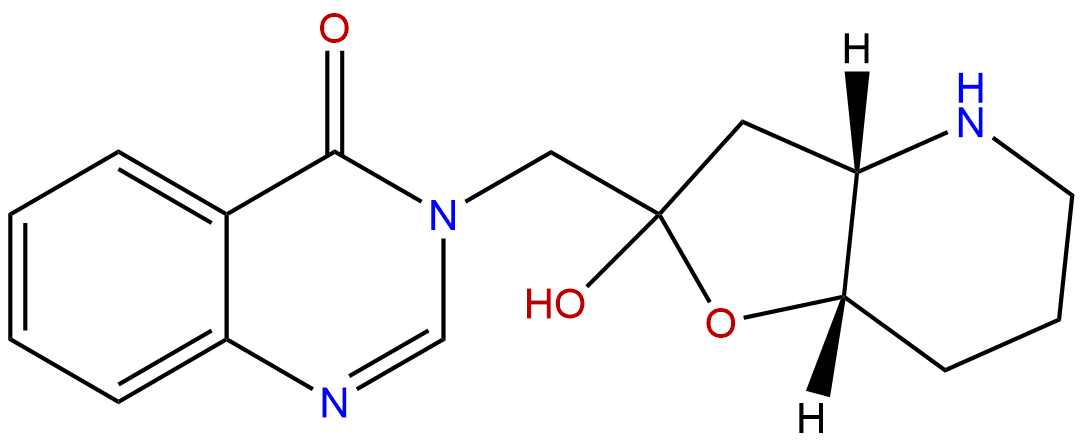
Isofebrifugine, CAS number 32434-44-9, is a shining pearl derived from traditional medicinal plants. As a traditional anti malaria Chinese medicine from Changshan(Dichroa febrifuga A quinazolinone alkaloid isolated from Lour. and its isomer Febrifugine form the core material basis of the anti malaria activity of this medicinal herb. Since its structure was elucidated, Changshan alkaloid A has attracted much attention due to its excellent in vitro and in vivo antimalarial activity. Compared with classic antimalarial drugs, Changshan alkaloid A exhibits unique potential mechanisms of action, and its potential multi-target modes of action on multiple malaria parasite targets provide new ideas for overcoming existing drug resistance. This article aims to systematically review the chemical characteristics, plant sources, pharmacological activities, mechanisms of action, pharmacological evaluation, and clinical application prospects of Changshan alkali A, in order to provide comprehensive academic references for the in-depth research and development of this natural product.
Chemical structure and physicochemical properties
Changshan alkaloid A is a tetracyclic quinazolinone alkaloid with a complex three-dimensional structure. Its molecular formula is C ₁₆ H ₁₉ N ∝ O ∝, and its molecular weight is 301.3460 g/mol. From a chemical structure perspective, its core skeleton is formed by the fusion of a quinazolin-4-one ring and a pyridine ring, with a key ortho dihydroxypyridine ring (or "amino alcohol" side chain) further attached to the pyridine ring. This structural feature, especially the two adjacent chiral centers in the side chain (usually 3R, 4S configuration), is crucial for its biological activity and is also the key to distinguishing it from Changshan base ethyl (isomers mainly differ in the side chain hydroxyl configuration).
Based on its chemical structure calculations, the pharmacological parameters show that Changshan alkaloid A has relatively balanced physicochemical properties. Its lipid water partition coefficient (LogP) is 0.2853, indicating that the molecule has moderate lipophilicity but overall leans towards hydrophilicity. The topological polar surface area (TPSA) is 76.38 Å ², reflecting the presence of multiple hydrogen bond acceptors (nitrogen, oxygen atoms) in the molecule, which is consistent with its good water solubility (calculated value of approximately 8.691 mg/mL). This moderate LogP and high water solubility are beneficial for the dissolution and distribution of compounds in organisms. It is worth noting that its blood-brain barrier permeability is predicted to be "high", indicating that Changshan alkaloid A may have the potential to penetrate the central nervous system, which has potential advantages for the treatment of malignant malaria parasite infections that may cause cerebral malaria. In early safety screening, Changshan alkaline A showed no significant inhibitory effect on hERG potassium channels (predicted as' no '), reducing the risk of inducing QT interval prolongation in the heart. The Ames test predicted a value of 0.9, indicating a low risk of mutagenicity. These preliminary pharmacological parameters have laid a certain foundation for the further development of Changshan alkaloid A.
Plant sources and extraction methods
Changshan alkali A mainly comes from plants of the Hydrangea genus in the Saxifragaceae family, Changshan(Dichroa febrifuga Dry roots of Lour. Changshan, as a traditional Chinese medicine, has a history of anti malaria application that can be traced back to Ge Hong's book "Emergency Formula for Elbow Reserve" in the Eastern Jin Dynasty. The book already records the use of Changshan in the treatment of malaria, and its anti malaria effects have been clearly documented in medical books throughout history.
The extraction and separation of Changshan alkaloid A from plant materials involves a multi-step purification process. Traditional extraction methods typically use alcohols (such as methanol, ethanol) or dilute acid aqueous solutions (such as hydrochloric acid, acetic acid) as solvents for percolation, reflux, or ultrasound assisted extraction. Acid water extraction can utilize the characteristic of alkaloids and acids forming salts and dissolving in water, thereby improving extraction efficiency. After alkalization, the crude extract is extracted with organic solvents such as chloroform, dichloromethane, and ethyl acetate to enrich the total alkaloids.
Further separation and purification are highly dependent on modern chromatographic techniques. Silica gel column chromatography is commonly used for preliminary separation, and complex mixtures are segmented using solvent systems of different polarities (such as chloroform methanol gradient elution). Due to their extremely similar structures, Changshan alkali A and Changshan alkali B are difficult to separate and often require the use of high-performance liquid chromatography (HPLC), especially a reverse phase C18 column, to perform fine separation using methanol water or acetonitrile water (usually with the addition of a small amount of buffer salts such as ammonium dihydrogen phosphate to improve peak shape) systems. Preparation HPLC is a key step in obtaining high-purity monomers of Changshan alkaloid A. In addition, liquid-liquid distribution chromatography techniques such as high-speed countercurrent chromatography have also been applied due to their excellent separation efficiency for isomers. The entire separation process needs to be monitored in real-time using thin-layer chromatography (TLC) or liquid chromatography-mass spectrometry (LC-MS). The final obtained Changshan alkali A monomer needs to be structurally confirmed and purity analyzed by nuclear magnetic resonance (NMR, including ¹ H, ¹ ³ C, 2D NMR), high-resolution mass spectrometry (HRMS), and specific rotation determination.
Pharmacological activity research
The most core and prominent pharmacological activity of Changshan alkaloid A is undoubtedly its powerful anti malarial effect. Numerous in vitro studies have shown that Changshan alkaloid A has an effect on Plasmodium falciparum(Plasmodium falciparum)Drug sensitive strains (such as 3D7) and multidrug-resistant strains (such as Dd2, K1) both exhibit half maximal inhibitory concentrations (IC ₅₀) at the nanomolar level, with activity comparable to or even superior to first-line drugs such as chloroquine and artemisinin. Its activity is significantly stronger than its isomer, Changshan alkali B, highlighting the significant impact of small differences in stereochemistry on activity. In animal models, Changshan alkaloid A has an effect on mouse malaria parasites (such as P. berghei)Infected mice also showed good therapeutic effects, significantly reducing parasitic infections and prolonging host survival time.
In addition to directly killing the red phase malaria parasite (the stage that causes clinical symptoms of malaria), research also suggests that Changshan alkaline A may have inhibitory effects on other life stages of malaria parasites, such as the infrared phase parasites in liver cells, which provides clues for its potential as an etiological prophylactic drug. However, early research also exposed a major drawback of Changshan alkaloid A: the treatment window is narrow, and gastrointestinal toxicity (such as vomiting and diarrhea) and liver toxicity can be observed at higher doses, which is consistent with its record of "minor toxicity" in traditional Chinese medicine applications and limits its direct development as a drug.
It is worth noting that recent studies have gradually revealed that Changshan alkaloid A may have a wider range of biological activities. For example, preliminary studies have reported that it may have anti-inflammatory and immunomodulatory effects, which may be related to its auxiliary mechanisms of anti malaria efficacy, or may open up new avenues for its application in diseases other than malaria (such as autoimmune diseases). However, relevant research is still in its infancy and requires more evidence to support it.
Mechanism of action and molecular targets
The anti malarial mechanism of Changshan alkaloid A is complex and not yet fully elucidated, and existing evidence strongly supports it as a multi-target antimalarial agent. This coincides with the current "multi-target drug" strategy advocated to overcome drug resistance. Research has shown that its effect may be related to interfering with multiple key physiological processes of malaria parasites, involving a series of important malaria parasite protein targets:
-
Hemoglobin metabolism and digestive vesicle function Malaria parasites feed on hemoglobin in red blood cells and degrade it in acidic digestive vesicles. Changshan alkaline A is believed to inhibit the functions of aspartic proteases (such as Plasmopsin) in digestive vesicles, or interfere with the acidification process of digestive vesicles. Its structure is similar to known digestive vesicle function inhibitors, which may alter the drug or ion concentration inside the digestive vesicle by affecting the function of PFCRT (chloroquine resistance transporter) or PFMDR1 (multidrug resistance protein 1), thereby indirectly or directly disrupting the hemoglobin degradation process and leading to toxic hemoglobin accumulation.
-
Folic acid metabolism pathway Similar to the classic antimalarial drug amiodarone, Changshan alkaloid A may inhibit the dihydrofolate reductase (PFDHFR) of malaria parasites, hindering their folate metabolism necessary for thymine and purine synthesis, thereby inhibiting DNA synthesis and cell proliferation. This is one of the important mechanisms of its anti malaria effect.
-
Protein synthesis and endoplasmic reticulum stress There are studies suggesting that Changshan alkaloid A may cause endoplasmic reticulum stress by interfering with the protein synthesis or folding of malaria parasites. The amino alcohol side chains in its structure may interact with ribosomes or related factors.
-
Mitochondrial function and electron transport chain Mitochondria of malaria parasites are key organelles involved in their energy metabolism and pyrimidine biosynthesis. Changshan alkaloid A may target mitochondrial electron transport chain complex III (PFCYTb or PFCYTBC), inhibit its function, and lead to energy metabolism disorders and oxidative stress. In addition, the potential inhibitory effect on mitochondrial calcium pump PFATP6 may also disrupt intracellular calcium homeostasis.
-
Protein kinase signaling pathway The growth and development of malaria parasites are regulated by multiple protein kinases (PFPKs). Changshan alkaloid A may act as an inhibitor of certain key protein kinases, interfering with their signal transduction.
-
Kelch13 protein and artemisinin resistance Recently, the research hotspot protein PFK13 (Kelch13) is a key molecule for artemisinin resistance. There is evidence to suggest that Changshan alkaloid A still maintains activity against some artemisinin resistant strains, and its mechanism of action may not be related to the PFK13 mediated resistance pathway, or it can bypass this resistance mechanism through other pathways, which adds important weight to its value in addressing artemisinin resistance.
-
Autophagy process Malaria parasites utilize mechanisms similar to autophagy (involving the PfATG8 protein) for organelle renewal and stress adaptation. A novel study suggests that Changshan alkaloid A may interfere with PfATG8 related autophagy processes, weakening the survival ability of malaria parasites under stress conditions.
In summary, Changshan alkaloid A is likely to have a "multi pronged" lethal effect on malaria parasites by simultaneously acting on multiple targets mentioned above. This multi-target characteristic not only gives it strong anti malarial activity, but also may make it less likely to develop high-level drug resistance, as malaria parasites need to simultaneously mutate multiple unrelated targets to completely evade the drug's action.
Evaluation of drug properties and pharmacokinetics
Although Changshan alkaloid A has excellent in vitro activity, its pharmacological properties, especially in vivo pharmacokinetics and toxicity characteristics, are the gaps that must be overcome for its clinical application.
pharmacokinetics Existing limited animal studies (mainly conducted in rodents) have shown that Changshan alkaloid A can be rapidly absorbed after oral administration, but its absolute bioavailability may be affected by first pass effects and self metabolism. Its widespread distribution in the body and high prediction of blood-brain barrier permeability are consistent with the theoretical needs for treating cerebral malaria. In terms of metabolism, Changshan alkaloid A may mainly undergo oxidative metabolism through the liver cytochrome P450 enzyme system (such as CYP3A4, CYP2D6), and the hydroxyl and amino groups in its structure may be metabolic modification sites. The prototype drug and its metabolites are mainly excreted through the kidneys. However, its specific metabolite profile, main excretion pathways, and pharmacokinetic parameters in the human body are still unknown and require systematic ADME (absorption, distribution, metabolism, excretion) studies to clarify.
Safety (toxicity)As mentioned earlier, the narrow therapeutic index is the main challenge faced by the development of Changshan alkaloid A. Its acute toxicity is mainly manifested as gastrointestinal irritation and liver damage. The toxicity mechanism may be related to its interference with certain basic physiological processes of host cells, such as non-specific effects on host cell protein synthesis or mitochondrial function. Studies on the structure-activity relationship indicate that its amino alcohol side chain is a pharmacophore for antimalarial activity, but it may also be related to toxicity. Therefore, optimizing the side chain through structural modification to retain or even enhance antimalarial activity while reducing toxicity is the core direction of pharmaceutical chemistry research.
Optimization strategy for drug properties In order to improve the pharmacological properties of Changshan alkaloid A, researchers have tried various strategies:
1. Structural modification and synthesis of analogues Prepare a series of derivatives, such as esterification, etherification, or acylation of side chain hydroxyl groups, to improve their metabolic stability, reduce toxicity, or regulate physicochemical properties. Some derivatives have shown better efficacy and safety than the parent compound in animal models.
2. Prodrug design Make Changshan alkaloid A into a prodrug to improve its oral absorption characteristics or achieve targeted release, reducing direct stimulation to the gastrointestinal tract.
3. New drug delivery system Using drug delivery systems such as liposomes, nanoparticles, and microemulsions to encapsulate Changshan alkaloid A can improve its bioavailability, alter tissue distribution, achieve sustained release, and potentially reduce systemic toxicity.
4. combination therapy Combining Changshan alkaloid A (or its optimized derivatives) with other antimalarial drugs with different mechanisms of action can not only produce synergistic or additive effects, reduce the dosage of each drug, thereby reducing toxicity, but also effectively delay the development of drug resistance.
Clinical application prospects and prospects
Changshan alkaloid A, as a natural lead compound derived from traditional medicine, has broad clinical application prospects but a tortuous path.
Direct application Due to its inherent toxicity issues, the possibility of directly developing the prototype compound of Changshan alkaloid A as a single antimalarial drug is relatively small. However, its value as a 'lead compound' is immeasurable.
Main development directions and prospects:
1. Development of new generation antimalarial drugs The most realistic and active research direction currently is to develop safe and effective derivatives or analogues of Changshan alkaloid A through systematic drug chemistry optimization. The goal is to obtain candidate drugs that can enter preclinical and clinical trials to address the threat of artemisinin resistant malaria in particular.
2. Components of fixed dose compound preparations Optimize the derivative of Changshan alkaloid A and combine it with artemisinin or other antimalarial drugs (such as piperaquine, pyronaridine, etc.) to form a new fixed dose combination (alternative or complementary to ACTs). By utilizing its unique multi-target mechanism and synergizing with existing drugs, it is expected to create more powerful and resistant treatment plans.
3. Mechanism of action probe tool Changshan alkaloid A can be used as a chemical probe for in-depth research on the biology of malaria parasites, especially the specific details of its multi-target effects and the relative importance of each target in the survival of malaria parasites, which can help discover new anti malaria targets.
4. Expand other indications Based on its potential anti-inflammatory and immunomodulatory activities, exploring its therapeutic potential in inflammatory diseases, autoimmune diseases, and even certain cancers may open up new application areas.
challenges faced:
- Thorough elucidation of toxicity mechanism It is necessary to conduct in-depth research on the molecular basis of its toxicity in order to carry out precise attenuation design.
- Significant investment in preclinical and clinical research From lead compounds to marketed drugs requires a lengthy, expensive, and high-risk research and development process.
- Competition and positioning with existing drugs It is necessary to clarify its unique positioning and advantages in the future anti malaria drug system.
Conclusion
Changshan alkaloid A, a natural alkaloid derived from the ancient antimalarial Chinese medicine Changshan, has shown new vitality in modern antimalarial drug development due to its strong antimalarial activity and unique multi-target mechanism of action. It is not only a bridge connecting traditional medical wisdom with modern scientific research, but also a valuable strategic resource for addressing the increasingly severe challenge of malaria parasite resistance. Although its inherent toxicity issues once hindered its development, modern medicinal chemistry, pharmacology, and pharmacy technologies provide powerful tools for modifying and optimizing this lead compound. Through in-depth analysis of its effects and toxicity mechanisms, rational design of safer derivatives, and exploration of innovative combination therapy schemes, Changshan alkaloid A has great potential to breed the next generation of highly efficient, low toxicity, and resistant new antimalarial drugs. The continuous and in-depth research on it is not only an exploration of a natural product molecule, but also an important chapter in the unremitting efforts of humanity to seek innovative solutions from nature in the long struggle against malaria.