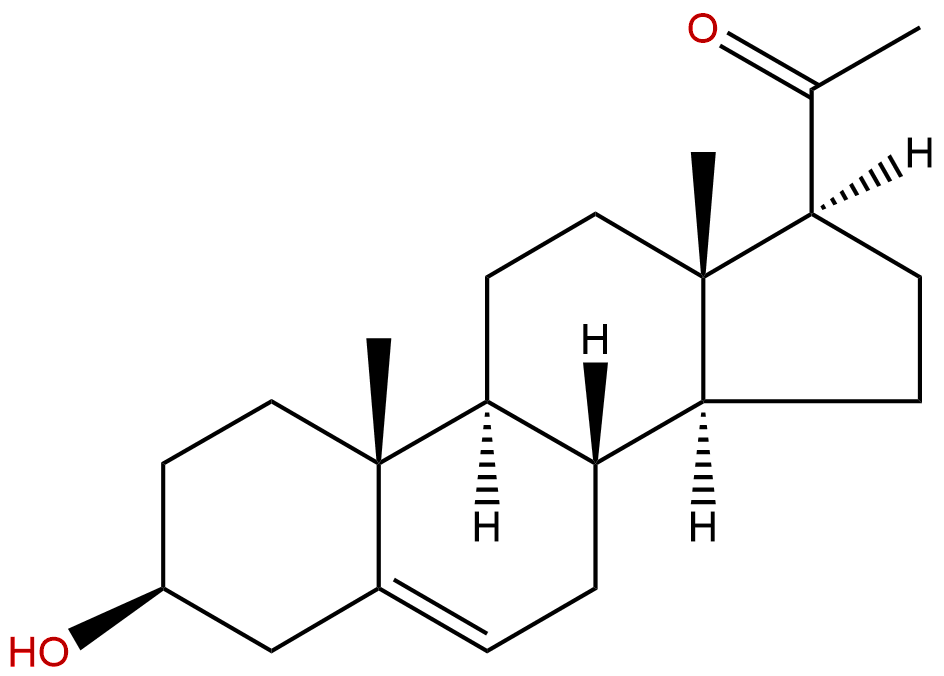


Product name: Pregnenolone
Synonym name:
Catalogue No.: BP3326
Cas No.: 145-13-1
Formula: C21H32O2
Mol Weight: 316.485
Botanical Source:
Physical Description: Cryst.
Type of Compound: Steroids
Purity: 95%~99%
Analysis Method: HPLC-DAD or/and HPLC-ELSD
Identification Method: Mass, NMR
Packing: Brown vial or HDPE plastic bottle
The product could be supplied from milligrams to grams. Inquire for bulk scale.
We provide solution to improve the water-solubility of compounds, thereby facilitating the variety of activity tests and clinic uses.
For Reference Standard and R&D, Not for Human Use Directly.
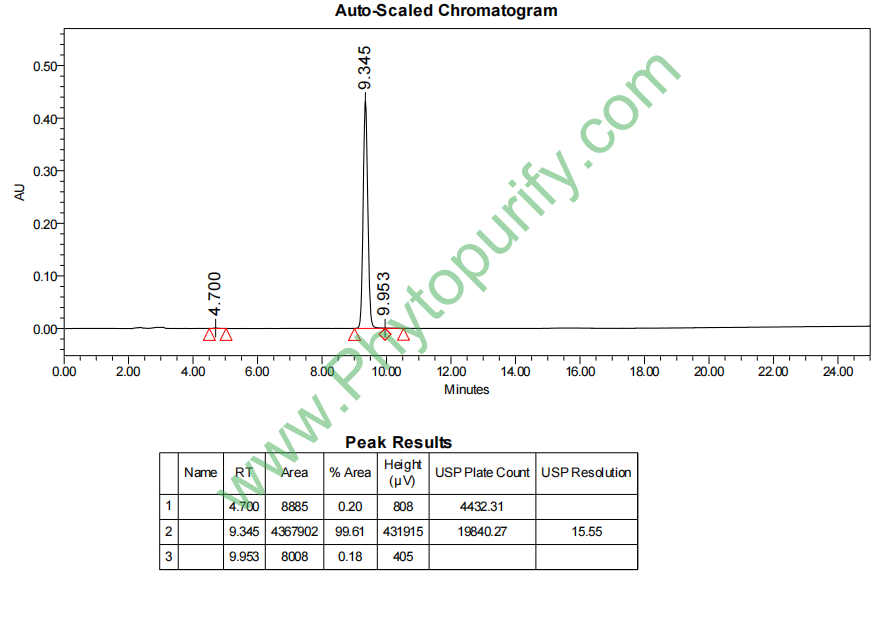
HPLC of Pregnenolone
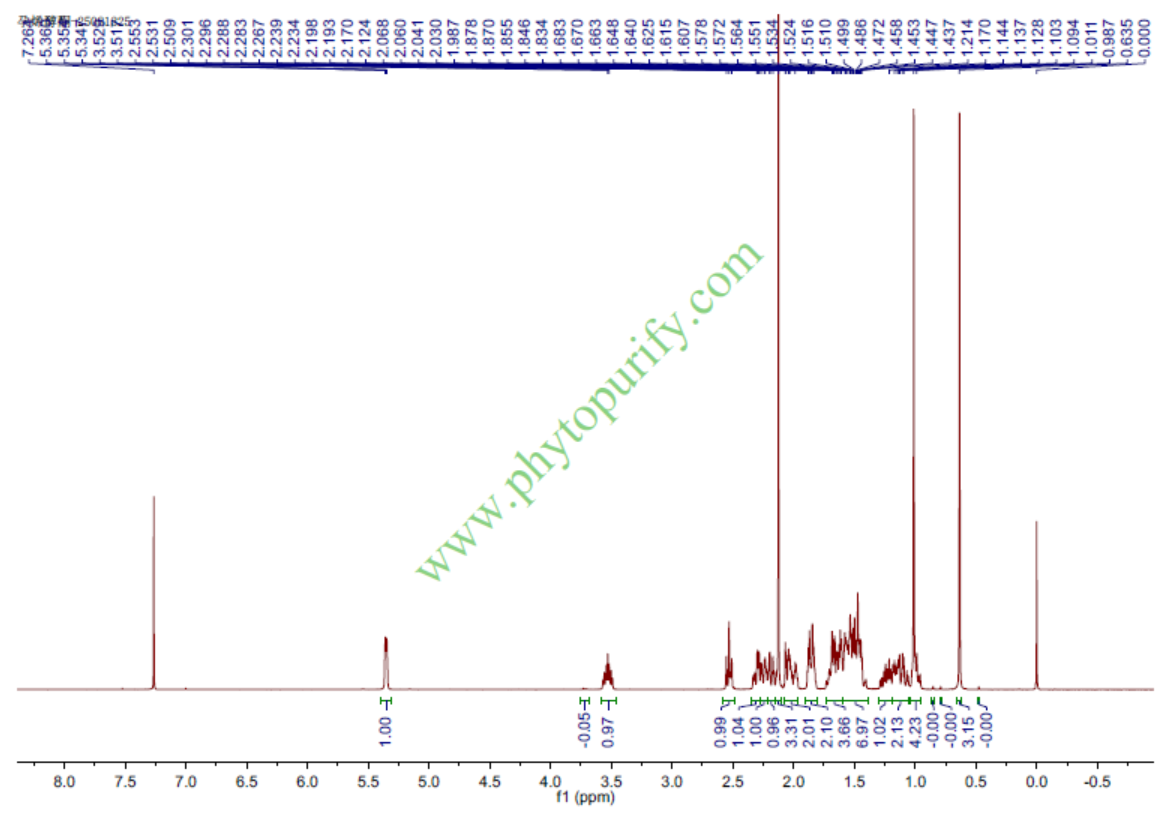
HNMR of Pregnenolone
Storage conditions:Short-term storage at 2~8℃, long-term storage at -20 ~ -80℃
37.3000
3.9575
3.9575
.0270
7.3402
15.5329
High
85.7196
4.0794
No
No
No
No
No
No
0.0
No
No
No
No
Pregnenolone, also known as 3 β - hydroxy-5-pregnen-20-one, is a steroid molecule that occupies a unique and critical position in the field of life sciences. As the "mother" or precursor substance of all steroid hormone biosynthesis, it is converted from cholesterol by cholesterol side chain lyase (CYP11A1) and further metabolized into progesterone, dehydroepiandrosterone (DHEA), cortisol, aldosterone, and sex hormones (testosterone, estradiol), forming the core hub of steroid hormone synthesis. For a long time, pregnenolone has been regarded as an important biochemical intermediate. However, nearly thirty years of research have completely changed this perception, revealing its important role as a "neurosteroid" with independent biological activity. Neurosteroids refer to steroid substances synthesized within the nervous system that can directly regulate neuronal function.
The concentration of pregnenolone in the brain is much higher than in the periphery, and its synthesis is not regulated by classical endocrine glands, but is autonomously completed by neurons and glial cells. Research has found that it not only acts as a precursor, but also directly acts on various neurotransmitter receptors and ion channels, exerting powerful neural regulation and protection effects. Of particular note, pregnenolone has been found to be an endogenous negative feedback regulator of cannabinoid CB1 receptors, capable of antagonizing cognitive impairment caused by cannabinoids such as tetrahydrocannabinol (THC), providing a new approach for the treatment of cannabis abuse and related mental disorders. In addition, its activation of TRPM3 channel also suggests its potential functions in physiological and pathological processes such as pain perception and insulin secretion. With the in-depth exploration of the mechanisms of neurological diseases such as Alzheimer's disease, Parkinson's disease, depression, and cognitive impairment, pregnenolone exhibits neuroprotective potential through multiple pathways, including regulating apoptosis pathways, reducing oxidative stress, inhibiting tau protein hyperphosphorylation, and promoting neurotrophic factor expression, making it an attractive candidate molecule in the fields of neuropharmacology and drug development. This article aims to systematically review the chemical properties, sources, pharmacological activities, molecular mechanisms of action, drug properties, and clinical application prospects of pregnenolone.
The molecular formula of pregnenolone is C21H32O2, with a molecular weight of 316.4850 g/mol. Its chemical structure is based on the steroid parent nucleus cyclopentane dihydrophenanthrene, and its specific characteristics are: there is a double bond (Δ 5 structure) at the C-5 position of the A ring, and a hydroxyl group (3 β - hydroxyl) in the β - configuration at the C-3 position, which is the key functional group for its subsequent steroid hormone synthesis substrate; The C-17 position of the D ring is connected to an acetyl group (- CO-CH3), forming a 20 ketone structure. The structure of this Δ 5-3 β - hydroxy-20-one is a distinguishing feature from other steroid hormones, such as progesterone which has a Δ 4-3-one structure.
From the perspective of pharmacological parameters, the lipid water partition coefficient (LogP) of pregnenolone is 3.9575, indicating its high lipophilicity, which is consistent with the characteristics of its steroid skeleton. The topological polar surface area (TPSA) is 37.30 Å ², which is relatively small. These physical and chemical properties determine that it is difficult to dissolve in water (with a water solubility of about 0.0270 mg/mL), but it is easy to penetrate biofilms. Its high lipophilicity and small molecule properties enable it to efficiently penetrate the blood-brain barrier (BBB permeability predicted as "high"), reaching effective concentrations in the central nervous system, which is crucial for its neurosteroid function. In the preliminary toxicity prediction, pregnenolone showed no significant risk of hERG potassium channel inhibition (low arrhythmogenic potential), and the Ames test predicted a negative result (0.0), indicating a low genetic toxicity risk. These characteristics provide a favorable physicochemical and safety basis for further drug development.
Although pregnenolone is a core endogenous product of cholesterol metabolism in animals, especially in the adrenal gland, gonads, brain, and skin, it also exists in some plants in nature, particularly in the Dioscoreaceae and Solanaceae families. For example, in the rhizomes of plants such as Dioscorea mexicana and Dioscorea deltoidea, there is abundant Diosgenin, a steroid saponin with a structure similar to pregnenolone. In the mid-20th century, Russell Marker's "Marker Degradation Method" revolutionized the semi synthesis of diosgenin to pregnenolone, a process that became the cornerstone of the early steroid drug industry, such as the production of progesterone and corticosteroids.
The extraction of pregnenolone or its precursor dioscin from plant materials is usually carried out using organic solvent extraction method. The general process includes: refluxing and extracting the dried and crushed plant roots with polar organic solvents (such as methanol, ethanol, or mixed solvents), concentrating the extract to obtain crude saponins. The crude saponins are further hydrolyzed by acid or enzyme to remove the sugar chain and release diosgenin. The obtained diosgenin can be converted into pregnenolone through multi-step chemical synthesis, including ring opening, oxidation, selective reduction, etc. With the development of biotechnology, the engineering transformation of microorganisms (such as yeast) through heterologous expression of key enzymes such as cholesterol side chain lyase has become a promising green production method for the biosynthesis of pregnenolone from simple carbon sources. However, the main source of pregnenolone currently used for research and clinical use is still chemical synthesis or semi synthesis to ensure purity and scale.
The pharmacological activities of pregnenolone are extensive and complex, and its core can be summarized into two aspects: neural regulation and neuroprotection.
1. Neuroregulation and behavioral effects:
Pregnenolone can significantly improve the learning and memory abilities of various animal models. In elderly rats or models of cognitive impairment, exogenous supplementation of pregnenolone can reverse age-related memory decline and enhance hippocampal dependent spatial and episodic memory. Its anti anxiety and antidepressant like effects have also been confirmed in experiments such as forced swimming and elevated cross maze. These behavioral effects are closely related to their regulation of GABA_A receptors, NMDA receptors, sigma-1 receptors, and other receptors. For example, pregnenolone and its sulfate derivatives are negative allosteric modulators of GABA_A receptors, which can weaken the inhibitory effects of GABA. They are also positive allosteric modulators of NMDA receptors, enhancing the excitatory transmission of glutamate. This unique "bidirectional regulation" may help restore the excitatory/inhibitory balance of neural networks, improve cognition and emotion.
2. Antagonistic effect of cannabinoids:
This is a breakthrough discovery of pregnenolone in recent years. When THC (the main psychoactive ingredient of marijuana) is administered acute or chronic, the brain adaptively upregulates the synthesis of pregnenolone. Pregnenolone itself does not directly compete with CB1 receptors for binding, but acts as a "signal specific inhibitor" that selectively antagonizes certain harmful signaling pathways downstream of CB1 receptor activation (such as ERK pathway overactivation), thereby inhibiting cognitive impairment, memory impairment, overeating, and addiction related behaviors caused by THC, while not affecting beneficial effects such as CB1 receptor-mediated analgesia. This endows pregnenolone with the properties of a selective CB1 functional antagonist, providing a novel strategy for treating cannabis use disorders and preventing cannabis related psychiatric symptoms.
3. Neuroprotective activity:
Pregnenolone exhibits strong protective effects in various neurodegenerative diseases and injury models. In the Alzheimer's disease (AD) model, it can reduce the production and aggregation of beta amyloid protein (A β), decrease the excessive phosphorylation of tau protein, and improve synaptic plasticity and memory function. In Parkinson's disease (PD) models, it can protect dopaminergic neurons from damage by neurotoxins such as MPTP and 6-OHDA. In models of cerebral ischemia/reperfusion injury and traumatic brain injury, pregnenolone can alleviate brain edema, reduce infarct volume, inhibit inflammatory response, and cell apoptosis. Its neuroprotective effects involve multiple mechanisms such as antioxidant, anti apoptotic, anti-inflammatory, promotion of autophagy, and neurotrophic support.
4. Other activities:
As an activator of TRPM3 (transient receptor potential M3) channel, pregnenolone may be involved in regulating insulin secretion, temperature perception, and nociceptive pain transmission in pancreatic beta cells. In addition, it also has a regulatory effect on the immune system, which may affect the production of inflammatory cytokines.
The mechanism of action of pregnenolone is a multi-target, multi pathway network regulation, mainly involving the following key targets and pathways:
1. Membrane receptors and ion channels:
* GABA_A receptor: Pregnenolone and its sulfate esters are effective negative allosteric modulators that non competitively inhibit GABA induced chloride ion influx at high concentrations, producing "anxiety inducing" and excitatory effects, but their effects at physiological concentrations are complex.
* NMDA receptor: Pregnenolone sulfate is a potent positive allosteric modulator that enhances receptor response to glutamate and glycine, promotes calcium influx and long-term potentiation (LTP), and is closely related to learning and memory.
* Sigma-1 receptor (σ 1R): Pregnenolone is one of the endogenous ligands of σ 1R. Sigma 1R is a molecular chaperone on the endoplasmic reticulum, involved in regulating calcium signaling, cell survival, and neural plasticity. Pregnenolone can stabilize neuronal mitochondrial function, inhibit endoplasmic reticulum stress, exert anti apoptotic and neuroprotective effects by activating σ 1R.
* Cannabinoid CB1 receptor: As mentioned earlier, as a signal specific inhibitor, it antagonizes specific downstream signals mediated by THC/CB1 (such as aberrant sustained phosphorylation of ERK1/2) without affecting all CB1 functions.
* TRPM channel: Directly activate TRPM3 channel to mediate calcium ion influx; Has a weak activating effect on the TRPM1 channel. This is related to processes such as sensory neuron excitation and insulin secretion.
2. Neuroprotective signaling pathways and targets:
The neuroprotective effect of pregnenolone is achieved by regulating a series of key proteins and pathways:
* Anti apoptotic pathway: Upregulate the expression of anti apoptotic protein Bcl-2, while inhibiting the activation of pro apoptotic protein Bax and the release of cytochrome c. It can also inhibit the activation of caspase-9 and caspase-3, blocking the execution stage of apoptosis.
* Antioxidant stress: Activating transcription factor Nrf2 (encoded by NFE2L2 gene) promotes the expression of downstream antioxidant response elements (ARE) driven genes such as heme oxygenase-1 (HO-1) and quinone oxidoreductase 1 (NQO1), enhancing the cell's antioxidant defense ability.
* Tau protein and AD related pathways: Inhibit the activity of glycogen synthase kinase-3 β (GSK3 β). GSK3 β is one of the key kinases involved in tau protein hyperphosphorylation, and its inhibition can reduce the formation of neurofibrillary tangles. Meanwhile, it is possible to reduce the production of A β by affecting the activity or expression of APP processing enzymes such as BACE1.
* Neuronutrition and cell survival pathways: Activate MAPK/ERK pathways (such as MAPK1/ERK2) and PI3K/Akt pathways, which promote cell survival, growth, and differentiation. In addition, pregnenolone can upregulate the expression of the deacetylase SIRT1, which regulates energy metabolism, mitochondrial biosynthesis, and stress resistance by deacetylating various substrates such as PGC-1 α and FOXOs, thereby extending cell lifespan.
* Anti inflammatory effect: Inhibit the activation of pro-inflammatory signaling pathways such as nuclear factor kappa B (NF - κ B), reduce the activation of microglia, and decrease the production of inflammatory factors such as tumor necrosis factor - α (TNF - α) and interleukin-1 β (IL-1 β).
Although pregnenolone is an endogenous substance, its pharmacological efficacy as an exogenous therapeutic drug still needs to be systematically evaluated.
Pharmacokinetic (PK):
Pregnenolone is rapidly absorbed after oral administration, but due to its significant first pass effect, its oral bioavailability is relatively low (about<10% in human studies). It is widely distributed in tissues throughout the body and rapidly penetrates the blood-brain barrier due to its high lipid solubility, reaching a high concentration in the brain. In the body, pregnenolone metabolism is rapid and the pathway is complex: it is mainly converted to progesterone by 3 β - hydroxydehydrogenase (3 β - HSD); It can also be converted to DHEA through CYP17A1; Or generate various metabolites through reactions such as hydroxylation, sulfation, glucuronidation, etc. Its sulfate ester (pregnenolone sulfate ester) has increased water solubility and is an important active storage form in the brain. The elimination half-life of pregnenolone is relatively short, which may lead to significant fluctuations in blood drug concentration. To improve its drug efficacy, formulation strategies such as using liposomes, nanoparticles, cyclodextrin inclusion complexes, or developing prodrugs (such as succinate) to enhance solubility and oral bioavailability are important research directions.
Security:
As an endogenous hormone precursor, pregnenolone is usually well tolerated at physiological doses. The side effects reported in clinical studies are usually mild, including headaches, insomnia, anxiety, rash, etc. The main potential risk lies in its metabolites. Exogenous high-dose pregnenolone may be converted into excessive progesterone, DHEA, and other sex hormones, thereby disrupting endogenous hormone balance and potentially leading to hormone related side effects such as mood swings, menstrual disorders, and male breast development. Therefore, determining the treatment window and regulating metabolic orientation are crucial. The aforementioned pharmacological prediction (no hERG inhibition, Ames negative) provides preliminary support for its safety, but the long-term hormonal effects still need to be strictly monitored.
Drug interactions:
Pregnenolone may interact with related drugs by affecting the cytochrome P450 enzyme system (such as CYP3A4) or acting as a substrate/competitor for other steroid hormone metabolism. For example, caution should be exercised when combined with other neuroactive drugs such as antidepressants and sedatives.
The clinical application prospects of pregnenolone mainly focus on neurological diseases and behavioral disorders, and some have entered the clinical research stage:
1. Cognitive impairment and neurodegenerative diseases:
* Mild cognitive impairment (MCI) and Alzheimer's disease (AD): Multiple small-scale clinical trials have shown that supplementing with pregnenolone or pregnenolone sulfate can improve memory, attention, and overall cognitive function in MCI and mild AD patients, with good tolerability. It may be used as part of disease modification therapy, in combination with other drugs (such as A β - targeted drugs) to exert synergistic protective effects.
* Cognitive impairment in schizophrenia: Patients with schizophrenia may have abnormal levels of pregnenolone in their brains. Clinical trials have shown that pregnenolone adjuvant therapy can improve patients' attention, working memory, and negative symptoms, providing a new option for treating the unmet clinical need of cognitive negative symptoms.
2. Substance use disorders:
* Cannabis use disorder: Based on its unique mechanism of antagonizing the harmful effects of THC, pregnenolone is a highly promising candidate drug for the prevention and treatment of cannabis abuse, dependence, and cannabis induced psychosis. The preclinical data is strong and urgently needs to be promoted for clinical translational validation.
* Other addictions: Animal models of addiction to drugs such as cocaine and nicotine have also shown certain therapeutic effects, which may be related to their regulation of prefrontal cortex function and improvement of impulse control.
3. Emotional and stress-related disorders:
* Depression and bipolar disorder: Especially for patients with refractory depression or cognitive symptoms, pregnenolone as an adjuvant therapy may bring benefits. The mechanism of its rapid antidepressant potential may be related to the activation of σ 1R and NMDA receptors.
* Post traumatic stress disorder (PTSD): Research shows that PTSD patients have imbalanced levels of neurosteroids in their bodies. Pregnenolone may improve PTSD symptoms by regulating the fading and consolidation of fear memories.
4. Other potential areas:
Including rehabilitation after traumatic brain injury, neuroprotection in multiple sclerosis, chronic pain management (through TRPM3), etc.
Outlook and Challenges:
The main directions for future research include: ① Optimize drug delivery strategy Develop new delivery systems to improve bioavailability, prolong action time, and achieve brain targeted delivery. ② Exploration of Precision Medicine Search for biomarkers that can predict the response to pregnenolone therapy, such as baseline neurosteroid levels and gene polymorphisms. ③ Deep exploration of mechanisms Further elucidate the precise molecular details of its "signal specific inhibition" of CB1 receptors and other multi-target synergistic effects. ④ Strict large-scale clinical trials Conduct rigorously designed Phase II/III clinical trials in indications such as AD and cannabis use disorders to confirm their effectiveness and long-term safety. ⑤ Structural Modification and New Drug Design Using it as the parent nucleus, design and synthesize new analogues or prodrugs with higher selectivity, more stable metabolism, and fewer side effects.
Pregnenolone has evolved from a simple steroid hormone precursor to a powerful multi-target neurosteroid, and its research history reflects the complexity and beauty of life sciences. It is like an endogenous' intelligent regulator ', playing a core role in maintaining homeostasis, enhancing resilience, and resisting damage in the nervous system. Its specific antagonistic effect on cannabinoid CB1 receptor signaling reveals the intricate feedback mechanism of the brain in combating exogenous substance interference, opening up a new paradigm for drug addiction treatment. And its extensive neuroprotective activity demonstrated by regulating key node networks such as Bcl-2, GSK3 β, Nrf2, SIRT1, makes it full of potential in addressing the challenges of neurodegenerative diseases brought about by an aging society.
Despite facing challenges such as bioavailability, metabolic complexity, and long-term hormonal effects on the path to transforming it into a mature drug, the therapeutic value of pregnenolone is beyond doubt. With the continuous deepening of understanding of the neurosteroid system and the synergistic progress of medicinal chemistry, formulation, and translational medicine, pregnenolone and its derivative drugs are expected to provide innovative treatment options for various refractory neurological diseases such as cognitive impairment, mental illness, and drug addiction in the future, achieving a magnificent transformation from "the cornerstone of life" to "the guardian of the nervous system".
