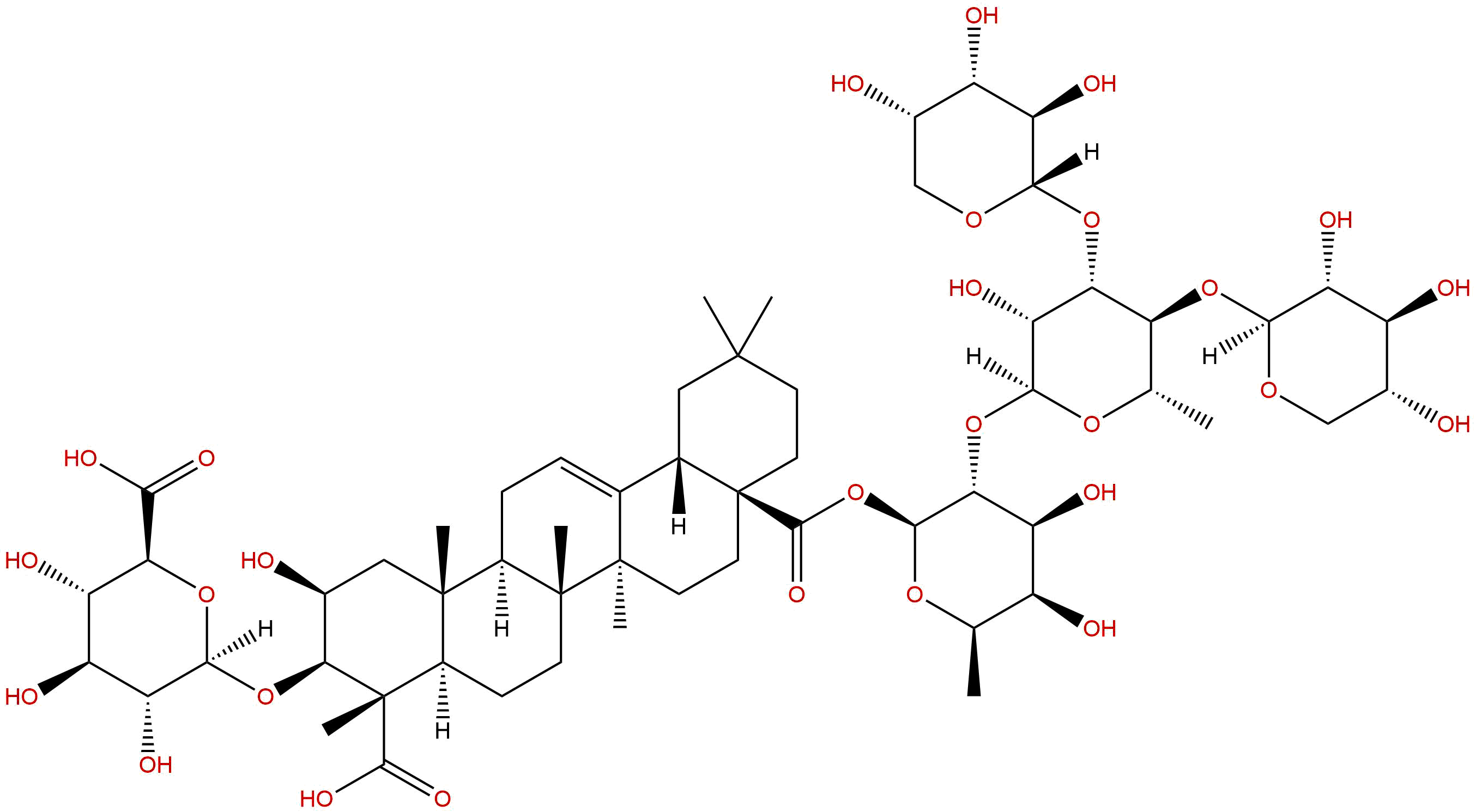
Celosin J: A Review of Natural Anti Leukemia Active Ingredient from Impatiens Seeds
Introduction/Overview
Leukemia, as a malignant clonal disease of the hematopoietic system, has long been one of the major diseases that seriously threaten human health worldwide. According to the statistics of the World Health Organization (WHO), leukemia ranks first in the global incidence rate of malignant tumors, especially in children and adolescents, whose incidence rate and mortality rate both occupy an important position. Traditional chemotherapy drugs such as cytarabine and erythromycin have achieved certain therapeutic effects in clinical applications, but the emergence of drug resistance, serious toxic side effects, and inhibition of normal hematopoietic function have always plagued clinical treatment. In recent years, with the rapid development of molecular biology and medicinal chemistry, targeted therapy strategies targeting leukemia specific molecular targets have gradually become a research hotspot, among which kinase inhibitors such as FLT3, JAK2, BCR-ABL have shown significant therapeutic effects in clinical practice. However, the problem of resistance mutations in targeted drugs and recurrence after treatment still needs to be urgently addressed. In this context, searching for novel anti leukemia active ingredients with multi-target regulatory effects from natural products has become an important direction in the field of drug development.
Natural products, as an important source of drug discovery, occupy an irreplaceable position in the history of anti-tumor drug development. From paclitaxel, vinblastine to camptothecin derivatives, natural products and their structural modifications provide numerous effective drug molecules for tumor treatment. Celosin J, as a natural triterpenoid saponin compound discovered in recent years, has attracted widespread attention in the academic community due to its unique chemical structure and potential biological activity. This compound was originally derived from Impatiens balsamina(Impatiens balsamina L. It was isolated from the seeds and belongs to the oleanane type triterpenoid saponins. As a traditional Chinese medicinal plant, Impatiens is commonly used in folk medicine to treat diseases such as rheumatism, rheumatism, pain, injuries from falls, boils, swelling, and toxins. Its seeds (acute seeds) are also recorded in traditional Chinese medicine books such as "Compendium of Materia Medica", which have the effects of breaking blood, softening hardness, reducing accumulation, and dispersing nodules. Modern pharmacological research has confirmed that extracts from Impatiens balsamina have various biological activities such as anti-inflammatory, antibacterial, and anti-tumor effects. The discovery of Celosidine J provides a new perspective for analyzing the material basis of Impatiens balsamina's anti-tumor efficacy.
It is worth noting that Celosidine J has shown remarkable potential in the field of anti leukemia research. Preliminary studies have shown that this compound can simultaneously act on multiple key targets closely related to the occurrence and development of leukemia, including FLT3, JAK2, DNMT3A, BCR-ABL, etc. This multi-target regulatory property gives it a unique advantage in overcoming traditional single target drug resistance. In addition, Celosidine J also has regulatory effects on nucleotide metabolism related enzymes such as DCK, CDA, NT5C2, as well as ribonucleotide reductase subunits RRM1 and RRM2, suggesting that it may exert anti proliferative effects by affecting the nucleotide metabolism balance of leukemia cells. This article will provide a systematic review of the research progress of Celosidine J from multiple dimensions, including chemical structure and physicochemical properties, plant sources and extraction methods, pharmacological activity research, mechanism of action and molecular targets, drug evaluation and pharmacokinetics, clinical application prospects and prospects, in order to provide theoretical basis for the in-depth development and clinical translation of this natural product.
Chemical structure and physicochemical properties
Celosin J belongs to the oleanane type pentacyclic triterpenoid saponin class, and its chemical structure is composed of triterpenoid glycosides (oleanolic acid derivatives) connected to multiple glycosides through glycosidic bonds. According to existing research data, the molecular formula of Celosidine J is C ₅₈ H ₉₄ O ₂₈, with a molecular weight of up to 1235.3300 Da, indicating that its sugar chain contains multiple monosaccharide units. Specifically, the glycoside part of Celosidine J is a derivative of Oleanolic acid, with its C-3 hydroxyl and C-28 carboxyl groups connected to different sugar chains, forming a disaccharide chain saponin structure. The sugar chain is usually composed of monosaccharides such as glucose, xylose, arabinose, arabinose, etc., which are connected by alpha or beta glycosidic bonds. The number and order of sugar groups directly affect the physicochemical properties and biological activity of compounds.
From the perspective of physicochemical properties, Celosidine J exhibits typical saponin like compound characteristics. Its lipid water partition coefficient (LogP) is 0.9246, indicating that the compound has moderate lipophilicity, neither completely hydrophobic nor completely hydrophilic, which is beneficial for its transmembrane transport and distribution in organisms. The topological polar surface area (TPSA) is 446.9600 Å ², which is much higher than the recommended upper limit of 140 Å ² for oral medication, indicating that Celosidine J may face poor intestinal absorption problems during oral administration. The water solubility parameter is 1.0273 mg/mL, belonging to the moderate water solubility range, which is consistent with the structural characteristics of the molecule containing multiple hydroxyl and sugar groups. It is worth noting that the blood-brain barrier penetration ability of Celosidine J has been evaluated as low, which may pose limitations for the treatment of central nervous system leukemia, but also reduces its risk of neurotoxicity to normal brain tissue.
In terms of chemical stability, Celosidine J, as a natural saponin compound, may undergo hydrolysis of glycosidic bonds under acidic conditions, leading to sugar chain breakage and aglycone release. In alkaline environments, its ester bond structure may also undergo hydrolysis. Therefore, in the process of extraction, separation, storage, and formulation development, it is necessary to strictly control the pH value and temperature conditions to maintain the structural integrity of the compound. In addition, Celosidine J may undergo photodegradation under light conditions, and it is recommended to store it in the dark. These physical and chemical properties provide important reference for subsequent drug formulation design and route of administration selection.
Plant sources and extraction methods
The main plant source of Celosidine J is Impatiens, a plant in the Impatiens family(Impatiens balsamina L. The dried and mature seeds of the plant are called "acute seeds" in traditional Chinese medicine. Impatiens is native to Asian regions such as China, India, and Malaysia, and is widely cultivated in both northern and southern parts of China, with abundant resources. As a traditional Chinese medicinal herb, Impatiens seeds have the effects of breaking blood and reducing accumulation, softening and dispersing lumps. They are commonly used to treat conditions such as amenorrhea, lumps, choking, and bone and throat disorders. Modern plant chemistry research has shown that Impatiens seeds contain various chemical components, including triterpenoid saponins, flavonoids, coumarins, naphthoquinones, sterols, and volatile oils, among which triterpenoid saponins are one of their main active ingredients. In addition to Celosin A-I, a series of structurally similar oleanane triterpenoid saponins, such as Celosin A-I, were isolated from Impatiens seeds. These compounds together constitute the saponin component group of Impatiens seeds.
The extraction and separation of Celosidine J are usually carried out using classical natural product chemistry methods combined with modern chromatographic separation techniques. The extraction process generally includes the following steps: first, the dried Impatiens seeds are crushed to an appropriate particle size and extracted using organic solvents. Common extraction solvents include methanol, ethanol, or their aqueous solutions, with 70% -80% ethanol aqueous solutions being widely used due to their good solubility and relatively low toxicity towards saponin components. The extraction method can be selected from cold soaking, percolation, or heating reflux extraction, with heating reflux extraction usually having higher extraction efficiency. After the extraction solution is concentrated under reduced pressure, a crude extract paste is obtained.
The preliminary separation of crude extract is usually carried out by liquid-liquid extraction method, using different polar solvents for fractional extraction. The commonly used extraction solvent systems include petroleum ether, chloroform, ethyl acetate, n-butanol, etc. The n-butanol extraction layer is rich in saponin components. After concentration, the n-butanol extract was further separated and purified using column chromatography technology. Common column chromatographic packings include silica gel, macroporous adsorption resin, dextran gel (Sephadex LH-20), reversed phase silica gel (ODS), etc. Macroporous adsorption resin column chromatography (such as D101 and AB-8) is often used for the enrichment and preliminary separation of saponin components due to its excellent adsorption desorption performance. Subsequently, high-purity separation of Celosidine J can be achieved through the combined application of silica gel column chromatography, ODS column chromatography, and preparative high-performance liquid chromatography (Pre HPLC). During the separation process, thin-layer chromatography (TLC) and high-performance liquid chromatography (HPLC) are commonly used for tracking and monitoring to determine the enrichment of the target compound.
It is worth noting that the content of Celosidine J in Impatiens seeds is relatively low and coexists with structurally similar saponins of the same type, which poses certain challenges for high-purity separation. In recent years, the application of high-speed countercurrent chromatography (HSCCC) and preparative liquid chromatography-mass spectrometry (Prep LC-MS) has significantly improved separation efficiency and purity. In addition, with the promotion of green chemistry concepts, new extraction technologies such as ultrasound assisted extraction and microwave-assisted extraction have also been attempted to be applied to the extraction of saponins from Impatiens seeds. These technologies have the advantages of short extraction time, low solvent dosage, and high extraction efficiency. However, the large-scale preparation of Celosidine J still faces problems such as high cost and low yield, which to some extent limits its in-depth pharmacological research and preclinical development.
Pharmacological activity research
The pharmacological activity research of Celosidine J is still in the preliminary exploration stage, but there is already research evidence indicating that this compound has significant anti leukemia activity. The results of in vitro cell experiments showed that Celosidine J can inhibit the proliferation of various leukemia cell lines, including acute myeloid leukemia (AML) cell lines (such as HL-60, U937, KG-1, etc.) and chronic myeloid leukemia (CML) cell lines (such as K562). The half maximal inhibitory concentration (IC ₅₀) value is usually in the micromolar range, and the specific value varies depending on the cell line. It is worth noting that Celosidine J has relatively low toxicity to normal hematopoietic stem cells and fibroblasts, exhibiting certain selective anti leukemia activity. This characteristic is of great significance for reducing the bone marrow suppression side effects of chemotherapy drugs.
In addition to its inhibitory activity on cell proliferation, Celosidine J has also been shown to induce apoptosis in leukemia cells. Through flow cytometry analysis, it was found that leukemia cells treated with Celosidine J exhibited typical apoptotic features, including membrane phosphatidylserine eversion, decreased mitochondrial membrane potential, and activation of caspase-3 and caspase-9. Further research suggests that the apoptosis induced by Celosidine J may involve a synergistic effect of mitochondrial pathway (endogenous pathway) and death receptor pathway (exogenous pathway). In addition, Celosidine J can also block leukemia cells in the G ₀/G ₁ phase or G ₂/M phase, inhibit cell cycle progression, and thus exert anti proliferative effects.
In terms of anti leukemia activity, Celosidine J also exhibits a certain killing effect on drug-resistant leukemia cells. In clinical treatment, the development of resistance to chemotherapy drugs by leukemia cells is one of the main reasons for treatment failure. Research has found that Celosidine J has inhibitory effects on multidrug-resistant (MDR) leukemia cell lines such as K562/ADR (doxorubicin resistant) and HL-60/AR (cytarabine resistant), with a low resistance index, suggesting its potential to overcome traditional chemotherapy drug resistance. This characteristic may be closely related to the multi-target mechanism of action of Celosidine J, as multi-target drugs can usually avoid resistance caused by single target mutations.
In addition to its anti leukemia activity, preliminary studies have also found that Celosidine J has other potential pharmacological activities. For example, in an inflammation model, Celosidine J can inhibit the release of macrophage inflammatory factors (such as TNF - α, IL-6, IL-1 β) induced by lipopolysaccharide (LPS), exhibiting anti-inflammatory activity. In addition, Celoside J also showed a certain inhibitory effect on the proliferation of some solid tumor cell lines (such as HepG2 and MCF-7 of breast cancer), but its activity intensity was generally lower than that of leukemia cells, suggesting that Celoside J may have a relatively selective effect on hematological malignancies. These findings provide important pharmacological basis for the further development of Celosidine J.
Mechanism of action and molecular targets
The study of the anti leukemia mechanism of Celosidine J is currently a research hotspot in this field. Existing evidence suggests that Celosidine J exerts its anti leukemia effect through synergistic regulation of multiple targets and pathways, and its mechanism of action involves multiple levels such as signal transduction pathways, epigenetic regulation, and nucleotide metabolism.
In terms of signal transduction pathways, FLT3 (FMS like tyrosine kinase 3) is one of the most common mutation targets in acute myeloid leukemia, with approximately 30% of AML patients having FLT3 gene mutations, among which internal tandem repeat (ITD) mutations and tyrosine kinase domain (TKD) point mutations are the most common. FLT3 mutation leads to constitutive activation, which in turn activates downstream signaling pathways such as STAT5, PI3K/AKT, RAS/MAPK, promoting the proliferation and survival of leukemia cells. Research has shown that Celosidine J can inhibit the phosphorylation level of FLT3, block its downstream signaling, and thus inhibit the proliferation of FLT3 mutant leukemia cells. Compared with the already marketed FLT3 inhibitors such as perindopril and gefitinib, the inhibitory mode of Celosidine J on FLT3 may be different, which provides the possibility for overcoming FLT3 inhibitor resistance.
JAK2 (Janus kinase 2) is another tyrosine kinase closely related to the occurrence and development of leukemia, especially in myeloproliferative neoplasms (MPN) and some AML, where JAK2 V617F mutation is a common driver mutation. The constitutive activation of JAK2 leads to sustained phosphorylation of STAT3/STAT5, promoting cell proliferation and anti apoptotic signaling. Celosidine J has been found to inhibit the kinase activity of JAK2, reduce the phosphorylation levels of STAT3 and STAT5, and thus inhibit the abnormal activation of the JAK2-STAT signaling pathway. In addition, Celosidine J can downregulate the expression and activity of BCR-ABL fusion protein. BCR-ABL is a pathogenic driver of chronic myeloid leukemia (CML), and its abnormal increase in tyrosine kinase activity is the core mechanism of CML pathogenesis. The inhibitory effect of Celosidine J on BCR-ABL suggests that it may have therapeutic potential for imatinib resistant CML.
In terms of epigenetic regulation, DNMT3A (DNA methyltransferase 3A) is one of the common mutated genes in AML, with approximately 20% of AML patients having DNMT3A mutations. DNMT3A mutation leads to abnormal DNA methylation patterns, which in turn affect gene expression regulation and promote the occurrence of leukemia. Research has shown that Celosidine J can regulate the expression level or activity of DNMT3A, which may restore the expression of tumor suppressor genes by affecting DNA methylation status. This discovery suggests that Celosidine J may have epigenetic regulatory activity, providing a theoretical basis for its combination with demethylating drugs in the treatment of leukemia.
In terms of nucleotide metabolism regulation, Celosidine J has a regulatory effect on multiple nucleotide metabolism related enzymes. DCK (deoxycytidine kinase) is a key enzyme that catalyzes the phosphorylation of deoxycytidine and is also the rate limiting enzyme for the activation of nucleoside analogues such as cytarabine. CDA (cytidine deamination) catalyzes the deamination reaction of cytidine and deoxycytidine, and participates in the breakdown metabolism of nucleotides. NT5C2 (5 '- nucleotidase, cytotoxic II) is an important enzyme that regulates the balance of intracellular nucleotide pools. RRM1 and RRM2 are two subunits of ribonucleotide reductase (RNR), which catalyzes the reduction of ribonucleotides to deoxyribonucleotides and is a key rate limiting enzyme for DNA synthesis and repair. The regulatory effect of Celosidine J on these enzymes may exert anti proliferative effects by affecting the nucleotide metabolism balance of leukemia cells, interfering with DNA synthesis and repair processes. In addition, Celosidine J can also regulate the activity of KIT (c-KIT) receptors, which are stem cell factor receptors that are abnormally expressed or mutated in some AML and mast cell leukemia, and participate in the self-renewal and survival of leukemia stem cells.
In summary, the anti leukemia mechanism of Celosidine J exhibits a multi-target and multi pathway network regulation feature, which gives it potential advantages in overcoming single target drug resistance and reducing toxic side effects. However, current research on the molecular targets of Celosidine J is mostly preliminary exploration at the cellular level in vitro. The identification of its direct binding to target proteins, binding modes, and the synergistic regulatory mechanisms between various targets still need further in-depth study.
Evaluation of drug properties and pharmacokinetics
The evaluation of drug properties is a crucial step in the transition of natural products from laboratory research to clinical translation. The pharmacological evaluation of Celosidine J involves multiple aspects such as physicochemical properties, pharmacokinetic characteristics, and safety. According to the existing pharmacological parameters, the molecular weight of Celosidine J is 1235.3300 Da, far exceeding the recommended upper limit of 500 Da for oral drugs. This feature suggests that its oral bioavailability may be low. The LogP value is 0.9246, which is within the ideal range, indicating moderate lipophilicity and favorable interaction with the target protein. However, the TPSA is as high as 446.9600 Å ², far exceeding the recommended upper limit of 140 Å ² for oral medications. This is consistent with the structural characteristics of its molecules containing a large number of hydroxyl and sugar groups, and high TPSA values are often associated with poor intestinal permeability.
In terms of absorption, Celosidine J, as a large molecular saponin compound, may face dual challenges of gastrointestinal degradation and low permeability after oral administration. Saponins may undergo hydrolysis in the gastric acid environment, and gut microbiota may also metabolize their sugar chains. In addition, efflux transporters such as P-glycoprotein (P-gp) may limit its intestinal absorption. Therefore, the oral bioavailability of Celosidine J may be low, and intravenous or transdermal administration may be a more suitable route of administration. In terms of distribution, the blood-brain barrier penetration ability of Celosidine J has been evaluated as low, which may be unfavorable for the treatment of central nervous system leukemia, but also reduces the risk of neurotoxicity. In terms of metabolism, Celosidine J may be metabolized in the liver, and its sugar chain portion may be gradually hydrolyzed, while its aglycone portion may undergo phase I and phase II metabolic reactions. In terms of excretion, Celosidine J and its metabolites may be mainly excreted through bile and urine.
Safety evaluation is an important component of drug efficacy evaluation. The hERG inhibition test results showed that Celosidine J does not have hERG potassium channel inhibitory activity, indicating a low risk of cardiac toxicity. The Ames test result was 0.0, indicating that the compound did not exhibit mutagenicity in the bacterial recovery mutation test and had a low risk of genetic toxicity. These preliminary safety data provide favorable support for the further development of Celosidine J. However, there is still a lack of systematic toxicological research on Celosidine J, including acute toxicity, chronic toxicity, reproductive toxicity, immunotoxicity, and other evaluations that need to be carried out. In addition, the selective toxicity of Celosidine J on normal hematopoietic cells and its impact on liver and kidney function are also important aspects of safety evaluation.
In terms of drug interactions, Celosidine J, as a multi-target compound, may interact with other drugs by affecting the activity of drug metabolizing enzymes (such as CYP450 enzyme system) or transporters (such as P-gp, BCRP). For example, when used in combination with chemotherapy drugs such as cytarabine and daunorubicin, Celosidine J may affect the activation and metabolism of chemotherapy drugs by regulating the activity of nucleotide metabolizing enzymes such as DCK and CDA, resulting in synergistic or antagonistic effects. Therefore, in preclinical studies, it is necessary to systematically evaluate the interaction between Celosidine J and commonly used anti leukemia drugs.
Clinical application prospects and prospects
Celosidine J, as a natural triterpenoid saponin compound with multi-target regulatory properties, has shown broad application prospects in the field of anti leukemia therapy. Its unique pharmacological characteristics make it potentially clinically valuable in the following areas:
Firstly, the multi-target mechanism of action of Celosidine J gives it a unique advantage in overcoming targeted drug resistance. One of the main challenges facing targeted therapy for leukemia currently is the occurrence of drug-resistant mutations, such as FLT3 D835Y/F691L and T315I mutations that occur after treatment with FLT3 inhibitors. Celosidine J can simultaneously act on multiple kinase targets such as FLT3, JAK2, BCR-ABL, etc. This multi kinase inhibitory property may allow it to maintain activity against drug-resistant leukemia cells caused by single target mutations. In addition, the epigenetic regulation of DNMT3A and the regulation of nucleotide metabolism enzymes by Celosidine J further expand its anti leukemia effects, making it possible to synergistically inhibit the survival and proliferation of leukemia cells through multiple mechanisms.
Secondly, the combined application strategy of Celosidine J and existing anti leukemia drugs deserves further exploration. Based on its mechanism of action, Celosidine J may have a synergistic effect with the following drugs: when combined with FLT3 inhibitors (such as Girotinib), it inhibits the FLT3 signaling pathway through different mechanisms, delaying the development of drug resistance; Combined with demethylating drugs such as azacitidine and decitabine, synergistically regulate epigenetic status; Combined with nucleoside analogues such as cytarabine, the efficacy of chemotherapy drugs is enhanced by regulating the activity of metabolic enzymes such as DCK and CDA. In addition, the potential regulatory effect of Celosidine J on leukemia stem cells is also worth paying attention to, as leukemia stem cells are the root cause of disease recurrence and drug resistance, and the development of drugs targeting leukemia stem cells is an important direction for current leukemia treatment.
However, the clinical translation of Celosidine J still faces many challenges. Firstly, its complex chemical structure and high molecular weight characteristics result in low oral bioavailability, limiting the development of oral formulations. Therefore, it is necessary to explore new drug delivery systems, such as liposomes, nanoparticles, polymer micelles, etc., to improve their bioavailability and targeting. Secondly, the large-scale preparation and purification process of Celosidine J still needs to be optimized to meet the demand for drug dosage in preclinical studies and clinical trials. In addition, systematic pharmacokinetic studies and toxicological evaluations of Celosidine J are urgently needed to comprehensively evaluate its absorption, distribution, metabolism, excretion characteristics, and safety in vivo.
In future research directions, the following aspects deserve special attention: firstly, developing derivatives or analogues of Celosidine J through chemical modification or structural optimization to enhance its activity, selectivity, and pharmacokinetic properties; Secondly, modern molecular biology techniques such as Drug Affinity Reaction Target Stability (DARTS) and Cell Thermal Transition Analysis (CETSA) are utilized to identify the direct binding target protein of Celosidine J and elucidate its precise mechanism of action; Thirdly, establish appropriate animal models, including leukemia xenograft models and genetically engineered mouse models, to systematically evaluate the in vivo anti leukemia activity and safety of Celosidine J; The fourth is to explore the combination therapy of Celosidine J with other drugs, and find the best synergistic combination and administration strategy.
Conclusion
Celosidine J, a natural triterpenoid saponin discovered from the seeds of traditional medicinal plant Impatiens, has attracted widespread attention in the academic community due to its unique chemical structure and multi-target anti leukemia activity. This article systematically reviews the research progress on the chemical structure and physicochemical properties, plant sources and extraction methods, pharmacological activity research, mechanism of action and molecular targets, drug evaluation and pharmacokinetics, as well as clinical application prospects of Celosidine J. Existing research evidence suggests that Celosidine J can regulate multiple kinase signaling pathways such as FLT3, JAK2, BCR-ABL, affecting epigenetic regulation mediated by DNMT3A, as well as modulating the activity of nucleotide metabolizing enzymes such as DCK, CDA, NT5C2, RRM1, and RRM2, exerting a multi-target synergistic anti leukemia effect. The preliminary safety evaluation results are encouraging, with negative hERG inhibition and Ames tests, indicating a low risk of cardiac and genetic toxicity.
However, the research on Celosidine J is still in its early stages, and there are still many urgent issues to be addressed between basic research and clinical translation. The pharmacokinetic challenges posed by its complex chemical structure and high molecular weight characteristics, technological bottlenecks in large-scale preparation, and a lack of in vivo pharmacological and toxicological data are all key factors restricting its further development. In the future, it is necessary to comprehensively utilize multidisciplinary research methods such as medicinal chemistry, pharmacology, pharmacy, and pharmacokinetics to systematically and deeply carry out preclinical research on Celosidine J, laying a solid foundation for its ultimate entry into clinical trials.
The study of Celosidine J not only provides new lead compounds for the development of anti leukemia drugs, but also once again confirms the important value of traditional medicinal plants as a source of drug discovery. In the context of the increasing demand for leukemia treatment worldwide, it is of great strategic significance to deeply explore and develop natural anti leukemia active ingredients with Chinese independent intellectual property rights for promoting innovative drug research and development and advancing the modernization of traditional Chinese medicine. With the continuous deepening of research and the continuous advancement of technology, Celosidine J is expected to become an important member of the anti leukemia drug family in the future, bringing new treatment hope to leukemia patients.