Introduction/Overview
Depression, as a common and highly disabling mental disorder, continues to rise in its global prevalence, imposing a heavy burden on society and individuals. Although existing antidepressants such as selective serotonin reuptake inhibitors (SSRIs) and serotonin norepinephrine reuptake inhibitors (SNRIs) are widely used in clinical practice, issues such as delayed onset, limited efficacy, significant side effects, and drug resistance remain prominent. Therefore, searching for novel antidepressant lead compounds with novel structures, unique mechanisms of action, and minimal side effects from traditional natural products has become an important direction for new drug development.
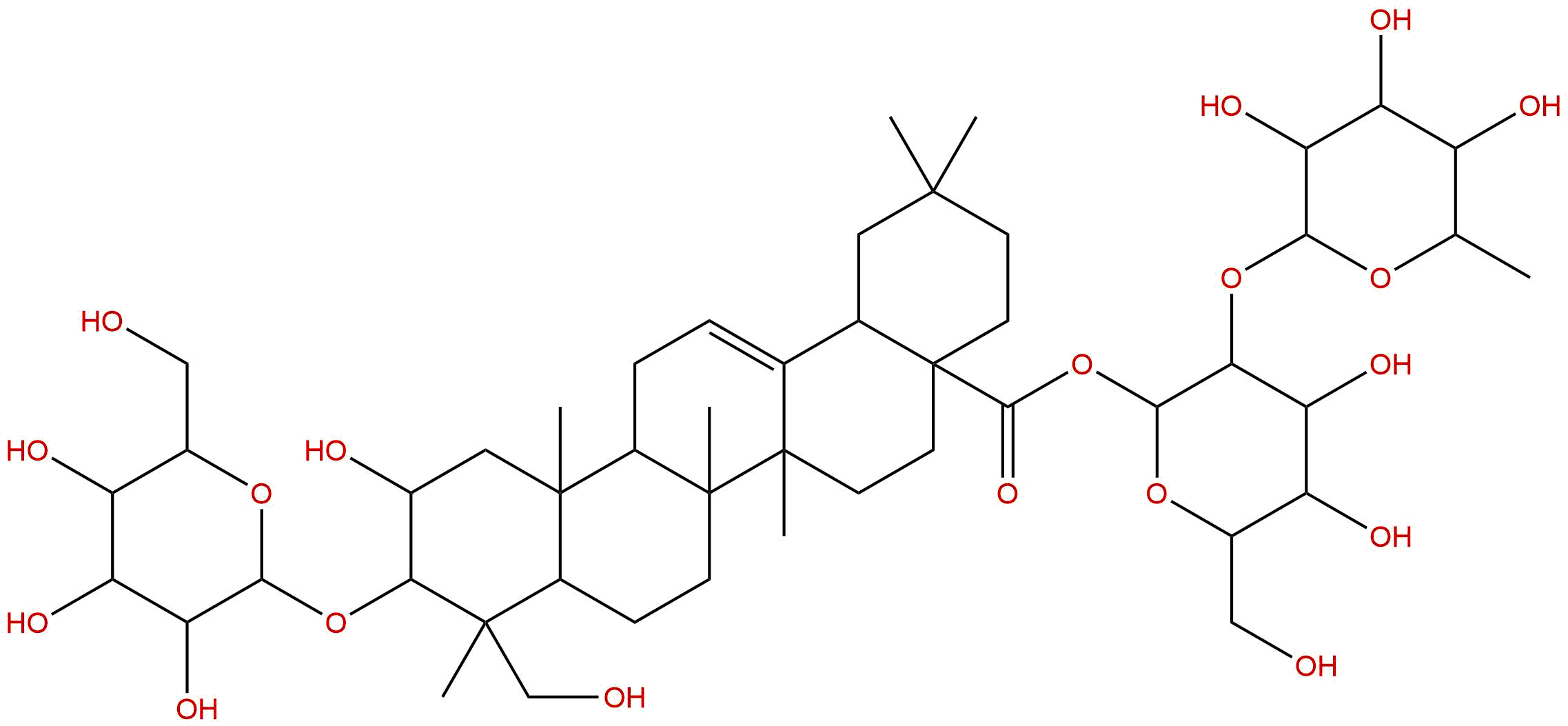
Traditional Chinese medicine has accumulated rich experience in treating emotional disorders, such as the plant Guazi Jin from the Eupatoriaceae family(Polygala japonica Houtt (Houtt.) and its related plant species, Polygala tenuifolia(Polygala tenuifolia Willd. is a commonly used traditional Chinese medicine for calming the mind and promoting intelligence. Polygalasaponin II (PGS-II) is a major active triterpenoid saponin component isolated from guar seed gold or Polygala tenuifolia. In recent years, numerous studies have revealed the enormous potential of PGS-II in the treatment of neurological disorders, particularly depression. Its CAS number is 162857-62-7, and its molecular formula is C ₄₇ H ₇₄ O ₂₁. This article aims to systematically review the chemical structure, plant origin, pharmacological activity, mechanism of action, pharmacological characteristics, and clinical application prospects of PGS-II, in order to provide comprehensive scientific basis for the in-depth development and transformation of this natural product.
Chemical structure and physicochemical properties
Guazi Jin saponin II belongs to the oleanane type pentacyclic triterpenoid saponin. Its structural parent nucleus is oleanolic acid, with sugar chains connected at positions C-3 and C-28, respectively. Specifically, its C-3 sugar chain is usually composed of monosaccharides such as glucose, xylose, and xylose, while the C-28 position is connected to a complex oligosaccharide chain through ester bonds. This unique glycosylation pattern endows PGS-II with specific physicochemical properties and biological activity.
From the perspective of physical and chemical properties, the molecular weight of PGS-II is 959.1330 Da, which belongs to the category of medium to large molecules. The LogP of its lipid water partition coefficient is 1.8203, indicating that the compound has a certain degree of lipophilicity, but overall tends to be hydrophilic. The topologically polar surface area (TPSA) is as high as 315.2100 Å ², mainly attributed to the large number of hydroxyl and glycosidic bonds in its molecules. A high TPSA value usually indicates that compounds are difficult to passively diffuse through cell membranes, especially the blood-brain barrier (BBB). The calculation prediction shows that PGS-II has low blood-brain barrier permeability, which is consistent with its high polarity and high molecular weight characteristics. The water solubility parameter is 0.1850 mg/mL, indicating poor solubility in water, which may limit its oral bioavailability. In addition, the hERG inhibition prediction was negative, and the Ames test result was 0.0, indicating a low risk of cardiac and genetic toxicity and good preliminary safety characteristics. These physicochemical parameters provide key clues for subsequent formulation design and pharmacokinetic studies.
Plant sources and extraction methods
Guazi Jin saponin II mainly comes from Polygalaceae plants. Among them, melon seed gold(Polygala japonica)He Yuanzhi(Polygala tenuifolia)It is its primary natural source. In addition, in Yuanzhi of Egg Leaf(Polygala sibirica)It has also been found in other plants of the same genus. These plants are widely distributed in East Asia such as China, Japan, and South Korea, and their dry roots or whole plants are used in traditional medicine to treat insomnia, depression, forgetfulness, cough, and phlegm.
The content of PGS-II in plants is usually low, and it often coexists with other saponins with similar structures (such as saponins A, B, etc.), which poses challenges for its efficient extraction and purification. Currently, commonly used extraction methods include:
- Solvent extraction method Ethanol or methanol aqueous solution (such as 70% methanol) is usually used as a solvent to extract saponins from plant powders through reflux extraction or ultrasound assisted extraction. This method is simple to operate, but the selectivity is poor, and the extract contains a large amount of impurities.
- Macroporous adsorption resin column chromatography This is a classic method for separating and purifying saponins. The crude extract was loaded onto macroporous adsorption resin columns such as D101 and AB-8, and eluted with a gradient of water and different concentrations of ethanol to effectively enrich saponin components and remove water-soluble impurities such as sugars and pigments.
- Preparation type high-performance liquid chromatography To obtain high-purity PGS-II monomers, it is usually necessary to combine preparative HPLC. By using a reverse phase C18 chromatography column with acetonitrile water or methanol water system as the mobile phase, baseline separation of PGS-II from other structurally similar compounds can be achieved through isocratic or gradient elution, resulting in standard samples with a purity of over 98%.
In recent years, with the promotion of green chemistry concepts, new technologies such as microwave-assisted extraction and enzyme assisted extraction have also been attempted to improve the extraction efficiency and purity of PGS-II. However, large-scale industrial production still relies mainly on solvent extraction combined with column chromatography.
Pharmacological activity research
The pharmacological activity research of PGS-II mainly focuses on the nervous system, especially in terms of antidepressant effects, while also showing potential in anti-inflammatory and neuroprotective fields.
1. Antidepressant effect
This is the pharmacological activity of PGS-II that has received the most attention. A large number of in vitro and in vivo experiments have confirmed its significant antidepressant effect.
- behavioral experiment In the classic chronic unpredictable mild stress (CUMS) mouse model, long-term administration of PGS-II can significantly reverse the decrease in sugar water preference caused by stress (pleasure loss index), prolonged immobility time in tail suspension and forced swimming experiments (behavioral despair index), and decreased activity ability in open field experiments. These results indicate that PGS-II can effectively improve depressive like behavior.
- Neurotransmitter regulation PGS-II can increase the levels of key monoamine neurotransmitters such as serotonin (5-HT), norepinephrine (NE), and dopamine (DA) in the brains of depression model animals. Its mechanism of action may be related to the inhibition of monoamine oxidase (MAO) activity, especially the inhibition of MAOA and MAOB, thereby reducing the degradation of neurotransmitters.
- Neuroplasticity protection Depression is closely related to neuronal atrophy and decreased synaptic plasticity in brain regions such as the hippocampus and prefrontal cortex. PGS-II has been shown to promote the expression of brain-derived neurotrophic factor (BDNF) and activate its downstream cAMP response element binding protein (CREB) signaling pathway, thereby protecting neurons from stress damage and promoting neurogenesis and synapse formation.
2. Other pharmacological activities
- anti-inflammatory effect PGS-II can significantly reduce the levels of pro-inflammatory cytokines such as TNF - α, IL-1 β, and IL-6 in a lipopolysaccharide (LPS) - induced inflammation model, and inhibit the activation of the NF - κ B signaling pathway. Given the crucial role of neuroinflammation in the pathogenesis of depression, the anti-inflammatory activity of PGS-II may be closely related to its antidepressant effects.
- Neuroprotective effect In A β - induced Alzheimer's disease cell models or glutamate induced excitotoxicity models, PGS-II can alleviate oxidative stress, inhibit cell apoptosis, and protect neuronal survival. This suggests that it may have the potential to treat neurodegenerative diseases.
- Cognitive improvement In various animal models of cognitive impairment, PGS-II can improve learning and memory abilities, and its mechanism may be related to regulating cholinergic system function and enhancing synaptic plasticity.
Mechanism of action and molecular targets
The antidepressant mechanism of PGS-II is complex, involving multiple targets and signaling pathways, reflecting the multi-target and multi pathway characteristics of natural products. Based on existing research, the main molecular mechanisms can be summarized as follows:
1. Monoamine energy system regulation
This is the most direct mechanism of PGS-II's antidepressant effect. PGS-II can inhibit the activity of monoamine oxidase A and B (MAOA/MAOB). MAO is a key enzyme that degrades monoamine neurotransmitters. Inhibiting its activity can increase the concentration of 5-HT, NE, and DA in synaptic cleft, thereby rapidly improving depressive symptoms. In addition, PGS-II may further regulate 5-HTergic neurotransmission by affecting the functions of 5-hydroxytryptamine transporter (SLC6A4) and 5-hydroxytryptamine 1A receptor (HTR1A).
2. Neurotrophic and synaptic plasticity pathways
PGS-II can significantly upregulate the expression of BDNF in the brain. BDNF is a key neurotrophic factor that promotes neuronal survival, differentiation, and synapse formation. After binding to the receptor TrkB, it can activate downstream PI3K/Akt and MAPK/ERK signaling pathways, ultimately phosphorylating and activating the transcription factor CREB. Activated CREB enters the nucleus and initiates a series of gene transcription related to neuroplasticity and cell survival (such as BDNF itself, Bcl-2, etc.). PGS-II effectively counteracts stress-induced hippocampal neuronal atrophy and synaptic loss by activating the BDNF CREB pathway, which is one of its core mechanisms for exerting long-lasting antidepressant effects.
3. Regulation of glycogen synthase kinase-3 β (GSK3B)
GSK3B is a protein kinase that is abnormally activated in various neurological and psychiatric disorders. Overactivated GSK3B can inhibit neurogenesis, promote cell apoptosis, and is associated with the pathological and physiological processes of emotional disorders. PGS-II has been found to inhibit the activity of GSK3B by increasing its phosphorylation at the Ser9 site. Inhibiting GSK3B not only helps protect neurons, but also enhances the BDNF signaling pathway, and has a similar mechanism of action to classical mood stabilizers such as lithium salts.
4. Neurotransmitter receptors and GABAergic system
PGS-II has a regulatory effect on GABRA1 (gamma aminobutyric acid type A receptor alpha 1 subunit). GABA is the main inhibitory neurotransmitter in the central nervous system, and its functional abnormalities are closely related to anxiety and depression. PGS-II may exert anti anxiety and sedative effects by positively modulating GABAA receptors and enhancing GABAergic inhibitory neurotransmission, which is particularly important for improving anxiety symptoms associated with depression.
5. Other targets
PGS-II has also been found to inhibit the activity of catechol-O-methyltransferase (COMT). COMT is one of the key enzymes involved in the degradation of dopamine and norepinephrine, particularly in the frontal cortex. Inhibiting COMT can increase the levels of DA and NE in the prefrontal cortex, which helps improve cognitive function and emotional regulation. In addition, its anti-inflammatory effects (such as inhibiting the NF - κ B pathway) and antioxidant effects also contribute to its overall antidepressant effect.
In summary, PGS-II forms a synergistic network regulatory mechanism by simultaneously acting on multiple targets such as MAOA/B, GSK3B, SLC6A4, HTR1A, GABRA1, CREB, BDNF, COMT, etc., exerting antidepressant effects from multiple dimensions such as increasing monoamine levels, protecting neuroplasticity, and inhibiting neuroinflammation.
Evaluation of drug properties and pharmacokinetics
Although PGS-II exhibits strong pharmacological activity, its drug development faces significant challenges, mainly due to its unfavorable pharmacokinetic (ADME) properties.
1. Absorption and bioavailability
The high molecular weight, high polarity (high TPSA), and poor water solubility (0.1850 mg/mL) of PGS-II determine its difficulty in oral absorption due to its physicochemical properties. After oral administration, PGS-II is difficult to be effectively absorbed in the gastrointestinal tract, resulting in extremely low absolute bioavailability. In addition, as a saponin compound, PGS-II may be metabolized by gut microbiota in the gastrointestinal tract, producing deglycosylated secondary glycosides or aglycones, which may be the true active substances. Therefore, the oral administration efficacy of PGS-II may mainly depend on its metabolites.
2. Distribution and blood-brain barrier permeability
Both computational predictions and preliminary experiments indicate that PGS-II has low blood-brain barrier permeability. This is one of the biggest obstacles to its development as a central nervous system drug. The high polarity and high molecular weight make it difficult to cross the BBB through passive diffusion. However, PGS-II can still exert central nervous system activity in vivo, suggesting the possible existence of the following mechanisms:
* Active metabolites The metabolites of PGS-II, such as deglycosylated products, have smaller molecular weights and higher lipid solubility, and may be more easily transmitted through the BBB.
* Carrier mediated transport There may be some unknown transporter mediating the entry of PGS-II or its metabolites into the brain.
* Peripheral mechanism PGS-II may indirectly affect central nervous system function by regulating the peripheral immune system or gut microbiota.
3. Metabolism and excretion
PGS-II, as a saponin, mainly undergoes II phase metabolic reactions such as deglycosylation and glucuronidation. The liver and gut microbiota are its main metabolic sites. Its metabolites may be excreted through bile or urine.
4. Safety evaluation
The preliminary safety evaluation results are encouraging. HERG inhibition prediction is negative, indicating a low risk of causing QT interval prolongation in the heart. The Ames test result is 0.0, indicating no mutagenicity. These data indicate that PGS-II has a good safety window, but more comprehensive toxicological evaluations (such as acute toxicity, long-term toxicity, reproductive toxicity, etc.) are still needed.
5. Optimization strategy for drug properties
Given the low oral bioavailability and BBB permeability of PGS-II, optimizing its drug formulation is crucial for future research. Possible strategies include:
* Prodrug design By chemical modification, groups that can enhance lipid solubility (such as esterification and etherification) are introduced onto PGS-II molecules, allowing them to release the active ingredient after enzymatic hydrolysis in vivo.
* nano-formulation Using carriers such as liposomes, polymer nanoparticles, and solid lipid nanoparticles, PGS-II can be encapsulated to improve its water solubility, stability, and oral absorption, and may be delivered to the brain through surface modification.
* Simplified structure Study the structure-activity relationship of PGS-II, search for its pharmacophores, design and synthesize analogs with simpler structures, smaller molecular weights, and better lipid solubility, in order to obtain lead compounds with good oral activity and brain permeability.
Clinical application prospects and prospects
Guazi Gin II, as a natural product derived from traditional Chinese medicine, has shown unique charm and broad application prospects in the field of antidepressant drug development.
1. Potential as a novel antidepressant drug
The multi-target mechanism of action of PGS-II makes it promising to overcome the limitations of existing single target antidepressant drugs. It can not only rapidly increase monoamine levels, but also sustainably improve neural plasticity through the BDNF CREB pathway and GSK3B regulation, which may solve the problem of delayed onset of SSRIs. Meanwhile, its regulation of the GABAergic system and COMT may make it more effective in treating subtypes of depression accompanied by anxiety and cognitive impairment. Its good preliminary safety characteristics have also laid the foundation for its clinical application.
2. As a lead compound for structural optimization
The complex chemical structure of PGS-II provides abundant modification sites for medicinal chemists. By studying the structure-activity relationship of the system, the effects of sugar chain length, sugar group type, and glycoside modification on activity and ADME properties can be clarified. On this basis, a series of PGS-II derivatives with simplified structure, stronger activity, and better pharmacokinetic properties can be designed and synthesized, which is the most realistic path to push them into clinical practice.
3. Application expansion in neurodegenerative diseases
Based on its powerful neuroprotective, anti-inflammatory, and neurotrophic effects, PGS-II also has potential value in the treatment of neurodegenerative diseases such as Alzheimer's disease and Parkinson's disease. Future research should explore its therapeutic effects in relevant animal models and elucidate its mechanism of action.
4. Challenges and Future Directions Faced
Despite the promising prospects, the clinical translation of PGS-II still faces significant challenges:
* Pharmacokinetic bottleneck Low oral bioavailability and low BBB permeability are the core issues that urgently need to be addressed. More research efforts are needed to develop new drug delivery systems, such as brain targeted nano drug delivery systems.
* Deepening the mechanism of action Although multiple targets are known, the synergistic relationships, primary and secondary positions, and specific contributions of active metabolites among each target still need further clarification. The application of systems biology and network pharmacology methods will help to comprehensively understand their mechanisms of action.
* Quality Control and Large Scale Production Establishing a stable, efficient, and controllable PGS-II extraction and purification process, and establishing strict quality standards, is the foundation for ensuring subsequent research and development.
* Preclinical toxicological evaluation A comprehensive GLP toxicology study is required, including long-term toxicity, reproductive toxicity, immunotoxicity, etc., to fully evaluate its safety.
Conclusion
Guazi Ginoside II (PGS-II), as a representative triterpenoid saponin in the Eupatoriaceae family, exhibits significant antidepressant, neuroprotective, and anti-inflammatory activities by acting on multiple targets closely related to the pathophysiological processes of depression, such as MAOA/B, GSK3B, BDNF, CREB, GABRA1, and COMT. Its multi-target, multi pathway mode of action, as well as good preliminary safety, make it a highly promising natural antidepressant candidate compound. However, its unfavorable pharmacokinetic properties, especially low oral bioavailability and low blood-brain barrier permeability, are the main bottlenecks restricting its clinical translation. Future research should focus on overcoming these obstacles through drug chemical modifications, novel formulation technologies, and deepening understanding of their in vivo mechanisms of action and metabolic pathways. With the continuous deepening of research, PGS-II and its derivatives are expected to provide new effective strategies for the treatment of depression and other central nervous system diseases, and set an example for the modernization development of traditional Chinese medicine.