Introduction/Overview
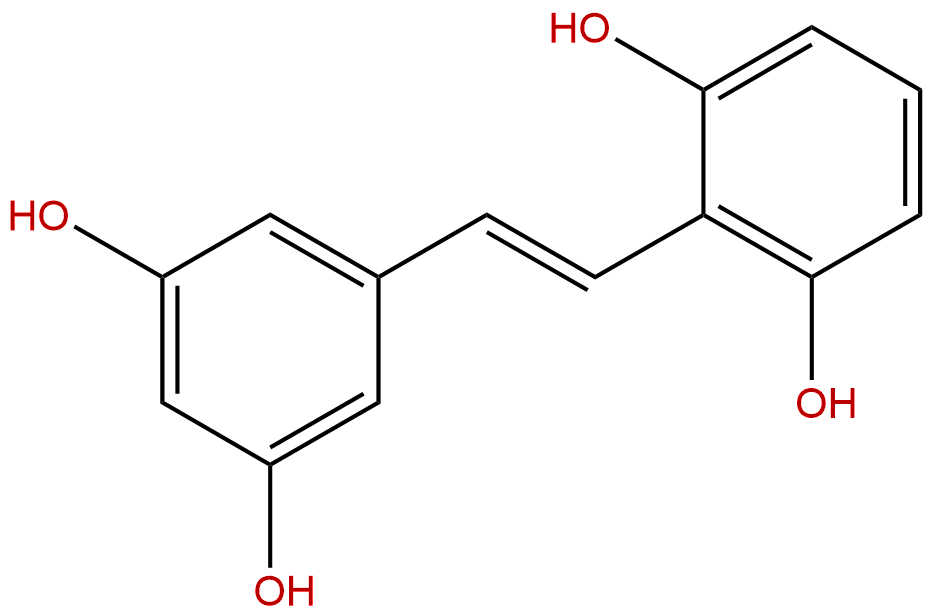
Natural products, as an important source of drug discovery, play an irreplaceable role in the long history of human struggle against diseases. The deepening of research in plant chemistry and pharmacology has led to the discovery of numerous natural small molecules with unique biological activities, among which are derived from the gymnosperm genus Gastrodia(Gnetum)The phenolic compound Gnetol has attracted widespread attention due to its multi-target and multi pathway pharmacological activities. Maima Tengchun, also known as 5- [(E) -2- (3,5-dihydroxyphenyl) vinyl] -1,3-benzenediol, is a typical stilbene compound. Its structure is similar to the famous resveratrol, but there are differences in the hydroxyl substitution mode, which endows it with unique biological effects.
Since the 1990s, from Gnetum montanum Since the isolation and identification of the roots of Maima Teng (also known as Shan Maima Teng), the research on Maima Teng alcohol has gone through a gradual deepening process from preliminary activity screening to mechanism exploration. Early research mainly focused on its potential as a tyrosinase inhibitor, and found that its half maximal inhibitory concentration (IC ₅₀) against mouse derived tyrosinase was as low as 4.5 μ M, significantly better than the commonly used whitening agent arbutin at that time, which quickly became a research hotspot in the fields of cosmetics and dermatology. With the expansion of research, the biological functional spectrum of Mai Ma Teng Chun continues to enrich. It has been proven to effectively inhibit cyclooxygenase-1 (COX-1, IC ₅₀ 0.78 μ M) and histone deacetylase (HDAC), demonstrating strong anti-inflammatory and epigenetic regulatory potential. In addition, its antioxidant, antiproliferative, anticancer, and hepatoprotective activities have been reported successively, especially in the field of metabolic diseases. The concentration dependent inhibitory effect of magnolol on alpha amylase, alpha glucosidase, and fat formation process provides a candidate molecule for the development of new hypoglycemic and anti obesity drugs.
This article aims to systematically review the chemical structure, plant origin, extraction process, pharmacological activity spectrum, molecular mechanism of action, medicinal characteristics, and clinical application prospects of Maima Tengchun, in order to provide comprehensive and professional references for the in-depth development and transformation research of this natural product.
Chemical structure and physicochemical properties
The chemical structure of Maima Tengchun belongs to the Qidian skeleton, which is composed of two benzene rings connected by an vinyl bridge at its core. Specifically, its structure is 3,5,3 ', 5' - tetrahydroxystilbene, which has two hydroxyl groups on each of the two benzene rings, located at the 3,5- and 3 ', 5' - positions. This symmetrical hydroxyl substitution pattern gives it extremely strong polarity. From a configuration perspective, the naturally occurring cannabinol is trans(E)Configuration, which is the necessary conformation for its biological activity.
In terms of physical and chemical properties, the molecular formula of Maima Teng alcohol is C ₁₄ H ₁₂ O ₄, with a molecular weight of 244.24 g/mol. Its lipid water partition coefficient (LogP) is 2.05, indicating that the compound has moderate lipophilicity, which can maintain a certain degree of solubility in the aqueous phase and has the ability to penetrate biological membranes. The topological polar surface area (TPSA) is 77.76 Å ², which is lower than the recommended upper limit of 140 Å ² for oral medications, indicating its good oral absorption potential. Maima Teng alcohol contains four hydrogen bond acceptors (all oxygen atoms of phenolic hydroxyl groups), which enable it to form a rich hydrogen bond network with target proteins, thereby enhancing binding affinity. However, the presence of phenolic hydroxyl groups also makes their chemical properties more reactive, making them prone to oxidative degradation under light, high temperature, or alkaline conditions, which poses a challenge to the stability of their formulations.
Compared with the structurally similar compound resveratrol (3,5,4 '- trihydroxystilbene), mescalin has an additional hydroxyl group, which makes it slightly more water-soluble and endows it with stronger metal ion chelating ability and free radical scavenging activity. The subtle structural differences are the key to explaining the significant differences in pharmacological activity spectra between the two.
Plant sources and extraction methods
Mai Ma Teng Chun mainly comes from the Mai Ma Teng genus(Gnetum)Plants, belonging to the gymnosperm phylum and the order Myceliaceae, are mainly distributed in tropical and subtropical regions of Asia. In China Gnetum montanum(Shan Mai Ma Teng) and Gnetum parvifolium(Xiaoye Maima Vine) is a major resource plant. In traditional medicine, the stems of Maima Teng are commonly used to treat rheumatism, rheumatism, injuries from falls, and bronchitis. Modern plant chemistry research has confirmed that magnolol is mainly enriched in the roots of plants, followed by the stem bark and leaves, but the content varies greatly depending on the species, place of origin, harvest season, and extraction method.
The classic method for extracting magnolol is usually solvent extraction. Due to its moderate polarity as a phenolic compound, commonly used extraction solvents include methanol, ethanol, ethyl acetate, and their aqueous solutions. Research has shown that using a 70% -80% ethanol aqueous solution for reflux extraction or cold soaking extraction can achieve higher extraction rates. In order to improve the purity and yield of the target compound, liquid-liquid extraction is usually used for preliminary separation, such as extracting and concentrating the crude extract with ethyl acetate or n-butanol to enrich the stilbene components.
Further separation and purification require the use of modern chromatographic techniques. Silica gel column chromatography is the most commonly used method, usually using chloroform methanol or petroleum ether ethyl acetate systems for gradient elution. In recent years, polyamide column chromatography, Sephadex LH-20 gel column chromatography, and high performance countercurrent chromatography (HSCCC) isothermal and efficient separation technologies have been widely used because of the multiple phenolic hydroxyl groups of mesterol, which may have irreversible adsorption on silica gel. Especially HSCCC, which utilizes the difference in distribution coefficients of solutes in two-phase solvent systems for separation, avoids sample loss and denaturation problems caused by solid stationary phases, and is particularly suitable for the preparation of thermosensitive and easily oxidizable components such as methanol. In addition, the combination of high-speed counter current chromatography and preparative high-performance liquid chromatography (Prep HPLC) has become the standard process for obtaining high-purity (>98%) methanol.
It is worth noting that due to the limited resources and long growth cycle of Maima Vine, research on obtaining Maima Vine Alcohol through plant cell culture or chemical synthesis has also made progress. Chemical synthesis usually uses Heck reaction or Wittig reaction to construct trans double bonds, and then obtains the target product through deprotection strategy, which provides the possibility for large-scale production.
Pharmacological activity research
The pharmacological activity spectrum of Mai Ma Teng Chun is extremely broad, covering multiple aspects such as anti-inflammatory, antioxidant, anti-tumor, metabolic regulation, and skin protection, reflecting the typical characteristics of natural polyphenolic compounds with multiple targets and effects.
1. Anti inflammatory and immune regulatory activity
Maima Teng Chun has been proven to be a potent cyclooxygenase-1 (COX-1) inhibitor, with an IC ₅₀ value of only 0.78 μ M, demonstrating stronger selectivity than many nonsteroidal anti-inflammatory drugs (NSAIDs). COX-1 is a key enzyme that catalyzes the synthesis of prostaglandins (PGs) and is involved in inflammation, pain, and fever processes. In addition, Mai Ma Teng Chun can also inhibit the production of nitric oxide (NO) and prostaglandin E ₂ (PGE ₂) in macrophages induced by lipopolysaccharide (LPS), which is related to its downregulation of inducible nitric oxide synthase (iNOS) and COX-2 expression. This dual inhibitory mechanism indicates that metoclopramide not only directly blocks the synthesis of prostaglandins, but also regulates the production of inflammatory mediators at the transcriptional level.
2. Antioxidant activity
The molecule of Mai Ma Teng alcohol contains four phenolic hydroxyl groups, which endow it with strong free radical scavenging ability. In various in vitro antioxidant models, such as DPPH, ABTS, superoxide anion, and hydroxyl radical scavenging experiments, magnolol exhibits concentration dependent activity, which is usually superior to vitamin C and vitamin E. Its antioxidant mechanism is not limited to directly scavenging free radicals, but also includes chelation of transition metal ions (such as Fe ² ⁺, Cu ² ⁺) to inhibit reactive oxygen species (ROS) generated by Fenton reaction. In addition, Mai Ma Teng Chun can activate the nuclear factor E2 related factor 2 (Nrf2)/antioxidant response element (ARE) signaling pathway, upregulate the expression of downstream antioxidant enzymes such as heme oxygenase-1 (HO-1) and quinone oxidoreductase 1 (NQO1), thereby enhancing the intracellular antioxidant defense ability.
3. Anti tumor and anti proliferative activity
Mesterol showed antiproliferative activity on a variety of cancer cell lines, including human liver cancer cells (HepG2), breast cancer cells (MCF-7), colon cancer cells (HT-29) and melanoma cells (B16). Its mechanism of action involves multiple aspects: firstly, metoclopramide can induce cell cycle arrest, usually blocking cells in G1 or G2/M phase, which is related to downregulating the expression of cyclin and cyclin dependent kinase (CDK). Secondly, it can induce cell apoptosis through the mitochondrial pathway (endogenous pathway), manifested as loss of mitochondrial membrane potential, release of cytochrome c, and activation of Caspase-9 and Caspase-3. In addition, Mai Ma Teng Chun can also inhibit the activity of histone deacetylase (HDAC). The overexpression of HDAC is closely related to the occurrence and development of various cancers. Inhibiting HDAC can lead to chromatin remodeling, reactivate the expression of tumor suppressor genes, and thus exert anti-cancer effects.
4. Metabolic regulatory activity
Maima Tengchun has shown great potential in the field of metabolic diseases. It can inhibit the activity of alpha amylase and alpha glucosidase in a concentration dependent manner. These two enzymes are key enzymes for carbohydrate digestion. Inhibiting them can delay the absorption of glucose, thus effectively reducing the peak blood sugar after meals, which is of great significance for the treatment of type 2 diabetes. In addition, Mai Ma Teng Chun can also inhibit fat formation (Adipogenesis). In the 3T3-L1 preadipocyte differentiation model, treatment with magnolol significantly reduced lipid droplet accumulation and downregulated the expression of key adipogenic transcription factors such as peroxisome proliferator activated receptor gamma (PPAR gamma) and CCAAT/enhancer binding protein alpha (C/EBP alpha), indicating its potential for anti obesity.
5. Skin protection and whitening activity
One of the most notable activities of Mai Ma Teng Chun is its potent inhibitory effect on tyrosinase. Tyrosinase is the rate limiting enzyme in melanin biosynthesis, and inhibiting its activity is the core strategy of skin whitening agents. Mai Ma Teng Chun has an IC ₅ ₀ of 4.5 μ M for mouse derived tyrosinase and also has inhibitory effects on human dopa pigment isomerase (TRP-2). Its inhibition mechanism belongs to reversible mixed inhibition, which can chelate with copper ions in the enzyme active center and compete with substrates for binding sites. At the cellular level, Mai Ma Teng Chun can inhibit the production of melanin in B16 melanoma cells induced by α - melanocyte stimulating hormone (α - MSH), with low cytotoxicity. Meanwhile, its antioxidant activity can also protect skin cells from UV induced oxidative damage and photoaging, demonstrating its potential as a multifunctional skin protectant.
6. Liver protective activity
Mai Ma Teng Chun has a protective effect on liver injury models induced by various chemical toxins, such as carbon tetrachloride and acetaminophen. Its hepatoprotective mechanism is mainly attributed to its antioxidant and anti-inflammatory activities: by clearing free radicals, inhibiting lipid peroxidation, reducing mitochondrial damage, and inhibiting the activation of hepatic stellate cells, it reduces liver cell necrosis, inflammatory infiltration, and fibrosis.
Mechanism of action and molecular targets
The pharmacological activity of Mai Ma Teng Chun is not derived from a single target, but is achieved by acting on multiple molecular targets and signaling pathways. A deep understanding of its mechanism of action is crucial for guiding its clinical application and structural optimization.
1. Enzyme inhibition mechanism
- Tyrosinase inhibition The four phenolic hydroxyl groups of Maima Teng alcohol enable it to form stable chelates with the active site of tyrosinase, the copper ion (Cu ² ⁺), thereby blocking the enzyme's binding to substrates (tyrosine or dopa). Molecular docking studies have shown that the benzene ring of muscimol forms π - π stacking and hydrophobic interactions with hydrophobic residues (such as Phe264, Val283) in the enzyme active pocket, while the hydroxyl group forms hydrogen bonds with histidine residues such as His61 and His259. This multiple interaction makes it an efficient tyrosinase inhibitor.
- COX-1/2 inhibition Maima Tengchun competitively inhibits the binding of arachidonic acid by occupying the active site of COX-1. Its high selectivity towards COX-1 (IC ₅₀=0.78 μ M) suggests that it may be more inclined to bind to specific conformations of COX-1. The inhibition of COX-2 may be partially achieved by downregulating its expression.
- HDAC inhibition Maima Tengchun has been found to inhibit the activity of HDAC, especially HDAC1 and HDAC3. The mechanism may be through the chelation of its phenolic hydroxyl group with zinc ions (Zn ² ⁺) in the active pocket of HDAC, thereby blocking its deacetylation function.
2. Signal pathway regulation
- Nrf2/ARE pathway Maima Tengchun, as an electrophilic molecule, can modify cysteine residues on Keap1 protein, causing Nrf2 to dissociate from Keap1 and translocate into the nucleus, binding to ARE and initiating the transcription of downstream antioxidant and detoxifying enzyme genes. This is the core mechanism by which it exerts a wide range of cellular protective effects.
- NF - κ B pathway Maima Tengchun can inhibit the phosphorylation and degradation of I κ B α, thereby preventing the translocation of NF - κ B p65 subunit into the nucleus, ultimately downregulating the expression of pro-inflammatory factors (such as TNF - α, IL-6, IL-1 β) and inflammatory enzymes (such as iNOS, COX-2).
- PI3K/Akt/mTOR pathway In cancer cells, metoclopramide can inhibit the overactivation of the PI3K/Akt signaling pathway, leading to a decrease in downstream mTOR activity, thereby inhibiting protein synthesis and cell proliferation, and inducing autophagic cell death.
- AMPK pathway In terms of metabolic regulation, Mai Ma Teng Chun can activate AMP activated protein kinase (AMPK). AMPK is a key sensor for cellular energy metabolism, and its activation can inhibit transcription factors related to fat production (such as SREBP-1c, PPAR γ), promote fatty acid oxidation and glucose uptake, thereby improving insulin resistance.
3. Epigenetic regulation
In addition to directly inhibiting HDAC activity, metoclopramide may also regulate gene expression by affecting the activity of DNA methyltransferase (DNMT). This epigenetic regulation provides a deeper mechanism explanation for its application in complex diseases such as cancer and chronic inflammation.
Evaluation of drug properties and pharmacokinetics
Although Mai Ma Teng Chun has shown rich pharmacological activity in vitro and in vivo models, its successful conversion into clinical drugs depends on its pharmacological characteristics, including pharmacokinetic properties, safety, and formulation feasibility.
1. Physical and chemical properties and drug like properties
According to Lipinski's "Five Rules", the molecular weight (244.24<500), LogP (2.05<5), number of hydrogen bond donors (4<5), and number of hydrogen bond acceptors (4<10) of metoclopramide all meet the requirements, indicating its good oral drug properties. Its TPSA is 77.76 Å ², which is also lower than the usual threshold for oral medications. However, its water solubility may be a limiting factor. Although LogP is moderate, multiple phenolic hydroxyl groups limit its solubility in pure water and are easily affected by pH values. Under alkaline conditions, the dissociation of phenolic hydroxyl groups can increase solubility, but it also increases oxidative instability.
2. Pharmacokinetic characteristics
At present, there is relatively limited data on the pharmacokinetics of metoclopramide in vivo, but based on the experience of its structural analogues (such as resveratrol), it can be inferred that it may face the following challenges:
- absorb After oral administration, metoclopramide may be rapidly absorbed in the small intestine, but the absorption rate may not be high.
- Metabolism This is the biggest challenge. Maima Tengchun is highly susceptible to phase II metabolism in the intestine and liver, mainly through the action of glucuronosyltransferase (UGT) and sulfotransferase (SULT), generating glucuronic acid complexes and sulfate ester complexes. These complexes have increased water solubility, but significantly reduced biological activity and are easily excreted from the body. This results in extremely low oral bioavailability.
- distribution Maima Tengchun and its metabolites may highly bind to plasma proteins, especially albumin. It is currently unclear whether it can penetrate the blood-brain barrier (BBB) (marked as Unknown in the table), but given its moderate LogP and small molecular weight, there is theoretically a certain possibility of penetration.
- excretion Mainly excreted through bile and urine.
3. Safety evaluation
At present, the data on the hepatotoxicity, cardiotoxicity (hERG inhibition), and genotoxicity (Ames test) of metoclopramide are all labeled as unknown, which is a key blank in its pharmacological evaluation. Although natural polyphenols are generally considered safe, high doses or long-term use may also pose potential risks. For example, its potent COX-1 inhibitory activity may increase the risk of gastrointestinal ulcers and bleeding, similar to traditional NSAIDs. Therefore, systematic toxicology studies must be conducted, including acute toxicity, subchronic toxicity, reproductive toxicity, and genetic toxicity tests.
4. Formulation strategy
Advanced formulation technology is necessary to overcome the low bioavailability and chemical instability of Mai Ma Teng Chun. Possible strategies include:
- nanocarrier Such as liposomes, polymer nanoparticles, solid lipid nanoparticles, etc., can improve their water solubility, protect them from metabolism, and achieve targeted delivery.
- Phospholipid complex Forming complexes with phospholipids can enhance their lipid solubility and promote transmembrane absorption.
- Prodrug design Esterification or etherification modification of phenolic hydroxyl groups to mask their polar groups, improve membrane permeability, and then be interpreted by enzymes to release the original drug after entering the body.
- Eutectic technology Forming drug co crystals with suitable co crystal forming materials can improve their solubility and stability.
Clinical application prospects and prospects
The unique "multi-target, multi pathway" mode of action of Maima Tengchun has shown broad application prospects in multiple therapeutic fields, but it also faces enormous challenges from laboratory to clinical translation.
1. Dermatology and Cosmetics
This is the closest application area to the market for buying rattan alcohol. Its excellent tyrosinase inhibitory activity and antioxidant capacity make it an ideal candidate ingredient for developing next-generation whitening, anti-aging, and sunscreen products. Compared to the widely used hydroquinone (which is cytotoxic) and arbutin (which has lower activity) in the current market, metoclopramide has higher safety and efficacy. The development of nano lotion, liposome gel or facial mask containing gambogol is expected to make breakthroughs in whitening and lightening spots, improving uneven skin color, and resisting light aging.
2. Metabolic disorders
Given its inhibitory effects on alpha amylase, alpha glucosidase, and fat formation, metoclopramide can serve as a lead compound for the development of novel hypoglycemic and anti obesity dietary supplements or drugs. Especially as a postprandial blood glucose regulator, its mechanism of action is similar to that of acarbose, but it may have fewer gastrointestinal side effects. However, how to improve its oral bioavailability and achieve effective blood drug concentration in the body is the key to determining whether it can be used to treat systemic metabolic diseases.
3. Cancer adjuvant therapy
Maima Tengchun exerts anticancer effects by inhibiting HDAC, inducing apoptosis, and cell cycle arrest, making it a potential chemotherapy sensitizer or adjuvant therapy drug. Especially its HDAC inhibitory activity, which has a similar mechanism of action to the HDAC inhibitors currently used in clinical practice (such as vorinostat), but may have a different toxicity profile. Future research should focus on its in vivo efficacy in specific types of cancer, such as melanoma, liver cancer, and colon cancer, and explore its combination therapy strategies with conventional chemotherapy drugs or immune checkpoint inhibitors.
4. Anti inflammation and liver protection
The COX-1/2 dual inhibition and Nrf2 activation of Mai Ma Teng Chun have the potential to treat chronic inflammatory diseases (such as arthritis, inflammatory bowel disease) and liver injury. However, the gastrointestinal risks associated with its COX-1 inhibitory activity need to be carefully evaluated. Developing selective COX-2 inhibitors or COX/LOX dual inhibitor derivatives through structural modification may be a direction to mitigate this risk.
Future research directions:
- Systematic toxicology research Fill the gaps in data on liver toxicity, cardiac toxicity, and genetic toxicity, and clarify their safety window.
- Pharmacokinetic optimization Develop efficient and low toxicity formulations to solve the bottleneck of low oral bioavailability.
- Structure Activity Relationship (SAR) Study By synthesizing a series of derivatives of magnolol and exploring the effects of different substituents on their activity, selectivity, and metabolic stability, in order to obtain better candidate molecules.
- In vivo efficacy verification: Systematically evaluate its efficacy in a variety of animal models (such as diabetes mice, tumor xenotransplantation models, skin UV injury models).
- multi-omics analysis Using transcriptomics, proteomics, and metabolomics techniques to comprehensively reveal the molecular network of its in vivo effects.
Conclusion
Maima Tengchun, as a natural astragalus compound derived from traditional medicinal plants, has become a new star in the field of natural product research due to its unique chemical structure and multi effect pharmacological activity. From the whitening effect of inhibiting tyrosinase to the anti-inflammatory, anticancer, and metabolic regulatory effects of regulating key targets such as COX, HDAC, and Nrf2, Maima Teng Chun demonstrates the enormous potential of natural small molecules in the treatment of complex diseases. However, its pharmacological research is still in its early stages, and low oral bioavailability, metabolic instability, and lack of safety data are the main obstacles restricting its clinical translation.
Future research should be based on the cross fusion of systems pharmacology and medicinal chemistry, on the one hand to deeply elucidate its mechanism of action, and on the other hand to optimize its pharmacokinetic properties and safety through structural modification and formulation innovation. We have reason to believe that with the continuous deepening of research, maima tengol and its derivatives have the potential to achieve a leap from "natural products" to "clinical drugs" in fields such as skin health, metabolic diseases, and tumor treatment, and contribute to the cause of human health.