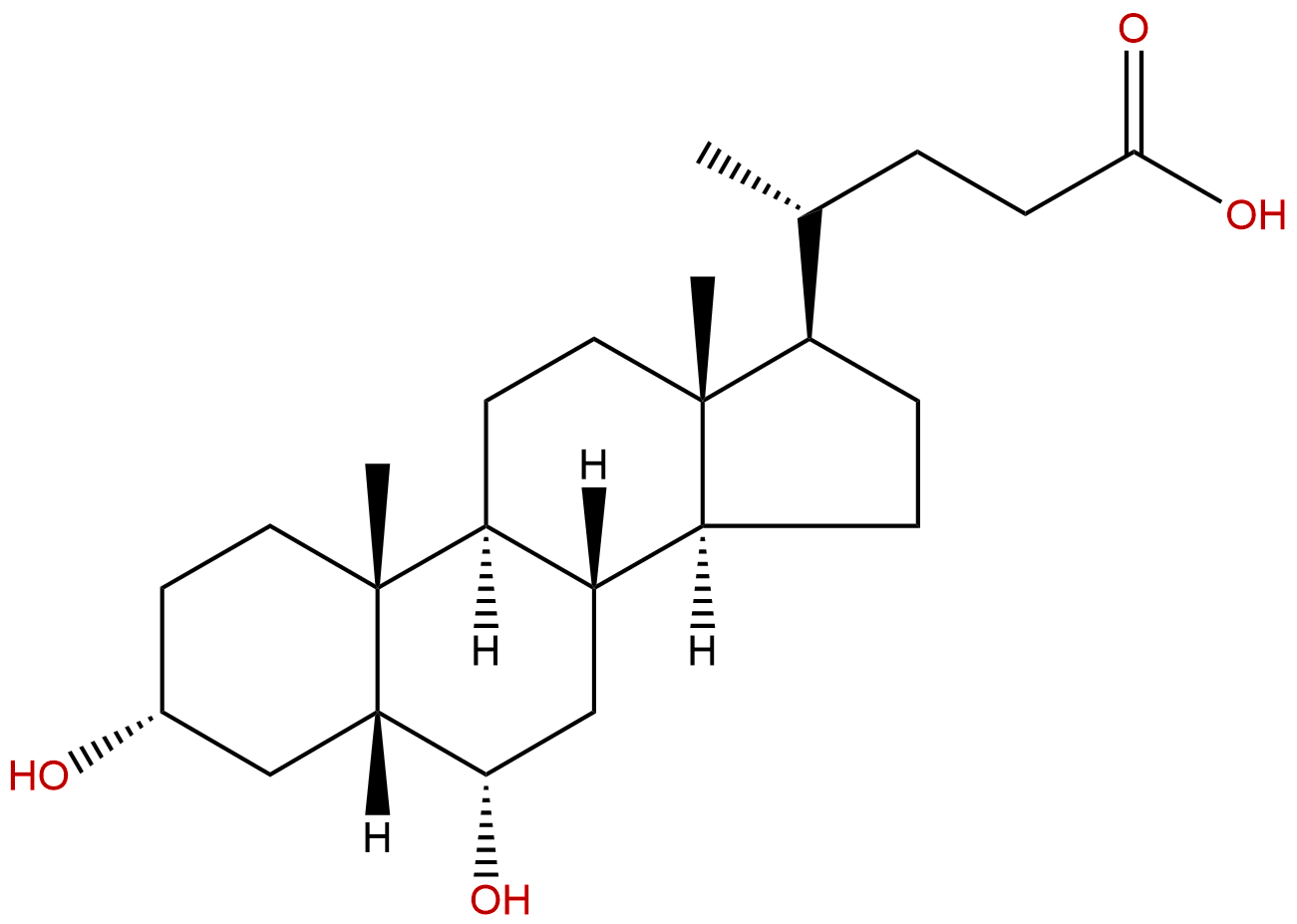


White powder
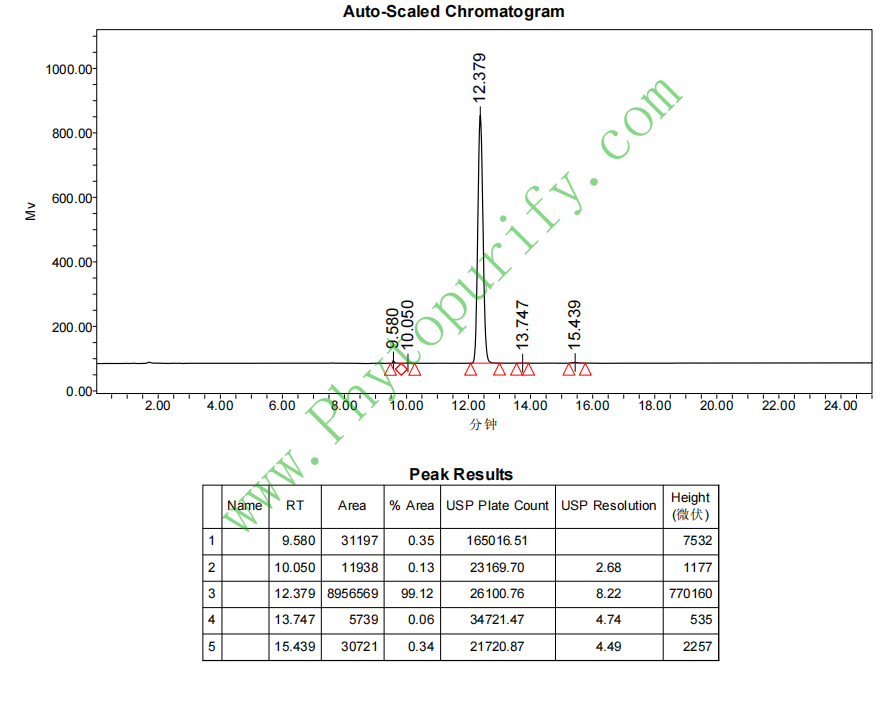
HPLC of Hyodeoxycholic acid
Storage conditions:Short-term storage at 2~8℃, long-term storage at -20 ~ -80℃
77.7600
4.1961
2.0039
.0478
4.1606
4.0756
Low
90.2914
4.3504
No
No
No
No
No
No
0.0
Yes
No
Yes
No
Bile acids, as key end products of cholesterol metabolism, have long been regarded as "detergents" that promote lipid digestion and absorption. However, research in the past two decades has completely overturned this traditional understanding, revealing that bile acids are a class of signaling molecules with multiple physiological functions. By activating specific nuclear receptors and G protein coupled receptors, they play an indispensable role in maintaining metabolic homeostasis, regulating energy balance, and modulating immune inflammatory responses in the body. In this vast bile acid family, hyodeoxycholic acid (HDCA), as a secondary bile acid, is gradually becoming a research hotspot in the fields of natural product pharmacology and medicinal chemistry due to its unique chemical structure and increasingly prominent pharmacological activity.
Porcine deoxycholic acid, chemically known as 3 α, 6 α - dihydroxy-5 β - bile acid, is the main bile acid component unique to pig bile and also exists in small amounts in the bile of other animals and the human intestine. Unlike the common chenodeoxycholic acid (CDCA) and deoxycholic acid (DCA) in the human body, the significant structural feature of HDCA lies in its α - hydroxyl group at the C-6 position. This subtle structural difference endows HDCA with physicochemical properties and biological functions that are distinct from other bile acids. In the human body, HDCA is not directly synthesized by the liver, but is formed by the gut microbiota through biotransformation such as 7 α - dehydroxylation of primary bile acids (such as hyocholic acid, HCA) to form secondary bile acids. Therefore, the in vivo level of HDCA is closely related to the composition and function of the gut microbiota, making it an important bridging molecule connecting host metabolism and gut microbiota.
In recent years, with the deepening understanding of bile acid signaling networks, various pharmacological activities of HDCA have been revealed one by one. Most notably, HDCA has been confirmed as an effective agonist of Takeda G protein coupled receptor 5 (TGR5, also known as GPCR19), with an EC50 of 31.6 µ M measured in CHO cells. Activation of TGR5 can promote the secretion of glucagon like peptide-1 (GLP-1), increase energy expenditure, improve insulin sensitivity, and have anti-inflammatory effects. In addition, the regulatory effect of HDCA on the farnesol X receptor (FXR) has also received much attention, although its mode of action may vary depending on the cellular environment. These findings make HDCA show great potential in the treatment of metabolic diseases (such as type 2 diabetes, non-alcoholic fatty liver disease), inflammatory bowel disease and digestive system diseases. This article aims to systematically review the chemical structure, sources, pharmacological activities, mechanisms of action, pharmacological characteristics, and clinical application prospects of porcine deoxycholic acid, in order to provide comprehensive academic references for the in-depth research and development of this natural product.
The chemical structure of deoxycholic acid in pigs is the basis of its biological functions. Its system is named 3 α, 6 α - dihydroxy-5 β - bile acid, with a molecular formula of C24H40O4 and a molecular weight of 392.58 g/mol. Structurally, HDCA belongs to the C24 steroid family and has a typical steroid skeleton, consisting of three hexagonal rings (A, B, C rings) and one pentagonal ring (D ring) forming a cyclopentane dihydrophenanthrene core. Its core structural features include: A/B rings in a cis configuration (5 β - H), which gives the entire molecule a certain bent conformation; There is an alpha oriented hydroxyl group (- OH) at the C-3 position of the A ring and the C-6 position of the B ring; The C-24 position at the end of the side chain is a carboxyl group (- COOH).
This unique hydroxyl substitution pattern is the key distinguishing factor between HDCA and other common bile acids. For example, the most abundant chenodeoxycholic acid (CDCA) in the human body is 3 α, 7 α - dihydroxy, while deoxycholic acid (DCA) is 3 α, 12 α - dihydroxy. The presence of the C-6 hydroxyl group significantly alters the polarity, hydrophilic lipophilic balance, and interaction patterns with other molecules (such as receptor proteins) of HDCA. From the perspective of physical and chemical properties, HDCA is a white or off white crystalline powder with no odor and a bitter taste. Its melting point is between 197-200 ° C. In terms of solubility, HDCA is easily soluble in ethanol, ether, acetone, and glacial acetic acid, slightly soluble in chloroform, and almost insoluble in water. Its low water solubility (0.0478 mg/mL) is related to the hydrophobicity of its steroid skeleton. However, the two hydroxyl groups at positions C-6 and C-3, as well as the carboxyl group at position C-24, endow it with a certain degree of hydrophilicity, enabling it to form micelles and exhibit surface activity.
Among the parameters related to drug formation, the lipid water partition coefficient (LogP) of HDCA is 4.1961, indicating its strong lipophilicity, which facilitates its penetration of cell membranes but may also affect its distribution and transport in aqueous environments. Its topological polar surface area (TPSA) is 77.76 Å ², which is lower than the recommended upper limit of 140 Å ² for oral drugs, indicating its good oral absorption potential. It is worth noting that the blood-brain barrier (BBB) penetration ability of HDCA is evaluated as "low", which to some extent limits its application in central nervous system diseases, but may also reduce central related side effects. In addition, key toxicological predictive indicators show that HDCA has no inhibitory effect on hERG potassium ion channels (hERG inhibition: No), and the result in Ames test is negative (0.0), indicating that it does not have direct genotoxicity. These preliminary pharmacological evaluations provide a favorable safety window for further drug development of HDCA.
Although the name of deoxycholic acid in pigs contains the word "pig" and its main source is animal bile, as a review of natural products, it is necessary to mention its distribution in nature. In fact, HDCA mainly exists in the bile of pigs and is the main component of pig bile acids, with a content of over 40% of total bile acids. In addition, small amounts have also been found in the bile of other mammals such as bears, cows, and sheep. In the plant kingdom, HDCA is not a commonly present secondary metabolite, but its presence has been detected in some plants through research, such as occasional reports in some ferns and some traditional medicinal plants (such as the analysis of related components in Niuhuang Jiedu tablets), but its content is extremely low and does not have industrial extraction value. Therefore, the industrial production of HDCA currently relies almost entirely on extraction from pig bile.
The classic method for extracting HDCA from pig bile is mainly based on its chemical properties and solubility differences. Traditional craftsmanship typically includes the following core steps:
Bile pretreatment and saponification Fresh or frozen pig bile is filtered to remove impurities and then added to a sodium hydroxide (NaOH) solution for saponification reaction. Under heating conditions, conjugated bile acids in bile (such as HDCA bound to taurine or glycine) are hydrolyzed, releasing free HDCA. Meanwhile, impurities such as cholesterol and fatty acids in bile are also saponified or emulsified.
Acidification and precipitation After cooling the saponification solution, add inorganic acids such as hydrochloric acid or sulfuric acid for acidification, and adjust the pH value to the acidic range (usually pH 2-4). At this point, the solubility of free HDCA sharply decreases due to its carboxyl protonation, and it precipitates from the solution to form a coarse precipitate. This precipitate is a mixture of crude bile acids, with HDCA being the main component, but also mixed with other bile acids such as hyocholic acid (HCA) and chenodeoxycholic acid (CDCA).
Extraction and Crystallization Extract the crude precipitate with organic solvents such as ethyl acetate, ethanol, or acetone, and use the solubility differences of different bile acids in the solvent for preliminary separation. Subsequently, crude crystals of HDCA were obtained by concentration, cooling crystallization, or induction of crystallization with non-polar solvents such as petroleum ether. In order to improve purity, multiple recrystallization processes are usually required, and commonly used solvent systems include ethanol water, ethyl acetate petroleum ether, etc.
Modern separation and purification technology With the development of separation science, more efficient and environmentally friendly extraction and purification methods have been introduced. For example, using macroporous adsorption resins such as AB-8 and D101 to adsorb bile acids in saponification solution, and then gradient elution with different concentrations of ethanol solution can efficiently enrich and separate HDCA. In addition, high-speed counter current chromatography (HSCCC) and preparative high-performance liquid chromatography (Prep HPLC) techniques have also been used for high-purity preparation of HDCA, particularly for laboratory scale fine separation and standard preparation. These modern technologies not only improve product purity (reaching over 98%), but also reduce the use of organic solvents, which is more in line with the concept of green chemistry.
The pharmacological activity research of deoxycholic acid in pigs has expanded from traditional choleretic and litholytic effects to multiple fields such as metabolic regulation, anti-inflammatory, and anti apoptotic effects, demonstrating multiple pharmacological characteristics.
1. Regulating effect of digestive system
This is the most classic application area of HDCA. As a type of bile acid, HDCA can promote bile secretion, increase bile flow, and thus exert a choleretic effect. It can also reduce the saturation of cholesterol in bile and promote the dissolution of cholesterol stones, so it has been used as an adjuvant therapy for gallstones. In addition, HDCA can emulsify fat, promote the digestion and absorption of lipid substances, and regulate intestinal peristalsis. In recent years, research has found that HDCA has a protective effect on intestinal barrier function and can alleviate the increase in intestinal mucosal permeability caused by inflammation or chemical damage.
2. Metabolic regulation effect
The potential of HDCA in metabolic diseases is currently a hot research topic. As an agonist of TGR5, HDCA can activate TGR5 on intestinal L cells and promote GLP-1 secretion. GLP-1 is an important intestinal insulinotropic hormone that can stimulate insulin secretion, inhibit glucagon release, delay gastric emptying, and effectively lower blood sugar levels. Animal experiments have shown that oral administration of HDCA can improve glucose tolerance and insulin resistance in obese mice induced by a high-fat diet. In addition, activation of TGR5 can promote energy expenditure in brown adipose tissue and skeletal muscle, increase thermogenesis, and combat obesity. The regulatory effect of HDCA on FXR is also involved in its metabolic regulation function, which may exert a comprehensive effect by affecting bile acid synthesis, lipid metabolism, and gluconeogenesis.
3. Anti inflammatory and immune regulatory effects
HDCA exhibits significant anti-inflammatory activity. In various inflammatory models, HDCA can inhibit the production of pro-inflammatory cytokines (such as TNF - α, IL-1 β, IL-6) and promote the expression of anti-inflammatory cytokines (such as IL-10). The mechanism partially depends on the activation of TGR5, which is expressed on immune cells such as macrophages and dendritic cells. Its activation can inhibit the transcriptional activity of NF - κ B through the cAMP/PKA pathway, thereby exerting anti-inflammatory effects. In addition, HDCA can regulate intestinal immune homeostasis and demonstrate therapeutic potential in inflammatory bowel disease models such as ulcerative colitis and Crohn's disease by affecting the differentiation and function of regulatory T cells (Tregs).
4. Liver protective effect
Given the central role of bile acids in liver physiology and pathology, the protective effect of HDCA on the liver has attracted much attention. In non-alcoholic fatty liver disease (NAFLD) and non-alcoholic steatohepatitis (NASH) models, HDCA can alleviate liver steatosis, inflammation, and fibrosis. The mechanism involves improving liver insulin resistance, regulating the expression of lipid metabolism related genes, and inhibiting liver inflammation through the TGR5 and FXR signaling pathways. In addition, HDCA can alleviate cholestatic liver injury by inducing the expression of detoxifying enzymes and transporters, promoting the excretion of toxic bile acids.
5. Other pharmacological activities
In addition to the above main effects, HDCA has also been reported to have antioxidant, anti apoptotic, cardiovascular protection (such as improving atherosclerosis) and inhibiting the proliferation of some tumor cells. For example, studies have shown that HDCA can regulate mitochondrial function, inhibit oxidative stress-induced apoptosis, and exert a protective effect on cardiomyocytes and neurons. These findings further expand the potential application scope of HDCA.
The pleiotropic pharmacological activity of deoxycholic acid in pigs is rooted in its complex interactions with multiple molecular targets. Among them, nuclear receptor FXR and membrane receptor TGR5 are the core targets for its biological functions.
1. TGR5 (GPCR19) mediated signaling pathway
TGR5 is a G protein coupled receptor widely expressed in the intestine, gallbladder, brown adipose tissue, muscle, immune cells, and other tissues. HDCA has been confirmed to be a direct agonist of TGR5, with an EC50 of 31.6 µ M in CHO cells. When HDCA binds to TGR5, it activates the coupled Gs protein, leading to an increase in intracellular cyclic adenosine monophosphate (cAMP) levels. CAMP acts as a second messenger, activating downstream signaling molecules such as protein kinase A (PKA) and cAMP response element binding protein (CREB).
- Metabolic effects Activation of the TGR5-cAMP PKA pathway promotes GLP-1 secretion in intestinal L cells. In brown adipose tissue and skeletal muscle, this pathway activates type 2 iodothyronine deiodinase (DIO2), converting inactive T4 to active T3, thereby increasing the expression of mitochondrial uncoupling protein 1 (UCP1) and promoting heat production and energy expenditure.
- Anti inflammatory effect In macrophages, after activation of TGR5, cAMP levels increase, inhibiting lipopolysaccharide (LPS) - induced NF - κ B nuclear translocation and transcriptional activity, thereby reducing the production of pro-inflammatory factors such as TNF - α and IL-1 β. This mechanism is the core of HDCA's anti-inflammatory effect.
2. FXR mediated signaling pathway
FXR is a bile acid activated nuclear receptor, mainly highly expressed in the liver and intestine. The regulatory effect of HDCA on FXR is complex and is generally considered a weak or partial agonist of FXR, even exhibiting antagonistic effects in certain cellular environments. This difference may be due to the unique 6 α - hydroxy structure of HDCA affecting its binding mode with the FXR ligand binding domain.
- Bile acid homeostasis regulation FXR is the main regulator of bile acid synthesis and transport. HDCA can induce the expression of fibroblast growth factor 19 (FGF19, mouse FGF15) in small intestinal epithelial cells by activating FXR. FGF19 circulates in the bloodstream to the liver and binds to FGFR4 receptors, inhibiting the expression of cholesterol 7 α - hydroxylase (CYP7A1) and negatively feedback inhibiting bile acid synthesis. At the same time, FXR activation can upregulate the expression of bile acid salt efflux pump (BSEP), promote the excretion of bile acids from liver cells to bile ducts, and downregulate the expression of sodium ion taurocholic acid cotransporter polypeptide (NTCP) and apical sodium dependent bile acid transporter (ASBT), reducing intestinal reabsorption and liver uptake of bile acids and jointly maintaining bile acid homeostasis.
- Lipids and sugar metabolism The activation of FXR can also improve liver lipid metabolism, inhibit fatty acid synthesis, promote fatty acid oxidation, and thereby alleviate liver steatosis. In terms of glucose metabolism, FXR can lower blood sugar by inhibiting the expression of key enzymes involved in gluconeogenesis.
3. Other targets and mechanisms
Besides TGR5 and FXR, HDCA may also exert its effects through other mechanisms. For example, it can directly interact with the cell membrane, alter membrane fluidity and permeability, and affect signal transduction. In addition, HDCA can activate the pregnane X receptor (PXR) and constitutive androgen receptor (CAR), induce the expression of drug metabolizing enzymes and transporters, and participate in the detoxification process of the body. The regulation of mitochondrial function by HDCA, such as inhibiting the opening of mitochondrial permeability transition pore (mPTP), is one of the important mechanisms by which it exerts anti apoptotic effects.
The conversion of deoxycholic acid from a natural product to a clinical drug requires a systematic evaluation of its pharmacological properties, with pharmacokinetic characteristics being a key step.
1. Absorption and distribution
As mentioned earlier, the LogP of HDCA is 4.1961 and the TPSA is 77.76 Å ², indicating its good oral absorption potential. After oral administration, HDCA is mainly absorbed in the small intestine through passive diffusion and carrier mediated transport (possibly involving ASBT). Due to HDCA being an endogenous substance, its absorption process is relatively efficient. After absorption, HDCA mainly binds to plasma proteins (especially albumin) and distributes to tissues such as the liver, intestine, and kidneys. Its apparent distribution volume (Vd) is usually small, indicating that it is mainly distributed in plasma and extracellular fluid. It is worth noting that HDCA has a lower ability to penetrate the blood-brain barrier, which limits exposure to the central nervous system but also reduces potential neurotoxicity.
2. Metabolism and excretion
The metabolism of HDCA mainly occurs in the liver. Like all bile acids, HDCA binds to glycine or taurine in liver cells to form conjugated HDCA (such as glycerodeoxycholic acid and taurodeoxycholic acid), which have higher water solubility and are more easily excreted through bile. In addition, HDCA may also undergo phase II metabolic reactions such as sulfation or glucuronidation. HDCA and its metabolites are mainly excreted into the intestine through bile. Under the action of intestinal microbiota, some bound HDCA can be unbound, regenerated into free HDCA, and may be reabsorbed, forming enterohepatic circulation. This cyclic process results in a relatively long half-life of HDCA in the body and maintains its high concentration in bile and intestines. Ultimately, a small amount of HDCA and its metabolites are excreted from the body through feces and urine.
3. Safety evaluation
The preliminary toxicological assessment provides positive evidence for the safety of HDCA. The Ames test result is negative, indicating that it has no mutagenicity. The hERG inhibition test is negative, indicating a low risk of causing QT interval prolongation in the heart. However, as a member of the bile acid family, HDCA may also exhibit certain cytotoxicity at extremely high doses, especially towards liver cells. Long term high-dose use may lead to bile acid accumulation or liver damage. In addition, HDCA may cause gastrointestinal discomfort, such as diarrhea, which is a common side effect of bile acid drugs. Therefore, before clinical application, more comprehensive long-term toxicity studies and reproductive toxicity evaluations are needed.
4. Drug interactions
Given that HDCA is metabolized through enterohepatic circulation and may affect nuclear receptors such as FXR and PXR, there is a potential risk of interaction with other drugs. For example, when used in combination with bile acid chelators such as colexamide, it reduces the absorption of HDCA. When combined with antibiotics that affect gut microbiota, it may alter the metabolism of HDCA and gut liver circulation. In addition, HDCA may affect the metabolism of other drugs by inducing or inhibiting drug metabolizing enzymes such as CYP3A4. Therefore, caution should be exercised when evaluating clinical combination therapy.
Based on its unique pharmacological activity and preliminary safety data, porcine deoxycholic acid has shown broad clinical application prospects in multiple therapeutic fields.
1. Metabolic disorders
As a TGR5 agonist, HDCA has great potential in the treatment of type 2 diabetes and obesity. By promoting GLP-1 secretion and increasing energy consumption, HDCA is expected to become a new oral anti diabetes and anti obesity drug. At present, some TGR5 agonists based on bile acid backbone have entered preclinical or early clinical studies, while HDCA, as a natural endogenous ligand, has relatively low development risks. Future research should focus on improving its TGR5 agonist activity and selectivity, while optimizing its pharmacokinetic properties to achieve better clinical efficacy.
2. Non alcoholic fatty liver disease (NAFLD)/Non alcoholic fatty hepatitis (NASH)
NAFLD/NASH is a major global health challenge, and HDCA has shown potential in treating NASH by improving liver steatosis, inflammation, and fibrosis. Its multi-target effects (TGR5, FXR, anti-inflammatory, antioxidant) give it unique advantages in treating this complex disease. Preclinical studies have achieved positive results, and more high-quality randomized controlled clinical trials are needed in the future to validate its efficacy and safety in NASH patients.
3. Inflammatory bowel disease (IBD)
The anti-inflammatory and intestinal barrier protective effects of HDCA make it a candidate drug for treating IBD, such as ulcerative colitis and Crohn's disease. By acting locally on the intestine, HDCA can regulate the intestinal immune microenvironment and alleviate inflammatory reactions. The characteristic that it mainly works locally in the intestine after oral administration is conducive to reducing systemic side effects. Developing oral colon targeted formulations of HDCA may be an effective strategy to improve its efficacy in IBD treatment.
4. Digestive system diseases
The traditional choleretic and litholytic effects of HDCA still have clinical application value. For patients with cholesterol gallstones, especially those who are not suitable for surgery, HDCA or its analogues may be an effective conservative treatment option. In addition, HDCA can also be used to improve symptoms of bile stasis related diseases.
Outlook and Challenges
Despite the bright prospects, the clinical translation of HDCA still faces many challenges. Firstly, its activity as a TGR5 agonist (EC50=31.6 µ M) is relatively weak and requires higher doses to achieve effective concentrations, which may lead to gastrointestinal side effects. Therefore, developing HDCA derivatives with stronger activity and higher selectivity through structural modification is an important research direction. Secondly, the complex regulatory effect of HDCA on FXR needs further clarification to avoid potential off target effects. In addition, the safety of long-term medication, especially its impact on the liver and intestines, needs to be rigorously evaluated in large-scale clinical trials. Finally, how to utilize modern formulation technologies such as nanoparticles, liposomes, and prodrug design to enhance the bioavailability and targeting of HDCA is also a key focus of future research.
Pig deoxycholic acid, a traditional natural product derived from pig bile, is undergoing a modern transformation from a classic drug that promotes bile and dissolves stones to a metabolic regulator and immune regulator. Its unique 6 α - hydroxy structure endows it with biological characteristics that distinguish it from other bile acids, making it an effective agonist of TGR5 and capable of multidimensional regulation of the FXR signaling pathway. The increasingly abundant pharmacological studies reveal the great potential of HDCA in the treatment of major metabolic and inflammatory diseases such as type 2 diabetes, NASH, IBD, etc. The preliminary pharmacological evaluation also provides positive support for its safety. However, from laboratory research to clinical application, HDCA still faces challenges such as activity optimization, mechanism deepening, and safety verification. In the future, through the interdisciplinary integration of structural chemistry, pharmacology, pharmacy, and other fields, the medicinal value of HDCA will be deeply explored, and its efficient and low toxicity derivatives or new formulations will be developed, which is expected to bring new treatment options for human health. The research process of deoxycholic acid in pigs vividly illustrates the infinite possibilities of ancient natural products being revitalized in modern drug discovery.
