Introduction/Overview
Natural products, as an important source of drug discovery, play an irreplaceable role in the long history of human struggle against diseases. From ancient plant therapies to modern target based drug screening, the diverse secondary metabolites in nature continue to provide medicinal chemists with novel chemical frameworks and unique biological activities. Among numerous natural products with pharmacological potential, Malabaricons have attracted much attention due to their unique structural features and extensive biological activities. Malabaricone C, as an important member of this family, has shown remarkable research value in the fields of metabolic diseases and immune regulation in recent years.
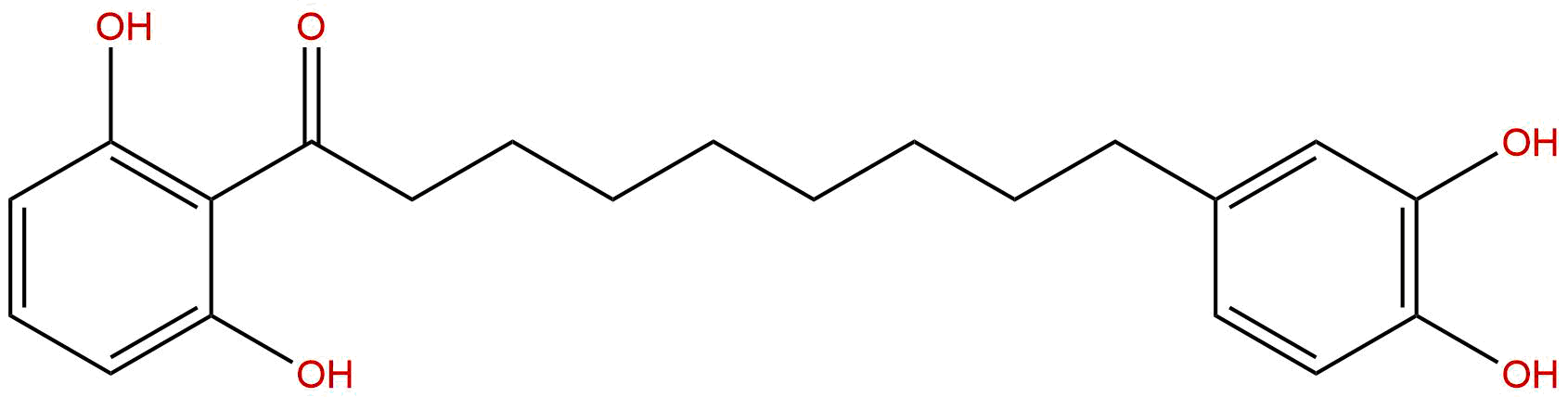
Malabazone C was originally derived from plants in the nutmeg family Myristica cinnamomea King The isolated and identified fruit belongs to a class of phenolic compounds with a 1,3-diarylpropane skeleton. Its chemical structure consists of a substituted benzene ring connected to another substituted benzene ring through a propane chain, and this unique diarylpropane skeleton endows it with diverse biological activities. Early research mainly focused on its antibacterial and anti-inflammatory properties, but in recent years, with a deeper understanding of the role of sphingomyelin metabolism in metabolic diseases, the potential application value of malathion C as a novel non competitive Sphingomyelin Synthase (SMS) inhibitor in obesity, non-alcoholic fatty liver disease (NAFLD), and immune regulation has gradually become prominent.
Sphingomyelin (SM) is one of the most abundant sphingolipids in the cell membrane, playing a crucial role in maintaining membrane structural stability, participating in signal transduction, and regulating cell proliferation, differentiation, and apoptosis. Sphingomyelin synthase (SMS) is a key enzyme that catalyzes the conversion of ceramide to sphingomyelin. There are two subtypes, SMS1 and SMS2, located in the Golgi apparatus and plasma membrane, respectively. Abnormal sphingomyelin metabolism is closely related to many diseases, including obesity, insulin resistance, atherosclerosis, nonalcoholic fatty liver and some types of cancer. Therefore, the development of inhibitors targeting SMS has become a new strategy for treating these metabolic and inflammatory diseases. Malabazone C, as the first reported orally active non competitive inhibitor of SMS, showed moderate selectivity towards SMS2 with IC50 values of 3 μ M and 1.5 μ M for SMS1 and SMS2, respectively. This discovery not only provides a new chemical tool for understanding the regulation of sphingomyelin metabolism, but also opens up new directions for the development of anti metabolic disease drugs based on natural products.
This review aims to systematically review the chemical structure and physicochemical properties, plant sources and extraction methods, pharmacological activity research, mechanism of action and molecular targets, pharmacological evaluation and pharmacokinetic characteristics of Malabazone C, and prospects its clinical application prospects, in order to provide comprehensive references for the in-depth research and development of this natural product.
Chemical structure and physicochemical properties
The chemical structure of Malabazone C is the basis of its biological activity. Its core skeleton is 1,3-diarylpropane, specifically composed of a 2,6-dihydroxyphenyl group (ring A) connected to a 4-hydroxy-3-methoxyphenyl group (ring B) through a propan-1-one chain. Its system is named: 1- (2,6-dihydroxyphenyl) -3- (4-hydroxy-3-methoxyphenyl) propan-1-one. This structure contains multiple phenolic hydroxyl groups, endowing it with certain polarity and antioxidant potential. Its molecular formula is C22H22O5 and its molecular weight is 358.4340 g/mol. The CAS registration number is 63335-25-1.
From the perspective of physical and chemical properties, Malabazone C exhibits typical phenolic compound characteristics. Its lipid water partition coefficient (LogP) is 4.6815, indicating strong lipophilicity, which is consistent with its structure containing two aromatic rings and one propane chain. A higher lipophilicity facilitates its penetration through biological membranes, but may also affect its solubility in aqueous environments. Its topological polar surface area (TPSA) is 97.9900 Å ², mainly contributed by five oxygen atoms (including phenolic hydroxyl and carbonyl). TPSA is an important parameter for predicting drug oral absorption and blood-brain barrier penetration ability. It is generally believed that molecules with TPSA less than 140 Å ² have good oral absorption potential, while molecules with TPSA less than 90 Å ² are more likely to penetrate the blood-brain barrier. The TPSA value of Malabazone C is close to 100 Å ², indicating that its oral absorption may be acceptable, but its blood-brain barrier penetration ability is relatively low. This is consistent with the evaluation result of "blood-brain barrier: low" in the drug formulation parameters.
In terms of water solubility, the predicted water solubility of Malabazone C is 0.0804 mg/mL, which belongs to low water solubility compounds. This is consistent with its high LogP value, which is a common challenge faced by many natural products in drug development. Low water solubility may limit its bioavailability and needs to be improved through pharmaceutical methods such as nanoemulsions, liposomes, cyclodextrin inclusion complexes, etc. In addition, its structure contains multiple phenolic hydroxyl groups, which may form phenolic salts under alkaline conditions to increase solubility, but its solubility is lower at acidic or neutral pH.
From the perspective of medicinal chemistry, there are multiple modifiable sites in the structure of Malabazone C. For example, two phenolic hydroxyl groups on the A ring and one phenolic hydroxyl group and one methoxy group on the B ring can serve as derivatization sites, and their activity, selectivity, solubility, and metabolic stability can be regulated by introducing different substituents. In addition, the carbonyl group in the propan-1-one chain can also serve as a target for reduction or substitution. These structural features provide broad space for subsequent structure-activity relationship (SAR) studies and lead compound optimization.
Plant sources and extraction methods
Malabazone C was first discovered in plants of the Myristicaceae family Myristica cinnamomea King Among the fruits. Nutmeg family plants are mainly distributed in tropical regions, especially Southeast Asia and South America, and many species have a long history of application in traditional medicine. For example, nutmeg(Myristica fragrans)Nutmeg kernels (i.e. nutmeg) and false seed coats (i.e. nutmeg shells) are widely used as spices and traditional medicines to treat digestive system diseases, inflammation, and insomnia.Myristica cinnamomea As a plant belonging to the same genus, its fruits are also rich in various secondary metabolites, including malathionine compounds.
Except for Myristica cinnamomea Malabar ketone C is also present in other nutmeg plants, such as Myristica malabarica In the fruit and bark of (Indian nutmeg). In fact, the name 'Malabaricone' comes from Myristica malabarica In addition, in Myristica fragrans Malabazone C was also detected in the false seed coat (nutmeg coat), although its content may vary depending on the place of origin, harvesting time, and extraction method.
The extraction and separation of Malabazone C usually follow the classic process of natural product chemistry, which mainly includes the following steps:
-
Raw material preparation and extraction Crush dry plant materials (usually fruits, seeds, or bark) and extract them using organic solvents. Due to the lipophilicity of Malabazone C, commonly used extraction solvents include methanol, ethanol, ethyl acetate, or their mixed solvents. Usually, cold soaking or Soxhlet extraction methods are used to improve extraction efficiency. For example, in a classic study Myristica cinnamomea The dried fruit powder was repeatedly extracted with methanol at room temperature, and the combined extracts were concentrated under reduced pressure to obtain the crude methanol extract.
-
Preliminary separation and enrichment Perform liquid-liquid extraction on the obtained crude extract and perform preliminary separation based on polarity. Usually, the crude methanol extract is suspended in water and then extracted sequentially with n-hexane, ethyl acetate, and n-butanol. Malabazone C is mainly enriched in the ethyl acetate extraction layer due to its equipolarity. This step can effectively remove a large amount of fat soluble impurities (such as fatty acids, wax) and water-soluble impurities (such as sugars, tannins).
-
Chromatographic Separation and Purification Perform systematic chromatographic separation on the extraction layer enriched with the target compound, such as the ethyl acetate layer. Common methods include silica gel column chromatography, reverse phase silica gel column chromatography (such as ODS), Sephadex LH-20 gel column chromatography and preparative HPLC. By gradient elution (such as n-hexane ethyl acetate or methanol water system), combined with thin-layer chromatography (TLC) detection, Malabazone C can be gradually purified. For example, in silica gel column chromatography, using n-hexane ethyl acetate (such as 4:1 to 1:1) gradient elution can preliminarily separate components of different polarities. Then, further purification was carried out by Sephadex LH-20 gel column chromatography (eluted with methanol or chloroform methanol) or preparative HPLC (with acetonitrile water system) to finally obtain the monomer of malabar ketone C with high purity.
-
Structural Identification Through modern spectroscopic techniques, including nuclear magnetic resonance spectroscopy (1H-NMR, 13C-NMR, HMBC, HSQC, etc.) and high-resolution mass spectrometry (HR-ESI-MS), the purified compound was structurally identified and confirmed to be Malabazone C by comparison with literature data.
It is worth noting that there are significant differences in the content of malate C among different plant sources and parts. For example, in Myristica malabarica In the fruit, the content of Malabaricone C may be higher, while in its bark, other Malabaricone compounds (such as Malabaricone A, B, D) may be predominant. Therefore, selecting appropriate plant materials and optimizing extraction processes are crucial for efficiently obtaining Malabar Ketone C.
Pharmacological activity research
In recent years, research on the pharmacological activity of malathion C has become increasingly in-depth, and its scope of action has expanded from its initial antibacterial and anti-inflammatory effects to multiple fields such as metabolic regulation and anti-tumor effects.
1. Metabolic regulatory effects: anti obesity and anti fatty liver
One of the most notable pharmacological activities of Malabazone C is its regulatory effect on lipid metabolism, particularly in models of obesity and non-alcoholic fatty liver disease (NAFLD). Research has shown that in a high-fat diet (HFD) - induced obese mouse model, oral administration of malathion C can significantly reduce weight gain in mice. This weight loss effect is not due to appetite suppression, but is related to increased energy expenditure and adipose tissue remodeling.
More importantly, Malabazone C can significantly improve glucose tolerance disorders caused by high-fat diets, i.e. increase insulin sensitivity. This effect is closely related to the improvement of liver lipid metabolism. In the HFD induced fatty liver mouse model, treatment with malathion C significantly reduced lipid accumulation in the liver, lowered liver triglyceride and total cholesterol levels. Histopathological analysis shows that malate C can alleviate hepatic steatosis, inflammation, and ballooning, and has significant preventive and therapeutic effects on the progression of NAFLD.
The molecular mechanisms underlying these metabolic regulatory effects are currently believed to be closely related to their core function as SMS inhibitors. By inhibiting SMS, Malabazone C may alter the balance of intracellular sphingolipids/ceramides. Ceramide is a known lipid signaling molecule that promotes inflammation and insulin resistance, while sphingomyelin is relatively inert. Inhibiting SMS leads to an increase in ceramide levels, which may seem contradictory, but studies have shown that under specific conditions, inhibiting SMS may activate other metabolic pathways (such as ceramide enzymes) or affect membrane structure, ultimately leading to a decrease in overall lipid toxicity. In addition, the inhibition of SMS2 may also reduce the release of very low-density lipoprotein (VLDL) in the liver by affecting the assembly and secretion of lipoproteins, thereby alleviating the hepatic lipid burden.
2. Anti inflammatory and immune regulatory effects
Malabazone C exhibits anti-inflammatory activity in various inflammatory models. It can inhibit the production of nitric oxide (NO) and prostaglandin E2 (PGE2) in macrophages stimulated by lipopolysaccharide (LPS), which is related to its inhibition of the expression of inducible nitric oxide synthase (iNOS) and cyclooxygenase-2 (COX-2). In addition, it can also reduce the levels of pro-inflammatory cytokines such as tumor necrosis factor - α (TNF - α), interleukin-6 (IL-6), and interleukin-1 β (IL-1 β).
Of particular note is that Malabazone C has a regulatory effect on T cell-mediated immune responses. Research has shown that it can inhibit the overactivation and proliferation of T cells, indicating its potential value in the treatment of autoimmune diseases caused by overactivation of T cells, such as rheumatoid arthritis, multiple sclerosis, inflammatory bowel disease, etc. Its immune regulatory mechanism may be related to the inhibition of SMS, as sphingomyelin metabolism plays a key role in T cell receptor (TCR) signaling transduction and immune synapse formation. Inhibition of SMS may interfere with the activation and effector function of T cells.
3. Antitumor activity
Malabar C shows cytotoxicity in a variety of tumor cell lines, including breast cancer, prostate cancer, colon cancer and leukemia cells. Its anti-tumor mechanism is multifaceted, involving multiple molecular targets.
- Inducing apoptosis Malabazone C can induce tumor cell apoptosis through endogenous (mitochondrial) and exogenous (death receptor) pathways. It can downregulate the expression of anti apoptotic proteins MCL1 and BCL2, while upregulating the expression of pro apoptotic protein BAX, leading to loss of mitochondrial membrane potential and release of cytochrome c, ultimately activating the Caspase cascade reaction. In addition, it can also inhibit the phosphorylation of the STAT3 signaling pathway. STAT3 is a key oncogenic transcription factor, and its inactivation can inhibit tumor cell proliferation and promote apoptosis.
- Inhibit invasion and metastasis Malabazone C can inhibit the migration and invasion ability of tumor cells. This is related to its inhibition of the expression and activity of matrix metalloproteinase 2 (MMP2). MMP2 is a key enzyme that degrades extracellular matrix, and its reduced activity can effectively prevent tumor cell metastasis.
- Inhibition of Topoisomerase Malabazone C has been found to be an inhibitor of DNA topoisomerase I (TOP1) and topoisomerase II alpha (TOP2A). Topoisomerase is an enzyme essential for DNA replication and transcription, and its inhibition can lead to DNA damage, thereby inhibiting tumor cell proliferation. This mechanism is similar to some chemotherapy drugs used clinically, such as camptothecin and etoposide.
- Angiogenesis inhibition Malabazone C can inhibit the expression and activity of hypoxia inducible factor 1 alpha (HIF1A). HIF1A is a key transcription factor that induces angiogenesis in tumors under hypoxic conditions. By inhibiting HIF1A, Malabazone C can reduce the production of vascular endothelial growth factor (VEGF), thereby inhibiting the formation of tumor neovascularization and cutting off the nutritional supply to the tumor.
- Regulating MAPK and estrogen signaling Malabazone C can also affect the mitogen activated protein kinase (MAPK1, ERK2) signaling pathway, as well as the activity of estrogen receptor (ESR1) and aromatase (CYP19A1). In estrogen receptor positive breast cancer, it may play an anti-tumor role by regulating estrogen signaling pathway.
Mechanism of action and molecular targets
Based on existing research, the pharmacological mechanism of Malabazone C can be attributed to a multi-target mode of action centered around SMS inhibition, involving multiple downstream signaling pathways and molecular targets.
Core target: Sphingomyelin synthase (SMS)
Malabazone C has been confirmed as a non competitive SMS inhibitor. This means that it does not compete with substrates (ceramides and phosphatidylcholine) for the active site of the enzyme, but instead changes its conformation by binding to other sites of the enzyme, thereby reducing its catalytic efficiency. Its inhibitory activity against SMS2 (IC50=1.5 μ M) is slightly stronger than SMS1 (IC50=3 μ M), showing a certain subtype selectivity. SMS1 is mainly located in the Golgi apparatus and is responsible for synthesizing structural sphingophospholipids; SMS2 is mainly located in the plasma membrane and participates in signal transduction and lipid raft formation. Therefore, selective inhibition of SMS2 may be more advantageous in regulating signaling events related to the plasma membrane, such as T cell activation and insulin signaling transduction.
By inhibiting SMS, Malabazone C altered the balance of intracellular ceramides and sphingolipids. This change in balance is the starting point for various downstream pharmacological effects:
- Metabolic effects In the liver and adipose tissue, the accumulation of ceramides caused by SMS inhibition may activate ceramidase, converting it into sphingosine and sphingosine-1-phosphate (S1P). S1P is a signaling molecule with pro survival and anti apoptotic effects, but its role in metabolic regulation is complex. However, in the HFD model, the overall effect of malate C is to improve insulin sensitivity and reduce liver lipid accumulation, which may be related to SMS inhibition that alters the distribution of ceramides in specific subcellular pools or affects lipid raft structures associated with insulin signaling.
- Immune effect In T cells, SMS2 is enriched in the immune synapses formed after TCR activation, which is crucial for T cell activation. Inhibition of SMS2 may disrupt the stability of immune synapses, interfere with TCR signaling transduction, and thus inhibit excessive activation of T cells. This provides a theoretical basis for the treatment of autoimmune diseases with malathion C.
- Anti-tumor effect Abnormal activity of sphingomyelin metabolism in tumor cells. Inhibition of SMS may exert anti-tumor effects through multiple mechanisms:
- Inducing apoptosis: By altering the ratio of sphingomyelin/ceramide on the mitochondrial membrane, it promotes apoptosis of the mitochondrial pathway.
- Inhibition of proliferation: by affecting the localization and signal transduction of growth factor receptors (such as EGFR) in lipid rafts.
- Inhibition of metastasis: by affecting the activity of cell adhesion molecules (such as integrins) and MMP.
Other related molecular targets
In addition to SMS, Malabazone C has also been reported to directly or indirectly affect multiple molecular targets associated with tumor development, including MCL1, BCL2, STAT3, MMP2, TOP1, TOP2A, HIF1A, MAPK1, ESR1, and CYP19A1. The discovery of these targets mainly comes from mechanistic studies at the cellular level. For example, it can directly inhibit the activity of TOP1 and TOP2A, similar to classical topoisomerase inhibitors. It can also downregulate the expression of downstream target genes such as MCL1 and BCL2 by inhibiting the phosphorylation of STAT3. These multi-target properties make Malabazone C potentially broad-spectrum and advantageous in overcoming drug resistance in anti-tumor applications, but also increase the complexity of its mechanism of action research.
Evaluation of drug properties and pharmacokinetics
Translating natural products into clinical drugs and evaluating their pharmacological properties is a crucial step. The pharmacological parameters of Malabazone C provide us with a preliminary evaluation.
Advantages:
- Oral activity Malabazone C has shown efficacy in animal models through oral administration, indicating its good potential for oral bioavailability. Although its TPSA (97.99 Å ²) and LogP (4.68) values suggest strong lipophilicity, they are still within the acceptable range for oral medication.
- Preliminary Safety Assessment The Ames test result is 0.0, indicating that it did not show mutagenicity in the bacterial recovery mutation test, which is an important safety signal. The hERG inhibition assessment is' no ', indicating a low risk of causing QT interval prolongation in the heart. These preliminary data provide positive security support for its further development.
- Low blood-brain barrier penetration For the treatment of metabolic diseases (such as NAFLD) and certain peripheral immune diseases, low blood-brain barrier penetration can avoid potential central nervous system side effects, which may actually be an advantage.
Challenge and improvement direction:
- Poor water solubility The low water solubility of 0.0804 mg/mL is the main pharmaceutical challenge faced by Malabazone C. Low water solubility not only affects oral absorption, but also poses difficulties for formulation development. Future research needs to focus on addressing this issue, such as by preparing prodrugs (such as phosphate esters, amino acid esters), using nanocrystal technology, liposomes, or cyclodextrin inclusion complexes to improve their apparent solubility and dissolution rate.
- Metabolic stability At present, detailed pharmacokinetic (PK) data on Malabar C, such as half-life, clearance rate, and distribution volume, are not sufficient. The phenolic hydroxyl groups in its structure are common II phase metabolism sites (such as glucuronidation and sulfation), which may lead to rapid metabolic clearance. In addition, methoxy groups may also undergo O-demethylation metabolism. Therefore, systematic in vitro and in vivo metabolic stability studies are needed to evaluate its PK characteristics and guide structural modifications to improve metabolic stability.
- selectivity Although Malabazone C has some selectivity towards SMS2, its inhibitory activity towards SMS1 cannot be ignored. Long term inhibition of SMS1 may have adverse effects on cell membrane homeostasis. In addition, its inhibitory activity against other targets such as topoisomerases may contribute to anti-tumor effects, but it may also bring non-specific toxicity. Therefore, improving the selectivity of SMS2 or optimizing its multi-target activity spectrum for specific indications is an important direction for future pharmaceutical chemistry research.
Clinical application prospects and prospects
Based on the unique pharmacological activity and preliminary pharmacological characteristics of Malabazone C, its clinical application prospects in the following disease fields are worth looking forward to.
1. Metabolic disorders: non-alcoholic fatty liver disease (NAFLD) and obesity
NAFLD has become the most common chronic liver disease worldwide, and there are currently no approved specific treatment drugs. Malabazone C exhibits a "triple" effect of reducing body weight, improving insulin resistance, and reducing liver lipid accumulation in HFD induced NAFLD mouse models, making it a highly promising candidate drug. Its mechanism of action - inhibiting SMS - provides a novel target for the treatment of NAFLD. Unlike PPAR agonists and FXR agonists currently in clinical stages, SMS inhibitors may provide a new treatment option for NAFLD patients by regulating sphingomyelin metabolism. In the future, it is necessary to validate its efficacy in large animal models and NAFLD models that are closer to human pathophysiology, such as the MASH model, and conduct long-term toxicity studies.
2. Autoimmune diseases
Malabazone C has the potential to inhibit excessive activation of T cells, making it applicable in the treatment of T cell-mediated autoimmune diseases such as rheumatoid arthritis, psoriasis, and inflammatory bowel disease. Compared with existing biologics such as TNF - α inhibitors and small molecule immunosuppressants such as JAK inhibitors, SMS inhibitors may provide a new immunomodulatory mechanism. The convenience of oral administration is also superior to many biologics that require injection. However, it should be noted that long-term immunosuppression may increase the risk of infection, so a balance needs to be struck between efficacy and safety.
3. Tumor treatment
The multi-target anti-tumor activity of Malabazone C, especially its inhibitory effects on STAT3, topoisomerase, and HIF1A, suggests that it may be effective for various solid tumors and hematological tumors. Its characteristics as an SMS inhibitor may also provide new ideas for tumor treatment, as sphingomyelin metabolism plays an important role in tumor cell resistance and tumor microenvironment remodeling. In the future, it is possible to explore the combination application of Malabazone C with existing chemotherapy drugs or targeted drugs, in order to achieve synergistic enhancement and overcome drug resistance. For example, the combination use with STAT3 inhibitors or topoisomerase inhibitors is worth studying.
Challenges faced and future research directions
Despite its broad prospects, the clinical translation of Malabazone C still faces many challenges. The primary issue is its low water solubility and potential metabolic instability, which needs to be addressed through medicinal chemistry and formulation methods. Secondly, its multi-target mechanism of action is both advantageous and risky, requiring a deeper understanding of its main effector targets in vivo and an evaluation of the potential toxicity caused by off target effects. In addition, current research mainly remains at the level of cell and animal models, lacking human clinical data.
Future research directions should focus on:
1. structural optimization Based on the skeleton of Malabazone C, a systematic structure-activity relationship (SAR) study was conducted to improve the selectivity of SMS2, enhance its water solubility and metabolic stability, while maintaining or enhancing its core pharmacological activity.
2. In depth mechanism research Using gene knockout animal models (such as SMS1 or SMS2 whole body or tissue-specific knockout mice) and advanced lipidomics techniques, accurately analyze the downstream metabolic and signaling network changes of malathion C in vivo by inhibiting SMS production.
3. Pharmacokinetic optimization Conduct comprehensive in vitro and in vivo research on ADME (absorption, distribution, metabolism, excretion), clarify its metabolic pathways and metabolites, and provide a basis for structural modification and formulation development.
4. Formulation development Develop formulations that can effectively improve their oral bioavailability, such as self microemulsifying drug delivery systems (SMEDS), phospholipid complexes, or nanoparticles.
5. Preclinical safety evaluation Conduct systematic acute and chronic toxicity studies, particularly evaluating their long-term effects on the immune system and liver.
Conclusion
Malabazone C, as a natural product derived from the nutmeg family, has shown exciting research value in various therapeutic fields such as metabolic diseases, immune regulation, and anti-tumor, thanks to its unique 1,3-diarylpropane skeleton and innovative mechanism of action as a non competitive SMS inhibitor. From its initial antibacterial activity to its current focus on regulating sphingomyelin metabolism, the research process of Malabazone C vividly illustrates the charm and potential of natural product drug discovery. Although there are still challenges in drug formulation, such as water solubility and metabolic stability, its oral activity, good preliminary safety, and clear molecular targets have laid a solid foundation for its further development. In the future, through the collaborative research of multiple disciplines such as medicinal chemistry, pharmacology, and pharmacy, Malabazone C and its derivatives are expected to become new candidate drugs for the treatment of NAFLD, autoimmune diseases, and even cancer, contributing to the cause of human health. In depth research on these natural products will not only help discover new therapeutic drugs, but also deepen our understanding of the core role of sphingomyelin metabolism in physiological and pathological processes.