Introduction/Overview
Natural products have always been an important source of new drug discovery, especially playing an indispensable role in the treatment of chronic complex diseases such as cancer, metabolic diseases, and inflammatory diseases. Among numerous bioactive phytochemicals, stilbene compounds have attracted much attention due to their unique stilbene skeleton and extensive pharmacological activities. Resveratrol, as a representative of stilbene compounds, has been widely studied for its antioxidant, anti-inflammatory, anti-aging, and cardiovascular protective effects. However, there are still many structurally similar but more specific stilbene derivatives in nature, and Isorhapontigenin (ISO) is one of them.
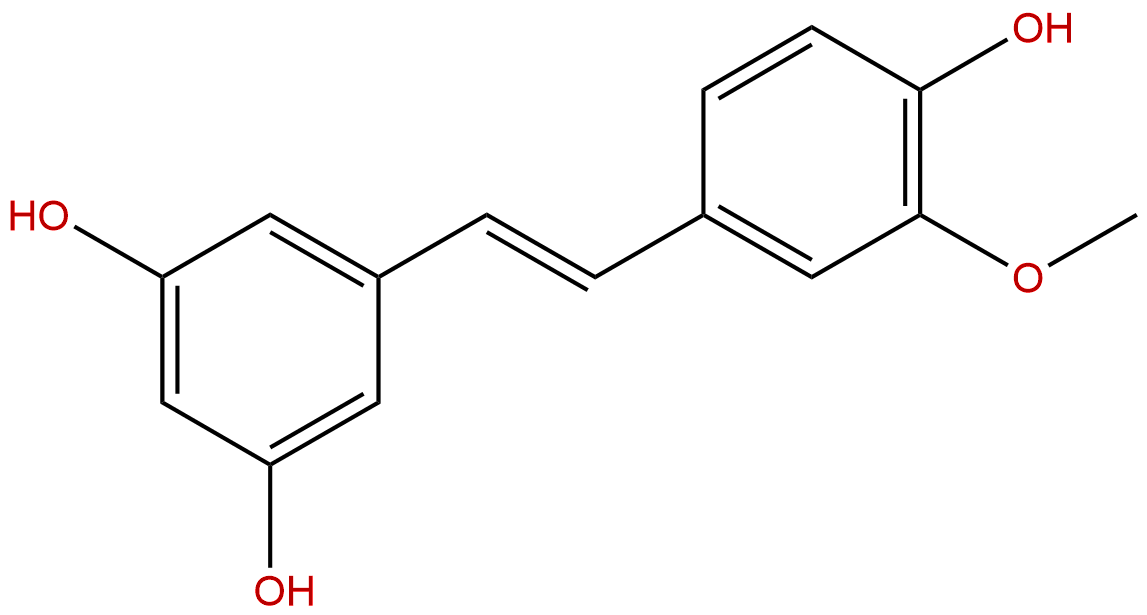
Yidan Ye Emodin, also known as 3,4 ', 5-trihydroxy-3' - methoxystilbene, is a naturally occurring dietary polyphenol belonging to the family of stilbene compounds. Compared with resveratrol, ISO has an additional methoxy substitution on the B ring, which endows it with unique biological activity and pharmacological properties. In recent years, ISO has become a research hotspot in the field of natural product pharmacology due to its significant antioxidant, anti-inflammatory, anti-tumor, and metabolic regulatory activities. Research has shown that ISO can not only effectively eliminate reactive oxygen species (ROS), but also exert multi-target pharmacological effects by regulating multiple key signaling pathways such as Nrf2/ARE, PI3K/Akt, MAPK/JNK, and NF - κ B. It is particularly remarkable that ISO has performed well in improving insulin resistance, promoting fatty acid oxidation, inducing tumor cell apoptosis and inhibiting tumor invasion, which shows its great potential in the treatment of type 2 diabetes, non-alcoholic fatty liver disease, bladder cancer and other diseases. This article will provide a systematic review of the research progress of isodaidzein from the aspects of chemical structure, plant origin, pharmacological activity, molecular mechanism, medicinal properties, and clinical application prospects, aiming to provide comprehensive scientific basis for the in-depth development and utilization of this natural polyphenol.
Chemical structure and physicochemical properties
The chemical name of isodan leaf emodin (ISO) is 3,4 ', 5-trihydroxy-3' - methoxystilbene, and its core skeleton is a stilbene structure, in which two benzene rings are connected by a vinyl bridge. Compared with resveratrol (3,4 ', 5-trihydroxystilbene), ISO has an additional methoxy (- OCH ∝) substituent at the 3' position. This structural modification significantly affects the polarity, electron distribution, and interaction mode with biological targets of the molecule. The molecular formula of ISO is C ₁₅ H ₁₄ O ₄, with a molecular weight of 258.2730 g/mol. The three phenolic hydroxyl groups and one methoxy group in its structure give it good hydrogen bond donor and acceptor abilities.
From the perspective of physicochemical properties, the lipid water partition coefficient (LogP) of ISO is 2.7852, indicating that it has a certain lipophilicity, which is conducive to transmembrane transport and interaction with cell membranes and membrane proteins. Its topological polar surface area (TPSA) is 69.92 Å ², which is lower than the commonly believed passive diffusion threshold (140 Å ²), indicating its good oral absorption potential. The water solubility parameter is 0.1811 mg/mL, which belongs to the category of slight solubility, which to some extent limits its bioavailability. However, it can be improved through formulation techniques such as nanoencapsulation and phospholipid complexes. The pKa value of ISO is about 9.5, and it mainly exists in molecular form under physiological pH conditions, which is conducive to its penetration into cell membranes. In addition, ISO is sensitive to light and heat, and attention should be paid to avoiding light and low temperature conditions during storage and experimentation.
Plant sources and extraction methods
Emodin from Yidan leaves is not a widely distributed plant component, and it mainly comes from a few specific medicinal and edible plants. Among them, the most famous source is the Polygonaceae plant Rheum palmatum(Rheum palmatum L. ) and Medicinal Rhubarb(Rheum officinale The rhizome of Baill. In addition, ISO also exists in grape family plants (such as Vitis vinifera)In fruits, seeds, and vines, as well as leguminous plants (such as Cassia Spp.) and certain ferns. It is worth noting that ISO is one of the important active ingredients in the traditional Chinese medicine "rhubarb", which works together with anthraquinone compounds such as emodin and rhein to exert pharmacological effects. In grapes, ISO usually exists in the form of glycosides (such as isodaidzein-3-O-glucoside), which are hydrolyzed by gut microbiota to release aglycones.
The extraction method of ISO mainly relies on the combination of traditional solvent extraction and modern chromatographic separation technology. Due to the presence of multiple phenolic hydroxyl groups in ISO, which have certain polarity and acidity, polar solvents such as methanol, ethanol, or acetone water mixed solvents are often used for extraction. The typical extraction process includes crushing the dried plant material, soaking or refluxing it with 70% -95% ethanol or methanol at room temperature or heating conditions, filtering and concentrating under reduced pressure to obtain the crude extract. Subsequently, liquid-liquid extraction (such as ethyl acetate extraction) was used to enrich stilbene compounds. Further purification usually uses silica gel column chromatography, Sephadex LH-20 gel column chromatography, reverse phase C18 column chromatography and preparative HPLC. Due to the similar polarity between ISO and structurally similar compounds such as resveratrol, precise gradient elution conditions are required during the separation process. In recent years, high-speed countercurrent chromatography (HSCCC) and molecular imprinting techniques have also been applied to the efficient separation and enrichment of ISO, improving extraction efficiency and purity. The yield of extracting ISO from rhubarb is usually low (0.01% -0.1% of dry weight), which prompts researchers to explore chemical synthesis and biosynthetic pathways to meet the needs of scientific research and potential clinical applications.
Pharmacological activity research
Isoquercetin (ISO) exhibits various pharmacological activities, covering multiple fields such as antioxidant, anti-inflammatory, anti-tumor, metabolic regulation, and organ protection.
1. Antioxidant and anti-inflammatory activities
ISO is a potent natural antioxidant. The three phenolic hydroxyl groups in its molecule can effectively scavenge various free radicals, including hydroxyl radicals (· OH), superoxide anions (O ₂⁻ ·), and peroxynitrite (ONOO ⁻). Research has shown that ISO can significantly reduce intracellular ROS levels induced by oxidative stress inducers such as H ₂ O ₂ and TNF - α. Its antioxidant mechanism is not limited to directly clearing free radicals, but more importantly, it activates the nuclear factor E2 related factor 2 (Nrf2) signaling pathway. ISO can promote the dissociation and translocation of Nrf2 from Keap1 into the nucleus, where it binds to antioxidant response elements (ARE) and upregulates the expression of a series of antioxidant enzyme genes, such as heme oxygenase-1 (HO-1), quinone oxidoreductase 1 (NQO1), and glutathione S-transferase (GST), thereby enhancing the endogenous antioxidant defense ability of cells. In terms of anti-inflammatory effects, ISO can inhibit the release of pro-inflammatory cytokines (such as TNF - α, IL-6, IL-1 β) in macrophages stimulated by lipopolysaccharide (LPS), and downregulate the expression of inducible nitric oxide synthase (iNOS) and cyclooxygenase-2 (COX-2). This effect is mainly related to its inhibition of the phosphorylation and transcriptional activity of nuclear factor kappa B (NF - κ B) and signal transduction and transcription activator 1 (STAT1).
2. Antitumor activity
ISO has shown significant anti-tumor activity in many tumor models, especially for bladder cancer cancer, breast cancer, prostate cancer and lung cancer. Its anti-tumor mechanism is multifaceted:
- Inducing cell apoptosis ISO can induce tumor cell apoptosis through endogenous (mitochondrial) and exogenous (death receptor) pathways. It can upregulate the expression of pro apoptotic proteins Bax and Bad, downregulate the expression of anti apoptotic proteins Bcl-2 and Mcl-1, leading to loss of mitochondrial membrane potential, release of cytochrome c, and activation of Caspase-9 and Caspase-3. In addition, ISO can activate the JNK/p38 MAPK signaling pathway, promote the binding of JUN to the SESN2 promoter, induce Sestrin2 (SESN2) transcription, further trigger MAPK8 dependent JUN activation, and form a positive feedback loop to amplify apoptotic signals.
- Inhibit cell proliferation and invasion ISO can inhibit tumor cell proliferation by suppressing the PI3K/Akt/mTOR signaling pathway, blocking the cell cycle in the G0/G1 phase. Meanwhile, ISO can significantly reduce the expression and activity of matrix metalloproteinase-2 (MMP-2) and MMP-9, and inhibit the migration and invasion ability of tumor cells. In addition, ISO can also inhibit the expression of hypoxia inducible factor 1 alpha (HIF-1 alpha), thereby weakening the angiogenesis and metastasis ability of tumors in hypoxic environments.
- Regulating the tumor microenvironment ISO improves the immunosuppressive tumor microenvironment by inhibiting STAT3 phosphorylation and reducing M2 polarization of tumor associated macrophages (TAMs).
3. Metabolic regulatory activity
ISO has shown significant therapeutic potential in metabolic diseases, especially type 2 diabetes and non-alcoholic fatty liver disease (NAFLD).
- Improving insulin resistance and glucose metabolism In diet induced obesity and insulin resistance mouse models, ISO can significantly improve insulin sensitivity in adipose tissue, reduce fasting and postprandial blood glucose levels, and decrease serum insulin and free fatty acid (FFA) concentrations. The mechanism is related to the activation of AMPK signaling pathway and upregulation of PPAR - γ co activator 1 α (PGC-1 α) expression, thereby promoting glucose uptake and mitochondrial biosynthesis.
- Promote fatty acid oxidation and lipid metabolism ISO can significantly reduce the accumulation of triglycerides (TG) in the liver and adipose tissue. It enhances the β - oxidation process of fatty acids by upregulating the expression of PPAR - α, PGC-1 α, and carnitine palmitoyltransferase 1A (CPT-1A). In addition, ISO can promote the differentiation and maturation of preadipocytes, improve the function of adipose tissue, and reduce ectopic lipid deposition.
- Induce autophagy ISO can induce cellular autophagy, which is an important process for maintaining cellular homeostasis. By activating the AMPK/mTOR pathway, ISO promotes autophagic flow, helping to clear damaged mitochondria and misfolded proteins, thereby protecting cells from metabolic stress damage.
4. Organ protection function
- Liver protection ISO has a protective effect on various chemical liver injuries, such as those induced by carbon tetrachloride and acetaminophen. It can alleviate liver cell necrosis, inflammatory infiltration, and oxidative stress, and its mechanism is related to activating the Nrf2/HO-1 pathway and inhibiting NF - κ B-mediated inflammatory response.
- Lung Protection In acute lung injury (ALI) and chronic obstructive pulmonary disease (COPD) models, ISO effectively alleviates lung tissue damage by inhibiting inflammatory cell infiltration, reducing inflammatory cytokine levels in bronchoalveolar lavage fluid, and alleviating oxidative stress.
- Cardiovascular protection ISO can inhibit the abnormal proliferation and migration of vascular smooth muscle cells, prevent vascular remodeling, and play an anti atherosclerosis role by improving endothelial function and reducing blood lipid levels.
Mechanism of action and molecular targets
The pharmacological activity of isodaidzein (ISO) originates from its interactions with multiple key molecular targets, thereby regulating a complex signaling network. Its core mechanism of action can be summarized as follows:
1. Antioxidant stress and Nrf2/ARE pathway
ISO is an effective activator of Nrf2. Under normal conditions, Nrf2 binds to the inhibitory protein Keap1 in the cytoplasm and is in an inactive state. ISO or its metabolites can directly modify cysteine residues on Keap1, causing conformational changes in Keap1 and releasing Nrf2. Nrf2 translocates to the nucleus, forms heterodimers with small Maf proteins, binds to antioxidant response elements (ARE), and initiates transcription of downstream target genes, including HO-1, NQO1, GST, glutathione peroxidase (GPx), etc. This mechanism is the basis for ISO to exert cell protective effects.
2. Anti inflammatory and NF - κ B/STAT3 pathway
ISO inhibits the nuclear translocation and transcriptional activity of NF - κ B by suppressing the activity of I κ B kinase (IKK), preventing the phosphorylation and degradation of I κ B α. Meanwhile, ISO can directly inhibit JAK kinase activity and reduce phosphorylation of STAT1 and STAT3. By blocking the two key pro-inflammatory signaling pathways of NF - κ B and STAT3, ISO effectively downregulated the expression of various inflammatory mediators (TNF - α, IL-6, IL-1 β, iNOS, COX-2).
3. Antitumor and multi-target regulation
The anti-tumor effect of ISO involves the regulation of multiple processes such as cell survival, proliferation, apoptosis, and metastasis.
- Apoptotic pathway ISO downregulates the anti apoptotic proteins MCL1 and BCL2, upregulates the pro apoptotic protein BAX, disrupts mitochondrial membrane potential, and activates the Caspase cascade reaction. In addition, ISO activates MAPK8 (JNK1), promotes the binding of JUN to the SESN2 promoter, induces SESN2 expression, and SESN2 in turn activates MAPK8, forming positive feedback and amplifying apoptotic signals.
- Proliferation and metastasis pathways ISO inhibits the PI3K/Akt signaling pathway, reduces downstream mTOR and p70S6K activity, and leads to cell cycle arrest. Meanwhile, ISO directly inhibits the transcription and enzymatic activity of MMP2 and MMP9, and reduces the secretion of vascular endothelial growth factor (VEGF) by suppressing the expression of HIF1A, thereby inhibiting tumor invasion and angiogenesis.
- Topoisomerase inhibition ISO has inhibitory effects on topoisomerase I (TOP1) and topoisomerase II (TOP2A), which may interfere with the DNA replication and transcription processes of tumor cells, and is another mechanism of its anti-tumor activity.
4. Metabolic regulation and AMPK/PPAR pathway
ISO regulates metabolism by activating AMPK (AMP activated protein kinase), a cellular energy sensor. Activated AMPK phosphorylation and inhibition of acetyl CoA carboxylase (ACC) promote fatty acid oxidation. At the same time, AMPK activation upregulates PGC-1 α, which acts as a transcriptional co activator and synergizes with PPAR - α to enhance the expression of CPT-1A and promote the entry of fatty acids into mitochondria for beta oxidation. In addition, ISO can directly or indirectly activate PPAR - γ and improve insulin sensitivity.
5. Autophagy induction
ISO induces autophagy by inhibiting the activity of mTORC1 (dependent on AMPK activation or direct action), thereby relieving mTOR's inhibition of the autophagy initiating complex (ULK1 complex). The activation of autophagy helps to clear damaged organelles and protein aggregates within cells, playing a dual role in metabolic stress and tumor suppression.
Evaluation of drug properties and pharmacokinetics
The evaluation of whether a natural product can become a candidate drug depends not only on its pharmacological activity, but also on its drug like and pharmacokinetic (ADME) properties.
1. Analysis of pharmacological parameters
According to Lipinski's "Rule of Five", the molecular weight of ISO (258.27 Da) is less than 500, LogP (2.79) is less than 5, the number of hydrogen bond donors (3 phenolic hydroxyl groups) is less than 5, and the number of hydrogen bond acceptors (4 oxygen atoms) is less than 10, fully meeting the basic requirements for oral active drugs. Its TPSA is 69.92 Å ², indicating its good intestinal absorption potential. In addition, the predictive model shows that ISO has a low blood-brain barrier (BBB) penetration ability (BBB Score low), which suggests that it may have fewer central nervous system side effects, but also limits its application in brain diseases. Importantly, ISO has a lower risk of inhibiting hERG potassium ion channels (hERG inhibition: No), indicating a lower risk of causing cardiac QT interval prolongation. The Ames test result (0.6) suggests a low risk of genetic toxicity. Overall, ISO has a good pharmaceutical foundation.
2. Pharmacokinetic characteristics
Although the physicochemical properties of ISO indicate its potential for oral absorption, its actual bioavailability is influenced by multiple factors.
- absorb ISO is mainly absorbed in the intestine through passive diffusion. However, due to its poor water solubility (0.1811 mg/mL), the absorption rate may be limited. In addition, ISO is easily metabolized rapidly in the intestine by glucuronic acid transferases (UGTs) and sulfate transferases (SULTs), forming glucuronic acid conjugates and sulfate conjugates, resulting in lower plasma concentrations of the prototype drug after oral administration. Research has shown that the oral bioavailability of ISO in rats is approximately 10% -20%.
- distribution ISO and its metabolites mainly bind to plasma albumin and are distributed to organs such as the liver, kidneys, lungs, and adipose tissue. Due to its lipophilicity, ISO may accumulate in adipose tissue.
- Metabolism The metabolism of ISO mainly occurs in the liver and intestines. The main metabolic pathways include: 1) glucuronidation and sulfation (phase II metabolism); 2) Methylation (catalyzed by catechol-O-methyltransferase COMT); 3) Oxidation (catalyzed by CYP450 enzyme system, but with a small contribution). The main metabolites include isodaidzein-3-O-glucuronide and isodaidzein-4 '- O-sulfate.
- excretion ISO and its metabolites are mainly excreted through bile and urine. Due to the presence of enterohepatic circulation, its half-life may be prolonged.
3. Strategies for improving bioavailability
Given the low oral bioavailability of ISO, researchers have explored various strategies to improve its pharmacokinetic properties: 1) Nanoformulations, such as liposomes, polymer nanoparticles, solid lipid nanoparticles, etc., can enhance the solubility and stability of ISO and promote its lymphatic absorption, bypassing the first pass effect in the liver; 2) Phospholipid complex: Forming a complex with phospholipids can enhance the lipid solubility and transmembrane ability of ISO; 3) Prodrug design: Modify phenolic hydroxyl groups (such as phosphorylation, amino acid esterification) and release the prototype drug through enzymatic interpretation in vivo; 4) Combined with absorption enhancers, such as piperine, can inhibit glucuronosyltransferase and improve the bioavailability of ISO.
Clinical application prospects and prospects
Based on the rich pharmacological activity and good pharmacological basis of isodan leaf emodin (ISO), it has shown broad prospects in clinical translational studies of various diseases.
1. Tumor treatment
ISO has great potential in the treatment of bladder cancer. Pre clinical studies have shown that ISO can effectively inhibit the growth of bladder cancer cells, induce apoptosis, and inhibit their invasion and metastasis. In view of the high recurrence rate of bladder cancer and the resistance to existing chemotherapy drugs, ISO, as a natural compound with low toxicity and multiple targets, is expected to be developed as an adjuvant drug for bladder cancer or used to prevent postoperative recurrence. In addition, the inhibitory effect of ISO on breast cancer, prostate cancer and lung cancer also suggests that ISO can be used as a broad-spectrum anti-tumor candidate. Future clinical trials are needed to evaluate the safety and efficacy of ISO alone or in combination with chemotherapy drugs such as cisplatin and paclitaxel.
2. Metabolic disorders
ISO has significant effects in improving insulin resistance, reducing blood sugar and lipids, making it a potential candidate drug for the treatment of type 2 diabetes and NAFLD. It promotes fatty acid oxidation by activating the AMPK and PPAR pathways, and has a synergistic effect with existing drugs such as metformin and thiazolidinediones. The antioxidant and anti-inflammatory properties of ISO also help to reduce the occurrence of complications of diabetes, such as diabetes nephropathy and retinopathy. Developing ISO as a dietary supplement or functional food ingredient for the prevention and improvement of metabolic syndrome has high commercial value and social significance.
3. Inflammatory diseases
The anti-inflammatory activity of ISO makes it potential for the treatment of chronic inflammatory diseases such as COPD, inflammatory bowel disease (IBD), and rheumatoid arthritis. By inhibiting the NF - κ B and STAT3 pathways, ISO can effectively alleviate inflammation and tissue damage. Its low toxicity and oral activity make it suitable for long-term use, and it is expected to become an alternative or complementary therapy to traditional anti-inflammatory drugs such as glucocorticoids.
4. Challenges and Future Directions
Despite the bright future, the clinical translation of ISO still faces challenges. The primary issue is its low oral bioavailability, which needs to be addressed through advanced drug delivery systems. Secondly, although the multi-target nature of ISO is its advantage, it may also lead to off target effects, requiring a more in-depth safety evaluation. In addition, most current research still remains at the cellular and animal level, lacking large-scale, randomized controlled clinical trial data. Future research directions should include: 1) developing ISO formulations with high bioavailability; 2) Using systems pharmacology and network pharmacology methods, elucidate the multi-target synergistic mechanism of ISO; 3) Conduct Phase I and Phase II clinical trials to determine safe doses, pharmacokinetic characteristics, and preliminary efficacy in humans; 4) Explore the synergistic combination of ISO with other natural products or clinical drugs to achieve increased efficacy and reduced toxicity.
Conclusion
Isorhapontigenin, as a naturally occurring dietary polyphenol, has become a rising star in the field of natural product pharmacology due to its unique chemical structure and pleiotropic pharmacological activity. From a chemical structure perspective, its slight differences from resveratrol endow it with more specific biological effects, especially in metabolic regulation and anti-tumor effects. ISO exerts strong antioxidant effects by activating the Nrf2 pathway, exhibits anti-inflammatory activity by inhibiting the NF - κ B and STAT3 pathways, and plays a fine regulatory role in cell apoptosis, autophagy, fatty acid oxidation, and insulin sensitivity by regulating multiple signaling pathways such as AMPK, PI3K/Akt, MAPK/JNK. Its excellent pharmaceutical properties and controllable toxicity risks have laid a solid foundation for its further development.
Although the clinical translation of ISO is still in its early stages and faces challenges such as low bioavailability, these issues are expected to be resolved through modern pharmaceutical methods and in-depth mechanism research. Looking forward to the future, it is very likely that emodin from isosalvia leaf, as a new, multi target natural lead compound, will be developed into a drug or functional health care product for the treatment of bladder cancer, type 2 diabetes, non-alcoholic fatty liver disease and a variety of chronic inflammatory diseases. The in-depth study of ISO not only enriches our understanding of the structure-activity relationship of stilbene compounds, but also provides valuable examples for discovering innovative drugs from traditional medicinal plants. With the continuous deepening of research, isoflavones are expected to play an important role in future clinical practice and contribute to human health.