Introduction/Overview
Natural products, as an important source of drug discovery, play an irreplaceable role in the long history of human struggle against diseases. Coumarin compounds, as a class of benzopyranone derivatives widely present in nature, have attracted much attention due to their structural diversity and rich biological activity. From the early anticoagulant drug Warfarin to the recent candidate molecules for anti-tumor and anti-inflammatory effects, coumarin skeleton has always been the core template for structural modification and activity optimization by medicinal chemists. Among numerous coumarin derivatives, 6-Hydroxycoumarin (CAS number: 6093-68-1) has become a hot topic in the field of natural product pharmacology research due to its unique chemical structure and multi effect pharmacological activity.
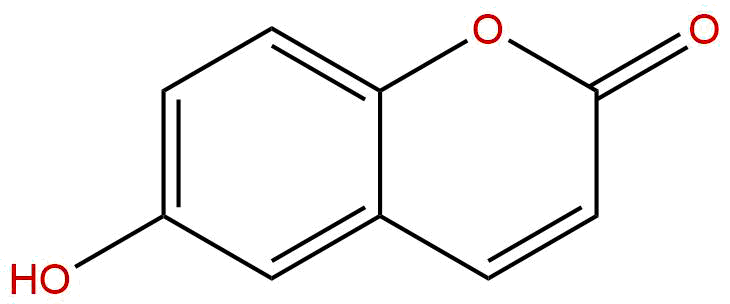
6-Hydroxycoumarin, also known as 6-hydroxy-2H-1-benzopyran-2-one, is a product of hydroxyl substitution in the C-6 position of the coumarin core. This simple structural modification endows it with unique properties that distinguish it from the parent coumarin and other isomers. From the perspective of phytochemistry, 6-hydroxycoumarin does not exist in isolation. It is often found as a secondary metabolite in various medicinal plants and is an important component of plant defense systems. From the perspective of pharmacological activity, literature reports that it has multiple effects such as anti-inflammatory, antipyretic, antioxidant, bronchodilator, vasodilator, antibacterial, antifungal, bacteriostatic, and anti-tumor. Especially its antibacterial activity, it exhibits inhibitory effects against various pathogenic microorganisms including Staphylococcus aureus and Candida albicans. Its targets include bacterial DNA gyrase (GYRA/GYPB), cell division protein FTSZ, acyl ACP reductase (FABI), dihydrofolate reductase (DHFR), as well as key molecules such as fungal lanosterol 14 α - demethylase (ERG11/CYP51A1) and multidrug resistance protein (CDR1). This multi-target characteristic of action demonstrates unique potential value in addressing the increasingly severe problem of antibiotic resistance.
However, despite the enticing multiple pharmacological activities of 6-hydroxycoumarin, its path from laboratory research to clinical application remains challenging. Its pharmacological parameters, such as moderate molecular weight (162.1440 Da), reasonable lipid water partition coefficient (LogP 1.3797), and polar surface area (TPSA 50.4400), suggest that it has good drug like properties. But the higher blood-brain barrier permeability (BBB high) and the risk of Ames test positivity (0.6) also sounded the alarm for its safety evaluation. Therefore, a systematic review of the research status of 6-hydroxycoumarin, in-depth exploration of its chemical properties, plant sources, pharmacological activities, molecular mechanisms, and medicinal characteristics, has important academic significance and practical application value for comprehensively evaluating its development potential, avoiding potential risks, and guiding future research directions. This article aims to provide a comprehensive review of 6-hydroxycoumarin from the professional perspective of natural product pharmacology, in order to provide reference for the in-depth research and rational development of this compound.
Chemical structure and physicochemical properties
The core skeleton of 6-hydroxycoumarin is composed of a fused benzene ring and an α - pyranone ring, forming a conjugated planar structure. The key characteristic of its chemical structure is the substitution of hydroxyl (- OH) at the C-6 position of the benzene ring. The presence of this hydroxyl group not only changes the electron cloud distribution of the molecule, enhances its ability to form hydrogen bonds with biomolecules, but also significantly affects its physicochemical properties.
From the perspective of physicochemical properties, the molecular weight of 6-hydroxycoumarin is 162.1440 Da, which is in line with the typical molecular weight range of small molecule drugs (<500 Da), and is conducive to its transmembrane transport and target binding. The LogP of its lipid water partition coefficient is 1.3797, indicating that the molecule has moderate lipophilicity. This value ensures a certain solubility in aqueous environments such as blood and cytoplasm, while also endowing it with the ability to penetrate lipid bilayers. The topological polar surface area (TPSA) is 50.4400 Å ², which is lower than the commonly recognized threshold for good oral absorption (140 Å ²), indicating its potential for good oral absorption. In addition, the water solubility parameter is 0.9711, which belongs to the category of slight solubility, which may limit its formulation development to some extent and needs to be improved through strategies such as salt formation, encapsulation, or prodrug design.
In terms of spectroscopic characteristics, 6-hydroxycoumarin exhibits characteristic absorption in the UV visible region. Its maximum absorption wavelength typically occurs at around 320-350 nm (related to the pyranone ring of the coumarin parent nucleus) and around 280-300 nm (related to the π→π * transition of the benzene ring). The introduction of hydroxyl groups will cause a red shift in the absorption peak. In the infrared spectrum, a broad peak of hydroxyl group (~3200-3600 cm ⁻¹) and a strong absorption peak of α, β - unsaturated lactone carbonyl group (~1700-1720 cm ⁻¹) can be observed. In the nuclear magnetic resonance hydrogen spectrum (¹ H NMR), the alkene hydrogen protons (H-3 and H-4) at positions C-3 and C-4 exhibit characteristic AB coupled systems (J ≈ 9.5 Hz) with chemical shifts around δ 6.2-6.4 ppm and δ 7.6-7.9 ppm, respectively. The introduction of the C-6 hydroxyl group causes a corresponding change in the chemical shift of the protons (H-5, H-7, H-8) on the benzene ring. Among them, H-5 and H-7 are deprotected due to their ortho or para position with the hydroxyl group, and the chemical shift shifts towards a lower field.
In terms of stability, 6-hydroxycoumarin is relatively stable in the solid state, but in the solution state, especially when exposed to light, oxygen, or alkaline conditions, its α - pyranone ring may undergo ring opening reactions, generating corresponding cis hydroxycinnamic acid derivatives. This ring opening reaction is reversible and can be re closed under acidic conditions. Therefore, in storage and experimental operations, attention should be paid to avoiding light, sealing, and controlling the pH environment.
Plant sources and extraction methods
6-Hydroxycoumarin is widely distributed in nature and is a secondary metabolite of various medicinal and edible plants. It often exists in its free form or in the form of glycosides bound to sugars. Plants known to contain 6-hydroxycoumarin include but are not limited to those belonging to the Apiaceae family(Angelica spp.)、 Fabaceae, a genus of sweet clover in the legume family(Melilotus spp.)、 The Artemisia genus of Asteraceae(Artemisia spp.)、 The genus Thymelaeaceae in the family Thymelaeaceae(Daphne Some plants in the family Poaceae, such as spp. For example, in traditional Chinese medicine Qin Pi(Fraxinus In spp., 6-hydroxycoumarin is one of its main active ingredients, which has anti-inflammatory and analgesic effects. In addition, after some plants are infected by pathogenic microorganisms or mechanically damaged, the content of 6-hydroxycoumarin will significantly increase, indicating that it participates in plant defense response as phytoalexin.
For the extraction of 6-hydroxycoumarin, classical natural product chemistry methods are still effective, but in recent years, green and efficient extraction techniques have also been widely applied.
-
Traditional extraction methods:
- Solvent extraction method This is the most commonly used method. According to the polarity of 6-hydroxycoumarin (LogP 1.38), medium polarity solvents such as methanol, ethanol, ethyl acetate, or their aqueous solutions are usually selected as extraction solvents. After drying and crushing, plant materials are extracted using methods such as cold soaking, percolation, or reflux extraction. For example, using 70% ethanol reflux to extract Qinpi powder can effectively extract 6-hydroxycoumarin from it. After the extraction solution is concentrated under reduced pressure, crude extract is obtained.
- Water extraction method Due to its certain water solubility, 6-hydroxycoumarin can also be extracted by boiling in water. However, the water extraction method often contains more impurities and has poor selectivity.
-
Modern extraction techniques:
- Ultrasound assisted extraction (UAE)Using the cavitation effect of ultrasound to destroy plant cell walls, accelerate solvent penetration and target component dissolution. This method has the advantages of short extraction time, low temperature, and high efficiency, especially suitable for the extraction of thermally unstable components.
- Microwave assisted extraction (MAE)Using microwave energy to selectively heat polar molecules (such as water) causes a rapid increase in internal temperature and pressure, leading to cell rupture and promoting component release. MAE also has the characteristics of high efficiency and speed.
- Supercritical fluid extraction (SFE)The most commonly used method is supercritical CO ₂ extraction. By adjusting pressure and temperature, changing the density and solubility of CO ₂, selective extraction of target components can be achieved. SFE has the advantages of no solvent residue, environmental friendliness, and low extraction temperature, but the equipment cost is relatively high. For 6-hydroxycoumarin, it is often necessary to add solvents such as ethanol to improve its extraction rate.
-
Separation and purification methods:
The crude extract obtained requires a series of separation and purification steps to obtain high-purity 6-hydroxycoumarin. Common methods include:
- Liquid-liquid extraction Using different solvents (such as petroleum ether, chloroform, ethyl acetate, n-butanol) to perform fractional extraction on the crude extract and preliminarily enrich the target components.
- Column chromatography method Silica gel column chromatography is the most classic method, often using petroleum ether ethyl acetate or chloroform methanol systems for gradient elution. Coumarins with similar structures can be finely separated by polyamide column chromatography or Sephadex LH-20 column chromatography.
- Preparation type high performance liquid chromatography (Prep HPLC)For samples with high purity requirements (such as>98%), preparative HPLC is the preferred method for final purification, which can quickly obtain pure products in milligrams to grams.
- High Speed Counter Current Chromatography (HSCCC)A chromatographic technique based on liquid-liquid distribution principle, without solid stationary phase, avoiding irreversible adsorption of samples, especially suitable for the separation of natural products with a wide polarity range.
Pharmacological activity research
6-Hydroxycoumarin exhibits a wide range of significant pharmacological activities, covering multiple aspects such as anti-inflammatory, antioxidant, antibacterial, anti-tumor, etc., demonstrating its potential as a multi-target natural product.
-
Anti inflammatory and antipyretic activity:
Inflammation is the body's defense response to injury and infection, but excessive or persistent inflammation can lead to tissue damage and various diseases. Research has shown that 6-hydroxycoumarin exhibits inhibitory effects in various inflammatory models. In the lipopolysaccharide (LPS) - induced macrophage inflammation model, 6-hydroxycoumarin can significantly reduce the production of nitric oxide (NO), prostaglandin E ₂ (PGE ₂), as well as pro-inflammatory cytokines such as tumor necrosis factor - α (TNF - α) and interleukin-6 (IL-6). The mechanism may be related to the inhibition of the activation of nuclear factor kappa B (NF - κ B) and mitogen activated protein kinase (MAPK) signaling pathways. In addition, in animal models, 6-hydroxycoumarin has also shown antipyretic effects and can reduce body temperature elevation caused by yeast or LPS.
-
antioxidant activity:
The phenolic hydroxyl group in 6-hydroxycoumarin molecules is the key structural basis for its antioxidant activity. Phenolic hydroxyl groups can serve as hydrogen atom donors, effectively scavenging free radicals such as DPPH ·, ABTS ⁺ ·, hydroxyl radicals · OH, and superoxide anions O ₂⁻ ·, interrupting free radical chain reactions. At the same time, it can chelate transition metal ions (such as Fe ² ⁺, Cu ² ⁺) and inhibit the reactive oxygen species (ROS) produced by the Fenton reaction. At the cellular level, 6-hydroxycoumarin can upregulate the activity of antioxidant enzymes such as superoxide dismutase (SOD), glutathione peroxidase (GPx), and catalase (CAT), and increase the level of intracellular reduced glutathione (GSH), thereby protecting cells from oxidative stress damage.
-
Antibacterial and antifungal activity:
This is one of the most concentrated areas of research on 6-hydroxycoumarin. It exhibits inhibitory activity against various bacteria and fungi.
- antibacterial For Gram positive bacteria such as Staphylococcus aureus Staphylococcus aureus Including methicillin-resistant Staphylococcus aureus (MRSA) and Gram negative bacteria (such as Escherichia coli)Escherichia coli Pseudomonas aeruginosa Pseudomonas aeruginosa)All have a certain inhibitory effect. Its minimum inhibitory concentration (MIC) is usually in the range of tens to hundreds of micrograms per milliliter. It is worth noting that its activity against MRSA suggests that it may serve as a lead compound for overcoming antibiotic resistance.
- antifungal Regarding Candida albicans(Candida albicans)Cryptococcus neoformans(Cryptococcus neoformans)Pathogenic fungi also exhibit inhibitory effects. Especially for fluconazole resistant Candida albicans strains, 6-hydroxycoumarin may exert synergistic or direct bactericidal effects by inhibiting efflux pumps (such as CDR1) or affecting ergosterol synthesis pathways.
-
Antitumor activity:
Several in vitro studies have confirmed that 6-hydroxycoumarin has a proliferation inhibitory effect on a variety of human cancer cell lines (such as HepG2, breast cancer MCF-7, lung cancer A549, colon cancer HT-29, etc.). Its mechanism of action involves multiple aspects: inducing cell cycle arrest (such as G0/G1 phase or G2/M phase arrest), inducing apoptosis through mitochondrial pathways (activating caspase-3/9, upregulating Bax/Bcl-2 ratio) or death receptor pathways, inhibiting tumor cell migration and invasion (possibly involving the regulation of matrix metalloproteinase MMP), and inhibiting angiogenesis. However, its anti-tumor activity is usually weaker than some classic chemotherapy drugs, but its low toxicity and multi-target properties make it potentially valuable in combination therapy or tumor prevention.
-
Other activities:
In addition to the main activities mentioned above, 6-hydroxycoumarin has also been reported to have bronchodilator and vasodilatory effects. In ex vivo tracheal and vascular ring experiments, it can antagonize smooth muscle contractions caused by histamine, acetylcholine, or high potassium, and its mechanism may be related to blocking calcium ion channels or activating potassium ion channels. In addition, it also has anticoagulant and antiviral activities (such as anti HIV and anti influenza virus), but related research is not yet in-depth.
Mechanism of action and molecular targets
The diversity of pharmacological activities of 6-hydroxycoumarin stems from its interactions with multiple biological targets. Especially in the field of antibacterial, its multi-target mechanism of action is an important advantage in overcoming drug resistance.
-
Antibacterial mechanism:
- Inhibition of DNA gyrase (GYRA/GYPB)DNA gyrase is a key enzyme necessary for bacterial DNA replication and belongs to type II topoisomerase. 6-Hydroxycoumarin may inhibit its supercoiling activity by mimicking substrates or binding to enzyme DNA complexes, thereby hindering DNA replication and leading to bacterial death. This is the target of many quinolone antibiotics, and the binding mode of 6-hydroxycoumarin may be different, providing clues for the design of new antibacterial drugs.
- Inhibition of cell division protein FTSZ FTSZ is a key protein that forms the Z-ring during bacterial cell division and is a homolog of prokaryotic microtubule proteins. 6-Hydroxycoumarin may interfere with FTSZ polymerization and GTPase activity by binding to FTSZ, thereby blocking bacterial cell division.
- Inhibition of acyl ACP reductase (FABI)FABI is a key enzyme in the bacterial type II fatty acid synthesis pathway, catalyzing the final step of fatty acid chain elongation. Inhibiting FABI can block the synthesis of bacterial cell membrane phospholipids, leading to bacterial growth arrest. 6-Hydroxycoumarin may act as an inhibitor of FABI, interfering with bacterial fatty acid metabolism.
- Inhibition of dihydrofolate reductase (DHFR)DHFR is a key enzyme in the folate metabolism pathway, responsible for reducing dihydrofolate to tetrahydrofolate, which is essential for purine and thymidine nucleotide synthesis. Inhibiting DHFR will block the synthesis of DNA and RNA, exerting antibacterial effects. 6-Hydroxycoumarin may competitively inhibit the activity of DHFR.
- Anti MRSA mechanism (MECA/PENA)The resistance of MRSA is mainly caused by mecA Gene encoded penicillin binding protein 2a (PBP2a) mediates, and PBP2a has low affinity for all β - lactam antibiotics. 6-Hydroxycoumarin may overcome MRSA resistance by directly inhibiting the activity of PBP2a or through other pathways such as affecting cell wall synthesis. In addition, it may also inhibit β - lactase (PENA) and restore the efficacy of β - lactam antibiotics.
- Antifungal mechanism (ERG11/CYP51A1, CDR1)The lanosterol 14 α - demethylase encoded by ERG11 (CYP51A1 in mammals) is a key enzyme in ergosterol biosynthesis and a major target of azole antifungal drugs. 6-Hydroxycoumarin may directly inhibit the activity of ERG11, block ergosterol synthesis, and disrupt the integrity of fungal cell membranes. In addition, the ABC transporter encoded by CDR1 is the multidrug resistance efflux pump of fungi, responsible for pumping drugs out of the cell. 6-Hydroxycoumarin may reverse fungal resistance to azole drugs and exert synergistic antifungal effects by inhibiting CDR1 activity.
-
Anti inflammatory and antioxidant mechanisms:
- Inhibition of NF - κ B pathway 6-Hydroxycoumarin can inhibit the phosphorylation and degradation of I κ B α, prevent the translocation of NF - κ B p65 subunit to the nucleus, and thereby downregulate the transcription of downstream pro-inflammatory genes (such as iNOS, COX-2, TNF - α, IL-6).
- MAPK pathway inhibition It can inhibit the phosphorylation of MAPKs such as p38, JNK, and ERK1/2, and block the cascade amplification of inflammatory signals.
- Nrf2/ARE pathway activation As the main regulator of antioxidant defense, Nrf2 is activated and enters the nucleus, binding to antioxidant response elements (ARE) and initiating the expression of downstream antioxidant enzymes (such as HO-1, NQO1, SOD, CAT). 6-Hydroxycoumarin may promote the release and activation of Nrf2 by modifying the thiol group on Keap1 protein.
-
Antitumor mechanism:
- Inducing apoptosis Inducing tumor cell apoptosis by activating the mitochondrial pathway (releasing cytochrome c, activating caspase-9 and caspase-3) and the death receptor pathway (upregulating Fas/FasL).
- cell cycle arrest By regulating the expression of cyclins and cyclin dependent kinases (CDKs), the cell cycle is arrested at specific checkpoints.
- Inhibit angiogenesis Possible inhibition of tumor angiogenesis may be achieved by downregulating the expression of vascular endothelial growth factor (VEGF).
Evaluation of drug properties and pharmacokinetics
To promote 6-hydroxycoumarin from an active molecule to clinical candidate drugs, a systematic evaluation of its pharmacological properties, including pharmacokinetic (ADME) characteristics and safety, is necessary.
-
Analysis of drug properties parameters:
- drug-likeness According to Lipinski's Five Rules, the molecular weight (162.14<500), LogP (1.38<5), number of hydrogen bond donors (1 phenolic hydroxyl group<5), and number of hydrogen bond acceptors (3 oxygen atoms<10) of 6-hydroxycoumarin all meet the requirements. TPSA (50.44 Å ²) is also far below the upper limit for good oral absorption. These parameters strongly suggest that it has good oral bioavailability potential.
- Water solubility Its water solubility parameter is 0.9711 mg/mL, belonging to the category of slight solubility. This may be a potential rate limiting step for its oral absorption. The water solubility can be effectively improved through formulation techniques such as solid dispersions and cyclodextrin inclusion complexes, or prodrug design such as introducing phosphate groups.
- Blood-brain barrier permeability The parameter is displayed as' high '. This indicates that 6-hydroxycoumarin can easily penetrate the blood-brain barrier and enter the central nervous system. This is both an opportunity and a challenge. The opportunity lies in its potential development for the treatment of central nervous system diseases such as neuroinflammation, brain tumors, Alzheimer's disease, etc. The challenge lies in the fact that high exposure to the central nervous system may lead to unforeseen neurotoxicity or side effects, which require special attention.
- HERG inhibition Inhibition of hERG potassium channels is the main cause of prolonged QT interval and fatal arrhythmias (apical twisted ventricular tachycardia) in the heart. The hERG inhibition risk of 6-hydroxycoumarin is' no ', which is a very favorable safety signal and greatly reduces its cardiotoxicity risk.
- Ames test Ames test is used to evaluate the mutagenicity of compounds. The Ames test result of 6-hydroxycoumarin is 0.6 (usually considered to have potential risk if it is>0.5), indicating that it may have a certain genetic toxicity risk. This is a warning signal that requires high vigilance. Future research must be confirmed and risk assessed through more comprehensive genetic toxicity tests, such as in vivo micronucleus tests and chromosome aberration tests. If genetic toxicity is confirmed, structural modifications are needed to eliminate or reduce this risk.
-
Pharmacokinetic characteristics:
At present, there is relatively limited systematic research on the pharmacokinetics of 6-hydroxycoumarin in vivo, but based on its physicochemical properties and studies of similar compounds, it can be inferred that:
- absorb Oral absorption is good, possibly mainly through passive diffusion and/or transporter mediated absorption in the small intestine. Its high BBB permeability also confirms its excellent transmembrane ability.
- distribution Due to its moderate lipid solubility and high BBB permeability, its distribution volume may be large and can be widely distributed in various tissues throughout the body, including brain tissue.
- Metabolism Coumarin compounds are mainly metabolized in the liver. The metabolic pathways of 6-hydroxycoumarin may include the glucuronic acid or sulfuric acid binding reaction of the C-6 hydroxyl group (phase II metabolism), as well as the oxidation reaction of the benzene ring or pyranone ring (phase I metabolism, catalyzed by the CYP450 enzyme system). Its metabolites may retain or alter its biological activity.
- excretion Metabolites and small amounts of prototype drugs are mainly excreted through urine and bile.
Clinical application prospects and prospects
Based on its multiple pharmacological activities and preliminary pharmacological characteristics, 6-hydroxycoumarin has shown potential clinical application prospects in multiple therapeutic fields, but also faces many challenges.
-
Antimicrobial drug development:
Given its multi-target antibacterial mechanism, particularly its activity against MRSA and drug-resistant fungi, the 6-hydroxycoumarin skeleton is an ideal lead for the development of novel antibacterial drugs. Future research directions should focus on:
- structural optimization Through chemical synthesis, different substituents (such as alkyl, halogen, aryl, heterocyclic, etc.) are introduced at C-3, C-4, C-7, C-8 and other sites to systematically study structure-activity relationships (SAR), aiming to improve antibacterial activity, enhance water solubility, and reduce the risk of Ames test positivity.
- combination therapy Study its synergistic effect with existing antibiotics such as beta lactams and fluconazole, and explore its potential as an "adjuvant drug" to reverse drug resistance.
- Deepening the mechanism of action Using techniques such as molecular docking, surface plasmon resonance (SPR), and isothermal titration calorimetry (ITC), accurately elucidate its binding modes and key amino acid residues with various targets (such as FTSZ, FABI, CDR1).
-
Anti inflammatory and antioxidant applications:
Its excellent anti-inflammatory activity and low toxicity (excluding genetic toxicity) make it promising in the treatment of chronic inflammatory diseases such as arthritis, colitis, and dermatitis. Its antioxidant activity also suggests that it may be used to prevent or delay the occurrence and development of oxidative stress related diseases (such as cardiovascular diseases, neurodegenerative diseases, diabetes complications). However, its high BBB permeability needs to be fully utilized, such as developing drugs for the treatment of neuroinflammation (such as multiple sclerosis, Alzheimer's disease).
-
Anti tumor application:
Although its anti-tumor activity is relatively mild, as a natural product, its multi-target and low toxicity characteristics make it suitable as a tumor chemopreventive or adjuvant therapy drug. In the future, the combination application of it with chemotherapy drugs such as cisplatin and paclitaxel can be explored to enhance efficacy and reduce toxic side effects.
-
Challenges and Solutions Faced:
- Genetic toxicity risk This is the biggest obstacle facing the development of 6-hydroxycoumarin. Risk assessment must be conducted through comprehensive in vitro and in vivo genetic toxicity testing. If the risk is confirmed, mutagenicity must be eliminated through structural modification. For example, protecting hydroxyl groups (such as methylation, acetylation) or introducing steric hindrance groups may alter their reactivity with DNA.
- Insufficient water solubility By preparing salts (such as sodium phenolate), prodrugs (such as phosphate prodrugs), or using nanoformulation techniques (such as liposomes, polymer micelles), their water solubility and bioavailability can be effectively improved.
- Lack of selectivity Although its multi-target nature is beneficial for overcoming drug resistance, it may also lead to off target effects and side effects. It is necessary to improve its selectivity towards specific targets through structural optimization.
- In vivo efficacy verification At present, most pharmacological activity research is still at the in vitro level. More rigorously designed in vivo animal model studies are needed in the future to validate its in vivo efficacy, pharmacokinetic characteristics, and long-term toxicity.
Conclusion
6-Hydroxycoumarin, a seemingly simple natural coumarin derivative, actually contains rich chemical and biological connotations. Its moderate molecular weight and lipophilicity endow it with excellent drug like properties; The phenolic hydroxyl group at position C-6 is the key to its antioxidant activity and provides a site for structural modification; Its broad-spectrum antibacterial, anti-inflammatory, and anti-tumor activities, especially its potential to target multidrug-resistant bacteria, make it an extremely attractive lead compound. However, its potential genetic toxicity risks and limited in vivo research data also set clear warning signs for its clinical translation path.
Future research should adopt a strategy of 'highlighting strengths and avoiding weaknesses'. On the one hand, we need to deeply explore its multi-target mechanism of action, especially its unique value in overcoming antibiotic resistance, and use this as guidance for precise structural optimization, striving to eliminate its genetic toxicity while retaining or enhancing target activity. On the other hand, systematic pharmacokinetic and toxicological studies are needed to comprehensively evaluate its safety and efficacy. By combining modern medicinal chemistry, pharmacology, and pharmaceutical methods, 6-hydroxycoumarin and its derivatives are expected to find their own clinical positioning in the fields of antibacterial, anti-inflammatory, and even anti-tumor effects, contributing a natural wisdom to human health. In depth research on it is not only about exploring the story of a molecule, but also a beneficial practice for natural product drug discovery strategies.