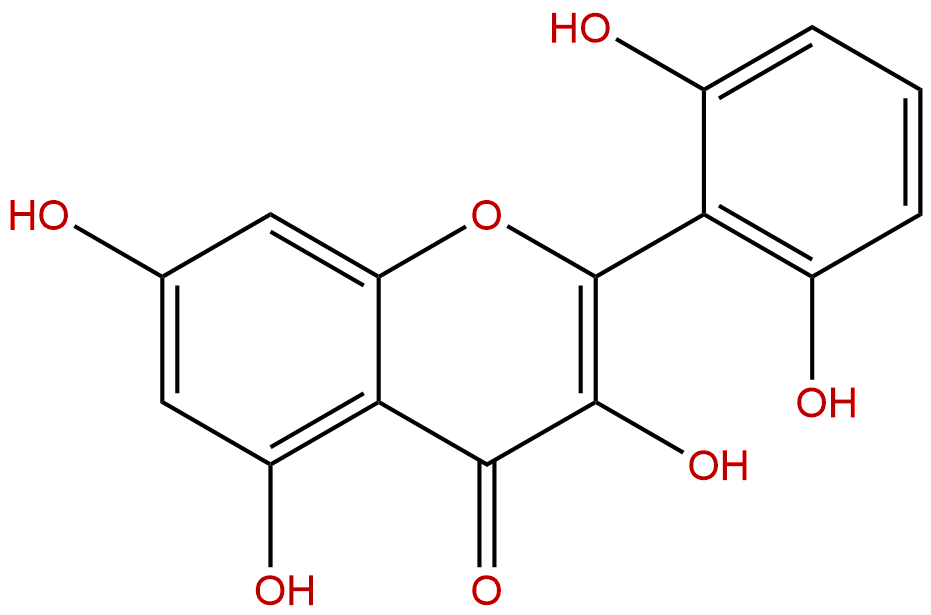
| Catalog No | Package | Original Price | Price | Inventory | Quantity | Operating |
|---|---|---|---|---|---|---|
| SBP00476-5mg | 5mg | $370.00 | Sign in |
|


Product name: Viscidulin I
Synonym name:
Catalogue No.: SBP00476
Cas No.: 92519-95-4
Formula: C15H10O7
Mol Weight: 302.238
Botanical Source:
Physical Description: Yellow powder
Type of Compound: Flavonoids
Purity: 95%~99%
Analysis Method: HPLC-DAD or/and HPLC-ELSD
Identification Method: Mass, NMR
Packing: Brown vial or HDPE plastic bottle
The product could be supplied from milligrams to grams. Inquire for bulk scale.
We provide solution to improve the water-solubility of compounds, thereby facilitating the variety of activity tests and clinic uses.
For Reference Standard and R&D, Not for Human Use Directly.
Storage conditions:Short-term storage at 2~8℃, long-term storage at -20 ~ -80℃
131.3600
1.9506
1.0299
.1461
3.2974
3.1938
Low
88.8785
2.6606
Yes
No
No
No
Yes
No
0.6
Yes
No
Yes
No
Natural products, as an important source of drug discovery, play an indispensable role in the long history of human struggle against diseases. In the treasure trove of traditional Chinese medicine, Scutellaria baicalensis(Scutellaria baicalensis Georgi is a traditional Chinese medicine with a long history of application and remarkable efficacy in clearing heat and detoxifying. Its dried rhizome (i.e. Huangqin) is widely used to treat inflammation, infections, hypertension, and various heat related diseases. Modern pharmacological research has confirmed that the main active ingredients of Scutellaria baicalensis are flavonoids, such as baicalin, baicalein, wogonin, etc. These ingredients exhibit significant biological activities in anti-inflammatory, antioxidant, anti-tumor, and neuroprotective aspects.
However, the chemical composition of Scutellaria baicalensis is extremely complex. In addition to the main components mentioned above, it also contains a series of trace flavonoids with relatively low content but unique structure and significant activity. Viscidulin I is one of them. This compound was originally derived from Scutellaria baicalensis, a plant of the genus Scutellaria(Scutellaria viscidula Bunge was isolated and identified, hence the name. Its chemical structure is 2- (2,6-dihydroxyphenyl) -3,5,7-trihydroxy-4H-chromen-4-one, which belongs to the typical class of hydroxyflavones (more accurately, flavanols) compounds. Compared with common ingredients such as baicalein, the B ring of mucilaginous baicalein I has a unique 2,6-dihydroxy substitution pattern, which may endow it with unique pharmacological activity and molecular targeting unlike other baicalein flavonoids.
In recent years, with the advancement of separation and purification technology and the deepening of biological activity oriented screening, mucilaginous baicalein I has gradually attracted the attention of researchers. Preliminary studies have shown that the compound has significant anti-inflammatory activity, and its mechanism of action involves the regulation of multiple key inflammatory signaling pathways and targets, including IL-6/STAT3, NF - κ B (RELA/p65), CASP1 (Caspase-1), and transient receptor potential channels (TRPV1, TRPA1). These findings suggest that Scutellaria baicalensis I may become a lead compound for treating inflammation related diseases such as inflammatory bowel disease, arthritis, neuropathic pain, etc. However, compared with star molecules such as baicalin, systematic research on mucilaginous baicalein I is still relatively limited, and its pharmacokinetic properties, in vivo efficacy, and safety evaluation still need to be further elucidated.
This article aims to provide a systematic review of the research status of Scutellaria baicalensis I, covering its chemical structure and physicochemical properties, plant sources and extraction methods, pharmacological activity, mechanism of action and molecular targets, pharmacological evaluation and pharmacokinetic characteristics. It also explores its potential clinical application prospects and challenges, in order to provide reference for the in-depth development and utilization of this natural product.
The chemical name of Viscidulin I is 2- (2,6-dihydroxyphenyl) -3,5,7-trihydroxy-4H-chromen-4-one, and its core skeleton is flavonol. Flavonols are the most common class of flavonoids, consisting of two benzene rings (A and B) connected by a three carbon heterocyclic ring (C ring). The C ring is connected to the B ring at position 2, a hydroxyl group at position 3, and a carbonyl group at position 4. The unique feature of Scutellaria baicalensis I lies in its B ring substitution mode: there is a hydroxyl group at the 2nd and 6th positions of the B ring, forming a meta phenolic structure, while there is no substituent at the 4th position. This 2,6-dihydroxy substitution pattern is relatively rare in natural flavonoids, and is completely different from the common 4 '- hydroxy (such as apigenin), 3', 4 '- dihydroxy (such as luteolin), or 3', 4 ', 5' - trihydroxy (such as quercetin) substitution patterns. The A ring has a typical 5,7-dihydroxy substitution, which is a common feature of most flavonoids.
The molecular formula of this compound is C ₁₅ H ₁₀ O ₇, with a molecular weight of 302.2380 g/mol. Its precise molecular weight is 302.0427 g/mol. From the perspective of physicochemical properties, Scutellaria baicalensis I exhibits typical flavonoid compound characteristics. Its lipid water partition coefficient (LogP) is 1.9506, indicating that the compound has a certain lipophilicity, but not extreme hydrophobicity, which is beneficial for its permeability on biological membranes. Its polar surface area (TPSA) is 131.3600 Å ², which is a relatively high value mainly attributed to the presence of multiple hydroxyl and carbonyl groups in the molecule. High TPSA usually means that the compound has strong hydrogen bonding ability with water molecules, which is consistent with its water solubility data. The calculated water solubility (LogS) is 0.1461 (unit may be mg/mL or mol/L, here is a relative value), indicating its low solubility in water and belonging to insoluble compounds. This characteristic is a common challenge faced by many polyphenolic natural products, which may affect their oral bioavailability and formulation development.
From the perspective of spectral characteristics, the UV visible absorption spectrum of Scutellaria baicalensis I typically has two main absorption peaks at 240-280 nm (band II, A-ring benzoyl system) and 300-400 nm (band I, B-ring cinnamoyl system), which are typical features of flavonoids. In its infrared spectrum, there is a broad and strong absorption peak of hydroxyl stretching vibration around 3400 cm ⁻¹, and a strong absorption peak of conjugated carbonyl (C=O) around 1650 cm ⁻¹. Nuclear magnetic resonance hydrogen spectroscopy (¹ H NMR) and carbon spectroscopy (¹ ³ C NMR) can provide detailed proton and carbon atom information for structural confirmation. For example, the proton signal of 5,7-dihydroxy substitution on the A ring usually appears in the δ 6.0-6.5 ppm region, exhibiting a double peak of meta coupling; The proton substituted with 2,6-dihydroxyl on the B ring exhibits a triple peak (H-4) and two double peaks (H-3, H-5), forming a typical AB ₂ spin system.
The sticky hair baicalein I was originally derived from the sticky hair baicalin plant of the Scutellaria genus(Scutellaria viscidula Separated from Bunge. Sticky haired Scutellaria baicalensis is a perennial herbaceous plant of the Scutellaria genus, mainly distributed in northern China. Its rhizome is also commonly used as a substitute for Scutellaria baicalensis in folk culture. However, subsequent studies have found that Scutellaria baicalensis extract I is not unique to Scutellaria baicalensis, and it also exists in authentic Scutellaria baicalensis(Scutellaria baicalensis In the roots of Georgi, although its content is usually much lower than baicalin and baicalein. In addition, in some other Scutellaria plants (such as Scutellaria amoena、Scutellaria rehderiana There may also be trace amounts present in some plants of the Lamiaceae family. Therefore, authentic Scutellaria baicalensis is currently the main plant source for obtaining mucilaginous baicalein I, but its low content makes direct extraction and purification from it face challenges of low yield and high cost.
For the extraction of baicalein I from sticky hair, the classic flavonoid extraction strategy is usually used. Firstly, crush the dried rhizome of Scutellaria baicalensis and extract it using a polar solvent. The most commonly used solvents are methanol or ethanol (usually a 70% -95% ethanol aqueous solution), and sometimes acetone or ethyl acetate is also used. Extraction methods include cold soaking, percolation, reflux extraction, or ultrasound assisted extraction. In order to improve extraction efficiency, researchers often use acid hydrolysis pretreatment to hydrolyze the abundant baicalin (7-glucuronide of baicalein) in Scutellaria baicalensis roots into baicalein. However, this is not necessary for directly extracting the free state of baicalein I and may damage its structure. Considering the extremely low content of baicalein I in Scutellaria baicalensis roots, it is usually necessary to use macroporous adsorption resins (such as D101, AB-8) for preliminary enrichment to remove a large amount of impurities such as sugars and proteins. During elution, different concentrations of ethanol aqueous solutions are usually used for gradient elution, and mucilaginous baicalein I is mainly enriched in the 30% -60% ethanol elution site.
Further separation and purification require the combination of multiple chromatographic techniques. Silica gel column chromatography is the most commonly used method, which uses solvent systems such as chloroform methanol or petroleum ether ethyl acetate for gradient elution. Due to the similar polarity of structural analogues such as baicalein and baicalein, it is often difficult to achieve complete separation using silica gel column chromatography alone. Therefore, it is often necessary to combine polyamide column chromatography to utilize its ability to form hydrogen bonds with phenolic hydroxyl groups for separation. In addition, Sephadex LH-20 gel column chromatography is also an effective separation method, which can be separated according to molecular size and adsorption. High performance liquid chromatography (HPLC), especially preparative HPLC, is a key technology for obtaining high-purity baicalein I. Typically, a reverse phase C18 chromatography column is used, with methanol water or acetonitrile water (often containing small amounts of formic acid or acetic acid) as the mobile phase, to achieve precise separation of the target compound through isocratic or gradient elution. The detection wavelength is usually set around 280 nm or 360 nm.
It is worth noting that due to the extremely low content of baicalein I in plants, the traditional "extraction separation" route is inefficient and difficult to meet the needs of large-scale research and development. In recent years, the exploration of chemical synthesis methods has become a potential way to solve its source problem. Through reverse synthesis analysis, it is possible to design a flavonol skeleton using starting materials such as triphenylphenol and 2,6-dihydroxyphenylethanone, and through multi-step reactions such as chalcone synthesis, cyclization, and oxidation. However, the key challenge in the synthesis route is how to efficiently and selectively introduce the 2,6-dihydroxy substitution mode of the B ring and achieve the oxidation of the 3-hydroxy group. At present, there are few reports on the total synthesis of Scutellaria baicalensis I, but the study of its biosynthetic pathway, especially the analysis of specific flavonoid synthases (such as flavonoid synthase and flavonol synthase) in Scutellaria baicalensis, provides the possibility for the future production of this compound through synthetic biology methods (such as microbial cell factories).
The pharmacological activity research of Scutellaria baicalensis I is still in its early stages, but there is evidence to suggest that it has multiple biological activities, among which anti-inflammatory effect is its most concerned core activity.
1. Anti inflammatory activity
Inflammation is a defensive response of the body to harmful stimuli, but excessive or persistent inflammation can lead to tissue damage and various diseases. Mucin baicalein I has shown significant anti-inflammatory effects in multiple in vitro and in vivo inflammatory models. In the lipopolysaccharide (LPS) - stimulated macrophage model (such as RAW264.7 cells), baicalein I can significantly inhibit the production of pro-inflammatory cytokines such as tumor necrosis factor - α (TNF - α), interleukin-6 (IL-6), and nitric oxide (NO). NO is mainly catalyzed by inducible nitric oxide synthase (iNOS, encoded by the NOS2 gene) and is a key mediator of inflammatory response. The inhibition of iNOS expression and activity by Scutellaria baicalensis I is an important manifestation of its anti-inflammatory effect.
In addition, Scutellaria baicalensis extract I also exhibits inhibitory activity against cyclooxygenase-1 (COX-1, encoded by the PTGS1 gene). COX-1 is a key enzyme that catalyzes the synthesis of prostaglandins (PGs), which are important inflammatory mediators that cause pain and fever. Although selective COX-2 inhibitors are the mainstream of anti-inflammatory drug development, inhibition of COX-1 also has anti-inflammatory significance, especially in certain specific inflammatory models. The inhibitory effect of Scutellaria baicalensis I on COX-1 suggests that it may have analgesic and antipyretic potential.
In vivo experiments, Scutellaria baicalensis I also showed certain anti-inflammatory activity in animal inflammation models (such as carrageenan induced rat plantar swelling model and acetic acid induced mouse peritoneal capillary permeability increase model), which can alleviate edema and exudation. These preliminary in vivo results support its in vitro anti-inflammatory activity, but more systematic in vivo pharmacological studies are needed to validate its efficacy and dose-response relationship.
2. Other potential activities
In addition to anti-inflammatory effects, based on the commonality of its flavonoids, Scutellaria baicalensis I may also have other biological activities. For example, its molecular structure contains multiple phenolic hydroxyl groups, endowing it with potential antioxidant activity, which can eliminate free radicals, chelate metal ions, and protect cells from oxidative stress damage. In addition, some preliminary studies suggest that Scutellaria baicalensis I may have a proliferative inhibitory effect on certain tumor cell lines (such as liver cancer and colon cancer cells), but its strength of action is much weaker than classical anti-tumor flavonoids (such as quercetin and luteolin), and the specific mechanism is still unclear. These potential activities require further in-depth research.
The pharmacological activity of Scutellaria baicalensis I, especially its anti-inflammatory effect, is achieved by regulating multiple key inflammatory signaling pathways and molecular targets. These targets cover multiple levels, from cell membrane receptors to intracellular signal transduction, to nuclear transcription factors and effector enzymes.
1. Regulation of the IL-6/STAT3 signaling pathway
IL-6 is a multifunctional pro-inflammatory cytokine that plays a central role in acute phase response, chronic inflammation, and autoimmune diseases. After IL-6 binds to receptors on the cell membrane, it activates downstream JAK kinases, which in turn phosphorylates and activates signal transducer and activator of transcription factor 3 (STAT3). Activated STAT3 forms dimers and enters the nucleus, regulating the expression of various inflammation and immune related genes. Research has shown that Scutellaria baicalensis I can inhibit IL-6-induced STAT3 phosphorylation, thereby blocking the transmission of this signaling pathway. This inhibitory effect may be directly attributed to interference with JAK kinase activity or achieved through upregulation of negative regulatory factors of STAT3, such as SOCS3. By inhibiting the IL-6/STAT3 pathway, baicalein I can reduce the production of downstream pro-inflammatory factors such as IL-17 and IL-23, thereby exerting anti-inflammatory effects.
2. Regulation of NF - κ B signaling pathway
Nuclear factor kappa B (NF - κ B) is one of the most important transcription factors in inflammatory response. In the resting state, NF - κ B (usually a p50/p65 heterodimer encoded by the RELA gene) binds to the inhibitory protein I κ B and exists in an inactive form in the cytoplasm. When stimulated by inflammation such as LPS and TNF - α, I κ B kinase (IKK, encoded by the IKBKB gene) is activated, phosphorylating and ubiquitinating I κ B, releasing NF - κ B. Free NF - κ B immediately enters the nucleus and initiates the transcription of a series of pro-inflammatory genes, such as TNF - α, IL-6, iNOS, COX-2. Scutellaria baicalensis extract I can inhibit the activity of IKK, thereby preventing the degradation of I κ B and nuclear translocation of NF - κ B. In addition, it may directly interfere with the binding ability of p65 to DNA. By blocking the NF - κ B pathway, baicalein I inhibits the production of various inflammatory mediators from the source, which is one of the core mechanisms of its anti-inflammatory effect.
3. Regulation of CASP1 (Caspase-1)
Caspase-1 is a key effector molecule of inflammasome. Inflammatory inflammasome is an intracellular multiprotein complex that can sense pathogens or danger signals and activate Caspase-1. Activated Caspase-1 cleaves and activates the precursors of pro-inflammatory cytokines IL-1 β and IL-18, causing them to mature and secrete; On the other hand, it can induce a pro-inflammatory cell death mechanism called "pyroptosis". It has been reported that Scutellaria baicalensis extract I can inhibit the activity of Caspase-1, thereby reducing the maturation and release of IL-1 β and IL-18. This suggests that its anti-inflammatory effect may involve the regulation of inflammasome pathways, which is of great significance for the treatment of inflammatory diseases driven by IL-1 β, such as gout and familial Mediterranean fever.
4. Regulation of transient receptor potential channels (TRPV1 and TRPA1)
TRPV1 and TRPA1 are members of the transient receptor potential (TRP) channel family, mainly expressed on sensory neurons, and are key molecules for perceiving pain, heat, cold, and chemical stimuli. TRPV1 can be activated by capsaicin, heat (>43 ° C), and acid, while TRPA1 can be activated by mustard oil, allicin, and various environmental stimuli. The activation of these channels leads to the influx of calcium ions, triggering the transmission of neuronal excitation and pain signals. In an inflammatory state, multiple inflammatory mediators such as prostaglandins and bradykinin can sensitize or activate TRPV1 and TRPA1, leading to hyperalgesia and allodynia. Scutellaria baicalensis I was found to antagonize the activity of TRPV1 and TRPA1 channels. This antagonistic effect may be achieved by directly binding to specific sites of channel proteins or by regulating the phosphorylation status of channels. Therefore, Scutellaria baicalensis I may exert analgesic and anti-inflammatory effects by inhibiting TRP channels in peripheral nerve endings, making it particularly suitable for treating inflammatory pain and neuropathic pain.
5. Regulation of TNF and NOS2
TNF - α (encoded by the TNF gene) is one of the initiating factors of inflammatory response and has strong pro-inflammatory activity. As mentioned earlier, Scutellaria baicalensis I can inhibit the production of TNF - α, mainly by suppressing the NF - κ B pathway. At the same time, it can also inhibit the expression and activity of iNOS (encoded by the NOS2 gene), reducing the excessive production of NO. NO is not only a pro-inflammatory mediator, but also reacts with superoxide anions to generate peroxynitrite with stronger oxidative damage ability. Therefore, the dual inhibition of TNF - α and NOS2 further enhances the anti-inflammatory and antioxidant protective effects of Scutellaria baicalensis extract I.
In summary, the anti-inflammatory effect of Scutellaria baicalensis I is not achieved through a single target, but through the synergistic action of multiple targets and pathways. It can act on the initiation of upstream inflammatory signals (such as TRP channels), intervene in intracellular signal transduction (such as IL-6/STAT3, NF - κ B pathway), and inhibit downstream effector molecules (such as Caspase-1, iNOS, COX-1). This multi-target mode of action is the structural basis for its significant anti-inflammatory activity and potentially minimal side effects, and is also in line with the concept of "multi-target therapy" in modern drug development.
To push natural products from laboratory discovery to clinical application, strict pharmacological evaluation must be conducted. The pharmacological parameters of Scutellaria baicalensis I have been partially revealed, providing preliminary basis for its subsequent development, but also exposing some potential challenges.
1. Physical and chemical properties and drug like properties
According to Lipinski's "Rule of Five", the ideal characteristics of an orally active drug include: molecular weight less than 500, LogP less than 5, number of hydrogen bond donors (phenolic hydroxyl groups) less than 5, and number of hydrogen bond acceptors (oxygen atoms) less than 10. The molecular weight (302.24) and LogP (1.95) of Scutellaria baicalensis I meet the requirements. The number of hydrogen bond donors is 4 (four phenolic hydroxyl groups), and the number of hydrogen bond acceptors is 7 (four hydroxyl oxygen+one carbonyl oxygen+one ether oxygen). Although the number of acceptors is slightly higher than 5, it is still within an acceptable range. Therefore, from the perspective of basic physicochemical properties, Scutellaria baicalensis I has the potential to become an oral medication. However, its poor water solubility (LogS=0.1461) is a significant weakness that may lead to incomplete oral absorption. In addition, its high TPSA (131.36 Å ²) indicates that it is difficult to penetrate the blood-brain barrier (BBB), which is consistent with the calculated prediction of "low BBB permeability". This is both a disadvantage and an advantage: it is not beneficial for treating central nervous system diseases, but it can avoid unnecessary side effects on the central nervous system, and is a favorable factor for treating peripheral inflammatory diseases.
2. Safety evaluation
The preliminary safety evaluation results are encouraging. The hERG inhibition prediction is' no ', indicating that Scutellaria baicalensis I is unlikely to cause the serious adverse drug reaction of prolonged QT interval in the heart. The Ames test result is 0.6, and it is generally considered negative if the Ames test value is below 0.5 (no mutagenicity), suspicious positive if it is between 0.5-1.0, and positive if it is greater than 1.0. The result of 0.6 is in the critical range, indicating that there may be a slight risk of mutagenicity, and further comprehensive genetic toxicity assessment (such as in vivo micronucleus test, chromosome aberration test) is needed to confirm. In addition, there is currently a gap in systematic toxicology research on its acute toxicity, subchronic toxicity, liver toxicity, kidney toxicity, etc., which is a key information that urgently needs to be filled in the evaluation of its drug properties.
3. Pharmacokinetic characteristics
At present, research on the absorption, distribution, metabolism, and excretion (ADME) process of Scutellaria baicalensis I in vivo is very limited. Based on its structural characteristics and pharmacokinetic knowledge of other baicalein flavonoids (such as baicalein and baicalein), some reasonable speculations can be made. Due to its poor water solubility, oral bioavailability may be low. Flavonoids typically undergo extensive phase II metabolism in the body, mainly glucuronidation and sulfation, to form more water-soluble complexes, which are then excreted through bile or urine. The multiple phenolic hydroxyl groups of Scutellaria baicalensis I are potential sites for its II phase metabolism. In addition, the gut microbiota may also degrade its structure, such as ring opening to produce phenolic acids. These metabolic processes significantly affect their exposure levels and duration of drug efficacy in the body. Therefore, conducting systematic pharmacokinetic studies, including establishing sensitive biological sample analysis methods (such as LC-MS/MS), determining their blood drug concentration time curves, tissue distribution, metabolite identification, and excretion pathways under different administration routes, is the core step in evaluating their drug properties.
As a natural product with unique structure and multi-target anti-inflammatory activity, Scutellaria baicalensis I has shown potential clinical application prospects, but it also faces many challenges.
1. Potential application areas
Given that its anti-inflammatory mechanism involves key targets such as IL-6/STAT3, NF - κ B, Caspase-1, and TRPV1/TRPA1, Scutellaria baicalensis I may have therapeutic potential in the following disease areas:
- Inflammatory bowel disease (IBD)Such as Crohn's disease and ulcerative colitis. The IL-6/STAT3 and NF - κ B pathways play a central role in intestinal inflammation in IBD. The inhibition of these two pathways by Scutellaria baicalensis I and its regulation of Caspase-1 may help alleviate intestinal inflammation and mucosal damage.
- Rheumatoid arthritis (RA)RA is an autoimmune disease characterized by chronic synovitis, with IL-6 and TNF - α being key pathogenic factors. Mucin baicalein I inhibits the production of these cytokines and may have therapeutic effects on RA.
- pain management Especially inflammatory pain and neuropathic pain. Its antagonistic effects on TRPV1 and TRPA1 make it promising for development as a novel analgesic drug, potentially avoiding the addictive nature of opioid drugs and the gastrointestinal side effects of nonsteroidal anti-inflammatory drugs.
- Other inflammation related diseases Such as acute lung injury, sepsis, atherosclerosis, etc. The occurrence and development of these diseases are related to excessive inflammatory reaction.
2. Challenges faced and future research directions
Despite the promising prospects, the development of Scutellaria baicalensis I still faces severe challenges:
- Source issue The content in plants is extremely low, and traditional extraction methods are costly and inefficient. The bottleneck of large-scale production urgently needs to be solved. In the future, we should vigorously promote the optimization of its chemical total synthesis or semi synthesis routes, and explore the use of synthetic biology techniques (such as engineered yeast or Escherichia coli) for heterologous production.
- Pharmacokinetic defects Poor water solubility and low oral bioavailability are common problems for most flavonoids. It is necessary to improve its solubility and oral absorption through pharmaceutical methods such as nanoparticles, liposomes, cyclodextrin inclusion complexes, phospholipid complexes, or prodrug design such as introducing phosphate or amino acid ester groups.
- Safety and effectiveness verification Current research is mostly focused on in vitro and preliminary in vivo levels. Strict and GLP compliant pharmacological, pharmacokinetic, and toxicological studies are needed in the future. Especially the assessment of long-term toxicity, reproductive toxicity, carcinogenicity, etc. is essential. In addition, it is necessary to use animal models that are closer to human diseases, such as gene knockout mice and humanized mice, to verify their therapeutic effects.
- Target selectivity and off target effects Although multi-target targeting is its advantage, it may also bring off target effects. It is necessary to use chemical biology methods such as drug affinity reaction target stability DARTS and thermal proteomic analysis TPP to comprehensively identify its intracellular binding proteins, clarify its true targets and action network, and evaluate its potential side effects.
Mucilaginous Scutellaria baicalensis I is a trace flavonoid component with unique structure and significant activity in Scutellaria baicalensis. The rare 2,6-dihydroxy substitution pattern in its B ring endows it with biological characteristics distinct from other Scutellaria baicalensis flavonoids. Existing research has revealed its strong anti-inflammatory activity, and its mechanism of action involves the regulation of multiple key inflammatory targets and signaling pathways such as IL-6/STAT3, NF - κ B, Caspase-1, TRPV1/TRPA1, as well as TNF and NOS2, exhibiting typical multi-target synergistic effects. The preliminary pharmacological evaluation shows that it has certain drug like properties and low risk of cardiac toxicity, but poor water solubility and potential genetic toxicity risks are obstacles that need to be overcome.
Overall, Scutellaria baicalensis I is a natural product lead compound worthy of further investigation. Future research should focus on: 1) developing efficient and sustainable acquisition methods (chemical synthesis or biosynthesis); 2) Systematically elucidate its pharmacokinetic behavior and metabolic characteristics in vivo; 3) Using modern medicinal chemistry methods to optimize the structure and improve its pharmacokinetic defects; 4) Validate its efficacy in various animal models of related diseases and conduct comprehensive toxicological evaluations. With the continuous deepening of research, Scutellaria baicalensis I is expected to gradually develop from a natural product in a laboratory into a new candidate drug for treating inflammation related diseases, contributing to the cause of human health.
Batch can search by a CAS number,one per line
