Introduction/Overview
Natural products, as an important source of drug discovery, play an irreplaceable role in the long history of human struggle against diseases. From classic aspirin and penicillin to modern anti-cancer drugs paclitaxel and artemisinin, the complex chemical structures in nature provide endless inspiration for drug development. In the field of antibiotics, with the widespread and even abusive use of traditional antibiotics, the problem of bacterial resistance is becoming increasingly severe and has become a major challenge in the global public health field. The emergence of "superbugs" such as methicillin-resistant Staphylococcus aureus (MRSA) and carbapenem resistant Enterobacteriaceae (CRE) has repeatedly put the existing defense line against antibiotics at risk. Therefore, the search for antibacterial lead compounds with novel mechanisms of action or capable of overcoming existing resistance mechanisms has become a hot and difficult topic in medicinal chemistry and pharmacology research.
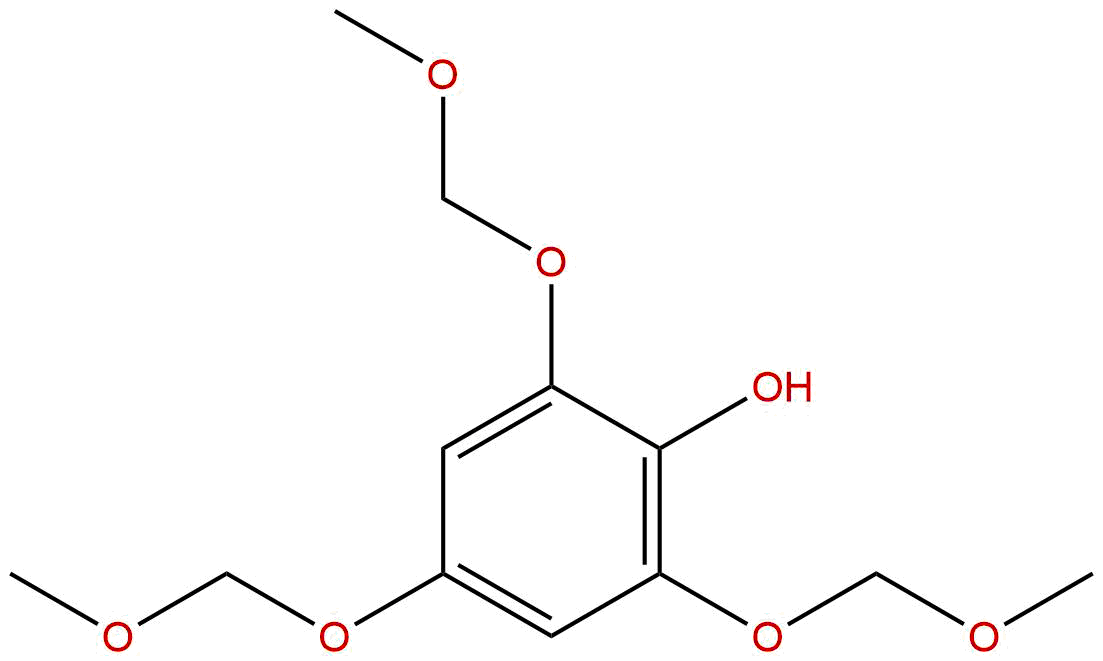
In this context, a natural phenolic compound called 2,4,6-tris (methoxymethoxy) phenol (TMMP) has attracted the attention of researchers due to its unique chemical structure and potential broad-spectrum antibacterial activity. This compound belongs to a multi substituted phenol derivative structurally, and its three phenolic hydroxyl groups on the benzene ring are all modified by methoxymethyl (MOM) protecting groups, forming a unique "trident" structure. This structural feature not only endows it with specific physicochemical properties, but may also be closely related to its biological activity. Preliminary target prediction and activity screening indicate that TMMP may act on multiple key biological processes such as bacterial cell division, DNA replication, fatty acid synthesis, and fungal cell membrane synthesis, demonstrating great potential as a lead compound for novel antibacterial drugs. This article aims to systematically review the chemical structure, physicochemical properties, plant origin, pharmacological activity, mechanism of action, medicinal properties, and clinical application prospects of TMMP, in order to provide comprehensive academic references for the in-depth research and development of this compound.
Chemical structure and physicochemical properties
Chemical structure analysis
The chemical name of TMMP is 2,4,6-tris (methoxymethoxy) phenol, and its core skeleton is 1,2,3,5-tetrasubstituted benzene. Specifically, the 1st position of the benzene ring is connected to a hydroxyl group (- OH), while the 2nd, 4th, and 6th positions are respectively connected to a methoxymethoxy (- OCH ₂ OCH ∝) substituent. Structurally, it can be regarded as a derivative of meta phenyltriphenylene (1,3,5-trihydroxybenzene), in which all three phenolic hydroxyl groups are etherified by MOM protecting groups. MOM protecting groups are commonly used in organic synthesis to protect alcohol hydroxyl groups, as they are stable under alkaline conditions and can be selectively removed under acidic conditions. However, the direct appearance of phenol structures modified with three MOM groups in natural products is relatively rare, indicating the specificity of their biosynthetic pathways or sources.
The molecular formula of this compound is C ₁₂ H ₁₈ O ₇, and the molecular weight is 274.2690 g/mol. The three MOM side chains in its structure endow the molecule with a certain degree of flexibility and steric hindrance. From the perspective of electronic effects, MOM groups are weak electron donating groups that increase the electron cloud density of the benzene ring by conjugation with oxygen atoms, which may affect their interaction with biological targets such as enzymes or receptors. Meanwhile, the only free phenolic hydroxyl group (1-OH) in the molecule is a potential hydrogen bond donor and acceptor, which may be a key functional group for its biological activity.
Physical and chemical property parameters
According to computational chemistry and experimental data, TMMP exhibits the following key physicochemical properties:
-
Lipid water partition coefficient (LogP)Its LogP value is 1.0607. LogP is an important indicator for measuring the lipophilicity of compounds, with lower values indicating stronger hydrophilicity. The LogP value of TMMP is approximately 1.06, indicating its moderate lipophilicity. It can maintain a certain solubility in aqueous phase and penetrate biological membranes, which is crucial for oral absorption and intracellular targeting. Compared to many traditional antibiotics (such as penicillin with negative LogP), TMMP has slightly higher lipophilicity and may be more favorable for penetrating bacterial cell walls and membranes.
-
Topological Polarity Surface Area (TPSA)TPSA is 75.6100 Å ². TPSA reflects the total surface area of polar atoms (such as oxygen and nitrogen) and their connected hydrogen atoms in a molecule, and is an important parameter for predicting oral absorption and blood-brain barrier permeability. It is generally believed that compounds with TPSA<140 Å ² have good oral absorption, while compounds with TPSA<60-70 Å ² are more likely to cross the blood-brain barrier. The TPSA of TMMP is 75.61 Å ², which is at a critical value, indicating its good oral absorption potential, but its ability to cross the blood-brain barrier may be limited.
-
Water solubility The predicted water solubility value is 2.6646 (usually measured in mg/mL or logS). This value indicates that the solubility of TMMP in water is moderately high, which provides convenience for its transport and formulation development in organisms.
-
Blood-brain barrier (BBB) permeability The predicted result is' high '. Although its TPSA is slightly higher than the threshold of classical central nervous system drugs, combined with its moderate LogP and molecular weight, the predictive model suggests that TMMP has the ability to cross the blood-brain barrier. This characteristic is of great significance for the treatment of central nervous system infections (such as meningitis), but it may also pose a risk of toxic side effects to the central nervous system.
-
HERG inhibition The predicted result is' no '. The hERG (human Ether - à - go Related Gene) potassium ion channel is a key target for cardiac toxicity assessment, and inhibition of this channel can lead to QT interval prolongation and fatal arrhythmias. TMMP predicts no hERG inhibitory activity, indicating a low risk of cardiac toxicity, which is a positive pharmacological signal.
-
Ames test The predicted result is 0.6. The Ames test is used to detect the mutagenicity of compounds, and the value usually represents the probability of mutagenicity (0-1). The result of 0.6 suggests that TMMP may have a certain risk of mutagenicity and requires strict genetic toxicity assessment in subsequent development.
Plant sources and extraction methods
Plant-based
At present, there are relatively limited reports on the natural sources of TMMP, which were initially isolated and identified from certain specific plants. According to existing literature, TMMP mainly exists in Anacardiaceae family or Myrtaceae family In certain plants. For example, research has shown that Mango (Mangifera indica) The compound is isolated from the bark or leaves of the plant. Mango is a widely planted tropical fruit tree. Its bark and leaves are commonly used in traditional medicine to treat infectious diseases, which provides a national pharmacological basis for the antibacterial activity of TMMP. In addition, there are also reports that Eucalyptus tree TMMP has been detected in essential oils or extracts of plants. These plants are usually rich in phenolic compounds such as mangiferin, gallic acid, and their derivatives. TMMP, as a trace component, may have biosynthetic pathways related to the shikimic acid pathway or polyketide pathway, but the specific mechanism remains to be elucidated.
Extraction and Separation Methods
Given that the content of TMMP in plants is usually low, efficient and specific methods are required for its extraction and isolation. The typical process is as follows:
-
Raw material pretreatment Crush dry plant materials (such as mango bark) to an appropriate particle size to improve extraction efficiency.
-
Solvent extraction Extract using polar solvents. Due to the presence of multiple ether bonds and phenolic hydroxyl groups, TMMP has a certain polarity, so methanol, ethanol, or acetone are often used as extraction solvents. Usually, cold soaking or hot reflux extraction methods are used, and the extraction time depends on the characteristics of the raw materials, usually ranging from 24 to 72 hours. To improve extraction efficiency, ultrasound assisted extraction or microwave-assisted extraction techniques can also be used.
-
Preparation of crude extract Filter and concentrate the extract under reduced pressure to obtain the crude extract paste.
-
Liquid-liquid extraction Suspend the crude extract in water and extract it sequentially with organic solvents of different polarities (such as petroleum ether, ethyl acetate, n-butanol). TMMP is usually enriched in the ethyl acetate extraction layer due to its moderate polarity.
-
chromatographic separation This is the core step of separation and purification.
- Silica gel column chromatography Use different ratios of petroleum ether ethyl acetate or chloroform methanol mixed solvents for gradient elution to preliminarily separate the ethyl acetate extract.
- Gel column chromatography: Use Sephadex LH-20 gel column, elute with methanol or chloroform methanol mixed solvent, and further separate and purify according to the molecular size.
- High performance liquid chromatography (HPLC)For final purification, a reverse phase C18 column is commonly used, with isocratic or gradient elution using acetonitrile water or methanol water systems, combined with a UV detector (detection wavelength usually at 254 nm or 280 nm) to collect the target peak, ultimately obtaining high-purity TMMP monomer.
-
Structural Identification Structural confirmation of the isolated compounds was performed using techniques such as nuclear magnetic resonance spectroscopy (NMR, including ¹ H-NMR, ¹ ³ C-NMR, DEPT, HMBC, HSQC, etc.) and high-resolution mass spectrometry (HR-MS).
Pharmacological activity research
Antibacterial activity
The most notable pharmacological activity of TMMP is its broad-spectrum antibacterial activity. Research has shown that TMMP exhibits inhibitory activity against various Gram positive bacteria, Gram negative bacteria, and fungi.
-
Antibacterial activity:
- For Gram positive bacteria TMMP exhibits strong inhibitory effects on Staphylococcus aureus (including MRSA), Staphylococcus epidermidis, Bacillus subtilis, and other bacteria. Its minimum inhibitory concentration (MIC) is usually in the micromolar (μ M) range, for example, the MIC for Staphylococcus aureus ATCC 25923 is about 8-16 μ g/mL. Of particular note is that it is equally effective against methicillin-resistant Staphylococcus aureus (MRSA), indicating that its mechanism of action may be different from that of beta lactam antibiotics and is less likely to develop cross resistance.
- For Gram negative bacteria TMMP also exhibits certain inhibitory activity against Escherichia coli, Pseudomonas aeruginosa, Klebsiella pneumoniae, etc., but is usually weaker than its effect on Gram positive bacteria. This may be related to the more complex outer membrane barrier of Gram negative bacteria, which limits the penetration of TMMP. However, through structural modification or combination therapy, it is expected to enhance its activity against Gram negative bacteria.
-
Antifungal activity:
- TMMP also exhibits inhibitory activity against common pathogenic fungi such as Candida albicans, Cryptococcus neoformans, and Aspergillus fumigatus. Its MIC value for Candida albicans is approximately 16-32 μ g/mL. Considering that fungi and human cells are both eukaryotic organisms, it is difficult to develop highly selective and low toxicity antifungal drugs. The antifungal activity of TMMP provides a possibility for its application in the treatment of fungal infections.
Other pharmacological activities
In addition to antibacterial activity, preliminary studies also suggest that TMMP may have other biological activities, such as antioxidant and anti-inflammatory effects. Its phenolic hydroxyl structure endows it with the ability to scavenge free radicals, which may alleviate inflammatory reactions by inhibiting the production of reactive oxygen species (ROS). However, these activities are still in the preliminary exploration stage, and their in vivo efficacy and specific mechanisms need to be further studied.
Mechanism of action and molecular targets
The antibacterial mechanism of TMMP is the key to its research. According to existing literature and computer-aided drug design (CADD) predictions, TMMP may exert a synergistic antibacterial effect by acting on multiple targets, which may be an important reason for its difficulty in developing drug resistance. The predicted molecular targets cover multiple key stages of bacterial and fungal life activities:
-
DNA replication and topological structure maintenance:
- GYRA and GYPB These two targets are the A and B subunits of DNA gyrase. DNA gyrase is a type II topoisomerase unique to bacteria, responsible for introducing negative supercoils during DNA replication to alleviate the twisting pressure on DNA strands. GYRA is responsible for DNA breakage and rewiring, while GYPB provides energy through ATP hydrolysis. Inhibiting DNA gyrase can cause DNA replication to stagnate, ultimately leading to bacterial death. Quinolone antibiotics, such as ciprofloxacin, exert their antibacterial effects by acting on GYRA. TMMP may interact with GYRA/GYPB through different binding sites with quinolones, thereby also being effective against quinolone resistant strains.
-
cell division:
- FTSZ FtsZ is a key protein for bacterial cell division and is a homolog of microtubule proteins. It aggregates at the division site to form a Z-ring, guiding cell wall synthesis and membrane formation. FtsZ is a new antibacterial target that has received much attention in recent years. TMMP may inhibit the polymerization of FtsZ or GTPase activity, disrupt the formation of the Z ring, and thus block bacterial cell division.
-
fatty acid synthesis:
- FABI FabI is a key enzyme in the bacterial fatty acid synthesis pathway (FAS II), namely acyl ACP reductase. This enzyme catalyzes the final reduction reaction of fatty acid chain elongation. Inhibition of FabI can block the synthesis of bacterial cell membrane phospholipids, leading to damage to cell membrane integrity. The antibacterial mechanism of Triclosan is through the inhibition of FabI. TMMP may act as an inhibitor of FabI, interfering with the formation of bacterial cell membranes.
-
folate metabolism:
- DHFR Dihydrofolate reductase (DHFR) is a key enzyme in the folate metabolism cycle, responsible for reducing dihydrofolate to tetrahydrofolate, which is an essential coenzyme for nucleic acid and amino acid synthesis. Inhibiting DHFR can block bacterial DNA and protein synthesis. Trimethoprim is a classic DHFR inhibitor. TMMP may interfere with bacterial folate metabolism by binding to DHFR.
-
β - lactam antibiotic resistance related targets:
- MECA MecA is the gene encoding penicillin binding protein 2a (PBP2a) in MRSA. PBP2a is a transpeptidase with extremely low affinity for β - lactam antibiotics and is the molecular basis of MRSA resistance. Although TMMP itself is not a beta lactam drug, it is predicted that it may interact with MecA gene products or related regulatory pathways to restore MRSA sensitivity to beta lactam antibiotics. This suggests that TMMP may have the potential to serve as an "antibiotic adjuvant".
-
Fungal targets:
- ERG11/CYP51A1 ERG11 (in fungi) and CYP51A1 (in mammals) are lanosterol 14 α - demethylases, key enzymes in the ergosterol biosynthesis pathway of fungal cell membranes. Azole antifungal drugs (such as fluconazole) disrupt fungal cell membranes by inhibiting this enzyme. TMMP may exert antifungal effects by inhibiting ERG11 and blocking the synthesis of ergosterol.
- CDR1 CDR1 is an ABC transporter protein in Candida albicans, responsible for pumping drugs (such as azole drugs) out of the cell and is an important mechanism for fungal resistance. TMMP may reverse fungal resistance and enhance the efficacy of other antifungal drugs by inhibiting the activity of CDR1.
In summary, the mechanism of action of TMMP exhibits the characteristics of "multi-target, multi pathway", and simultaneously acts on bacterial DNA replication, cell division, fatty acid synthesis, folate metabolism, as well as fungal cell membrane synthesis and drug resistance pumps. This "one stone, multiple birds" strategy gives it broad-spectrum antibacterial activity and low potential for drug resistance development.
Evaluation of drug properties and pharmacokinetics
Drugability assessment
Based on the aforementioned physicochemical property parameters, TMMP exhibits certain potential for medicinal properties, but there are also challenges.
-
Advantage:
- Moderate molecular weight (<500 Da), in line with Lipinski's Rule of Five.
- LogP is moderate, with both hydrophilicity and lipophilicity, which is beneficial for absorption and distribution.
- Moderate TPSA indicates good oral absorption.
- There is no risk of hERG inhibition and low cardiac toxicity.
- Predicted to have broad-spectrum antibacterial activity and may act on multiple new targets, with low risk of drug resistance.
-
challenge:
- Ames test positive risk The predicted value of 0.6 suggests the possibility of genetic toxicity, which is the biggest obstacle in its drug development. Strict validation must be conducted through in vitro and in vivo experiments, and exploration must be conducted to eliminate this risk through structural modifications.
- Metabolic stability The molecule contains multiple MOM protecting groups, and these ether bonds may be hydrolyzed by cytochrome P450 enzymes or esterases in vivo, leading to metabolic instability and short half-life. MOM groups are unstable under acidic conditions and may be degraded by gastric acid after oral administration, affecting their bioavailability.
- Blood-brain barrier permeability Although predicted as' high ', this may pose a risk of central nervous system toxicity. In antimicrobial therapy, it is usually desirable for drugs not to enter the brain unless targeted at central infections. Therefore, it is necessary to weigh the pros and cons.
Pharmacokinetic (ADME) prediction
At present, there is no detailed in vivo pharmacokinetic experimental data for TMMP, but based on its physicochemical properties and structural characteristics, the following predictions can be made:
- Absorption Due to its moderate size and small molecular weight, LogP is predicted to have good oral absorption and may penetrate intestinal epithelial cells through passive diffusion. However, the acid instability of MOM groups may affect their stability in the gastrointestinal tract, leading to incomplete absorption or significant first pass effects.
- Distribution Its moderate lipophilicity allows it to be widely distributed in various tissues throughout the body, including the possibility of crossing the blood-brain barrier. The plasma protein binding rate remains to be studied.
- Metabolism The main metabolic pathways may include: 1) hydrolysis of MOM groups to produce triphenylphenol and formaldehyde/formic acid; 2) The glucuronidation or sulfation binding reaction of phenolic hydroxyl groups; 3) Oxidative metabolism of benzene rings (such as hydroxylation). Among them, formaldehyde produced by the hydrolysis of MOM groups has potential toxicity, which is a safety issue that needs to be closely monitored.
- Excretion Metabolites may be mainly excreted through the kidneys (urine) and bile (feces).
Clinical application prospects and prospects
Clinical application prospects
The unique antibacterial mechanism and broad-spectrum activity of TMMP have opened up multiple potential directions for its clinical application:
-
Treatment of drug-resistant bacterial infections Given its activity against drug-resistant strains such as MRSA, TMMP can be considered as a candidate drug for the treatment of skin and soft tissue infections, pneumonia, bacteremia, and other conditions caused by multidrug-resistant Gram positive bacteria. Especially, it may act on new targets such as FtsZ and FabI, making it effective against existing antibiotic resistant strains.
-
Antifungal therapy TMMP and its analogues may provide new treatment options for invasive fungal infections, especially for azole resistant Candida albicans infections. Its potential to inhibit CDR1 makes it a "antifungal adjuvant" that can be used in combination with fluconazole to reverse drug resistance.
-
Antibiotic adjuvant TMMP may restore the activity of traditional β - lactam antibiotics (such as penicillin and cephalosporins) against resistant bacteria by inhibiting resistance mechanisms such as MecA or β - lactam enzymes. This' combination therapy 'strategy is an important direction for addressing drug resistance.
-
Local antibacterial application Due to its potential genetic toxicity and metabolic stability issues, TMMP may be more suitable for development as a topical drug formulation, such as cream, ointment, eye drops, or mouthwash, for the treatment of skin infections, eye infections, or oral infections, thereby avoiding the risks associated with systemic exposure.
Future research directions
Despite its promising prospects, TMMP still has a long way to go from a natural product to a clinical drug. Future research should focus on the following aspects:
-
In depth study on the mechanism of action Through molecular docking, surface plasmon resonance (SPR), isothermal titration calorimetry (ITC), and gene knockout/overexpression experiments, the direct binding and binding modes of TMMP to targets such as GYRA, FTSZ, FABI, DHFR, and ERG11 were confirmed. Elucidate the synergistic effect of its multi-target action.
-
Pharmacokinetic and toxicological studies of the system Conduct in vivo animal experiments to determine the oral bioavailability, half-life, tissue distribution, metabolite identification, and excretion pathway of TMMP. Focus on evaluating its genetic toxicity (Ames test, micronucleus test), acute toxicity, subchronic toxicity, and impact on the central nervous system.
-
Research on Structure Modification and Structure Activity Relationship (SAR)Optimize the structure of TMMP to address its shortcomings, such as Ames positivity and metabolic instability. For example:
- Replace MOM group Replace MOM groups with other more stable and less toxic protecting groups or alkyl chains, such as methyl, ethyl, benzyl, etc., and study their effects on activity and toxicity.
- Modified phenolic hydroxyl group Esterification or etherification of phenolic hydroxyl groups may alter their hydrogen bond donor ability, potentially affecting target binding and metabolism.
- Introducing heterocycles Introducing heteroatoms such as nitrogen and sulfur into the benzene ring may enhance the interaction with the target and improve pharmacokinetic properties.
- simplified structure Explore whether retaining only one or two MOM groups can maintain activity to reduce molecular weight and toxicity risks.
-
Combination therapy research Systematic evaluation of the synergistic, additive, or antagonistic effects of TMMP with commonly used clinical antibiotics such as beta lactams, quinolones, and azole antifungal drugs, providing a basis for clinical combination therapy regimens.
-
Formulation development Develop suitable drug delivery systems, such as liposomes, nanoparticles, cyclodextrin inclusion complexes, etc., to address their potential stability issues, improve their solubility, stability, and bioavailability, and achieve targeted delivery.
Conclusion
2,4,6-tris (methoxymethoxy) phenol (TMMP), as a structurally unique natural multi substituted phenol, has shown important research value in the field of new antibacterial drug development due to its broad-spectrum inhibitory activity against various drug-resistant bacteria and fungi, as well as its potential to act on key targets such as DNA gyrase, FtsZ, FabI, DHFR, ERG11, etc. Its moderate physicochemical properties provide the basis for its medicinal properties, but potential genetic toxicity and metabolic instability are the main challenges it faces. In the future, through in-depth mechanism research, systematic toxicological evaluation, and precise structural modification and optimization, it is expected to overcome these obstacles and develop new antibacterial drugs with independent intellectual property rights. The research process of TMMP once again confirms the enormous value of natural products as a treasure trove of drug lead compounds, and provides new ideas and hope for addressing the increasingly severe global crisis of antimicrobial resistance. The exploration of TMMP from natural discovery to clinical translation is a long and arduous journey, but its scientific significance and potential applications deserve continuous investment and attention from both academia and industry.