

Storage conditions:Short-term storage at 2~8℃, long-term storage at -20 ~ -80℃
63.3200
.0189
.0160
70.4359
.4201
1.9470
Low
17.0093
2.3953
Yes
Yes
No
No
No
No
0.0
No
No
No
No
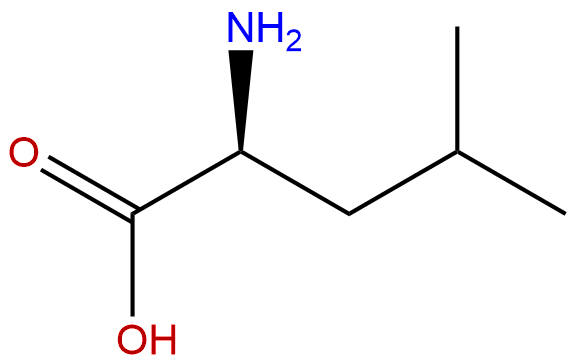
L-Leucine (CAS number: 61-90-5) is an essential branched chain amino acid (BCAA) for the human body, which, together with L-isoleucine and L-valine, forms the BCAA family. As one of the twenty standard protein amino acids, L-leucine plays multiple key roles in the body, and its importance far exceeds traditional understanding as a fundamental unit of protein synthesis. In the field of natural product pharmacology, L-leucine has attracted much attention due to its unique signaling regulatory function, especially as a potent activator of the mammalian Target of Rapamycin (mTOR) signaling pathway, making it a core molecule for studying nutrient perception, cell growth, metabolic regulation, and aging processes.
The discovery history of L-leucine can be traced back to the early 19th century. In 1819, French chemist Joseph Louis Proust first isolated this substance from cheese, but it was not until 1865 that German chemist Justus von Liebig conducted a more systematic study and named it. However, its revolutionary recognition as a signaling molecule began in the late 20th century. In 1998, scientists discovered that BCAAs, especially L-leucine, can activate mTOR complex 1 (mTORC1) independently of growth factors such as insulin, thus opening up a new understanding of amino acid signaling functions. This discovery elevates L-leucine from a simple nutrient substrate to a signaling molecule with hormone like activity.
In the context of natural product pharmacology, the uniqueness of L-leucine lies in its bridging role as a "nutritional signal". It connects the intake of macronutrients (proteins) with the activation of intracellular synthetic metabolic pathways. Its target network mainly revolves around mTORC1, including MTOR (mTOR kinase), RPTOR (Raptor, a regulatory protein of mTORC1), MLST8 (mLST8, a stable subunit of mTORC1), and downstream effector factors such as EIF4EBP1 (eIF4E binding protein 1) and RPS6KB1 (p70S6 kinase 1). By regulating these targets, L-leucine profoundly affects key physiological processes such as protein synthesis, cell proliferation, autophagy inhibition, mitochondrial biosynthesis, and neurotransmitter metabolism.
In recent years, with the development of metabolomics, proteomics, and precision nutrition, research on L-leucine has expanded from basic nutrition to clinical translation. Its potential therapeutic value in muscular atrophy (such as cachexia and myopenia), metabolic diseases (such as type 2 diabetes and obesity), neurodegenerative diseases (such as Alzheimer's disease and Huntington's disease) and tumor metabolism is being widely explored. However, the double-edged sword effect of L-leucine - overactivation of mTOR signaling may promote tumor growth or accelerate aging - also poses a serious challenge for clinical applications. This article will provide a systematic and in-depth review of L-leucine, a natural product, from the aspects of chemical structure, plant origin, pharmacological activity, molecular mechanism, medicinal properties, and clinical application prospects.
The chemical structure of L-leucine belongs to alpha amino acids, with a molecular formula of C ₆ H ₁ ∝ NO ₂ and a molecular weight of 131.1750 g/mol. Its structural feature is that the side chain is isobutyl (- CH ₂ CH (CH3) ₂), which makes leucine an aliphatic hydrophobic amino acid. In stereochemistry, naturally occurring L-leucine is in the S configuration (according to the Cahn Ingold Prelog rule), with its chiral center located at the alpha carbon atom. L-leucine and D-leucine are enantiomers, but the latter is extremely rare in nature and has no biological activity. As a zwitterionic compound, L-leucine mainly exists in the form of a facultative ion under physiological pH conditions (about 7.4). Its amino (- NH ∝⁺) and carboxyl (- COO ⁻) groups are simultaneously charged, giving it a certain degree of water solubility.
In terms of physicochemical properties, the lipophilic water partition coefficient (LogP) of L-leucine is 0.0189, indicating its extremely low lipophilicity and almost entirely inclined towards the aqueous phase. This characteristic is consistent with its structure as a polar molecule and explains its difficulty in passively diffusing through biofilms. The Topological Polar Surface Area (TPSA) is 63.32 Å ², which is lower than the typical threshold for oral drugs (140 Å ²), indicating that it has some potential for oral absorption, but relies on active transport mechanisms. The water-soluble parameter is 70.44 mg/mL, which belongs to highly water-soluble compounds, providing favorable conditions for their distribution in body fluids.
The isoelectric point (pI) of L-leucine is approximately 5.98, which means that in acidic environments with a pH below 5.98, its net charge is positive; In alkaline environments, the net charge is negative. This characteristic affects its dissociation state and absorption efficiency in different segments of the gastrointestinal tract. In terms of stability, L-leucine is quite stable under conventional storage conditions (dry, dark, room temperature), but high temperature or strong acid and alkali environments may cause its decarboxylation or deamination degradation. Its melting point is 293-295 ° C (decomposition), indicating that it has high thermal stability.
It is worth noting that the blood-brain barrier (BBB) penetration ability of L-leucine was evaluated as "low". This conclusion is based on its molecular weight, polarity, and LogP value. Although L-leucine is an important nitrogen source and neurotransmitter precursor in the brain, its entry into the central nervous system mainly relies on active transport by L-type amino acid transporters (LAT1, SLC7A5) rather than passive diffusion. This transport mechanism is saturated and competitive, meaning that the levels of other large molecule neutral amino acids (such as phenylalanine, tyrosine, tryptophan) in plasma significantly affect the brain uptake of L-leucine. In addition, the risk assessment of hERG (human Ether - à - go Related Gene) inhibition of L-leucine is' no ', indicating that its risk of causing cardiac QT interval prolongation at therapeutic concentrations is extremely low. The Ames test result (0.0) further confirms that it is non mutagenic and has a low risk of genetic toxicity.
L-leucine, as a component of proteins, is widely present in all living organisms, including plants, animals, and microorganisms. In the plant kingdom, L-leucine is not abundant in free form, but mainly distributed in various plant tissues in protein bound form. Its content varies depending on species, organs, developmental stages, and environmental conditions. Protein rich plant seeds, beans, and grains are the main natural sources of L-leucine. For example, the content of L-leucine in soybean (Glycine max) can reach 8-10% of the total amino acids; Chenopodium quinoa has high protein quality and abundant leucine content; In addition, peanuts, beans, chickpeas, and pumpkin seeds are also good sources. In grains, wheat germ and oats have relatively high levels of leucine. It is worth noting that certain algae such as Arthrospira platensis and Chlorella vulgaris are also high-quality sources of L-leucine due to their extremely high protein content (up to 60-70% of dry weight).
However, for pharmacological research on natural products, obtaining high-purity free L-leucine usually does not rely on direct extraction from plants, but rather on microbial fermentation or enzymatic synthesis. This is because the content of free amino acids in plants is extremely low, and the extraction process involves complex separation and purification steps, which are costly and inefficient. The traditional plant extraction method includes acid hydrolysis (usually using 6M HCl, 110 ° C, 24 hours) to hydrolyze proteins into free amino acids, followed by separation by ion exchange chromatography. But acid hydrolysis can destroy tryptophan and cause deamidation of asparagine and glutamine. Therefore, for specific research purposes, enzymatic hydrolysis methods (such as using protease mixtures) can be used to release amino acids under mild conditions, but at a higher cost.
On an industrial scale, the production of L-leucine mainly relies on microbial fermentation methods, especially the use of engineered strains of Corynebacterium glutamicum or Escherichia coli. These strains were modified through metabolic engineering to enhance the activity of key enzymes in the L-leucine biosynthesis pathway, such as acetyl CoA synthase and isopropylmalate synthase, and reduce feedback inhibition. The fermentation process is usually carried out in a medium containing glucose, ammonium salts, and trace elements, achieving high-yield accumulation by controlling dissolved oxygen, pH, and temperature. After centrifugation or filtration to remove bacterial cells from the fermentation broth, L-leucine crystals with a purity of over 99% can be obtained through steps such as ion exchange resin adsorption, elution, concentration, crystallization, and recrystallization.
For laboratory scale natural product research, if L-leucine needs to be separated from specific plant materials, the following process can be used: plant materials are freeze-dried, ground, and extracted with acidic aqueous solution (such as 0.1M HCl) or ethanol water mixture; After degreasing (such as n-hexane extraction) and protein removal (such as trichloroacetic acid precipitation or ultrafiltration), the extract is separated by cation exchange chromatography (such as Dowex 50W-X8 resin); Wash with gradient concentration ammonia or hydrochloric acid to collect leucine components; Finally, purification was carried out by preparative high-performance liquid chromatography (HPLC) combined with evaporative light scattering detector (ELSD) or mass spectrometry (MS). This method can obtain high-purity L-leucine in milligrams to grams, but the yield is low, mainly used for structural confirmation or trace activity research.
The pharmacological activity research of L-leucine has expanded from the initial nutritional supplementation to multiple disease fields, and its core mechanism of action revolves around the activation of the mTORC1 signaling pathway, but it goes far beyond that. The following subsystems explain their main pharmacological activities.
1. Promote protein synthesis and muscle growth
This is the most classic and extensively studied function of L-leucine. As a potent agonist of mTORC1, L-leucine can significantly stimulate protein synthesis in skeletal muscle. In the field of sports nutrition, supplementation with L-leucine (usually in combination with other BCAAs) has been shown to enhance the rate of muscle protein synthesis after exercise, reduce exercise-induced muscle injury, and promote muscle hypertrophy. In clinical models, L-leucine has shown therapeutic potential for sarcopenia and cachexia. For example, in an elderly rat model, long-term supplementation with L-leucine can reverse age-related muscle mass decline and improve muscle function. L-Leucine supplementation can partially alleviate weight loss and muscle wasting in cancer cachexia patients. However, its effectiveness is significantly influenced by the basic nutritional status, severity of the disease, and administration method.
2. Metabolic regulation and insulin sensitivity
L-leucine plays a complex role in glucose and lipid metabolism. On the one hand, activation of mTORC1 and L-leucine can promote insulin secretion by pancreatic beta cells and enhance insulin sensitivity in peripheral tissues such as muscle and fat. Short term or acute supplementation of L-leucine usually shows an improvement in blood glucose control. On the other hand, long-term overactivation of mTORC1 may lead to insulin resistance through negative feedback mechanisms, such as S6K1 phosphorylation of serine residues in IRS-1. In addition, the metabolite of L-leucine - β - hydroxy - β - methylbutyric acid (HMB) - has been shown to have independent anti catabolic metabolism and promote protein synthesis. HMB is clinically used to improve muscle mass and function, especially in elderly individuals and patients with chronic wasting diseases.
3. Neuroprotection and cognitive function
L-leucine has multiple functions in the central nervous system. As a substrate of LAT1, it can competitively affect the entry of other large molecule neutral amino acids (such as tryptophan and tyrosine) into the brain, indirectly regulating the synthesis of neurotransmitters such as serotonin, dopamine, and norepinephrine. In neurodegenerative disease models, L-leucine exhibits a protective effect. For example, in a mouse model of Huntington's disease (HD), supplementation with L-leucine can reduce the aggregation of mutant Huntington's protein, improve motor function, and prolong survival. The mechanism may be related to the activation of mTORC1 to promote autophagy and clearance of protein aggregates. In the Alzheimer's disease (AD) model, L-leucine can improve cognitive impairment and reduce β - amyloid deposition. However, some studies suggest that excessive activation of mTORC1 may exacerbate tau protein phosphorylation, suggesting that its effects are dose-dependent and disease stage dependent.
4. Immune regulation
L-leucine has a regulatory effect on immune cell function. Activated T lymphocytes and B lymphocytes require a large amount of amino acids to support proliferation and effector function. L-leucine promotes T cell differentiation (especially towards Th1 and Th17 subtypes) and cytokine production through the mTORC1 signaling pathway. Supplementation with L-leucine may enhance immune response during infection or inflammation. However, in autoimmune diseases, excessive activation of mTORC1 may exacerbate inflammatory responses. Therefore, the role of L-leucine in immune regulation has duality and needs to be balanced according to specific disease backgrounds.
5. Anti aging and lifespan regulation
Restricting the intake of BCAAs (especially L-leucine) has been shown to prolong lifespan in model organisms such as yeast, nematodes, fruit flies, and mice, which is related to the inhibition of the mTORC1 signaling pathway. On the contrary, supplementing with L-leucine can improve healthy lifespan in certain situations, such as maintaining muscle function and cognitive abilities. This seemingly contradictory result reflects the double-edged sword nature of mTORC1 signaling: in early life, mTORC1 activation promotes growth and development; In the later stages of life, sustained mTORC1 activation is associated with an increased risk of age-related diseases such as cancer, metabolic syndrome, and neurodegenerative diseases. Therefore, the anti-aging effect of L-leucine is highly dependent on age, dosage, and intervention timing.
The pharmacological activity of L-leucine is mainly attributed to its precise regulation of the mTORC1 signaling pathway, but recent studies have revealed a more complex molecular network. The following provides a detailed explanation of its core mechanism of action and key molecular targets.
1. Activation mechanism of mTORC1
MTORC1 is a protein kinase complex composed of subunits such as MTOR (mTOR kinase), RPTOR (Raptor), MLST8 (mLST8), and DEPTOR. L-leucine is the most effective amino acid activator of mTORC1, and its activation mechanism involves multiple steps:
- Intracellular perception After entering the cell through the LAT1/SLC7A5 transporter, L-leucine is first recognized by leucine tRNA synthetase (LARS) in the cytoplasm. LARS, as a leucine sensor, undergoes conformational changes upon leucine binding and subsequently interacts with GATOR2 complex.
- Regulation of GATOR complex GATOR1 complex (including DEPDC5, NPRL2, NPRL3) is a negative regulator of mTORC1, which inhibits mTORC1 by activating the GAP activity of Rag GTPase. The GATOR2 complex (including MIOS, WDR24, WDR59, SEH1L, SEC13) inhibits GATOR1. Leucine enhances the inhibition of GATOR2 on GATOR1 by binding to LARS, thereby relieving the inhibition of mTORC1.
- Activation of Rag GTPase The activation of GATOR2 leads to the transformation of Rag GTPase (a heterodimer of RagA/B and RagC/D) into an active state (RagA/B binds GTP, RagC/D binds GDP). Active Rag GTPase recruits mTORC1 to the surface of lysosomes, bringing it closer to its activating factor Rheb (Ras homolog enriched in brain).
- Activation of Rheb and mTORC1 Rheb is a small GTPase whose activity is regulated by the TSC1/TSC2 complex. Under conditions of sufficient growth factors or energy, TSC complexes are inhibited and Rheb is in a GTP binding active state. Rheb located on the surface of lysosomes directly binds to the kinase domain of mTORC1, causing conformational changes in mTOR kinase and activating its kinase activity.
2. Downstream effect factors
After mTORC1 activation, a series of synthetic metabolic processes are initiated by phosphorylating its downstream key substrates:
- EIF4EBP1(4E-BP1)MTORC1 phosphorylates 4E-BP1, causing it to dissociate from eukaryotic translation initiation factor 4E (eIF4E). The released eIF4E binds to eIF4G to form eIF4F complex, promoting the initiation of cap dependent mRNA translation. This process is particularly important for the translation of mRNA containing 5 'terminal oligopyrimidine sequences (TOP), such as ribosomal proteins and elongation factors.
- RPS6KB1(p70S6K1)MTORC1 phosphorylates and activates S6K1. Activated S6K1 further phosphorylates ribosomal protein S6 (rpS6), promoting ribosome biosynthesis and mRNA translation. In addition, S6K1 enhances translation efficiency by phosphorylating factors such as eIF4B and PDCD4. The activation of S6K1 also participates in negative feedback regulation, inhibiting insulin signaling by phosphorylating serine residues of IRS-1.
3. Inhibition of autophagy
MTORC1 is the main negative regulator of autophagy. L-leucine activates mTORC1, phosphorylates the ULK1 (Unc-51 like kinase 1) complex (including ULK1, ATG13, FIP200), inhibits its kinase activity, and thus blocks autophagy initiation. This mechanism maintains cellular homeostasis under nutrient rich conditions, but under stress, excessive inhibition of autophagy may lead to the accumulation of damaged proteins and organelles.
4. Mitochondrial biosynthesis and metabolism
L-leucine activates mTORC1, upregulates the expression of peroxisome proliferator activated receptor gamma coactivator 1 alpha (PGC-1 alpha), and promotes mitochondrial biosynthesis and oxidative metabolism. In addition, the breakdown metabolites of leucine - acetyl CoA and acetoacetic acid - can directly enter the tricarboxylic acid cycle to provide energy. In muscle cells, leucine can also exert metabolic regulatory effects under specific conditions, such as energy stress, by activating the AMPK (AMP activated protein kinase) signaling pathway.
5. Other targets and signaling pathways
In addition to mTORC1, L-leucine also affects other signaling pathways. For example, it can trigger the integrated stress response (ISR) in the event of amino acid deficiency by activating the GCN2 (general control non essential 2) kinase. In addition, the metabolite HMB of leucine can inhibit protein degradation mediated by the ubiquitin proteasome system and activate the MAPK/ERK pathway to promote satellite cell proliferation through a mechanism independent of mTORC1.
L-Leucine, as a natural amino acid, has significant differences in its pharmacological evaluation compared to traditional small molecule drugs. Its "medicinal" properties are more reflected as nutritional supplements or functional food ingredients, rather than strictly speaking as chemical drugs. However, to evaluate its potential as a therapeutic agent from a pharmacological perspective, the following parameters still need to be considered.
1. Analysis of pharmacological parameters
According to the provided pharmacological data, the molecular weight of L-leucine (131.18 Da) is much lower than the "500 Da rule" (Lipinski rule), meeting the requirements for good oral absorption. LogP (0.0189) is extremely low, indicating strong hydrophilicity, which is beneficial for water phase dissolution but not conducive to membrane permeation. The TPSA (63.32 Å ²) is below 140 Å ², indicating that its oral absorption potential is still acceptable, but it relies on active transport. The water solubility (70.44 mg/mL) is excellent, far exceeding the usual requirement of>0.1 mg/mL for drug development. BBB penetration is low, posing a challenge for indications that require central action (such as neurodegenerative diseases), but limited entry into the brain can be achieved through active transport mediated by LAT1 transporters. The hERG inhibition risk is low, and the Ames test is negative, indicating extremely low risks of cardiac and genetic toxicity. Overall, the pharmacological characteristics of L-leucine are high water solubility and low toxicity, but it has poor membrane permeability and relies on transporter mediated absorption.
2. Pharmacokinetic characteristics
- absorb After oral administration of L-leucine, it is mainly actively absorbed by neutral amino acid transporters such as LAT1 and B ⁰ AT1 (SLC6A19) on the brush border membrane of small intestinal epithelial cells. The absorption rate is fast, and the plasma concentration reaches its peak 30-60 minutes after oral administration. Its bioavailability is relatively high (>90%), but it is affected by competitive inhibition of other amino acids in food. Dose dependent absorption exhibits saturation kinetics.
- distribution L-leucine is widely distributed in the body, mainly in skeletal muscle (accounting for about 80% of the total leucine pool in the body), liver, kidneys, and heart. Its distribution volume is about 0.5-0.7 L/kg, indicating that it is mainly distributed in the intracellular fluid. Due to the low penetration of BBB, the concentration in the brain is only 10-20% of the plasma concentration, but it can be maintained at a certain level through active transport of LAT1.
- Metabolism The metabolism of L-leucine mainly occurs in the liver and skeletal muscle. Its catabolic pathway includes: firstly, transamination through branched chain amino acid transaminase (BCAT) to produce alpha ketoisocaproic acid (KIC); KIC subsequently undergoes oxidative decarboxylation through the branched chain α - keto dehydrogenase complex (BCKDH) to generate isovaleric coenzyme A; the latter is further metabolized into acetyl CoA and acetoacetic acid, entering the tricarboxylic acid cycle or ketone body formation pathway. BCKDH is the rate limiting enzyme for leucine catabolism, and its activity is regulated by phosphorylation. It is worth noting that some KICs can be converted into HMBs in muscles, which have independent anti catabolic activity.
- excretion L-leucine and its metabolites are mainly excreted through the kidneys. A small amount of original leucine (<5%) can be detected in urine, and most of it is excreted in the form of metabolites (such as acetic acid, CO ₂). Patients with renal insufficiency may experience accumulation of leucine and its metabolites.
3. Safety evaluation
L-leucine, as an essential amino acid, has extremely high safety at physiological doses. The median lethal dose (LD ₅₀) in rats is approximately 5-10 g/kg body weight, which is much higher than the conventional human supplement dose (usually 0.1-0.5 g/kg/day). However, long-term high-dose supplementation (>500 mg/kg/day) may cause adverse reactions, including gastrointestinal discomfort (nausea, diarrhea), elevated blood ammonia (due to BCAA decomposition producing ammonia), insulin resistance (through mTORC1 negative feedback), and potential neurotoxicity (in patients with hepatic encephalopathy or urinary circulation disorders). In addition, for diseases with existing mTORC1 overactivation, such as certain cancers, supplementing with L-leucine may accelerate disease progression.
The clinical application prospects of L-leucine are broad, but it faces many challenges. Below are prospects from several key areas.
1. Muscle wasting syndrome (sarcopenia and cachexia)
This is the most mature clinical application direction of L-leucine. Multiple clinical studies have confirmed that supplementing with L-leucine (usually in combination with other BCAAs, vitamin D, and proteins) can improve muscle mass, strength, and function in elderly patients with sarcopenia. In cancer cachexia, L-leucine supplementation can partially reverse weight loss, but the effect is limited and may be related to resistance to inflammatory factors in the tumor microenvironment. Future research needs to focus on: ① determining the optimal dosage and timing of administration (such as before and after exercise); ② Exploring the synergistic effect of exercise intervention; ③ Develop sustained-release formulations to maintain stable plasma concentrations; ④ Individualized application in specific diseases (such as chronic obstructive pulmonary disease, heart failure) cachexia.
2. Metabolic diseases (type 2 diabetes and obesity)
The dual role of L-leucine in metabolic regulation complicates its clinical application. Short term supplementation can improve insulin sensitivity, but long-term high-dose supplementation may induce insulin resistance. Therefore, clinical application requires careful control of dosage and duration. Possible strategies include: ① intermittent supplementation (such as after exercise) to utilize its acute pro synthetic metabolic effects; ② Combined with AMPK activators such as metformin to counteract the negative effects of excessive activation of mTORC1; ③ As an auxiliary measure to protect lean body mass in weight loss interventions. In addition, HMB, as a leucine metabolite, may have more advantages in improving insulin sensitivity and deserves further research.
3. Neurodegenerative diseases
The protective effects of L-leucine in Huntington's disease and Alzheimer's disease are encouraging, but low BBB penetration is the main barrier. Future research directions include: ① Developing prodrugs or nano formulations of L-leucine to improve brain delivery efficiency; ② By utilizing the saturation characteristics of LAT1 transporter, the brain uptake of leucine can be optimized by adjusting the plasma amino acid profile; ③ Exploring the neuroprotective effects of leucine metabolites such as HMB; ④ Clarify the dose-response relationship in clinical trials and monitor the potential risks of mTORC1 overactivation, such as tau protein phosphorylation.
4. Tumor metabolism
The role of L-leucine in tumor development is highly dependent on tumor type and genetic background. For tumors with highly activated mTORC1 signaling, such as those with PIK3CA mutations or PTEN deletions, supplementing with L-leucine may promote tumor growth and should be considered contraindicated. On the contrary, for some tumors that depend on leucine catabolism (such as some leukemia and pancreatic cancer), limiting leucine intake or targeting its metabolic enzymes (such as BCAT1 and BCKDH) may have therapeutic value. Therefore, the application of L-leucine in oncology needs to be based on the concept of precision medicine, through tumor genomics and metabolomics analysis, to achieve personalized intervention.
5. Precise nutrition and aging intervention
With the deepening of aging research, the role of L-leucine in "healthy aging" has received attention. Based on the "double-edged sword" characteristic of mTORC1 signal, it is possible to develop "time limited" or "periodic" supplementation strategies in the future, that is, supplementing in early life or specific physiological states (such as after exercise, disease recovery period) to promote synthetic metabolism, while limiting intake in late life or chronic disease states to inhibit aging related signals. In addition, a combination of other nutritional interventions such as methionine restriction and polyphenolic substances may achieve better results in extending healthy lifespan.
L-leucine, a seemingly simple essential amino acid, is actually a complex natural signaling molecule. The cognitive process of L-leucine, discovered in cheese in the early 19th century and becoming the core of mTOR signaling pathway research in the 21st century, reflects a profound shift in natural product pharmacology from "nutrition" to "signal regulation". Its unique molecular structure endows it with diverse abilities to activate mTORC1, regulate protein synthesis, autophagy, and metabolism, making it widely applicable in fields such as muscle health, metabolic regulation, neuroprotection, and aging intervention.
However, the "double-edged sword" property of L-leucine - balancing the pros and cons of mTORC1 activation - is the core challenge for its clinical translation. Overactivation of mTORC1 may promote tumor growth, accelerate aging, or induce insulin resistance, while inhibition of its signaling may impair muscle function and immune response. Therefore, future research must go beyond the simple binary of "supplementation or limitation" and shift towards precise intervention strategies based on individual genetic background, disease status, age, and lifestyle. This requires the integration of multidisciplinary methods such as systems biology, metabolomics, and clinical nutrition to deeply analyze the dose-response relationship, time effect relationship, and interaction with other nutritional signals of L-leucine under different physiological and pathological conditions.
In addition, the pharmacokinetic properties of L-leucine, particularly its low BBB penetration dependent on active transport, pose obstacles to its application in central nervous system diseases. Developing new delivery systems, prodrugs, or metabolites (such as HMB) may be a breakthrough direction. Meanwhile, its extremely low toxicity and good tolerability make it an ideal model molecule for exploring the intersection of nutrition and drug fields.
In short, L-leucine, as a gem in the pharmacology of natural products, is far from being fully researched. From basic mechanisms to clinical translation, from nutritional supplementation to precision treatment, the story of L-leucine continues and will contribute new wisdom and solutions to the cause of human health.
Batch can search by a CAS number,one per line
