| Catalog No | Package | Original Price | Price | Inventory | Quantity | Operating |
|---|---|---|---|---|---|---|
| BP3525-100mg | 100mg | $20.00 | Sign in |
|


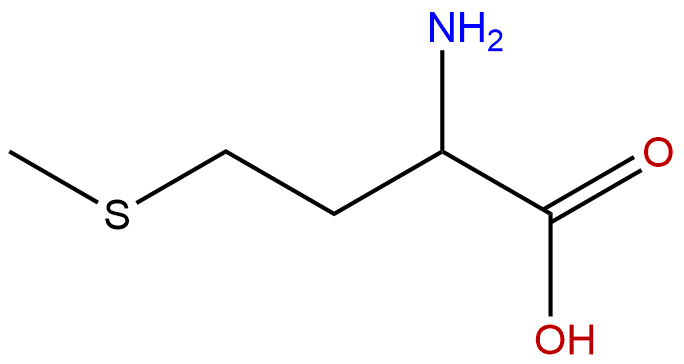
Product name: L-Methionine
Synonym name:
Catalogue No.: BP3525
Cas No.: 63-68-3
Formula: C5H11NO2S
Mol Weight: 149.208
Botanical Source:
Physical Description:
Type of Compound: Amino Acids
Purity: 95%~99%
Analysis Method: HPLC-DAD or/and HPLC-ELSD
Identification Method: Mass, NMR
Packing: Brown vial or HDPE plastic bottle
Storage: Store in a well closed container, protected from air and light. Put into refrigerate or freeze for long term storage.
Whenever possible, you should prepare and use solutions on the same day. However, if you need to make up stock solutions in advance, we recommend that you store the solution as aliquots in tightly sealed vials at -20℃. Generally, these will be useable for up to two weeks.
The product could be supplied from milligrams to grams
Inquire for bulk scale.
For Reference Standard and R&D, Not for Human Use Directly.
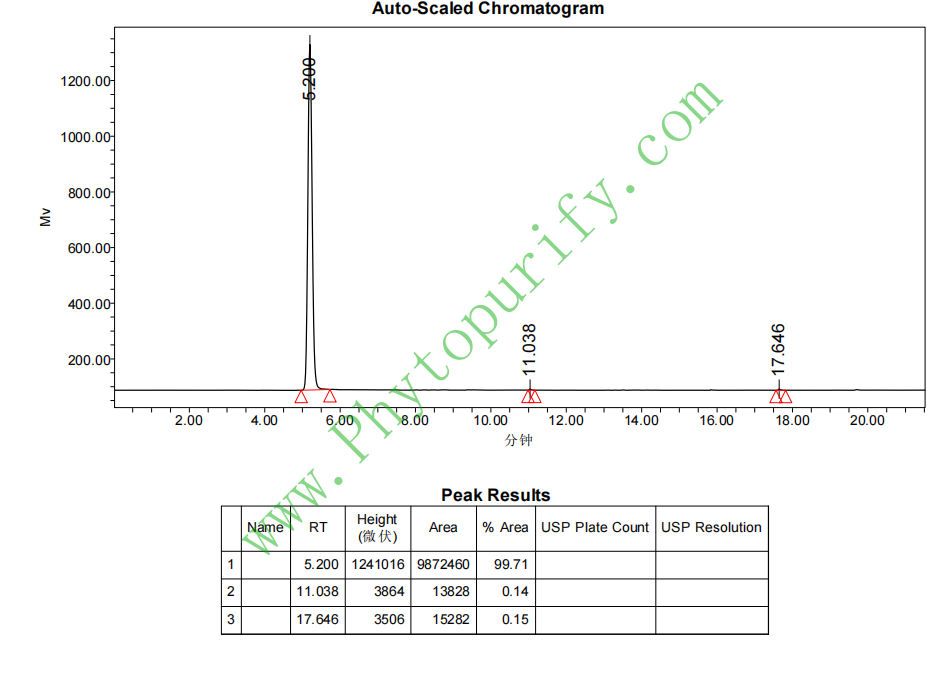
HPLC of L-Methionine
Storage conditions:Short-term storage at 2~8℃, long-term storage at -20 ~ -80℃
63.3200
-.3624
-.3646
20.2272
.4492
3.4906
Low
18.7154
2.6404
Yes
Yes
No
No
No
No
0.0
No
No
No
No
L-Methionine, as one of the only sulfur-containing amino acids among the twenty standard protein amino acids, occupies an irreplaceable core position in the field of life sciences. Since Mueller first isolated and identified L-methionine from casein in 1922, research on L-methionine has spanned a whole century, and its biological functions have gradually expanded from the initial protein synthesis unit to multiple dimensions such as methylation metabolism, oxidative stress defense, liver protection, and neural regulation. As the L-enantiomer of methionine, L-methionine is not only an essential amino acid for the human body, but also a direct precursor of S-adenosylmethionine (SAMe), the most important methyl donor in the body. This characteristic enables it to play a pivotal role in key life processes such as epigenetic regulation, phospholipid metabolism, and neurotransmitter synthesis.
From the perspective of natural product pharmacology, L-methionine exhibits unique dual properties: on the one hand, as a micronutrient and nutritional supplement, it is indispensable in maintaining normal physiological functions; On the other hand, its pharmacological activity is particularly prominent in specific disease states, especially as a standardized antidote for acetaminophen (paracetamol) poisoning, which has been included in the pharmacopoeias of multiple countries. In recent years, with the development of metabolomics, epigenetics, and precision medicine, the potential therapeutic value of L-methionine in complex diseases such as non-alcoholic fatty liver disease (NAFLD), depression, Parkinson's disease, and cancer is being re evaluated. This review aims to systematically summarize the chemical properties, natural sources, pharmacological activities, molecular mechanisms, and pharmacological characteristics of L-methionine, providing comprehensive references for the deep development and clinical translation of this classic natural product.
The chemical name of L-methionine is (S) -2-amino-4- (methylthio) butyric acid, with a molecular formula of C ₅ H ₁ NO ₂ S and a molecular weight of 149.21 g/mol. Its structural feature lies in the methylthio group (- CH3) at the end of the side chain, which endows methionine with unique chemical activity. As an alpha amino acid, L-methionine has a chiral center and naturally exists in the L-configuration (S configuration), with a specific rotation of [α] D ² ⁰=+23.4 ° (c=2,5M HCl). The structural formula can be expressed as: CH3- S-CH ₂ - CH ₂ - CH (NH ₂) - COOH.
L-methionine is a white crystalline powder with a characteristic odor. Its isoelectric point (pI) is 5.74, and it mainly exists in the form of zwitterionic ions under physiological pH conditions. The key physicochemical parameters are as follows: LogP value of -0.3624 (hydrophilicity), topological polar surface area (TPSA) of 63.32 Å ², and good water solubility (20.23 mg/mL, 25 ° C). It is worth noting that L-methionine has a low blood-brain barrier penetration ability, which limits its direct action on the central nervous system. However, it can indirectly exert its neuroregulatory function by converting to SAMe. The hERG inhibition test was negative, and the Ames test result was 0.0, indicating extremely low genetic toxicity risk and good safety.
L-methionine is sensitive to oxidative conditions, and its methylthio group can be oxidized to sulfoxides or sulfone derivatives. This characteristic is both a functional regulatory mechanism and a biomarker of oxidative stress in organisms. Stable under acidic conditions, but prone to racemization in strong alkaline or high-temperature environments. As a nucleophilic reagent, the sulfur atom of methionine can participate in the methyl transfer reaction, which is the chemical basis for its role as a methyl donor. In addition, methionine can form chelates with heavy metal ions such as mercury and lead, which is of great significance in detoxification mechanisms.
L-methionine is widely present in animals and plants in nature, but its content is generally low in plants and there are significant differences between different species. Plant sources rich in methionine mainly include:
It should be pointed out that plant-based proteins are usually methionine restricted proteins, and their content is lower than that of animal sources (such as eggs and whey protein, where the methionine content can reach 2.0-3.0 g/100g protein). Therefore, industrial production of L-methionine mainly relies on microbial fermentation rather than plant extraction.
Although plant extraction is not the mainstream method for commercial production of L-methionine, it still has reference value in natural product research. The typical extraction process includes:
The current global annual production of L-methionine exceeds 1 million tons, mainly using chemical synthesis and microbial fermentation methods:
The most classic pharmacological activity of L-methionine is its use as a potent antidote for acetaminophen (APAP) poisoning. When APAP is overdosed, its toxic metabolite N-acetyl-phenylquinonimide (NAPQI) exhausts glutathione (GSH) in liver cells, leading to mitochondrial dysfunction and liver cell necrosis. L-methionine exerts protective effects through two pathways: firstly, as a precursor for GSH synthesis, it provides a source of cysteine; The second is to directly bind with NAPQI to form non-toxic adducts. Clinical studies have confirmed that administering L-methionine (adult dose 2.5g, once every 4 hours, for a total of 4 times) within 8-10 hours after APAP intake can significantly reduce the incidence of liver injury. Its efficacy is comparable to N-acetylcysteine (NAC), but oral tolerance is better.
In the non-alcoholic fatty liver disease (NAFLD) model, L-methionine supplementation can improve liver steatosis, inflammation, and fibrosis. The mechanism involves restoring the SAMe/SAH ratio, promoting phosphatidylcholine synthesis, enhancing the secretion of very low-density lipoprotein (VLDL), thereby reducing lipid accumulation in the liver. Animal experiments have shown that dietary restriction with methionine can improve insulin resistance, but complete deficiency exacerbates liver damage, indicating the importance of appropriate dosage.
L-methionine, as a precursor of SAMe, plays a crucial role in neurotransmitter metabolism. SAMe participates in the methylation and inactivation of catecholamines (dopamine, norepinephrine) and indoleamine (5-hydroxytryptamine), regulating the levels of monoamine neurotransmitters. Clinical studies have shown that oral L-methionine (1-2 g/day) can improve emotional scores in patients with depression, and its efficacy is comparable to tricyclic antidepressants, but it takes effect faster (1-2 weeks). In the Parkinson's disease model, L-methionine promotes the methylation metabolism of levodopa by increasing SAMe levels, reduces peripheral side effects, and may protect dopaminergic neurons through antioxidant mechanisms.
It is worth noting that L-methionine has low blood-brain barrier penetration, but its metabolite SAMe can enter the central nervous system through carrier mediated transport. In addition, the methylation of methionine is involved in the synthesis of myelin basic protein, which has potential significance for maintaining myelin integrity.
The methylthio group of L-methionine can be reversibly oxidized to methionine sulfoxide, which is catalyzed and reversed by methionine sulfoxide reductase (Msr), forming an important redox buffer system in cells. Under oxidative stress conditions, the oxidation of methionine residues can protect protein active centers from irreversible damage. Research has shown that supplementation with L-methionine can prolong the lifespan of yeast, nematodes, and mice by activating SIRT1 deacetylase, enhancing mitochondrial autophagy, and inhibiting the mTOR signaling pathway. In cell models, methionine restriction (rather than supplementation) can delay aging, which suggests that the longevity promoting effect of methionine is dose-dependent and species - and tissue-specific.
L-methionine plays a dual role in tumor metabolism. On the one hand, most cancer cells exhibit methionine dependence, meaning they cannot proliferate under conditions of methionine deficiency, which is related to abnormal methionine cycling and increased demand for SAMe. Based on this, methionine restriction diet or methionine gamma lyase (MGL) treatment can inhibit the growth of a variety of tumor cells (such as breast cancer, colon cancer, glioma). On the other hand, L-methionine, as a methyl donor, can promote DNA and histone methylation, which may promote tumor progression in certain epigenetic backgrounds. Therefore, the application of methionine in tumor treatment needs to be precisely designed based on tumor type and molecular typing.
The biological function of L-methionine is highly dependent on its role as a methyl donor. Under the catalysis of methionine adenosyltransferase (MAT), L-methionine condenses with ATP to form SAMe, which is a universal methyl donor for over 200 methyltransferases in the body. SAMe undergoes demethylation to generate S-adenosyl-homocysteine (SAH), which is then hydrolyzed by SAH hydrolase (AHCY) to form homocysteine and adenosine. Homocysteine can be demethylated to methionine by methionine synthase (MS) or betaine homocysteine methyltransferase (BHMT), forming the methionine cycle.
The key target molecules include:
- MAT1A/MAT2A/MAT2B MAT1A is mainly expressed in the liver and catalyzes SAMe synthesis; MAT2A/MAT2B is expressed in extrahepatic tissues and its activity is inhibited by SAMe feedback. The deficiency of MAT1A leads to a decrease in SAMe levels, which is associated with the occurrence of NAFLD and liver cancer.
- GNMT (Glycine N-Methyltransferase)Regulating the SAMe/SAH ratio to maintain methylation balance. GNMT knockout mice showed elevated SAMe, hepatomegaly, and liver cancer.
- AHCY (SAH hydrolase)SAH is a potent inhibitor of methyltransferase, and AHCY activity determines intracellular SAH levels, thereby regulating methylation reaction rates.
L-methionine participates in antioxidant defense through the following mechanisms:
1. GSH synthesis precursor Through the sulfur conversion pathway, homocysteine can be converted to cysteine, which is the rate limiting substrate for GSH synthesis. Supplementation with L-methionine can quickly restore liver GSH levels during APAP poisoning.
2. Direct free radical scavenging The methylthio group of methionine can react with reactive oxygen species (ROS) such as hydroxyl radicals and hypochlorous acid to generate methionine sulfoxide, which protects proteins and lipids from oxidative damage.
3. Metal chelation Sulfur atoms can form stable complexes with heavy metal ions (such as Hg ² ⁺, Pb ² ⁺), promoting their excretion. This mechanism has potential value in the treatment of heavy metal poisoning.
L-methionine regulates gene expression by affecting DNA and histone methylation. SAMe is a substrate for DNA methyltransferases (DNMTs) and histone methyltransferases (HMTs). During development, differentiation, and disease progression, the availability of methionine can alter genomic methylation patterns. For example, methionine deficiency during pregnancy can lead to low DNA methylation in offspring, increasing the risk of neural tube defects; Excessive methionine is associated with high methylation of CpG islands in certain cancers.
In the liver, SAMe participates in the synthesis of phosphatidylcholine (PC), which is an essential phospholipid for VLDL assembly and secretion. Methionine deficiency leads to reduced PC synthesis, impaired VLDL secretion, accumulation of triglycerides in the liver, and formation of fatty liver. In addition, SAMe can activate peroxisome proliferator activated receptor alpha (PPAR alpha) and promote fatty acid beta oxidation. These mechanisms collectively explain the potential value of L-methionine in the treatment of NAFLD.
Based on the classical drug formation rules (Lipinski Five Rules), the molecular weight of L-methionine (149.21 Da) is less than 500, the LogP (-0.36) is less than 5, both the hydrogen bond donor (2) and acceptor (3) meet the requirements, and the TPSA (63.32 Å ²) is less than 140 Å ², indicating good oral bioavailability potential. However, its high water solubility (20.23 mg/mL) and negative LogP indicate strong hydrophilicity, which may affect transmembrane passive diffusion. Low blood-brain barrier penetration (BBB) limits targeted applications in the central nervous system, but can be improved through prodrug design or carrier mediated transport.
absorb L-methionine is actively absorbed by small intestine sodium dependent neutral amino acid transporters (such as B ⁰ AT1) after oral administration, with a bioavailability of approximately 70-80%. The peak time for fasting administration (Tmax) is 1-2 hours, and there is a linear relationship between plasma peak concentration (Cmax) and dose. Food can delay absorption, but it does not affect the total absorption.
distribution The distribution volume (Vd) is about 0.5 L/kg, mainly distributed in tissues such as liver, kidney, and muscle. Low plasma protein binding rate (<10%). Due to competitive transporters, high-dose methionine may affect the brain transport of other neutral amino acids such as tryptophan and tyrosine.
Metabolism The liver is the main organ for L-methionine metabolism. About 50% of methionine is converted to SAMe through the methionine cycle, while the rest is metabolized into cysteine, taurine, or sulfate through the sulfur conversion pathway. The oxidative metabolite of methionine (methionine sulfoxide) can be excreted through urine.
excretion The unmetabolized methionine (about 5-10%) undergoes glomerular filtration and has a high tubular reabsorption efficiency (>95%). The half-life (t ₁/₂) is about 1-2 hours, and patients with renal insufficiency need to adjust the dosage.
L-methionine, as a food additive and pharmaceutical excipient, has good safety. Ames test negative, no genetic toxicity. Acute toxicity LD ₅₀ (rat, oral)>5000 mg/kg. Long term high doses (>5 g/day) may cause adverse reactions such as nausea, headache, and drowsiness, and in rare cases, may lead to hyperhomocysteinemia, increasing the risk of thrombosis. Therefore, clinical use requires monitoring of plasma homocysteine levels, especially in high-risk populations for cardiovascular disease.
Despite the multiple pharmacological activities of L-methionine, its clinical application still faces the following challenges:
1. The dose-response relationship is complex Low doses may be beneficial, while high doses may be harmful (such as hyperhomocysteinemia), and an individualized dosage regimen needs to be established.
2. Optimization of bioavailability Develop prodrugs (such as SAMe stabilized salts) or nano delivery systems to enhance central nervous system targeting.
3. Precision Medicine Applications Develop methionine supplementation or restriction strategies based on patient MAT1A, GNMT, MTHFR gene polymorphisms.
4. Combination therapy strategy Explore the synergistic effects of L-methionine with vitamin B family (folate, B ₁₂, B ₆) and antioxidants (vitamin E, NAC).
L-methionine, a seemingly simple sulfur-containing amino acid, actually carries a broad functional spectrum from basic metabolic regulation to the treatment of complex diseases. As the core driver of methylation cycle, buffer of oxidative stress, and guardian of liver detoxification, L-methionine exhibits unique value in natural product pharmacology. From standardized detoxification of acetaminophen poisoning to potential treatments for chronic diseases such as NAFLD, depression, and cancer, research on L-methionine is moving from empirical applications to mechanism driven precision interventions. In the future, with the deep integration of metabolomics, epigenetics, and systems pharmacology, the biological secrets of L-methionine will be further revealed, and its application in human health maintenance and disease treatment will also usher in new breakthroughs. These century old classic molecules are entering the field of modern medicine with a brand new appearance.
