Introduction/Overview
Natural products have always been an important source of innovative drug discovery, and their structural diversity and wide range of biological activities provide unique molecular frameworks and pharmacological mechanisms for addressing complex diseases, especially malignant tumors. Phenylpropanoid compounds, as an important class of secondary metabolites in natural products, have attracted much attention due to their significant anti-inflammatory, antioxidant, and anti-tumor activities. Evofolin C (CAS number: 163634-05-7) is one of them, which is a traditional medicinal plant derived from cinnamon(Cinnamomum The phenylpropanoid compounds isolated from the bark of the tree. In recent years, with a deeper understanding of the molecular mechanisms of tumor occurrence and development, Evofolin C has gradually entered the research field due to its strong anti-tumor potential demonstrated in various in vitro and in vivo models. Its pharmacological activity involves inducing cell apoptosis, inhibiting cell proliferation, invasion, and metastasis, and interacts with multiple important tumor related targets such as MCL1, BCL2, STAT3, MMP2, etc. This article aims to systematically review the chemical properties, plant origin, pharmacological activity, mechanism of action, pharmacological evaluation, and clinical application prospects of Evofolin C, in order to provide comprehensive scientific references for the in-depth research and future development of this compound.
Chemical structure and physicochemical properties
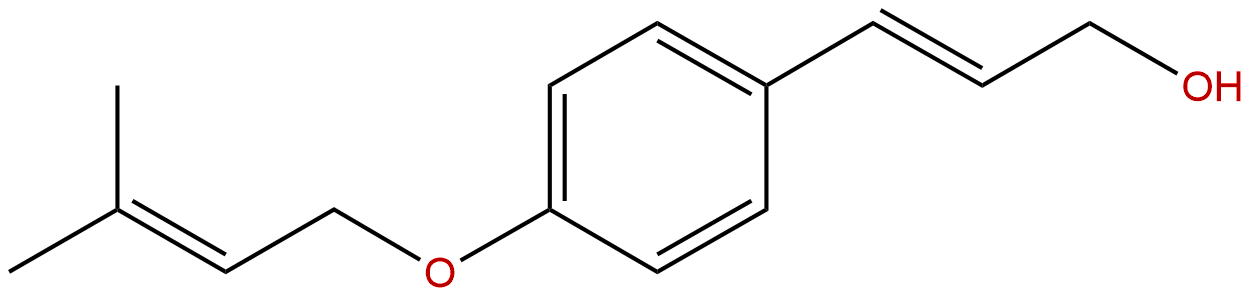
Evofolin C is a relatively simple phenylpropanoid compound. Its basic skeleton is composed of a benzene ring (A ring) connected to an oxygen-containing heterocyclic ring (usually a dihydrofuran or pyran ring, B ring) through a three carbon chain, belonging to the benzofuran derivative class. Its molecular formula is C13H14O3 and its molecular weight is 218.2960 g/mol.
From the analysis of physical and chemical properties, Evofolin C exhibits typical lipophilic characteristics. The calculated lipid water partition coefficient (LogP) is 3.5239, indicating that the solubility of the compound in the lipid phase is much higher than that in the aqueous phase, which is consistent with its benzofuran hydrophobic skeleton. Its topological polar surface area (TPSA) is relatively low, at 29.4600 Å ², which further confirms its low molecular polarity. The predicted value of water solubility is about 0.0632 mg/mL, which belongs to compounds that are difficult to dissolve in water. These properties determine that the distribution of Evofolin C in organisms may tend towards lipid rich tissues, and its transmembrane transport ability is strong. It is worth noting that its predicted blood-brain barrier permeability is "high", indicating its potential central nervous system activity or use for treating brain tumors, which is a highly attractive feature. The preliminary pharmacological risk assessment showed that the hERG inhibition risk was "no", and the Ames test predicted a value of 0.0 (indicating no mutagenicity), providing early support for its relatively good safety profile.
Plant sources and extraction methods
Evofolin C mainly comes from the Lauraceae family, Cinnamon genus(Cinnamomum)Separated from the bark of plants. Cinnamon, as a traditional spice and Chinese medicinal herb (such as cinnamon twig and cinnamon), has been extensively studied for its chemical composition. In addition to volatile essential oils (mainly cinnamaldehyde), non-volatile components such as polyphenols, flavonoids, and phenylpropanoids are also important material bases for its biological activity.
The extraction and separation of Evofolin C from plant materials typically follow the conventional process of natural product chemistry. Firstly, crush the dried cinnamon bark and extract it using organic solvents. Common extraction solvents include methanol, ethanol, or ethanol water mixed solvents, which can effectively extract moderately polar phenylpropanoid compounds. After obtaining the crude extract, purification is carried out through a series of chromatographic separation techniques. The silica gel column chromatography method is commonly used for preliminary separation, and the crude extract is separated into multiple streams using solvent systems of different polarities (such as petroleum ether ethyl acetate or chloroform methanol gradient elution). Subsequently, the Evofolin C containing fraction was further separated and purified by repeated normal or reverse phase silica gel column chromatography (such as ODS-C18), preparative thin layer chromatography (PTLC), and high performance liquid chromatography (HPLC, often using C18 reverse phase column with methanol water or acetonitrile water as mobile phase) until high-purity monomer compounds were obtained. Structural identification is accomplished through the comprehensive use of spectroscopic techniques such as mass spectrometry (MS), nuclear magnetic resonance (NMR, including 1H-NMR and 13C-NMR), and ultraviolet (UV) spectroscopy.
Pharmacological activity research
Numerous studies have confirmed that the core pharmacological activity of Evofolin C is concentrated in the field of anti-tumor, and it exhibits significant growth inhibition and cytotoxicity in various human cancer cell lines.
- Anti proliferation and cytotoxicity Evofolin C has a dose-dependent proliferation inhibitory activity on breast cancer (such as MCF-7, MDA-MB-231), liver cancer (such as HepG2, SMMC-7721), lung cancer (such as A549), colon cancer (such as HCT-116) and other cancer cell lines. Its half maximal inhibitory concentration (IC50 value) is usually at the micromolar (μ M) or even sub micromolar level, demonstrating strong in vitro activity.
- Inducing cell apoptosis Evofolin C can effectively induce programmed cell death in tumor cells. Research has shown that it can cause typical apoptotic features such as nuclear condensation, DNA fragmentation, and phosphatidylserine eversion. Flow cytometry analysis often shows that cells treated with Evofolin C have a significantly increased proportion of Sub-G1 phase cells (representing apoptotic cell populations).
- Inhibit cell migration and invasion Tumor metastasis is the main cause of treatment failure and patient death. Evofolin C can significantly inhibit the migration and invasion ability of cancer cells at non cytotoxic concentrations. For example, in the scratch healing experiment and Transwell invasion experiment, the Evofolin C treatment group showed a significant reduction in cell migration and membrane penetration.
- Inhibit angiogenesis The growth of tumors depends on the formation of new blood vessels (angiogenesis). Preliminary research suggests that Evofolin C may exert anti angiogenic effects by downregulating the expression of vascular endothelial growth factor (VEGF) and inhibiting the luminal formation ability of endothelial cells.
- Other potential activities In addition to its direct anti-tumor effect, Evofolin C may also play an indirect role in alleviating oxidative stress and chronic inflammation in the tumor microenvironment based on its phenylpropanoid like structure's potential antioxidant and anti-inflammatory properties, but more experimental evidence is needed to support this.
Mechanism of action and molecular targets
The anti-tumor effect of Evofolin C is not achieved through a single pathway, but involves a complex network of multiple targets and pathways. Existing research has preliminarily revealed its interactions with multiple key tumor associated proteins:
- Regulating the apoptotic pathway (targeting MCL1 and BCL2)Evofolin C can downregulate the expression of anti apoptotic proteins B cell lymphoma-2 (BCL2) and myeloid leukemia 1 (MCL1). These proteins are key "guards" of the intracellular apoptotic pathway, and their downregulation can disrupt mitochondrial membrane stability, leading to the release of cytochrome C, which in turn activates the Caspase cascade reaction and ultimately induces cell apoptosis.
- Inhibition of STAT3 signaling pathway Signal transducer and activator of transcription factor 3 (STAT3) is an important oncogenic transcription factor that is continuously activated in various tumors. Evofolin C can inhibit the phosphorylation (activated form) of STAT3, prevent its nuclear translocation and binding to DNA, thereby downregulating the expression of downstream target genes (such as Cyclin D1, Bcl xL, MMP-2, etc.), achieving multiple effects of inhibiting proliferation, promoting apoptosis, and anti metastasis.
- Inhibition of matrix metalloproteinases (targeting MMP2)Matrix metalloproteinase-2 (MMP2) is a key enzyme that degrades extracellular matrix and promotes tumor invasion and metastasis. Evofolin C can significantly reduce the mRNA and protein expression levels as well as enzyme activity of MMP2, which is an important molecular basis for its ability to inhibit cell invasion.
- Interference with DNA Topoisomerase (Targeting TOP1, TOP2A)DNA topoisomerases I (TOP1) and II α (TOP2A) are essential enzymes for DNA replication, transcription, and repair, and are also classic chemotherapy targets. Research has shown that Evofolin C may cause DNA damage and replication fork arrest, leading to cell cycle arrest and apoptosis by interfering with the function of these enzymes.
- Affects hypoxia inducible factor (targeting HIF1A)In the hypoxic microenvironment of tumors, hypoxia inducible factor-1 α (HIF1A) is stabilized and activated, thereby promoting angiogenesis, glycolysis, and metastasis. Evofolin C may interfere with the hypoxic adaptation mechanism of tumors by inhibiting the accumulation or transcriptional activity of HIF1A.
- Regulating the MAPK/ERK pathway (targeting MAPK1)Extracellular signal regulated kinase (ERK, encoded by MAPK1) is the core of the MAPK signaling pathway, regulating cell growth and survival. Evofolin C may affect the proliferation fate of cells by regulating the activity of this pathway.
- Intervention of estrogen signaling (targeting ESR1, CYP19A1)For hormone dependent breast cancer, Evofolin C may interfere with estrogen signal transduction by acting on estrogen receptor alpha (ESR1) or aromatase (CYP19A1, responsible for estrogen synthesis), thus inhibiting tumor growth.
Evaluation of drug properties and pharmacokinetics
Although Evofolin C exhibits excellent anti-tumor activity in vitro, its potential as a drug candidate molecule still requires systematic drug like and pharmacokinetic (PK) evaluations.
According to its calculated physicochemical parameters, Evofolin C conforms to the Rule of Five, has a small molecular weight (<500), moderate LogP (<5), and a small number of hydrogen bond donors and acceptors, indicating its good oral absorption potential. High lipid solubility and low TPSA are beneficial for its passive transmembrane diffusion and bioavailability. Especially its predicted high blood-brain barrier permeability provides unique advantages for the treatment of brain tumors or brain metastases. The preliminary prediction of no hERG inhibition and mutagenic risk (Ames negative) also laid the foundation for its safety development.
However, there are currently few reports on the in vivo pharmacokinetic studies of the Evofolin C system. Based on its physicochemical properties, it can be inferred that it may have good absorption in the small intestine after oral administration, but its absolute bioavailability needs to be determined experimentally due to the first pass effect (which may be metabolized in the liver). It may have a wide distribution in the body and can enter the central nervous system. The common metabolic pathways of phenylpropanoid compounds include epoxidation, hydroxylation, glucuronidation, and sulfation binding. The key PK parameters such as metabolites, main excretion pathways (bile or urine), half-life, and in vivo clearance rate need to be clarified through animal experiments (rats, mice) and subsequent clinical studies. In addition, its poor water solubility may affect the development of formulations, and strategies such as salt formation, inclusion complex formation, or nano formulation may be needed to improve its solubility and dissolution rate.
Clinical application prospects and prospects
Evofolin C, as a natural small molecule with multi-target anti-tumor activity, has broad clinical application prospects but also faces challenges.
prospect:
1. Multi targeted therapeutic agents It simultaneously acts on multiple pathways such as apoptosis, survival, metastasis, and angiogenesis, and may be more effective for tumors with heterogeneity and drug resistance, making it less prone to common resistance issues with single target drugs.
2. Combination therapy sensitizer The combination of Evofolin C with existing chemotherapy drugs (such as topoisomerase inhibitors, microtubule inhibitors) or targeted drugs may produce synergistic effects, reduce the dosage and toxic side effects of existing drugs, and reverse tumor resistance.
3. Potential for the treatment of central nervous system tumors Its high blood-brain barrier permeability makes it a candidate drug for the development and treatment of malignant brain tumors such as glioblastoma or tumor brain metastases, which is a field with huge clinical demand but difficult drug development.
4. lead compound Its simple benzofuran structure provides an ideal template for drug chemical modification. By optimizing the structure, such as introducing specific functional groups to improve its water solubility, metabolic stability, target selectivity or efficacy, it is expected to develop more clinically advantageous derivatives.
Challenges and Prospects:
1. In depth mechanism research At present, the understanding of the mechanism of action of Evofolin C is still mainly based on phenotype and partial target validation, and further research is needed to clarify its direct targets (such as through chemical biology methods such as affinity fishing techniques), the upstream and downstream relationships of signaling pathways, and its specificity in different tumor types.
2. Comprehensive preclinical development Urgent need for systematic in vivo pharmacological evaluation to validate its anti-tumor effect in different human tumor xenograft (PDX) models or transgenic mouse models. At the same time, standardized preclinical pharmacokinetic, toxicological, and safety evaluations must be completed to provide data support for its application for clinical trials.
3. Formulation process development To solve the problem of poor water solubility and develop stable and efficient formulations suitable for oral or injection administration.
4. Exploring biosynthetic pathways The extraction yield from plants is limited, and in the future, the biosynthetic pathways can be studied to attempt to use synthetic biology methods to achieve efficient and sustainable production in microorganisms, laying the raw material foundation for large-scale development.
Conclusion
Evofolin C is a phenylpropanoid compound with significant anti-tumor potential isolated from the traditional medicinal plant cinnamon. It plays a multidimensional role in inhibiting cell proliferation, inducing apoptosis, anti metastasis, and anti angiogenesis by regulating multiple key tumor targets such as MCL1, BCL2, STAT3, MMP2, and TOP1/2A. Its excellent drug like characteristics, especially the predicted high blood-brain barrier permeability and preliminary low safety risk indication, make it an attractive lead molecule for anti-tumor drugs. However, there is still a long way to go from lead compounds to candidate drugs and ultimately to marketed drugs. Future research should focus on deepening its molecular mechanism of action, completing systematic preclinical efficacy and safety evaluations, and actively exploring drug chemistry optimization strategies based on its core structure. With the advancement of these works, Evofolin C is expected to contribute significant value to the development of anti-tumor drugs, especially in the discovery of new drugs for refractory and brain tumors.