| Catalog No | Package | Original Price | Price | Inventory | Quantity | Operating |
|---|---|---|---|---|---|---|
| BP3524-100mg | 100mg | $20.00 | Sign in |
|


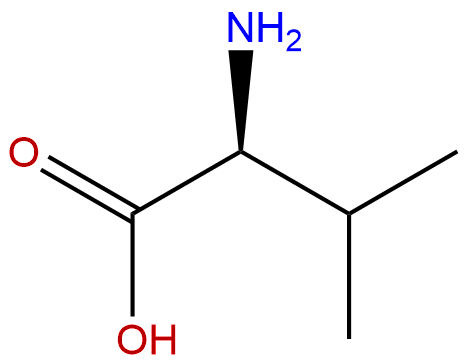
Product name: L-Valine
Synonym name:
Catalogue No.: BP3524
Cas No.: 72-18-4
Formula: C5H11NO2
Mol Weight: 117.148
Botanical Source:
Physical Description:
Type of Compound: Amino Acids
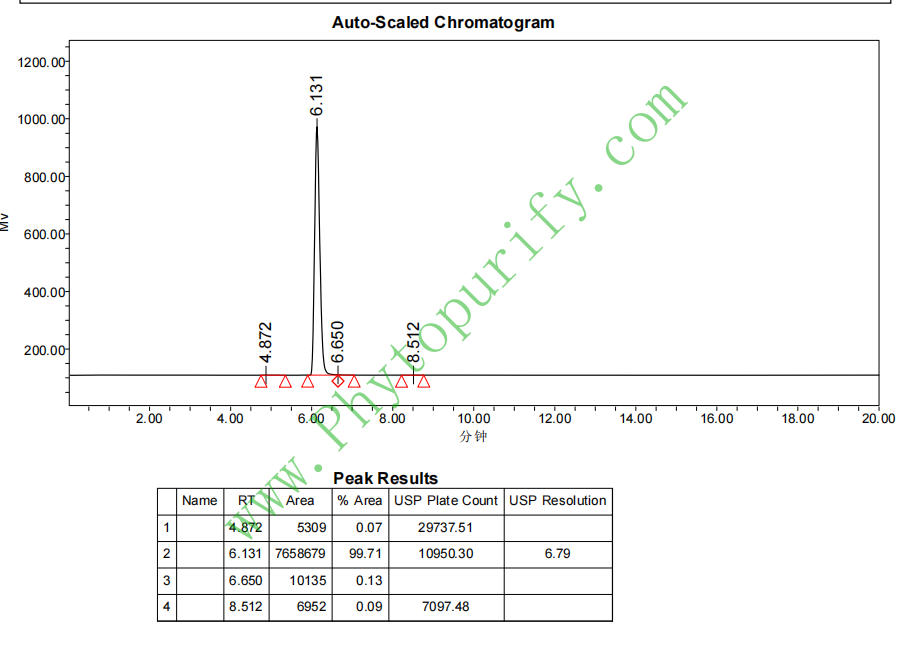
Purity: 95%~99%
Analysis Method: HPLC-DAD or/and HPLC-ELSD
Identification Method: Mass, NMR
Packing: Brown vial or HDPE plastic bottle
Storage: Store in a well closed container, protected from air and light. Put into refrigerate or freeze for long term storage.
Whenever possible, you should prepare and use solutions on the same day. However, if you need to make up stock solutions in advance, we recommend that you store the solution as aliquots in tightly sealed vials at -20℃. Generally, these will be useable for up to two weeks.
The product could be supplied from milligrams to grams
Inquire for bulk scale.
For Reference Standard and R&D, Not for Human Use Directly.
HPLC of L-Valine
Storage conditions:Short-term storage at 2~8℃, long-term storage at -20 ~ -80℃
63.3200
-.6077
-.6119
138.9017
.3312
3.6306
Low
18.2355
2.5270
Yes
Yes
No
No
No
No
0.0
No
No
No
No
Natural products, as an important source of drug discovery, play an irreplaceable role in the long history of human fight against diseases. Among them, amino acid compounds are not only the basic units that make up proteins in living organisms, but also have attracted much attention due to their unique physiological regulatory functions. Among numerous natural amino acids, L-Valine, as a branched chain amino acid, has already surpassed the scope of pure nutrition in terms of biological functions, demonstrating multidimensional and deep-seated pharmacological activities. In recent years, with the deepening of research on metabolic diseases, drug-resistant bacterial infections, and cell signaling transduction networks, the potential medicinal value of L-valine has been re examined and explored.
L-Valine, also known as (S) -2-amino-3-methylbutyric acid, is one of the eight essential amino acids in the human body. It plays a key role in protein synthesis, muscle metabolism, neurotransmitter regulation, and immune response. Traditionally, L-valine has been considered a nutritional supplement used to promote muscle growth, repair tissues, and improve athletic performance. However, recent scientific research has revealed that L-valine has more complex and important pharmacological functions. It can reverse the resistance of multidrug-resistant bacteria by activating the PI3K/Akt signaling pathway and inhibiting arginase activity; Meanwhile, it can also induce lipid peroxidation in blue-green algae, exhibiting environmental biological effects. In addition, L-valine has close interactions with core nodes of the mTOR signaling pathway (such as MTOR, EIF4EBP1, RPS6KB1, RPTOR, MLST8) in the protein synthesis regulatory network, which makes it a hub in cell growth, proliferation, and metabolic regulation.
From the perspective of medicinal chemistry, L-valine has ideal pharmacological characteristics: low molecular weight (117.1480 Da), good water solubility (138.9017 mg/mL), negative LogP (-0.6077), indicating strong hydrophilicity, difficulty in penetrating the blood-brain barrier, and no risk of hERG inhibition. The Ames test result is negative, and the genetic toxicity risk is low. These physicochemical properties provide a solid foundation for L-valine as a candidate drug or lead compound. However, its low blood-brain barrier permeability also limits its application in central nervous system diseases.
This article aims to systematically review the chemical structure, natural sources, extraction processes, pharmacological activities, molecular mechanisms, pharmacological evaluation, and clinical application prospects of L-valine, in order to provide comprehensive academic references for the in-depth research and development of this ancient and novel natural product.
The chemical structure of L-valine belongs to the alpha amino acid family, with a molecular formula of C ₅ H ₁₁ NO ₂ and a simple structural formula of (CH3) ₂ CHCH (NH ₂) COOH. Its core structure consists of a central chiral carbon atom (C α) connected to an amino group (- NH ₂), a carboxyl group (- COOH), a hydrogen atom, and an isopropyl side chain (- CH (CH3) ₂). Due to its S configuration, the chiral carbon is named (S) - Valine. This unique branched structure endows L-valine with hydrophobicity and steric hindrance effects that distinguish it from other amino acids.
In terms of physicochemical properties, L-valine has a molecular weight of 117.1480 Da and belongs to small molecule compounds. Its lipid water partition coefficient LogP is -0.6077, indicating that its hydrophilicity is significantly stronger than its lipophilicity, which makes it have good solubility in aqueous environments. Experimental measurements and computational simulations have shown that the water solubility of L-valine is as high as 138.9017 mg/mL, far higher than many small molecule drugs. This high water solubility is beneficial for its rapid distribution and excretion in the body, but it also means that its transmembrane passive diffusion ability is weak.
Topological Polarity Surface Area (TPSA) is an important parameter for evaluating the membrane permeability and oral bioavailability of compounds. The TPSA of L-valine is 63.3200 Å ², which is at a moderate level and suggests that it may have some passive diffusion ability, but mainly relies on active transporters (such as amino acid transporters) for transmembrane transport. It is worth noting that the blood-brain barrier permeability of L-valine is rated as "low", which is consistent with most polar amino acids, as there is strict transport selectivity on brain capillary endothelial cells, limiting the passive diffusion of free amino acids.
In terms of safety evaluation, L-valine exhibits extremely low toxicity risk. The hERG inhibition test result is negative, indicating a low risk of cardiac toxicity and low susceptibility to QT interval prolongation. The Ames test result is 0.0, indicating no mutagenicity and extremely low genetic toxicity risk. These data collectively support the positioning of L-valine as a highly safe natural product.
In addition, L-valine exhibits nonlinear optical properties in the solid state due to its intramolecular charge transfer and chiral structure. This characteristic also makes it have certain potential applications in the field of materials science, but this article focuses on its pharmacological value.
L-Valine, as a component of proteins, is widely present in nature. All protein containing organisms, including animals, plants, and microorganisms, can serve as sources of L-valine. In the plant kingdom, the content of L-valine varies depending on species, tissue location, growth stage, and environmental conditions. Plant tissues rich in protein, such as seeds of leguminous plants (soybeans, peas, fava beans), germ of grains (wheat germ, corn germ), and certain algae (spirulina, microalgae), have relatively high levels of L-valine. In addition, some medicinal plants such as Astragalus membranaceus, Goji berry, and Ganoderma lucidum also contain abundant free and bound L-valine in their fruiting bodies and mycelium.
The methods for extracting L-valine from plants are mainly divided into traditional extraction methods and modern biotechnology methods. Traditional extraction methods typically involve acid hydrolysis, alkaline hydrolysis, or enzymatic hydrolysis to break down plant proteins into amino acid mixtures, which are then separated and purified using techniques such as ion exchange chromatography, crystallization, or electrodialysis. For example, using soybean meal as raw material, after hydrolysis with hydrochloric acid, amino acids can be adsorbed by cation exchange resin, and then eluted with different concentrations of ammonia water or buffer gradient to achieve the separation of L-valine from other amino acids (such as leucine and isoleucine). However, acid hydrolysis method generates a large amount of waste acid and may lead to racemization of some amino acids, affecting the optical purity of the product.
The modern biotechnology principles focus more on fermentation and enzymatic synthesis. The fermentation method utilizes engineering strains with high production of L-valine, such as Corynebacterium glutamicum and Escherichia coli, to block the degradation pathway of branched chain amino acids and enhance their synthesis pathway through metabolic engineering under optimized culture medium and fermentation conditions, achieving efficient accumulation of L-valine. High purity L-valine can be obtained from the fermentation broth through steps such as centrifugation, microfiltration, ion exchange, concentration, and crystallization. Enzymatic synthesis utilizes L-amino acid acylase or transaminase, using inexpensive substrates such as ketone acids and ammonia donors as raw materials, to stereoselectively synthesize L-valine under mild conditions. It has the advantages of mild reaction conditions and high optical purity of the product.
In laboratory research, commonly used extraction methods include: crushing plant samples, extracting them with an ethanol water mixed solvent (such as 70% ethanol) at room temperature or heating conditions, centrifuging and filtering the extract, and using high-performance liquid chromatography (HPLC) or liquid chromatography-mass spectrometry (LC-MS) for qualitative and quantitative analysis. For the extraction of free amino acids, trichloroacetic acid or sulfosalicylic acid is usually used to precipitate the protein, and the supernatant is taken for analysis.
The pharmacological activity research of L-valine has expanded from the traditional field of nutrition to multiple cutting-edge areas such as anti infection, anti-tumor, and metabolic regulation. The main pharmacological activities are described below.
One of the most notable pharmacological activities of L-valine is its inhibitory effect on multidrug-resistant bacteria. Research has shown that L-valine can significantly inhibit the growth of clinical isolates such as methicillin-resistant Staphylococcus aureus (MRSA) and carbapenem resistant Pseudomonas aeruginosa. Its mechanism of action is not direct sterilization, but through regulating the host immune microenvironment and bacterial metabolic pathways. Specifically, L-valine can activate the PI3K/Akt signaling pathway, thereby inhibiting the activity of arginase. Arginase is present in both bacteria and host cells, and its increased activity consumes L-arginine, leading to reduced synthesis of nitric oxide (NO) and weakening the bactericidal ability of host macrophages. L-Valine inhibits arginase, restores L-arginine levels, promotes NO production, and enhances host immune defense. Meanwhile, L-valine itself can also be taken up by bacteria, disrupting their protein synthesis and metabolic balance, thereby inhibiting bacterial proliferation.
In addition, L-valine has an inhibitory effect on cyanobacteria such as Microcystis. Research has found that L-valine can induce lipid peroxidation in blue-green algae cells, leading to a large accumulation of malondialdehyde (MDA), disrupting cell membrane integrity, and ultimately causing cell death. This discovery provides a potential biological control strategy for controlling blue-green algae blooms in water bodies.
The role of L-valine in tumor metabolism is dual. On the one hand, as an essential amino acid, tumor cells have a high demand for L-valine to support their rapid proliferation. On the other hand, exogenous supplementation of L-valine can affect tumor cell growth by regulating the mTOR signaling pathway. MTOR complex 1 (mTORC1) is a core regulatory factor for cell growth and metabolism, and its activity is strictly regulated by amino acids, especially branched chain amino acids. L-Valine can activate mTORC1, promote the phosphorylation of downstream effector molecules such as EIF4EBP1 and RPS6KB1, thereby enhancing protein synthesis and cell proliferation. However, in some tumor models, excessive supplementation of L-valine actually induces metabolic stress and cell apoptosis, which may be related to the vulnerability of tumor cells to amino acid metabolism.
L-Valine plays an important role in muscle metabolism. It can promote muscle protein synthesis and inhibit protein breakdown, therefore it is widely used as an adjuvant therapy for sports nutrition and muscle atrophy. The mechanism mainly involves activating the mTORC1 signaling pathway, upregulating the expression of RPTOR and MLST8, promoting ribosome biogenesis and translation initiation. In addition, L-valine can also regulate insulin sensitivity, improve glucose metabolism, and have a certain improvement effect on type 2 diabetes.
Although L-valine has low blood-brain barrier permeability, there is still a small amount that can enter the central nervous system through amino acid transporters. In the nervous system, L-valine is involved in the synthesis of neurotransmitters and energy metabolism. Animal experiments have shown that L-valine supplementation can improve cognitive function, alleviate oxidative stress damage, and have a certain protective effect on Alzheimer's and Parkinson's disease models. However, its clinical efficacy still needs further validation.
The pharmacological mechanism of L-valine involves multiple signaling pathways and molecular targets, among which the most central are the mTOR signaling pathway and the PI3K/Akt signaling pathway.
MTOR (mammalian target protein of rapamycin) is a serine/threonine kinase that forms two functionally distinct complexes: mTORC1 and mTORC2. MTORC1 is highly sensitive to amino acids, especially branched chain amino acids, and is a key node for cells to perceive nutritional status and regulate synthetic metabolism. L-Valine activates mTORC1 through the following mechanism:
The PI3K/Akt signaling pathway is an important pathway that regulates cell survival, proliferation, and metabolism. L-Valine can activate PI3K, which in turn phosphorylates Akt (protein kinase B). The activation of Akt has multiple downstream effects:
The mechanism of action of L-valine in blue-green algae is different from the above. It can induce the production of reactive oxygen species (ROS), trigger a chain reaction of lipid peroxidation, and lead to the accumulation of MDA. MDA is a strong crosslinking agent that can disrupt membrane lipid and protein functions, ultimately leading to cell death. This mechanism may involve interference of L-valine on the electron transport chain of cyanobacteria or inhibition of the antioxidant enzyme system.
L-Valine, as a substrate for protein synthesis, directly affects translation efficiency in terms of its supply level. In addition, L-valine plays a regulatory role in the initiation and elongation stages of translation through the mTORC1-EIF4EBP1-RPS6KB1 axis. The phosphorylation state of EIF4EBP1 is a key switch for translation initiation, while RPS6KB1 regulates the expression of ribosomal proteins and elongation factors. Therefore, L-valine finely regulates protein synthesis through a dual mechanism of substrate supply and signal regulation.
L-Valine, as a natural amino acid, requires a comprehensive analysis of its pharmacological properties from the perspectives of medicinal chemistry, pharmacokinetics, and toxicology.
According to the provided pharmacological parameters, L-valine exhibits good drug like properties:
- molecular weight(117.1480 Da): Far below the upper limit of the "Five Rules for Drug Types" of 500 Da, it is beneficial for oral absorption and membrane permeability.
- LogP(-0.6077): Strong hydrophilicity and good water solubility, but poor lipid solubility, which may lead to weak passive diffusion ability.
- TPSA(63.3200 Å ²): At a moderate level, indicating that it may be absorbed through active transporters and is not easily able to penetrate the blood-brain barrier.
- Water solubility(138.9017 mg/mL): Extremely high, beneficial for formulation development and in vivo distribution.
- blood-brain barrier(Low): It limits the application of central nervous system diseases, but reduces the risk of central toxicity.
- HERG inhibition(No): Low risk of cardiac toxicity.
- Ames test(0.0): No mutagenicity, low risk of genetic toxicity.
Overall, L-valine meets the basic requirements for oral medication, but attention should be paid to its absorption characteristics that rely on active transporters.
The pharmacokinetic study of L-valine is mainly based on its background as a nutritional supplement. After oral administration, L-valine is mainly absorbed into the bloodstream through amino acid transporters (such as B ⁰ AT1, LAT1) on small intestinal epithelial cells. Its absorption rate is affected by the competitive inhibition of other amino acids in the food. The peak plasma concentration usually reaches 1-2 hours after oral administration. Due to its small molecular weight and high water solubility, L-valine is widely distributed in the body, mainly in tissues such as muscles, liver, and kidneys. Its metabolic pathways mainly include: participating in protein synthesis, transamination to produce ketone acids (α - ketoisovaleric acid) entering the tricarboxylic acid cycle, and a small amount excreted through the kidneys. The half-life is about 1-2 hours, and the clearance rate is relatively fast.
In drug development, rapid clearance and low bioavailability (limited by active transport saturation) of L-valine are the main challenges. Through prodrug design (such as esterification, peptidation) or nanoformulation technology, its pharmacokinetic properties may be improved.
L-Valine, as a food and nutritional supplement, has extremely high safety. Long term high-dose intake (several grams per day) has not shown serious adverse reactions in healthy individuals, with occasional gastrointestinal discomfort. However, in patients with specific disease states (such as maple syrup urine syndrome), the accumulation of L-valine can lead to neurotoxicity due to deficiencies in branched chain amino acid metabolism. Therefore, individual metabolic differences need to be considered in clinical applications.
Based on the multiple pharmacological activities of L-valine, its clinical application prospects are broad, but it also faces many challenges.
The potential of L-valine as a drug resistance reversal agent is particularly prominent. By activating the PI3K/Akt pathway to inhibit arginase, L-valine can enhance host immune response and synergistically eliminate multidrug-resistant bacteria. In the future, a combination of L-valine and existing antibiotics can be developed for the treatment of refractory infections such as MRSA and Pseudomonas aeruginosa. In addition, the inhibitory effect of L-valine on blue-green algae provides new ideas for environmental governance, but its long-term impact on aquatic ecosystems needs to be evaluated.
The application of L-valine in tumor treatment needs to be carefully designed. Given the dual role of the mTOR pathway in tumors, supplementing L-valine alone may promote the growth of certain tumors. However, utilizing L-valine as a "metabolic trap" by restricting its supply or interfering with its metabolism may become an anti-tumor strategy. For example, developing L-valine analogs or transporter inhibitors to block the amino acid supply to tumor cells. In addition, L-valine can be used as an adjuvant therapy for mTOR inhibitors to regulate the therapeutic window.
L-Valine has clear application value in improving muscle atrophy, promoting postoperative recovery, and treating cachexia. Clinical studies have confirmed that supplementation with branched chain amino acids can improve muscle mass in patients with cirrhosis. In the future, L-valine sustained-release formulations or compound amino acid formulas can be developed for the management of chronic wasting diseases.
Although the blood-brain barrier has low permeability, L-valine may play a role in central nervous system diseases through nasal administration or modification of transporters. Its antioxidant and anti-inflammatory properties are beneficial for neuroprotection, but more clinical evidence is needed to support it.
The main challenges faced by the clinical application of L-valine include pharmacokinetic properties (rapid clearance, active transport saturation), dose-dependent effects (high doses may cause metabolic disorders), and individual metabolic differences (such as maple syrup urine patients). Future research directions should focus on:
- Structural modification Develop L-valine prodrugs or derivatives to improve oral bioavailability and tissue targeting.
- Formulation innovation Utilizing technologies such as nanoliposomes and polymer micelles to achieve sustained release or targeted delivery.
- Deepening mechanism Using omics techniques and systems biology methods, comprehensively analyze the role of L-valine in complex disease networks.
- clinical translation Conduct high-quality randomized controlled trials to verify its efficacy and safety in anti infection and tumor adjuvant therapy.
L-Valine, a seemingly simple branched chain amino acid, actually contains rich pharmacological activities and complex molecular regulatory mechanisms. From traditional nutritional supplements to emerging drug resistance reversal agents, from fine regulation of the mTOR signaling pathway to PI3K/Akt mediated immune enhancement, research on L-valine is constantly expanding the boundaries of our understanding of natural product pharmacology. The ideal pharmacological parameters and low toxicity risk have laid a solid foundation for its clinical translation. However, from laboratory discoveries to clinical applications, it is still necessary to overcome pharmacokinetic bottlenecks, clarify dose-response relationships, and gain a deeper understanding of their multiple roles in complex disease microenvironments. With the advancement of metabolomics, medicinal chemistry, and precision medicine, L-valine is expected to play a unique role in fields such as anti infection, tumor metabolism, and muscle protection, becoming a rediscovered gem in the development of natural product drugs. Future research should uphold systematicity and innovation, fully tapping into the modern medicinal potential of this ancient amino acid.
