Introduction/Overview
Natural products, as an important source of drug discovery, play an irreplaceable role in the long history of human struggle against diseases. Rhodiola rosea(Rhodiola rosea L. As a traditional medicinal plant, it has been used for hundreds of years in folk medicine in Asia and Europe, mainly for anti fatigue, anti hypoxia, enhancing physical strength, and improving cognitive function. Salidroside, also known as 2- (4-hydroxyphenyl) ethyl - β - D-glucopyranoside, is one of the most important active ingredients in Rhodiola plants. Modern pharmacological studies have shown that it has a wide range of biological activities, including antioxidant, anti-inflammatory, anti apoptotic, neuroprotective, anti-tumor, and anti-aging effects.
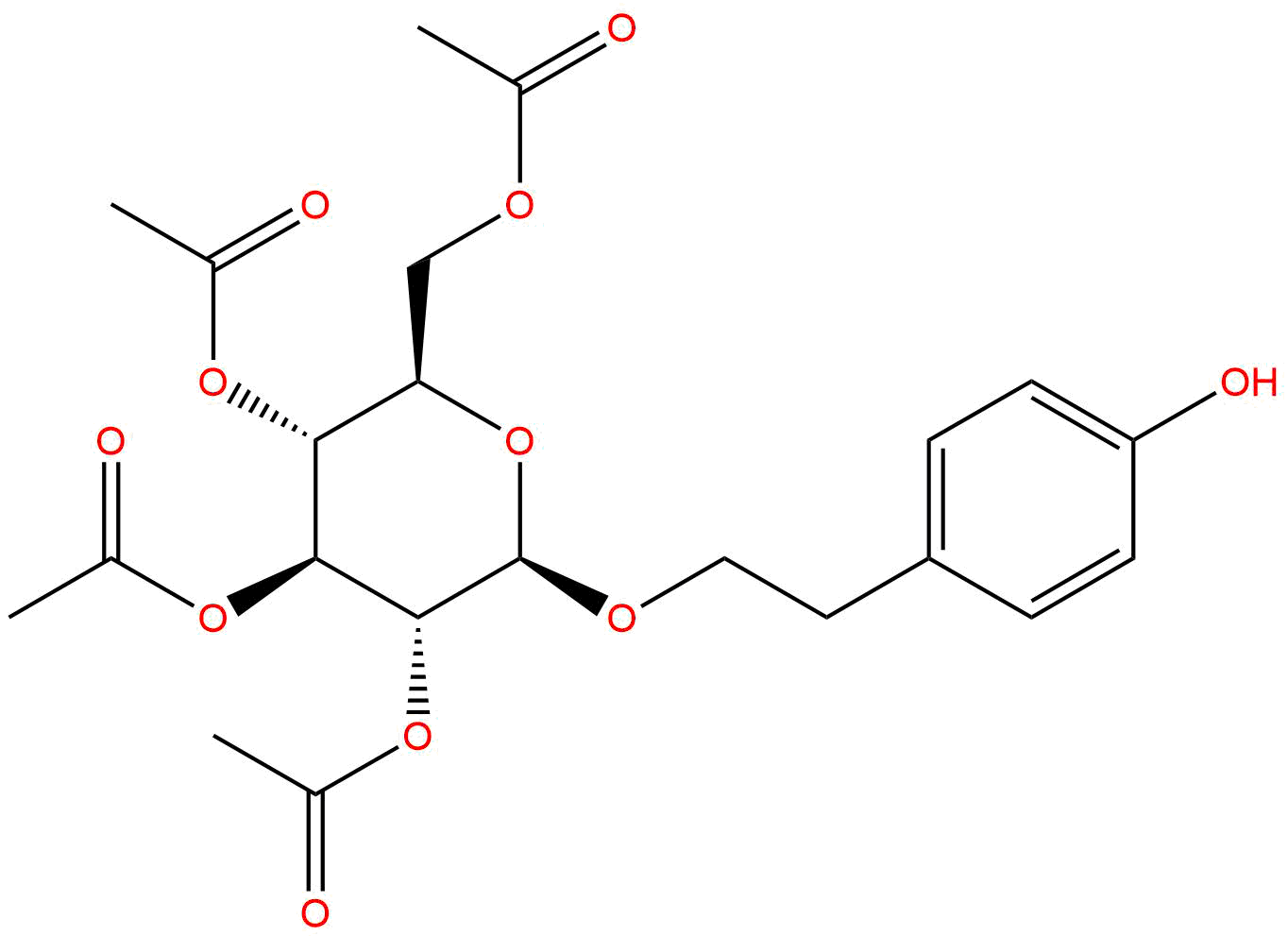
However, natural products often face many challenges in the process of drug development, among which low bioavailability and unstable metabolism are key bottlenecks that restrict their clinical translation. Rhodiola glycoside, as a highly polar glycoside compound, contains multiple hydroxyl groups in its molecule, resulting in poor lipid solubility and difficulty in crossing biofilm barriers, leading to low oral bioavailability. To improve this situation, medicinal chemists have attempted to optimize its pharmacokinetic properties through structural modifications. 2,3,4,6-tetraacetylsalidroside (CAS number: 28251-63-0) is a prodrug molecule designed based on this idea, characterized by the substitution of acetyl groups on all four hydroxyl groups (2,3,4,6 positions) of the glucose group of salidroside. This acetylation modification strategy aims to enhance the lipid solubility of the molecule, promote its absorption in the intestine, and potentially alter its distribution and metabolic characteristics in the body.
In recent years, research on 2,3,4,6-tetraacetylsalidroside has gradually increased, especially in the field of neurological diseases such as cerebral ischemia, showing unique therapeutic potential. Cerebral ischemia is a pathological state caused by insufficient blood supply to the brain, and its pathogenesis involves multiple links such as energy metabolism disorders, excitotoxicity, oxidative stress, inflammatory response, cell apoptosis, and blood-brain barrier disruption. Existing studies have shown that 2,3,4,6-tetraacetylsalidroside can exert multi-target and multi pathway neuroprotective effects by regulating multiple key targets, such as AMPK (PRKAA1), BCL2, APP, BACE1, PTPN1, ABCB1, APEX1, PRKCA, CLEC4E, and MAPT. This article will provide a systematic review of the research progress of 2,3,4,6-tetraacetylsalidroside from the aspects of chemical structure, plant origin, pharmacological activity, mechanism of action, pharmacological evaluation, and clinical application prospects, in order to provide reference for the further development of this compound.
Chemical structure and physicochemical properties
The chemical structure of 2,3,4,6-tetraacetylsalidroside is based on the salidroside core, which is composed of a aglycone (2- (4-hydroxyphenyl) ethanol, also known as tyrosol) connected to β - D-glucopyranose through glycosidic bonds. Unlike salidroside, the hydroxyl groups at positions 2, 3, 4, and 6 on the glucose residue of this compound are all replaced by acetyl groups (- COOCH3), forming tetraacetylated derivatives. This structural modification significantly alters the physicochemical properties of the molecule.
From the molecular formula, the molecular formula of 2,3,4,6-tetraacetylsalidroside is C ₂ ₂ H ₂ ₈ O ₁ ₁, with a molecular weight of 468.4550 g/mol, which is about 168 Da larger than salidroside (molecular weight of about 300.30 g/mol), mainly due to the introduction of four acetyl groups. In terms of lipid solubility, its calculated LogP value is 1.0128, significantly higher than that of salidroside (LogP is about -0.5 to -1.0), indicating that acetylation modification effectively enhances the lipid solubility of the molecule. This characteristic is of great significance for improving the absorption of drugs through the intestinal mucosa and penetrating the biofilm barrier. The topological polar surface area (TPSA) is 143.8900 Å ², which is still at a moderately high level, but has decreased compared to salidroside (TPSA of about 180 Å ²), which is beneficial for the transmembrane transport of molecules to some extent.
In terms of water solubility, the predicted water solubility value of this compound is 1.3512 mg/mL, which belongs to moderate solubility. Compared with salidroside (which has a high water solubility of up to tens of mg/mL), its water solubility has decreased slightly, but considering its improved lipid solubility, this balance may be more favorable for the absorption of oral drugs. It is worth noting that the compound's blood-brain barrier (BBB) penetration ability was evaluated as "low", which means it may not be easily able to freely pass through the blood-brain barrier under physiological conditions. However, for diseases such as cerebral ischemia, the blood-brain barrier is often disrupted in pathological conditions, leading to increased permeability, which may provide opportunities for drugs to enter brain tissue. In addition, the core of the prodrug design strategy is that 2,3,4,6-tetraacetylsalidroside can be hydrolyzed by esterases in vivo, gradually removing the acetyl group and releasing the active parent drug salidroside, thereby exerting pharmacological effects at the target site.
From the perspective of chemical stability, the introduction of acetyl groups enhances the molecule's tolerance to acidic and alkaline environments, which may improve its stability in the gastrointestinal tract. Meanwhile, the compound showed a negative result in the hERG inhibition assessment, indicating a low risk of cardiac toxicity; The Ames test result is 0.0, indicating a low risk of mutagenicity and good preliminary safety characteristics. These physicochemical properties and safety parameters lay a favorable foundation for further drug development of 2,3,4,6-tetraacetylsalidroside.
Plant sources and extraction methods
2,3,4,6-tetraacetylsalidroside is not a naturally occurring secondary metabolite, but an artificial derivative obtained by structural modification of the natural product salidroside through chemical synthesis. Therefore, its "plant origin" actually refers to the natural source of its precursor compound salidroside. Rhodiola glycoside is widely present in the Crassulaceae family, Crassulaceae genus(Rhodiola)Among plants, Rhodiola rosea is one of them(Rhodiola rosea L. The content is the most abundant. In addition, Dahua Hongjingtian(Rhodiola crenulata)Narrow leaved Rhodiola rosea(Rhodiola kirilowii)High mountain Rhodiola rosea(Rhodiola algida)Species also contain varying levels of salidroside.
The content of salidroside in plants is influenced by various factors, including variety, growth environment, harvest season, altitude, and processing methods. Generally speaking, the content of salidroside in wild Rhodiola rosea is higher than that in cultivated varieties, and the content in the rhizomes is usually higher than that in the aboveground parts. The traditional methods for extracting salidroside mainly include solvent extraction, ultrasound assisted extraction, microwave-assisted extraction, enzyme assisted extraction, and supercritical fluid extraction. The commonly used extraction solvent is an ethanol water mixture system (such as 50% -70% ethanol), and the extraction temperature is controlled at 50-70 ℃ to avoid degradation of the active ingredient. The extract can be purified by concentration, defatting, and macroporous adsorption resin column chromatography (such as D101, AB-8 resin) to obtain crude salidroside, which can be further refined by silica gel column chromatography or preparative high-performance liquid chromatography to obtain high-purity salidroside.
The synthesis of 2,3,4,6-tetraacetylsalidroside usually starts from salidroside and adopts the classical acetylation reaction. Specifically, salidroside is dissolved in anhydrous pyridine or acetic anhydride and reacted with excess acetic anhydride in the presence of a catalytic amount of 4-dimethylaminopyridine (DMAP). The reaction conditions are mild (at room temperature or below 50 ℃), and the reaction time is usually 4-12 hours. After the reaction is complete, the solvent is removed by vacuum distillation, and the residue is purified by silica gel column chromatography (petroleum ether/ethyl acetate gradient elution) or recrystallization to obtain the target product. This synthetic route has a high yield (usually above 80%), is easy to operate, and is suitable for laboratory scale preparation. In recent years, there have also been studies exploring more green and efficient synthesis methods, such as using ionic liquids or enzyme catalyzed acetylation, but they have not yet been widely applied.
It is worth noting that the optimization of the synthesis process of 2,3,4,6-tetraacetylsalidroside, as a prodrug of salidroside, is crucial for subsequent pharmacological research and industrial development. In the future, with the deepening of research on salidroside and its derivatives, developing low-cost, high-purity, and environmentally friendly synthetic processes will be one of the key links to promote the clinical translation of this compound.
Pharmacological activity research
The pharmacological activity research of 2,3,4,6-tetraacetylsalidroside is still in the early exploration stage, but there is evidence to suggest its potential biological activity in multiple disease models, especially in the protection against cerebral ischemic injury.
Neuroprotective effect and cerebral ischemic injury
Cerebral ischemia is one of the main causes of death and long-term disability, and its pathological and physiological mechanisms are complex, involving multiple links such as energy depletion, excitotoxicity, oxidative stress, inflammatory response, cell apoptosis, and blood-brain barrier disruption. Research has shown that 2,3,4,6-tetraacetylsalidroside exhibits significant neuroprotective effects in cerebral ischemia models. In vitro experiments were conducted using an oxygen glucose deprivation/reoxygenation (OGD/R) model to simulate cerebral ischemia-reperfusion injury. It was found that pretreatment with 2,3,4,6-tetraacetylsalidroside significantly increased the survival rate of nerve cells (such as PC12 cells and primary cortical neurons), reduced lactate dehydrogenase (LDH) release, lowered intracellular reactive oxygen species (ROS) levels, and inhibited cell apoptosis. In vivo experiments, using a rat model of middle cerebral artery occlusion (MCAO), intraperitoneal injection or oral administration of 2,3,4,6-tetraacetylsalidroside can significantly reduce the volume of cerebral infarction, improve neurological deficit scores, and alleviate the degree of brain edema. These effects are similar to those of its parent compound salidroside, but at lower effective doses, suggesting that acetylation modification may enhance bioavailability.
Antioxidant and anti apoptotic activity
Oxidative stress and cell apoptosis are the core pathological processes of cerebral ischemic injury. 2,3,4,6-tetraacetylsalidroside can exert antioxidant effects through various pathways. On the one hand, it can directly eliminate free radicals, reduce intracellular ROS and malondialdehyde (MDA) levels; On the other hand, it can upregulate the activity of antioxidant enzymes such as superoxide dismutase (SOD), glutathione peroxidase (GSH Px), and catalase (CAT). In terms of anti apoptosis, this compound can upregulate the expression of anti apoptotic protein BCL2, downregulate the expression of pro apoptotic protein BAX, inhibit the activation of caspase-3, and thus block the mitochondrial mediated endogenous apoptosis pathway. In addition, it can regulate apoptosis related signaling pathways such as PI3K/Akt and MAPK/ERK pathways, further enhancing cell survival signals.
anti-inflammatory activity
Neuroinflammation plays an important role in the progression of cerebral ischemic injury. 2,3,4,6-tetraacetylsalidroside can inhibit excessive activation of microglia and astrocytes, reduce the release of pro-inflammatory cytokines such as tumor necrosis factor - α (TNF - α), interleukin-1 β (IL-1 β), and interleukin-6 (IL-6). Its anti-inflammatory mechanism may be related to the inhibition of the nuclear factor kappa B (NF - κ B) signaling pathway and the activation of NLRP3 inflammasome. It is worth noting that the compound can also regulate the expression of CLEC4E (member E of the C-type lectin domain family 4), which plays an important role in innate immune response, suggesting that it may exert anti-inflammatory effects by regulating the immune microenvironment.
The impact on amyloid metabolism
The regulatory effects of 2,3,4,6-tetraacetylsalidroside on amyloid precursor protein (APP) and β - secretase 1 (BACE1) have attracted the attention of researchers. The abnormal processing of APP and the deposition of A β peptide are the core pathological features of Alzheimer's disease (AD), and BACE1 is a key enzyme for APP to generate A β. Research has shown that this compound can downregulate the expression of APP and BACE1, reduce the production of A β, suggesting its potential for anti AD effects. In addition, it can also regulate the phosphorylation level of microtubule associated protein Tau (MAPT), which is of great significance for maintaining neuronal skeleton stability and preventing the formation of neurofibrillary tangles. These findings suggest that 2,3,4,6-tetraacetylsalidroside may not only be limited to cerebral ischemia protection, but may also have therapeutic value for neurodegenerative diseases.
Other pharmacological activities
In addition to neuroprotective effects, preliminary studies suggest that 2,3,4,6-tetraacetylsalidroside may have other biological activities. For example, it can enhance insulin signaling transduction and improve insulin resistance by inhibiting the activity of protein tyrosine phosphatase 1B (PTPN1), suggesting its potential application in metabolic diseases. In addition, it can regulate the expression of ABCB1 (P-glycoprotein), which may affect the transmembrane transport of drugs and multidrug resistance. APEX1 (depurine/depyrimidine endonuclease 1) is a DNA repair protein, and its activity regulation is also related to the antioxidant and anti apoptotic effects of this compound. The regulation of PRKCA (protein kinase C alpha) may be involved in the regulation of cell proliferation, differentiation, and survival signals.
In summary, 2,3,4,6-tetraacetylsalidroside has shown extensive pharmacological activity in various fields such as cerebral ischemic injury, neurodegenerative diseases, and metabolic diseases. However, its specific effects and potential mechanisms still require further experimental verification.
Mechanism of action and molecular targets
The pharmacological mechanism of 2,3,4,6-tetraacetylsalidroside involves the synergistic regulation of multiple molecular targets and signaling pathways. Based on existing research, its mechanism of action can be elucidated from the following aspects.
Energy metabolism regulation: AMPK signaling pathway
AMP activated protein kinase (AMPK, encoded by the PRKAA1 gene) is a core sensor of cellular energy metabolism, activated under energy stress conditions such as cerebral ischemia. Research has shown that 2,3,4,6-tetraacetylsalidroside can activate the AMPK signaling pathway, promote glucose uptake and fatty acid oxidation, and improve energy metabolism disorders. Activation of AMPK can also inhibit mTOR signaling, reduce protein synthesis, save energy, induce autophagy, clear damaged organelles and protein aggregates, thereby protecting neurons from ischemic damage. In addition, the activation of AMPK is closely related to the upregulation of the antioxidant defense system, which can enhance the expression of antioxidant enzymes such as SOD and CAT, and alleviate oxidative stress damage.
Cell Survival and Apoptosis Regulation: BCL2 Family and Mitochondrial Pathway
The BCL2 protein family is a key factor in regulating the mitochondrial mediated endogenous apoptosis pathway. 2,3,4,6-tetraacetylsalidroside can upregulate the expression of anti apoptotic protein BCL2 and downregulate the expression of pro apoptotic proteins BAX and BID, thereby maintaining the permeability of the mitochondrial outer membrane and preventing the release of cytochrome c into the cytoplasm. This effect further inhibits the cascade activation of caspase-9 and caspase-3, ultimately blocking the execution of apoptosis. In addition, the compound can activate the PI3K/Akt signaling pathway by phosphorylating Bad protein (BCL2 related death promoter) to inactivate it, further enhancing anti apoptotic signaling.
Starch like protein metabolism regulation: APP/ACE1 pathway
The abnormal processing of apps is a key link in the onset of Alzheimer's disease. 2,3,4,6-tetraacetylsalidroside can downregulate the gene and protein expression levels of APP and BACE1, reduce the cleavage of APP by β - secretase, and thus decrease the generation of A β peptide. The mechanism may involve transcriptional regulation, such as inhibiting the activity of transcription factors such as NF - κ B or STAT3, which can bind to the BACE1 promoter region to promote its transcription. In addition, the compound may also promote the non amyloid protein production pathway of APP by activating alpha secretase (ADAM10), further reducing the production of A β. The regulation of MAPT (Tau protein) is reflected in the inhibition of its excessive phosphorylation, which may be achieved by regulating the activity of kinases such as GSK-3 β and CDK5.
Inflammation and immune regulation: CLEC4E and NF - κ B pathway
CLEC4E (also known as Mincle) is a C-type lectin receptor primarily expressed on myeloid cells such as macrophages and microglia, involved in recognizing damage associated molecular patterns (DAMPs) and pathogen associated molecular patterns (PAMPs), and activating innate immune responses. In cerebral ischemic injury, DAMPs released by necrotic cells can activate CLEC4E, thereby triggering the downstream NF - κ B signaling pathway and promoting the production of pro-inflammatory cytokines. Research has shown that 2,3,4,6-tetraacetylsalidroside can inhibit the expression of CLEC4E or its downstream signal transduction, thereby reducing neuroinflammatory responses. At the same time, the compound can directly inhibit the nuclear translocation and DNA binding activity of NF - κ B, and reduce the transcription of inflammatory mediators such as TNF - α, IL-1 β, and IL-6.
Oxidative stress and DNA damage repair: APEX1
APEX1 (also known as Ref-1) is a multifunctional protein that participates in DNA damage repair in the base excision repair (BER) pathway and has redox regulatory functions, regulating the activity of various transcription factors such as NF - κ B, AP-1, and p53. 2,3,4,6-tetraacetylsalidroside can upregulate the expression of APEX1, enhance the cell's ability to repair oxidative DNA damage, and maintain the activity of transcription factors through the redox activity of APEX1, promoting the expression of cell survival genes. This mechanism, in conjunction with the AMPK and BCL2 pathways, forms the molecular basis for the multi-target neuroprotective effect of this compound.
Other targets: PTPN1, ABCB1, and PRKCA
Protein tyrosine phosphatase 1B (PTPN1) is a negative regulator of the insulin and leptin signaling pathways. 2,3,4,6-tetraacetylsalidroside can inhibit the activity of PTPN1, enhance the phosphorylation levels of insulin receptors and their downstream IRS-1/PI3K/Akt signaling, thereby improving insulin sensitivity. ABCB1 (P-glycoprotein) is an important efflux transporter on the blood-brain barrier, limiting the entry of various drugs into brain tissue. This compound can regulate the expression or function of ABCB1, which may affect its drug efflux activity under cerebral ischemia conditions. PRKCA (protein kinase C alpha) is involved in various cellular processes, including cell proliferation, differentiation, apoptosis, and synaptic plasticity. The regulation of PRKCA by 2,3,4,6-tetraacetylsalidroside may be related to its neuroprotective and anti apoptotic effects, but the specific mechanism still needs further clarification.
In summary, 2,3,4,6-tetraacetylsalidroside forms a complex signaling regulatory network by acting on multiple molecular targets such as AMPK, BCL2, APP, BACE1, PTPN1, ABCB1, APEX1, PRKCA, CLEC4E, and MAPT, covering multiple biological processes including energy metabolism, cell survival, amyloid protein metabolism, inflammation and immunity, oxidative stress, and DNA repair. This multi-target and multi pathway mode of action is its unique advantage in treating complex diseases such as cerebral ischemia and neurodegenerative diseases.
Evaluation of drug properties and pharmacokinetics
The evaluation of drug properties is a crucial step in the conversion of natural products into clinical drugs. 2,3,4,6-tetraacetylsalidroside, as a prodrug derivative of salidroside, has undergone significant changes in its pharmacological characteristics compared to the parent compound.
Physical and chemical properties and drug like properties
According to Lipinski's "Rule of Five," an ideal drug like molecule should typically meet the following criteria: molecular weight<500, LogP<5, The number of hydrogen bond donors is less than 5, and the number of hydrogen bond acceptors is less than 10. The molecular weight of 2,3,4,6-tetraacetylsalidroside is 468.4550, which meets the requirement of<500; LogP is 1.0128, far below the threshold of 5; The number of hydrogen bond donors (from phenolic hydroxyl groups on the aglycone) is 1, which meets the requirement of<5; The number of hydrogen bond acceptors (including oxygen on the sugar ring and carbonyl oxygen in the acetyl group) is 11, slightly above the threshold of 10. Overall, the compound basically conforms to the principle of drug likeness, with only a slight excess of hydrogen bond receptors. However, considering its original design intention as a prodrug, this deviation is acceptable. In addition, its TPSA is 143.8900 Å ², which is higher than the recommended upper limit of 140 Å ² for oral medications, but still within an acceptable range.
Pharmacokinetic characteristics
The pharmacokinetic behavior of 2,3,4,6-tetraacetylsalidroside as a prodrug is significantly different from that of the parent drug salidroside. After oral administration, the compound may be partially hydrolyzed by esterases in the gastrointestinal tract, but due to its increased lipid solubility, it is expected to have a better intestinal absorption rate than salidroside. After absorption into the bloodstream, 2,3,4,6-tetraacetylsalidroside can be rapidly hydrolyzed by esterases in the blood and tissues, gradually removing the acetyl group, and sequentially generating triacetyl, diacetyl, and monoacetyl salidroside, ultimately releasing the active parent drug salidroside. This process may occur in plasma, liver, intestinal mucosa, and target tissues such as brain tissue.
In terms of distribution, due to the increase in lipophilicity, 2,3,4,6-tetraacetylsalidroside may have a larger distribution volume and be easier to enter tissues. However, its blood-brain barrier penetration ability was evaluated as' low ', suggesting that under physiological conditions, the compound and its metabolites may have difficulty freely passing through the intact blood-brain barrier. But in pathological states such as cerebral ischemia, the integrity of the blood-brain barrier is disrupted and permeability increases, which may actually provide opportunities for drugs to enter the brain parenchyma. In addition, prodrug strategies may also affect brain distribution by altering transporter mediated uptake and efflux processes. For example, ABCB1 (P-glycoprotein) is the main efflux transporter that restricts the entry of multiple drugs into brain tissue, and the regulatory effect of 2,3,4,6-tetraacetylsalidroside on ABCB1 may further affect its concentration in the brain.
In terms of metabolism, the main metabolic pathway of this compound is esterase catalyzed hydrolysis reaction. In addition, the cytochrome P450 enzyme system in the liver may also be involved in its metabolism, but the specific metabolic pathways and metabolites still need to be further studied. In terms of excretion, metabolites (mainly salidroside and its further metabolites) may be excreted through the kidneys in the form of urine, and some may also be excreted through bile.
safety evaluation
The preliminary safety evaluation results show that 2,3,4,6-tetraacetylsalidroside has good safety characteristics. The hERG inhibition assessment is' no ', indicating a low risk of cardiac toxicity and a low likelihood of causing QT interval prolongation. The Ames test result is 0.0, indicating that it has no mutagenicity and a low risk of genetic toxicity. In addition, based on the safety data of its parent compound salidroside (which exhibits a wide safety window in animal experiments), it can be inferred that the safety of this prodrug derivative may also be relatively good. However, systematic toxicology studies such as acute toxicity, chronic toxicity, reproductive toxicity, and carcinogenicity are still needed to comprehensively evaluate its safety.
Potential for formulation development
The physicochemical properties of 2,3,4,6-tetraacetylsalidroside provide multiple possibilities for its formulation development. Its moderate fat solubility and water solubility make it suitable for development as both oral solid preparations (such as tablets, capsules) and injections. For acute diseases such as cerebral ischemia, injection administration may be more appropriate as it can quickly achieve effective blood drug concentrations. For long-term treatment of neurodegenerative diseases, oral preparations are more convenient. In addition, based on its prodrug properties, sustained-release formulations can be designed to achieve sustained drug release and stable blood drug concentration. Nanoformulations such as liposomes and polymer nanoparticles may also further enhance their bioavailability and brain targeting.
Overall, 2,3,4,6-tetraacetylsalidroside has shown good potential in drug development, but its pharmacokinetic characteristics, in vivo metabolic pathways, and long-term safety still need to be elucidated through systematic preclinical studies.
Clinical application prospects and prospects
2,3,4,6-tetraacetylsalidroside, as a prodrug derivative of salidroside, has shown broad application prospects in multiple disease fields, especially in cerebral ischemia and neurodegenerative diseases.
Cerebral ischemia treatment
Cerebral ischemia is one of the main causes of death and disability, and currently clinical treatment methods are limited, mainly including thrombolytic therapy and neuroprotective therapy. However, thrombolytic therapy has a narrow time window (usually within 4.5 hours after onset) and carries a risk of bleeding; Neuroprotective agents have repeatedly failed in clinical trials, mainly due to low bioavailability, poor blood-brain barrier penetration, and a single target. The multi-target mechanism of action of 2,3,4,6-tetraacetylsalidroside (involving multiple pathways such as energy metabolism, oxidative stress, inflammation, apoptosis, etc.) makes it potential as a novel neuroprotective agent. The prodrug design strategy is expected to improve the pharmacokinetic defects of the parent drug, enhance oral bioavailability and brain tissue distribution. In the future, this compound is expected to be developed as an injection or oral formulation for the treatment of acute ischemic stroke, used alone or in combination with thrombolytic drugs to expand the treatment window and improve prognosis.
Alzheimer disease
Alzheimer's disease (AD) is the most common neurodegenerative disease, characterized by senile plaques formed by A β deposition and neurofibrillary tangles formed by excessive phosphorylation of Tau protein. The regulatory effect of 2,3,4,6-tetraacetylsalidroside on the APP/ACE1 pathway and its inhibitory effect on MAPT phosphorylation make it potentially anti AD. In addition, its antioxidant, anti-inflammatory, and anti apoptotic activities also contribute to improving AD related synaptic dysfunction and neuronal loss. Given the complexity of the pathogenesis of AD, multi-target drugs may have advantages over single target drugs. Therefore, 2,3,4,6-tetraacetylsalidroside is expected to become a candidate compound for AD treatment, but its clinical translation still needs to overcome challenges such as blood-brain barrier penetration.
Metabolic diseases
The inhibitory effect of 2,3,4,6-tetraacetyl salidroside on PTPN1 suggests its potential application in metabolic diseases (such as type 2 diabetes, obesity). PTPN1 is a negative regulator of the insulin signaling pathway, and its inhibitors can enhance insulin sensitivity and improve blood glucose control. In addition, the activation of AMPK by this compound also contributes to improving energy metabolism, promoting fatty acid oxidation, and reducing lipid accumulation. Therefore, 2,3,4,6-tetraacetyl salidroside may be used as an insulin sensitizer or energy metabolism regulator to treat type 2 diabetes and its complications. However, its specific effects and safety in metabolic diseases still need further validation.
Challenges and Prospects
Although 2,3,4,6-tetraacetylsalidroside has shown various potential applications, its clinical translation still faces many challenges. Firstly, its blood-brain barrier penetration is relatively low, and how to effectively increase its concentration in brain tissue is a key issue in the treatment of neurological diseases. Future research directions may include: developing brain targeted delivery systems (such as nanoparticles, liposomes, exosomes); Design a dosing regimen based on the increased permeability of the blood-brain barrier in pathological conditions; Or further optimize the prodrug structure by introducing brain targeting groups. Secondly, the in vivo metabolic pathways and metabolites of this compound are not fully understood and require systematic metabolomics research. In addition, toxicological data on its long-term safety, reproductive toxicity, and drug interactions still need to be supplemented.
Looking ahead to the future, with in-depth research on the pharmacological mechanism and pharmacokinetic characteristics of 2,3,4,6-tetraacetylsalidroside, as well as advances in formulation technology, this compound is expected to move from laboratory research to clinical application. Especially, its therapeutic potential in major neurological diseases such as cerebral ischemia and Alzheimer's disease deserves special attention. Meanwhile, based on its multi-target action characteristics, this compound may also find applications in health promotion fields such as anti-aging, anti fatigue, and improving cognitive function. In summary, 2,3,4,6-tetraacetylsalidroside, as an optimized derivative of salidroside, provides a successful example for the structural modification of natural products and drug development, and its future research progress is worth looking forward to.
Conclusion
2,3,4,6-tetraacetylsalidroside, as a tetraacetylated prodrug derivative of salidroside, significantly improved the physicochemical properties and pharmacokinetic characteristics of the parent compound through structural modification. This compound exhibits multi-target and multi pathway pharmacological activity in multiple fields such as cerebral ischemic injury, neurodegenerative diseases, and metabolic diseases. Its mechanism of action involves the synergistic regulation of multiple molecular targets such as AMPK, BCL2, APP/ACE1, CLEC4E/NF - κ B, APEX1, PTPN1, etc. The drug evaluation shows that the compound has good drug like properties and preliminary safety, but its low blood-brain barrier penetration is still the main bottleneck for its application in neurological diseases.
The research process of 2,3,4,6-tetraacetylsalidroside, from natural products to prodrug derivatives, reflects the importance of the strategy of combining medicinal chemistry and pharmacology in the development of natural products. In the future, with in-depth research on its in vivo metabolism, pharmacological mechanism, and formulation technology, this compound is expected to provide new candidate drugs for the treatment of diseases such as cerebral ischemia. At the same time, its research approach also provides useful references for the structural optimization and clinical translation of other natural glycoside compounds.