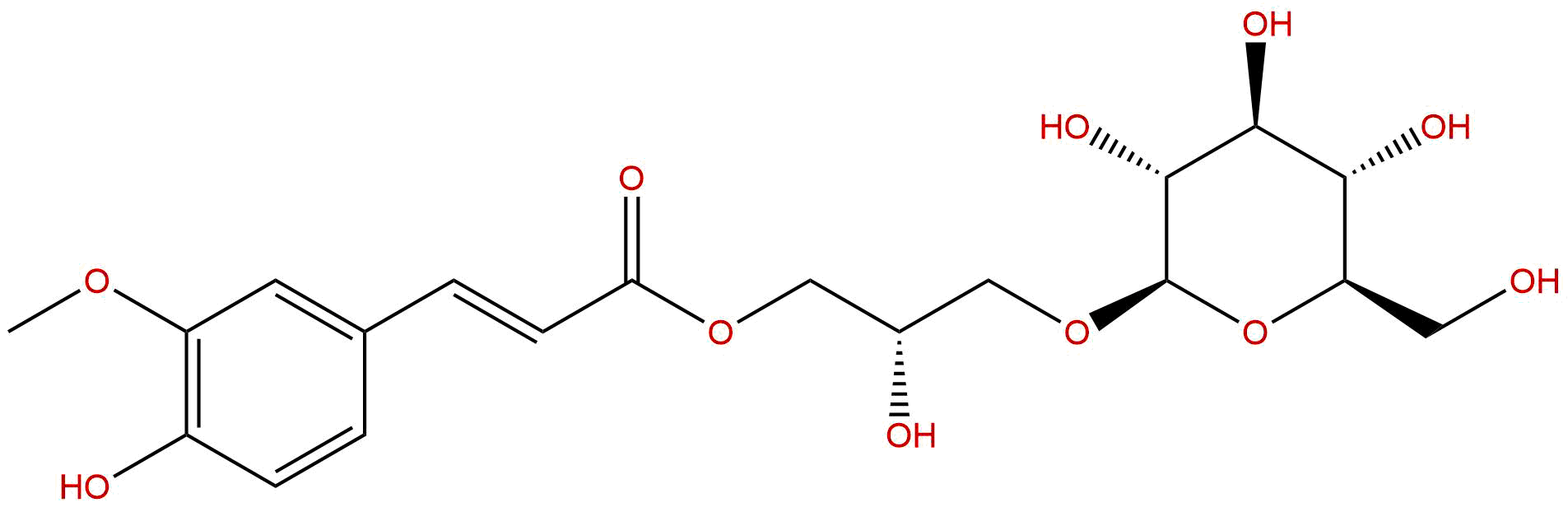
Introduction/Overview
Natural products, as an important source of drug discovery, play an indispensable role in the long history of human fight against diseases. From ancient plant therapies to modern target based drug screening, plant secondary metabolites have always attracted researchers' attention for their unique chemical diversity and biological activity. Among the many plants with medicinal value, the lily genus(Lilium)Plants are not only famous for their ornamental value, but their bulbs have been used for thousands of years as a medicinal and edible substance in East Asia, especially in China, Japan, and Korea. They are commonly used to moisten the lungs, relieve cough, clear the heart, and calm the mind. Modern pharmacological research has revealed that lily bulb extracts have various biological activities such as anti-inflammatory, antioxidant, immune regulation, and anti-tumor effects, which are closely related to their abundant phenolic, steroidal saponins, alkaloids, and other components.
In the chemical composition family of lilies, Regalosides is a representative class of phenolic glycerol glucoside compounds. Among them, Regaloside F (CAS number: 120601-65-2), as an important member of this family, has gradually entered the field of researchers in recent years. Wangyuzhi F is a phenolic glycerol glucoside found in lily bulbs, and its structural characteristics determine its unique physicochemical properties and potential biological activity. Compared with other compounds in the same series, the potential of Wangyuxin F in the field of antiviral is particularly remarkable. Preliminary computer-aided screening and in vitro experiments suggest that this compound may exhibit broad-spectrum antiviral potential by acting on key targets related to multiple virus lifecycles.
Currently, the global public health sector is facing ongoing challenges from viral diseases. Whether it is newly emerging infectious diseases (such as COVID-19) or chronic viral infections (such as HIV) that persist for a long time, there is an urgent need to develop antiviral drugs with new mechanisms of action and low toxicity. Natural products have become an important treasure trove for the development of antiviral drugs due to their novel structure and biocompatibility. As a natural ingredient derived from traditional medicinal and edible plants, Wang Baihe glycoside F has potential antiviral activity, good safety characteristics, and a clear chemical structure, making it a lead compound worthy of further exploration. This article aims to provide a systematic review of the chemical structure, plant origin, extraction process, pharmacological activity, mechanism of action, pharmacological evaluation, and clinical application prospects of Wangyuxin F, in order to provide comprehensive scientific basis for the subsequent research and development of this natural product.
Chemical structure and physicochemical properties
The chemical structure of Regaloside F belongs to the phenolic glycerol glucoside class. From the naming, it can be inferred that its core skeleton is composed of three parts: glycerol, glucose, and phenolic acid, which are connected by glycosidic and ester bonds. Specifically, its structure is usually 1-O-caffeoyl-3-O - β - D-glucopyranosylglycerol or similar phenolic acid substituted derivatives. The caffeoyl group endows the molecule with phenolic properties, while the glucose group increases its water solubility. The unique connection mode of "phenolic acid glycerol sugar" makes it relatively rare in nature and determines its biological function different from simple phenolic or flavonoid glycosides.
From the perspective of physical and chemical properties, the molecular weight of Wangyuxin F is 430.4060 Da, belonging to the category of small molecule compounds. This provides a structural basis for its transmembrane transport and interaction with biomolecules such as proteins and nucleic acids. The lipid water partition coefficient (LogP) of the compound is -0.6863, which is a negative value indicating significant water solubility and weak lipophilicity. This characteristic is closely related to the presence of multiple hydroxyl groups (from glucose and caffeoyl groups) and glycerol skeleton in its structure. High water solubility (water solubility value of 13.2723 mg/mL) means that baicalin F is easily soluble and dispersed in physiological environments, which is beneficial for absorption and fluid circulation after oral administration. However, it may also limit its ability to penetrate biological membranes, especially for antiviral mechanisms that require entry into cells to exert their effects.
Topological Polarity Surface Area (TPSA) is an important parameter for evaluating the oral bioavailability and membrane permeability of compounds. The TPSA of Wangyuxin F is as high as 175.3700 Å ². It is generally believed that compounds with TPSA greater than 140 Å ² have poor intestinal absorption and blood-brain barrier penetration abilities. This data is highly consistent with the conclusion of "low blood-brain barrier penetration" in subsequent drug efficacy evaluations. High TPSA mainly comes from a large number of oxygen atoms and hydroxyl groups in the molecule. Although these groups are beneficial for forming hydrogen bonds and enhancing water solubility, they also increase the difficulty of molecules crossing the cell membrane lipid bilayer through passive diffusion. In addition, the compound was predicted to lack hERG (human Ether - à - go Related Gene) potassium channel inhibitory activity, which is a positive signal as hERG inhibition is one of the main causes of drug cardiac toxicity, such as QT interval prolongation. The Ames test result is 0.3, indicating a low risk of genetic toxicity and preliminary good safety. Overall, the physicochemical properties of Wangyuxin F exhibit the characteristics of "high water solubility, low fat solubility, low membrane permeability, and low toxicity", which provides favorable conditions for its development as an antiviral drug for oral or local administration. However, it also suggests that strategies to improve its membrane permeability may need to be considered in drug design.
Plant sources and extraction methods
Wangyuxin F mainly comes from the Liliaceae family and the Liliaceae genus(Lilium)The bulb of a plant. There are over 100 species of lilies worldwide, mainly distributed in temperate regions of the Northern Hemisphere. In East Asia, common medicinal and edible varieties include cinnabar(Lilium lancifolium)Lily(Lilium brownii var. viridulum)Lily with fine leaves(Lilium pumilum)Wait. Wangyuxin F was initially isolated and identified from the bulbs of these plants, and is a member of the Regalosides series of phenolic compounds found in lilies. This series of compounds also includes compounds such as iridoid glycosides A, B, C, D, E, etc. The structural differences mainly lie in the connection positions and degree of glycosylation of phenolic acid moieties (such as caffeic acid, p-coumaric acid, ferulic acid). The content of baicalin F in lily bulbs is influenced by various factors such as variety, origin, harvest season, and storage conditions, and is usually used as one of the indicator components for quality evaluation of lily medicinal materials.
For the extraction of Lilidroside F, the classic process of natural product chemistry is usually followed, with the core goal of efficiently and selectively obtaining the target compound from the plant matrix while maximizing its structural integrity. Given the high polarity and water solubility of Wangyuxin F, the selection of extraction solvent is crucial. Traditional methods often use polar solvents such as methanol, ethanol, or aqueous ethanol (such as 50% -80% ethanol) for reflux extraction or cold soaking extraction. Although the water extraction method can also extract, it may simultaneously dissolve a large amount of impurities such as polysaccharides and proteins, increasing the difficulty of subsequent separation and purification. Therefore, the alcohol extraction method is more commonly used. In order to improve extraction efficiency, modern extraction techniques such as ultrasound assisted extraction (UAE), microwave-assisted extraction (MAE), and enzyme assisted extraction (EAE) have also been applied to the extraction of active ingredients from lilies. Ultrasound and microwave can disrupt cell wall structure, accelerate solvent penetration, and dissolve target components; The enzymatic method degrades cell wall polysaccharides through cellulase, pectinase, and other enzymes to increase yield.
The crude extract after extraction has complex components and requires systematic separation and purification to obtain high-purity baicalin F. Common separation methods include:
1. Liquid-liquid extraction Using solvents of different polarities (such as petroleum ether, ethyl acetate, n-butanol) for fractional extraction of crude extract, Lilidroside F is usually enriched in n-butanol or water phase due to its high polarity.
2. Column chromatography technology This is the core step of separation and purification. Common stationary phases include macroporous adsorption resins (such as D101, AB-8), polyamide resins, silica gel, and reverse phase silica gel (such as ODS-C18). Macroporous adsorption resin and polyamide resin are commonly used for preliminary impurity removal and enrichment of phenolic components. Silica gel column chromatography (normal phase) and ODS column chromatography (reverse phase) are used for fine separation. The elution system usually uses methanol water or acetonitrile water gradient elution.
3. Preparation type high-performance liquid chromatography For compounds with similar structures that are difficult to separate (such as the Wang Baihe glycoside series), preparative HPLC is the ultimate means of obtaining high-purity monomers (usually purity>98%). By optimizing the mobile phase (such as acetonitrile-0.1% formic acid water) and chromatographic column (C18 column), it is possible to efficiently separate baicalin F.
During the separation process, thin-layer chromatography (TLC) and HPLC-UV/DADs are commonly used for online monitoring, and the structure is confirmed by comparing the retention time with standard samples or using mass spectrometry (LC-MS). The entire extraction and separation process aims to obtain a sufficient amount and high purity of baicalin F to support subsequent structural confirmation, activity screening, and pharmacological research.
Pharmacological activity research
At present, there are relatively limited reports on the direct pharmacological activity of Wangyuxin F, but its belonging to the phenolic glycerol glucoside family and the extensive biological activity of lily extracts provide important clues for us to understand its potential pharmacological effects. Current research mainly focuses on its antiviral potential, while its antioxidant and anti-inflammatory activities are also worth paying attention to.
1. Antiviral activity
This is the most attention grabbing research direction of Wangyuxin F. According to the provided target information, the compound may have inhibitory effects on various viruses, including the herpesvirus family (such as HSV) and human immunodeficiency virus (HIV).
* Antiherpesvirus activity The targets UL42, UL54, ICP27, TK, and gD are all key proteins involved in the replication and infection process of herpes simplex virus (HSV). UL42 is a cofactor of DNA polymerase, UL54 is a catalytic subunit of DNA polymerase, ICP27 is an immediate early protein that regulates viral gene expression, TK (thymidine kinase) is a key enzyme required for viral DNA synthesis, and gD is an envelope glycoprotein necessary for virus adsorption and invasion of host cells. Wangyuxin F can simultaneously act on these targets at different stages, suggesting that it may have a multi-target anti herpesvirus mechanism, which helps to reduce the development of viral resistance. Preliminary molecular docking studies may have predicted its binding mode with these protein active sites, but specific in vitro antiviral activity (such as IC50 values) and selectivity index (SI) still need to be validated through standard methods such as plaque reduction experiments and virus production assays.
* Anti HIV activity The targets CCR5, CXCR4, HIV1-PR, and INT also point to key stages of the HIV lifecycle. CCR5 and CXCR4 are co receptors required for HIV to enter host cells, and targeting these targets can block viral invasion. HIV1-PR (protease) is responsible for cleaving viral precursor proteins and is necessary for the formation of mature viral particles; INT (integrase) is responsible for integrating viral DNA into the host genome. The potential inhibitory effect of Wangyuxin F on these targets suggests that it may serve as a multi-target HIV inhibitor, acting simultaneously on the late stages of virus entry and replication. This provides new candidate molecules for the development of novel anti HIV drugs, especially those targeting existing drug-resistant strains.
2. Antioxidant and anti-inflammatory activities
Phenolic compounds generally have antioxidant activity. The caffeoyl group in the F molecule of Wang Baihe glycoside contains an ortho dihydroxy structure, which is an excellent hydrogen atom donor that can effectively scavenge free radicals (such as DPPH, ABTS+, hydroxyl radicals), chelate transition metal ions (such as Fe ² ⁺, Cu ² ⁺), thereby inhibiting lipid peroxidation and protecting cells from oxidative stress damage. Oxidative stress is closely related to inflammatory response, and the activation of transcription factors such as NF - κ B is regulated by the intracellular redox state. Therefore, the antioxidant activity of Wangyuxin F may indirectly exert anti-inflammatory effects. In addition, studies have shown that phenolic glycerol glucoside in lilies can inhibit the production of nitric oxide (NO) and prostaglandin E2 (PGE2) in macrophages induced by lipopolysaccharide (LPS), downregulate the expression of iNOS and COX-2, indicating its direct anti-inflammatory activity. These activities may have adjuvant therapeutic value for inflammatory storms or chronic inflammatory diseases caused by viral infections.
3. Other potential activities
Given that lilies are used in traditional medicine for calming the nerves and relieving cough, Wangyuyuzhi F may also have neuroprotective or cough relieving and expectorant effects. However, these hypotheses still lack direct experimental evidence. Overall, the pharmacological activity research of Wangyuxin F is still in its early stages, and existing knowledge is mainly based on computer simulation prediction and activity inference of similar compounds. Systematic in vitro and in vivo experiments are urgently needed to confirm its pharmacological effects, especially its potential as an antiviral candidate drug.
Mechanism of action and molecular targets
The study of the mechanism of action of Wangyuxin F currently mainly relies on computational chemistry methods, such as molecular docking and molecular dynamics simulation, which predict its potential interaction patterns with multiple antiviral targets. Its multi-target action characteristic is its most significant mechanism feature.
1. Anti herpesvirus mechanism
Wangyuxin F has potential inhibitory effects on multiple targets of HSV, forming a "multi pronged" antiviral strategy:
* Inhibit viral DNA replication By binding to UL42 and UL54, it interferes with the formation and function of DNA polymerase enzyme complexes. UL54 is the core enzyme that catalyzes DNA strand elongation, while UL42 is responsible for anchoring polymerase to DNA templates and enhancing their sustained synthesis ability. Wangyuxin F may occupy key binding sites of these proteins, preventing the synthesis of viral DNA.
* Inhibition of viral gene expression ICP27 is a multifunctional regulatory protein involved in the splicing, nuclear export, and translation of viral mRNA. Inhibiting the activity of ICP27 will comprehensively block the expression of viral genes.
* Inhibit nucleotide metabolism TK is a virus specific enzyme responsible for phosphorylating nucleoside analogues (such as acyclovir) to activate these prodrugs. Although inhibiting TK activity may reduce the efficacy of certain nucleoside drugs, baicalin F itself, as a non nucleoside inhibitor, has a mechanism of action independent of TK and may be effective against TK mutant resistant viral strains.
* Block virus invasion GD is necessary for the fusion of HSV with the host cell membrane. Wangyuxin F may interfere with its interaction with cell surface receptors such as HVEM and nectin-1 by binding to gD, thereby preventing virus entry into cells.
2. Anti HIV mechanism
The potential mechanism of action of Wangyuxin F on HIV also reflects multi-target characteristics:
* Block virus entry CCR5 and CXCR4 are co receptors required for HIV-1 to enter target cells. Wangyuxin F may act as an antagonist of CCR5 or CXCR4, blocking the interaction between the virus envelope glycoprotein gp120 and the receptor by binding to the chemokine binding pocket of these receptors, thereby blocking the membrane fusion process between the virus and host cells. This mechanism is similar to the marketed drug Maraviroc.
* Inhibit virus maturation HIV1-PR is a protease necessary for virus replication. Wangyuxin F may competitively bind to the active site of PR by simulating the transition state of peptide substrates, inhibiting its ability to cleave Gag and Gag Pol oligomers into mature structural proteins and functional enzymes, thereby producing non infectious immature viral particles.
* Inhibit virus integration INT is responsible for integrating the virus cDNA produced by reverse transcription into the host chromosome. Wangyuxin F may block the integration process by binding to the catalytic core region of INT or interacting with LEDGF/p75, preventing the stable existence and expression of viral DNA.
3. Molecular target binding mode
From a chemical structure perspective, the caffeoyl portion of Lilidroside F provides a planar structure for π - π stacking or π - cation interactions with hydrophobic pockets and aromatic rings (such as tyrosine, tryptophan, phenylalanine) of target proteins. The multiple phenolic hydroxyl groups in its molecule and the hydroxyl groups on its sugar ring are excellent hydrogen bond donors and acceptors, capable of forming a wide range of hydrogen bond networks with amino acid residues of target proteins (such as serine, threonine, aspartic acid, glutamine), thereby stabilizing ligand protein complexes. The glycerol skeleton provides flexible connecting arms, allowing the phenolic acid and glycosyl moieties to adapt to the binding cavity of the target protein in the optimal conformation.
It should be emphasized that these mechanisms and targets are currently mainly based on computational predictions. To confirm its mechanism of action, a series of experimental validations must be conducted, including but not limited to: surface plasmon resonance (SPR) or biofilm interferometry (BLI) to determine binding kinetics; Enzyme activity inhibition experiments (such as HIV-1 PR enzyme activity, INT enzyme activity); Cellular level antiviral experiments (such as pseudovirus system, HIV-1 p24 ELISA); And validate target specificity by constructing drug-resistant virus strains or gene knockout cells.
Evaluation of drug properties and pharmacokinetics
Drug efficacy evaluation is a key bridge connecting active compounds with clinical candidate drugs. Based on the provided parameters and structural features, Wangyuxin F exhibits some positive pharmacological characteristics, but also faces clear challenges.
1. Analysis of drug properties
According to the Lipinski Five Rules, the molecular weight of Lilidroside F (430.4 Da) is slightly higher than the threshold of 500 Da, but still within an acceptable range. Its LogP is -0.6863, much lower than 5, indicating that its hydrophilicity is too strong. The number of hydrogen bond donors (phenolic hydroxyl and alcohol hydroxyl) and hydrogen bond acceptors (oxygen atoms) is numerous, exceeding the limits of 5 and 10 in the rules. Therefore, Wang Baihe Glycoside F strictly violates the Lipinski rule, suggesting the possibility of oral malabsorption. However, many successful natural product drugs, such as some glycoside antibiotics, also violate this rule, as they may be absorbed through active transport or paracellular pathways.
2. Absorption, distribution, metabolism, and excretion (ADME) prediction
* absorb High water solubility and high TPSA indicate poor passive diffusion absorption of baicalin F in the gastrointestinal tract. Its oral bioavailability may be low. However, as a glycoside, it may be hydrolyzed by β - glucosidase in the gut microbiota, releasing aglycones (such as caffeoyl glycerol) for absorption. This' prodrug 'mechanism is common in natural products. Therefore, its ultimate bioavailability depends on the absorption and metabolism of the nucleoside moiety.
* distribution Low blood-brain barrier penetration is an important characteristic. For antiviral drugs, this is both an advantage and a disadvantage. For the treatment of peripheral viruses such as HSV skin infections and HIV, low brain penetration can reduce central nervous system side effects; But for the treatment of viral encephalitis or HIV related neurocognitive disorders, higher brain exposure is required. Its distribution volume may be small, mainly distributed in extracellular fluid.
* Metabolism The metabolism of baicalin F may involve two main pathways: one is hydrolysis by esterases in the intestine or liver, releasing caffeic acid; The second is to undergo phase II metabolism in the liver, such as glucuronidation, sulfation, or methylation (especially for phenolic hydroxyl groups). Caffeic acid itself is a known active metabolite with antioxidant and anti-inflammatory activities. Therefore, Wangyuxin F may be a "prodrug", and its active part in the body is contributed by metabolites.
* excretion Due to its high water solubility, baicalin F and its metabolites are likely to be mainly excreted from urine in their original form or in combination through the kidneys, or may be excreted into the intestine through bile.
3. Safety evaluation
The preliminary safety evaluation indicators are encouraging. HERG inhibition is predicted as' no ', greatly reducing the risk of cardiac toxicity. The Ames test result is 0.3, usually interpreted as negative or weakly positive, indicating a low risk of mutagenicity. Based on the fact that it originates from long-term consumption of lilies, it can be preliminarily concluded that Wangyuxin F has a good safety window. However, this cannot replace systematic toxicology research, including acute toxicity, subchronic toxicity, reproductive toxicity, and genetic toxicity (in vivo micronucleus test).
4. Challenges and optimization strategies for drug development
The main challenge for the pharmacological development of Wangyuzhi F lies in its low oral bioavailability. Future optimization strategies may include:
* Prodrug design Esterification or etherification modification of hydroxyl groups in molecules, such as preparing acetylation prodrugs or amino acid ester prodrugs, to improve lipid solubility and promote passive absorption. After absorption, it is hydrolyzed by esterases in the body to release the original drug.
* nano-formulation Using nano delivery systems such as liposomes, nanoparticles, and micelles to encapsulate baicalin F can improve its oral absorption, alter its in vivo distribution, and achieve targeted delivery.
* Simplified structure Retain key pharmacophores (such as caffeoyl groups), remove or replace sugar moieties that affect absorption, synthesize a series of structurally simplified and lipophilic analogues, conduct structure-activity relationship (SAR) studies, and search for lead compounds with stronger activity and better drug properties.
Clinical application prospects and prospects
As a natural product derived from traditional medicinal and edible plants, Wangyuzhi F's unique chemical structure and multi-target antiviral potential have opened up broad prospects for its clinical application, but it also faces many challenges.
1. Development of antiviral drugs
This is the most direct application direction of Wangyuxin F. Its broad-spectrum antiviral potential (covering HSV and HIV) makes it a potential "broad-spectrum antiviral drug", which is particularly important in the current context of frequent outbreaks of infectious diseases.
* Local medication Given that its oral absorption may be poor, but it has good water solubility and high safety, Wangyuxin F is highly suitable for development as an external preparation for the treatment of skin and mucosal infections caused by HSV (such as herpes labialis and genital herpes). Its multi-target mechanism is expected to overcome the resistance problem of nucleoside drugs such as acyclovir.
* Anti HIV adjuvant therapy As a multi-target molecule for CCR5/CXCR4 antagonists and integrase/protease inhibitors, baicalin F can serve as a supplement to the HAART (highly effective antiretroviral therapy) regimen. Its natural origin and low toxicity characteristics may help reduce the toxic side effects of long-term antiviral treatment. Especially for patients who have developed resistance to existing drugs, baicalin F may provide a new treatment option.
2. Development of functional foods and health products
Lily itself is a medicinal and edible substance, and Wang Baihe glycoside F, as its characteristic active ingredient, can be developed into food or dietary supplements with specific health functions. For example, developing "immune enhancing" and "antiviral" health foods with Wang Baihe glycoside F as the main active ingredient for immunocompromised and susceptible populations. Its antioxidant activity also makes it a potential candidate ingredient for "anti-aging" or "skin health" products.
3. Challenges faced and future research directions
Despite its promising prospects, the clinical translation of Wangyuxin F is still a long road ahead.
* Pharmacodynamic validation Currently, the vast majority of activity data comes from computer predictions. The primary task for the future is to conduct systematic in vitro and in vivo pharmacological research. We need to establish cell infection models for HSV and HIV, and determine their IC50, CC50, and selectivity index (SI). More importantly, animal models such as HSV skin infection mouse models and HIV transgenic mouse models need to be used to validate their antiviral effects in vivo.
* Pharmacokinetic study It is necessary to conduct detailed animal experiments (rats, mice) to study the pharmacokinetic parameters (AUC, Cmax, T1/2, bioavailability, etc.) after oral and intravenous injection, clarify their absorption, distribution, metabolism, and excretion patterns, especially to determine whether they function in their prodrug form or in their original form.
* Toxicological research Standardized GLP toxicology studies are required, including acute toxicity, 28 day repeated administration toxicity, genetic toxicity, etc., to comprehensively evaluate its safety and determine the No Adverse Event Level (NOAEL).
* Study on Structure Activity Relationship Synthesize a series of analogs of Lilidroside F, systematically study the effects of phenolic acid types, glycosylation positions and quantities, and glycerol skeleton modifications on activity and drug properties, and search for candidate compounds with stronger activity, higher selectivity, and better pharmacokinetic properties.
* In depth analysis of the mechanism of action Using techniques such as X-ray crystallography and cryo electron microscopy, the complex structure of Lilidroside F with key target proteins (such as HIV-1 PR and HSV DNA polymerase) was analyzed, and its mechanism of action was elucidated at the atomic level, providing a basis for structure based drug design.
Conclusion
Wangyuzhi F, a phenolic glycerol glucoside derived from the traditional medicinal and edible plant lily, is gradually entering the field of drug developers due to its unique chemical structure and multi-target antiviral activity predicted by computers. It is a little-known plant secondary metabolite. Its high water solubility, low toxicity, low blood-brain barrier penetration, and potential inhibitory effects on multiple key targets of HSV and HIV (such as UL54, CCR5, HIV1-PR) constitute its unique advantages as an antiviral lead compound. However, we must also be aware that the current research on Lilidroside F is still in its very early stages, and most of our understanding remains at the level of theoretical prediction and inference of similar compounds. There is still a long and challenging road to go from predicting activity to confirming efficacy, from natural products to clinical drugs. Future research needs to focus on systematic experimental pharmacology validation, in-depth pharmacokinetic characterization, and rigorous toxicological evaluation. At the same time, optimizing the structure through medicinal chemical methods and overcoming the bottleneck of poor oral absorption will be the key to promoting its clinical translation. The research on Wangyuxin F not only provides a valuable natural template for the development of new antiviral drugs, but also once again confirms the enormous potential of combining traditional medical wisdom with modern pharmaceutical science. We have reason to expect that as research deepens, this lily derived 'Wang Baihe Glycoside F' will shine uniquely in the field of antiviral drugs.