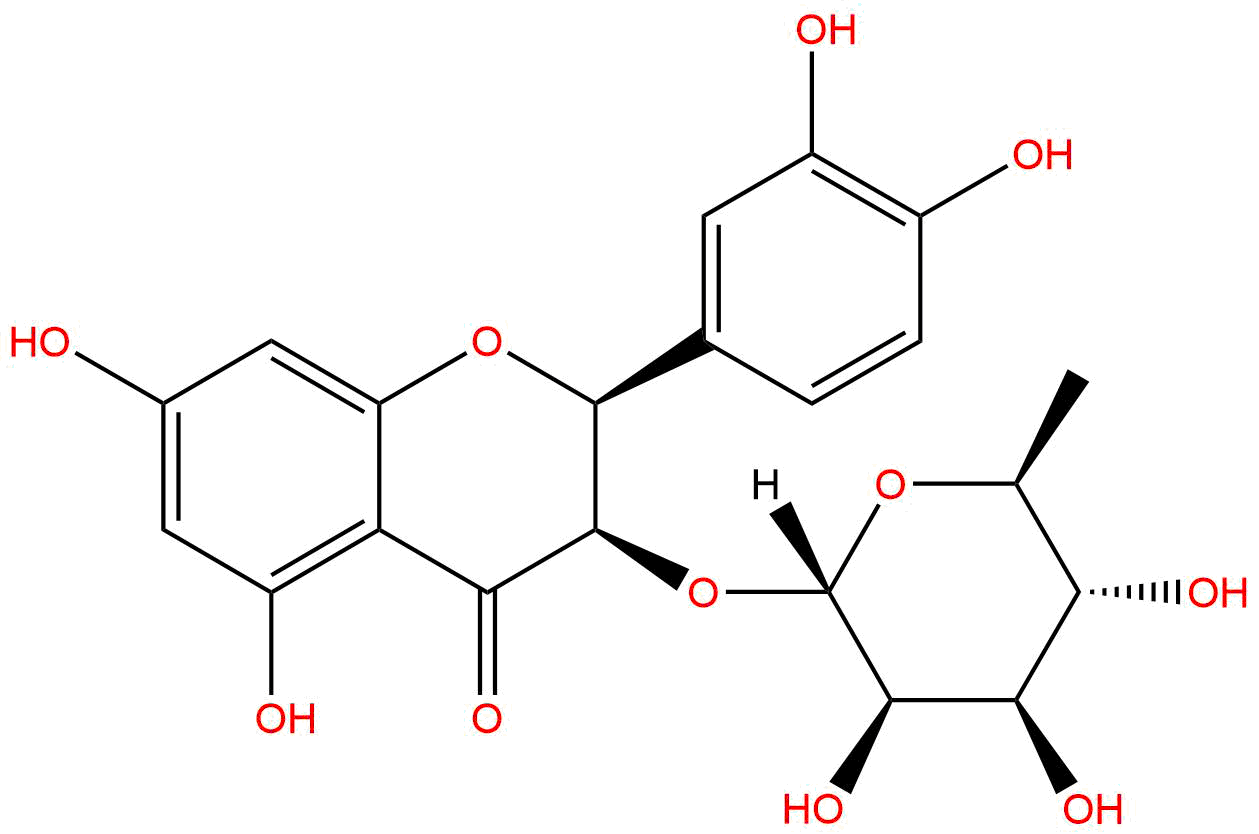


Product name: Neoisoastilbin
Synonym name:
Catalogue No.: BP4574
Cas No.: 54141-72-9
Formula: C21H22O11
Mol Weight: 450.396
Botanical Source:
Type of Compound: Flavonones
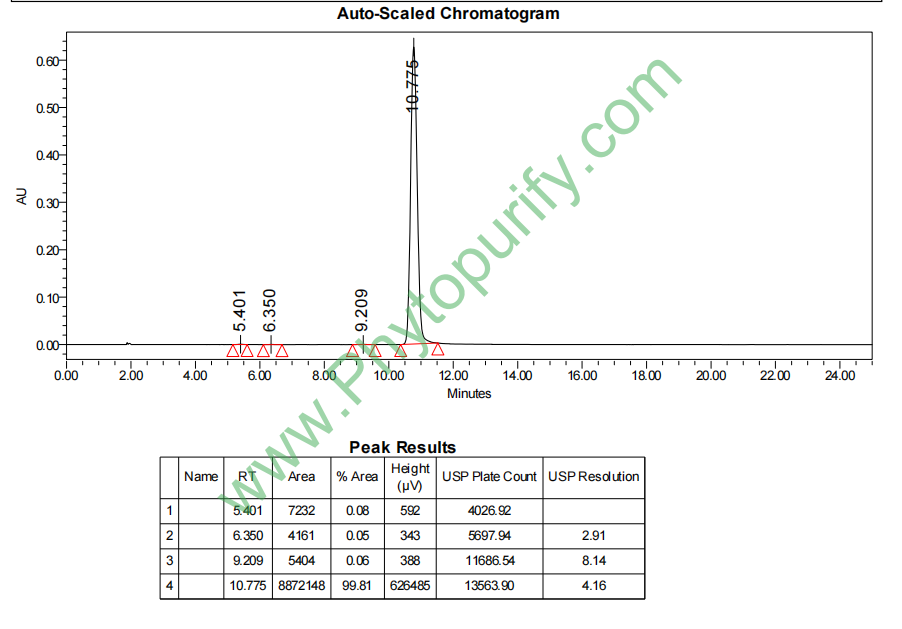
Purity: 95%~99%
Analysis Method: HPLC-DAD or/and HPLC-ELSD
Identification Method: Mass, NMR
Packing: Brown vial or HDPE plastic bottle
Storage: Store in a well closed container, protected from air and light. Put into refrigerate or freeze for long term storage.
Whenever possible, you should prepare and use solutions on the same day. However, if you need to make up stock solutions in advance, we recommend that you store the solution as aliquots in tightly sealed vials at -20℃. Generally, these will be useable for up to two weeks.
The product could be supplied from milligrams to grams
Inquire for bulk scale.
For Reference Standard and R&D, Not for Human Use Directly.
HPLC of Neoisoastilbin
Storage conditions:Short-term storage at 2~8℃, long-term storage at -20 ~ -80℃
186.3700
.5005
.3507
3.8349
.4767
.2036
Low
77.1758
4.3503
Yes
No
Yes
No
Yes
No
0.6
Yes
No
Yes
No
Natural products have always been an important treasure trove for innovative drug discovery, among which flavonoids have attracted much attention due to their broad biological activity and relatively low toxicity. Neoisoastilbin (CAS number: 54141-72-9), as a natural compound of dihydroflavonol glycosides, has gradually entered the field of pharmacological researchers in recent years. Early research has preliminarily revealed its basic biological activities such as antioxidant, anti-inflammatory, and anti hyperuricemia, indicating its potential application value in the field of metabolic diseases. In particular, with the continuous increase of the global prevalence of diabetes, it is urgent to develop new, safe, multi target anti diabetes drugs. Recent research evidence shows that neolevoside shows encouraging activity in regulating glucose and lipid metabolism, and its role involves several key targets for the treatment of diabetes, such as AMPK, PPAR γ, SGLT2, AKT, etc., which makes it possible to become an anti diabetic candidate molecule with multi pathway synergy. The purpose of this paper is to systematically review the chemical properties, plant sources, pharmacological activities, especially its anti diabetes effect and molecular mechanism, and to make a preliminary evaluation of its pharmaceutical properties, in order to provide a comprehensive academic reference for the in-depth research and development of this compound.
The chemical name of Xin Yi Luo Xin Fu Glycoside is (2R, 3R) -3,5,7-trihydroxy-2- (4-hydroxyphenyl) -2,3-dihydro-4H-1-benzopyran-4-one-3-O - α - L-rhamnoside, which belongs to the class of dihydroflavonol glycosides. Its molecular formula is C21H22O11 and its molecular weight is 450.3960. The core of its structure is the dihydroflavonol mother nucleus, which is connected to an α - L-rhamnose group through a glycosidic bond at the C-3 position. The difference between this structure and its isomers astilbin and isoastilbin lies in the absolute configuration of C-2 and C-3 positions, as well as the configuration of glycosidic bonds. These subtle differences in stereochemistry often have a significant impact on its biological activity, receptor binding, and metabolic properties.
In terms of physical and chemical properties, the theoretical lipid water partition coefficient (LogP) of Xin Yi Luo Xin Fu Yin is about 0.5005, indicating that it has a certain hydrophilicity, but not a high degree of lipophilicity. Its topological polar surface area (TPSA) is as high as 186.37 Å ², which is mainly attributed to the presence of multiple oxygen atoms on hydroxyl and sugar groups in the molecule. This characteristic suggests its strong hydrogen bonding ability, but may also affect its transmembrane permeability. The predicted water solubility value is 3.8349 (LogS), which belongs to the category of moderate to low water solubility. Based on its high TPSA and moderate LogP values, it can be preliminarily inferred that the compound follows the "Rule of Five" and has the basic chemical space to become an oral medication. Its crystal is usually a light yellow powder, which has good solubility in organic solvents such as methanol, ethanol, and dimethyl sulfoxide, but limited solubility in water.
Xinyi Luoxinfu glycoside has a relatively limited distribution in nature and mainly exists in some traditional medicinal plants. The most common source is from the family Saxifragaceae and the genus Primula(Astilbe Spp. plants, such as nymphs(Astilbe chinensis)The rhizome, which is also the origin of its name. In addition, in the grape family, snake grape plants such as the toothed snake grape(Ampelopsis grossedentata)The plants commonly used in the production of "Tengcha" in folk culture also contain abundant amounts of neoisospin and its isomers. In leguminous plants such as licorice(Glycyrrhiza uralensis)A small amount was also detected. These plants are often used in traditional medicine to treat rheumatoid arthritis, inflammation, and edema, and some of their effects may be related to the flavonoid components.
The extraction of neonicotinoid from plant materials is usually carried out using solvent extraction method. The common process includes: heating and reflux extraction or ultrasound assisted extraction of dried and crushed plant materials (such as the roots and stems of primroses) with high concentration ethanol (such as 70% -95%) or methanol. After filtration and concentration, the crude extract is often enriched and purified using macroporous adsorption resins (such as AB-8 and D101) based on its polarity characteristics. Strong polar impurities are washed away with water first, and then gradient elution is performed using ethanol solutions of different concentrations (such as 30% -60% ethanol) to collect the fraction containing the target compound. Further purification requires the use of chromatographic techniques, including silica gel column chromatography, polyamide column chromatography, and high-performance liquid chromatography (HPLC) preparative chromatography. The use of a reverse phase C18 chromatography column with methanol water or acetonitrile water (often containing a small amount of formic acid or acetic acid to adjust pH) as the mobile phase for separation is currently a key step in obtaining high-purity neoisosorbide standards or research samples. The optimization of extraction processes usually focuses on factors such as solvent type, concentration, solid-liquid ratio, extraction temperature, and time to improve yield and purity.
Xinyi Luoxinfu glycoside exhibits diverse pharmacological activities, laying the foundation for its potential therapeutic applications in various aspects.
antioxidant activity As a flavonoid compound, one of its core pharmacological properties is its strong antioxidant capacity. The phenolic hydroxyl group in the molecule of Xin Yi Luo Xin Fu Zi can effectively scavenge free radicals, such as DPPH free radicals, ABTS free radical cations, and superoxide anions. In cell models, it can alleviate oxidative damage caused by hydrogen peroxide (H ₂ O ₂) or other oxidative stress inducers, enhance the activity of antioxidant enzymes such as superoxide dismutase (SOD) and glutathione peroxidase (GSH Px) in cells, and reduce the level of malondialdehyde (MDA). This antioxidant effect is an important basis for the subsequent anti-inflammatory and anti metabolic disease activities.
anti-inflammatory activity Research has shown that Xinyiluxinfu glycoside exhibits anti-inflammatory effects in various acute and chronic inflammation models. In macrophages stimulated by lipopolysaccharide (LPS), such as RAW264.7, it can dose dependently inhibit the production of nitric oxide (NO), prostaglandin E2 (PGE2), and key pro-inflammatory factors such as tumor necrosis factor alpha (TNF - α), interleukin-6 (IL-6), and IL-1 β. Its anti-inflammatory mechanism is closely related to the inhibition of the activation of nuclear factor kappa B (NF - κ B) and mitogen activated protein kinases (MAPKs) signaling pathways.
Anti hyperuricemia activity Xinyi Luoxinfu glycoside has shown a lowering effect on serum uric acid levels in animal models. The mechanism may involve two aspects: one is to inhibit the activity of xanthine oxidase (XOD) in the liver, reducing uric acid production; The second is to promote uric acid excretion by regulating the expression of uric acid transporters such as urate transporter 1 (URAT1) and glucose transporter 9 (GLUT9) in the kidneys. This activity makes it of research value in the prevention and treatment of gout and related diseases.
Antidiabetic activity This is the pharmacological activity of Xin Yi Luo Xin Fu Yin that has received the most attention in recent years. In the model of streptozotocin (STZ) - induced or high-fat diet combined with STZ - induced diabetes mice/rats, neoisopastiflorin administration can significantly reduce fasting blood glucose, improve glucose tolerance, and reduce insulin resistance. In addition, it can regulate blood lipid disorders, reduce serum total cholesterol, triglycerides, and low-density lipoprotein cholesterol levels. At the cellular level, it can enhance the uptake and utilization of glucose by insulin target cells such as liver cells, adipocytes, and skeletal muscle cells, protecting pancreatic beta cells from glucose and lipid toxicity induced apoptosis. Its anti diabetes effect shows the characteristics of multiple targets and pathways.
The anti diabetes and other related activities of neoisopastiflorin originate from its regulation of multiple key signaling pathways and molecular targets in cells. According to existing research, its mechanism of action network can be summarized as follows:
Activate AMPK pathway Adenosine activated protein kinase (AMPK) is a core regulator of cellular energy metabolism. Xinyi Luoxinfu glycoside can directly or indirectly activate AMPK (composed of subunits such as PRKAA1). The activation of AMPK produces a series of downstream effects: (a) in the liver, inhibiting the expression of gluconeogenesis related genes (such as PEPCK, G6Pase) and reducing glucose output; (b) Promote the translocation of glucose transporter 4 (GLUT4, encoded by the SLC2A4 gene) to the cell membrane in skeletal muscle and adipose tissue, increasing glucose uptake; (c) Promote fatty acid oxidation, inhibit fat synthesis, and improve lipid metabolism.
Regulating the insulin signaling pathway Xinyi Luoxinfu glycoside can enhance tyrosine phosphorylation of insulin receptor substrate 1 (IRS1) and activate the phosphatidylinositol 3-kinase (PI3K, whose regulatory subunit is PIK3R1) - protein kinase B (AKT1) signaling axis. Activated AKT1 further promotes GLUT4 translocation and regulates metabolic processes such as glycogen synthesis. The activation of this pathway directly improves insulin sensitivity.
Regulating nuclear receptor PPAR γPeroxisome proliferator activated receptor gamma (PPAR gamma) is an important regulatory factor for adipocyte differentiation and glucose and lipid metabolism. Xinyiluxinfu glycoside may act as a partial agonist or regulator of PPAR γ, promoting adipocyte differentiation, increasing the uptake and storage of glucose and fatty acids in adipose tissue, thereby reducing circulating glucose and lipid levels and improving systemic insulin sensitivity.
Inhibit SGLT2 and DPP4 Sodium glucose cotransporter 2 (SGLT2) is a key protein responsible for glucose reabsorption in the proximal tubules of the kidney. Xinyi Luoxinfu glycoside exhibits certain SGLT2 inhibitory potential, possibly by inhibiting its function, increasing urinary glucose excretion, and thereby lowering blood sugar. In addition, it may also have an inhibitory effect on dipeptidyl peptidase-4 (DPP4). DPP4 affects insulin secretion by degrading intestinal proinsulin (such as GLP-1), and its inhibition is one of the commonly used hypoglycemic strategies in clinical practice.
Affects glucokinase (GCK) and pancreatic islet function Glucokinase is the rate limiting enzyme in glucose metabolism and also a glucose sensor. Xinyi Luoxinfu glycoside may have a regulatory effect on its activity, thereby affecting hepatic glucose metabolism and glucose sensitivity of pancreatic beta cells. Meanwhile, its antioxidant and anti-inflammatory effects help protect the function of pancreatic beta cells and maintain insulin secretion.
To sum up, neodilapsin forms a three-dimensional network of anti diabetes effects through synergistic action on multiple core targets such as AMPK, insulin signaling, PPAR γ, and possibly assisted by SGLT2, DPP4 inhibition and other mechanisms, which provides a solid theoretical basis for its development as a multi target anti diabetes drug.
Based on its physicochemical parameters and preliminary biological data, a preliminary evaluation of the pharmacological properties of Xinyi Luoxinfu glycoside is conducted
Absorption, distribution, metabolism, excretion (ADME) characteristics:
* absorb Moderate LogP and high TPSA suggest that its oral bioavailability may face challenges. Flavonoid glycosides usually need to be hydrolyzed by gut microbiota to form aglycones for better absorption, but the form of aglycones may alter their activity and distribution. Its water solubility is acceptable, but formulation techniques such as solid dispersions, nanocrystals, phospholipid complexes may be required to improve dissolution and penetration.
* distribution Moderate molecular weight, but high TPSA and polarity may limit its transmembrane ability. It is predicted that the permeability of blood brain barrier (BBB) is low, which may reduce the risk of side effects of central nervous system for anti diabetes drugs mainly acting on peripheral metabolic organs (liver, fat, muscle, kidney).
* Metabolism As a flavonoid glycoside, it is expected to undergo extensive phase II metabolism, such as glucuronidation and sulfation. The glycoside portion may also be metabolized by the cytochrome P450 enzyme system. Further research is needed to clarify its main metabolites and metabolic enzymes.
* excretion It is speculated that its prototype and metabolites are mainly excreted through the kidneys and/or bile.
Preliminary Safety Assessment:
* HERG inhibition The predicted data shows that it has no hERG potassium channel inhibitory effect, which is an important positive signal for cardiac safety and reduces the potential risk of inducing long QT syndrome and apical torsion type ventricular tachycardia.
* Genotoxicity Ames test is a standard method for evaluating the mutagenicity of compounds. The value of "0.6" in the report usually needs to be interpreted in conjunction with specific experimental designs and strain results (for example, it may refer to mutation rate ratios or results at a specific dose). Generally speaking, in multiple test strains, if the number of revertant mutations does not reach more than twice that of the solvent control, it is usually considered negative. But it needs to be confirmed by reviewing the original experimental report. Based on the common characteristics of flavonoids, the genetic toxicity risk of neoisosorbide may be low, but a complete genetic toxicity testing combination (such as micronucleus test, chromosome aberration test) is still needed for final confirmation.
* acute toxicity Currently, there is limited data available on acute toxicity studies of publicly available systems. Standardized single dose toxicity tests on rodents need to be completed to determine their LD50 and safe dose range.
Summary of Medicinal Properties Xinyi Luoxinfu Glycoside in terms of molecular weight LogP、 Has shown advantages in compliance with the "Five Rules for Similar Drugs" and preliminary cardiac safety. The main challenges in its pharmacological properties may lie in oral absorption and bioavailability. Future pharmaceutical research is crucial. At present, there is still a lack of pharmacokinetic studies on the compound system, such as absolute bioavailability, half-life, tissue distribution, major metabolic pathways, etc. in different animal models. This is a key data gap that must be filled to promote its preclinical development.
The multiple pharmacological activities of neodilaginoside, especially its multi target anti diabetes mechanism, draw a broad potential prospect for its clinical application.
As a candidate drug for anti diabetes: At present, most of the clinical anti diabetes drugs are single target, and long-term use may lead to decreased efficacy or side effects. Xinyi Luoxinfu glycoside simultaneously regulates multiple core pathways such as AMPK, insulin signaling, and PPAR γ, which may produce synergistic effects, achieve smoother blood glucose control, and improve insulin resistance and lipid metabolism disorders. It is especially suitable for type 2 diabetes, especially for patients with obesity and dyslipidemia. It can be explored as a single drug or in combination with existing drugs such as metformin.
Treatment of metabolic syndrome related complications: Its anti-inflammatory, antioxidant and uric acid lowering properties make it have potential in the treatment of diabetes complications (such as diabetes nephropathy, non-alcoholic fatty liver disease) and gout/hyperuricemia. A drug can intervene in multiple comorbidities simultaneously, which is in line with the comprehensive management concept of modern disease treatment.
Develop into functional food or health products: In view of its natural source and relatively good safety expectations, plant extracts with high content of neoisopastiflorin (such as Ampelopsis grossedentata extract) are expected to be developed as health food for auxiliary regulation of blood sugar, blood lipid and uric acid, serving people in pre diabetes or as an auxiliary management means for patients.
However, pushing it from the laboratory to clinical practice still faces many challenges and future research directions:
* In depth mechanism research It is necessary to clarify more accurately the direct interaction mode (whether it is excitatory, antagonistic, or allosteric regulation) between it and various targets (such as AMPK, PPAR γ), and to verify the necessity of specific targets in vitro and in vivo using techniques such as gene knockout/knockdown.
* Comprehensive preclinical development It is necessary to complete systematic pharmacodynamic (validated in more and closer to human disease models), pharmacokinetic (ADME), toxicological (acute toxicity, chronic toxicity, reproductive toxicity, etc.) studies, and obtain a complete data package to support clinical trial applications (IND).
* Formulation optimization To address the issue of low bioavailability, it is necessary to develop new drug delivery systems or carry out structural modifications (prodrugs or derivatives) to improve its pharmaceutical properties.
* Clinical study design If entering clinical practice in the future, a carefully designed trial plan is needed to clarify the indications (whether used alone or in combination), target patient population, and efficacy evaluation indicators (including pancreatic function, inflammation indicators, cardiovascular endpoints, etc., in addition to blood glucose).
As a natural source of dihydroflavonol glycoside, neoisopastifucoside has become a highlight compound in the pharmacological research of natural products due to its remarkable pharmacological activities of antioxidant, anti-inflammatory, anti hyperuricemia, especially multi-target anti diabetes. It plays an anti diabetes effect in improving insulin sensitivity, promoting glucose utilization, regulating lipid metabolism and other aspects by co regulating key signal pathways such as AMPK, PI3K/AKT, PPAR γ, and shows potential advantages over single target drugs. Although further exploration is still needed in terms of drug development, especially in oral absorption and systemic pharmacokinetics, its compliance with class drug rules and absence of hERG inhibition risk have laid a solid foundation for its further development. With the more detailed analysis of its mechanism of action, the continuous improvement of preclinical research data, and the innovative application of preparation technology, neodilatein is expected to gradually develop from a potential natural active molecule into a new drug or functional product for the treatment of diabetes and its metabolic related complications, providing new options for the prevention and treatment of global metabolic diseases.
