Introduction/Overview
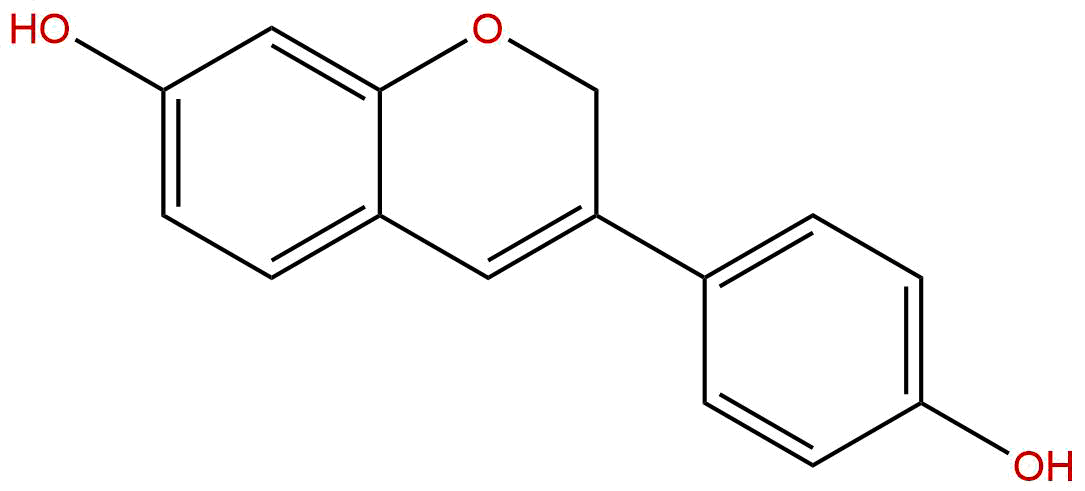
Phenoxodiol (also known as Idronoxil, CAS number: 81267-65-4) is a synthetic isoflavone compound whose chemical structure is derived from the rational design modification of the natural plant estrogen Genistein. As a new generation of targeted anti-tumor drug candidate molecules, dehydroestrone has attracted much attention since entering the drug development pipeline in the late 1990s due to its unique multi-target mechanism of action and relatively low systemic toxicity. Compared with natural isoflavones, dehydroestrone significantly enhances its anti-tumor activity through chemical modification while retaining its maternal nuclear structural advantages, and overcomes the inherent deficiencies of natural products in metabolic stability and bioavailability.
From the perspective of medicinal chemistry, dehydroestrone can be regarded as a dehydrogenated derivative of genistein. The A-ring and B-ring connections of the isoflavone skeleton in its molecule are similar to those of natural products, but the oxidation state of the C-ring has changed. This structural fine-tuning endows the molecule with a unique biological activity spectrum, enabling it to simultaneously act on multiple signaling pathways closely related to tumor occurrence and development. It is worth noting that dehydroestrone has shown significant inhibitory effects on various solid tumors (including ovarian cancer, prostate cancer, cervical cancer, melanoma, etc.) in preclinical studies, and its mechanism of action involves multiple aspects such as cell apoptosis regulation, cell cycle arrest, DNA topoisomerase inhibition, and estrogen receptor signaling regulation.
In recent years, with a deeper understanding of tumor heterogeneity and resistance mechanisms, the value of dehydroestrone as a "multi-target" or "multifunctional" anti-tumor drug has been re evaluated. Especially its potential applications in reversing tumor chemotherapy resistance, enhancing immune therapy sensitivity, and regulating the tumor microenvironment have made it one of the research hotspots in the field of natural product pharmacology. This article will provide a systematic review of the research progress of dehydroestrone from the aspects of chemical structure, plant origin, pharmacological activity, molecular mechanism, pharmacological evaluation, and clinical application prospects, in order to provide reference for the further development and transformation research of this compound.
Chemical structure and physicochemical properties
The chemical name of dehydroestrone is 3- (4-hydroxyphenyl) -7-hydroxychroman-4-one, with a molecular formula of C ₁₅ H ₁₂ O3 and a molecular weight of 240.2580 g/mol. Its core structure is the isoflavone skeleton, consisting of three parts: A ring (benzopyranone ring), C ring (pyranone ring), and B ring (benzene ring). Compared with natural genistein (5,7,4 '- trihydroxyflavone), dehydroestrone introduces a double bond between the C-2 and C-3 positions of the C ring, forming an α, β - unsaturated ketone structure, while the C-5 position of the A ring lacks hydroxyl substitution. This structural feature gives it a characteristic absorption peak in the ultraviolet spectrum and endows it with unique chemical reactivity.
In terms of physicochemical properties, the lipid water partition coefficient (LogP) of dehydroestrone is 3.45, indicating its moderate lipophilicity, which is beneficial for transmembrane transport and intracellular accumulation. Its topological polar surface area (TPSA) is 49.69 Å ², which meets the general requirements for oral medication (usually TPSA<140 Å ²), suggesting that it may have good intestinal absorption potential. However, the water-soluble data (0.0493 mg/mL) showed that the compound is a poorly soluble drug, which may be one of the key factors limiting its oral bioavailability. It is worth noting that the blood-brain barrier permeability assessment of dehydroestrone is "high", indicating its potential for central nervous system exposure, which may be advantageous in the treatment of brain metastases or primary brain tumors, but potential neurotoxic risks should also be noted.
In terms of chemical stability, the alpha, beta unsaturated ketone structure of dehydroestrone makes it prone to undergo Michael addition reactions and can covalently bind with molecules containing thiol groups in organisms, such as glutathione and cysteine residues. This characteristic may be the basis for its pharmacological activity (such as covalent modification with target proteins), or it may lead to non-specific binding and potential toxicity. In addition, the compound is relatively stable under acidic conditions, but is prone to ring opening degradation in alkaline environments. The negative result of hERG inhibition experiment indicates a low risk of cardiac toxicity; The Ames test result is 0.6, indicating that its genetic toxicity risk is at a critical level and needs further evaluation in subsequent development.
Plant sources and extraction methods
Although dehydroestrone is defined as a synthetic compound, its chemical structure is inspired by natural flavonoids. Natural isoflavones are mainly distributed in leguminous plants, especially soybeans (Glycine max), Trifolium pratense, and Pueraria lobata. As a lead compound of dehydroestrone, genistein is abundant in nature and mainly exists in soybean hypocotyls and soy products. However, dehydroestrone itself has not been widely reported as a natural product in nature, and its acquisition mainly relies on chemical synthesis pathways.
At present, the synthesis route of dehydroestrone mainly includes the following strategies: (1) using genistein as the starting material, preparing it through selective dehydroxylation and oxidative dehydrogenation reactions; (2) Using the chalcone route, 2,4-dihydroxyacetophenone and 4-hydroxybenzaldehyde were used as raw materials to construct an isoflavone skeleton through condensation, cyclization, oxidation, and other steps; (3) Utilizing transition metal catalyzed cross coupling reactions, such as Heck or Suzuki reactions, to achieve efficient coupling of key intermediates. Among them, the first route is the most widely used due to its easy availability of raw materials and simple steps, but attention should be paid to the influence of reaction conditions on product purity and yield.
In terms of extraction and purification, although dehydroestrone is a synthetic product, the extraction methods of its analogues (such as genistein, daidzein, etc.) still have reference value. The classic extraction methods for natural isoflavones include organic solvent extraction (methanol, ethanol, or acetone water mixed solvents), ultrasound assisted extraction, microwave-assisted extraction, and supercritical fluid extraction. For the synthetic product of dehydroestrone, commonly used purification methods include silica gel column chromatography, preparative high-performance liquid chromatography (HPLC), and recrystallization. Due to the presence of phenolic hydroxyl groups, this compound can form phenolic salts under alkaline conditions. Therefore, liquid-liquid extraction or ion exchange resin can also be used for preliminary purification. In recent years, with the promotion of green chemistry concepts, environmentally friendly methods such as solvent-free synthesis and biocatalytic synthesis have gradually received attention in the preparation of dehydroestrone, but have not yet been industrialized.
Pharmacological activity research
The pharmacological activity research of dehydroestrone mainly focuses on the field of anti-tumor, involving multiple effects such as estrogen regulation, anti-inflammatory, antioxidant, etc. In terms of anti-tumor activity, a large number of in vitro and in vivo experiments have confirmed that dehydroestrone has significant proliferation inhibition and pro apoptotic effects on various human cancer cell lines, and relatively low toxicity to normal cells.
In vitro anti-tumor activity: Dehydroestrol can inhibit the growth of ovarian cancer (such as OVCAR-3, SKOV-3), prostate cancer (PC-3, LNCaP), cervical cancer (HeLa), breast cancer (MCF-7, MDA-MB-231), melanoma (A375) and other tumor cells in the range of nanomolar to micromolar concentrations. It is worth noting that it is also effective against chemotherapy resistant cell lines, such as paclitaxel resistant ovarian cancer cells, suggesting its potential to overcome multidrug resistance (MDR). In addition, dehydroestrone can enhance the cytotoxicity of traditional chemotherapy drugs such as cisplatin, paclitaxel, and gemcitabine, exhibiting a synergistic anti-tumor effect.
In vivo anti-tumor activity In xenograft tumor models, monotherapy with dehydroestrone can significantly inhibit tumor growth and prolong the survival of tumor bearing mice. For example, in a subcutaneous transplant tumor model of ovarian cancer, intraperitoneal injection of dehydroestrone (50-100 mg/kg) can lead to a 40% -60% reduction in tumor volume. In the study of combination therapy, the combination of dehydroestrone and cisplatin showed better anti-tumor effects than monotherapy, and did not increase significant systemic toxicity. In addition, in a transgenic mouse prostate cancer model, dehydroestrone can delay tumor progression and reduce the incidence of distant metastasis.
Estrogen regulated activity Due to its structural similarity to natural estrogen, the interaction between dehydroestrone and estrogen receptor (ER) has attracted much attention. Research has shown that dehydroestrone has moderate affinity for both ER α (ESR1) and ER β (ESR2), but exhibits tissue selective effects. In breast tissue, it mainly exerts anti estrogenic effects, which may be achieved through competitive binding of ER or regulation of co regulatory factor activity; In bone tissue, it may exhibit estrogen like effects, promoting osteoblast differentiation. In addition, dehydroestrone can also affect the expression of sex hormone binding globulin (SHBG), indirectly regulating the levels of free sex hormones. These characteristics make it have potential application value in hormone related diseases (such as breast cancer, endometriosis, osteoporosis).
Other pharmacological activities In addition to anti-tumor and estrogen regulating effects, dehydroestrone also exhibits anti-inflammatory activity (inhibition of NF - κ B pathway and pro-inflammatory cytokine release), antioxidant activity (clearance of free radicals, upregulation of antioxidant enzyme expression), and anti angiogenic activity (inhibition of VEGF expression and endothelial cell tube formation). These pleiotropic effects further expand its potential therapeutic areas.
Mechanism of action and molecular targets
The mechanism of action of dehydroestrone exhibits multi-target and multi pathway characteristics, which is closely related to the Michael receptor properties of α, β - unsaturated ketones in its chemical structure. The molecular mechanisms of apoptosis, cell cycle, DNA damage repair, and estrogen signaling are elaborated in detail below.
Inducing cell apoptosis Dihydroestradiol synergistically induces tumor cell apoptosis through both endogenous (mitochondrial) and exogenous (death receptor) pathways. In the mitochondrial pathway, this compound can directly act on the mitochondrial membrane, causing loss of membrane potential and release of cytochrome c, thereby activating caspase-9 and downstream effector caspase-3/7. It is worth noting that dehydroestrone can inhibit the expression and function of X-linked apoptosis inhibitor protein (XIAP). XIAP is an important member of the inhibitor of apoptosis protein (IAP) family, which blocks apoptosis execution by directly binding to and inhibiting caspase-3/7/9. Dihydroestradiol downregulates XIAP protein levels (possibly by promoting its ubiquitination degradation or inhibiting transcription), relieving inhibition of caspase and amplifying apoptotic signals. In the exogenous pathway, dehydroestrone can upregulate the expression of the death receptor Fas (CD95) and make tumor cells more sensitive to Fas ligand mediated apoptosis. This sensitization effect is partially attributed to the restoration of caspase-8 activity after XIAP inhibition.
Inducing cell cycle arrest Dihydroestradiol can induce blockade at the G1/S checkpoint of the cell cycle, which is independent of the p53 status. Mechanistic studies have shown that this compound upregulates the expression of cyclin dependent kinase inhibitor p21WAF1/CIP1 at the transcriptional and post transcriptional levels. P21WAF1 inhibits kinase activity by binding to various cyclin CDK complexes, particularly cyclin D-CDK4/6 and cyclin E-CDK2, thereby preventing phosphorylation of retinoblastoma protein (Rb) and release of E2F transcription factor, ultimately leading to G1 phase arrest. It is worth noting that the upregulation of p21 induced by dehydroestrone is not dependent on p53, but is achieved by activating the MAPK pathway (such as p38 and JNK) or inhibiting the PI3K/Akt pathway. This characteristic allows it to still exert cell cycle regulation in tumors with p53 mutations (accounting for approximately 50% of all tumors).
Inhibition of DNA Topoisomerase II Dihydroestradiol is a catalytic inhibitor of DNA topoisomerase II (Topo II), rather than a traditional toxic agent. It stabilizes the cleavable complex formed between Topo II and DNA, preventing the reconnection of DNA strands and leading to the accumulation of DNA double strand breaks. Unlike classical Topo II inhibitors such as etoposide, dehydroestrone does not directly embed into DNA, but binds to the ATPase domain of Topo II, interfering with its catalytic cycle. This mode of action may reduce the long-term toxicity risk associated with DNA embedding, such as secondary leukemia. In addition, DNA damage caused by Topo II inhibition can further activate the ATM/ATR-Chk1/Chk2 checkpoint pathway, synergistically enhancing anti-tumor effects with G1 phase blockade.
Regulating estrogen signaling The binding of dehydroestrone to estrogen receptors (ER α and ER β) exhibits tissue selectivity. In ER positive breast cancer cells, it can antagonize ER transcriptional activity induced by estradiol (E2), partly by inhibiting the interaction between ER and coactivators (such as SRC-1, AIB1). In addition, dehydroestrone can also downregulate the expression and activity of aromatase (CYP19A1), reducing local estrogen synthesis. In terms of androgen signaling, this compound can inhibit the nuclear translocation and transcriptional activity of androgen receptor (AR), which has potential therapeutic value for prostate cancer. The regulatory effects on follicle stimulating hormone receptor (FSHR) and luteinizing hormone beta subunit (LHB) may affect reproductive endocrine function.
Evaluation of drug properties and pharmacokinetics
The pharmacological evaluation of dehydroestrone involves multiple dimensions such as physicochemical properties, pharmacokinetic characteristics, safety, and formulation development. Although the compound has demonstrated remarkable pharmacological activity in preclinical studies, its pharmacological development still faces several challenges.
Physical and chemical properties and drug like properties As mentioned earlier, the molecular weight (240.26 Da) and LogP (3.45) of dehydroestrone comply with the Lipinski Five Rules (molecular weight<500, LogP<5), and TPSA (49.69 Å ²) also meets the requirements for oral absorption. However, its water solubility is extremely low (0.0493 mg/mL), belonging to BCS Class II (low solubility, high permeability) drugs. This defect may lead to limited dissolution after oral administration, thereby affecting bioavailability. In addition, although its high blood-brain barrier permeability is beneficial for the treatment of brain tumors, it also increases the risk of adverse reactions in the central nervous system.
Pharmacokinetic characteristics Preclinical pharmacokinetic studies have shown that dehydroestrone is rapidly absorbed after oral administration, but its absolute bioavailability is relatively low (about 10% -20%), mainly attributed to first pass metabolism and intestinal efflux transport. This compound is widely distributed in the body with a large apparent distribution volume (>5 L/kg), indicating a high tissue binding rate. In terms of metabolism, dehydroestrone is mainly oxidized by the liver CYP450 enzyme system (especially CYP3A4 and CYP2C9), generating various hydroxylated metabolites, some of which still retain pharmacological activity. The elimination half-life is about 4-8 hours, mainly excreted through bile and urine. It is worth noting that the combination of dehydroestrone and chemotherapy drugs (such as paclitaxel and cisplatin) may result in pharmacokinetic interactions that need to be considered in clinical protocols.
safety evaluation Dehydroestrol has shown good safety in preclinical toxicology studies. Acute toxicity experiments showed that oral LD ₅₀>2000 mg/kg and intraperitoneal injection of LD ₅₀ was approximately 500 mg/kg in mice. In the repeated administration toxicity experiment, no significant organ toxicity was observed in rats and dogs after continuous administration for 28 days. The main adverse reactions were mild gastrointestinal reactions and reduced weight gain. In terms of genetic toxicity, the Ames test result was 0.6 (close to the positive threshold), indicating the need for further in vivo micronucleus testing and chromosome aberration testing to clarify the risk. The cardiac toxicity assessment shows that the risk of hERG inhibition is low and the possibility of QT interval prolongation is small. However, given its high blood-brain barrier permeability, long-term assessment of neurotoxicity with medication is still necessary.
Formulation development strategy In response to the problem of poor water solubility, various formulation technologies have been explored to improve the oral bioavailability of dehydroestrone. Liposomes, nanoparticles, cyclodextrin inclusion complexes, phospholipid complexes, and self microemulsifying drug delivery systems (SMEDS) have all shown varying degrees of solubilization and absorption promoting effects. Among them, liposomal formulations have entered the clinical trial stage, avoiding oral absorption barriers through intravenous administration. In addition, prodrug design (such as phosphate ester prodrug, amino acid ester prodrug) is also an effective strategy to improve water solubility and bioavailability.
Clinical application prospects and prospects
The clinical application prospects of dehydroestrone mainly focus on the field of tumor treatment, especially as a chemotherapy sensitizer and drug resistance reversal agent. At present, the compound has entered multiple clinical trials, and preliminary results show good safety and certain clinical benefits.
Completed and ongoing clinical trials Dihydroestradiol has undergone phase I/II clinical trials in indications for ovarian cancer, prostate cancer, cervical cancer, and melanoma. In patients with recurrent/refractory ovarian cancer, phase II trials of dehydroestrone combined with carboplatin or paclitaxel showed a disease control rate (DCR) of approximately 40% -50% and a median progression free survival (PFS) that was prolonged compared to historical controls. It is worth noting that patients with platinum resistance can still benefit from combination therapy, indicating its ability to reverse platinum resistance. In prostate cancer, the phase I trial of dihydroestradiol combined with docetaxel determined the maximum tolerated dose (MTD) and observed preliminary efficacy signals of decreased PSA. In addition, a phase I dose escalation study on advanced solid tumors confirmed that intravenous injection of dehydroestrone (liposome formulation) is safe and well tolerated, with dose limiting toxicity (DLT) mainly characterized by reversible transaminase elevation.
Potential indication expansion Based on its multi-target mechanism of action, the potential indications of dehydroestrone can be extended from the field of cancer to other diseases. In terms of gynecological diseases, its estrogen regulatory activity makes it promising for the treatment of endometriosis, uterine fibroids, and menopausal syndrome. In metabolic diseases, its anti-inflammatory and antioxidant properties may have therapeutic value for nonalcoholic fatty liver disease (NAFLD) and atherosclerosis. In addition, given its inhibitory effect on XIAP, the potential application of dehydroestrone in viral infections (such as influenza virus, HIV) and neurodegenerative diseases (such as Alzheimer's disease) is also worth exploring, as XIAP is also involved in apoptosis regulation in these diseases.
Challenges and Future Directions Faced Despite its promising prospects, the clinical translation of dehydroestrone still faces several challenges. Firstly, the issue of low oral bioavailability has limited the development of oral formulations, which currently rely mainly on intravenous administration and are not conducive to long-term medication and patient compliance. Secondly, although its multi-target nature is beneficial for anti-tumor activity, it also increases the risk of off target toxicity and drug interactions. Thirdly, as synthetic isoflavone analogues, their long-term safety data is not sufficient, especially regarding their impact on the endocrine system and reproductive function, which requires long-term follow-up. Finally, the lack of biomarkers makes patient screening and efficacy prediction difficult, and precision medicine oriented clinical trial design urgently needs to be strengthened.
Future research directions should include: (1) developing novel drug delivery systems (such as oral nano formulations, transdermal patches) to improve pharmacokinetic characteristics; (2) Using medicinal chemical methods to design derivatives with higher selectivity and reduce off target effects; (3) Through omics techniques such as proteomics and metabolomics, we aim to elucidate its functional network and discover predictive biomarkers; (4) Explore the combined application of dehydroestrone and immune checkpoint inhibitors (such as PD-1/PD-L1 antibodies) to enhance anti-tumor immunity through their apoptosis induction and immunogenic cell death (ICD) effects.
Conclusion
Dihydroestrone, as a synthetic derivative of genistein, has been successfully transformed from a natural product to an innovative drug through rational drug design. Its unique chemical structure endows it with a multi-target mechanism of action, covering multiple levels such as apoptosis induction, cell cycle arrest, DNA topoisomerase inhibition, and estrogen signaling regulation. Preclinical studies have fully demonstrated its anti-tumor activity in various tumor models, as well as its synergistic effect with traditional chemotherapy drugs. Although there are still challenges in terms of oral bioavailability and long-term safety, through formulation innovation and precision medicine strategies, dehydroestrone is expected to play an important role in the field of tumor treatment, especially in the treatment of chemotherapy resistant and relapsed refractory tumors. With a deeper understanding of its molecular mechanism and continuous accumulation of clinical data, this compound is expected to become a successful example in the field of natural product pharmacology from "discovery" to "development", providing valuable experience for the development of anti-tumor drugs based on natural products.