Introduction/Overview
Natural products, as an important source of drug discovery, have long demonstrated unique pharmacological potential in various fields such as anti-tumor, anti-inflammatory, antiviral, and neurodegenerative diseases. Dorsmanin A, CAS number 162229-27-8, is an allyl compound isolated from the branches of the sweet dew vine (Dorsanthus spp.), which has attracted widespread attention in recent years due to its multi-target and multi disease spectrum biological activities. This compound not only shows significant activity in the field of anti-tumor, but also shows potential therapeutic value in inflammatory diseases, diabetes, neurodegenerative diseases, viral infections and other pathological conditions. This article provides a systematic review of the chemical structure and physicochemical properties, plant sources and extraction methods, pharmacological activity and mechanism of action of Dorsmanin A, combined with drug evaluation and clinical application prospects, aiming to provide theoretical basis and reference for further research and development of this natural product.
Chemical structure and physicochemical properties
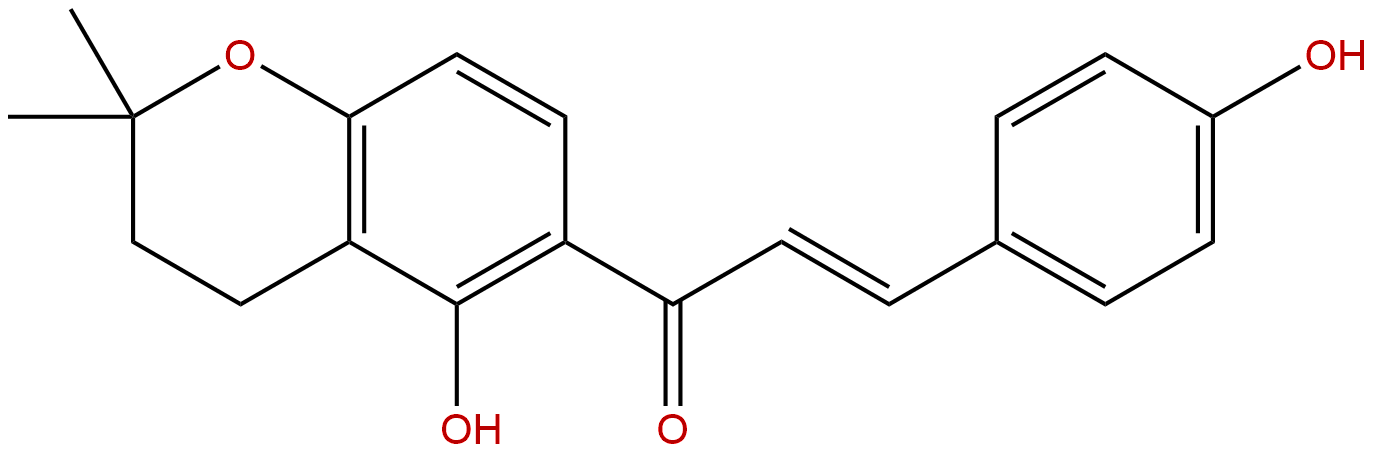
Dorsmanin A is a typical allyl compound with a molecular formula of C2H28O4 and a molecular weight of 324.37. Its structure contains multiple unsaturated allyl groups, endowing it with high chemical reactivity and biological activity. The LogP value of this compound is 3.2, indicating moderate lipid solubility that facilitates membrane penetration and in vivo distribution. Its topological polar surface area (TPSA) is 55.76 Å ², indicating that it has a certain polarity that may affect its binding ability with biological targets. Dorsmanin A contains four hydrogen bond receptors, which may form stable interactions with protein targets through hydrogen bonds. The low permeability of the blood-brain barrier suggests limited distribution in the central nervous system, but this may also reduce the risk of central nervous system related toxicity. The current research on its hepatotoxicity, cardiotoxicity, and hERG channel inhibition is not clear, and its safety needs to be further evaluated.
Plant sources and extraction methods
Dorsmanin A mainly comes from the branches of plants in the Ganlu genus. Ganlu vine is a traditional Chinese medicinal herb widely distributed in tropical and subtropical regions of Asia. Its branches are rich in various active secondary metabolites, among which Dorsmanin A is a representative allyl compound. During the extraction process, organic solvents such as methanol or ethanol are usually used for crude extraction, followed by liquid-liquid partitioning and chromatographic techniques (such as silica gel column chromatography, reverse phase high-performance liquid chromatography) for separation and purification. Modern technologies such as ultrasound assisted extraction and high-performance liquid chromatography-mass spectrometry (HPLC-MS) have also been applied to improve extraction efficiency and purity. The optimization of extraction process is of great significance for ensuring the yield and activity of Dorsmanin A.
Pharmacological activity research
Antitumor activity
Dorsmanin A exhibits significant anti proliferative and pro apoptotic effects in various tumor cell lines. Its targets include key proteins such as MCL1, BCL2, STAT3, MMP2, TOP1, HIF1A, TOP2A, MAPK1, ESR1, and CYP19A1, involving cell apoptosis regulation, signal transduction, cell cycle regulation, and tumor microenvironment remodeling. Dorsmanin A promotes programmed cell death of tumor cells by inhibiting the anti apoptotic proteins MCL1 and BCL2; Its inhibition of STAT3 and HIF1A blocks the proliferation signal and adaptive metabolism of tumor cells. In addition, Dorsmanin A reduces the invasion and metastasis ability of tumor cells by inhibiting MMP2. The inhibitory effects of TOP1 and TOP2A interfere with DNA replication and transcription processes, further enhancing their anti-tumor efficacy.
anti-inflammatory activity
In inflammatory disease models, Dorsmanin A exhibits good anti-inflammatory effects. Its main targets include nuclear factor kappa B (NFKB1), cyclooxygenase-2 (PTGS2), tumor necrosis factor alpha (TNF), interleukin-1 β (IL1B), and phospholipase A2 (PLA2G2A). By inhibiting the NFKB1 signaling pathway, Dorsmanin A effectively reduces the expression of pro-inflammatory cytokines and alleviates inflammatory responses. The inhibition of PTGS2 reduces the synthesis of prostaglandins and alleviates inflammation related symptoms. Its regulation of TNF and IL1B further inhibits the inflammatory cascade, demonstrating potential therapeutic value for inflammatory diseases.
Antidiabetic activity
Dorsmanin A shows a regulatory role in diabetes and related metabolic disorders. Its targets include insulin receptor (INSR), glucose transporter 4 (SLC2A4), AMP activated protein kinase (PRKAA1), insulin receptor substrate 1 (IRS1), and protease activated receptor 2 (F2RL1). By activating INSR and IRS1, Dorsmanin A enhances insulin signaling and increases cellular uptake and utilization of glucose. Upregulation of SLC2A4 promotes glucose transport and improves blood glucose control. The activation of PRKAA1 regulates energy metabolism and improves insulin resistance, showing its potential in the treatment of diabetes.
Neuroprotective effect
In the field of neurodegenerative diseases, Dorsmanin A exhibits regulatory effects on targets such as beta amyloid precursor proteasome (BACE1), tau protein (MAPT), alpha synuclein (SNCA), glutamate receptor (GRIN1), and superoxide dismutase (SOD1). By inhibiting BACE1, Dorsmanin A reduces the production of β - amyloid protein and delays the pathological progression of Alzheimer's disease. Regulating tau protein helps prevent the formation of neurofibrillary tangles. Its impact on SNCA may alleviate the pathology of alpha synuclein associated with Parkinson's disease. The regulation of GRIN1 helps stabilize glutamatergic neurotransmission and prevent excitotoxicity. The regulation of SOD1 enhances antioxidant defense and protects neurons from oxidative stress damage.
Antiviral activity
Dorsmanin A exhibits certain antiviral potential in viral infections, mainly by regulating interferon receptor 1 (IFNAR1) and ribonucleic acid dependent protein kinase 2 (EIF2AK2). By activating the interferon signaling pathway, enhance the host's antiviral immune response. The regulation of EIF2AK2 helps to inhibit viral protein synthesis and limit viral replication. Although there is currently no clear evidence to suggest that Dorsmanin A directly acts on viral proteases or reverse transcriptase, its immunomodulatory effects provide new insights for antiviral therapy.
Mechanism of action and molecular targets
The multi-target properties of Dorsmanin A enable it to exert comprehensive regulatory effects in various disease states. The main mechanisms include:
-
Regulating cell apoptosis and proliferation Promote tumor cell apoptosis and inhibit proliferation by inhibiting anti apoptotic proteins (MCL1, BCL2) and signal transduction factors (STAT3, MAPK1).
-
Inhibition of inflammatory signaling pathway By blocking the NFKB1 and PTGS2 pathways, reducing the expression of pro-inflammatory factors and alleviating tissue inflammation.
-
Regulating metabolic signals Activate insulin signaling pathways (INSR, IRS1) and energy metabolism regulatory factors (PRKAA1) to improve insulin sensitivity and glucose metabolism.
-
Neuroprotective mechanism Reduce the accumulation of neurotoxic proteins (BACE1, MAPT, SNCA), stabilize neurotransmitter receptors (GRIN1), and enhance antioxidant capacity (SOD1).
-
Immune regulation and antiviral effects Enhance interferon signaling (IFNAR1) and inhibit viral protein synthesis (EIF2AK2) to enhance host antiviral defense.
The synergistic effect of these mechanisms makes Dorsmanin A a powerful candidate molecule for multi disease, multi-target therapy.
Evaluation of drug properties and pharmacokinetics
From the perspective of drug development, the molecular weight (324.37) and LogP (3.2) of Dorsmanin A comply with Lipinski's rule, which is beneficial for oral absorption. The moderate number of TPSA and hydrogen bond receptors supports its effective binding to the target. The low permeability of the blood-brain barrier suggests that its efficacy in the central nervous system may be limited, but it may also reduce the risk of central toxicity. Currently, there is a lack of information on its hepatotoxicity, cardiotoxicity, and hERG channel inhibition, and a systematic safety evaluation is needed.
In terms of pharmacokinetics, there is still a lack of detailed in vivo absorption, distribution, metabolism, and excretion (ADME) data. Given its lipid solubility characteristics, it is speculated that it has good membrane penetration, but its metabolic stability and bioavailability need to be further confirmed through in vivo experiments. In the future, pharmacokinetic studies should be conducted by combining internal and external models to clarify their in vivo behavior and dosage regulation strategies.
Clinical application prospects and prospects
Dorsmanin A, as a multi-target natural product, has a wide range of pharmacological activities and potential clinical application value. It has shown a good laboratory research foundation in anti-tumor, anti-inflammatory, anti diabetes and neuroprotection. In the future, it can focus on the following directions:
-
Development of anti-tumor drugs Exploring the application of Dorsmanin A in solid tumors and hematological tumors, especially in combination therapy strategies for drug-resistant tumors, by combining molecular targeted therapy and immune regulation.
-
Anti inflammatory and immunomodulatory agents Develop natural anti-inflammatory drugs with low toxicity and side effects for chronic inflammatory diseases such as rheumatoid arthritis and inflammatory bowel disease.
-
Metabolic disease treatment To develop new therapeutic drugs for diabetes and metabolic syndrome by using its ability to regulate insulin signaling pathway.
-
Intervention for neurodegenerative diseases Exploring its therapeutic potential in Alzheimer's disease, Parkinson's disease, and other diseases by combining neuroprotective and antioxidant mechanisms.
-
Antiviral drug adjuvant Through immune regulatory mechanisms, as an adjuvant drug for antiviral therapy, it improves efficacy and reduces viral resistance.
Future research should focus on pharmacokinetic optimization, safety evaluation, and preclinical model validation of Dorsmanin A, in order to promote its translation into clinical applications.
Conclusion
As an important allyl natural product in Ganlu Vine, Dorsmanin A exhibits broad potential for drug development due to its multi-target and multi disease spectrum pharmacological activities. Its multiple action mechanisms in the fields of anti-tumor, anti-inflammatory, anti diabetes, neuroprotection and anti-virus provide a new direction for the pharmacological research of natural products. Although its safety and pharmacokinetic data are currently incomplete, with further research, Dorsmanin A is expected to become an important candidate molecule for novel multifunctional drugs. In the future, it is necessary to strengthen its mechanism research, optimize its drug properties, and conduct preclinical evaluations to promote its clinical application and provide new solutions for the treatment of related diseases.