| Catalog No | Package | Original Price | Price | Inventory | Quantity | Operating |
|---|---|---|---|---|---|---|
| BP3526-100mg | 100mg | $20.00 | Sign in |
|


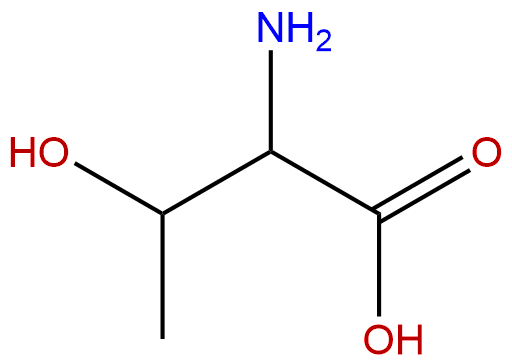
Product name: L-Threonine
Synonym name:
Catalogue No.: BP3526
Cas No.: 72-19-5
Formula: C4H9NO3
Mol Weight: 119.12
Botanical Source:
Physical Description:
Type of Compound: Amino Acids
Purity: 95%~99%
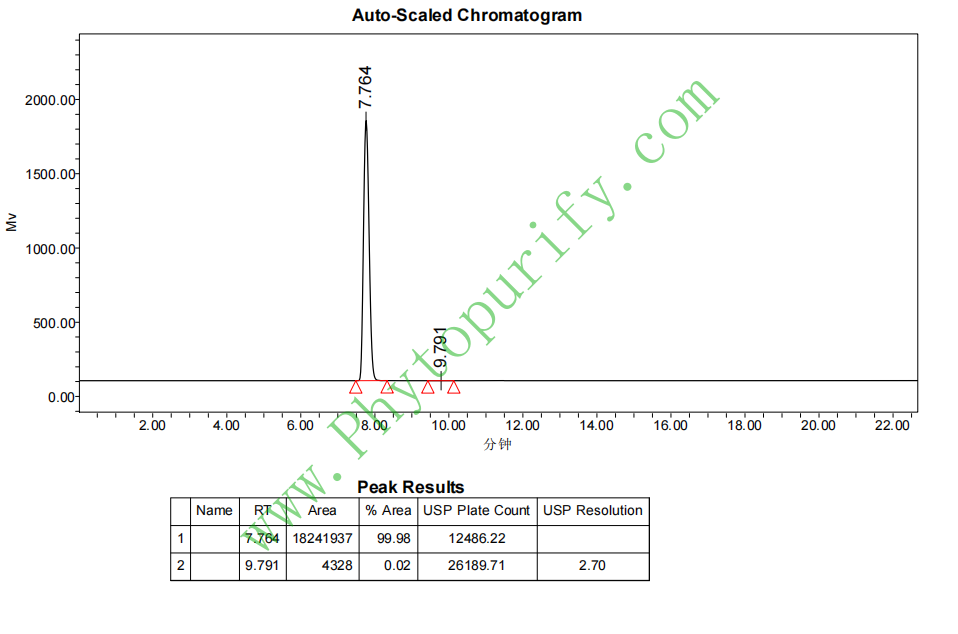
Analysis Method: HPLC-DAD or/and HPLC-ELSD
Identification Method: Mass, NMR
Packing: Brown vial or HDPE plastic bottle
Storage: Store in a well closed container, protected from air and light. Put into refrigerate or freeze for long term storage.
Whenever possible, you should prepare and use solutions on the same day. However, if you need to make up stock solutions in advance, we recommend that you store the solution as aliquots in tightly sealed vials at -20℃. Generally, these will be useable for up to two weeks.
The product could be supplied from milligrams to grams
Inquire for bulk scale.
For Reference Standard and R&D, Not for Human Use Directly.
HPLC of L-Threonine
Storage conditions:Short-term storage at 2~8℃, long-term storage at -20 ~ -80℃
83.5500
-2.3238
-2.3281
253.4346
.1194
2.1174
Low
14.4501
3.0085
Yes
No
No
No
No
No
0.0
No
No
No
No
L-threonine (CAS number: 72-19-5) is an essential protein amino acid for the human body, which has attracted much attention due to its central position in life metabolism. As a member of the aspartic acid family, L-threonine is a key component of protein synthesis, involved in various physiological processes such as immune regulation, intestinal health maintenance, neurotransmitter balance, and fat metabolism. Unlike other essential amino acids, L-threonine has a unique metabolic pathway, and its breakdown products include glycine, acetyl CoA, and pyruvic acid, making it play an important role in energy metabolism and gluconeogenesis. In recent years, with the deepening of metabolomics and nutritional pharmacology research, L-threonine is no longer only regarded as a nutritional supplement. Its potential value in disease treatment, especially by regulating protein synthesis signaling pathways (such as the mTOR pathway) to intervene in metabolic diseases, intestinal inflammation, and neurodegenerative disorders, is gradually being revealed. This article will provide a systematic review of L-threonine from the aspects of chemical structure, source, pharmacological activity, molecular mechanism, drug properties, and clinical application prospects, aiming to provide comprehensive and in-depth references for researchers in the field of natural product pharmacology.
The chemical name of L-threonine is (2S, 3R) -2-amino-3-hydroxybutyric acid, with a molecular formula of C ₄ H ₉ NO3, and a molecular weight of 119.12 Da. Its structural feature is the presence of a chiral center (C2 and C3), and naturally occurring L-threonine has a specific stereoconfiguration (2S, 3R), which determines its biological activity and metabolic recognition. As an alpha amino acid, its side chain contains a hydroxyl group (- OH), which gives it a certain polarity and hydrophilicity. The isoelectric point (pI) of L-threonine is approximately 5.6, and it mainly exists in the form of zwitterionic ions under physiological pH conditions.
In terms of physicochemical properties, the LogP value of L-threonine is -2.32, indicating its extremely high water solubility (water solubility value 253.43 mg/mL), which is consistent with its polar side chain and zwitterionic properties. Its topological polar surface area (TPSA) is 83.55 Å ², indicating that it has good water phase distribution ability, but it also limits its ability to passively diffuse through the lipid bilayer. L-threonine is a white crystalline or crystalline powder in the solid state, with a melting point of 255-257 ° C (decomposition). It is easily soluble in water and difficult to dissolve in organic solvents such as ethanol and ether. Its aqueous solution is neutral or slightly acidic. These physicochemical properties determine that L-threonine mainly relies on active transport systems (such as amino acid transporters) for transmembrane transport in vivo, rather than passive diffusion. Its high water solubility and low fat solubility also explain its low blood-brain barrier permeability, which means that the level of L-threonine in the central nervous system is mainly regulated by peripheral blood concentration and transporter expression.
L-threonine, as a natural amino acid, is widely present in animal and plant proteins, but its free state content in nature is relatively low. In terms of plant sources, legumes, grains, nuts, and seeds are rich in L-threonine, such as soy protein, wheat germ, peanuts, almonds, etc. However, due to the relatively low content of L-threonine in plant proteins (usually 3-5% of total protein), and the impact of anti nutritional factors on the bioavailability of L-threonine in plant-based foods, direct extraction of L-threonine from plants is not an economically feasible method.
At present, the industrial production of L-threonine mainly relies on microbial fermentation methods, especially the use of genetically engineered Escherichia coli(Escherichia coli)Or Corynebacterium glutamicum(Corynebacterium glutamicum)Fermentation is carried out. These microorganisms have been genetically modified through metabolic engineering to enhance the activity of key enzymes such as aspartate - β - semialdehyde dehydrogenase, homoserine dehydrogenase, and threonine synthase, thereby efficiently converting glucose or sucrose into L-threonine. The fermentation process is usually carried out under aerobic conditions, with temperature controlled at 30-37 ° C and pH maintained at 6.5-7.5. After fermentation, the bacterial cells are removed by centrifugation or membrane filtration, and the supernatant is subjected to ion exchange resin adsorption, elution, concentration, crystallization, and drying steps to obtain high-purity L-threonine crystals. In addition, enzymatic synthesis (such as using threonine aldolase) and chemical synthesis (such as starting from glycine and acetaldehyde) also exist, but their applications are limited due to cost or environmental issues. It is worth noting that L-threonine, as a natural metabolite of Escherichia coli and brewing yeast, provides an important theoretical basis for fermentation engineering through its endogenous synthesis and regulatory mechanisms.
The pharmacological activity research of L-threonine has expanded from basic nutritional support to interventions in various disease models. Its main pharmacological activities include:
Promote protein synthesis and muscle growth As an essential substrate for protein synthesis, L-threonine promotes protein synthesis in skeletal muscle and inhibits protein breakdown by activating the mTOR signaling pathway. Animal experiments have shown that supplementing with L-threonine can significantly increase muscle mass, improve exercise endurance, and alleviate muscle atrophy caused by aging or disease. In animal models such as pigs and chickens, adding L-threonine to the diet can improve feed conversion rate and lean meat percentage.
Immune regulation and intestinal health L-threonine is an important precursor for the synthesis of intestinal mucins such as MUC2. Mucin is a key component of the intestinal barrier, which can prevent pathogenic bacteria from invading and maintain intestinal homeostasis. Research has shown that L-threonine deficiency can lead to reduced intestinal mucin synthesis, increased intestinal permeability, and induce inflammatory bowel disease (IBD). Supplementing with L-threonine can enhance intestinal barrier function, alleviate inflammatory response in colitis models, regulate gut microbiota composition, and promote the proliferation of beneficial bacteria such as lactobacilli.
Neuroprotection and cognitive function L-threonine is a precursor of the neurotransmitters glycine and serine, involved in the regulation of N-methyl-D-aspartate (NMDA) receptors. Animal studies have shown that supplementation with L-threonine can improve cognitive function, alleviate beta amyloid deposition and neuroinflammation in Alzheimer's disease models. In addition, abnormal L-threonine metabolism is associated with neurological and psychiatric disorders such as schizophrenia and depression, suggesting that it may be used as an adjuvant therapy.
metabolic regulation L-threonine participates in gluconeogenesis, lipid metabolism, and one carbon unit metabolism through its metabolites such as glycine and acetyl CoA. In obesity and type 2 diabetes models, L-threonine supplementation can improve insulin sensitivity and reduce blood glucose and lipid levels. The mechanism may be related to regulating the expression of lipid synthesis genes in the liver and reducing endoplasmic reticulum stress.
Antioxidant and anti-inflammatory properties Although L-threonine itself is not a direct antioxidant, it exerts indirect antioxidant and anti-inflammatory effects by promoting glutathione (GSH) synthesis (glycine is a precursor of GSH) and inhibiting the NF - κ B pathway. In liver injury, kidney injury, and acute lung injury models, L-threonine pretreatment can reduce the levels of oxidative stress markers (such as MDA, ROS) and decrease the expression of pro-inflammatory cytokines (such as TNF - α, IL-6).
The pharmacological activity of L-threonine is mainly based on its participation as a substrate in metabolic pathways and as a signaling molecule regulating cellular functions. Its core mechanism of action is closely related to protein synthesis signaling pathways, especially the mTOR (mammalian target protein of rapamycin) pathway.
Activation of mTOR signaling pathway MTOR is a serine/threonine kinase that is a core regulatory factor for cell growth, proliferation, metabolism, and autophagy. L-threonine, as an essential amino acid, promotes protein synthesis by activating the mTORC1 complex (composed of mTOR, RPTOR, MLST8, etc.). Specifically, L-threonine senses intracellular amino acid levels through amino acid sensors (such as Sestrin2 or CASTOR1), which activate Rag GTPase and recruit mTORC1 to the surface of lysosomes for Rheb activation. Activated mTORC1 phosphorylates downstream effector molecules, including:
Regulation of mucin synthesis In the intestine, L-threonine promotes the synthesis of mucins (such as MUC2) in goblet cells by activating the mTOR pathway and acting directly as a substrate. In addition, L-threonine can maintain the correct folding and secretion of mucins by regulating the endoplasmic reticulum stress response (UPR), thereby protecting the intestinal barrier.
Regulation of neurotransmitter metabolism L-threonine is converted to glycine in the liver and brain by threonine dehydrogenase (TDH), or to glycine and acetaldehyde by threonine aldolase. Glycine is both an inhibitory neurotransmitter and a co agonist of NMDA receptors. Supplementation with L-threonine can increase the level of glycine in the brain, regulate the balance of excitation/inhibition, and improve cognitive function.
Epigenetic regulation Acetyl CoA produced by L-threonine metabolism is a substrate for histone acetylation. By regulating acetyl CoA levels, L-threonine may affect histone acetylation status, thereby regulating gene expression. In addition, L-threonine also participates in one carbon unit metabolism, affecting DNA and histone methylation.
L-threonine, as a natural amino acid, has significant advantages in medicinal properties, but also has certain limitations.
Pharmaceutical properties parameters:
- molecular weight:119.12 Da, Meets the criteria for small molecule drugs (<500 Da).
- LogP-2.32, with strong hydrophilicity and excellent water solubility (253.43 mg/mL), which is beneficial for the development of oral formulations.
- TPSA 83.55 Å ², slightly higher than the recommended<70 Å ² for oral medications, but still within an acceptable range.
- Blood-brain barrier permeability Low, which limits its direct application in central nervous system diseases, but can be improved through prodrug design or nanocarrier delivery.
- HERG inhibition No, it indicates a low risk of cardiac toxicity.
- Ames test 0.0, no mutagenicity, low risk of genetic toxicity.
Pharmacokinetic characteristics:
- absorb After oral administration, L-threonine is mainly actively absorbed through the amino acid transport system in the small intestine (such as B ⁰ AT1, ASCT2). Its absorption rate is influenced by competition from other amino acids in the diet, especially neutral amino acids. Oral bioavailability is high, but it is affected by first pass effects.
- distribution Due to its hydrophilicity, L-threonine is mainly distributed in extracellular and intracellular fluids. Its tissue is widely distributed, but its concentration is low in cerebrospinal fluid and brain tissue due to the limited affinity of amino acid transporters (such as LAT1) on the blood-brain barrier for L-threonine.
- Metabolism L-threonine is mainly metabolized by threonine dehydrogenase (TDH) and threonine aldolase in the liver, producing glycine, acetyl CoA, and pyruvate. In addition, some L-threonine can be metabolized by gut microbiota.
- excretion Untreated L-threonine is mainly excreted in its original form through the kidneys. Its renal clearance rate is high and its half-life is short (about 1-2 hours), requiring frequent administration to maintain effective blood drug concentration.
safety L-threonine, as a food additive (E code E640) and feed additive, has been widely used with high safety. High dose supplementation (>10 g/day) may cause gastrointestinal discomfort (such as diarrhea and bloating), but there are no reports of serious toxicity. Its low toxicity, high water solubility, and non mutagenicity make it an ideal candidate drug or nutritional supplement.
Based on the pharmacological activity and drug formation of L-threonine, its clinical application prospects are broad, mainly concentrated in the following fields:
Treatment of intestinal diseases The role of L-threonine in maintaining intestinal barrier integrity makes it a potential therapeutic or adjuvant therapy for inflammatory bowel disease (IBD), irritable bowel syndrome (IBS), and chemotherapy associated diarrhea. Clinical trials can explore the effect of oral L-threonine supplements on mucosal healing and symptom improvement in patients with ulcerative colitis.
Muscle atrophy and metabolic diseases L-threonine promotes protein synthesis by activating the mTOR pathway in muscle wasting associated with age-related sarcopenia, cancer cachexia, and chronic kidney disease, and has the potential to serve as a nutritional intervention. In addition, its role in improving insulin resistance and lipid metabolism suggests that it can be used as an adjuvant treatment for type 2 diabetes and obesity.
Neuropsychiatric disorders Although the permeability of the blood-brain barrier is low, increasing the concentration of L-threonine in peripheral blood can indirectly increase the level of glycine in the brain. L-threonine can be used as an adjuvant therapy for schizophrenia (especially negative symptoms) and depression. The design of prodrugs (such as L-threonine esters) or nanocarrier delivery systems can enhance their brain bioavailability.
Anti aging and immune regulation L-threonine may delay age-related diseases by regulating the mTOR pathway and antioxidant activity. Supplementation with L-threonine can enhance immune function during infection or immunosuppression.
Challenges and Prospects:
- Optimization of drug administration strategy L-threonine has a short half-life and requires the development of sustained-release formulations or prodrugs to maintain effective blood drug concentrations.
- Targeted delivery Targeted delivery systems (such as colon targeted capsules or muscle injection formulations) can be designed for specific tissues such as the intestine or muscles.
- combination therapy The synergistic effects of L-threonine with other amino acids (such as leucine, arginine) or drugs (such as mTOR inhibitors, metformin) are worth exploring.
- Individualized nutrition Based on metabolomics, develop personalized L-threonine supplementation plans for different disease states or genetic backgrounds.
L-threonine, a seemingly simple essential amino acid, actually contains complex biological functions and broad application potential. From a chemical structure perspective, its unique three-dimensional configuration and polar side chains determine its metabolic fate and pharmacological activity; From the perspective of pharmacological activity, it is not only the cornerstone of protein synthesis, but also a key molecule for immune regulation, intestinal health, neuroprotection, and metabolic regulation. The core of its mechanism of action lies in integrating nutritional signals and cell growth through the mTOR signaling pathway, while participating in various physiological processes through metabolites. Drug evaluation shows that L-threonine has advantages such as low toxicity, high water solubility, and no mutagenicity, but its low blood-brain barrier permeability and short half-life are obstacles that need to be overcome in clinical translation. In the future, with a deeper understanding of the regulatory network of L-threonine metabolism, as well as the development of new delivery systems and combination therapy strategies, L-threonine is expected to be upgraded from traditional nutritional supplements to precision therapeutic drugs for intestinal diseases, metabolic diseases, and neurological and psychiatric disorders. The study of pharmacology of natural products aims to uncover the extraordinary value of these "ordinary" molecules and provide new solutions for human health.
