Introduction/Overview
Natural products, as an important source of drug discovery, play an indispensable role in the long history of human fight against diseases. Among them, sesquiterpene lactones (SLs) are a class of structurally diverse and biologically active natural products widely found in plants such as Asteraceae. This type of compound is known for its unique α - methylene - γ - lactone structural unit, which is considered a key pharmacophore for its various pharmacological activities. From the classic antimalarial drug artemisinin to the anti-inflammatory active Parthenolide, the sesquiterpene lactone family continues to provide new lead compounds for modern drug development.
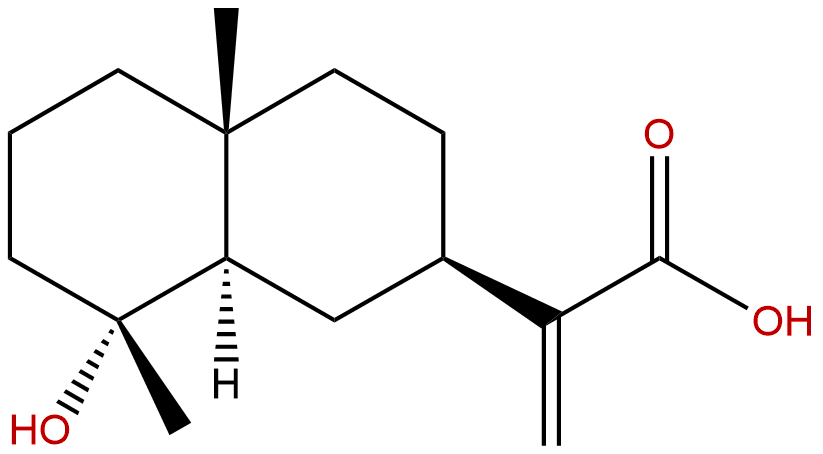
Ilicic acid, a typical sesquiterpene lactone, has gradually attracted the attention of natural product chemists and pharmacologists in recent years. Its CAS number is 4586-68-9, and its molecular formula is C ₁₅ H ₂₄₃. The compound was initially isolated and identified from plants such as Cinnamomum camphora, and its name "Ilicic acid" is derived from its historical origin in Ilex plants, although subsequent studies have confirmed that it is more abundant in camphor and other plants. From a chemical structure perspective, oxalic acid from the holly leaf dolphin belongs to the Eudemane type sesquiterpene lactone, with a skeleton composed of three isoprene units and a characteristic lactone ring.
Modern pharmacological studies have shown that oxalic acid from the holly leaf dolphin exhibits various biological activities, particularly in the field of anti-inflammatory effects. Inflammation is a defensive response of the body to infection and tissue damage, but excessive or sustained inflammatory response is the core pathological process of many chronic diseases, such as rheumatoid arthritis, inflammatory bowel disease, neuroinflammation, and various metabolic diseases. The oxalic acid of holly leaf dolphin can exert its anti-inflammatory effect by regulating multiple key inflammatory signaling pathways, inhibiting the production of various pro-inflammatory cytokines and mediators. Its target network includes IL-6, STAT3, CASP1, TRPV1, RELA (NF - κ B p65 subunit), PTGS1 (COX-1), TNF, TRPA1, IKBKB (IKK β), and NOS2 (iNOS), exhibiting multi-target and multi pathway regulatory characteristics. This multi-target mode of action has potential advantages in treating complex inflammatory diseases.
This article aims to provide a systematic review of the research status of oxalic acid in the holly leaf dolphin, covering its chemical structure and physicochemical properties, plant sources and extraction methods, pharmacological activity, mechanism of action, drug evaluation, and clinical application prospects, in order to provide comprehensive references for the in-depth research and development of this natural product.
Chemical structure and physicochemical properties
The chemical structure of Ilicic acid in the holly leaf dolphin belongs to the Eudesmane type sesquiterpene lactone. Its core skeleton is the Decalin system, and a gamma lactone ring is formed between positions C-6 and C-7. Specifically, its structural features can be described as follows: a carboxyl group (- COOH) is attached to the C-4 position of the eucalyptus skeleton, a methyl group is attached to the C-11 position, and the lactone ring is usually located between the C-6 and C-12 positions (i.e., 6,12-lactone). This structure endows the molecule with a certain polarity and rigidity. It is worth noting that oxalic acid in holly leaf dolphins reported in different literature may exist in stereoisomers due to differences in chiral centers, but usually refers to specific configurations that naturally exist.
From the perspective of physicochemical properties, the molecular weight of oxalic acid in the holly leaf dolphin is 252.3540 g/mol, which belongs to the category of small molecule compounds, laying the foundation for its good cell membrane permeability. The LogP of its lipid water partition coefficient is 2.6676, indicating that the compound has moderate lipophilicity, which can be dissolved in organic solvents such as methanol, ethanol, chloroform, etc., and also has a certain degree of water solubility (predicted water solubility is 0.6831 mg/mL). This balanced lipid water distribution characteristic is beneficial for its absorption and distribution in the body. The topological polar surface area (TPSA) is 57.53 Å ², which is lower than the commonly considered good oral absorption threshold (140 Å ²), indicating its good intestinal absorption potential. In addition, the TPSA value is also related to its ability to penetrate the blood-brain barrier (BBB). The prediction of pharmacological parameters shows that oxalic acid from holly leaf dolphin has a high blood-brain barrier penetration ability, which suggests that it may have potential therapeutic value for inflammation or related diseases of the central nervous system. In terms of early safety assessment, the predicted result of hERG inhibition is' no ', indicating a low risk of causing QT interval prolongation in the heart; The Ames test result is 0.0, indicating no significant mutagenicity in this testing system. These preliminary pharmacological parameters provide positive signals for the further development of oxalic acid in holly leaf dolphins.
Plant sources and extraction methods
The oxalic acid of the holly leaf dolphin was originally discovered in plants of the Ilex genus, which is also the origin of its name. However, subsequent phytochemical studies have found that the compound is more widely distributed in nature, especially in Lauraceae plants where its content is more abundant. Among them, camphor (Cinnamomum camphora) is widely recognized as one of the main natural sources of oxalic acid in holly leaf dolphins. In addition, its traces have also been found in some Asteraceae plants.
Extracting oxalic acid from camphor leaves of holly typically follows the classic process of natural product chemistry, which mainly includes the following steps:
-
Raw material preparation and extraction Collect camphor branches, leaves or trunks, dry and crush them, and extract them using organic solvents. Given the moderate polarity of oxalic acid in holly leaf dolphins, commonly used extraction solvents include ethanol, methanol, or their aqueous solutions. To improve extraction efficiency and selectivity, solvents of different polarities can also be used for staged extraction, such as degreasing with petroleum ether or n-hexane first, and then extracting the target compound with ethyl acetate or ethanol. Modern extraction techniques such as ultrasound assisted extraction (UAE) or microwave-assisted extraction (MAE) have also been applied to improve yield and shorten extraction time.
-
Separation and purification of crude extract The extract is concentrated under reduced pressure to obtain a paste. Subsequently, various chromatographic techniques were used for separation and purification. The most commonly used method is silica gel column chromatography, which separates oxalic acid from other sesquiterpenes or impurities by gradient elution using solvents such as petroleum ether ethyl acetate or chloroform methanol in different ratios. In addition, reverse phase silica gel (such as ODS) column chromatography, Sephadex LH-20 gel column chromatography and preparative high-performance liquid chromatography (Prep HPLC) are also often used for further fine purification to obtain high-purity monomer compounds.
-
Structural Identification The purified compound was structurally confirmed by spectroscopic methods. Nuclear magnetic resonance spectroscopy (NMR, including ¹ H-NMR, ¹ ³ C-NMR, and two-dimensional spectra such as HSQC, HMBC, COSY, etc.) is the main means of analyzing its planar structure and relative configuration. High resolution mass spectrometry (HR-MS) is used to determine its precise molecular weight and formula. By comparing with the spectral data reported in the literature, it was ultimately confirmed to be oxalic acid from the holly leaf dolphin.
It is worth noting that due to the low content of oxalic acid in plants, large-scale extraction and purification costs are relatively high. Therefore, exploring its biosynthetic pathway or developing chemical synthesis methods is crucial for meeting the needs of future research and applications.
Pharmacological activity research
The pharmacological activity research of oxalic acid in holly leaf dolphin mainly focuses on its anti-inflammatory effect, while also involving other potential biological effects.
1. Anti inflammatory activity
This is the most core and extensively studied pharmacological activity of oxalic acid in holly leaf dolphins. Numerous in vitro and in vivo experiments have confirmed its significant anti-inflammatory effect.
- In vitro research In the lipopolysaccharide (LPS) - stimulated macrophage model (such as RAW264.7 cells), oxalic acid from holly leaves can significantly inhibit the production of pro-inflammatory cytokines such as tumor necrosis factor - α (TNF - α), interleukin-6 (IL-6), and nitric oxide (NO). At the same time, it can also downregulate the expression of key inflammatory enzymes such as inducible nitric oxide synthase (iNOS/NOS2) and cyclooxygenase-2 (COX-2/PTGS2). These effects are usually closely related to the inhibition of the activation of the nuclear factor kappa B (NF - κ B) signaling pathway.
- In vivo research In various classic animal models of acute inflammation, oxalic acid from holly leaf dolphin also exhibits good anti-inflammatory activity. For example, in the carrageenan induced rat plantar swelling model, treatment with oxalic acid from holly leaf dolphin can effectively reduce the degree of swelling. In the xylene induced mouse ear swelling model, its anti-inflammatory effect was also observed. These results indicate that oxalic acid from holly leaf dolphins has a definite anti-inflammatory effect at the overall animal level.
2. Analgesic activity
Given the close relationship between inflammation and pain, the analgesic effect of oxalic acid in holly leaf dolphins has also received attention. Its mechanism of action may be partly due to its anti-inflammatory activity, or it may be related to its regulation of transient receptor potential (TRP) channels. Research suggests that oxalic acid in holly leaf dolphins may exert analgesic effects by antagonizing TRPV1 and TRPA1 receptors. TRPV1 and TRPA1 are non selective cation channels located on sensory neurons, which can be activated by various inflammatory mediators and nociceptive stimuli, and are key molecules for pain perception. The regulation of these channels by oxalic acid in holly leaf dolphins provides the possibility for the development of new analgesic drugs.
3. Other potential activities
In addition to anti-inflammatory and analgesic effects, preliminary studies also suggest that oxalic acid from holly leaf dolphins may have other pharmacological activities, such as:
* Cellular protective effect In some oxidative stress models, it has been observed that oxalic acid from holly leaves can alleviate cell damage, which may be related to its antioxidant or anti apoptotic properties.
* Antibacterial activity There are literature reports that it has a weak inhibitory effect on certain bacteria or fungi, but it is not its main active direction.
Overall, the pharmacological activity spectrum of oxalic acid in holly leaf dolphins is centered around anti-inflammatory effects, which in turn lead to analgesic effects. Its multi-target characteristics make it promising in the treatment of complex diseases.
Mechanism of action and molecular targets
The molecular mechanism by which oxalic acid in holly leaf dolphins exerts its pharmacological activity is multi-layered and multi-target, mainly focusing on the regulation of inflammatory signaling networks. According to existing research, its key mechanisms of action and molecular targets can be summarized as follows:
1. Inhibit the NF - κ B signaling pathway
NF - κ B is the core transcription factor of inflammatory response, regulating the expression of a large number of pro-inflammatory genes such as TNF - α, IL-6, iNOS, COX-2. The oxalic acid of holly leaf dolphin can effectively inhibit the activation of NF - κ B. Its functional components may include:
* Inhibition of I κ B kinase (IKK) complex IKK (composed of IKK α, IKK β, and IKK γ) is a key kinase activated by the NF - κ B pathway. Oxalic acid in the holly leaf dolphin may inhibit the activity of IKK β (IKBKB), preventing the phosphorylation and degradation of I κ B α protein. I κ B α is an inhibitory protein of NF - κ B, and its degradation is a prerequisite for the release and translocation of NF - κ B into the nucleus.
* Inhibition of NF - κ B nuclear translocation Through the above mechanism, oxalic acid in the holly leaf dolphin ultimately prevents the translocation of the p65 subunit of NF - κ B (RELA) from the cytoplasm to the nucleus, thereby preventing the transcription of downstream pro-inflammatory genes.
2. Regulating the STAT3 signaling pathway
STAT3 (Signal Transduction and Transcription Activation Factor 3) is another transcription factor closely related to inflammation and immunity. Cytokines such as IL-6 activate JAK kinase, leading to STAT3 phosphorylation and the formation of dimers to regulate gene expression in the nucleus. Oxalic acid in holly leaf dolphins has been found to inhibit the phosphorylation level of STAT3, thereby weakening the pro-inflammatory effect of the IL-6/STAT3 signaling axis. This synergizes with its upstream effect of inhibiting IL-6 production, forming a negative feedback regulatory loop.
3. Regulating NLRP3 inflammasome
NLRP3 inflammasome is a multi protein complex, and its activation is a key step in the maturation and secretion of pro-inflammatory cytokines such as IL-1 β and IL-18, as well as the activation of CASP1 (cysteine aspartate protease 1). Research has shown that oxalic acid in holly leaf dolphins may reduce the activity of CASP1 and the release of IL-1 β by inhibiting the assembly or activation of NLRP3 inflammasomes. This provides a theoretical basis for its application in NLRP3 related diseases such as gout and Alzheimer's disease.
4. Regulating TRP channels
As mentioned earlier, oxalic acid from the holly leaf dolphin has a regulatory effect on TRPV1 and TRPA1 channels. TRPV1 and TRPA1 are nociceptors expressed on primary sensory neurons. Inflammatory mediators such as prostaglandins (catalyzed by PTGS1/COX-1) and bradykinin can sensitize or directly activate these channels, triggering pain signals. The oxalic acid of holly leaf dolphin may act as an antagonist or regulator of TRPV1 and TRPA1, directly blocking the generation and transmission of pain signals, which explains the mechanism of its analgesic effect.
5. Inhibit key inflammatory enzymes
The oxalic acid of holly leaf dolphin can directly or indirectly inhibit various enzymes related to the synthesis of inflammatory mediators. For example, it can downregulate the expression of NOS2 (iNOS), thereby reducing the production of a large amount of NO. NO is an important free radical and signaling molecule in inflammatory responses. At the same time, it can also inhibit the activity or expression of PTGS1 (COX-1) and PTGS2 (COX-2), reduce the synthesis of prostaglandins (PGs), which are key mediators of inflammatory symptoms such as redness, swelling, heat, and pain.
In summary, oxalic acid from the holly leaf dolphin forms a multi-target, multi pathway anti-inflammatory network by simultaneously acting on multiple key nodes such as NF - κ B, STAT3, NLRP3/CASP1, TRPV1/TRPA1, and iNOS/COX. This "network regulation" model is different from single target drugs and may have higher efficacy and lower risk of drug resistance, especially suitable for treating chronic inflammatory diseases with complex etiology.
Evaluation of drug properties and pharmacokinetics
The development of natural products into clinical drugs must undergo strict pharmacological evaluation, with pharmacokinetic (ADME) properties being a key step. Based on the provided parameters and existing knowledge, a preliminary analysis is conducted on the pharmacological properties of oxalic acid in the holly leaf dolphin.
1. Physical and chemical properties and the "Five Principles of Similar Drugs"
According to Lipinski's "Rule of Five", an orally active drug should typically meet the following criteria: molecular weight<500 LogP<5、 The number of hydrogen bond donors is less than 5, and the number of hydrogen bond acceptors is less than 10. The molecular weight (252.35) and LogP (2.67) of oxalic acid in the holly leaf dolphin meet the standards. Its structure contains one carboxyl group and one lactone ring, and the number of hydrogen bond donors (carboxyl - OH) and acceptors (carbonyl and ether oxygen) should also be within a reasonable range. Therefore, from the perspective of physical and chemical properties, oxalic acid from the holly leaf dolphin meets the basic requirements of drug like properties.
2. Absorption and distribution
- Water solubility and absorption Its predicted water solubility is 0.6831 mg/mL, which belongs to moderate solubility. Although not excellent, combined with its moderate LogP, it is expected to be effectively absorbed in the small intestine. The TPSA value (57.53 Å ²) also supports its good oral absorption potential.
- Blood-brain barrier penetration The prediction results show that it has a "high" blood-brain barrier penetration ability. This is a double-edged sword. This is a huge advantage for treating neuroinflammation, stroke, or neurodegenerative diseases such as Alzheimer's disease, as drugs need to enter the central nervous system to take effect. However, if used to treat peripheral inflammation, high BBB penetration may increase the risk of central nervous system side effects and requires careful evaluation.
3. Metabolism and excretion
At present, there is a lack of experimental data on the specific metabolic pathways and excretion methods of oxalic acid in the body of the holly leaf dolphin. As a sesquiterpene lactone, its α - methylene - γ - lactone structure is a potential metabolic site that may bind to nucleophilic substances such as glutathione (GSH) through Michael addition reactions, which is a common metabolic detoxification pathway for this type of compound. In addition, its carboxyl group may also undergo glucuronic acid or sulfuric acid binding reactions, promoting its clearance from the body. The liver cytochrome P450 enzyme system may also be involved in its oxidative metabolism. Detailed metabolite identification and excretion pathway research will be the focus of future pharmacokinetic studies.
4. Preliminary safety assessment
- HERG inhibition A prediction of 'no' is a positive signal indicating a lower risk of causing cardiac toxicity.
- Ames test The result is 0.0, indicating no mutagenicity in the bacterial recovery mutation test, preliminarily ruling out the risk of genetic toxicity.
5. Challenges and Prospects
Although the initial pharmacological parameters are encouraging, the development of oxalic acid in holly leaf dolphins still faces challenges. Firstly, the key PK parameters such as in vivo bioavailability, half-life, and distribution volume are not yet clear and need to be elucidated through systematic animal experiments. Secondly, its high BBB penetration needs to be balanced with specific indications to determine the pros and cons. In addition, sesquiterpene lactones sometimes exhibit certain cytotoxicity or allergic reactions due to their Michael receptor structure, requiring comprehensive toxicological evaluation, including acute toxicity, long-term toxicity, reproductive toxicity, etc. In the future, optimizing its pharmacokinetic properties and reducing potential toxicity through structural modifications such as carboxyl esterification and modification of lactone rings will be a key direction for promoting its drug development.
Clinical application prospects and prospects
Based on the unique pharmacological activity and preliminary pharmacological characteristics of oxalic acid in holly leaf dolphins, its application prospects in multiple disease fields are worth looking forward to.
1. Inflammatory diseases
This is the most direct application direction of oxalic acid in holly leaf dolphins. Its multi-target anti-inflammatory mechanism makes it potential for treating the following diseases:
* Chronic inflammatory diseases Such as rheumatoid arthritis, inflammatory bowel disease (Crohn's disease, ulcerative colitis), etc. By simultaneously inhibiting NF - κ B, STAT3, and NLRP3 inflammasomes, it is expected to more effectively control disease progression.
* Neuroinflammatory related diseases Due to its high BBB penetration, oxalic acid from holly leaves has unique advantages in treating diseases with significant neuroinflammation such as Alzheimer's disease, Parkinson's disease, multiple sclerosis, and stroke. Inhibiting the excessive activation of microglia and astrocytes and reducing neuroinflammatory damage is a potential therapeutic strategy.
* acute inflammation Can be used to treat acute pancreatitis, acute lung injury, etc., by inhibiting the inflammatory storm and reducing tissue damage.
2. Pain management
The oxalic acid in holly leaf dolphins exerts analgesic effects through a dual mechanism of inhibiting inflammation and directly regulating TRPV1/TRPA1 channels. This makes it valuable for the treatment of inflammatory pain (such as arthritis pain), neuropathic pain, and visceral pain. Compared to traditional opioid analgesics, the risk of addiction and side effects such as respiratory depression may be lower.
3. Metabolic disorders
Chronic low-grade inflammation is a common feature of metabolic diseases such as obesity, type 2 diabetes and non-alcoholic fatty liver disease (NAFLD). The anti-inflammatory activity of oxalic acid in holly leaf dolphins may help improve insulin resistance, regulate lipid metabolism, and alleviate liver inflammation, providing new ideas for the treatment of metabolic diseases.
Future research directions and challenges:
- In depth mechanism research It is necessary to use techniques such as gene knockout and knockdown to validate the in vivo correlation of key targets (such as TRPV1, IKK β) in more accurate models. Meanwhile, explore whether it acts on other targets that have not yet been discovered.
- Pharmacokinetic optimization Conduct systematic ADME research to clarify its metabolic pathways and PK parameters. By means of prodrug design, nanomedicine, or structural modification, its bioavailability and targeting can be improved.
- toxicological evaluation Conduct comprehensive preclinical toxicology studies, particularly focusing on the potential central neurotoxicity caused by its high BBB penetration and the safety of long-term medication.
- Study on Structure Activity Relationship Synthesize a series of derivatives of oxalic acid from holly leaf dolphin, systematically study the effects of functional groups such as lactone ring, carboxyl group, and double bond on their activity and toxicity, and search for lead compounds with higher activity and lower toxicity.
- Resource sustainability Given the limited natural sources, developing efficient chemical synthesis or semi synthesis routes, as well as utilizing synthetic biology techniques to achieve heterologous production, are key to ensuring the supply of raw materials for future drug development.
Conclusion
As a natural sesquiterpene lactone derived from plants such as camphor, oxalic acid from holly leaves has shown great potential as a new drug lead compound due to its unique chemical structure and multi-target anti-inflammatory and analgesic pharmacological activities. Its mechanism of action involves the regulation of multiple key inflammatory and pain signaling nodes such as NF - κ B, STAT3, NLRP3/CASP1 inflammasomes, and TRPV1/TRPA1 channels, reflecting the multi-target and multi pathway nature of natural products. The preliminary pharmacological evaluation, including good drug like properties, low hERG risk, and low mutagenicity, has laid a positive foundation for its further development.
However, the path from natural products to clinical drugs remains challenging. At present, research on oxalic acid in holly leaf dolphins is still in its early stages, and its pharmacokinetic behavior, long-term toxicity, and exact clinical efficacy in vivo still require extensive and in-depth studies to clarify. In the future, the focus should be on elucidating its detailed molecular mechanisms, optimizing its pharmacokinetic properties, conducting systematic toxicological evaluations, and exploring its therapeutic potential in areas such as neuroinflammation, chronic pain, and metabolic diseases. We have reason to believe that with the continuous deepening of research, oxalic acid and its derivatives from holly leaf dolphins have the potential to provide new and effective treatment options for humans to overcome inflammation related diseases.