Introduction/Overview
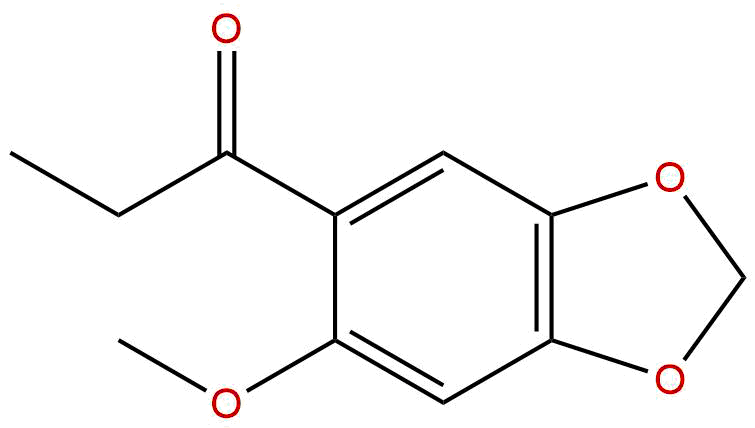
Natural products, as an important source of drug discovery, have long contributed numerous lead compounds with novel structures and unique activities to human health. With the continuous deepening of interdisciplinary research in plant chemistry and pharmacology, active small molecules derived from traditional medicinal plants have gradually revealed their complex biological effect maps. Methylkakuol, also known as 2-hydroxy-4-methoxyphenylethyl ketone, is a natural product of phenylpropanoid found in various medicinal plants. Its CAS number is 70342-29-9, molecular formula is C ₁₁ H ₁₂ O ₄, and molecular weight is 208.2130. This compound was initially isolated and identified from Asarum species, and has received widespread attention in recent years due to its unique pharmacological activity, particularly its potent activation of the transient receptor potential anchor protein 1 (TRPA1) channel.
The research value of methyl kaempferol is not only reflected in its potential as a molecular probe for TRPA1 agonists, but also in its multi-target pharmacological activity spectrum. Research has shown that the compound exhibits significant antifungal activity, and its mechanism of action involves multiple key fungal targets, including CYP51 (ERG11) in the ergosterol biosynthesis pathway, drug efflux pumps CDR1/CDR2 and MDR1, cell wall synthesis related enzymes FKS1 and CHS3, and fungal filament adhesion protein ALS3. This multi-target action characteristic gives methylkaempferol a unique advantage in combating fungal resistance. In addition, its good pharmacokinetic parameters, such as moderate lipid water partition coefficient (LogP 1.74), low polar surface area (TPSA 44.76), and no risk of hERG inhibition, lay the foundation for further drug development.
This article will provide a systematic review of the research progress of methyl kaempferol from multiple dimensions, including chemical structure, plant origin, pharmacological activity, mechanism of action, pharmacological evaluation, and clinical application prospects. The aim is to provide comprehensive academic references for the in-depth research and development of this natural product.
Chemical structure and physicochemical properties
The chemical structure of methyl carbinol belongs to a simple acetophenone derivative, with its core skeleton consisting of an acetophenone side chain connected to a benzene ring. Specifically, the 2-position of the benzene ring is replaced by a hydroxyl group (- OH), the 4-position is replaced by a methoxy group (- OCH ∝), and the side chain is an ethyl ketone group. This structural feature endows the molecule with unique physicochemical properties. From the perspective of electronic effects, the hydroxyl group at position 2 can form intramolecular hydrogen bonds with the carbonyl group, which not only stabilizes the conformation of the molecule but also affects its interaction mode with biological targets. The 4-position methoxy group regulates the electron cloud density of the benzene ring through the electron donating effect, thereby affecting the polarity and reactivity of the molecule.
In terms of physicochemical properties, the molecular weight of methyl carbinol is 208.21 g/mol, which belongs to the category of small molecule compounds and is conducive to its transmembrane transport and binding with target proteins. The LogP of its lipid water partition coefficient is 1.74, indicating that the molecule has moderate lipophilicity. It can dissolve in a lipid environment to penetrate biological membranes while maintaining a certain degree of water solubility to ensure distribution in body fluids. The topological polar surface area (TPSA) is 44.76 Å ², which is lower than the recommended upper limit of 140 Å ² for oral medications, indicating its good oral absorption potential. The water solubility parameter is 0.23 mg/mL, which belongs to the category of slight solubility. Solubilization strategies may need to be considered in formulation development.
It is worth noting that the blood-brain barrier penetration ability of methylkaempferol was evaluated as "high". This characteristic is of great significance for the treatment of central nervous system diseases, but it also suggests the need to pay attention to potential central side effects when developing peripheral targeted drugs. In addition, the hERG inhibition risk assessment was negative, indicating that the compound has advantages in cardiac safety, reducing the risk of QT interval prolongation and arrhythmia. The Ames test result is 0.6, indicating a low genetic toxicity risk, but it needs to be comprehensively judged based on more comprehensive toxicological data. These physicochemical properties and early safety data together outline the favorable profile of methyl kaempferol as a drug lead compound.
Plant sources and extraction methods
Methylkaempferol was initially isolated from plants of the Asarum genus in the Aristolochiaceae family, particularly from varieties such as Asarum sieboldii in China and Asarum heterotropoides in Japan. As a traditional Chinese medicinal herb, Asarum has the effects of dispelling wind, dispelling cold, and relieving pain. Research on its chemical composition has revealed various phenylpropanoids, lignans, and volatile oil components. Methyl kaempferol has a relatively high content in the roots and stems of Asarum, and is one of the important active ingredients of this plant. In addition, subsequent studies have found that the compound also exists in other plant families and genera, such as some species in the Piperaceae family, indicating that it has a certain distribution breadth in the plant kingdom.
From a biosynthetic perspective, methylkaempferol belongs to the phenylpropanoid class of metabolites. Its biosynthetic pathway begins with phenylalanine and undergoes a series of enzymatic reactions such as deamination, oxidation, and reduction, ultimately forming the acetophenone skeleton. The introduction of 2-hydroxyl and 4-methoxy groups involves the catalytic action of cytochrome P450 oxidase and methyltransferase. This biosynthetic pathway is particularly active in plants of the Asarum genus, and may be related to their chemical ecological functions in adapting to specific ecological environments.
In terms of extraction methods, the separation and purification of methyl kaempferol usually follow the classical natural product chemical process. Firstly, the dried plant material (usually rhizomes) is crushed and then extracted using organic solvents. Common solvents include methanol, ethanol, or acetone, which can effectively dissolve moderately polar phenylpropanoid compounds. The extraction methods can be cold soaking, hot reflux, or ultrasound assisted extraction, among which ultrasound assisted extraction is widely used due to its high efficiency and short time. After the extraction solution is concentrated under reduced pressure, crude extract is obtained.
Further separation and purification are usually combined with various chromatographic techniques. Silica gel column chromatography is the most commonly used preliminary separation method, which uses gradient elution systems such as petroleum ether ethyl acetate or chloroform methanol to separate methyl kaempferol from other components with similar polarity. For more refined purification, preparative high-performance liquid chromatography (Prep HPLC) can be used to obtain high-purity target compounds using a reverse phase C18 column with methanol water or acetonitrile water as the mobile phase. Structural identification relies on nuclear magnetic resonance spectroscopy (NMR) and mass spectrometry (MS) techniques to confirm its chemical structure by comparing it with literature data. It is worth noting that due to the usually low content of methyl kaempferol in plants, large-scale preparation may require optimization of extraction processes or exploration of biosynthetic methods.
Pharmacological activity research
Antifungal activity
The most notable pharmacological activity of methyl kaempferol is its broad-spectrum antifungal activity. Research has shown that the compound has inhibitory activity against various pathogenic fungi, including Candida albicans, Cryptococcus neoformans, and various Aspergillus species. In the in vitro drug sensitivity test, the minimum inhibitory concentration (MIC) value of methyl kaempferol against Candida albicans was in the micromolar range, indicating a moderate antifungal effect. It is worth noting that the compound also exhibits inhibitory activity against fluconazole resistant strains, suggesting that its mechanism of action may be different from traditional azole antifungal drugs.
Further research has found that the antifungal activity of methyl kaempferol is related to its regulation of multiple fungal targets. In Candida albicans, this compound can downregulate the expression of the ERG11 gene, which encodes lanosterol 14 α - demethylase (CYP51), a key enzyme in the ergosterol biosynthesis pathway. Meanwhile, methylkaempferol can also affect the expression of drug efflux pump genes CDR1, CDR2, and MDR1, and overexpression of these efflux pumps is one of the main mechanisms for fungal multidrug resistance. In addition, the compound also regulates the expression of cell wall synthesis related genes FKS1 (encoding β -1,3-glucan synthase) and CHS3 (encoding chitin synthase), and affects the expression of hyphal formation related gene ALS3. This multi-target mode of action gives methylkaempferol a unique advantage in antifungal therapy, as it can directly inhibit fungal growth and weaken its resistance mechanism.
TRPA1 channel activation effect
The discovery of methyl kaempferol as a TRPA1 channel agonist has added a new dimension to its pharmacological activity spectrum. TRPA1 is a non selective cation channel primarily expressed in sensory neurons and involved in physiological and pathological processes such as pain, inflammation, and itching. Research has shown that methylkaempferol activates TRPA1 channels in a concentration dependent manner, with a half effective concentration (EC50) of 0.27 µ M, exhibiting strong excitatory activity. This activation effect may be achieved through covalent modification of cysteine residues on channel proteins, similar to the mechanism of action of other electrophilic TRPA1 agonists.
The activation of TRPA1 channel has a dual effect under physiological and pathological conditions. On the one hand, TRPA1 mediated pain signaling plays an important role in the body's defense mechanisms; On the other hand, excessive or sustained activation of TRPA1 may lead to chronic pain and neurogenic inflammation. Therefore, as a TRPA1 agonist, methylkaempferol can serve as a molecular tool for studying pain mechanisms and may also play a role in specific therapeutic scenarios, such as relieving pain through desensitization mechanisms or utilizing its anti-inflammatory activity to treat inflammatory diseases.
Other pharmacological activities
In addition to antifungal and TRPA1 activating effects, methylkaempferol also exhibits other potential pharmacological activities. Preliminary studies have shown that the compound has certain anti-inflammatory activity, which may be achieved by inhibiting the synthesis of inflammatory mediators such as prostaglandins and leukotrienes. In addition, there are reports indicating that methylkaempferol exhibits cytotoxicity towards certain tumor cell lines, but the specific mechanism and selectivity of its anti-tumor activity still need further research. These findings suggest that methylkaempferol may be a multifunctional natural product, and its complete pharmacological activity spectrum requires more systematic exploration.
Mechanism of action and molecular targets
Mechanism of antifungal action
The antifungal mechanism of methyl kaempferol exhibits multi-target and multi pathway characteristics, which is related to its electrophilic groups in its chemical structure. At the molecular level, this compound may interfere with multiple biological processes by covalently or non covalently interacting with key proteins within fungal cells.
Firstly, the regulation of ERG11/CYP51 targets is one of the core mechanisms underlying the antifungal activity of methyl kaempferol. The lanosterol 14 α - demethylase encoded by ERG11 is the rate limiting enzyme in the fungal ergosterol biosynthesis pathway and a classic target for azole antifungal drugs. Methylkaempferol can downregulate the transcription level of the ERG11 gene, leading to a decrease in ergosterol synthesis and ultimately disrupting the integrity and function of fungal cell membranes. Unlike azole drugs, methylkaempferol does not directly inhibit the activity of CYP51 enzyme, but acts through transcriptional regulation, which may explain its effectiveness against azole resistant strains.
Secondly, the regulation of the drug efflux pump system by methylkaempferol is an important basis for its anti drug resistance activity. The ATP binding cassette (ABC) transporters encoded by CDR1 and CDR2, as well as the major facilitation superfamily (MFS) transporters encoded by MDR1, are the main mechanisms by which fungi pump drugs out of the cell. Methylkaempferol can downregulate the expression of these efflux pump genes, thereby increasing the drug concentration in fungal cells and reversing the drug-resistant phenotype. This' resistance modification 'effect may result in a synergistic effect when used in combination with existing antifungal drugs.
In addition, methylkaempferol also affects the synthesis of fungal cell walls. FKS1 encoded β -1,3-glucan synthase and CHS3 encoded chitin synthase are key enzymes involved in cell wall synthesis. The regulation of gene expression by this compound may lead to abnormal cell wall structure, increased cell wall permeability and fragility, thereby enhancing antifungal effects. Meanwhile, inhibition of the ALS3 gene interferes with fungal hyphal formation and adhesion ability, weakening its pathogenicity and biofilm formation ability.
TRPA1 channel activation mechanism
The activation of TRPA1 channel by methyl kaempferol has a clear molecular mechanism basis. The TRPA1 channel protein contains multiple electrophilic sensitive cysteine residues located at the N-terminus and transmembrane region of the channel. The carbonyl and hydroxyl groups in methyl kaempferol molecules may undergo Michael addition reactions or form Schiff bases to covalently modify these cysteine residues, leading to conformational changes in channel proteins and opening ion channel channels. This covalent modification mechanism is similar to classical TRPA1 agonists such as allyl isothiocyanate (the active ingredient in mustard oil).
It is worth noting that methylkaempferol has an EC50 of 0.27 µ M for TRPA1, demonstrating high excitatory potency. This high affinity may be related to the specific functional group arrangement in its molecular structure. The intramolecular hydrogen bond formed by the 2-position hydroxyl group and carbonyl group may stabilize the active conformation of the molecule, facilitating binding to the reaction site on the TRPA1 channel. In addition, the 4-methoxy group may affect the reactivity of the molecule by regulating its electron distribution.
Molecular basis of multi-target action
The multi-target action characteristics of methyl kaempferol can be attributed to its electrophilic chemical structure and moderate molecular size. The carbonyl and phenolic hydroxyl groups present in this compound enable it to interact with nucleophilic residues on various proteins, such as cysteine, lysine, and histidine. This "covalent warhead" property allows methyl kaempferol to act on multiple targets simultaneously, forming a complex pharmacological network. Meanwhile, its smaller molecular volume allows it to enter the binding pockets of various proteins, further expanding its target range.
Evaluation of drug properties and pharmacokinetics
Analysis of drug properties parameters
Based on classic pharmacological evaluation criteria such as Lipinski's Five Rules, methylkaempferol exhibits good drug like properties. Its molecular weight (208.21 Da) is much lower than the threshold of 500 Da, which is beneficial for oral absorption and transmembrane transport. The LogP value (1.74) is within the ideal range of 1-3, indicating that it has a suitable lipid water balance, neither causing poor water solubility and rapid metabolism due to excessive lipophilicity, nor making it difficult to penetrate biofilms due to excessive hydrophilicity. The TPSA value (44.76 Å ²) is below 60 Å ², indicating good intestinal absorption and cell membrane penetration ability.
In terms of safety, the hERG inhibition risk assessment was negative, greatly reducing the risk of cardiac toxicity. The Ames test result is 0.6, indicating a low risk of genetic toxicity, but this value is close to the positive threshold (usually 1.0), suggesting the need for more comprehensive genetic toxicity assessment in future development. The high ability to penetrate the blood-brain barrier is both an advantage and a challenge, depending on the specific treatment goal.
Prediction of pharmacokinetic characteristics
Based on its physicochemical properties, the pharmacokinetic characteristics of methyl kaempferol can be predicted. In terms of absorption, its moderate lipid solubility and small molecular weight are beneficial for oral absorption, and it is expected to have high bioavailability. In terms of distribution, due to its strong ability to penetrate the blood-brain barrier, this compound may reach high concentrations in the central nervous system, which is beneficial for the development of drugs for central nervous system diseases. However, for peripheral targeted therapy, potential central side effects need to be considered. In terms of metabolism, hydroxyl and methoxy groups on the benzene ring are common metabolic sites that may undergo phase II metabolic reactions such as glucuronidation, sulfation, or O-demethylation. The main elimination pathways may be renal excretion and bile excretion.
Formulations and optimization strategies
Given the low water solubility of methyl kaempferol (0.23 mg/mL), a solubilization strategy may be necessary in formulation development. Common methods include the use of co solvents, cyclodextrin inclusion, solid dispersion techniques, or lipid nanocarriers. In addition, prodrug design is also an effective way to improve its pharmacokinetic properties, such as modifying phenolic hydroxyl groups into phosphate or amino acid esters, which can enhance water solubility and oral bioavailability. For treatment targets that require avoidance of central nervous system distribution, structural modifications can be used to reduce their blood-brain barrier penetration ability.
Clinical application prospects and prospects
Application of antifungal therapy
Methyl carbinol has unique application prospects in the field of antifungal therapy. Its multi-target mechanism of action gives it significant advantages in addressing the increasingly serious problem of fungal drug resistance. Especially for azole resistant Candida albicans infections, methylkaempferol may provide a new treatment option. In addition, the synergistic effect of this compound with existing antifungal drugs deserves further investigation, and the combination therapy may achieve the goals of reducing dosage, decreasing toxicity, and delaying the development of drug resistance.
In terms of clinical translation, methylkaempferol can be considered for development as a local antifungal agent for the treatment of skin and mucosal fungal infections. Its moderate lipophilicity is beneficial for penetrating the stratum corneum of the skin, while TRPA1 activation may also provide some analgesic effect. For systemic fungal infections, further optimization of their pharmacokinetic properties is needed to improve oral bioavailability and plasma half-life.
Application of Pain and Inflammation Treatment
Based on its TRPA1 agonist activity, methylkaempferol also has potential applications in the treatment of pain and inflammation. TRPA1 channels play an important role in inflammatory pain and neuropathic pain, and TRPA1 agonists can produce analgesic effects by inducing channel desensitization or downregulating channel expression. This "agonist desensitization" strategy has been validated in other ion channel drugs. In addition, the anti-inflammatory activity of methyl kaempferol may further enhance its analgesic effect.
However, developing TRPA1 agonists as analgesic drugs faces challenges as initial channel activation may cause pain and discomfort. Therefore, it is necessary to carefully design the dosing regimen, such as local administration or slow release formulations, to minimize initial stimulation effects. Another strategy is to use methyl kaempferol as a lead compound and develop TRPA1 modulators with different pharmacological characteristics through structural modification.
Other potential applications
In addition to the main application directions mentioned above, other pharmacological activities of methyl kaempferol are also worth exploring. Although its anti-tumor activity is preliminary, combined with its multi-target action characteristics, it may have therapeutic potential in certain specific tumor types. In addition, the inhibitory effect of this compound on fungal biofilm formation suggests its potential application in antifungal coatings for medical devices or oral care products. With further revelation of the pharmacological activity spectrum of methyl kaempferol, more clinical application scenarios will be discovered.
Challenges and Future Directions
Despite the diverse application prospects of methyl carbinol, its clinical translation still faces many challenges. Firstly, although its multi-target effect is beneficial for antifungal activity, it may also lead to off target effects and insufficient selectivity. Secondly, the high penetration of the blood-brain barrier may bring central nervous system side effects when developing peripheral targeted drugs. In addition, the metabolic stability and in vivo pharmacological characteristics of this compound still need to be systematically studied.
Future research directions should include: optimizing its pharmacological activity and selectivity through structure-activity relationship studies; Develop efficient synthetic or biosynthetic methods to meet large-scale supply demands; Conduct comprehensive pharmacokinetic and toxicological evaluations; Explore synergistic effects with other drugs; And utilizing modern drug design strategies to develop derivatives with better properties.
Conclusion
As a structurally simple natural phenylpropanoid compound, the richness and diversity of its pharmacological activity spectrum are impressive. From antifungal activity to TRPA1 channel activation, from multi-target mechanism of action to excellent pharmacokinetic parameters, this compound exhibits enormous potential as a drug lead. Especially its unique antifungal mechanism provides new ideas for addressing fungal resistance challenges by simultaneously affecting multiple targets such as ergosterol synthesis, drug efflux, and cell wall synthesis.
However, the journey from natural products to clinical drugs is full of challenges. The research on methyl kaempferol is still in its early stages, and its efficacy, pharmacokinetic characteristics, toxicological safety, and clinical effectiveness in vivo need to be systematically validated. Future research needs to be based on a deep understanding of its mechanism of action, combined with modern medicinal chemistry and formulation methods, to overcome its potential limitations and develop candidate drugs with clinical application value.
The research process of methyl kaempferol once again proves that natural products are still an important source of drug discovery. Even a structurally simple molecule may contain complex biological activity mechanisms. With the continuous advancement of analytical techniques, chemical biology, and pharmacological methods, we have reason to believe that methylkaempferol and its derivatives will play an important role in fields such as antifungal therapy and pain management, contributing to human health.