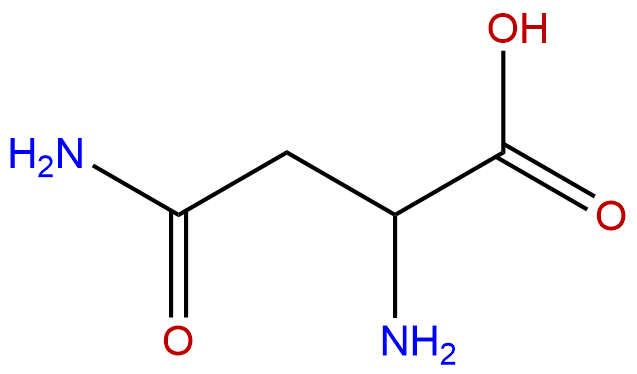


Product name: L-Asparagine
Synonym name:
Catalogue No.: BP3539
Cas No.: 70-47-3
Formula: C4H8N2O3
Mol Weight: 132.119
Botanical Source:
Physical Description:
Type of Compound: Amino Acids
Purity: 95%~99%
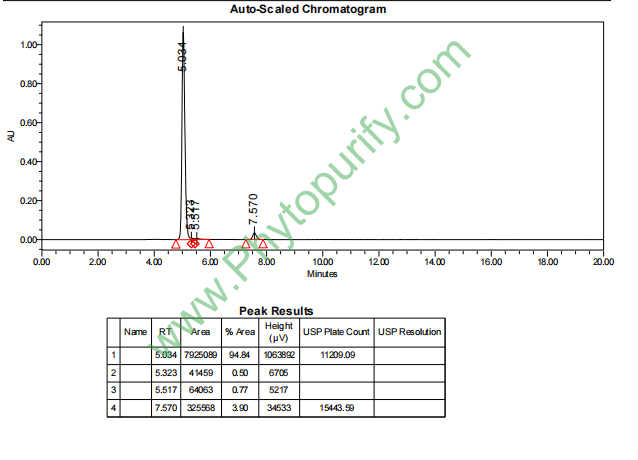
Analysis Method: HPLC-DAD or/and HPLC-ELSD
Identification Method: Mass, NMR
Packing: Brown vial or HDPE plastic bottle
Storage: Store in a well closed container, protected from air and light. Put into refrigerate or freeze for long term storage.
Whenever possible, you should prepare and use solutions on the same day. However, if you need to make up stock solutions in advance, we recommend that you store the solution as aliquots in tightly sealed vials at -20℃. Generally, these will be useable for up to two weeks.
The product could be supplied from milligrams to grams
Inquire for bulk scale.
For Reference Standard and R&D, Not for Human Use Directly.
HPLC of L-Asparagine
Storage conditions:Short-term storage at 2~8℃, long-term storage at -20 ~ -80℃
106.4100
-2.5987
-2.6010
39.0810
.2940
.6805
Low
15.7297
2.5155
Yes
Yes
No
No
No
No
0.0
No
Yes
No
No
L-Asparagine (Asn) is a naturally occurring non essential amino acid that plays multiple roles in human physiological metabolism. Although classified as a non essential amino acid, L-asparagine has become a "conditionally essential" amino acid under specific pathophysiological conditions, especially for certain rapidly proliferating tumor cells. The concept was proposed based on a milestone discovery in the treatment of acute lymphoblastic leukemia (ALL): L-Asparaginase can selectively inhibit the growth of leukemia cells by consuming L-asparagine in the plasma, making it one of the core drugs in the ALL combination chemotherapy regimen.
The metabolic network of L-asparagine is closely intertwined with glutamine (Gln), and both participate in nitrogen transport, protein synthesis, and signal transduction. In normal cells, asparagine synthase (ASNS) can synthesize L-asparagine from aspartic acid and glutamine to meet its own needs. However, many ALL cells, especially T cells and certain B cell subtypes, cannot autonomously synthesize sufficient amounts of L-asparagine due to extremely low or absent levels of ASNS expression and must rely on exogenous supply. This metabolic vulnerability provides an excellent window for targeted therapy. L-asparaginase catalyzes the hydrolysis of L-asparagine into aspartic acid and ammonia, rapidly depleting the plasma of L-asparagine, leading to inhibition of protein synthesis in leukemia cells, triggering endoplasmic reticulum stress, dysregulation of nutrient sensing, and cell apoptosis.
In recent years, with the deepening development of metabolomics and tumor biology, the study of L-asparagine has surpassed the scope of pure amino acid nutrition. It is not only a key substrate for L-asparaginase to exert anti leukemia effects, but has also been proven to be a biomarker for disease monitoring and prognostic evaluation of childhood ALL. In addition, the potential role of L-asparagine and its metabolic enzymes in solid tumors (such as breast cancer, pancreatic cancer, ovarian cancer) has also attracted extensive attention. This review aims to systematically summarize the chemical properties, biological sources, pharmacological activities, mechanisms of action, and pharmacological properties of L-asparagine in drug development, and to explore its clinical application prospects in the era of precision medicine.
The chemical structure of L-asparagine belongs to the alpha amino acid family, and its side chain contains an amide group (- CONH ₂), which distinguishes it from aspartic acid. Its system is named (S) -2-amino-3-aminoformylpropionic acid, with the molecular formula C ₄ H ₈ N ₂ O ∝. The molecular weight of L-asparagine is 132.1190 g/mol, which is a relatively small molecule that facilitates its rapid transport and metabolism in the body. The alpha amino and alpha carboxyl groups in its structure endow it with zwitterionic properties, mainly existing in the form of positively charged amino and negatively charged carboxyl groups under physiological pH conditions, while the amide groups on the side chains remain neutral but have the potential to form hydrogen bonds.
From the perspective of physical and chemical properties, L-asparagine has significant water solubility (with a water solubility parameter of up to 39.0810 mg/mL), which is attributed to the presence of multiple polar groups (amino, carboxyl, amide) in its molecule. Its lipid water partition coefficient LogP is -2.5987, indicating that it has strong hydrophilicity and is not easily able to penetrate the lipid bilayer of biological membranes. This characteristic determines that L-asparagine mainly exists in extracellular fluid and cytoplasm, and is not easily diffused into cells through passive diffusion. Its transmembrane transport mainly relies on specific amino acid transport systems (such as system N and system A). The topological polar surface area (TPSA) is 106.4100 Å ², which is much higher than the recommended upper limit of 140 Å ² for oral medications, further confirming its high polarity and low membrane permeability.
In terms of stability, L-asparagine is relatively stable under dry and dark conditions. But in aqueous solutions, especially under high temperature or extreme pH conditions, the amide groups on their side chains may undergo hydrolysis, slowly converting to aspartic acid and releasing ammonia. This hydrolysis reaction is also the basis for the catalytic action of L-asparaginase. In addition, L-asparagine can participate in non enzymatic deamidation reactions both in vitro and in vivo, which is associated with protein aging and certain neurodegenerative diseases. Its optical rotation is left-handed (L configuration), which is the only configuration with physiological activity in organisms, while D-asparagine does not have the same biological function.
L-asparagine is widely present in nature and is the main form of nitrogen storage and transport in many plants. Especially in the seeds and seedlings of leguminous plants such as soybeans, peas, and lupines, the content of L-asparagine is extremely abundant. In addition, Asparagus officinalis is known for its association with asparagine in its name, and its tender stems have a higher content of asparagine. Other plant sources rich in asparagine include potatoes, sugar beets, nuts (such as almonds and peanuts), and certain algae.
In plants, the synthesis of L-asparagine is mainly catalyzed by asparagine synthase (ASNS), using aspartic acid and glutamine as substrates. Its accumulation is closely related to the nitrogen assimilation efficiency, carbon nitrogen balance, and stress response of plants. During seed germination and seedling growth, stored proteins are hydrolyzed, releasing a large amount of asparagine as a nitrogen source that is transported to active growing tissues.
The traditional method of extracting L-asparagine from plants usually includes the following steps: firstly, crushing and defatting plant materials rich in asparagine, such as lupine seeds or asparagus; Secondly, hot water or dilute ethanol solution is used for extraction, and the high water solubility of asparagine is utilized to dissolve it from the raw material; Then, preliminary purification is carried out through steps such as ion exchange chromatography or activated carbon adsorption to remove pigments, sugars, and other amino acids; Finally, by utilizing the temperature dependent solubility of asparagine in specific solvents such as ethanol water mixtures, high-purity L-asparagine crystals were obtained through crystallization.
In modern industrial production, L-asparagine is more commonly synthesized through microbial fermentation or enzymatic methods rather than relying on plant extraction. For example, using genetically engineered Escherichia coli or Corynebacterium glutamicum, efficient biosynthesis of L-asparagine can be achieved by overexpressing asparagine synthase using inexpensive glucose and ammonium salts as raw materials. This method has the advantages of high yield, low cost, short cycle, and easy control of product quality, and has become the mainstream process for the production of L-asparagine. However, for certain specific studies or traditional applications, L-asparagine extracted from natural plants still holds unique value.
The direct pharmacological activity of L-asparagine itself is relatively limited, and its core pharmacological significance lies in serving as a target substrate for L-asparaginase to exert anti-tumor effects. Therefore, the exploration of the pharmacological activity of L-asparagine largely revolves around its metabolic regulation and dependence on tumor cell survival.
1. Anti leukemia activity (as a substrate for L-asparaginase)
This is the most classic and important pharmacological association of L-asparagine. L-asparaginase deprives leukemia cells (especially ALL cells) with low ASNS expression of exogenous asparagine by hydrolyzing L-asparagine in plasma. This state of amino acid starvation rapidly leads to the inhibition of protein synthesis, as asparagine is an essential raw material for protein synthesis. More importantly, the absence of asparagine triggers an integrated stress response (ISR), activating the GCN2/eIF2 α signaling pathway, leading to global protein synthesis inhibition, while selectively upregulating certain stress-related genes. In addition, depletion of asparagine can cause endoplasmic reticulum stress, leading to activation of unfolded protein response (UPR) and ultimately inducing cell apoptosis. Research has shown that the killing effect of L-asparaginase on ALL cells is directly related to the degree to which it reduces intracellular asparagine levels.
2. Potential impact on solid tumors
Although L-asparaginase has achieved great success in the treatment of ALL, the sensitivity of solid tumors to it is generally low. However, recent studies have revealed that some solid tumor subtypes (such as some triple negative breast cancer, pancreatic cancer, and ovarian cancer) may also show dependence on asparagine. For example, in the MYC driven breast cancer model, the proliferation of tumor cells is highly dependent on exogenous asparagine, and the expression of ASNS is subject to epigenetic silencing. In addition, in pancreatic cancer, asparagine metabolism crosses with glutamine metabolism, and inhibiting the use of asparagine may enhance the sensitivity of chemotherapy drugs. These findings suggest that the metabolic regulation of L-asparagine may become a potential new target for solid tumor treatment.
3. As a biomarker
The changes in plasma concentration of L-asparagine have been used as a biomarker to evaluate the therapeutic effect of L-asparaginase and monitor disease recurrence. In the treatment of ALL, monitoring the depletion level of asparagine in plasma can determine whether the activity of L-asparaginase is sufficient, thereby guiding dose adjustment. In addition, some studies suggest that plasma levels of asparagine and its ratio to glutamine at the initial diagnosis of ALL patients may be associated with prognosis. High levels of asparagine may indicate a stronger dependence of tumor cells on asparagine and may be more sensitive to L-asparaginase therapy. On the contrary, drug-resistant cells often acquire the ability to autonomously synthesize asparagine by upregulating ASNS expression, leading to rapid recovery of plasma asparagine levels after treatment.
4. Other biological functions
L-asparagine is also involved in regulating cellular signal transduction. For example, it can regulate cell growth by affecting the activity of the mTORC1 signaling pathway. When amino acids are abundant, asparagine acts as a nitrogen source, indirectly activating mTORC1 by promoting the exchange of glutamine asparagine leucine. In addition, asparagine is also involved in the synthesis and regulation of neurotransmitters, although its role in this regard is not as clear as that of glutamate and aspartic acid.
The pharmacological mechanism of L-asparagine, especially its core mechanism in the treatment of leukemia, is a complex network involving multiple levels of metabolism, signal transduction, and cell death. Its key molecular targets include asparagine synthase (ASNS), glutaminase (GLS), and a range of proteins involved in amino acid sensing and stress response.
1. Core mechanism: Asparagine depletion and protein synthesis inhibition
L-Asparaginase is the initiator of this mechanism. This enzyme catalyzes the hydrolysis of L-asparagine into L-aspartic acid and ammonia. In ALL patients, intravenous injection of L-asparaginase rapidly reduces the concentration of L-asparagine in the plasma to near zero. Due to the inability of leukemia cells (especially those with low expression of ASNS) to effectively synthesize asparagine, their intracellular asparagine pool rapidly depletes. Asparagine is an important amino acid in protein synthesis, and its absence directly leads to ribosome arrest and protein synthesis obstruction. This translation inhibition is the direct cause of L-asparaginase cytotoxicity.
2. Cross interaction of glutaminase
L-asparaginase not only consumes asparagine, but also has certain glutaminase activity, which can hydrolyze glutamine into glutamate and ammonia. This dual activity is crucial for its anti-tumor effect. Glutamine is an important energy and nitrogen source for many tumor cells. The depletion of glutamine further exacerbates amino acid starvation and inhibits glutamine dependent metabolic pathways, such as the replenishment reaction of the tricarboxylic acid cycle and nucleotide synthesis. In addition, the reduction of glutamine also affects the activity of the mTORC1 signaling pathway, as glutamine is necessary for activating mTORC1. Therefore, L-asparaginase achieves a dual impact on leukemia cell metabolism by simultaneously consuming asparagine and glutamine.
3. Molecular target: ASNS
Asparagine synthase (ASNS) is a key molecule that determines the sensitivity of cells to L-asparaginase. ASNS catalyzes the synthesis of asparagine from aspartic acid and glutamine. In normal cells, the expression of ASNS is sufficient to maintain its own supply of asparagine. However, in ALL cells, ASNS genes are often expressed at extremely low levels due to promoter methylation or transcription factor deletion. The lack of ASNS makes leukemia cells completely dependent on exogenous asparagine, making it an ideal target for L-asparaginase therapy. The expression level of ASNS is an important biomarker for predicting the efficacy of L-asparaginase. One of the main mechanisms by which tumor cells develop resistance to L-asparaginase is the upregulation of ASNS expression through epigenetic or transcriptional regulation.
4. Downstream signaling pathway: GCN2/eIF2 α and mTORC1
The depletion of asparagine and glutamine activates the intracellular nutrient sensing pathway. Among them, GCN2 (general control non inhibitory 2) kinase is the main sensor for amino acid starvation. When amino acids are deficient, unloaded tRNA accumulates, activating GCN2 and subsequently phosphorylating eukaryotic translation initiation factor 2 alpha (eIF2 alpha). Phosphorylated eIF2 α inhibits global protein synthesis while selectively promoting translation of certain stress-related genes, such as ATF4. ATF4 is a key transcription factor in integrated stress response (ISR), which upregulates the expression of ASNS, amino acid transporters, and antioxidant genes, aiming to help cells cope with stress. However, when stress persists and becomes severe, ISR will shift towards pro apoptotic signals, inducing cell death. At the same time, the mTORC1 signaling pathway is inhibited due to the deficiency of amino acids, especially leucine and glutamine, further exacerbating cell growth arrest.
5. Induction of cell apoptosis
The above metabolic and signal transduction disorders ultimately lead to cell apoptosis. L-asparaginase treatment can increase mitochondrial outer membrane permeability, release cytochrome c, activate Caspase-9 and Caspase-3, and initiate endogenous apoptotic pathways. In addition, endoplasmic reticulum stress also participates in the process of cell death by activating pro apoptotic factors such as CHOP (C/EBP homologous protein).
L-asparagine, as an endogenous small molecule amino acid, is not a typical drug molecule in itself, but acts as a prodrug or target substrate. The evaluation of its pharmacological properties mainly revolves around its characteristics as a substrate for L-asparaginase and its pharmacokinetic behavior in vivo.
1. Analysis of pharmacological parameters
According to the provided pharmacological parameters, the molecular weight of L-asparagine (132.12 Da) meets the criteria for small molecule drugs (<500 Da). However, its LogP value is -2.5987, indicating strong hydrophilicity and extremely poor lipid solubility. This results in extremely low oral bioavailability, as the drug needs to passively diffuse through the lipid membrane of intestinal epithelial cells. Although its high water solubility (39.08 mg/mL) is beneficial for the preparation of injectable formulations, it also means that it is not easily accumulated in adipose tissue. The TPSA is as high as 106.41 Å ², far exceeding the recommended upper limit of 140 Å ² for oral medications, further confirming its low membrane permeability. The low penetration of the blood-brain barrier indicates that it is not easily able to enter the central nervous system, which to some extent limits its application in the treatment of brain tumors, but also avoids potential central neurotoxicity. The risk assessment of hERG inhibition is' no ', indicating a low risk of causing QT interval prolongation in the heart. The Ames test result is 0.0, indicating that it does not have significant genetic toxicity.
2. Pharmacokinetic characteristics
The pharmacokinetic behavior of L-asparagine in vivo is mainly influenced by its endogenous metabolism and administration of L-asparaginase.
absorb Due to its polar nature, L-asparagine has poor and incomplete absorption after oral administration. Its transmembrane transport mainly relies on amino acid transporters (such as B ⁰ AT1) on intestinal epithelial cells. Therefore, in clinical treatment, L-asparaginase is usually administered via intravenous or intramuscular injection, while L-asparagine itself is not used as an oral medication. However, as a nutritional supplement, L-asparagine can be taken orally, but its bioavailability is limited.
distribution Intravenous injection of L-asparaginase rapidly distributes to extracellular fluid and acts on L-asparagine in plasma. L-asparagine itself is widely distributed in the body, but due to its hydrophilicity, it mainly exists in plasma and extracellular fluid. Its distribution volume is close to the extracellular fluid volume.
Metabolism L-asparagine is mainly metabolized in the body through two pathways: one is taken up by cells and used for protein synthesis; Secondly, under the action of asparaginase or asparagine transaminase, it is hydrolyzed into aspartic acid and ammonia, or participates in transamination reactions. During L-asparaginase treatment, exogenous enzyme preparations are the main driving force for L-asparaginase metabolism.
excretion L-asparagine and its metabolites (such as aspartic acid) are mainly excreted through the kidneys. Due to the highly efficient active reabsorption mechanism of amino acids by renal tubules, the excretion of L-asparagine in urine is usually low under normal circumstances. But when L-asparaginase treatment leads to extremely low plasma asparagine levels, its excretion will correspondingly decrease.
3. Drug interactions and safety
L-asparagine itself, as an endogenous substance, has high safety. However, the safety issues of L-asparaginase as a drug mainly stem from its glutaminase activity and immunogenicity. The depletion of glutamine can lead to abnormal liver function, pancreatitis, coagulation dysfunction (reduced levels of clotting factors such as antithrombin III due to protein synthesis inhibition), and hyperammonemia. In addition, L-asparaginase derived from bacteria (such as Escherichia coli) has immunogenicity and may cause allergic reactions, ranging from mild rashes to severe anaphylactic shock. Therefore, polyethylene glycol modified L-asparaginase (PEG-ASP) is commonly used in clinical practice to reduce immunogenicity and prolong half-life.
The clinical application prospects of L-asparagine are not as a direct therapeutic drug, but as a core target of L-asparaginase therapy and a biomarker for disease diagnosis and prognosis. With a deeper understanding of tumor metabolic heterogeneity and drug resistance mechanisms, treatment strategies related to L-asparagine are constantly expanding and deepening.
1. Optimize L-asparaginase therapy
Currently, L-asparaginase is the cornerstone of combination chemotherapy for childhood ALL. The future development directions include:
- Developing a new type of L-asparaginase Search for L-asparaginase variants with higher substrate specificity (i.e. lower glutaminase activity), lower immunogenicity, and longer half-life. For example, by protein engineering modification, the activity of glutamine enzyme can be reduced to decrease related toxicity while maintaining its anti leukemia efficacy.
- Overcoming drug resistance Develop ASNS inhibitors in combination with L-asparaginase to restore the dependence of leukemia cells on asparagine, in response to resistance caused by upregulation of ASNS. In addition, exploring the synergistic effect of inhibitors of other metabolic pathways (such as glutamine enzyme inhibitors) with L-asparaginase.
- personalized treatment Based on the expression level of ASNS in leukemia cells of patients, asparagine metabolism profile, and pharmacokinetic parameters of L-asparaginase, an individualized dosing regimen is developed to maximize efficacy and minimize toxicity.
2. Expand the indications for solid tumors
Although L-asparaginase is not effective in solid tumors, biomarker guided patient screening may identify subpopulations of solid tumors that are dependent on asparagine. For example, in breast cancer, pancreatic cancer, ovarian cancer and sarcoma with low expression of ASNS or defective asparagine metabolism pathway, explore the efficacy of L-asparaginase single drug or combination chemotherapy. In addition, using L-asparaginase as a "metabolic missile" to combine asparagine depletion with targeted drugs or immunotherapy may open up new therapeutic pathways.
3. Application as a biomarker
L-asparagine and its metabolites have important value in the diagnosis, efficacy monitoring, and recurrence warning of ALL.
- Therapeutic efficacy monitoring By monitoring plasma levels of L-asparagine, real-time evaluation of whether the activity of L-asparaginase has reached the therapeutic threshold can be achieved. The ideal treatment should keep plasma levels of asparagine consistently below the detection limit.
- Prognostic assessment At the initial diagnosis, plasma levels of asparagine and its ratio to glutamine may serve as indicators for predicting sensitivity to L-asparaginase. The recovery rate of asparagine levels after treatment may indicate the emergence of drug resistance.
- Relapse monitoring During the remission period of ALL, regular monitoring of plasma asparagine levels may help detect small residual lesions or signs of recurrence early.
4. Precise nutrition and metabolic regulation
With the development of precision medicine, the metabolic regulation of L-asparagine may also be applied to nutritional support for cancer patients. For example, during L-asparaginase treatment, limiting the intake of exogenous asparagine through dietary control may enhance drug efficacy. However, this requires caution as normal cells also require asparagine, and excessive restriction may lead to systemic toxicity. Therefore, future research needs to more accurately define the differences in the demand for asparagine between tumor cells and normal cells, in order to design safe and effective metabolic intervention strategies.
L-asparagine, a seemingly ordinary non essential amino acid, has become a classic "metabolic vulnerability" target in modern cancer treatment history due to its unique position in leukemia cell metabolism. From the discovery of L-asparaginase to its widespread application in the treatment of ALL, and now to the in-depth analysis of the asparagine metabolic network, the research process in this field fully reflects the successful leap from basic metabolic biology to clinical translational medicine.
Currently, our understanding of L-asparagine is no longer limited to its simple role as a raw material for protein synthesis. It deeply participates in the fate determination of tumor cells by crossing glutamine metabolism, regulating mTORC1 and GCN2 signaling pathways, and serving as an indicator of ASNS expression status. Despite the challenges of drug resistance and toxicity faced by L-asparaginase therapy, these challenges are gradually being overcome through protein engineering, combination therapy strategies, and personalized treatment guided by biomarkers.
Looking ahead, research on L-asparagine will continue to deepen in the direction of precision and individualization. On the one hand, by analyzing the dependence of different tumor types and subtypes on asparagine, it is expected to expand the indications of L-asparaginase therapy from ALL to a wider range of solid tumors. On the other hand, using metabolomics techniques, L-asparagine and its metabolites will become more sensitive and specific disease monitoring tools. Ultimately, a profound understanding of L-asparagine metabolism will drive us to design smarter and safer metabolic intervention strategies, bringing new hope to cancer patients. The story of L-asparagine is far from over, as it is moving from a classic anti leukemia target to a broader stage of precision oncology.
