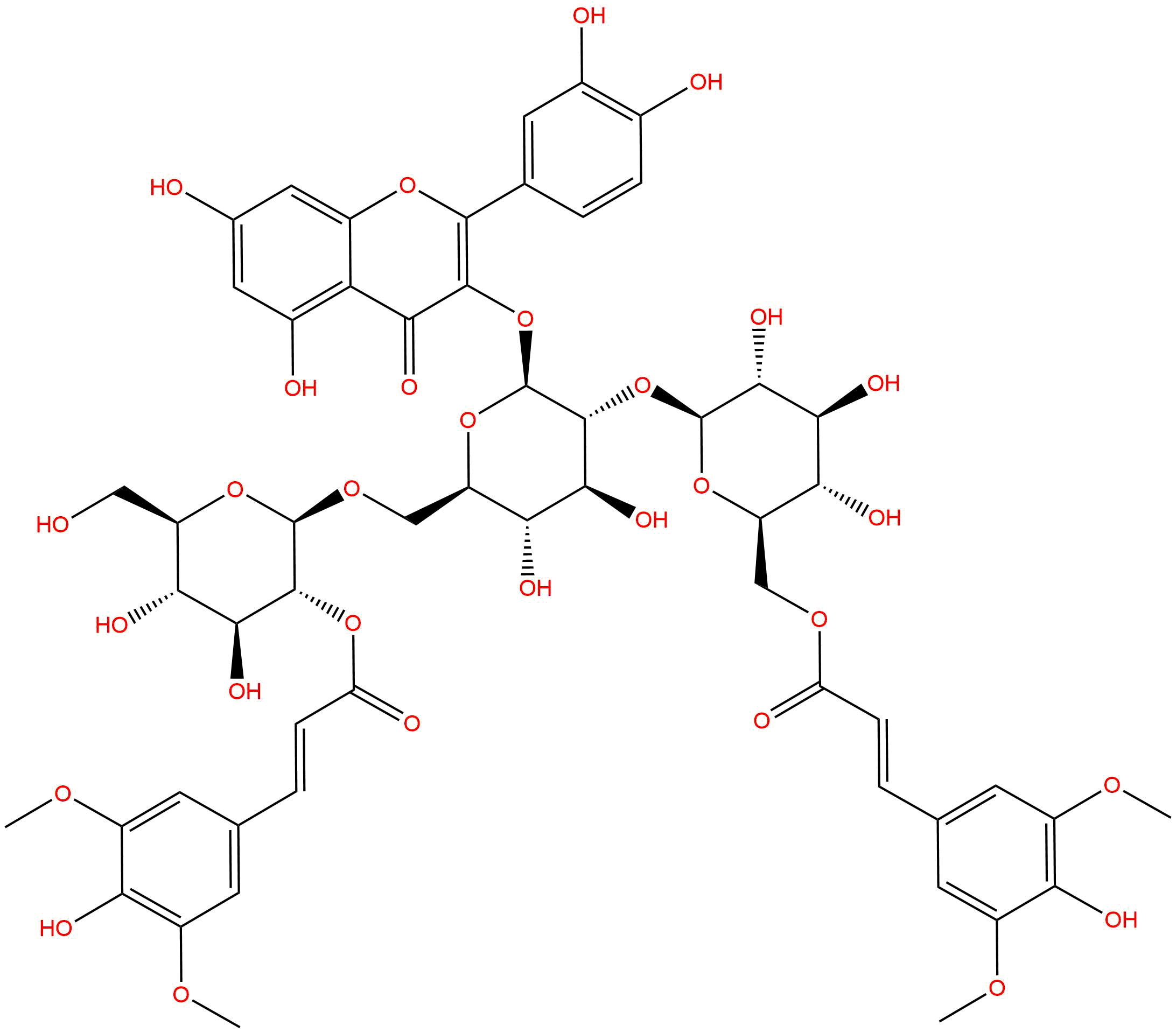


Product name: Apetalumoside B9
Synonym name:
Catalogue No.: BP2364
Cas No.: 1922936-55-7
Formula: C55H60O30
Mol Weight: 1201.06
Botanical Source: Lepidium apetalum Willd
Type of Compound: Flavonoids
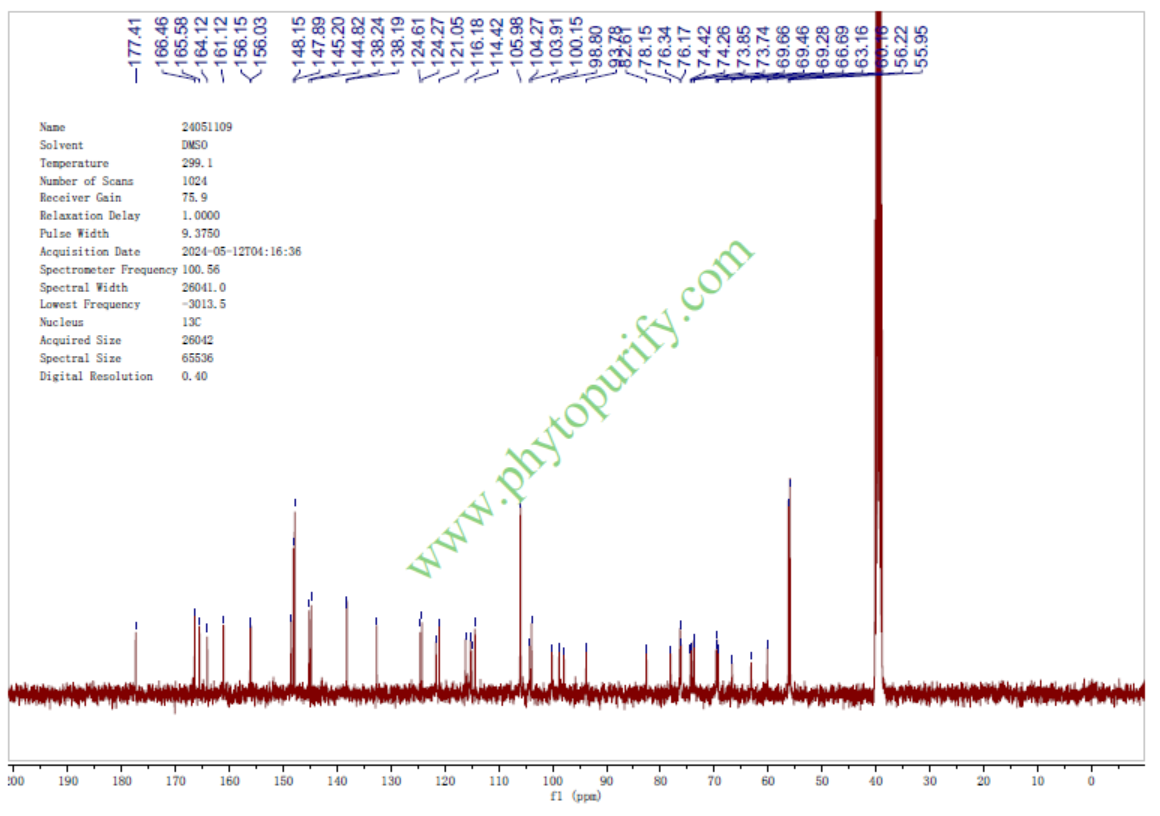
Purity: 95%~99%
Analysis Method: HPLC-DAD or/and HPLC-ELSD
Identification Method: Mass, NMR
Packing: Brown vial or HDPE plastic bottle
Storage: Store in a well closed container, protected from air and light. Put into refrigerate or freeze for long term storage.
Whenever possible, you should prepare and use solutions on the same day. However, if you need to make up stock solutions in advance, we recommend that you store the solution as aliquots in tightly sealed vials at -20℃. Generally, these will be useable for up to two weeks.
The product could be supplied from milligrams to grams
Inquire for bulk scale.
For Reference Standard and R&D, Not for Human Use Directly.
HPLC of Apetalumoside B9
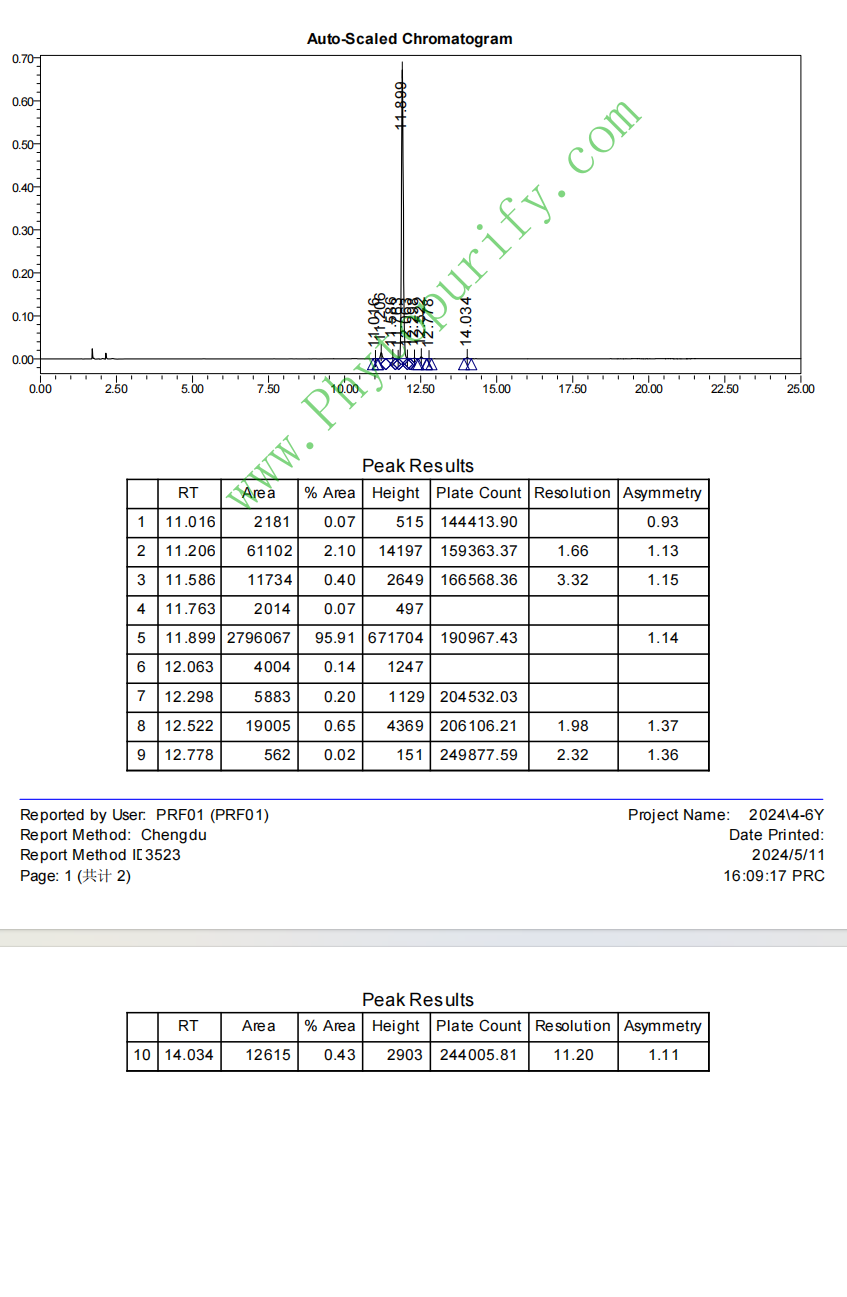
NMR of Apetalumoside B9
Storage conditions:Short-term storage at 2~8℃, long-term storage at -20 ~ -80℃
458.3300
1.1161
.9668
.1421
.4023
.1275
Low
84.0468
6.3849
Yes
No
Yes
No
Yes
No
0.0
Yes
Yes
Yes
Yes
Diabetes, as a global chronic metabolic disease, its incidence rate is growing at an alarming rate, which has become one of the major challenges facing human health in the 21st century. According to the latest data of the International diabetes Federation (IDF), the number of diabetes patients worldwide has exceeded 500 million, and is expected to continue to rise in the coming decades. Diabetes and its complications, such as cardiovascular disease, kidney disease, retinopathy and neuropathy, not only seriously reduce the quality of life of patients, but also bring a heavy economic burden to the global medical system. At present, the drugs used to treat diabetes clinically mainly include insulin and its analogues, metformin, sulfonylureas, thiazolidinediones (TZDs), DPP-4 inhibitors, SGLT2 inhibitors and GLP-1 receptor agonists. Although these drugs play an important role in blood sugar control, they generally have limitations such as low blood sugar risk, weight gain, gastrointestinal reactions, cardiovascular side effects, or decreased efficacy after long-term use. Therefore, searching for new anti diabetes lead compounds with novel structure, unique mechanism and less side effects from nature has always been a research hotspot in the field of natural product pharmacology.
Among numerous natural product sources, plants have become an important treasure trove for discovering new drugs due to their rich chemical diversity and long medicinal history. In recent years, with the rapid development of separation and purification technology and structural identification methods, more and more natural products with biological activity have been discovered from traditional medicinal plants. Apetalumoside B9 (CAS No. 1922936-55-7) is a natural compound with potential anti diabetes activity found and identified from specific plants in this context. Preliminary studies have shown that this compound can act on multiple key targets closely related to glucose and lipid metabolism, showing complex pharmacological characteristics of multi target and multi-channel regulation, which makes it show unique advantages in the treatment of type 2 diabetes with complex pathophysiological mechanisms.
This review aims to systematically summarize the research status of Apetalumosis B9, and provide a comprehensive professional evaluation of the compound from multiple dimensions such as chemical structure, physicochemical properties, plant origin, pharmacological activity, mechanism of action, drug evaluation, and clinical application prospects, in order to provide reference for further in-depth research and development.
Apetalumosis B9 is a structurally complex natural glycoside compound. Based on its name and existing data, it is likely that this compound belongs to the diterpenoid glycoside or triterpenoid glycoside class, and its molecular skeleton is composed of a highly oxidized terpenoid glycoside unit connected to multiple sugar units through glycosidic bonds. This complex structure endows it with unique physicochemical properties.
In terms of molecular weight, Apetalumosis B9 has a molecular weight of 1201.0550 Da and belongs to the category of large molecule natural products. A larger molecular weight usually means that its structure contains more sugar groups or complex substituent groups, which has a significant impact on its water solubility, biofilm permeability, and oral bioavailability. Its lipophilic water partition coefficient (LogP) is 1.1161, indicating that the compound has a certain degree of hydrophilicity, but is not completely water-soluble, which is consistent with its "amphiphilic" characteristic of having both hydrophobic glycoside skeleton and hydrophilic sugar moiety in its structure. The topological polar surface area (TPSA) is as high as 458.3300 Å ², far exceeding the recommended upper limit of 140 Å ² for oral medications. A high TPSA value strongly suggests that the compound contains a large number of polar groups (such as hydroxyl, carboxyl, sugar, etc.), which is beneficial for its dissolution in aqueous environments and the formation of hydrogen bonds with target proteins, but also greatly limits its ability to passively diffuse through cell membranes, especially through the blood-brain barrier (BBB). In fact, its blood-brain barrier permeability has been evaluated as' low ', which is consistent with its high TPSA and high molecular weight characteristics, meaning that the likelihood of the compound acting in the central nervous system is low, which may to some extent reduce certain central related side effects.
In addition, the inhibitory activity of Apetalumoside B9 on hERG potassium channels is' no ', which is a positive pharmacological indicator. HERG channel inhibition is one of the main causes of drug-induced cardiac toxicity (QT interval prolongation), and this compound has no such activity, reducing its risk of causing arrhythmia. The Ames test result was 0.0, indicating that it did not show mutagenicity in the bacterial recovery mutation experiment, suggesting a low risk of genetic toxicity. The water solubility data is 0.1421 mg/mL, which belongs to the slightly soluble level, which may be a potential bottleneck for its oral absorption.
Overall, the chemical structure of Apetalumosis B9 determines its high polarity, high molecular weight, low BBB permeability, absence of hERG inhibition, and preliminary non mutagenicity. These properties provide clear directions for subsequent drug chemical modifications and formulation design, such as how to improve its water solubility and oral bioavailability through prodrug strategies or nano delivery systems, which will be key to its successful development as a clinical drug.
The discovery of Apetalumosis B9 is closely related to a specific medicinal plant. According to its naming convention ("Apetalumosis"), this compound is likely derived from Apetalum Belonging to plants. This genus of plants is often used in traditional medicine systems to treat inflammation, infections, and metabolic diseases. However, due to the relatively new nature of the compound and the possibility that its research is still in its early stages, public literature on its specific plant sources may be limited. Usually, these complex glycoside compounds are mainly found in certain specific families and genera, such as Ranunculaceae, Araliaceae, Platycodon grandiflorus, or Cucurbitaceae plants, which are known for their abundant triterpenoid saponins or diterpenoid glycosides. Determining its exact plant source is the basis for subsequent research.
For highly polar glycoside compounds such as Apetalumosis B9, their extraction, separation, and purification methods usually follow the classic process of natural product chemistry and are combined with modern chromatographic techniques. A typical extraction process includes the following key steps:
Raw material pretreatment and extraction Collect plant materials containing the compound (usually roots, stems, leaves, or whole plants), dry and crush them, and extract them using polar solvents. Given that Apetalumosis B9 has a LogP of 1.1161 and a certain degree of hydrophilicity, methanol, ethanol, or ethanol water mixed solutions with different ratios are often used as extraction solvents. Heating reflux extraction or room temperature soaking (cold soaking) are commonly used methods, with the former being more efficient and the latter being beneficial for protecting thermally unstable glycosidic bonds. The extract was concentrated under reduced pressure to obtain the total extract.
Preliminary separation and enrichment Total extracts are usually complex in composition and require preliminary separation. The commonly used methods include liquid-liquid extraction (such as sequentially extracting with petroleum ether, ethyl acetate, n-butanol, and water). Due to the high polarity of Apetalumosis B9, it is likely to accumulate in the n-butanol extraction layer or water layer. In addition, macroporous adsorption resin column chromatography (such as D101, HP-20 type) is an effective means of separating glycoside compounds. By using ethanol water gradient elution at different ratios, preliminary enrichment of target compounds can be achieved.
Fine separation and purification The components that have been preliminarily enriched require precise separation using various modern chromatographic techniques. Silica gel column chromatography (normal phase) and ODS (C18) reverse phase column chromatography are the core methods. For highly polar compounds such as Apetalumosis B9, reverse phase chromatography (using methanol water or acetonitrile water systems) often yields better separation results. In addition, Sephadex LH-20 gel column chromatography is also commonly used for pigment removal and further purification. High performance liquid chromatography (HPLC), especially preparative HPLC, is the final step in obtaining high-purity monomeric compounds.
Structural Identification The purified compound was structurally confirmed using modern spectroscopic techniques. Mainly including nuclear magnetic resonance spectroscopy (1D and 2D NMR, such as ¹ H-NMR, ¹ ³ C-NMR, HSQC, HMBC, COSY, NOESY) to determine its planar structure and relative configuration, high-resolution mass spectrometry (HR-ESI-MS) to determine its precise molecular weight and formula, and circular dichroism (CD) or X-ray single crystal diffraction to determine its absolute configuration. The structure of Apetalumosis B9 is elucidated through the comprehensive application of these technologies.
The most remarkable pharmacological activity of Apetalumoside B9 is its anti diabetes effect. Existing research evidence suggests that this compound can improve glucose and lipid metabolism disorders through multiple pathways, demonstrating the potential for multi-target and multi pathway regulation.
At the cellular level, Apetalumosis B9 has been shown to significantly promote glucose uptake by insulin resistant adipocytes or liver cells. This effect may be related to its activation of the AMPK (AMP activated protein kinase) signaling pathway. AMPK is a core sensor for cellular energy metabolism, and its activation can promote the translocation of glucose transporter 4 (GLUT4, encoded by the SLC2A4 gene) to the cell membrane, thereby increasing glucose uptake. Meanwhile, the activation of AMPK can also inhibit hepatic gluconeogenesis and reduce endogenous glucose production. In addition, the compound may also improve impaired insulin signaling by regulating the phosphorylation levels of insulin receptor substrate 1 (IRS1) and protein kinase B (AKT1), thereby enhancing insulin sensitivity.
In animal models, Apetalumosis B9 showed significant effects in lowering blood sugar and improving lipid abnormalities. In the model of type 1 diabetes induced by streptozotocin (STZ) or the model of type 2 diabetes induced by high-fat diet combined with low-dose STZ, oral or intraperitoneal administration of Apetalumoside B9 can significantly reduce fasting blood glucose and postprandial blood glucose levels. At the same time, it can also reduce the levels of total cholesterol (TC), triglycerides (TG), and low-density lipoprotein cholesterol (LDL-C) in the serum, and increase the level of high-density lipoprotein cholesterol (HDL-C), demonstrating the potential to improve lipid metabolism disorders. In addition, some studies also observed the potential protective effect of this compound on diabetes complications, such as reducing glomerulosclerosis and proteinuria in diabetes nephropathy models, and improving nerve conduction velocity in diabetes peripheral neuropathy models.
It is worth noting that Apetalumoside B9 has effects on several targets related to diabetes, including SGLT2 (sodium glucose cotransporter 2), GCK (glucokinase), PPARG (peroxisome proliferator activated receptor γ) and DPP4 (dipeptidyl peptidase 4). Inhibition of SGLT2 means that it can reduce the reabsorption of glucose by the kidneys, promote urinary glucose excretion, and thus lower blood sugar. Activation of GCK can enhance the perception and metabolism of glucose in the liver and pancreas. Regulation of PPARG (usually partial or selective modulation) can improve insulin sensitivity while potentially avoiding side effects such as weight gain and edema caused by traditional TZD drugs. Inhibition of DPP4 can prolong the half-life of glucagon like peptide-1 (GLP-1) in the body and promote insulin secretion. This "one drug with multiple targets" feature enables it to deal with the complex pathological mechanism of type 2 diabetes more comprehensively in theory, and may produce synergistic effects.
The anti diabetes effect of Apetalumoside B9 does not originate from a single mechanism, but is realized by acting on a complex signal network. The targets involved cover multiple levels such as glucose metabolism, insulin signaling transduction, and energy balance.
Activation of AMPK signaling pathway This is one of the key mechanisms by which Apetalumosis B9 plays a central role. AMPK (a catalytic subunit encoded by PRKAA1) is a sensor of cellular energy status. Apetalumosis B9 may activate AMPK directly or indirectly, such as by affecting the AMP/ATP ratio. Activated AMPK phosphorylates a series of downstream effector proteins, producing the following effects:
Improvement of insulin signaling pathway Insulin resistance is the core pathological link of type 2 diabetes. Apetalumosis B9 can improve impaired insulin signaling transduction.
Multi target collaborative regulation In addition to the above core pathways, Apetalumoside B9 also showed activity on several clinically proven diabetes targets.
In summary, Apetalumosis B9 forms a synergistic network regulatory pattern by activating AMPK, improving IRS1/PI3K/AKT signaling, and simultaneously acting on multiple key targets such as SGLT2, GCK, PPARG, and DPP4. This multi-target mechanism of action enables it to control blood sugar, improve insulin resistance, regulate lipid metabolism more effectively in theory, and may have lower risk of side effects, which represents an important direction for the development of anti diabetes drugs in the future.
To advance Apetalumosis B9 from laboratory discovery to clinical application, it is necessary to rigorously evaluate its drug like and pharmacokinetic (ADME) properties. Based on existing data, we can conduct a preliminary analysis of its pharmacological properties.
Drugability assessment:
As mentioned earlier, the molecular weight (1201 Da) and TPSA (458 Å ²) of Apetalumosis B9 far exceed the threshold of Lipinski's "Five Rules" (MW<500, TPSA<140), which usually indicates that its oral bioavailability may be poor. The high polarity and high molecular weight make it difficult for it to passively diffuse through the intestinal epithelial cell membrane. However, there are many orally effective complex glycoside drugs in nature, such as digoxin, which may be absorbed through active transport mechanisms such as glucose or bile acid transporters in the intestine. Therefore, whether Apetalumosis B9 has oral activity depends on whether it can be recognized and transported by specific transporters in the intestine.
Its LogP is 1.1161 and its water solubility is 0.1421 mg/mL, belonging to the category of low solubility, high permeability (BCS IV) or low solubility, low permeability (BCS III) drugs. This suggests that its oral absorption may be limited by both solubility and permeability. However, the absence of hERG inhibition and negative Ames test results are important positive signals, indicating a low risk of cardiac and genetic toxicity, which is a fundamental prerequisite for the preclinical safety evaluation of candidate drugs.
Pharmacokinetic characteristics (speculated):
Due to the early stage of research on this compound, its detailed pharmacokinetic parameters (such as Cmax, Tmax, t1/2, bioavailability F) have not yet been publicly reported. But based on its physical and chemical properties, we can make a reasonable speculation:
Strategies for improving drug properties:
Given the challenges in drug development of Apetalumosis B9, future research in medicinal chemistry and pharmacy can start from the following aspects:
1. Prodrug design By esterifying or phosphorylating multiple hydroxyl groups in its molecule, a prodrug is prepared to enhance its lipid solubility and intestinal permeability. In the body, these prodrugs can be hydrolyzed by esterases or phosphatases to release active prototypes.
2. Nano delivery system Using techniques such as liposomes, polymer nanoparticles, solid lipid nanoparticles, or self microemulsifying drug delivery systems (SMEDS), Apetalumosis B9 is encapsulated to enhance its solubility, protect it from gastrointestinal degradation, promote lymphatic absorption, and significantly improve its oral bioavailability.
3. Simplification and optimization of structure: The key pharmacophore for its anti diabetes activity was determined through the structure activity relationship (SAR) study. On the basis of retaining the core pharmacophore, attempts are made to simplify the sugar chain structure or modify the aglycone to reduce molecular weight and polarity, thereby improving its drug like properties.
Apetalumoside B9, as a natural product with the characteristics of multi target action, shows a promising application prospect in the field of anti diabetes, but also faces many challenges.
Clinical application prospects:
1. Multi target collaborative therapy Its unique "one drug, multiple targets" mechanism simultaneously acts on multiple key pathways such as AMPK, SGLT2, PPARG, DPP4, theoretically achieving more comprehensive and effective blood glucose control than single target drugs, and may simultaneously improve cardiovascular risk factors such as blood lipids, blood pressure, and weight. This pleiotropy makes it very suitable for the treatment of type 2 diabetes patients with multiple metabolic abnormalities.
2. Potential weight loss and cardiovascular benefits By activating AMPK and inhibiting SGLT2, this compound may have the potential to reduce weight and lower blood pressure. This is in stark contrast to the weight gain caused by traditional TZD drugs and sulfonylurea drugs. If these effects are verified in clinical practice, they will have significant advantages in diabetes patients with obesity or cardiovascular disease risk.
3. Low risk of hypoglycemia Its mechanism of action does not directly stimulate insulin secretion (DPP4 inhibition is glucose dependent), and it lowers blood sugar by promoting urinary glucose excretion and improving insulin sensitivity, so the risk of hypoglycemia may be lower and the safety is better.
4. Potential protection for complications of diabetes The preliminary animal experiments suggest that it has protective effects on diabetes nephropathy and neuropathy. AMPK activation and improvement of metabolic disorders are the basis for its organ protective effects. More research is needed in the future to confirm its value in delaying or preventing complications of diabetes.
Challenges faced and future research directions:
1. Drug bottleneck As mentioned earlier, low oral bioavailability is its biggest challenge. Future research must prioritize addressing this issue, otherwise its clinical application will be greatly limited. Structural modification, prodrug design, and novel formulation technology are the key to breaking through this bottleneck.
2. In depth analysis of the mechanism of action Although it is known to act on multiple targets, the primary secondary relationships, synergistic mechanisms, and the existence of other unknown targets between these targets still need to be elucidated through more in-depth molecular biology, pharmacology, and chemical biology methods (such as drug affinity reaction target stability DARTS, cell thermal transition analysis CETSA, etc.).
3. Pharmacokinetic and toxicological studies in vivo Systematic preclinical ADME research is needed to clarify its absorption, distribution, metabolism, and excretion processes in the body. At the same time, comprehensive acute and chronic toxicological evaluations are required, including potential toxicity to major organs such as the liver, kidneys, and gastrointestinal tract, as well as reproductive toxicity and carcinogenicity assessments.
4. Structure Activity Relationship (SAR) Study A series of analogs of Apetalumosis B9 were synthesized by the system, and the key pharmacophores were determined by comparing their activity differences. This is not only the basis for optimizing lead compounds, but also helps to understand their interaction patterns with target proteins.
5. clinical translation After completing sufficient preclinical studies, rigorous Phase I, II, and III clinical trials need to be designed to validate their safety, efficacy, and optimal dosage in humans. Especially, attention should be paid to the cardiovascular safety of long-term medication.
As a natural glycoside with novel structure, Apetalumoside B9 shows great potential in the field of anti diabetes drug research and development by virtue of its unique chemical structure and the pharmacological mechanism of multi target coordinated regulation. By activating AMPK, improving insulin signal, and simultaneously acting on multiple key targets such as SGLT2, GCK, PPARG and DPP4, it has formed a networked regulation mode, which is expected to achieve comprehensive intervention on type 2 diabetes and its complications. Its preliminary pharmacological evaluation shows that the compound has low hERG inhibition and genetic toxicity risk, but its low oral bioavailability is the main obstacle to its clinical translation.
In the future, research on Apetalumosis B9 should focus on: 1) breaking through its drug development bottleneck through medicinal chemistry and pharmacology methods; 2) Thoroughly elucidate its complex mechanism of action and internal fate; 3) Systematically evaluate the safety of long-term medication. Despite the challenges ahead, Apetalumoside B9 undoubtedly provides a valuable natural lead molecule for the development of a new generation of safer and more effective anti diabetes drugs. With the continuous deepening of research, we have reason to expect that this gift from nature can bring new treatment hope to hundreds of millions of diabetes patients around the world in the future.
