Hesperetin dihydrochalcone-7-O-glucoside: pharmacological research progress on a multifunctional natural flavanone
Introduction/Overview
Natural products, as an important source of drug discovery, play an irreplaceable role in the prevention and treatment of human diseases. Citrus fruits, as one of the most consumed fruits in the world, are not only rich in vitamin C and dietary fiber, but also contain various bioactive flavonoids. Among numerous citrus flavonoids, Hesperetin dihydrochalcone glucoside (HDCG) has attracted widespread attention in the pharmacological community in recent years as a special flavonoid glycoside.
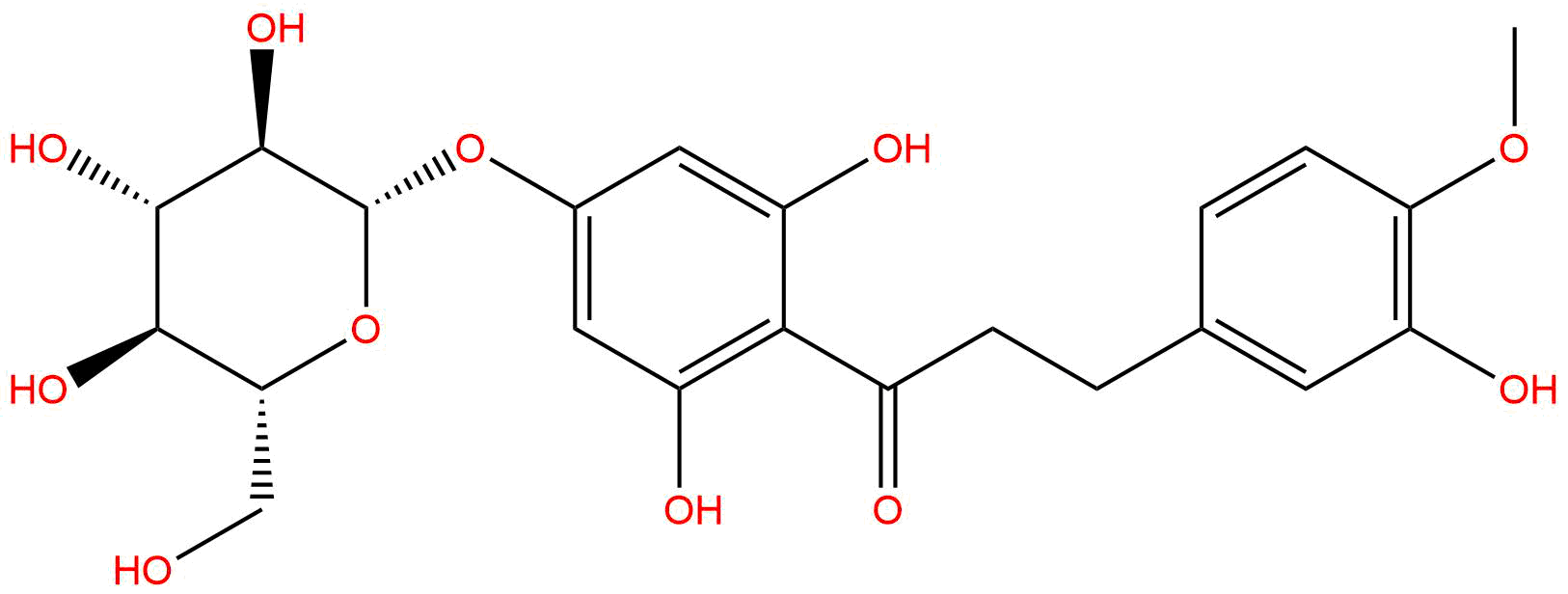
Hesperetin dihydrochalcone-7-O-glucoside belongs to dihydrochalcone compounds and is a derivative of hesperetin. Unlike the common hesperidin, HDCG has a unique dihydrochalcone skeleton structure, which endows it with a biological activity spectrum distinct from traditional flavonoids. Research has shown that HDCG is a potent and orally active broad-spectrum inhibitor of human UDP glucuronosyltransferase (UGT) activity, which presents unique potential for application in drug metabolism regulation and cancer treatment.
More importantly, HDCG exerts its pharmacological effects through multiple signaling pathways. It can activate p38 mitogen activated protein kinase (p38 MAPK) to induce cell apoptosis, promote programmed cell death by inhibiting the nuclear factor kappa B (NF - κ B) receptor signaling pathway, and induce cell cycle arrest in the G2/M phase. At the molecular level, HDCG can downregulate the expression of anti apoptotic protein Bcl-2 and enhance the expression of pro apoptotic protein Bax, thereby disrupting the survival balance of tumor cells. In addition, the compound exhibits significant antioxidant, anti-inflammatory, and anticancer activities, making it a hot topic in natural product pharmacology research due to its pleiotropic effects.
This review aims to systematically summarize the chemical properties, plant sources, pharmacological activities, mechanisms of action, and pharmacological characteristics of hesperetin dihydrochalcone-7-O-glucoside, providing comprehensive academic references for the in-depth research and clinical translation of this natural product.
Chemical structure and physicochemical properties
Chemical structural characteristics
The chemical structure of hesperetin dihydrochalcone-7-O-glucoside exhibits typical dihydrochalcone skeleton characteristics. The parent nucleus structure of dihydrochalcone is composed of two aromatic rings (A ring and B ring) connected by a three carbon chain. Unlike the classical flavanone structure, the C ring of dihydrochalcone is in an open ring state, which gives the molecule greater conformational flexibility. Specifically, the hydroxyl group at position 7 on the A ring of HDCG forms an O-glycosidic bond with a glucose group, resulting in a 7-O-glucoside structure; The B ring carries 4 '- methoxy and 3' - hydroxy substituents.
From a systematic naming perspective, the complete chemical name of this compound is: 3 ′, 5-dihydroxy-4 ′ - methoxy-dihydrochalcone-7-O - β - D-glucoside. Its molecular formula is C ₂∝ H ₂₆ O ₁₁, and its molecular weight is 466.4390 g/mol. The sugar moiety is β - D-glucopyranose, which is connected to the 7th carbon atom of the A ring through a glycosidic bond. This glycosylation modification not only increases the water solubility of the molecule, but may also affect its interaction mode with biological targets.
Physical and chemical property parameters
According to computational chemistry and experimental measurement data, HDCG exhibits the following key physicochemical properties:
Lipid water partition coefficient (LogP)A value of 0.2739 indicates that the compound has moderate lipophilicity and slightly leans towards a hydrophilic environment. This characteristic enables it to maintain a good solubility in the blood while possessing a certain membrane permeability.Topological Polarity Surface Area (TPSA)The value of 186.3700 Å ² is relatively high, mainly due to the presence of multiple hydroxyl and glycosyl oxygen atoms in the molecule. A high TPSA value typically indicates that the oral absorption of a compound may be limited, but it also reduces its ability to penetrate the blood-brain barrier.
Water solubility The parameter is 4.2565 (possibly measured in mg/mL or logS), indicating that HDCG has good solubility in aqueous solution, which is consistent with the presence of multiple polar and glycosyl groups in its molecule. Good water solubility is an important advantage in oral drug development, which is beneficial for formulation design and in vivo absorption.
Blood-brain barrier penetration ability Evaluated as' low ', which is consistent with the characteristics of high TPSA values and molecular weights exceeding 400 Da. Low blood-brain barrier penetration means that the distribution of HDCG in the central nervous system is limited, which to some extent reduces the potential risk of neurotoxicity, but also limits its application in the treatment of brain diseases.
HERG inhibition Evaluating as' no 'is a positive indicator of drug efficacy. Inhibition of hERG potassium channels is the main cause of drug-induced cardiac toxicity (QT interval prolongation), while HDCG does not inhibit hERG channels, reducing its risk of cardiac toxicity.Ames test The result was 0.0, indicating that the compound did not exhibit mutagenicity in the bacterial recovery mutation test and had a low risk of genetic toxicity.
Overall, the physical and chemical properties of HDCG exhibit good pharmacological characteristics, especially with low cardiac toxicity and low genetic toxicity risks, laying a safety foundation for its subsequent development.
Plant sources and extraction methods
Natural source distribution
Hesperidin dihydrochalcone-7-O-glucoside is mainly present in citrus plants of the Rutaceae family and is a unique flavonoid metabolite found in citrus fruits. Research has shown that the distribution of HDCG in citrus fruits is tissue-specific, with higher levels typically found in the peel (especially the white skin layer) and juice. The main sources of plants include:
- Sweet Orange (Citrus sinensis)Sweet orange fruit is an important source of HDCG, especially abundant in orange peel and orange juice processing by-products.
- Grapefruit (Citrus paradisi)Grapefruits also contain HDCG, and its content is affected by variety, maturity, and growth conditions.
- Lemon (Citrus limon)HDCG was also detected in the lemon peel.
- Citrus reticulata The HDCG content in wide skinned citrus fruits varies depending on the variety.
It is worth noting that the biosynthetic pathway of HDCG in plants involves enzymatic conversion of flavanones. Hesperetin first forms a flavanone skeleton through the action of chalcone isomerase, and then undergoes a reduction reaction to generate a dihydrochalcone structure. Finally, it is catalyzed by glycosyltransferase to complete 7-O-glucosylation. This biosynthesis process is regulated by various factors such as plant development stage, environmental stress, and post harvest treatment.
Extraction and purification methods
Researchers have developed various methods for the extraction and purification of HDCG, including:
Solvent extraction method Taking advantage of the good solubility of HDCG in polar solvents, ethanol water mixed solvents are often used for extraction. The optimization conditions are usually a 50% -80% ethanol solution, a solid-liquid ratio of 1:10-1:20, a temperature of 40-60 ° C, and an extraction time of 1-3 hours. To improve extraction efficiency, ultrasound assisted extraction or microwave-assisted extraction techniques can be used, which can disrupt the structure of plant cell walls and promote the release of target compounds.
Chromatographic separation technology HDCG in crude extract can be purified through various chromatographic techniques. Silica gel column chromatography is a commonly used preliminary separation method, using chloroform methanol or ethyl acetate methanol gradient elution systems. For higher purity requirements, preparative high-performance liquid chromatography (HPLC) can be used, using a C18 reverse phase chromatography column with acetonitrile water or methanol water as the mobile phase, monitored by a UV detector at 280-290 nm wavelength.
High Speed Counter Current Chromatography (HSCCC)As a liquid-liquid distribution chromatography technique, HSCCC exhibits unique advantages in the separation of HDCG. This method avoids irreversible adsorption caused by solid stationary phases, has a high recovery rate, and is suitable for large-scale preparation.
Macroporous adsorption resin method By using macroporous adsorption resins such as HPD-100, AB-8, etc. to enrich and purify HDCG, combined with ethanol gradient elution, high-purity target compounds can be obtained. This method is easy to operate, cost-effective, and suitable for industrial production.
In recent years, with the promotion of green chemistry concepts, the application of deep eutectic solvents (DES) and natural deep eutectic solvents (NADES) in the extraction of flavonoids has received attention. These new solvents have designability, low toxicity, and biodegradability, and are expected to become environmentally friendly alternatives for HDCG extraction.
Pharmacological activity research
antioxidant activity
Hesperetin dihydrochalcone-7-O-glucoside exhibits significant antioxidant activity, which is closely related to the phenolic hydroxyl group in its molecular structure. Research has shown that HDCG can effectively scavenge various free radicals, including 1,1-diphenyl-2-trinitrophenylhydrazine (DPPH) free radical, 2,2 '- diazobis (3-ethylbenzothiazoline-6-sulfonic acid) free radical, and superoxide anion free radical. Its antioxidant mechanism mainly includes:
- Direct free radical scavenging The phenolic hydroxyl groups on the A and B rings in the molecule can serve as hydrogen atom donors, neutralizing the oxidative activity of free radicals.
- Metal ion chelation The ortho dihydroxy structure of HDCG can chelate transition metal ions (such as Fe ² ⁺, Cu ² ⁺) and inhibit hydroxyl radicals generated by Fenton reaction.
- Regulation of antioxidant enzyme activity HDCG can upregulate the activity of endogenous antioxidant enzymes such as superoxide dismutase (SOD), glutathione peroxidase (GPx), and catalase (CAT), enhancing the antioxidant defense system of cells.
In cell models, HDCG treatment can significantly reduce the levels of reactive oxygen species (ROS) induced by oxidative stress, protecting cells from oxidative damage. Animal experiments further confirmed that HDCG can alleviate oxidative liver damage induced by chemicals such as carbon tetrachloride and acetaminophen, reduce the content of malondialdehyde (MDA) in serum, and increase antioxidant enzyme activity.
anti-inflammatory activity
Inflammatory reaction is the common pathological basis of many chronic diseases, including cardiovascular disease, diabetes and cancer. HDCG exhibits multi-target regulatory effects in anti-inflammatory aspects:
Inhibit the production of pro-inflammatory mediators HDCG can significantly reduce the release of pro-inflammatory cytokines such as tumor necrosis factor - α (TNF - α), interleukin-6 (IL-6), and interleukin-1 β (IL-1 β) in macrophages stimulated by lipopolysaccharide (LPS). Meanwhile, it can also inhibit the production of nitric oxide (NO) and prostaglandin E ₂ (PGE ₂), which is closely related to its inhibitory effect on the expression of inducible nitric oxide synthase (iNOS) and cyclooxygenase-2 (COX-2).
Regulating the inflammatory signaling pathway HDCG exerts anti-inflammatory effects by inhibiting the activation of the NF - κ B signaling pathway. Specifically, it can prevent the phosphorylation and degradation of I κ B α, thereby inhibiting the nuclear translocation of NF - κ B and the transcription of downstream inflammatory genes. In addition, HDCG can also inhibit the phosphorylation of p38 and JNK in the mitogen activated protein kinase (MAPK) pathway, further weakening the transmission of inflammatory signals.
In animal inflammation models, oral administration of HDCG can alleviate carrageenan induced paw swelling in rats, reduce acetic acid-induced capillary permeability increase, and demonstrate good in vivo anti-inflammatory activity.
anticancer activity
The anticancer activity of HDCG has been a hot research topic in recent years, and multiple studies have confirmed its ability to inhibit proliferation and induce apoptosis in various cancer cell lines
Inhibit cell proliferation HDCG inhibits the proliferation of a variety of cancer cells in a dose and time-dependent manner, including breast cancer (MCF-7, MDA MB-231), liver cancer (HepG2), colon cancer (HT-29, Caco-2) and lung cancer (A549) cell lines. The half maximal inhibitory concentration (IC ₅₀) value is usually in the range of 10-50 μ M, depending on the cell type.
Inducing cell cycle arrest HDCG can block cancer cells in the G2/M phase, which is related to changes in the expression of cell cycle regulatory proteins. Research has shown that HDCG treatment downregulates the expression of cyclin B1 and CDK1, while upregulating the levels of cell cycle inhibitory proteins such as p21 and p53, thereby preventing cells from entering the mitotic phase.
Promote cell apoptosis HDCG induces cancer cell apoptosis through two pathways: endogenous (mitochondrial) and exogenous (death receptor). At the molecular level, HDCG treatment leads to a decrease in the expression of anti apoptotic protein Bcl-2, an increase in the expression of pro apoptotic protein Bax, and an increase in the Bax/Bcl-2 ratio, thereby promoting mitochondrial membrane potential loss and cytochrome c release. Meanwhile, HDCG can also activate caspase-9 and caspase-3, ultimately leading to the execution of cell apoptosis.
Inhibit metastasis and angiogenesis Preliminary studies have shown that HDCG can inhibit the migration and invasion ability of cancer cells, which may be related to its regulation of matrix metalloproteinases (MMPs) activity. In addition, HDCG also exhibits anti angiogenic activity, which can inhibit the expression of vascular endothelial growth factor (VEGF) and the formation of tubular structures in endothelial cells.
Other pharmacological activities
In addition to the main activities mentioned above, HDCG also exhibits other beneficial pharmacological effects:
Liver protective effect HDCG has a protective effect on various chemical liver injury models, and its mechanism involves multiple pathways such as antioxidant, anti-inflammatory, and anti apoptotic effects.
Cardiovascular protection Research shows that HDCG can improve the function of vascular endothelium, inhibit the proliferation of vascular smooth muscle cells, reduce the level of blood lipids, and has a potential preventive and therapeutic effect on atherosclerosis.
metabolic regulation HDCG can improve insulin sensitivity and promote glucose uptake by regulating AMPK signaling pathway, which shows an improvement effect on type 2 diabetes and its complications.
Mechanism of action and molecular targets
UGT enzyme inhibition mechanism
One of the most notable characteristics of hesperetin dihydrochalcone-7-O-glucoside is its activity as a broad-spectrum human UGT enzyme inhibitor. UGT enzyme is the most important phase II drug metabolizing enzyme in the body, catalyzing the binding reaction between glucuronic acid and endogenous and exogenous compounds, promoting their excretion. HDCG can effectively inhibit various subtypes of UGT, including UGT1A1, UGT1A3, UGT1A6, UGT1A9, and UGT2B7.
Molecular docking and enzyme kinetics studies have shown that the glycosyl portion of HDCG interacts with the glucuronic acid binding site of UGT enzyme, while the dihydrochalcone skeleton occupies the substrate binding pocket. This dual binding mode makes it a competitive or mixed inhibitor. It is worth noting that the oral activity of HDCG enables it to achieve effective UGT inhibitory concentrations in vivo, which has important application value in drug drug interaction studies and cancer chemotherapy sensitization.
Activation of p38 MAPK signaling pathway
One of the important mechanisms by which HDCG induces cell apoptosis is through the activation of the p38 MAPK signaling pathway. P38 MAPK belongs to the stress activated protein kinase family and plays a crucial role in cellular stress response, inflammation, and apoptosis. HDCG treatment significantly increases the phosphorylation level of p38 MAPK, which in turn activates its downstream substrates, including activated transcription factor 2 (ATF-2) and MAPK activated protein kinase 2 (MK2).
The activation of p38 MAPK further leads to mitochondrial dysfunction, promoting the release of cytochrome c and the initiation of caspase cascade reactions. The use of p38 specific inhibitor SB203580 can partially reverse the apoptotic effect induced by HDCG, confirming the critical role of the p38 MAPK pathway in this process.
Inhibition of NF - κ B signaling pathway
NF - κ B is a key transcription factor that regulates inflammation, cell survival, and proliferation. HDCG inhibits the NF - κ B signaling pathway through multiple mechanisms:
- Inhibition of I κ B α phosphorylation HDCG can prevent the activation of I κ B kinase (IKK), reduce the phosphorylation and ubiquitination degradation of I κ B α, and retain NF - κ B in an inactive form in the cytoplasm.
- Interference with NF - κ B nuclear translocation Even if some NF - κ B is released, HDCG can interfere with its transport to the nucleus.
- Inhibition of NF - κ B binding to DNA HDCG can directly or indirectly affect the binding ability of NF - κ B to the promoter region of target genes.
By inhibiting NF - κ B activity, HDCG downregulates the expression of various NF - κ B target genes, including anti apoptotic proteins (Bcl-2, Bcl xL, XIAP), cell cycle regulatory protein (cyclin D1), and pro-inflammatory factors (TNF - α, IL-6, COX-2), thereby promoting cancer cell apoptosis and inhibiting inflammatory responses.
Regulation of Bcl-2 family proteins
The Bcl-2 family proteins are the core molecules that regulate the mitochondrial apoptosis pathway. HDCG disrupts the survival balance of cancer cells by regulating the proportion of Bcl-2 family members. Specifically manifested as:
- Downregulation of Bcl-2 expression HDCG inhibits the expression of anti apoptotic protein Bcl-2 at the transcriptional and post transcriptional levels.
- Upregulation of Bax expression HDCG enhances the transcription and protein levels of pro apoptotic protein Bax.
- Change the Bax/Bcl-2 ratio The increase in Bax/Bcl-2 ratio promotes the oligomerization of Bax on the outer membrane of mitochondria, forming channels and releasing apoptotic factors.
In addition, HDCG may also affect the activation status of other Bcl-2 family members, such as Bid, Bad, and Bim, further amplifying apoptotic signals.
cell cycle regulation
HDCG induced G2/M phase cell cycle arrest involves changes in multiple cell cycle regulatory factors. Research has shown that HDCG processing leads to:
- Downregulation of cyclin B1 and CDK1 expression The cyclin B1-CDK1 complex is a key kinase that drives cells into mitosis, and its reduced activity leads to G2/M phase arrest.
- Upregulation of p21 and p53 P21, as a CDK inhibitor, can inhibit the activity of cyclin B1-CDK1 complex; P53, as an upstream regulatory factor, participates in the activation of DNA damage checkpoints.
- Inhibition of Cdc25C phosphatase activity Cdc25C is responsible for removing inhibitory phosphate groups on CDK1, and its activity is further inhibited to prevent CDK1 activation.
The synergistic effect of these molecular events causes cancer cells to stagnate in the G2/M phase, unable to complete mitosis, ultimately inducing cell apoptosis or aging.
Evaluation of drug properties and pharmacokinetics
Analysis of drug properties parameters
Based on the aforementioned physicochemical property parameters, HDCG exhibits ideal pharmacological characteristics:
Drug Evaluation According to Lipinski's "Five Rules", the molecular weight of HDCG (466.44 Da) is slightly higher than the threshold of 500 Da, but still within an acceptable range; Its LogP value (0.27) meets the requirement of<5; The number of hydrogen bond donors (7 hydroxyl groups) and hydrogen bond acceptors (11 oxygen atoms) did not exceed the regulatory limit. Overall, HDCG has good drug like properties and possesses the basic characteristics of oral medication.
safety assessment The negative results of hERG inhibition and Ames test provide important support for its safety. In addition, low blood-brain barrier penetration reduces the risk of central nervous system toxicity. These safety features give HDCG significant advantages in drug development.
Water solubility advantage Good water solubility (4.2565) is beneficial for formulation development and can be prepared into various dosage forms such as oral solutions, tablets, or capsules without the need for complex solubilization techniques.
Pharmacokinetic characteristics
Although the complete pharmacokinetic data on HDCG is not yet sufficient, based on its structural characteristics and studies of related compounds, the following pharmacokinetic features can be inferred:
absorb The oral activity of HDCG has been experimentally confirmed, indicating its ability to be absorbed through the gastrointestinal tract. The glycosyl portion may be hydrolyzed by glycosidase in the intestine to produce the glycoside hesperetin dihydrochalcone, which may have higher membrane permeability. However, some HDCG may also be absorbed in the form of intact glycosides through active transport mechanisms.
distribution HDCG is widely distributed in the body, but its distribution in the central nervous system is limited due to its low blood-brain barrier penetration. Its higher plasma protein binding rate may affect the free drug concentration and pharmacological performance.
Metabolism As a UGT enzyme inhibitor, HDCG itself may undergo extensive phase II metabolism, including glucuronidation and sulfation. In addition, gut microbiota may be involved in the hydrolysis of its glycosidic bonds, generating glycosidic metabolites. It is worth noting that the inhibitory effect of HDCG on UGT enzyme may lead to a slowdown in its own metabolism, while also affecting the metabolic clearance of other drugs.
excretion HDCG and its metabolites are mainly excreted through bile and urine. Glycosylated metabolites tend to be excreted through bile into the intestine and may undergo enterohepatic circulation, prolonging their duration of action in the body.
Potential for drug interactions
HDCG, as a broad-spectrum UGT enzyme inhibitor, has significant potential for drug interactions. When used in combination with drugs primarily metabolized by UGT, such as irinotecan, acetaminophen, morphine, nonsteroidal anti-inflammatory drugs, etc., it may increase the systemic exposure and toxicity risk of these drugs. This characteristic may be utilized as a sensitization strategy in cancer chemotherapy, but it needs to be carefully evaluated in routine medication.
In addition, the regulatory effects of HDCG on the p38 MAPK and NF - κ B signaling pathways may also have synergistic or antagonistic effects with other targeted drugs, and further systematic research is needed.
Clinical application prospects and prospects
Potential therapeutic areas
Based on the multi effect pharmacological activity of HDCG, it has shown broad application prospects in the following therapeutic fields:
cancer treatment HDCG exerts anticancer effects through multiple mechanisms such as inducing apoptosis, blocking cell cycle, and inhibiting metastasis, and can be used as a chemotherapy sensitizer or adjuvant therapy drug. Especially its UGT inhibitory activity can be used to improve the efficacy of UGT substrate chemotherapy drugs such as irinotecan and reduce their dose limiting toxicity (such as delayed diarrhea). In addition, the regulatory effects of HDCG on multiple signaling pathways make it possible to overcome tumor drug resistance.
Inflammatory diseases The anti-inflammatory activity of HDCG makes it potentially valuable in the treatment of chronic inflammatory diseases such as inflammatory bowel disease, rheumatoid arthritis, and asthma. Its oral activity and good safety characteristics make it suitable for long-term use.
Metabolic diseases The antioxidant and metabolic regulatory effects of HDCG suggest its therapeutic potential in the metabolic syndrome related diseases such as non-alcoholic fatty liver disease (NAFLD), type 2 diabetes and obesity.
Liver protection The protective effect of HDCG on chemical liver injury provides a scientific basis for its prevention and treatment of liver diseases such as drug-induced liver injury and alcoholic liver disease.
Development Challenges and Strategies
Despite the many advantages of HDCG, its clinical translation still faces some challenges:
Optimization of bioavailability Although HDCG has oral activity, its absolute bioavailability may be limited. Improving its oral absorption through formulation techniques such as nanoliposomes, phospholipid complexes, solid dispersions, etc., or developing prodrug strategies to enhance its pharmacokinetic characteristics, are directions worth exploring.
In depth analysis of the mechanism of action The multi-target effect of HDCG is both an advantage and a challenge. It is necessary to use systems biology and network pharmacology methods to comprehensively analyze its target network, clarify the primary and secondary mechanisms of action, and provide theoretical guidance for precise applications.
Security system evaluation Although preliminary safety data is good, systematic evaluations of long-term toxicity, reproductive toxicity, and carcinogenicity still need to be conducted. Especially the potential drug interaction risks caused by its UGT inhibitory activity need to be fully evaluated in preclinical and clinical studies.
Study on Structure Activity Relationship By synthesizing structural analogues of HDCG and systematically studying the relationship between its chemical structure and biological activity, it can help discover lead compounds with stronger activity and higher selectivity.
Future research directions
Looking ahead, research on HDCG can be further expanded in the following directions:
- Structural modification and optimization Based on the parent nucleus structure of HDCG, derivatives with higher activity and better pharmacokinetic properties can be designed and synthesized through chemical synthesis or biotransformation methods.
- Combination therapy research Systematically evaluate the combined application effect of HDCG and commonly used clinical drugs, explore the optimal compatibility scheme and synergistic mechanism.
- Nano drug delivery system Develop nano formulations based on HDCG to improve their targeting and therapeutic efficacy, while reducing systemic toxicity.
- Clinical translational research On the basis of completing sufficient preclinical research, promote the entry of HDCG into clinical trials to verify its efficacy and safety in specific diseases.
- Natural product resource development Optimize the extraction process of HDCG from citrus processing by-products to achieve sustainable resource utilization and industrial development.
Conclusion
Hesperetin dihydrochalcone-7-O-glucoside, as a natural flavonoid glycoside derived from citrus fruits, occupies an important position in the field of natural product pharmacology due to its unique chemical structure and multi effect pharmacological activity. This review systematically summarizes the chemical properties, plant origin, pharmacological activity, mechanism of action, and pharmacological characteristics of the compound, revealing its molecular pharmacological basis as a UGT enzyme inhibitor, p38 MAPK activator, and NF - κ B inhibitor.
HDCG exerts anticancer activity through various mechanisms such as regulating Bcl-2/Bax balance, inducing G2/M phase cell cycle arrest, and activating caspase cascade reactions, while also possessing multiple pharmacological effects such as antioxidant, anti-inflammatory, and liver protection. Its excellent safety features (low hERG inhibition risk, no genetic toxicity) and oral activity have laid an important foundation for its clinical translation.
However, there are still many challenges from laboratory discovery to clinical application, including optimizing bioavailability, in-depth analysis of the mechanism of action, and systematic safety evaluation. In the future, with the continuous advancement of structural modification, formulation technology, and clinical research, HDCG is expected to develop into a new natural drug candidate molecule for the treatment of cancer, inflammatory diseases, and metabolic diseases. The efficient extraction and utilization of HDCG from citrus processing by-products will also promote the sustainable development of natural product resources and the establishment of a circular economy model.
In summary, hesperetin dihydrochalcone-7-O-glucoside represents an important example in the discovery of natural product drugs. Its systematic research from plant chemistry to molecular pharmacology not only enriches our understanding of the biological activity of flavonoids, but also provides scientific basis and theoretical guidance for the development of new therapeutic strategies based on natural products.