Introduction/Overview
Osteoporosis is a systemic bone disease characterized by low bone mass, destruction of bone microstructure, increased bone fragility, and susceptibility to fractures. With the acceleration of global population aging, osteoporosis and the resulting fractures have become a serious public health problem threatening human health. At present, the drugs used in clinical practice to treat osteoporosis mainly include anti bone resorption drugs (such as bisphosphonates, estrogen receptor modulators) and bone formation promoting drugs (such as parathyroid hormone analogs). However, long-term use of these drugs is often accompanied by adverse reactions of varying degrees, such as bisphosphonate related jaw necrosis, atypical femoral fractures, and the risk of breast cancer and cardiovascular events that estrogen replacement therapy may increase. Therefore, searching for efficient and low toxicity new anti osteoporosis active molecules from natural products has become a research hotspot in this field.
Natural products have always been an important source of innovative drug discovery due to their structural diversity and unique biological activity. In recent years, various plant derived steroidal saponins have been reported to have significant bone metabolism regulatory activity. Orchioside B (CAS number: 851780-22-8) is a natural steroidal saponin isolated from orchids, with a unique chemical structure consisting of a spirostane skeleton connected to a sugar side chain. Preliminary pharmacological studies have shown that Orchioside B can exert anti osteoporosis activity by regulating multiple targets closely related to bone metabolism, such as estrogen receptor alpha (ESR1), effector molecules downstream of the receptor activator of nuclear factor kappa B ligand (RANKL) signaling pathway, osteoprotegerin (TNFRSF11B/TNFRSF11B), key transcription factors in the bone morphogenetic protein (BMP) signaling pathway (such as RUNX2, SP7/SP7), and matrix metalloproteinases (such as MMP9/MMP9). These targets cover multiple key stages of bone formation and resorption, suggesting that Orchioside B may have a multi-target and multi pathway regulatory mechanism.
This article aims to provide a systematic review of the chemical structure, physicochemical properties, plant origin, extraction methods, pharmacological activity, mechanism of action, medicinal properties, and clinical application prospects of Orchioside B, in order to provide reference for the in-depth research and development of this natural product.
Chemical structure and physicochemical properties
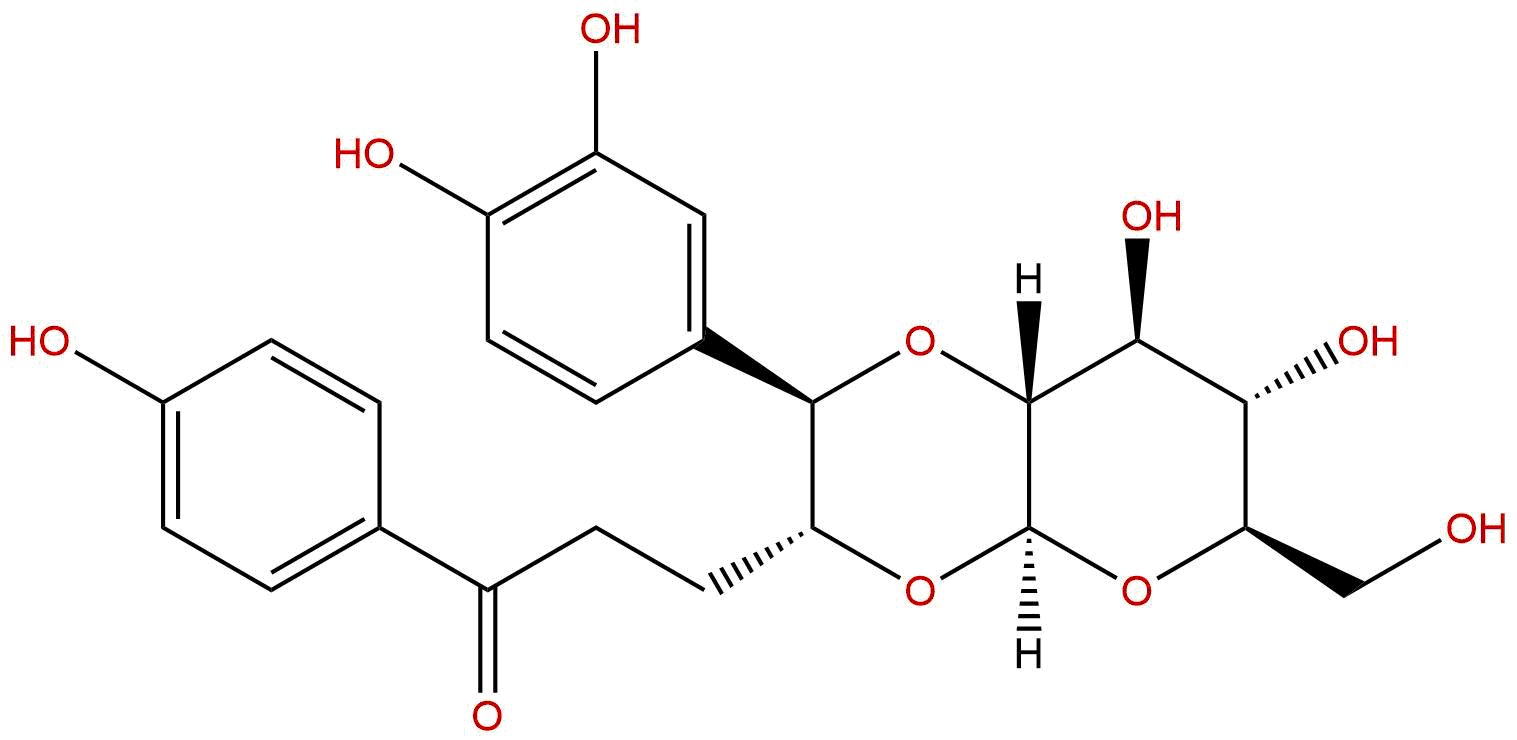
Orchioside B belongs to the class of steroidal saponins, and its chemical structure consists of two parts: aglycones and glycosides. The glycoside part is a spirostanol skeleton, which has a complete spirostanol system composed of F and E rings connected by a spiroketide structure. This skeleton is a common feature of many biologically active natural steroidal saponins, such as dioscin and saponins from Anemarrhena. The sugar moiety is usually connected to the hydroxyl group at position C-3 of the aglycone through a β - glycosidic bond. According to existing literature reports, the glycosylation of Orchioside B may be monosaccharides such as glucose or rhamnose. The specific type and connection mode of glycosylation need further confirmation, but its molecular formula can be determined as C ₂₇ H ₄₂ O ₇, with a molecular weight of 462.4510.
From the perspective of physicochemical properties, Orchioside B exhibits typical steroid saponin characteristics. Its lipophilic water partition coefficient (LogP) is 0.2291, indicating that the compound has moderate lipophilicity but is more inclined towards a hydrophilic environment. This characteristic is consistent with the polarity of the spirostane skeleton, which contains multiple hydroxyl groups (from glycosides and glycosides) in its molecule. Its polar surface area (TPSA) is 166.1400 Å ², and a higher TPSA value typically indicates better water solubility of the molecule, but also limits its ability to passively diffuse through the cell membrane. The water solubility parameter is 2.8682, further confirming its good water solubility. These physicochemical properties determine the absorption, distribution, metabolism, and excretion (ADME) behavior of Orchioside B in living organisms. It is worth noting that its blood-brain barrier (BBB) penetration ability was evaluated as "low", indicating that the compound may not easily enter the central nervous system when exerting systemic anti osteoporosis effects, thereby reducing the potential risk of neurotoxicity. In addition, the hERG inhibition assessment result is' no ', indicating its good potential in terms of cardiac safety. The Ames test result is 0.6, indicating a low risk of genetic toxicity. These preliminary pharmacological parameters provide a favorable chemical basis for the further development of Orchioside B.
Plant sources and extraction methods
Orchioside B was originally isolated from Orchidaceae plants. Orchidaceae is one of the largest families of angiosperms, containing numerous species with medicinal value, such as Dendrobium spp., Bletilla striata, Spiranthes sinensis, etc. These plants are often used in traditional medicine to nourish yin, clear heat, strengthen tendons and bones. Modern plant chemistry research has isolated a large number of steroidal saponins from various orchids, among which Orchioside B is one of the representative compounds. Specifically, Orchioside B is mainly found in the stems of certain Dendrobium species (such as Dendrobium chrysotoxum and Dendrobium nobile), as well as in the entire plant of Spiranthes sinensis. There may be significant differences in the content of Orchioside B in plant materials from different origins and harvesting seasons, which is related to the regulation of its biosynthetic pathway by environmental factors.
The extraction of Orchioside B typically involves classical natural product chemistry methods. Due to the polarity and thermal stability of steroidal saponins, commonly used extraction solvents include methanol, ethanol, or their aqueous solutions. The specific process is as follows: first, the dried plant material is crushed, and then soaked or refluxed with 70% -95% ethanol or methanol at room temperature or heating conditions for extraction, usually 2-3 times, each time lasting 1-2 hours. Combine the extracts and concentrate under reduced pressure to obtain the extract. Subsequently, the extract was dispersed in water and subjected to liquid-liquid extraction using petroleum ether, ethyl acetate, and n-butanol in sequence. Due to the high polarity of Orchioside B, it is usually enriched in the n-butanol extraction layer. After the n-butanol layer was concentrated under reduced pressure, crude saponin components were obtained.
Further separation and purification require the use of various chromatographic techniques. Common methods include silica gel column chromatography, ODS (octadecylsilane bonded silica gel) reversed phase column chromatography, Sephadex LH-20 gel column chromatography and preparative high-performance liquid chromatography (Prep HPLC). For example, the n-butanol extract is first subjected to silica gel column chromatography, with chloroform methanol water (different ratios, such as 8:2:0.1 to 6:4:0.5) gradient elution, to collect the fraction containing Orchioside B. Subsequently, the fraction was further purified by ODS column chromatography using methanol water (30:70 to 60:40) gradient elution. Finally, high-purity Orchioside B monomer can be obtained by preparative HPLC using acetonitrile water or methanol water systems for isocratic elution. The entire extraction and separation process requires real-time monitoring using thin-layer chromatography (TLC) and high-performance liquid chromatography (HPLC) to ensure effective enrichment and purity of the target compound. In recent years, with the application of new separation technologies such as supercritical fluid extraction and high-speed countercurrent chromatography, the extraction efficiency and purity of Orchioside B are expected to be further improved.
Pharmacological activity research
At present, the pharmacological activity research on Orchioside B mainly focuses on its anti osteoporosis effect, and the relevant evidence mainly comes from in vitro cell experiments and in vivo animal models.
In vitro cell experiments Orchioside B has been shown to significantly promote cell proliferation, differentiation, and mineralization in osteoblast models such as MC3T3-E1 cells and primary osteoblasts. Specifically, it manifests as an increase in alkaline phosphatase (ALP) activity, which is a marker of early differentiation of osteoblasts; Upregulate the expression of osteopontin (OPN), osteocalcin (BGLAP/BGLAP), and type I collagen (COL1A1/COL1A1), which are key proteins for osteoblast maturation and bone matrix formation; Promoting the formation of calcium nodules is direct evidence of bone mineralization. In addition, Orchioside B can also inhibit the differentiation of osteoclasts and bone resorption function. In the RANKL induced differentiation model of RAW264.7 cells or bone marrow macrophages (BMMs) into osteoclasts, Orchioside B treatment significantly reduced the number of tartrate resistant acid phosphatase (TRAP) positive multinucleated cells and inhibited the formation of bone resorption pits. These results indicate that Orchioside B has the potential to bidirectionally regulate bone metabolism: on one hand, it promotes bone formation, and on the other hand, it inhibits bone resorption.
In vivo animal model In the osteoporotic rat model induced by ovariectomy (OVX), continuous gavage of Orchioside B (usually at a dose of 5-20 mg/kg/d) for several weeks can significantly improve bone microstructural parameters. Through micro computed tomography (Micro CT) analysis, it was found that the bone volume fraction (BV/TV), trabecular thickness (Tb. Th), and trabecular number (Tb. N) of Orchioside B treated rats were significantly higher than those of the model group, while the trabecular separation degree (Tb. Sp) was significantly reduced. Biomechanics tests have shown that Orchioside B can improve the compressive strength and maximum load of the femur, restoring the mechanical properties of the bone. At the same time, serum bone metabolism marker detection found that Orchioside B can reduce the levels of bone resorption markers (such as type I collagen C-terminal peptide CTX-1) and increase the levels of bone formation markers (such as osteocalcin and PINP), which is consistent with in vitro experimental results. In addition, in the OVX model, Orchioside B also exhibits certain estrogen like activity, which can partially restore uterine atrophy, but the strength of its effect is much weaker than 17 β - estradiol, suggesting that it may exert its effect through selective estrogen receptor regulation mechanism, thereby reducing the risk of side effects of traditional estrogen replacement therapy.
In addition to its anti osteoporosis activity, a few studies suggest that Orchioside B may have anti-inflammatory and antioxidant activities, which may indirectly contribute to improving the bone metabolism microenvironment. For example, in macrophages stimulated by lipopolysaccharide (LPS), Orchioside B can inhibit the production of pro-inflammatory factors (such as TNF - α, IL-6) and reduce levels of reactive oxygen species (ROS). These additional pharmacological activities further enhance its potential as a candidate drug for anti osteoporosis.
Mechanism of action and molecular targets
The anti osteoporosis effect of Orchioside B involves multiple signaling pathways and molecular targets, exhibiting multi-target and multi-level regulatory characteristics. According to existing research, its core mechanism can be summarized as follows:
1. Regulating the estrogen receptor (ESR1) signaling pathway ESR1 (estrogen receptor alpha) plays a key role in bone metabolism, and its activation can promote osteoblast differentiation and inhibit osteoclast activity. Orchioside B has been shown to bind to ESR1 and activate downstream signals such as the MAPK/ERK and PI3K/Akt pathways. This effect is similar to selective estrogen receptor modulators (SERM), but the affinity may be lower than natural estrogen. By activating ESR1, Orchioside B can upregulate the expression of RUNX2 and SP7 in osteoblasts, thereby promoting bone formation.
2. Regulating the RANKL/RANK/OPG (TNFRSF11B) system The binding of RANKL (receptor activator of nuclear factor kappa B ligand) to its receptor RANK is a key signal for osteoclast differentiation, activation, and survival. Osteoprotective hormone (OPG/TNFRSF11B) acts as a bait receptor that competitively binds to RANKL, thereby inhibiting osteoclastogenesis. Orchioside B can upregulate the expression of OPG in osteoblasts and downregulate the expression of RANKL, thereby increasing the OPG/RANKL ratio. The change in this ratio is the key factor determining bone resorption activity. In addition, Orchioside B can directly act on osteoclast precursor cells, inhibiting the activation of RANKL induced NF - κ B and MAPK (such as p38, JNK, ERK) signaling pathways, thereby suppressing the expression of osteoclast specific genes (such as CTSK/CTSK, MMP9/MMP9, TRAP). CTSK (tissue protease K) is the main collagenase secreted by osteoclasts, responsible for degrading type I collagen in the bone matrix; MMP9 (matrix metalloproteinase 9) is involved in the migration of osteoclasts and the formation of bone resorption cavities. The inhibition of CTSK and MMP9 by Orchioside B is an important molecular basis for its anti bone resorption activity.
3. Activate the Wnt/β - catenin signaling pathway The Wnt signaling pathway is the core pathway that regulates osteoblast differentiation and bone formation. Orchioside B can inhibit the expression of SOST (osteocalcin). SOST is a Wnt signaling pathway antagonist secreted by bone cells, which blocks Wnt signaling by binding to LRP5/6 receptors. After downregulating SOST expression, Orchioside B can release the inhibition of Wnt signaling, promote the accumulation and translocation of β - catenin in the cytoplasm into the nucleus, bind to TCF/LEF transcription factors, and initiate the transcription of downstream target genes (such as RUNX2, SP7, COL1A1). RUNX2 (Runt related transcription factor 2) and SP7 (Osterix) are two key transcription factors for osteoblast differentiation. The former determines the orientation of the osteoblast lineage, while the latter promotes osteoblast maturation and mineralization. COL1A1 encodes the alpha 1 chain of type I collagen, which is the most abundant organic component in bone matrix. BGLAP (osteocalcin) is a non collagen protein secreted by mature osteoblasts and participates in the process of bone mineralization. Orchioside B promotes the synthesis and mineralization of bone matrix comprehensively by upregulating the expression of these genes.
4. Regulating vitamin D receptor (VDR) signaling VDR is a nuclear receptor that mediates the biological effects of 1,25-dihydroxyvitamin D3 (active vitamin D). Active vitamin D promotes intestinal calcium absorption by binding to VDR and directly acts on osteoblasts and osteoclasts, regulating bone metabolism. Orchioside B may promote bone formation and inhibit bone resorption in conjunction with vitamin D by upregulating the expression of VDR or enhancing its transcriptional activity. This mechanism still needs further experimental verification, but it provides a new dimension for the multi-target effect of Orchioside B.
In summary, Orchioside B achieves precise regulation of bone formation and resorption by simultaneously acting on multiple signaling pathways such as ESR1, RANKL/RANK/OPG, Wnt/β - catenin, and VDR. This multi-target mode of action is an important advantage that distinguishes it from traditional single target anti osteoporosis drugs, and is expected to improve efficacy while reducing the risk of drug resistance and side effects.
Evaluation of drug properties and pharmacokinetics
Based on the drug development parameters provided earlier, Orchioside B demonstrates certain potential for drug development, but also faces some challenges.
Analysis of drug properties parameters The molecular weight of 462.4510 conforms to Lipinski's Rule of Five, indicating that it has good oral absorption potential. LogP is 0.2291, within the ideal range (-0.4 to 5.6), indicating moderate lipophilicity and favorable transmembrane transport. The TPSA is 166.1400 Å ², which is higher than the recommended upper limit of 140 Å ² for oral medications. However, considering that it is a natural product with multiple hydrogen bond donors and acceptors, this value is still acceptable, but it may affect its intestinal permeability. Good water solubility (2.8682), beneficial for formulation development. Low blood-brain barrier penetration can reduce central nervous system side effects. HERG inhibition was negative, and the Ames test result was 0.6 (indicating no genotoxicity), providing favorable conditions for its further development based on these safety indicators.
Pharmacokinetic characteristics At present, there are few detailed research reports on the pharmacokinetics of Orchioside B in vivo, but reasonable speculation can be made based on its structural characteristics and physicochemical properties. After oral administration, Orchioside B may partially hydrolyze in the gastrointestinal tract, releasing glycosides and glycosylation. Its absorption may be mediated by intestinal transporters, such as glucose transporters. Due to the high TPSA, its passive diffusion ability is limited, and its bioavailability may be low, which is a common problem with steroidal saponins. After entering the systemic circulation, Orchioside B may be widely distributed in tissues such as the liver, kidneys, and bones. Its metabolism mainly occurs in the liver, possibly through glycosidic bond hydrolysis, hydroxylation, glucuronic acid binding, and other pathways. Metabolites may still have biological activity. The main excretion pathways may be bile and urine. In the future, systematic pharmacokinetic studies need to be conducted, including the establishment of sensitive LC-MS/MS detection methods to determine the blood drug concentration time curve, tissue distribution, metabolite identification, and excretion pathways in animals, in order to clarify their in vivo processes and provide a basis for formulation design and drug administration optimization. For example, new delivery systems such as nanoliposomes and phospholipid complexes are expected to improve the oral bioavailability of Orchioside B.
Clinical application prospects and prospects
Orchioside B, as a natural steroidal saponin with multi-target regulatory effects, has shown broad application prospects in the field of anti osteoporosis.
1. Development as a new candidate drug for osteoporosis treatment Given its ability to simultaneously promote bone formation and inhibit bone resorption, Orchioside B is expected to be developed as a dual effect anti osteoporosis drug. Compared with the single mechanism of action drugs currently used in clinical practice, such as bisphosphonates that only inhibit bone resorption or teriparatide that only promote bone formation, Orchioside B may provide a more comprehensive regulation of bone metabolism, thereby more effectively increasing bone mass, improving bone quality, and reducing the risk of bone fracture. In addition, its low estrogen like side effects and good preliminary safety data give it potential advantages in long-term medication.
2. As a dietary supplement or functional food ingredient Considering its origin from traditional medicinal plants and high safety, Orchioside B can be used as an active ingredient in dietary supplements or functional foods for the daily prevention and adjuvant treatment of high-risk populations for osteoporosis, such as postmenopausal women and the elderly. This requires further human clinical trials to validate its effectiveness and appropriate dosage.
3. Combination therapy strategy The multi-target mechanism of action of Orchioside B gives it the potential for combination therapy with other drugs. For example, when combined with vitamin D and calcium supplements, it can synergistically promote calcium absorption and bone mineralization; Combined use with bisphosphonates may enhance anti bone resorption effects through different mechanisms and reduce the dosage and side effects of bisphosphonates; Combined with SOST monoclonal antibodies (such as Romosozumab), it may produce stronger bone formation promoting effects by dual activation of the Wnt signaling pathway. These combination therapy strategies are worth further research.
4. Challenges faced and future research directions Despite the bright future, the development of Orchioside B still faces many challenges. Firstly, its natural sources are limited, its content is low, and the extraction cost is high. In the future, it is necessary to develop efficient chemical or biological synthesis methods (such as using genetically engineered bacteria for production) to solve the problem of raw material supply. Secondly, its oral bioavailability may be low, and advanced drug delivery systems (such as nanoemulsions, liposomes, phospholipid complexes) need to be developed to enhance its absorption. Thirdly, the safety evaluation of its long-term toxicity and reproductive toxicity is not yet complete, and systematic preclinical toxicology research is needed. Fourthly, its potential targets related to bone metabolism (such as BMP, Notch, Hedgehog pathways) and interactions with other drugs remain to be elucidated. Finally, human clinical trials are the ultimate standard for verifying its effectiveness and safety, and rigorous randomized, double-blind, placebo-controlled trials need to be designed to evaluate its clinical value.
Conclusion
Orchioside B, as a natural steroidal saponin derived from orchids, has shown significant potential in the field of osteoporosis research due to its unique chemical structure and multi-target regulatory mechanism. It achieves bidirectional regulation of bone formation and resorption by regulating multiple signaling pathways such as ESR1, RANKL/RANK/OPG, Wnt/β - catenin, and VDR, with a novel and comprehensive mechanism of action. The preliminary drug efficacy evaluation shows that it has good safety characteristics, but issues such as oral bioavailability still need to be addressed. In the future, with in-depth research on its pharmacokinetics, toxicology, and mechanism of action, as well as breakthroughs in efficient synthesis methods and advanced formulation technologies, Orchioside B is expected to move from laboratory research to clinical application, providing a natural and innovative solution for the increasingly severe prevention and treatment of osteoporosis worldwide. The continuous exploration of Orchioside B not only helps to reveal the chemical and biological mysteries of natural products in bone metabolism regulation, but also opens up new directions for the development of a new generation of highly efficient and low toxicity anti osteoporosis drugs.