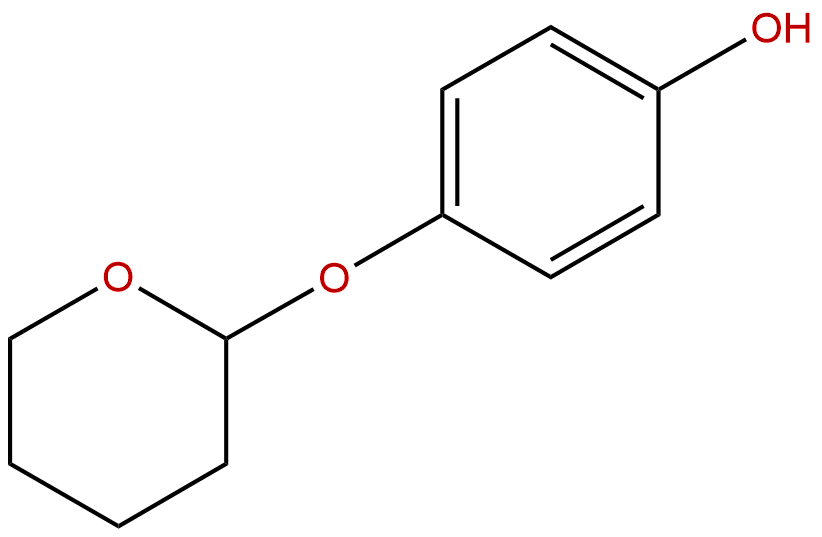


Storage conditions:Short-term storage at 2~8℃, long-term storage at -20 ~ -80℃
Deoxyarbutin (CAS number: 53936-56-4), as a natural product derived tyrosinase inhibitor, has attracted widespread attention in the fields of skin whitening and anti-tumor in recent years. Its unique biological activity is not only reflected in its effective inhibition of melanin production, but also shows the potential to promote melanoma cell apoptosis and enhance mouse acinar cell viability. The research on deoxyarbutin not only enriches the pharmacological knowledge of tyrosinase inhibitors, but also provides important theoretical and practical basis for the development of new safe and effective whitening and anti-tumor drugs.
This review aims to systematically summarize the chemical structure and physicochemical properties, plant sources and extraction methods, pharmacological activity and mechanism of action, pharmacological evaluation and pharmacokinetic characteristics of deoxyarbutin, and explore its clinical application prospects and development trends, in order to provide scientific reference and inspiration for researchers in related fields.
Deoxyarbutin is a phenolic glycoside, whose chemical structure is based on the deoxygenated derivative of arbutin, with a molecular formula of C10H14O4 and a molecular weight of 194.2300. Its structural features include the binding of a phenolic hydroxyl group to a glycosidic moiety, endowing it with excellent tyrosinase inhibitory activity. The LogP value of deoxyarbutin is 2.0482, indicating moderate lipid solubility, which is beneficial for its cell membrane permeability. The polar surface area (TPSA) is 38.6900, indicating that its molecules have a certain polarity, which helps balance water solubility and bioavailability. The water solubility is 0.9622, indicating its moderate solubility in aqueous phase, which is convenient for formulation development.
In addition, deoxyarbutin has a high blood-brain barrier permeability, suggesting that it may play a role in the central nervous system or have potential central toxicity risks, but relevant research is currently insufficient. The negative result of hERG channel inhibition experiment indicates a low risk of cardiac toxicity. The Ames mutagenicity test result is 0.0, indicating a low risk of genotoxicity and good safety.
Deoxyarbutin was originally derived from arbutin and is widely present in plants such as Arctostaphylos uva ursi and Vaccinium spp. Deoxyarbutin is usually obtained through chemical synthesis or biotransformation methods, and there are few literature reports on its direct extraction from natural plants.
The traditional extraction method mainly targets arbutin, using water extraction, alcohol extraction combined with column chromatography separation and purification technology. The synthesis of deoxyarbutin often involves the deoxygenation reduction reaction of arbutin, which selectively removes hydroxyl groups from the molecule using a reducing agent to obtain deoxy derivatives. In recent years, the application of enzyme catalyzed conversion technology has provided a milder and more efficient approach for the preparation of deoxyarbutin.
The optimization of extraction and synthesis processes not only affects yield and purity, but also relates to the stability of subsequent pharmacological activity and safety, which is an important direction for future research.
Deoxyarbutin, as an effective tyrosinase inhibitor, can significantly inhibit the key enzyme activity in the process of melanin production. Tyrosinase (TYR) is the rate limiting enzyme in melanin synthesis, and deoxyarbutin competitively inhibits its activity, reducing the conversion of tyrosine to dopaquinone and thus lowering melanin production. In vitro experiments have shown that deoxyarbutin exhibits significant tyrosinase inhibitory effects on both human melanocytes and melanoma cells.
In addition, deoxyarbutin can regulate the expression of genes related to melanin production, including microenvironmental transcription factors MITF (melanocyte transcription factor), MC1R (melanocyte stimulating hormone receptor), DCT (dopaquinone transferase), TYRP1 (tyrosinase related protein 1), etc., further inhibiting the melanin synthesis pathway and promoting skin whitening.
In recent years, research has found that deoxyarbutin not only has skin whitening effects, but also promotes apoptosis of melanoma cells. Its anti-tumor mechanism involves inducing cell cycle arrest, activating apoptotic signaling pathways, and inhibiting tumor cell proliferation. In vivo mouse model experiments have shown that deoxyarbutin can enhance acinar cell viability and improve tissue function, suggesting its potential anti-tumor and tissue protective effects.
Deoxyarbutin also exhibits multiple biological activities such as antioxidant and anti-inflammatory, which can alleviate skin damage caused by ultraviolet radiation and protect skin cells from oxidative stress. It has high safety and no obvious cytotoxicity or genetic toxicity, providing favorable conditions for its development as a functional compound.
The main mechanism of action of deoxyarbutin is focused on the regulation of tyrosinase and its related signaling pathways. By binding to the active site of tyrosinase, deoxyarbutin blocks the conversion of tyrosine to dopa and inhibits the key step of melanin production. In addition, deoxyarbutin affects the signal transduction network within melanocytes, regulating the expression and activity of MITF. As the main regulator of melanin production, MITF's downstream target genes, including TYR, TYRP1, DCT, are all regulated.
MC1R acts as a receptor for melanocytes, mediating alpha MSH signaling and promoting melanin synthesis. Deoxyarbutin indirectly affects the process of melanin production by regulating the expression or activity of MC1R. ASIP (Melanin Stimulating Hormone Antagonist Protein), as an antagonist of MC1R, its expression changes also participate in the regulatory network of deoxyarbutin.
In terms of anti-tumor effects, the induction of apoptosis in melanoma cells by deoxyarbutin may involve the regulation of mitochondrial pathways and cell cycle regulatory proteins, and the specific molecular mechanisms need further research.
The molecular weight of deoxyarbutin is 194.23, which conforms to Lipinski's rule. Its LogP value of 2.0482 shows that it has good lipid solubility, which is conducive to cell membrane penetration and oral absorption. The TPSA is 38.69, indicating that its polarity is moderate and beneficial for in vivo distribution. Moderate water solubility (0.9622) facilitates the development of formulations and the improvement of bioavailability.
In terms of safety, deoxyarbutin did not exhibit hERG channel inhibitory activity, reducing the risk of cardiac toxicity. Ames test negative, low risk of genotoxicity, meets drug safety requirements. Its high blood-brain barrier permeability suggests possible central nervous system activity, but potential central side effects should also be considered.
Pharmacokinetic studies have shown that deoxyarbutin has good bioavailability after oral administration and is widely distributed in the body. Its metabolic pathway mainly involves the liver enzyme system, and excretion is mainly carried out through the kidneys. The impact of its metabolites on safety and activity still needs further clarification.
Deoxyarbutin, as a novel natural tyrosinase inhibitor, has significant skin whitening effects and good safety, and has become a research hotspot in the fields of cosmetics and medicine. Its oral effectiveness provides new ideas for the development of skin whitening products, breaking through the limitations of traditional topical whitening agents.
In the field of anti-tumor, the role of deoxyarbutin in promoting apoptosis of melanoma cells provides potential for its development as an adjuvant anti-cancer drug. More preclinical and clinical studies are needed in the future to validate its efficacy and safety, clarify dosage ranges and dosing regimens.
In addition, the multiple biological activities of deoxyarbutin, such as antioxidant and anti-inflammatory, make it have broad application prospects in fields such as skin protection and anti-aging. By combining modern pharmaceutical technologies such as nanocarriers and sustained-release formulations, it is expected to enhance their bioavailability and targeting, and expand their clinical application scope.
Future research should focus on in-depth analysis of the mechanism of action of deoxyarbutin, pharmacokinetic optimization, clinical safety evaluation, and multi-target synergistic effects, in order to promote its translation from laboratory research to clinical practice.
Deoxyarbutin, as a natural product derivative with unique structure and multiple biological activities, exhibits significant skin whitening and anti-tumor potential. Its good pharmacological parameters and safety provide a solid foundation for its development. Although research on its mechanism of action and clinical applications is still in its early stages, with the continuous advancement of related technologies and research, deoxyarbutin is expected to become an important candidate molecule for the development of natural product drugs in the future.
Thorough pharmacological research, rational formulation design, and scientific clinical validation will be the key to promoting the clinical application of deoxyarbutin. Looking forward to more high-quality research results in the future to help deoxyarbutin play a greater role in skin whitening and anti-tumor fields, benefiting human health.
