Introduction/Overview
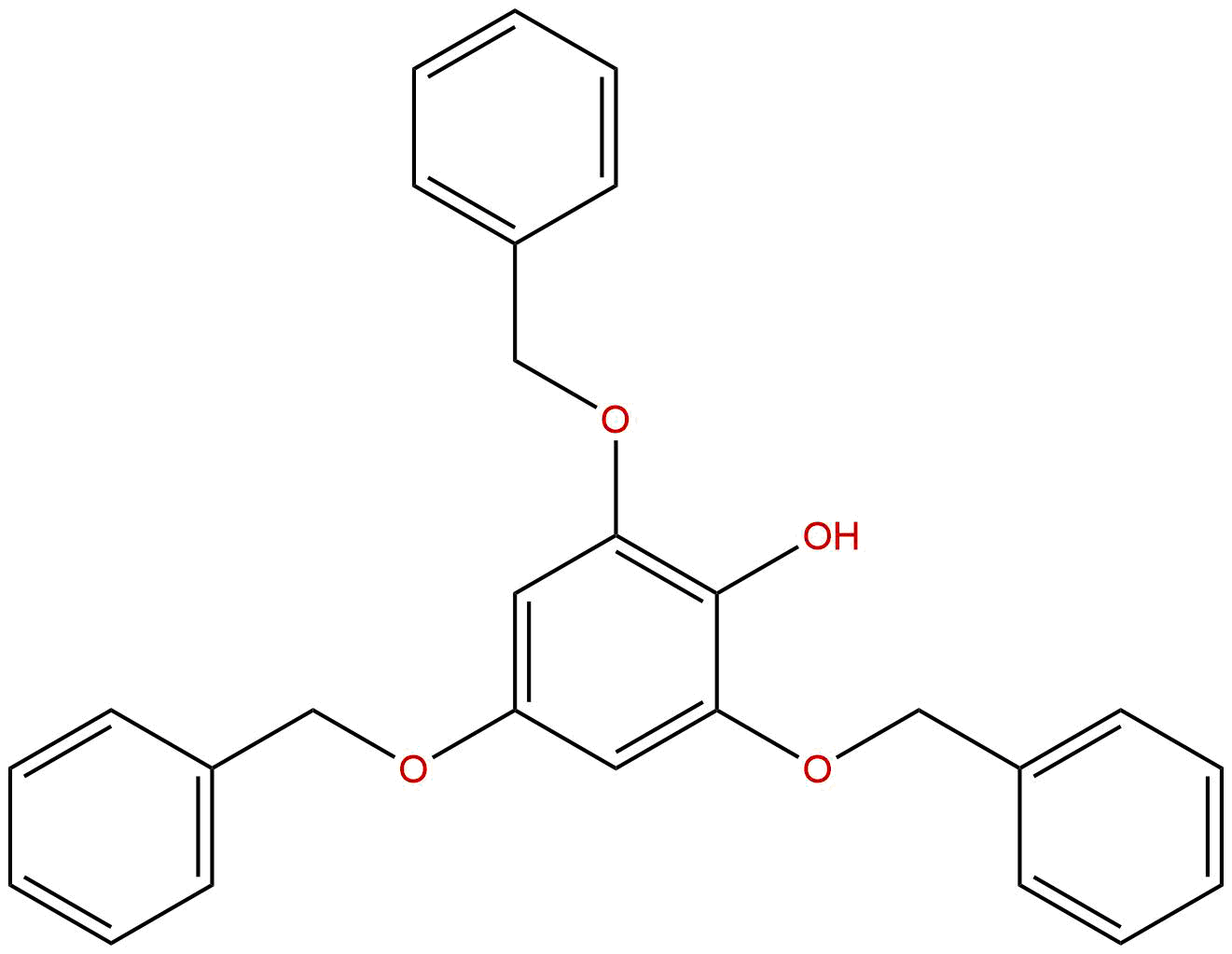
Natural products, as an important source of drug discovery, play an irreplaceable role in the long history of human fight against diseases. From classic aspirin to complex paclitaxel, the chemical diversity inherent in nature provides endless inspiration for modern pharmacology. Among numerous bioactive phenolic compounds, 2,4,6-tris (phenylmethoxy) phenol (TBMP) has gradually attracted the attention of researchers in recent years due to its unique chemical structure and potential pharmacological activity. This compound belongs to a multi substituted phenol derivative, characterized in that all three hydroxyl groups on the benzene ring are replaced by benzyl (benzyloxy), forming a highly symmetrical and highly hydrophobic molecular skeleton.
Although TBMP is not a well-known natural product, its structural units - polyphenols and their etherified derivatives - are widely present in the plant kingdom and are often associated with anti-inflammatory, antioxidant, and other biological activities. Especially, with a deeper understanding of the pathological mechanisms of chronic inflammatory diseases, especially arthritis, the development of drugs targeting key inflammatory signaling pathways and cytokines has become a hot topic. Arthritis, including osteoarthritis (OA) and rheumatoid arthritis (RA), involves the overexpression of various pro-inflammatory factors such as tumor necrosis factor (TNF), interleukin-1 β (IL-1 β), interleukin-6 (IL-6), as well as abnormal activation of the nuclear factor kappa B (NF - κ B) signaling pathway in its pathogenesis. These molecular targets, such as TNF, PTGS2 (cyclooxygenase-2), NFKB1, IL6, IL1B, MMP3 (matrix metalloproteinase 3), and MMP13, form the core network of anti arthritis drug interventions.
The potential value of TBMP lies in its ability to regulate these inflammatory pathways through multiple targets. Preliminary computer simulations and in vitro studies suggest that its highly hydrophobic structure may make it easy to penetrate cell membranes and bind to active sites of transcription factors such as NF - κ B or protein-protein interaction interfaces, thereby inhibiting the inflammatory cascade. In addition, after being protected by benzyl groups, its phenol skeleton has extremely low water solubility (0.0002 mg/mL), but its LogP value is as high as 5.5547, indicating strong lipophilicity. This suggests that it may have high membrane permeability and tissue distribution ability, and may even penetrate the blood-brain barrier. However, this extreme lipophilicity also poses significant challenges for its medicinal properties.
This article aims to systematically review the chemical structure, physicochemical properties, potential plant sources, pharmacological activity, mechanism of action, drug evaluation, and clinical application prospects of TBMP. Through the integration and analysis of existing literature and computational data, we will delve into the potential and limitations of this compound as a lead compound for anti arthritis, providing a theoretical basis for subsequent natural product chemical modification and pharmacological research.
Chemical structure and physicochemical properties
The chemical structure of TBMP exhibits high symmetry and clear functional group characteristics. Its core structure is a phenol ring, with a benzyl (- OCH ₂ Ph) substituent attached at positions 2, 4, and 6 (i.e. adjacent and para positions relative to the phenolic hydroxyl group). Therefore, its system is named 2,4,6-tris (benzyloxy) phenol, with the molecular formula C ₂₇ H ₂₄ O ₄ and a molecular weight of 412.4850 g/mol. This structure combines the weak acidity of phenolic hydroxyl groups with the stability of three benzyl ether bonds. From the perspective of structure-activity relationship (SAR), three large volume benzyl groups are arranged around the central benzene ring in space, forming a highly hydrophobic "umbrella shaped" structure, which is crucial for their interaction mode with biological targets.
In terms of physicochemical properties, TBMP exhibits typical strong lipophilic small molecule characteristics. Its oil-water partition coefficient (LogP) is 5.5547, much higher than the recommended limit of LogP<5 in Lipinski's "Five Rules". This means that the solubility of the compound in the aqueous phase is extremely low, with a measured water solubility of only 0.0002 mg/mL. This extremely low water solubility is the primary obstacle to its pharmacological development, which not only affects oral absorption but also poses difficulties for the preparation of in vitro pharmacological experiments. The topological polar surface area (TPSA) of polarity is 47.92 Å ², which is below the threshold of 60 Å ². This, together with its high LogP value, indicates its high cell membrane permeability. It is worth noting that according to the computational model, TBMP is predicted to have high blood-brain barrier (BBB) penetration ability. This characteristic may be beneficial for treating central nervous system diseases, but for peripheral diseases such as arthritis, it may increase the risk of toxic side effects on the central nervous system.
In addition, early assessment of drug safety showed that TBMP has no inhibitory activity on hERG (human ether-a-go-go related gene) potassium channels (hERG inhibition: no), which reduces its risk of causing cardiac QT interval prolongation and arrhythmia. The Ames test result was 0.0, indicating that it did not show significant mutagenicity in the bacterial recovery mutation test, suggesting a low risk of genetic toxicity. These preliminary safety data provide positive signals for the further development of TBMP, but it must be emphasized that these results are mainly based on computational predictions and require rigorous experimental validation.
Plant sources and extraction methods
There are relatively limited public literature reports on the natural sources of TBMP. However, its structural type - phenolic compounds substituted with polybenzyloxy groups - has biosynthetic rationality in the plant kingdom, especially in certain medicinal plants. Phenylmethoxy (benzyl) is a common protective group in plant secondary metabolism, usually derived from phenylpropane metabolic pathways. Compounds with similar structural units have been found in Zingiberaceae, Fabaceae, and certain ferns. For example, although curcumin compounds have different structures, they also contain methoxyphenol units in their molecules. Considering the high symmetry of TBMP, it may originate from defensive secondary metabolites synthesized and accumulated by certain plants through the phenylalanine ammonia lyase (PAL) pathway in response to environmental stress.
At present, there is a lack of standardized extraction process reports for TBMP. Based on its strong lipophilicity, it is speculated that its extraction method should follow the principle of "similar solubility". The traditional organic solvent extraction method may be the preferred choice. Specifically, dried plant materials (such as roots, stems, leaves, or whole plants) can be crushed and soaked or refluxed using non-polar or moderately polar solvents for extraction. Recommended solvents include n-hexane, petroleum ether, dichloromethane, ethyl acetate, or chloroform. Due to the extremely low water solubility of TBMP, the water extraction method is almost ineffective. After the extraction solution is concentrated under reduced pressure, crude extract can be obtained.
Further separation and purification require reliance on modern chromatographic techniques. Normal phase silica gel column chromatography is a commonly used preliminary separation method, using petroleum ether/ethyl acetate or n-hexane/ethyl acetate gradient elution systems. Depending on the polarity of TBMP, it is usually eluted in medium polarity fractions. Subsequently, purification can be carried out using preparative high-performance liquid chromatography (Prep HPLC) with a reverse phase C18 column and acetonitrile/water or methanol/water as the mobile phase. Given its extremely high LogP value, the retention time of TBMP in reverse phase chromatography may be very long, and a high proportion of organic phase (such as 90-100% acetonitrile) may be required to elute it. In addition, high-speed countercurrent chromatography (HSCCC) is also an effective separation method, especially suitable for separating lipophilic compounds with similar structures. Finally, its chemical structure was confirmed by nuclear magnetic resonance spectroscopy (NMR) and high-resolution mass spectrometry (HRMS).
Pharmacological activity research
At present, direct pharmacological activity research on TBMP is still in its infancy, and there is limited publicly available in vitro and in vivo experimental data. However, based on its chemical structure, physicochemical properties, and similarity with known anti-inflammatory natural products, it can be reasonably inferred that it has the following pharmacological potential, especially in the field of anti arthritis.
anti-inflammatory activity This is the pharmacological direction of TBMP that deserves the most attention. The core pathology of arthritis is chronic inflammation of synovial tissue. The phenol skeleton and benzyl substitution mode of TBMP make it possible to exert anti-inflammatory effects by inhibiting key inflammatory enzymes and transcription factors. For example, many natural polyphenols (such as resveratrol, curcumin) downregulate the expression of pro-inflammatory cytokines such as TNF - α, IL-1 β, IL-6, etc. by inhibiting the activation of NF - κ B. TBMP may bind to the p65 subunit of NF - κ B or I κ B kinase (IKK) through a similar mechanism, blocking its signaling pathway. In addition, its potential inhibitory effect on PTGS2 (COX-2) is also worth exploring. COX-2 is a key enzyme involved in the synthesis of prostaglandin E2 (PGE2) and is highly expressed in inflammatory tissues. The hydrophobic structure of TBMP may embed it into the active site of COX-2, thereby inhibiting its enzymatic activity and exerting anti-inflammatory effects similar to nonsteroidal anti-inflammatory drugs (NSAIDs) but with different selectivity.
antioxidant activity Phenolic compounds typically have the ability to scavenge free radicals. Although the three phenolic hydroxyl groups of TBMP are protected by benzyl groups, the phenolic hydroxyl group on the central benzene ring remains in a free state. This free phenolic hydroxyl group is a key site that provides hydrogen atoms and quenches free radicals. Oxidative stress is an important factor leading to chondrocyte apoptosis and matrix degradation in the pathological process of arthritis. TBMP may alleviate oxidative damage by directly clearing reactive oxygen species (ROS) or upregulating the activity of endogenous antioxidant enzymes such as superoxide dismutase (SOD) and glutathione peroxidase (GPx).
Cartilage protective activity Another characteristic of arthritis is the progressive destruction of articular cartilage, which is mainly mediated by matrix metalloproteinases (MMPs). MMP3 and MMP13 are the main enzymes that degrade proteoglycans and type II collagen in cartilage matrix. Research has shown that inhibiting the activity or expression of MMP13 is an effective strategy for treating osteoarthritis. TBMP may downregulate the gene expression of MMP3 and MMP13 by inhibiting transcription factors such as NF - κ B or AP-1. In addition, it may also promote the synthesis of collagen and proteoglycans in chondrocytes by affecting signaling pathways such as Wnt/β - catenin, thereby exerting a cartilage protective effect.
Regulation of key targets Based on the provided target information (TNF, PTGS2, NFKB1, IL6, IL1B, MMP3, MMP13), TBMP may be a compound with multi-target effects. Molecular docking simulation studies may reveal their ability to simultaneously bind to the active pockets of these target proteins. For example, its large benzyl structure may allow it to bind to the trimeric interface of TNF - α, preventing its binding to the receptor; Or it can bind to the active site of IL-1 β and block its pro-inflammatory signal. This multi-target mode of action, although increasing pharmacological complexity, also conforms to the concept of "multi-target therapy" in modern drug development, especially suitable for complex diseases such as arthritis involving multiple signaling pathways.
Mechanism of action and molecular targets
The mechanism of action of TBMP still needs to be systematically elucidated, but based on its chemical characteristics and arthritis related target network, a reasonable molecular mechanism hypothesis can be constructed. Its core function may lie in its ability to NF - κ B signaling pathway Regulation.
NF - κ B (encoded by the NFKB1 gene for the p50/p105 subunit) is a core transcription factor in inflammatory response. In the resting state, NF - κ B binds to I κ B inhibitory proteins and exists in an inactive form in the cytoplasm. When cells are stimulated by pro-inflammatory factors such as TNF - α and IL-1 β, I κ B kinase (IKK) is activated, phosphorylating I κ B and leading to its ubiquitination degradation. The released NF - κ B immediately translocates into the nucleus, initiating the transcription of various inflammatory genes including TNF, IL6, IL1B, PTGS2, MMP3, and MMP13.
TBMP may intervene in this pathway through the following ways:
1. Inhibition of IKK activity The phenolic hydroxyl group of TBMP may directly inhibit the kinase activity of IKK by forming covalent or non covalent interactions with key cysteine residues at the active site of IKK, thereby preventing the phosphorylation and degradation of I κ B.
2. Blocking NF - κ B nuclear translocation TBMP may directly bind to the p65 subunit of NF - κ B, altering its conformation and preventing its interaction with nuclear input proteins, thereby inhibiting its transport to the nucleus.
3. Interference with NF - κ B binding to DNA After entering the nucleus, NF - κ B needs to bind to the κ B site in the promoter region of the target gene. TBMP may interfere with the binding of NF - κ B to DNA through spatial hindrance or direct binding to DNA, thereby inhibiting gene transcription.
Regulation of MMPs MMP3 and MMP13 are direct executors of cartilage degradation. Their expression is also regulated by transcription factors such as NF - κ B and AP-1. TBMP can indirectly downregulate the mRNA and protein levels of MMP3 and MMP13 by inhibiting upstream NF - κ B signaling. In addition, TBMP may further weaken the transcriptional activity of AP-1 by inhibiting the p38 MAPK or JNK signaling pathways, thereby double inhibiting the expression of MMPs.
Regulation of COX-2 The induction of PTGS2 (COX-2) expression is key to the elevation of PGE2 in inflammatory responses. The inhibition of COX-2 by TBMP may involve two aspects: one is to reduce the transcription of COX-2 gene by inhibiting NF - κ B; Secondly, its hydrophobic structure may allow it to directly insert into the hydrophobic channel of COX-2, competing with arachidonic acid for binding sites and directly inhibiting its enzymatic activity. This dual inhibition mode may make it have stronger anti-inflammatory and analgesic effects.
Regulation of Cytokines TNF - α and IL-1 β are the "main switches" that initiate and amplify inflammation in arthritis. TBMP can form a negative feedback loop by inhibiting NF - κ B, which not only suppresses the production of these cytokines, but may also weaken their biological effects by blocking their downstream signals. For example, inhibiting TNF - α signaling can reduce the production of more IL-6 and MMPs by synovial fibroblasts and chondrocytes.
In summary, TBMP is likely to pass Network regulatory mechanism centered around NF - κ B Simultaneously acting on multiple key nodes (TNF, IL-1 β, COX-2, MMPs), exerting synergistic anti-inflammatory and cartilage protective effects. This multi-target, multi pathway mode of action is its potential advantage over single target drugs.
Evaluation of drug properties and pharmacokinetics
Drug efficacy evaluation is a key bridge connecting lead compounds with clinical candidate drugs. For TBMP, its drug development faces severe challenges, mainly due to its extreme lipophilicity.
absorb The LogP of TBMP is 5.55, with a water solubility of only 0.0002 mg/mL, which seriously violates two of Lipinski's five rules (LogP>5, poor water solubility). According to the Biopharmaceutical Classification System (BCS), TBMP is highly likely to belong to Class II (low solubility, high permeability) or Class IV (low solubility, low permeability) drugs. Although its high LogP and high BBB penetration predictions indicate high membrane permeability, its extremely low water solubility will severely limit its dissolution rate and solubility in the gastrointestinal tract, resulting in extremely low oral bioavailability. Therefore, oral administration may not be a feasible route for TBMP. Developing prodrugs, using nano formulations (such as liposomes, solid lipid nanoparticles, cyclodextrin inclusion complexes), or adopting non oral administration routes (such as transdermal delivery, intra-articular injection) may be necessary strategies.
distribution Once it enters the systemic circulation, the high lipophilicity of TBMP will cause it to bind extensively to plasma proteins (such as albumin), resulting in low free drug concentrations. Meanwhile, its enormous distribution volume (Vd) suggests that it will be widely distributed in adipose tissue and lipid rich organs such as the brain and liver. High BBB penetration is a double-edged sword, as it may not be necessary for the treatment of arthritis and may instead lead to central nervous system side effects such as sedation and dizziness. The specific distribution of its organization needs to be elucidated through experimental methods such as radioactive labeling or mass spectrometry imaging.
Metabolism The metabolism of TBMP may mainly occur in the liver, involving the cytochrome P450 enzyme system (CYPs). The main metabolic pathways may include:
1. O-debenzylation reaction This is the most critical metabolic pathway. Under the catalysis of CYP450 enzymes (such as CYP3A4, CYP2D6), the three benzyl ether bonds may be gradually hydrolyzed, releasing benzyl alcohol and generating 2,4,6-trihydroxyphenol (m-phenyltriphenylphenol). Phloroglucinol itself is a known compound, but its pharmacological activity may be vastly different from TBMP.
2. Benzene ring hydroxylation The benzene ring on the central benzene ring or benzyl group may undergo hydroxylation reactions, generating more polar metabolites.
3. Combination of glucuronic acid or sulfuric acid The generated phenolic hydroxyl metabolites, including triphenylphenol, will rapidly bind with glucuronic acid or sulfuric acid to form more water-soluble complexes, which are excreted through urine or bile.
excretion Due to its large molecular weight and strong lipophilicity, the possibility of TBMP prototype drugs being excreted through the kidneys is extremely low. Its main excretion pathway may be through bile entering the intestine, followed by partial reabsorption (enterohepatic circulation) and partial excretion with feces. The excretion of metabolites is mainly through the kidneys and bile.
toxicity The preliminary hERG and Ames test results are negative, which is a positive signal. However, high lipophilic compounds are often associated with the risk of phospholipid diseases, hepatic steatosis, and drug-induced phospholipid deposition caused by accumulation in lysosomes. In addition, the toxicity of its metabolite triphenylphenol also needs to be evaluated. Long term toxicity, reproductive toxicity, and carcinogenicity testing are essential steps in subsequent development.
Clinical application prospects and prospects
Despite the enormous challenges faced by the pharmacological properties of TBMP, its unique chemical structure and potential multi-target anti arthritis mechanism still hold significant exploratory value in medicinal chemistry and pharmacology research. The clinical application prospects are mainly reflected in the following aspects:
-
As a lead compound for structural optimization The greatest value of TBMP lies in its role as the backbone of lead compounds. Pharmaceutical chemists can use the core 2,4,6-trisubstituted phenol structure as a starting point for systematic structural modification to improve its drug properties. For example:
- Improve water solubility Introducing polar groups (such as hydroxyl, carboxyl, amino, sulfonic acid groups) or hydrophilic side chains (such as polyethylene glycol chains) on the benzene ring of benzyl group to reduce LogP value and improve water solubility.
- Prodrug design Design free phenolic hydroxyl groups into prodrug forms such as phosphate esters, amino acid esters, or semi amber esters, and use enzymatic hydrolysis in the body to release the original drug and improve oral absorption.
- simplified structure Explore whether it is possible to replace three large volume benzyl groups with smaller alkyl groups or substituted benzyl groups, while maintaining activity and reducing molecular weight and lipophilicity.
-
Developing non oral drug delivery formulations Given the difficulty of oral absorption, we can focus on developing local or injectable drug formulations.
- Joint cavity injection For osteoarthritis, intra-articular injection is an effective local administration method. TBMP can be encapsulated in biodegradable microspheres or hydrogels to achieve sustained release in joints, which can directly act on pathological cartilage and synovium, while avoiding systemic side effects. This is currently the most promising application direction.
- Transdermal drug delivery By utilizing its high lipophilicity, it can be made into patches or creams that penetrate into local joint tissues through the skin. But it is necessary to overcome the barrier effect of the stratum corneum of the skin, which may require the use of penetration enhancers.
-
As a tool molecule for studying inflammation mechanisms TBMP can serve as a chemical tool for studying the NF - κ B signaling pathway and MMP regulatory mechanisms. Its unique structure makes it possible to become a selective inhibitor of NF - κ B, which is used to explore the role of this pathway in arthritis and other inflammatory diseases (such as inflammatory bowel disease, atherosclerosis).
-
Combination therapy strategy Given its multi-target nature, TBMP (or its optimized derivatives) may exhibit synergistic effects with existing anti arthritis drugs such as methotrexate, TNF - α inhibitors, COX-2 inhibitors. For example, low-dose TBMP may enhance the effectiveness of TNF - α inhibitors by inhibiting NF - κ B, and may reduce the dosage and side effects of the latter.
Future research prospects:
- Synthesis and derivatization Firstly, it is necessary to establish an efficient chemical synthesis route to obtain sufficient amounts of TBMP and its derivatives for systematic structure-activity relationship research.
- In depth in vitro pharmacological research To validate the effect of TBMP on NF - κ B, MAPK and other signaling pathways in arthritis related cell models such as synovial fibroblasts, chondrocytes and macrophages, and to determine its IC50 values for targets such as TNF - α, IL-1 β, IL-6, MMP3, MMP13.
- Pharmacodynamic study in vivo Evaluate the efficacy of TBMP (especially intra-articular injection formulations) in classic collagen induced arthritis (CIA) mouse models or surgically induced osteoarthritis (OA) rat models, including its improvement on joint swelling, bone erosion, and cartilage degeneration.
- Pharmacokinetic and Toxicological Studies Conduct systematic ADME (absorption, distribution, metabolism, excretion) and toxicology studies, particularly evaluating the safety of long-term administration.
Conclusion
2,4,6-tris (phenylmethoxy) phenol (TBMP), as a structurally unique natural product derivative, provides a novel chemical starting point for the discovery of arthritis treatment drugs due to its highly symmetrical hydrophobic skeleton and potential multi-target anti-inflammatory activity. Its potential regulatory ability on key inflammatory targets such as TNF, PTGS2, NFKB1, IL6, IL1B, MMP3, MMP13, etc., theoretically meets the needs of multi-target therapy for complex diseases. However, its extremely low solubility and high lipophilicity constitute the main bottlenecks in its drug development, severely limiting its oral application.
However, the value of TBMP should not be underestimated. It is more like an unpolished jade, providing a clear direction for medicinal chemists to modify. Through rational prodrug design, structural optimization, or advanced drug delivery systems (especially joint cavity injection sustained-release formulations), it is entirely possible to overcome its physical and chemical deficiencies and transform it into a candidate drug with clinical potential. Meanwhile, as a tool molecule for studying inflammatory signaling pathways, TBMP also has important academic value. Future research should focus on its synthesis, optimization of structure-activity relationships, validation of in vitro and in vivo pharmacodynamics, and safety evaluation. The in-depth exploration of TBMP may not only provide new treatment options for arthritis patients, but also further enrich our understanding of the pharmacological activities of multi substituted phenolic compounds.