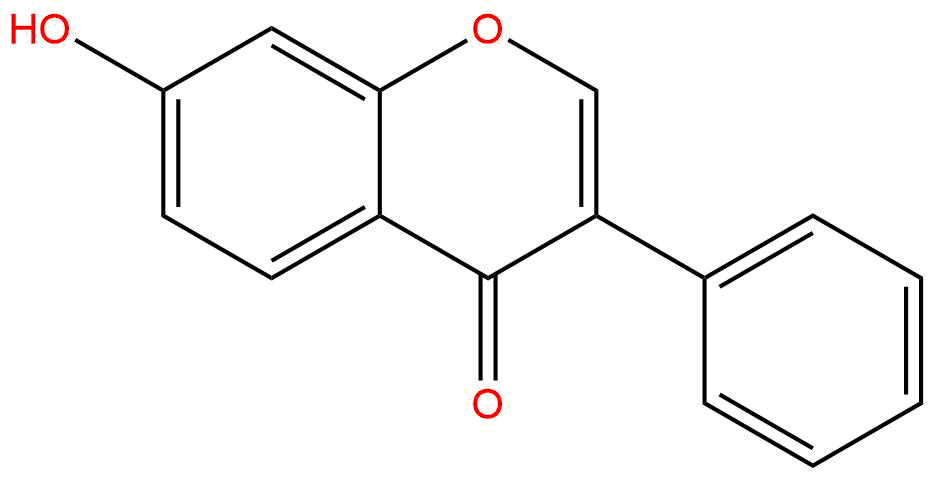
Introduction/Overview
Osteoporosis is a systemic bone disease characterized by reduced bone mass, destruction of bone microstructure, and increased bone fragility. It is the main cause of increased risk of fractures in middle-aged and elderly people, especially postmenopausal women. With the acceleration of global population aging, osteoporosis and the resulting fractures have become a serious public health challenge. The current mainstream therapeutic drugs, such as bisphosphonates, selective estrogen receptor modulators (SERMs), and receptor activator of nuclear factor kappa B ligand (RANKL) inhibitors, although effective, long-term use may be accompanied by side effects such as mandibular necrosis, atypical femoral fractures, and cardiovascular risks, limiting their clinical application. Therefore, exploring efficient, multi-target, and low toxicity new anti osteoporosis lead compounds from natural products has always been an important direction in drug development.
Isoflavones are a class of natural phenolic compounds widely present in leguminous plants. Their structure is similar to endogenous estrogen 17 β - estradiol, endowing them with potential estrogen like activity and showing great potential in preventing and improving postmenopausal osteoporosis. The research on soy isoflavones (such as genistein and daidzein) has been relatively in-depth. However, as a relatively simple yet uniquely functional member of the isoflavone family,7-Hydroxyflavone In recent years, 7-Hydroxyisoflavone (7-HIF) has gradually entered the research field. This compound is not only a metabolic precursor for various complex isoflavones, but also exhibits clear biological activity on its own. Preliminary studies have shown that 7-hydroxyflavone exhibits significant anti osteoporosis potential in vitro and animal models by acting on estrogen receptor 1 (ESR1) and regulating key targets related to osteoblast osteoclast balance, such as RUNX2, MMP9, CTSK, etc. Compared to some high hydroxyl substituted isoflavones, their relatively simple structure may lead to better metabolic stability and pharmacological properties.
This article aims to provide a systematic review of 7-hydroxyflavone, focusing on its chemical properties, plant sources, anti osteoporosis and other potential pharmacological activities, mechanisms of action, pharmacological parameters and clinical application prospects, in order to provide comprehensive scientific basis for the further development of this natural product as a candidate drug for anti osteoporosis.
Chemical structure and physicochemical properties
7-Hydroxyflavone, chemical name 7-hydroxy-3-phenyl-4H-chromene-4-one, CAS accession number 13057-72-2. Its molecular formula is C15H10O3 and its molecular weight is 238.2420 g/mol.
From a chemical structure perspective, 7-hydroxyisoflavones have a typical flavonoid core structure: the benzene ring (C-ring) is connected to the 2-position of the chromone (different from the 1,2-position connection of flavonoids). Its structural feature is that there is a single hydroxyl (- OH) substituent on the 7th position of the A ring (benzene ring of the chromone moiety), while there are no other substituents on the B ring (benzene ring). This structure makes it the simplest and most fundamental member of the 7-hydroxyisoflavone class of compounds. 7-hydroxyflavone can be regarded as a conjugated acid of 7-hydroxyflavone anion.
Based on its chemical structure, 7-hydroxyflavone exhibits the following key physicochemical properties:
1. Lipid water partition coefficient (LogP)The calculated value is approximately 2.62. This indicates that the compound has moderate lipophilicity, which theoretically facilitates its penetration through cell membranes, but also suggests that its water solubility may be limited.
2. Topological Polarity Surface Area (TPSA)The TPSA value is 50.44 Å ². A relatively small TPSA value is consistent with its simple hydroxyl substitution structure, which usually indicates good membrane permeability.
3. Water solubility Experimental or predictive data shows that its water solubility is low, approximately 0.0376 mg/mL. This is consistent with its LogP value and is a commonality among many flavonoids/isoflavones, which may require consideration of solubilization strategies in formulation development.
4. Blood-brain barrier permeability The predictive model shows that it has tall Potential for blood-brain barrier penetration. This is mainly attributed to its moderate molecular weight, appropriate LogP value, and small TPSA. This characteristic suggests that 7-hydroxyflavone may have potential effects on central nervous system related diseases, such as neurodegenerative diseases, and is worth further exploration.
5. Spectral characteristics As a phenolic compound, 7-hydroxyflavone has characteristic absorption in the ultraviolet region. The physical constants such as crystal morphology and melting point have been reported in literature, which are important basis for its identification and quality control.
Plant sources and extraction methods
7-hydroxy isoflavones are not widely abundant isoflavones, but they exist as biosynthetic intermediates or metabolites in various leguminous plants and a few other plants.
Main plant sources:
1. Leguminous plants This is the main source of isoflavone compounds. 7-Hydroxyflavone is already present Chickpea(Cicer arietinum)、Red clover(Trifolium pratense)、kudzu root Detected in the roots, stems, leaves, or seeds of plants such as Pueraria lobata. It often coexists with genistein, daidzein, and its glycosides, but the content is usually low.
2. Plants of other families and genera There are also sporadic reports in some non leguminous medicinal plants, such as in certain plants of the Iridaceae family.
3. Microbial transformation and synthesis Due to limited natural extraction yields,Microbial fermentation transformation and chemical synthesis It is an important pathway for obtaining 7-hydroxyflavone. For example, using certain fungi or bacteria to specifically hydroxylate substrate isoflavones (such as daidzein), or using classical organic synthesis methods such as Baker Venkataraman rearrangement and chalcone cyclization for total or semi synthesis, high-purity 7-hydroxyisoflavones can be efficiently and massively prepared to meet the needs of pharmacological research and drug development.
Extraction and Separation Methods:
The extraction of 7-hydroxyflavone from plant materials follows the general principles of natural product extraction, but due to its relatively low polarity, the method needs to be adjusted accordingly:
1. Extract Commonly used organic solvents with moderate polarity, such as Methanol, ethanol, acetone or their aqueous solutions Perform reflux extraction or ultrasound assisted extraction. In recent years, green extraction technologies such as Supercritical CO2 fluid extraction Due to its advantages of good selectivity and no solvent residue, it also shows potential for application (requiring the addition of entrainers such as ethanol).
2. Separation and purification After the crude extract is concentrated under reduced pressure, it is usually used sequentially Liquid-liquid extraction(Enriching isoflavones with organic phases such as ethyl acetate)column chromatography Preliminary separation was performed using silica gel, polyamide, Sephadex LH-20, etc. The final acquisition of high-purity monomers depends on Preparation type high-performance liquid chromatography(Prep-HPLC), Use a reverse phase C18 column with methanol water or acetonitrile water system as the mobile phase for gradient elution.
3. appraisal The purified compound is passed through Nuclear Magnetic Resonance(1H-NMR, 13C-NMR)、mass spectrometry(MS, HR-MS)、ultraviolet spectrum(UV) and infrared spectrum Structural confirmation was performed using spectroscopic techniques such as infrared spectroscopy (IR).
Pharmacological activity research
The pharmacological activity research of 7-hydroxyflavone mainly focuses on its anti osteoporosis effect, while also involving its potential role in other disease models.
1. Anti osteoporosis activity (core pharmacological activity)
Numerous in vitro and partially in vivo studies have confirmed that 7-hydroxyflavone has a clear dual effect of promoting bone formation and inhibiting bone resorption.
* Promote osteoblast differentiation and mineralization In osteoblast precursor cell models such as MC3T3-E1 and hFOB1.19, 7-hydroxyflavone significantly enhances cell proliferation, alkaline phosphatase (ALP) activity, and mineralization nodule formation. Its effect is comparable or even better than the positive control drugs estradiol or genistein.
* Inhibition of osteoclastogenesis and bone resorption In osteoclast differentiation systems induced by receptor activator of nuclear factor kappa B ligand (RANKL), such as RAW264.7 cells or primary bone marrow macrophages, 7-hydroxyisoflavones can dose dependently inhibit the formation of multinucleated osteoclasts and reduce the area of bone resorption cavities in mature osteoclasts. This indicates that it can effectively inhibit excessive bone resorption.
* Validation of in vivo animal models Oral administration of 7-hydroxyflavone is effective in postmenopausal osteoporosis rat or mouse models induced by ovariectomy (OVX)Preventing bone loss Improve bone microstructure parameters (such as the number, thickness, and separation of bone trabeculae), and Improve bone biomechanical strength(such as maximum load, stiffness). Its effectiveness is competitive compared to classic anti osteoporosis drugs such as alendronate sodium.
2. Other potential pharmacological activities
* Aromatase inhibitory activity Literature records that 7-hydroxyflavone is an inhibitor of CYP19A1 (aromatase, EC 1.14.14.14), a member of the cytochrome P450 family. Aromatase catalyzes the transformation of androgen into estrogen, which is an important target for the treatment of hormone dependent breast cancer. This activity suggests that 7-hydroxyisoflavone may have the potential of anti breast cancer.
* Antioxidant and anti-inflammatory activities As a phenolic compound, 7-hydroxyflavone has a certain free radical scavenging ability. Its anti-inflammatory effect has been preliminarily reported in cytokine stimulated cell models, which may be achieved by inhibiting inflammatory pathways such as NF - κ B. The antioxidant and anti-inflammatory effects help alleviate chronic inflammation in osteoporosis.
* Neuroprotective potential Given its predicted high blood-brain barrier permeability, research on 7-hydroxyflavone in neurodegenerative diseases such as Alzheimer's disease is emerging. Preliminary studies suggest that it may exert a protective effect by inhibiting the toxicity of β - amyloid protein, reducing oxidative stress, and neuroinflammation.
Mechanism of action and molecular targets
The anti osteoporosis effect of 7-hydroxyflavone involves synergistic regulation of multiple targets and pathways, with the core being the regulation of bone metabolism balance. The mechanism network of its action is shown in the following figure, mainly focusing on the following key targets and pathways:
flowchart TD
    subgraph A [核心调控层面]
        direction LR
        A1[促进成骨] --> A2[抑制破骨]
    end

    subgraph B [关键分子靶点与通路]
        B1[ESR1介导的基因组效应] --> B2[Wnt/β-catenin通路激活]
        B3[OPG/RANKL/RANK轴调节] --> B4[破骨特异性酶抑制]
    end

    A -- 实现途径 --> B

    B1 -->|上调| RUNX2 & SP7 & COL1A1 & BGLAP
    B2 -->|上调| RUNX2 & SP7
    B3 -->|上调 OPG<br>下调 RANKL| 抑制破骨分化
    B4 -->|抑制| MMP9 & CTSK

    RUNX2 & SP7 -->|驱动| 成骨细胞分化成熟
    COL1A1 -->|合成| 骨基质
    BGLAP -->|标志| 骨矿化

    抑制破骨分化 --> 减少骨吸收
    MMP9 & CTSK --> 降解骨基质
1. Genomic effects mediated by estrogen receptor 1 (ESR1)
The A-ring 7-hydroxyl structure of 7-hydroxyflavone is spatially similar to the 3-hydroxy of estradiol, allowing it to bind to the ligand binding domain of estrogen receptor alpha (ESR1) and exert its function Selective estrogen receptor modulators SERM like effect. In bone tissue, this binding activates the classical genomic pathway: receptor ligand complexes dimerize and enter the nucleus, binding to estrogen responsive elements in the promoter region of target genes to regulate downstream gene transcription. This has been directly or indirectly increased RUNX2(Main regulatory factors for osteoblast differentiation) and SP7 The expression of Osterix, a key transcription factor downstream of RUNX2, drives the differentiation of mesenchymal stem cells into the osteoblast lineage. At the same time, it also upregulates functional genes of osteoblasts, such as COL1A1(Type I collagen alpha 1 chain, the main component of bone matrix) and BGLAP The expression of osteocalcin, a marker of bone mineralization, promotes bone formation.
2. Regulating the OPG/RANKL/RANK axis to inhibit osteoclast differentiation
This is the core mechanism by which it inhibits bone resorption. 7-Hydroxyflavone stimulates the expression of osteoblasts/stromal cells through ESR1 or other signaling pathways TNFRSF11B That is, osteoprotegerin (OPG). OPG acts as a bait receptor to competitively bind with RANKL, blocking the binding of RANKL and its receptor RANK on osteoclast precursor cells, thereby Strongly inhibit the differentiation, activation, and survival of osteoclasts Meanwhile, it may downregulate the expression of RANKL in osteoblasts, further weakening osteoclast signaling.
3. Activate the Wnt/β - catenin classical pathway
The Wnt/β - catenin signaling pathway is a key positive pathway regulating bone formation. Research has shown that 7-hydroxyisoflavones may inhibit the activity of glycogen synthase kinase-3 β (GSK-3 β), reduce the phosphorylation degradation of β - catenin, lead to the accumulation of β - catenin in the cytoplasm and its translocation into the nucleus, and activate the transcription of downstream osteogenic related genes such as RUNX2 and Cyclin D1. In addition, it can also be lowered SOST The expression of sclerostin, an endogenous antagonist of the Wnt pathway, relieves the inhibition of bone formation.
4. Directly inhibit osteoclast activity related enzymes
In addition to regulating differentiation, 7-hydroxyflavone can also directly interfere with the function of mature osteoclasts. It can inhibit MMP9(Matrix metalloproteinase-9) and CTSK The activity of tissue protease K. These two enzymes are key tools for osteoclasts to degrade bone organic matrix (collagen), and inhibiting them can directly weaken the bone resorption ability of osteoclasts.
5. Potential interactions of vitamin D receptor (VDR)
The VDR signal plays an important role in calcium and phosphorus metabolism and bone homeostasis. Some studies speculate that certain isoflavones may interact with VDR. Whether 7-hydroxyflavone affects bone metabolism by regulating the VDR pathway is a potential mechanism that needs further investigation.
Evaluation of drug properties and pharmacokinetics
Based on the provided parameters and existing research, the preliminary evaluation of the pharmacological properties of 7-hydroxyflavone is as follows:
1. Physical and chemical parameters related to drug properties
* Five rules for classifying drugs Molecular weight (238.24)<500, number of hydrogen bond donors (1- OH)<5, number of hydrogen bond acceptors (3)<10, LogP(2.62)< 5, It fully complies with the "Five Rules for Similar Drugs", indicating that it has a good basis for similar drug properties.
* Solubility and permeability Low water solubility (0.0376 mg/mL) may affect its oral bioavailability and belongs to the Biopharmaceutical Classification System (BCS) Class II or IV (low solubility). But its moderate LogP and smaller TPSA suggest that it has good membrane permeability. The characteristic of "low solubility and high permeability" requires the use of pharmaceutical methods (such as making nanocrystals, solid dispersions, cyclodextrin inclusion complexes, or phospholipid complexes) to increase its dissolution rate and improve absorption.
* Preliminary safety warning:
* HERG inhibition A prediction of 'no' indicates a low risk of potential cardiac toxicity (QT interval prolongation), which is an important safety advantage.
* Genotoxicity (Ames test)The predicted value is 2.4 (usually judged by whether it is greater than 1.5 or 2.0 as a mutation factor to determine potential mutagenicity). The predicted value indicates We need to conduct experiments to confirm Although there is uncertainty in computer predictions, this signal requires standardized in vitro Ames tests and in vivo micronucleus tests in subsequent development to clarify its genetic toxicity risk.
2. Pharmacokinetic characteristics
The pharmacokinetic studies on the 7-hydroxyisoflavone system are not yet fully reported, but it can be inferred based on the commonalities of isoflavone compounds and their structures
* absorb After oral administration, it may be partially absorbed in free form in the gastrointestinal tract, mainly in the small intestine. Its glycoside form (if present) needs to be hydrolyzed by gut microbiota β - glucosidase into aglycones before it can be absorbed.
* distribution The predicted high blood-brain barrier permeability means that it can effectively distribute to the central nervous system. Its moderate fat solubility also facilitates distribution to tissues such as fat and bone. The plasma protein binding rate is expected to be high (due to the characteristics of flavonoids).
* Metabolism As phenolic compounds, their main metabolic pathways are in the liver and intestines II combined reaction Including glucuronidation and sulfation. The 7th hydroxyl group is the main binding site for the reaction. In addition, the CYP450 enzyme system (such as CYP1A2, CYP2C9) may be involved in its phase I metabolism (hydroxylation, demethylation, etc.). As an aromatase inhibitor, it may also affect the metabolism of endogenous hormones.
* excretion Metabolites are mainly excreted through the kidneys with urine, and some enter the intestine through bile, which may lead to enterohepatic circulation.
* key challenges The first pass effect may be significant, leading to low oral bioavailability. Clear pharmacokinetic parameters (such as Tmax, Cmax, t1/2, AUC) need to be obtained through animal and human studies.
Clinical application prospects and prospects
7-Hydroxyflavone, as a natural small molecule with clear anti osteoporosis activity, has broad clinical application prospects, but it still needs to overcome many challenges to enter the market.
Potential application directions:
1. Prevention and treatment of osteoporosis As a single active ingredient or in combination with other active ingredients (such as calcium supplements, vitamin D), develop prescription drugs or functional foods/health products for the prevention and treatment of postmenopausal osteoporosis and senile osteoporosis. Its multi-target mechanism of action may bring more comprehensive bone protection benefits.
2. Bone repair material additive By utilizing its osteogenic properties, it can be loaded into bone tissue engineering scaffold materials (such as hydroxyapatite, collagen, polylactic acid, etc.) and locally released for use in fracture repair, bone defect filling, or peri implant bone integration, which is expected to improve the repair effect.
3. Adjuvant anti-cancer therapy Based on its aromatase inhibitory activity, or as an adjuvant, it can be used for the treatment or prevention of hormone sensitive breast cancer (especially postmenopausal patients). Its potential anti-inflammatory and antioxidant effects are also beneficial to the overall health of cancer patients.
4. Intervention for neurodegenerative diseases Its high BBB permeability and preliminary neuroprotective activity provide new ideas for the development of preventive or adjuvant therapeutic drugs for diseases such as Alzheimer's disease and Parkinson's disease.
Challenges faced and future research directions:
1. In depth study on the mechanism of action It is necessary to use techniques such as gene knockout, chromatin immunoprecipitation (ChIP), proteomics, etc. to more accurately elucidate its interaction mode with targets such as ESR1 and VDR, as well as its specific role in communication between bone microenvironment cells (osteoblasts, osteoclasts, bone cells, bone marrow mesenchymal stem cells).
2. Preclinical development of the system:
* Pharmacodynamics It is necessary to validate its long-term efficacy and safety in animal models that are more diverse and closer to human diseases, such as age-related osteoporosis models and glucocorticoid induced osteoporosis models.
* pharmacokinetics A complete ADME study must be conducted to clarify its absolute bioavailability, tissue distribution characteristics, major metabolites and activities, excretion pathways, etc.
* toxicology:The top priority is to complete standardized genetic toxicity (Ames, micronucleus, chromosomal aberration) tests Conduct repeated toxicity tests (acute and long-term) to determine the level of no observed adverse reactions (NOAEL) and safety window.
3. Pharmaceutical optimization To address its poor water solubility, advanced delivery systems such as nano formulations, self microemulsions, liposomes, etc. must be developed to improve its bioavailability and targeting (such as bone targeting).
4. clinical research Ultimately, rigorous Phase I-III clinical trials need to be designed to evaluate its safety, tolerability, pharmacokinetics, and anti fracture efficacy in humans. This is the final hurdle for whether it can become a drug.
5. Source and Production Ensure stable, economical, and sustainable supply of raw materials. Chemical synthesis or microbial fermentation may be more feasible paths to achieve industrial production.
Conclusion
7-Hydroxyflavone, a natural flavonoid with a simple structure, has shown remarkable potential in the field of anti osteoporosis due to its unique chemical structure and multi-target mechanism of action. It can not only simulate the beneficial effects of estrogen to promote bone formation, but also inhibit bone resorption through multiple pathways such as regulating the OPG/RANKL/RANK axis, activating the Wnt pathway, and inhibiting key enzymes in osteoclasts, thus demonstrating the superiority of "bidirectional regulation" in maintaining bone homeostasis. Its good compliance with drug like rules, high blood-brain barrier permeability, and initially predicted low cardiac toxicity have laid a positive foundation for its drug development.
However, the road from lead compounds to successful drugs is still long. The main challenges currently faced are its low water solubility, genetic toxicity prediction signals that need to be experimentally confirmed, and incomplete pharmacokinetic and toxicological data. Future research should focus on overcoming its physical and chemical shortcomings through innovative formulation technologies, clearing obstacles through systematic preclinical safety evaluations, and exploring its broader application value through in-depth molecular mechanism studies.
In summary, 7-hydroxyflavone is a highly valuable natural candidate drug for anti osteoporosis development. With the continuous deepening of interdisciplinary research, it is expected to provide a new and natural choice for the prevention and treatment of osteoporosis, other bone related diseases, and even neurodegenerative diseases in the future.