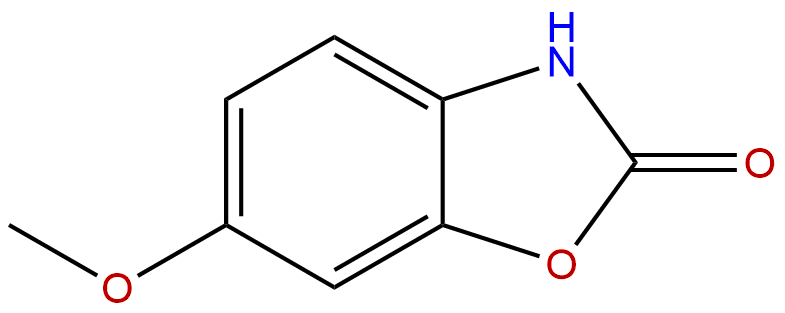


Product name: Coixol
Synonym name:
Catalogue No.: BP3451
Cas No.: 532-91-2
Formula: C8H7NO3
Mol Weight: 165.148
Botanical Source:
Physical Description: Powder
Type of Compound: Alkaloids
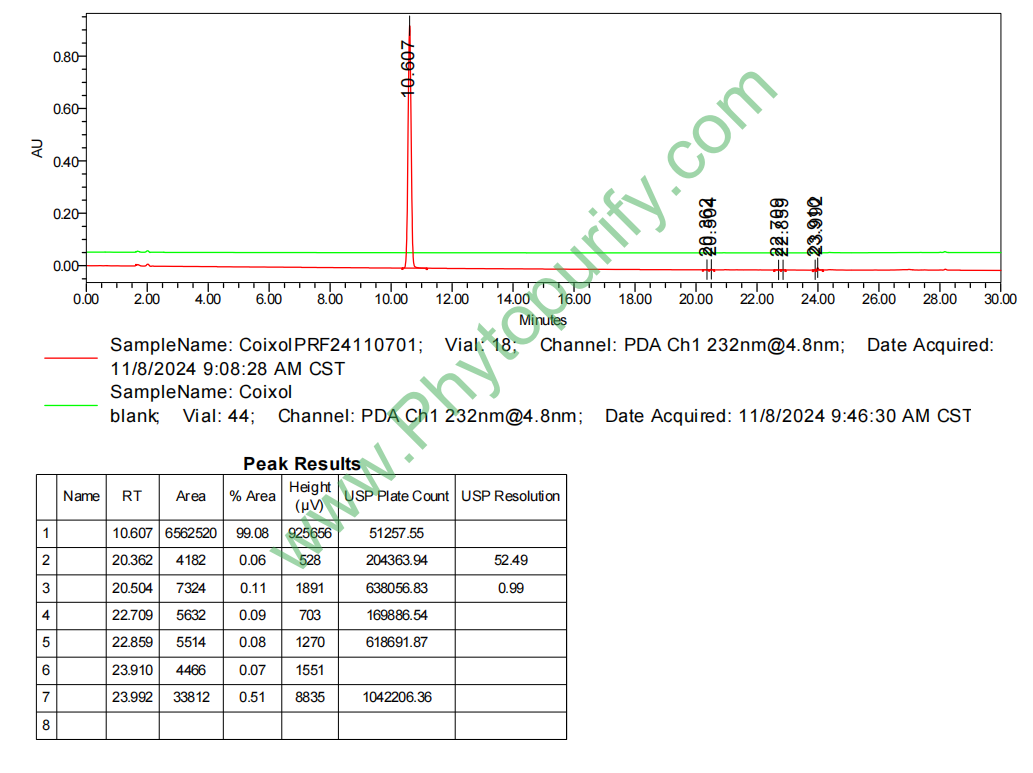
Purity: 95%~99%
Analysis Method: HPLC-DAD or/and HPLC-ELSD
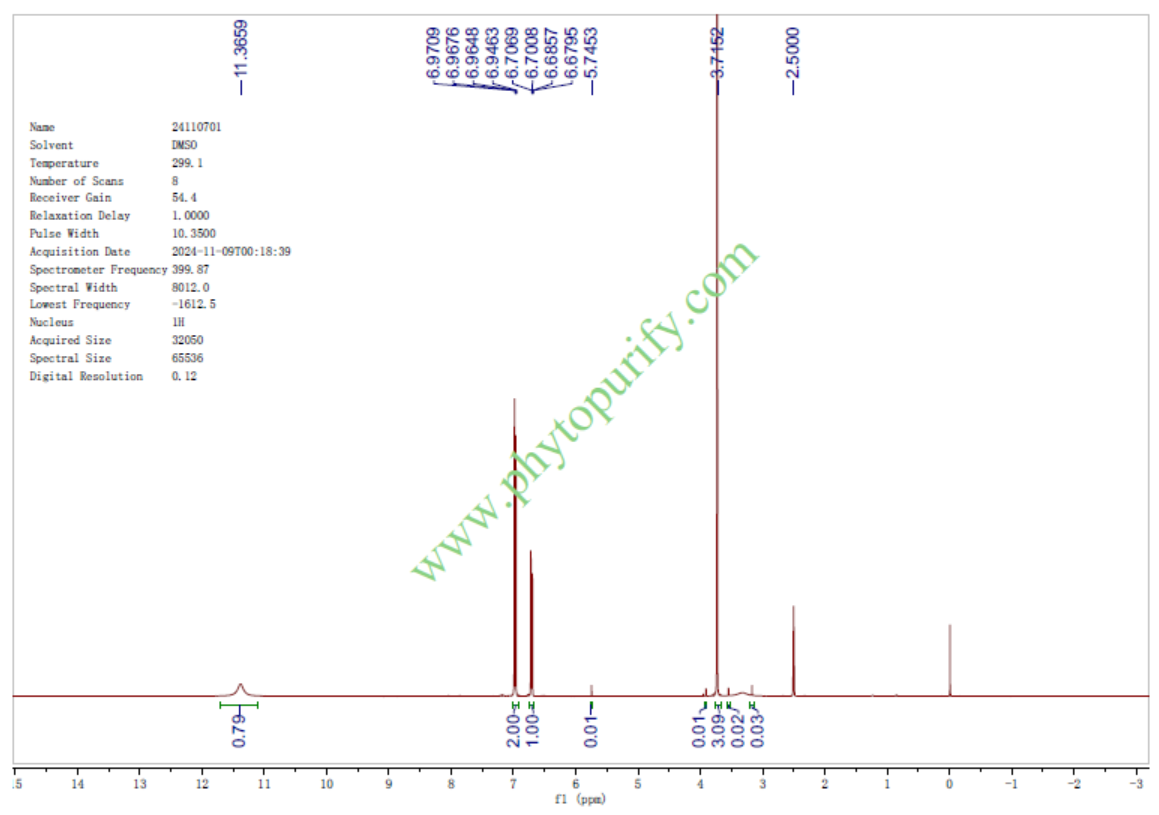
Identification Method: Mass, NMR
Packing: Brown vial or HDPE plastic bottle
The product could be supplied from milligrams to grams. Inquire for bulk scale.
We provide solution to improve the water-solubility of compounds, thereby facilitating the variety of activity tests and clinic uses.
For Reference Standard and R&D, Not for Human Use Directly.
References:
Arch Pharm Res. 2015 May;38(5):620-7.
Suppressive effects of coixol, glyceryl trilinoleate and natural products derived from Coix Lachryma-Jobi var. ma-yuen on gene expression, production and secretion of airway MUC5AC mucin.
In this study, we investigated whether natural products including Coixol derived from Coix Lachryma-Jobi var. ma-yuen affect MUC5AC mucin gene expression, production and secretion from airway epithelial cells.
METHODS AND RESULTS:
Confluent NCI-H292 cells were pretreated with oleic acid, linoleic acid, glyceryl trilinoleate, beta-stigmasterol or Coixol for 30 min and then stimulated with PMA (phorbol 12-myristate 13-acetate), EGF (epidermal growth factor) or TNF-α (tumor necrosis factor-α) for 24 h. The MUC5AC mucin gene expression, mucin protein production and secretion were measured by RT-PCR and ELISA. The results were as follows: (1) Oleic acid, linoleic acid, glyceryl trilinoleate, beta-stigmasterol and Coixol inhibited the expression of MUC5AC mucin gene induced by PMA from NCI-H292 cells; (2) Oleic acid, linoleic acid, glyceryl trilinoleate, beta-stigmasterol and Coixol also inhibited the production of MUC5AC mucin protein induced by the same inducers from NCI-H292 cells; (3) Coixolinhibited the expression of MUC5AC mucin gene and production of MUC5AC mucin protein, induced by EGF or TNF-α from NCI-H292 cells; (4) Coixol decreased PMA-induced MUC5AC mucin secretion from NCI-H292 cells.
CONCLUSIONS:
This result suggests that Coixol, the characteristic component among the examined five natural products derived from C. Lachryma-Jobi var. ma-yuen, can regulate gene expression, production and secretion of mucin, by directly acting on airway epithelial cells.
Nihon Yakurigaku Zasshi. 1981 Mar;77(3):245-59.
Behavioral and EEG effects of coixol (6-methoxybenzoxazolone), one of the components in Coix Lachryma-Jobi L. var. ma-yuen Stapf.
Coixol (6-methoxybenzoxazolone) contained in Coix Lachryma-Jobi L. var. ma-yuen Stapf was compared with chlorzoxazone with respect to behavioral and EEG effects in mice and rats.
METHODS AND RESULTS:
Coixol 50-100 mg/kg, i.p. decreased locomotor activities of both species and produced hypothermia in rats. These effects of Coixol were the same in potency as chlorzoxazone given in the same dose. Coixol was approximately twice as potent as chlorzoxazone in potentiating thiopental-induced sleep. This compound attenuated the writhing syndrome induced by 1% acetic acid and increased the threshold to jumping response induced by foot shock, to the same degree as seen with chlorzoxazone. Coixol was equipotent to chlorzoxazone in preventing convulsions induced by maximal electro-shock, while it was about 1.5 times more potent than chlorzoxazone in suppressing pentylenetetrazol-induced convulsion. Coixol 20-100 mg/kg inhibited the lever pressing response of hypothalamic self-stimulation in rats. In rats with chronically implanted electrodes, Coixol 50-100 mg/kg induced drowsy patterns on the spontaneous EEG. The EEG arousal response to the external auditory stimulation was inhibited by the same doses of Coixol, whereas it failed to suppress the arousal response to the midbrain reticular stimulation.
CONCLUSIONS:
These results indicate that Coixol has pharmacological properties qualitatively similar to chlorzoxazone and acts as a central muscle relaxant with an anti-convulsant effect.
Biol Reprod. 1988 Sep;39(2):465-71.
The plant metabolite 6-methoxybenzoxazolinone interacts with follicle-stimulating hormone to enhance ovarian growth.
6-Methoxybenzoxazolinone (6-MBOA) is a novel plant metabolite that enhances reproductive status in vertebrate consumers while it inhibits insect, fungal, and bacterial infestation of the plant. Ovaries of prepubertal rats show a dose response to increasing amounts of 6-MBOA.administered in Silastic capsule implants.
METHODS AND RESULTS:
Ovaries increased in size in response to capsules with 0.5-3.0 cm exposed surface area of 6-MBOA, whereas larger capsules (6 cm 6-MBOA) had no effect. Removal of the pituitary in both prepubertal and mature rats eliminated the stimulatory influence of 6-MBOA. In hypophysectomized animals treated with diethylstibestrol implants, 6-MBOA did not affect ovarian weight and no animals ovulated. Administration of follicle-stimulating hormone (FSH) increased ovarian weight and stimulated production of ova, and FSH combined with 6-MBOA resulted in larger ovaries that released more ova. 6-MBOA also enhanced ovarian growth in intact prepubertal animals treated with pregnant mare's serum gonadotropin.
CONCLUSIONS:
These results show that 6-MBOA has the ability to interact with FSH to stimulate follicular development and increase ovulation. Non-steroidal plant compounds may have a significant impact on the reproductive patterns of wild animal populations.
HPLC of Coixol
HNMR of Coixol
Storage conditions:Short-term storage at 2~8℃, long-term storage at -20 ~ -80℃
55.2300
1.6326
1.6289
.1984
2.5825
22.0008
High
64.4001
2.0614
Yes
Yes
No
No
Yes
No
0.3
Yes
No
Yes
Yes
Coixol, also known as 6-methoxy-2-benzoxazolinone (6-MBOA), is a natural active compound isolated from the traditional medicinal plant Coix lacryma jobi. Its CAS number is 532-91-2, molecular formula is C8H7NO3, and molecular weight is 165.1480 g/mol. As a benzoxazolinone derivative, coix seed is not only found in coix seed in nature, but also in various grasses. It is often used as a secondary metabolite in plants and participates in plant defense responses.
In recent years, with the rise of research on natural products, coix seed extract has attracted much attention due to its wide range of biological activities. Existing research has preliminarily revealed that coix seed extract is an effective anti-inflammatory agent with oral activity. It can significantly inhibit the production of key pro-inflammatory factors such as tumor necrosis factor - α (TNF - α), interleukin-6 (IL-6), and interleukin-1 β (IL-1 β), and reduce the protein expression of inducible nitric oxide synthase (iNOS). In addition, the study also found that coix seed extract has the potential to improve glucose tolerance, reduce blood glucose and plasma insulin levels, indicating its application value in the field of metabolic diseases. At the same time, it has been reported to have multiple pharmacological effects such as central muscle relaxation, anticonvulsant, antibacterial, and antifungal effects. These findings have transformed coix seed from a traditional plant component to a promising lead compound in modern pharmaceutical research, and its mechanism of action and pharmacological development have become current research hotspots.
The chemical structure of coix seed is based on the benzoxazolinone parent nucleus, specifically by connecting a methoxy group (- OCH3) at position 6 of the benzoxazolinone. Its SMILES is represented asCOc1ccc2[nH]c(=O)oc2c1It clearly demonstrates the structural characteristics of its aromatic ether and cyclic amide (lactam). This structure gives it a certain degree of hydrophilicity and lipophilicity.
From the analysis of the provided pharmacological parameters, the molecular weight (MW) of coix seed extract is 165.15 g/mol, which is much smaller than 500 and complies with the first rule of Lipinski's Five Rules. The logarithm of its lipid water partition coefficient (LogP) is 1.63, and the LogD (partition coefficient at a specific pH) is 1.63, indicating that the compound has moderate lipophilicity, which is beneficial for penetrating cell membranes and avoiding metabolic and distribution problems caused by high lipid solubility. The topological polar surface area (TPSA) is 55.23 Å ², which is less than 140 Å ², indicating good membrane permeability.
In terms of water solubility, its value is 0.1984 (usually measured in mg/mL or mol/L, although the database is not clear here, the value is relatively small), indicating that it is a substance that is slightly soluble or difficult to dissolve in water. This may be a characteristic of its natural form or pure product, and may need to be improved through methods such as salt formation, micronization, or the use of solubilizers during formulation development. The permeability value of Caco-2 cells is 22.0008 (usually measured in x 10 ⁻⁶ cm/s), which is a high value indicating its good small intestine absorption potential. The blood-brain barrier (BBB) penetration is marked as "high", which is consistent with its moderate LogP and smaller TPSA, and provides a material basis for its central muscle relaxation and anticonvulsant effects. The plasma protein binding rate (PPB) is 64.40%, which is at a moderate level, indicating that a portion exists in free form in the blood and can exert pharmacological activity.
In summary, coix seed is a small molecule in terms of chemical structure, and its physicochemical properties generally meet the basic requirements of drug like properties. It has good membrane permeability and absorption potential, laying a favorable chemical foundation for its further drug development.
The only known plant source of coix seed is coix seed, which is the dried and mature seed of the Poaceae plant Coix lacryma jobi L. Coix seed, commonly known as coix seed or medicinal corn, is an ancient dual-purpose crop that has been cultivated and used for thousands of years in East Asia and Southeast Asia.
In traditional Chinese medicine, coix seed is included in the "Shennong Bencao Jing" and is classified as a top-grade product. Its nature is sweet, light, cool, and can be found in the spleen, stomach, and lung meridians. According to traditional Chinese medicine theory, Coix seed has the effects of promoting diuresis and dampness, strengthening the spleen and stopping diarrhea, relieving rheumatism, expelling pus, detoxifying and dispersing nodules. In clinical practice, it is commonly used to treat conditions such as edema, athlete's foot, difficulty urinating, spleen deficiency diarrhea, dampness stagnation, lung abscess, intestinal abscess, verruca, and cancer. Its "anti rheumatism" effect coincides with the anti-inflammatory, analgesic, and muscle relaxation effects revealed by modern research.
In traditional dietotherapy, Coix seed is often used to cook Congee and soup to remove moisture in the body and regulate the spleen and stomach. This long history of consumption also proves to some extent the safety of its raw materials. Coix seed extract, as one of the important active ingredients in Coix seed, is likely to be the material basis for many of its traditional effects. From traditional experience to modern science, research on Coix seed has gradually deepened from macroscopic overall efficacy to microscopic chemical composition and mechanism of action. The discovery and activity study of Coix seed extract are typical representatives of this process, providing strong evidence for interpreting the scientific connotation of traditional medicine.
Coix seed extract exhibits multiple pharmacological activities, among which its anti-inflammatory effect is the most extensively studied. According to database information, its action involves five key targets: TNF, PTGS2 (COX-2), NFKB1 (NF - κ B p50), IL6, and IL1B, providing a clear molecular explanation for its anti-inflammatory mechanism.
Core anti-inflammatory mechanism:
Inflammatory response is a complex physiological and pathological process regulated by multiple cytokines and signaling pathway networks. The core anti-inflammatory effect of coix seed extract is to inhibit the nuclear factor kappa B (NF - κ B) signaling pathway. NF - κ B is a key transcription factor that binds to the inhibitory protein I κ B in the cytoplasm at rest. When cells are stimulated by TNF - α, IL-1 β, or lipopolysaccharides (LPS), I κ B is phosphorylated and degraded, and NF - κ B (usually in the form of p50/p65 heterodimers) is released and transferred into the nucleus, initiating the transcription of numerous pro-inflammatory cytokine genes, including TNF - α, IL-6, IL-1 β, as well as inducible cyclooxygenase-2 (COX-2, encoded by the PTGS2 gene) and inducible nitric oxide synthase (iNOS).
Research has shown that coix seed extract can downregulate the activity of NF - κ B. It may intervene in the activation of upstream kinases (such as I κ B kinase, IKK) to prevent the degradation of I κ B, thereby retaining NF - κ B in the cytoplasm and preventing it from initiating the transcription of pro-inflammatory genes. This directly leads to a decrease in the production of cytokines such as TNF - α, IL-6, IL-1 β, etc. Meanwhile, due to the inhibition of COX-2 expression, the synthesis of inflammatory mediators such as prostaglandins also decreases. The decrease in iNOS expression reduces the production of excessive nitric oxide (NO), which is an important inflammatory mediator and cytotoxic molecule. This multi-target, pathway based inhibitory effect enables coix seed extract to effectively suppress the "cascade amplification" effect of inflammatory response and exert strong anti-inflammatory effects.
Other important pharmacological activities:
1. Regulating sugar metabolism Coix seed extract has been proven to improve glucose tolerance, lower blood sugar and plasma insulin levels. Its mechanism may be closely related to anti-inflammatory effects. Chronic low-grade inflammation is an important mechanism for the occurrence and development of insulin resistance and type 2 diabetes. Coix seed extract may improve the sensitivity of the insulin signaling pathway by reducing inflammation, thereby exerting a hypoglycemic effect. In addition, there may also be direct regulatory effects on hepatic gluconeogenesis or peripheral tissue glucose uptake, which require further research.
2. Central nervous system function Coix seed has central muscle relaxation and anticonvulsant effects. Its high BBB penetration provides the possibility for this. The mechanism of action may involve regulation of the GABAergic system or other neurotransmitter systems within the central nervous system. There are studies suggesting that its structure is similar to certain neuroactive substances and may act on related receptors or ion channels.
3. Regulation of the reproductive system Interestingly, coix seed has been found to interact with the pituitary gland, stimulating the reproduction of field mice. It can also interact with follicle stimulating hormone (FSH) to stimulate follicular development and increase ovulation. This suggests that coix seed extract may act as a plant derived environmental signaling molecule or endocrine disruptor (at specific doses), affecting animal reproductive physiology, but its related effects and mechanisms in the human body are not yet clear.
4. Antibacterial and antifungal activity As a defensive chemical substance of plants, coix seed naturally has the ability to resist microorganisms. Its benzoxazolinone structure may interfere with the cell membrane function or key metabolic enzymes of microorganisms.
Association with diseases:
Based on the above mechanism, the "anti-inflammatory" activity of coix seed extract is not just a simple description, but points to the potential application of a series of diseases closely related to inflammation, including but not limited to:
- Rheumatoid arthritis, osteoarthritis Inhibit inflammatory factors and COX-2 in joint synovium.
- Inflammatory bowel disease Relieve the inflammatory response of intestinal mucosa.
- Metabolic syndrome and type 2 diabetes Improve insulin resistance through anti-inflammatory measures.
- Inflammatory diseases of the nervous system For diseases such as Alzheimer's disease and multiple sclerosis, high BBB penetration is a major advantage.
- Acute lung injury/asthma Research suggests that it can regulate the production and secretion of airway mucin proteins.
- cancer Chronic inflammation is one of the causes of cancer, and the NF - κ B pathway is continuously activated in various cancers. Coix seed extract may be used as an adjuvant therapy.
Drug efficacy assessment aims to predict the likelihood of an active compound developing into a successful drug. We conducted a systematic analysis of coix seed extract using Lipinski's five rules, Veber's rules, and the provided detailed parameters.
Lipinski's Five Rules Compliance Status:
1. Molecular weight<500 Da:Comply with(165.15 Da)。
2. LogP < 5:Comply with(1.63)。
3. The number of hydrogen bond donors (HBDs) is less than 5:Comply with(One N-H, i.e. one HBD, can be seen in the structural formula).
4. The number of hydrogen bond acceptors (HBAs) is less than 10:Comply with There are 4 HBAs in SMILES, including O, N, O (carbonyl), and O (methoxy).
Coix seed extract fully complies with Lipinski's five rules, indicating its good oral absorption potential.
Analysis of other important pharmacological parameters:
- Membrane permeability and absorption TPSA (55.23 Å ²)<140 Å ², with a low number of rotatable bonds in the molecule (in accordance with Veber's rule), combined with good Caco-2 permeability (22.0008) and effective permeability (Peff: 2.5825), strongly supports its promising oral bioavailability prospects.
- distribution BBB has high penetrability, allowing it to act on targets in the central nervous system. A moderate plasma protein binding rate (64.4%) is beneficial for its distribution and maintenance of free drug concentration in the body.
- Metabolism and toxicity This is a key focus in the evaluation of the pharmacological properties of coix seed extract. The database suggests some potential toxicity signals:
- Genotoxicity The Ames test result is 0.3 (usually a value<1.0 may indicate a low risk of mutagenicity, but it needs to be judged based on the specific experimental system), but the detection of "chromosomal aberration" is "present", which is a signal that needs to be cautious, indicating that coix seed may have a genetic toxicity risk and must be thoroughly evaluated in the early stages of drug development.
- Organ toxicity Serum biochemical indicators indicate an impact on alkaline phosphatase (Ser_LK), aspartate aminotransferase (Ser_ST), and alanine aminotransferase (Ser_LT) (marked as "Yes"), suggesting potential liver toxicity. No effect on γ - glutamyltransferase (Ser_GGT).
- Other toxicities Skin sensitization is "yes", respiratory sensitization is "no", and there is no phototoxicity.
- cardiotoxicity HERG inhibition is' no ', which is a favorable information that reduces the risk of causing QT interval prolongation in the heart.
- Synthetic accessibility The synthetic accessibility score is 2.0614 (lower values usually indicate easier synthesis), indicating moderate feasibility for its chemical synthesis. Its structure is relatively simple, which is conducive to large-scale production and structural modification.
Comprehensive Assessment:
Coix seed extract exhibits excellent characteristics in terms of absorption, distribution, metabolism, and excretion (ADME), fully complying with the basic rules of drug likeness. The biggest pharmaceutical barrier lies in the potential Genotoxicity and hepatotoxicity These toxic signals may originate from their benzoxazolinone parent nucleus or metabolites. In future drug development, it is necessary to conduct systematic preclinical toxicology studies (including in vitro and in vivo experiments) to clarify the toxic dose range, mechanism, and evaluate the risk benefit ratio. If the toxicity is unacceptable, it is necessary to carry out structural optimization While retaining its core pharmacophores (such as methoxybenzoxazolinone), it reduces toxicity and improves selectivity by introducing or altering certain functional groups. Its excellent drug like basis provides broad space for such structural modifications.
At present, research on coix seed extract is mostly in the preclinical stage, including in vitro cell experiments and animal model studies. These studies have strongly confirmed its various biological activities such as anti-inflammatory, hypoglycemic, and neuroprotective effects, and preliminarily elucidated its mechanism of action by inhibiting the NF - κ B pathway as its core. However, the vast majority of research still focuses on activity validation and mechanism exploration, and there is a relative lack of studies on the pharmacokinetics, toxicology, and formulation of the system.
The application prospects are mainly reflected in the following directions:
Future research directions:
- In depth toxicology research This is the primary task to promote the clinical research of coix seed extract. It is necessary to clarify the dose-dependent, reversible, and molecular mechanisms of its genetic toxicity and hepatotoxicity.
- Comprehensive pharmacokinetic study Systematically study the absorption, distribution, metabolism, and excretion processes in animals, identify their main metabolites, and evaluate their activity and toxicity.
- Refined mechanism of action Further clarify the specific target of its inhibition of the NF - κ B pathway (whether it acts on IKK or directly binds to NF - κ B subunits? )And explore its role in other pathways such as MAPK and JAK-STAT.
- Pharmaceutical research Develop suitable drug delivery systems, such as nano formulations, solid dispersions, etc., to improve their bioavailability due to their poor water solubility.
- clinical research After completing sufficient preclinical safety and efficacy evaluations, gradually advance human clinical trials to verify its actual effectiveness and safety in the treatment of specific diseases.
In short, coix seed extract is a bridging molecule that connects traditional wisdom with modern science. It comes from the ancient Coix seed and has shown broad development prospects with its clear multi-target anti-inflammatory mechanism and good drug like basis. Despite facing challenges in terms of toxicity, this is also the norm in modern drug development. Through scientific strategies of "modification" and "domestication", coix seed extract and its derivatives are expected to provide new natural solutions for the treatment of human inflammatory and related diseases in the future.
