| Catalog No | Package | Original Price | Price | Inventory | Quantity | Operating |
|---|---|---|---|---|---|---|
| BP3521-100mg | 100mg | $20.00 | Sign in |
|


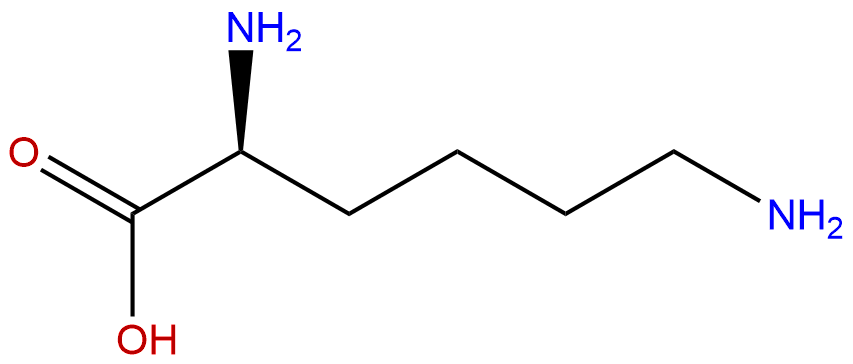
Product name: L-Lysine
Synonym name:
Catalogue No.: BP3521
Cas No.: 56-87-1
Formula: C6H14N2O2
Mol Weight: 146.19
Botanical Source:
Physical Description:
Type of Compound: Amino Acids
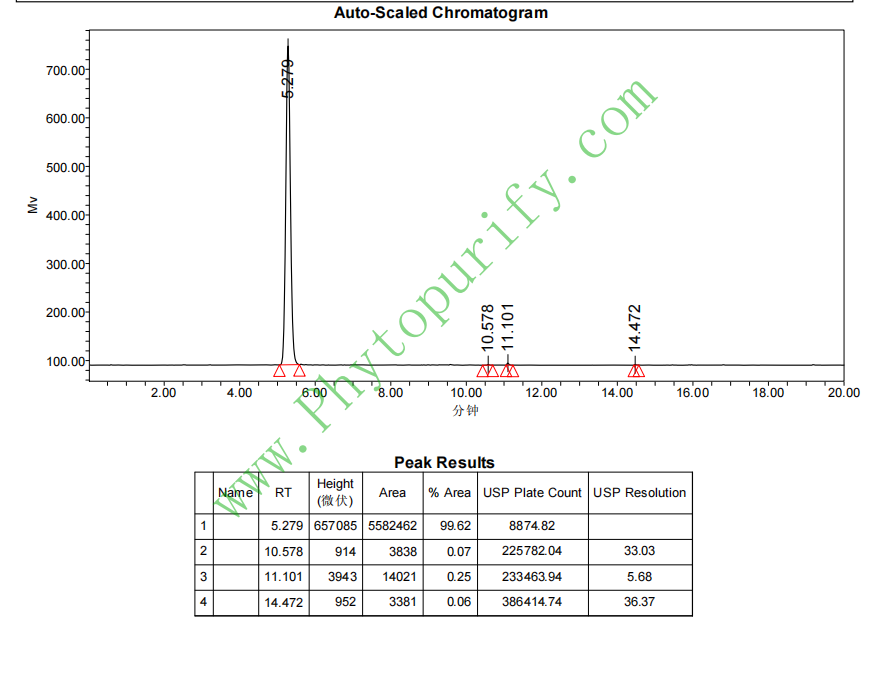
Purity: 95%~99%
Analysis Method: HPLC-DAD or/and HPLC-ELSD
Identification Method: Mass, NMR
Packing: Brown vial or HDPE plastic bottle
Storage: Store in a well closed container, protected from air and light. Put into refrigerate or freeze for long term storage.
Whenever possible, you should prepare and use solutions on the same day. However, if you need to make up stock solutions in advance, we recommend that you store the solution as aliquots in tightly sealed vials at -20℃. Generally, these will be useable for up to two weeks.
The product could be supplied from milligrams to grams
Inquire for bulk scale.
For Reference Standard and R&D, Not for Human Use Directly.
HPLC of L-Lysine
Storage conditions:Short-term storage at 2~8℃, long-term storage at -20 ~ -80℃
89.3400
-1.2144
-1.8826
57.4070
.2293
1.0560
Low
5.2266
2.4737
Yes
Yes
No
No
No
No
0.0
No
No
No
No
In the complex network of human health and disease, amino acids, as the basic building blocks of life activities, have functions far beyond being raw materials for protein synthesis. L-Lysine, as an essential but non self synthesized alkaline amino acid in the human body, plays an indispensable role in maintaining normal physiological functions, regulating metabolic homeostasis, and resisting specific pathological processes. Since the first isolation and naming of L-lysine from casein by German chemist E. Drechsel in 1889, research on L-lysine has gradually expanded from basic nutrition to multiple cutting-edge fields in pharmacology, molecular biology, and clinical medicine.
The unique feature of L-lysine is that it contains an ε - amino group on its side chain, which endows it with chemical activity and biological functions that distinguish it from other amino acids. As a fundamental raw material for protein synthesis, L-lysine is a component of numerous key proteins, enzymes, and signaling molecules. However, its pharmacological activity goes far beyond that. Early research revealed the significant role of L-lysine in inhibiting the replication of herpes simplex virus (HSV), making it a highly anticipated candidate molecule in the field of virology. Subsequently, more and more evidence shows that L-lysine has potential therapeutic value in regulating calcium metabolism, maintaining intestinal barrier function, alleviating pancreatitis and improving diabetes related complications.
In recent years, with the deepening of research on the mTOR signaling pathway, the molecular mechanism of L-lysine has been endowed with new connotations. MTOR (rapamycin target protein) serves as a core regulatory hub for cell growth, proliferation, metabolism, and autophagy, and its activity is strictly regulated by key amino acids, particularly leucine, arginine, and lysine. L-lysine regulates downstream effector factors such as eukaryotic translation initiation factor 4E binding protein 1 (EIF4EBP1) and ribosomal protein S6 kinase B1 (RPS6KB1) by affecting the assembly and activation of mTOR complex 1 (mTORC1), ultimately affecting protein synthesis rate. This discovery elevates L-lysine from a simple nutritional supplement to a biologically active regulator with clear molecular targets.
The purpose of this review is to systematically review the chemical and physicochemical properties, source and extraction process, pharmacological activity, mechanism of action, pharmaceutical characteristics and clinical application prospects of L-lysine, in order to provide a comprehensive and in-depth perspective for the modern pharmacological research of this classic molecule, and explore its potential transformation value in metabolic diseases, infectious diseases and inflammation related diseases.
L-lysine (chemical formula: C ₆ H ₁₄ N ₂ O ₂, molecular weight: 146.19 g/mol) is an alpha amino acid characterized by the presence of an additional amino group (ε - amino) on its side chain, making it an important member of the basic amino acid family. Its IUPAC name is (2S) -2,6-diaminocaproic acid, with a CAS number of 56-87-1. The chemical structure of L-lysine can be described as follows: a central alpha carbon atom is connected to an amino group (- NH ₂), a carboxyl group (- COOH), a hydrogen atom (- H), and a side chain containing four methylene groups (- CH ₂ -), with an ε - amino group at the end of the side chain. This unique ε - amino group endows L-lysine with strong hydrophilicity and positivity, making it positively charged under physiological pH conditions and easy to interact with negatively charged molecules such as nucleic acids and phospholipids.
From the perspective of physical and chemical properties, L-lysine is a white or nearly white crystalline powder, odorless, and slightly bitter in taste. Its melting point is 224-225 ° C (decomposition), relatively stable in air, but prone to moisture absorption. L-lysine has extremely high water solubility, with a water solubility value of up to 57.4070 mg/mL, which is closely related to the presence of two polar amino groups and one carboxyl group in its molecule. Its oil-water partition coefficient LogP is -1.2144, indicating that it has extremely strong hydrophilicity and is difficult to penetrate the lipid bilayer, which directly affects its transmembrane transport and in vivo distribution characteristics. The polar surface area (TPSA) of L-lysine is 89.3400 Å ², which is a relatively high value, further confirming its strong polarity characteristics and indicating its low ability to pass through the blood-brain barrier.
In terms of acid-base properties, the isoelectric point (pI) of L-lysine is about 9.74. Under physiological pH conditions (about 7.4), its α - carboxyl group undergoes deprotonation (- COO ⁻), while its α - and ε - amino groups undergo homogenization (- NH ∝⁺), resulting in the overall positive charge of the molecule. This positive charge allows it to electrostatically adsorb with negatively charged groups on the cell membrane surface, such as sialic acid, which may be related to its ability to inhibit virus adsorption on host cells. In addition, the ε - amino group of L-lysine has high chemical reactivity and can participate in various biochemical modifications, such as acetylation, methylation, ubiquitination, etc. These modifications are crucial in protein function regulation.
It is worth noting that the molecular structure of L-lysine determines its good thermal and chemical stability, but it may undergo deamination or oxidative degradation under strong acid, strong base, or high temperature conditions. Its aqueous solution is weakly alkaline with a pH value of approximately 9.0-10.5. Overall, the physicochemical properties of L-lysine determine its feasibility as an orally active drug, but its high water solubility and low fat solubility also pose specific requirements for its formulation design and bioavailability.
L-lysine, as an essential amino acid, cannot be synthesized by the human body and must be obtained through diet or exogenous supplementation. It has a wide range of natural sources and mainly exists in protein rich animal and plant tissues. In the plant kingdom, sources with high levels of L-lysine include legumes (such as soybeans, beans, and chickpeas), grains (such as quinoa and buckwheat), nuts (such as almonds and cashews), and certain seeds (such as pumpkin seeds and chia seeds). However, the relatively low lysine content in most grains such as wheat, rice, and corn is the main factor limiting their protein nutritional value. Therefore, lysine reinforcement or supplementation is of great significance in improving the quality of grain protein.
In industrial production, L-lysine is mainly prepared on a large scale through microbial fermentation rather than traditional plant extraction. This method began in the 1960s, using Corynebacterium glutamicum(Corynebacterium glutamicum)Or Escherichia coli(Escherichia coli)The engineered strain of bacteria, using glucose, ammonia water, and other raw materials, achieves high yield through metabolic engineering transformation. The fermentation process is usually carried out at 30-37 ° C and pH 6.5-7.5, lasting 48-72 hours. After centrifugation and filtration to remove bacterial cells from the fermentation broth, high-purity L-lysine hydrochloride or sulfate crystals are obtained through steps such as ion exchange chromatography, activated carbon decolorization, and concentrated crystallization. At present, the global annual production of L-lysine exceeds 2 million tons, mainly used as a feed additive and food nutrition fortifier.
Although direct extraction of L-lysine from plants is not a mainstream industrial method, it still has applications in laboratory research and natural product development. The traditional extraction method includes acid hydrolysis of plant materials rich in lysine (such as soybean meal) (6 M HCl, 110 ° C, 24 hours), neutralization and filtration of the hydrolysis solution, and separation through a cation exchange resin column. Due to its alkaline nature as an amino acid, lysine carries a positive charge under acidic conditions and can be adsorbed by strongly acidic cation exchange resins. Subsequently, it is eluted with a gradient of ammonia or sodium chloride to collect the enriched components of lysine, which are then concentrated and crystallized to obtain the pure product. In addition, enzymatic hydrolysis (such as using alkaline protease or papain) can release lysine from proteins under mild conditions, reducing side reactions, but the yield is usually lower than acid hydrolysis.
In recent years, green extraction techniques such as supercritical fluid extraction, microwave-assisted extraction, and ultrasound assisted extraction have also been attempted for the extraction of lysine, but due to their high cost and limited selectivity, they have not yet been industrialized. Overall, microbial fermentation has become the dominant pathway for L-lysine production due to its advantages of low cost, high yield, and mature technology, while plant extraction is more commonly used for specific research or small-scale preparation.
The pharmacological activity research of L-lysine spans across multiple fields such as virology, metabolomics, immunology, and gastroenterology, demonstrating diverse biological effects.
Antiviral activity The most well-known pharmacological activity of L-lysine is its inhibitory effect on herpes simplex virus (HSV-1 and HSV-2) infections. Multiple in vitro and in vivo studies have confirmed that L-lysine can inhibit the replication cycle of HSV. The mechanism is believed to be related to competitive inhibition of arginine - HSV requires high levels of arginine during replication to synthesize viral proteins, while L-lysine competes with arginine for membrane transport and intracellular utilization. Supplementing with L-lysine can reduce intracellular arginine levels, thereby inhibiting the synthesis of viral proteins and the assembly of viral particles. Clinical studies have shown that daily oral administration of 1000-3000 mg of L-lysine can reduce the frequency of herpes outbreaks, shorten the course of the disease, and alleviate the severity of symptoms. In addition, the potential inhibitory effect of L-lysine on cytomegalovirus (CMV) and other members of the herpesvirus family has also attracted the interest of researchers.
Calcium metabolism regulation and bone health L-lysine plays an important role in calcium absorption and bone metabolism. Research has shown that L-lysine can increase intestinal absorption of calcium, which may be related to its promotion of calcium binding protein expression or direct formation of soluble complexes with calcium ions. In animal models, supplementation with lysine significantly increased bone density and strength, especially in cases of insufficient calcium intake. In addition, L-lysine can also inhibit urinary calcium excretion and reduce the risk of kidney stone formation. These findings suggest that L-lysine has potential value in the prevention and treatment of osteoporosis and calcium metabolism disorders.
Anti diabetes and metabolic regulation: L-lysine shows remarkable activity in the improvement of diabetes and its complications. The study found that L-lysine can reduce the blood sugar level of diabetes model animals and improve insulin sensitivity. The mechanism may involve promoting insulin secretion by pancreatic beta cells, enhancing peripheral tissue uptake of glucose, inhibiting gluconeogenesis, and reducing oxidative stress. More importantly, L-lysine can significantly reduce diabetes related pancreatitis, reduce the level of proinflammatory cytokines (such as TNF - α, IL-6), and protect pancreatic islet cells from damage. In addition, L-lysine can also reduce the formation of advanced glycation end products (AGEs), thus delaying the progress of microvascular complications of diabetes (such as nephropathy, retinopathy).
Intestinal health and anti-inflammatory effects L-lysine plays an important role in maintaining intestinal barrier integrity and regulating intestinal immunity. Research has shown that L-lysine can enhance the expression of tight junction proteins between intestinal epithelial cells, reduce intestinal permeability, and thus reduce endotoxin and bacterial translocation. This effect is particularly significant in inflammatory bowel disease models such as Crohn's disease and ulcerative colitis. In addition, L-lysine can regulate the composition of gut microbiota, promote the growth of beneficial bacteria such as lactobacilli and bifidobacteria, and inhibit the colonization of pathogenic bacteria. Its anti-inflammatory activity is also reflected in inhibiting the activation of the nuclear factor kappa B (NF - κ B) signaling pathway, reducing the production of pro-inflammatory mediators, and thereby alleviating intestinal and systemic inflammatory responses.
Other pharmacological activities L-lysine has also been reported to promote wound healing, enhance immune function, and improve anxiety and stress responses. In burn and surgical wound models, lysine supplementation accelerates collagen synthesis and tissue repair. In terms of immune regulation, L-lysine can enhance the activity of T cells and natural killer (NK) cells, and improve the body's ability to resist infections. In addition, L-lysine, as one of the precursor substances for nitric oxide (NO) synthesis, may participate in vasodilation and blood pressure regulation by affecting NO metabolism.
The pharmacological activity of L-lysine is rooted in its interactions with multiple molecular targets and signaling pathways, with the most central being its regulation of the mTOR signaling pathway, as well as the resulting protein synthesis, cell growth, and metabolic reprogramming effects.
Regulation of mTOR signaling pathway MTOR is a serine/threonine protein kinase that exists in two complex forms, mTORC1 and mTORC2. MTORC1 is a core sensor for cells to perceive nutrient (especially amino acids) and energy status. L-lysine, as one of the key amino acids, can activate mTORC1 through various mechanisms. Firstly, L-lysine enters the lysosome cavity through the amino acid transporter SLC38A9 on the surface of the lysosome, interacts with the Ragulator complex, promotes the active conformation of Rag GTPase (RagA/B-GTP and RagC/GDP), and then recruits mTORC1 to the lysosome surface, allowing it to come into contact with Rheb GTPase and be activated. Secondly, L-lysine can indirectly activate Rheb by inhibiting the activity of TSC1/TSC2 complex, further enhancing the activity of mTORC1.
After mTORC1 activation, its downstream effector factors include EIF4EBP1 and RPS6KB1 (i.e. p70S6K). EIF4EBP1 binds to eukaryotic translation initiation factor 4E (eIF4E) at low mTOR activity, inhibiting cap dependent translation initiation. After mTORC1 phosphorylates EIF4EBP1, it dissociates from eIF4E, releasing eIF4E to initiate protein synthesis. After being phosphorylated and activated by mTORC1, RPS6KB1 further phosphorylates ribosomal protein S6 (rpS6) and other translation related factors, promoting ribosome biogenesis and mRNA translation efficiency. Therefore, L-lysine directly regulates the rate of cellular protein synthesis through the mTORC1-EIF4EBP1/RPS6KB1 axis, which explains its role in promoting muscle growth, tissue repair, and cell proliferation.
Antiviral mechanism The molecular mechanism by which L-lysine inhibits HSV replication mainly involves competitive antagonism with arginine. After infecting host cells, HSV requires a large amount of arginine for the synthesis of viral capsid proteins and envelope glycoproteins. L-lysine and arginine share the same cell membrane transport system (mainly the y+transport system), and high concentrations of L-lysine can competitively inhibit arginine uptake, leading to depletion of the intracellular arginine pool. In addition, L-lysine may also interfere with the activity of viral DNA polymerase or affect the transcription of viral genes. It is worth noting that the mTOR signaling pathway also plays an important role in viral replication. HSV infection can activate mTORC1 to promote viral protein synthesis, and L-lysine regulation of mTORC1 may indirectly affect viral replication efficiency.
Anti inflammatory and antioxidant mechanisms The anti-inflammatory activity of L-lysine is closely related to its inhibition of the NF - κ B signaling pathway. NF - κ B is the core transcription factor of inflammatory response, which can regulate the expression of various pro-inflammatory cytokines such as TNF - α, IL-6, IL-1 β, etc. L-lysine can maintain the inactive state of NF - κ B in the cytoplasm by inhibiting the activity of I κ B kinase (IKK), preventing the phosphorylation and degradation of I κ B α. In addition, L-lysine can activate the nuclear factor E2 related factor 2 (Nrf2) signaling pathway, promote the expression of antioxidant enzymes such as superoxide dismutase and glutathione peroxidase, and alleviate oxidative stress damage. This dual regulatory mechanism enables it to play a protective role in inflammatory diseases.
Calcium metabolism regulation mechanism The molecular mechanism of L-lysine promoting calcium absorption involves multiple levels. At the intestinal level, L-lysine can upregulate the expression of transient receptor potential vanillic acid receptor 6 (TRPV6) and calcium binding protein D9k (CaBP-D9k), which are key molecules for active calcium transport in the intestine. At the renal level, L-lysine can inhibit the activity of calcium sensitive receptors (CaSR) and reduce urinary calcium excretion. In addition, L-lysine can form soluble complexes with calcium ions, increasing the solubility of calcium in the intestine and promoting passive diffusion absorption.
Other targets L-lysine also participates in NO metabolism and regulates vascular tone by affecting the activity of nitric oxide synthase (NOS). In addition, its ε - amino group can participate in post-translational modifications of proteins, such as lysine acetylation, which in turn affects the acetylation status of histones and non histones, regulating gene expression.
L-lysine, as a natural amino acid, has both advantages and challenges in its medicinal properties. From a medicinal chemistry perspective, L-lysine meets most of the criteria of Lipinski's Rule of Five: molecular weight (146.19 Da) less than 500, number of hydrogen bond donors (3) less than 5, number of hydrogen bond acceptors (4) less than 10, but LogP (-1.2144) is much lower than 5, indicating its strong hydrophilicity. This feature makes it difficult for it to passively diffuse through the cell membrane after oral absorption, and it must rely on specific amino acid transport systems (such as the y+transport system) for transmembrane transport.
Absorption and bioavailability After oral administration, L-lysine is mainly absorbed through active transport in the duodenum and jejunum, with a fast absorption rate, but is competitively inhibited by other amino acids in food, especially arginine. Its absolute bioavailability varies greatly among different species, reaching about 50-70% in humans. The peak plasma time (Tmax) is approximately 1-2 hours. It is worth noting that there is saturation in the intestinal absorption of L-lysine, and the absorption efficiency decreases at high doses.
Distribution and Metabolism L-lysine is widely distributed in the body, mainly in tissues such as skeletal muscle, liver, kidney, and intestine. Due to its strong hydrophilicity, L-lysine is difficult to pass through the blood-brain barrier, and the concentration in cerebrospinal fluid is only 10-20% of that in plasma. This feature limits its application in central nervous system diseases, but also reduces the risk of central side effects. L-lysine is mainly metabolized by the liver, and its metabolic pathways include: conversion to yeast amino acid through the lysine ketoglutarate reductase pathway, and then entering the tricarboxylic acid cycle; Or generate cadaverine through decarboxylation. In addition, some L-lysines can participate in protein synthesis or be converted into carnitine.
excretion L-lysine is mainly excreted through the kidneys, and after glomerular filtration, most of it is reabsorbed in the proximal tubules. The reabsorption process also relies on the amino acid transport system. The excretion in urine accounts for about 5-10% of the oral dose, and when the intake exceeds the body's needs, the excretion ratio increases. Patients with renal insufficiency may experience accumulation of lysine and require dose adjustment.
safety evaluation The safety of L-lysine is relatively high, with an LD50 value of approximately 4 g/kg (orally administered) in rats. In humans, a daily dose of up to 3-6 g is usually safe. Common adverse reactions include gastrointestinal discomfort (such as diarrhea, nausea, abdominal pain), and elevated serum potassium may occur at high doses. The Ames test result is 0.0, indicating no mutagenicity. The hERG inhibition test is negative, indicating a low risk of cardiac toxicity. However, long-term high-dose use may interfere with arginine metabolism, leading to arginine deficiency, and attention should be paid to balanced supplementation.
Formulations and formulations L-lysine typically exists in the form of hydrochloride or sulfate to enhance stability and solubility. Common dosage forms include tablets, capsules, oral solutions, and powders. The development of sustained-release formulations and liposome encapsulation technology aims to improve bioavailability and prolong the duration of action. In addition, compound formulations of L-lysine with other active ingredients such as vitamin C and zinc have been applied in the field of antiviral therapy.
Based on the rich pharmacological activity and good safety of L-lysine, its application prospects in multiple clinical fields are worth looking forward to.
antiviral therapy The application of L-lysine in herpes simplex virus infection has accumulated a large amount of clinical evidence and can be used as an adjuvant therapy or preventive medication for nucleoside antiviral drugs such as acyclovir. Future research should focus on optimizing dosing regimens (such as dosage, duration, and combination therapy), evaluating their efficacy in drug-resistant HSV infections, and exploring their inhibitory effects on other herpes viruses (such as varicella zoster virus and EB virus). In addition, the potential value of L-lysine in emerging viral infections such as COVID-19 is also worth noting, despite limited evidence at present.
Metabolic diseases The potential of L-lysine in the prevention and treatment of diabetes and its complications is particularly prominent. Its multiple effects of lowering blood sugar, improving insulin sensitivity, alleviating pancreatitis and delaying the progress of complications make it a candidate supplement for comprehensive management of diabetes. In the future, large-scale, long-term, randomized controlled clinical trials need to be carried out to verify its efficacy and safety in patients with type 2 diabetes and type 1 diabetes. In addition, further research is warranted on the role of L-lysine in obesity, non-alcoholic fatty liver disease (NAFLD), and metabolic syndrome.
bone health L-lysine, as a calcium absorption enhancer, has practical value in the prevention and treatment of osteoporosis. Especially for elderly individuals with insufficient calcium intake or calcium absorption disorders, L-lysine supplementation may increase calcium bioavailability and enhance bone density. The combined application of vitamin D and vitamin K2 may produce synergistic effects. In addition, the role of L-lysine in the prevention of kidney stones also needs further validation.
gut health: L-lysine plays an important role in maintaining intestinal barrier function, regulating intestinal flora and alleviating intestinal inflammation, which makes it have application prospects in inflammatory bowel disease (IBD), irritable bowel syndrome (IBS) and intestinal infectious diseases. Future research should focus on its combined application with probiotics and prebiotics, as well as its role in postoperative intestinal recovery and parenteral nutrition support.
Precision Nutrition and Individualized Medicine With the development of metabolomics and nutrigenomics, personalized application of L-lysine has become possible. Based on individual genetic polymorphisms (such as variations in amino acid transporters and mTOR pathway related genes) and metabolic phenotypes, developing personalized lysine supplementation plans is expected to achieve more precise disease prevention and treatment.
Challenges and Prospects Although L-lysine has broad application prospects, it still faces several challenges. Firstly, its low bioavailability and high dosage requirements limit the full potential of clinical efficacy, making the development of novel delivery systems (such as nanocarriers and prodrugs) an important research direction. Secondly, the metabolic antagonism between L-lysine and arginine needs to be carefully balanced, and long-term supplementation may lead to arginine deficiency, which needs to be monitored and adjusted. In addition, the role of L-lysine in tumor therapy is still controversial - activation of the mTOR pathway may promote the growth of certain tumors, so its application in cancer patients needs to be carefully evaluated.
L-lysine, a seemingly simple essential amino acid, actually contains rich biological functions and therapeutic potential. From the initial understanding of nutrition as a raw material for protein synthesis, to now demonstrating clear pharmacological activities in multiple fields such as antiviral, metabolic regulation, anti-inflammatory, and intestinal health, the research process of L-lysine reflects the continuous deepening of natural product pharmacology from macro to micro, from phenomenon to mechanism. It exerts a wide range of biological effects through multiple mechanisms such as regulating the mTOR signaling pathway, competitively inhibiting arginine metabolism, and modulating the NF - κ B and Nrf2 pathways.
The pharmacological characteristics of L-lysine - high water solubility, low fat solubility, dependence on active transport, and good safety - not only provide convenience for its clinical application, but also pose challenges for dosage form optimization and bioavailability improvement. L-lysine has shown encouraging clinical potential in herpes simplex virus infection, diabetes, osteoporosis, intestinal inflammation and other diseases, but more high-quality research is still needed to verify its efficacy, optimize the treatment scheme and clarify its long-term safety.
Looking ahead, with the development of precision medicine and nutritional pharmacology, L-lysine is expected to transform from a common nutritional supplement into a therapeutic drug with clear indications and molecular targets. Interdisciplinary collaborative research integrating chemistry, biology, pharmacology, clinical medicine, and nutrition will drive the repositioning and translational application of this classic molecule in modern medicine. The story of L-lysine is far from over, it is standing on the road from "essential" to "therapeutic", waiting for more scientific exploration to reveal.
