Cichorin: a systematic review from natural coumarin glycosides to candidate molecules for anti diabetes
Introduction/Overview
Natural products have always been an important source of drug discovery, especially in the field of metabolic disease treatment. Plant derived active ingredients have attracted much attention due to their multi-target and low toxicity characteristics. Coumarin compounds, as a class of secondary metabolites widely present in the plant kingdom, have various biological activities such as anti-inflammatory, antioxidant, anti-tumor, and anticoagulant. Among numerous coumarin derivatives, Cichorin, as a unique coumarin glycoside, has gradually entered the field of researchers in recent years due to its potential value in regulating glucose and lipid metabolism.
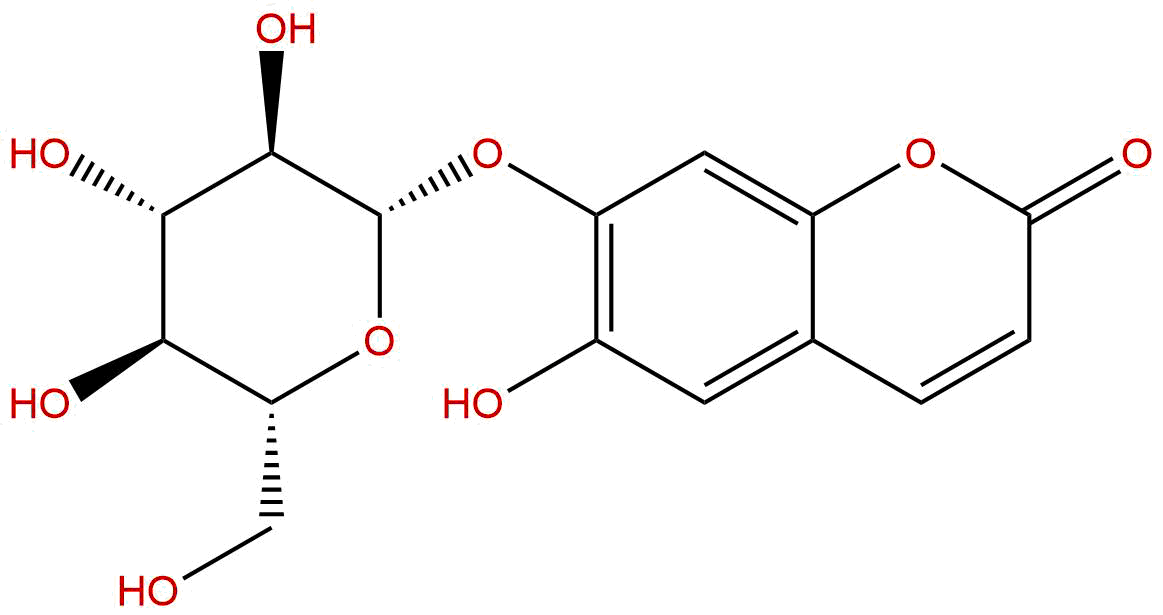
Cichorin (CAS number: 531-58-8) is a naturally occurring coumarin glycoside, with the chemical name 7-hydroxycoumarin-7-O - β - D-glucopyranoside. This compound was first derived from the Asteraceae plant chicory(Cichorium intybus L. It is named after the separation and identification of the substance. Chicory, as a kind of medicine and food homologous plant, has a long history of eating and medicine in the Mediterranean region, Central Asia, Xinjiang and other places in China. It has traditionally been used to treat liver and gallbladder diseases, indigestion, diabetes, etc. Modern pharmacological research has confirmed that chicory extract has significant hypoglycemic and lipid-lowering activities, and chicory glycoside is considered one of its key active ingredients.
With the prevalence of diabetes worldwide, finding safe and effective anti diabetes drugs has become an urgent need in the medical field. Although the existing anti diabetes drugs, such as metformin, sulfonylurea, DPP-4 inhibitors, are effective, there are gastrointestinal reactions, hypoglycemia risks, weight gain and other side effects. Natural products provide a wealth of candidate molecules for the development of new anti diabetes drugs due to their multi target action mode and good safety. The potential of cichorin in anti diabetes is particularly remarkable. Its targets include several key proteins closely related to glucose metabolism, such as AMPK, SGLT2, PPARG, DPP4, which suggests that it may co regulate glucose homeostasis through multiple pathways.
This article will provide a systematic review of the research progress of chicory glycoside from the aspects of chemical structure and physicochemical properties, plant sources and extraction methods, pharmacological activity, mechanism of action, evaluation of medicinal properties, and clinical application prospects, in order to provide reference for the in-depth development of this natural product.
Chemical structure and physicochemical properties
The chemical structure of chicory glycosides consists of two parts: the aglycone (7-hydroxycoumarin, also known as umbelliferone) and the sugar group (β - D-glucopyranose). Its molecular formula is C ₁₅ H ₁₆ O ₉, and its molecular weight is 340.2840 g/mol. From the structural characteristics, the 7th hydroxyl group of coumarin mother nucleus is connected to glucose through a β - glycosidic bond, forming a stable glycosidic structure. This structure endows chicory glycosides with unique physicochemical properties.
In terms of solubility, chicory glycosides have high water solubility, with a calculated water solubility value of 9.6268 mg/mL. This is mainly attributed to the presence of multiple hydroxyl groups in the molecule (including hydroxyl groups on coumarin mother nuclei and four hydroxyl groups on glucose), which enable them to form a large number of hydrogen bonds with water molecules. Higher water solubility is beneficial for its absorption and distribution in organisms, but it may also affect its transmembrane transport capacity. Its lipid water partition coefficient (LogP) is -0.4895, indicating that the compound has hydrophilicity and is not easily passively diffused through the lipid bilayer of the cell membrane. This characteristic suggests that the cellular uptake of chicory glycosides may depend on specific transport proteins or endocytosis mechanisms.
The topological polar surface area (TPSA) is 149.8200 Å ², which is much higher than the recommended upper limit of 140 Å ² for oral drugs, indicating that chicory glycosides have high polarity and may affect their oral bioavailability. However, it is worth noting that many natural glycoside compounds can exert pharmacological activity in vivo by releasing aglycones through hydrolysis by gut microbiota or host enzymes. Therefore, the pharmacokinetic behavior of chicory glycoside in vivo may differ from its prototype molecule.
In terms of stability, coumarin compounds are more sensitive to light, heat, and alkaline conditions. Chicory glycosides are relatively stable in acidic environments, but may undergo lactone ring opening reactions under strong alkaline conditions, resulting in the formation of cis hydroxycinnamic acid derivatives. In addition, UV irradiation can induce the photo dimerization reaction of coumarin, so attention should be paid to avoiding light during extraction, purification, and formulation processes.
Plant sources and extraction methods
Chicory glycoside was originally derived from chicory(Cichorium intybus L. The compound was isolated from chicory, but subsequent research found that it is not unique to chicory, but widely exists in various plants. At present, plants reported to contain chicory glycosides include: Asteraceae plants chicory and borage(Cichorium endivia L.)、 Dandelion(Taraxacum officinale F.H. Wigg.)、 Spinning flower(Inula britannica L. Etc; Umbelliferae plants such as Angelica sinensis(Angelica sinensis This component was also detected in Oliv. Diels. In addition, certain medicinal fungi such as Cordyceps sinensis(Cordyceps sinensis The fermentation product of (Berk.) Sacc. also contains chicory glycosides.
The content of chicory glycosides varies significantly among different plant parts. Taking chicory as an example, the content of chicory glycosides in its roots is the highest, reaching 0.5% -1.2% of dry weight, followed by leaves and flowers. Factors such as growth environment, harvest season, and variety can all affect the accumulation of chicory glycosides. Research has shown that drought stress can induce the synthesis of chicory glycosides in chicory, which may be related to the plant's ability to enhance its own defense through secondary metabolites under adverse conditions.
The extraction method of chicory glycoside is mainly based on its polarity characteristics. Traditional methods often use ethanol water mixed solvents (usually 50% -80% ethanol) for reflux extraction or cold soaking extraction, with the extraction temperature controlled at 60-80 ℃ to avoid thermal degradation. In recent years, green extraction techniques such as ultrasound assisted extraction (UAE) and microwave-assisted extraction (MAE) have been applied to the extraction of chicory glycosides, which can significantly shorten the extraction time and improve the extraction rate. For example, under the conditions of ultrasound power of 300 W, extraction temperature of 50 ℃, and ethanol concentration of 60%, the extraction rate of chicory glycoside can be increased by more than 30% compared to traditional reflux extraction.
The crude extract after extraction needs to be purified to obtain high-purity chicory glycosides. The commonly used purification methods include: macroporous adsorption resin column chromatography (such as HPD-100, D101 resin), which utilizes the polarity difference between chicory glycoside and impurities to achieve preliminary separation; Silica gel column chromatography using chloroform methanol water (8:2:0.5, v/v/v) as the mobile phase; Preparation type high-performance liquid chromatography (pre HPLC) can obtain chicory glycoside monomers with a purity of over 98%. In addition, high-speed countercurrent chromatography (HSCCC), as a liquid-liquid distribution chromatography technique, has shown good application prospects in the separation and purification of chicory glycosides. Its advantage lies in avoiding irreversible adsorption between the sample and the solid stationary phase, and achieving high recovery rates.
Pharmacological activity research
Hypoglycemic activity
The anti diabetes activity of cichorin is the most concerned pharmacological action. Multiple in vitro and in vivo experiments have confirmed that chicory glycosides can significantly reduce blood sugar levels. In the streptozotocin (STZ) - induced diabetes rat model, after oral administration of cichorin (50-200 mg/kg/d) for 4 weeks, the fasting blood glucose level was 25% -40% lower than that of the model group in a dose-dependent manner. At the same time, chicory glycosides can improve impaired glucose tolerance and reduce glycated hemoglobin (HbA1c) levels, indicating their long-term blood glucose regulation effect.
At the cellular level, chicory glycosides can promote glucose uptake, increase glycogen synthesis, and inhibit gluconeogenesis in insulin resistant HepG2 liver cells. In addition, chicory glycosides can protect pancreatic beta cells from apoptosis induced by high glucose and oxidative stress, and promote insulin secretion. These results indicate that chicory glycosides exert hypoglycemic effects through a dual pathway of improving insulin sensitivity and protecting pancreatic function.
Hypolipidemic and anti obesity activity
Diabetes is often accompanied by lipid metabolism disorder. cichorin also shows positive effect in regulating blood lipids. In a high-fat diet induced obese mouse model, chicory glycoside intervention significantly reduced serum total cholesterol (TC), triglycerides (TG), and low-density lipoprotein cholesterol (LDL-C) levels, while increasing high-density lipoprotein cholesterol (HDL-C) levels. Organizational analysis shows that chicory glycosides can alleviate liver steatosis, reduce adipocyte volume, and inhibit weight gain.
Antioxidant and anti-inflammatory activities
Oxidative stress and chronic inflammation are important pathological mechanisms of diabetes and its complications. Chicory glycoside, as a phenolic compound, has the ability to directly scavenge free radicals. The in vitro DPPH radical scavenging experiment showed that the IC50 value of chicory glycoside was 12.5 μ g/mL, slightly lower than the positive control vitamin C (8.3 μ g/mL). In cell models, chicory glycosides can reduce high glucose induced reactive oxygen species (ROS) levels and upregulate the expression of antioxidant enzymes such as superoxide dismutase (SOD) and glutathione peroxidase (GPx).
In terms of anti-inflammatory effects, chicory glycoside can inhibit the release of pro-inflammatory factors such as TNF - α, IL-6, IL-1 β in macrophages stimulated by lipopolysaccharide (LPS), and its mechanism is related to the inhibition of NF - κ B signaling pathway activation. In the model of diabetes nephropathy, cichorin can reduce the infiltration and fibrosis of renal inflammatory cells and protect renal function.
Other pharmacological activities
In addition to anti diabetes effect, cichorin also showed certain anti-tumor activity. Studies have shown that cichorin can inhibit the proliferation of human hepatoma cell HepG2 and breast cancer cell MCF-7, induce cell cycle arrest in G0/G1 phase, and promote apoptosis through mitochondrial pathway. In addition, chicory glycoside also has a mild diuretic effect, which may be related to its inhibition of renal tubular reabsorption of sodium ions. This effect is potentially related to the mechanism of SGLT2 inhibitors.
Mechanism of action and molecular targets
The anti diabetes effect of cichorin involves multiple molecular targets and signal pathways, reflecting the characteristics of multi target regulation of natural products. According to existing research, its mechanism of action can be summarized as follows:
Activation of AMPK signaling pathway
AMP activated protein kinase (AMPK) is a core regulatory factor of cellular energy metabolism, known as the "energy receptor". Chicory glycoside can significantly increase the phosphorylation level of AMPK in skeletal muscle and liver (with a 2-3 fold increase in p-AMPK/AMPK ratio), thereby activating downstream signaling pathways. Activated AMPK can promote the translocation of glucose transporter 4 (GLUT4, encoded by the SLC2A4 gene) to the cell membrane, enhancing glucose uptake; Simultaneously inhibiting the activity of acetyl CoA carboxylase (ACC), reducing fatty acid synthesis, and promoting fatty acid oxidation. In addition, AMPK activation can also inhibit the expression of key hepatic gluconeogenesis enzymes, phosphoenolpyruvate carboxykinase (PEPCK) and glucose-6-phosphatase (G6Pase), reducing endogenous glucose production.
It is worth noting that the activation effect of chicory glycoside on AMPK may be achieved through two mechanisms: one is to directly bind to the gamma subunit of AMPK, simulating the action of AMP; The second is to indirectly activate AMPK by inhibiting mitochondrial respiratory chain complex I and increasing the intracellular AMP/ATP ratio.
Inhibition of SGLT2
Sodium glucose cotransporter 2 (SGLT2) is located in the renal proximal tubules and is responsible for reabsorbing approximately 90% of filtered glucose. Chicory glycoside has been shown to competitively inhibit the activity of SGLT2, with an IC ₅₀ value of approximately 15 μ M. Compared to the clinical drug dapagliflozin (IC ₅₀ of approximately 1.1 nM), its activity is weaker, but it still has reference value as a natural product. Molecular docking studies have shown that the glucose group of chicory glycoside can form hydrogen bonds with the sugar binding site of SGLT2, while the coumarin core is embedded in a hydrophobic pocket. By inhibiting SGLT2, cichorin can increase urine glucose excretion, thereby reducing blood glucose levels. This mechanism is independent of insulin, so it is applicable to all stages of type 2 diabetes.
Regulation of PPARG
Peroxisome proliferator activated receptor gamma (PPARG) is a key transcription factor for adipocyte differentiation and insulin sensitization. Chicory glycoside can partially activate PPARG, and its activity is about 30% -40% of that of Rosiglitazone. Unlike complete agonists, moderate activation of PPARG by chicory glycosides may avoid the common side effects of complete agonists, such as weight gain and edema. The binding mode between chicory glycoside and PPARG shows that its coumarin core can form hydrophobic interactions with the AF-2 helix of the PPARG ligand binding domain, while the glucose group forms hydrogen bonds with residues such as Ser289 and His323.
Inhibition of DPP4
Dipeptidyl peptidase 4 (DPP4) can degrade glucagon like peptide-1 (GLP-1) and glucose dependent insulinotropic polypeptide (GIP). Inhibiting DPP4 can prolong the action time of enteropancreatin and promote insulin secretion. Chicory glycoside has moderate inhibitory activity against DPP4, with an IC ₅₀ value of 25 μ M and a mixed inhibition mode. Dynamics analysis shows that chicory glycoside can competitively bind to the active site of DPP4, as well as to enzyme substrate complexes, forming non competitive inhibition.
Enhancement of insulin signaling pathway
Chicory glycoside can also directly act on key nodes in the insulin signaling pathway. In insulin resistance cell models, chicory glycosides can restore tyrosine phosphorylation levels of insulin receptor substrate 1 (IRS1), enhance the activity of phosphatidylinositol 3-kinase (PI3K, encoded by PIK3R1), and thereby activate downstream AKT1 (protein kinase B). Activated AKT1 can promote GLUT4 translocation and phosphorylation of glycogen synthase kinase 3 (GSK3), ultimately increasing glycogen synthesis. In addition, chicory glycosides can upregulate the expression of glucokinase (GCK), enhance the liver's ability to phosphorylate glucose, and promote glucose utilization and storage.
Multi target network regulation
In a word, cichorin forms a multi-level anti diabetes network by activating AMPK, inhibiting SGLT2, partially activating PPARG, inhibiting DPP4 and enhancing insulin signaling pathway. This multi-target mode of action not only helps improve efficacy, but may also reduce the common resistance and side effects of single target drugs. For example, AMPK activation and SGLT2 inhibition can independently lower blood glucose, while partial activation of PPARG and DPP4 inhibition improve insulin secretion and sensitivity through different mechanisms, and there may be a synergistic effect between each pathway.
Evaluation of drug properties and pharmacokinetics
Analysis of drug properties parameters
According to the Lipinski Five Rules of Medicinal Chemistry (molecular weight<500, LogP<5, hydrogen bond donor<5, hydrogen bond acceptor<10), the molecular weight (340.28) and LogP (-0.49) of chicory glycoside meet the requirements, but the number of hydrogen bond donors (6 hydroxyl groups) and hydrogen bond acceptors (9 oxygen atoms) slightly exceeds the rules, indicating the possibility of oral absorption disorders. The TPSA value (149.82 Å ²) is higher than the typical threshold of 140 Å ² for oral medications, further supporting this judgment.
In terms of safety prediction, the hERG inhibition risk of chicory glycoside is negative, indicating a low risk of cardiac toxicity. The Ames test result is 0.9 (close to but not reaching the positive threshold of 1.0), indicating that the compound may have a weak genetic toxicity risk, but further in vivo experiments are needed for verification. Overall, the pharmacological parameters of chicory glycosides are within the typical range of natural products, and their oral bioavailability may be a major challenge in development.
Pharmacokinetic characteristics
At present, the pharmacokinetic data of chicory glycoside in vivo is not complete. Existing studies have shown that after oral administration of chicory glycoside (100 mg/kg) in rats, the prototype of chicory glycoside and its aglycone (7-hydroxycoumarin) can be detected in the plasma, with a peak time (Tmax) of about 1.5 hours and a peak concentration (Cmax) of about 2.5 μ g/mL. The estimated absolute bioavailability is about 15% -20%, and the lower oral bioavailability may be related to its high polarity and intestinal metabolism.
The metabolism of chicory glycosides in the body mainly involves two pathways: one is the glycoside hydrolysis mediated by gut microbiota, releasing the aglycone 7-hydroxycoumarin; The second is phase II metabolism in the liver, including glucuronidation and sulfation. Glycoside 7-hydroxycoumarin itself also has pharmacological activity and can be further metabolized into 7-hydroxycoumarin-glucuronic acid complexes for excretion in urine. The plasma protein binding rate of chicory glycoside and its metabolites is about 70% -80%, with a distribution volume (Vd) of about 0.5 L/kg, indicating that they are mainly distributed in the extracellular fluid.
In terms of elimination, the half-life (t ₁/₂) of chicory glycoside is about 3-4 hours, and the total clearance rate (CL) is about 0.8 L/h/kg. About 60% of the administered dose is excreted in the form of metabolites through urine, and 30% through feces. It is worth noting that chicory glycoside has weak transport activity towards P-glycoprotein (P-gp) and may not be a substrate for P-gp, which is beneficial for its intestinal absorption.
Formulation strategy
Given the low oral bioavailability of chicory glycoside, developing a suitable drug delivery system is key to improving its pharmacological properties. At present, research has explored the phytosome technology of chicory glycosides. By forming a complex with phosphatidylcholine, the lipid solubility of chicory glycosides can be increased by three times, and the oral bioavailability can be increased to 35%. In addition, nanoemulsion and liposome encapsulation techniques have also been applied for the delivery of chicory glycosides, which can significantly improve their water solubility and stability. For the treatment of diabetes, the sustained-release preparation may help to maintain a stable blood concentration and reduce the frequency of administration.
Clinical application prospects and prospects
Potential as an anti diabetes candidate
Cichoridin has unique advantages in developing new hypoglycemic drugs by virtue of its multi-target anti diabetes mechanism. Compared with existing drugs, chicory glycoside combines the multiple action characteristics of AMPK activators (similar to metformin), SGLT2 inhibitors (similar to dapagliflozin), PPARG partial agonists (similar to thiazolidinediones), and DPP4 inhibitors (similar to sitagliptin). This "one drug, multiple targets" model may bring more comprehensive blood glucose control effects while reducing the risk of side effects caused by excessive inhibition of a single target.
Of particular note is that the inhibitory effect of chicory glycoside on SGLT2 gives it an insulin independent hypoglycemic mechanism, making it suitable for patients with severe insulin resistance. Meanwhile, its moderate activation of PPARG avoids the common side effects of weight gain and edema associated with complete agonists. These properties make cichorin hopeful to be an ideal candidate drug for type 2 diabetes patients, especially those with obesity and metabolic syndrome.
Prospects of application in complications of diabetes
Complications of diabetes are the main cause of disability and death. The antioxidant and anti-inflammatory activities of cichorin provide a theoretical basis for its application in the prevention and treatment of complications of diabetes. In terms of diabetes nephropathy, cichorin can reduce glomerular hyperfiltration by inhibiting SGLT2, and protect renal function through anti-inflammatory and anti fibrosis effects. In terms of cardiovascular complications of diabetes, chicory glycoside may help to slow down the progress of atherosclerosis due to its hypolipidemic and antioxidant effects. In addition, the activation of cichorin on AMPK can improve myocardial energy metabolism, which has a potential protective effect on diabetes cardiomyopathy.
The development value as a dietary supplement
In addition to being used for drug development, chicory glycosides also have broad application prospects in the fields of functional foods and dietary supplements. Chicory, as a common vegetable and coffee substitute, has been proven safe for a long time. Chicory glycoside, as the main active ingredient of chicory, can be developed as a health food to assist in lowering blood sugar. At present, hypoglycemic tea drinks and capsule products mainly composed of chicory extract have been launched, but the development of chicory glycoside monomer products is still in its infancy.
Existing problems and challenges
Although cichorin showed good anti diabetes potential, its development still faces several challenges. Firstly, the natural content of chicory glycosides is low, and the cost of large-scale extraction and purification from plants is high, requiring the development of efficient biosynthetic or chemical synthesis methods. Secondly, its oral bioavailability is low and needs to be improved through formulation technology. In addition, there is still a lack of systematic clinical research data to support the long-term toxicity and clinical efficacy of chicory glycoside, and a lot of work is needed to translate it from laboratory to clinical practice.
Future research directions
Future research should focus on the following aspects: firstly, to deeply elucidate the interaction mode between chicory glycoside and various target proteins, providing a basis for structural optimization; Secondly, conduct systematic pharmacokinetic and toxicological studies to clarify their in vivo metabolic pathways and safety; Third, explore the synergistic effect of cichorin and other anti diabetes drugs, and develop compound preparations; The fourth is to use synthetic biology techniques to construct a microbial cell factory for chicory glycosides, achieving efficient and low-cost production; Fifth, promote clinical trials to verify its efficacy and safety in diabetes patients.
Conclusion
Cichoridin, as a natural coumarin glycoside, has shown important research value and development potential in the field of anti diabetes by virtue of its unique chemical structure and multi-target pharmacological activity. From AMPK activation to SGLT2 inhibition, from PPARG regulation to DPP4 inhibition, chicory glycoside achieves multidimensional regulation of blood glucose homeostasis by integrating multiple signaling pathways closely related to glucose metabolism. Its excellent safety features and abundant plant sources provide natural advantages for subsequent development.
However, the transformation of chicory glycosides from natural products to clinical drugs still faces many challenges. The improvement of oral bioavailability, breakthroughs in large-scale production technology, and validation of clinical efficacy are all challenges that need to be overcome. With the advancement of modern medicinal chemistry, pharmacy, and biotechnology, these challenges are expected to be gradually solved. We have reason to believe that cichorin and its derivatives are expected to become an important source of new generation anti diabetes drugs, bringing new treatment options to hundreds of millions of diabetes patients worldwide.
In the long journey of natural product drug development, the story of chicory glycoside has just begun. From the traditional application of chicory, an ancient plant, to the in-depth analysis of its active ingredients by modern science, and to the possible clinical translation in the future, this process not only reflects humanity's continuous exploration of natural medicines, but also demonstrates the interdisciplinary integration of modern pharmacy. I hope that in the near future, chicory glycoside can move from the laboratory to clinical practice, transforming from a natural product into a good medicine that benefits patients.