| Catalog No | Package | Original Price | Price | Inventory | Quantity | Operating |
|---|---|---|---|---|---|---|
| BP3522-100mg | 100mg | $20.00 | Sign in |
|


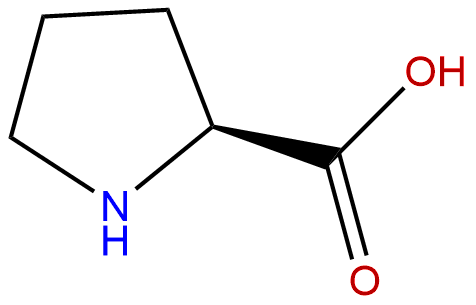
Product name: L-Proline
Synonym name:
Catalogue No.: BP3522
Cas No.: 147-85-3
Formula: C5H9NO2
Mol Weight: 115.132
Botanical Source:
Physical Description: Powder
Type of Compound: Amino Acids
Purity: 95%~99%
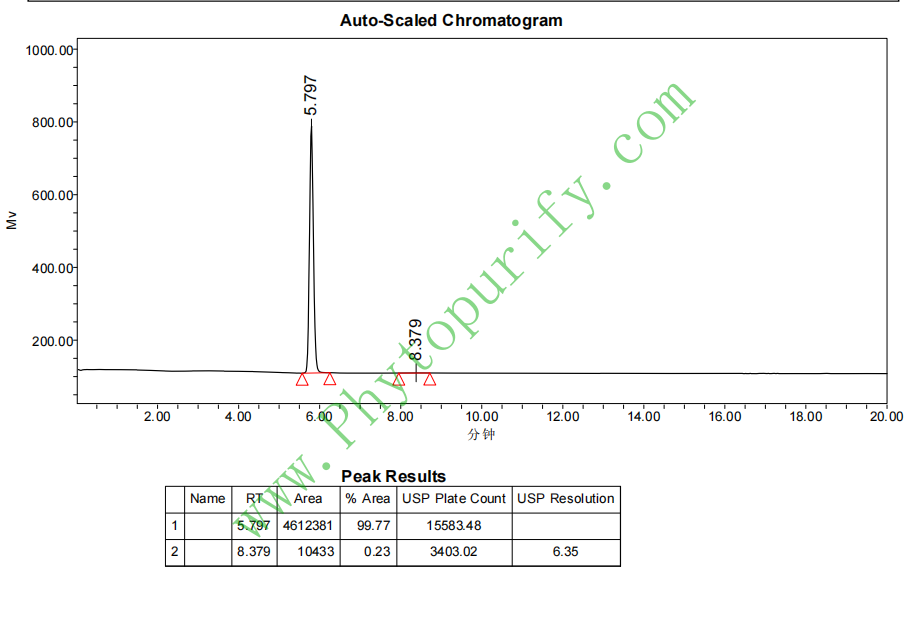
Analysis Method: HPLC-DAD or/and HPLC-ELSD
Identification Method: Mass, NMR
Packing: Brown vial or HDPE plastic bottle
Storage: Store in a well closed container, protected from air and light. Put into refrigerate or freeze for long term storage.
Whenever possible, you should prepare and use solutions on the same day. However, if you need to make up stock solutions in advance, we recommend that you store the solution as aliquots in tightly sealed vials at -20℃. Generally, these will be useable for up to two weeks.
The product could be supplied from milligrams to grams, up to kilograms
Inquire for bulk scale.
Descriptions:
Proline accumulates in many plant species in response to environmental stress, it can act as a signaling molecule to modulate mitochondrial functions, influence cell proliferation or cell death and trigger specific gene expression, which can be essential for plant recovery from stress, the engineering of proline metabolism could lead to new opportunities to improve plant tolerance of environmental stresses.[1]
Elicitor- and wound-induced oxidative cross-linking of a proline-rich plant cell wall protein, which is a novel, rapid defense response.[2]
Proline isomerization as a novel noncovalent histone modification that regulates transcription and provides evidence for crosstalk between histone lysine methylation and proline isomerization.[3]
Human pVHL binds to a short HIF-derived peptide when a conserved proline residue at the core of this peptide is hydroxylated, because proline hydroxylation requires molecular oxygen and Fe 2+ , this protein modification may play a key role in mammalian oxygen sensing.[4]
References:
[1] Szabados L, Savouré A. Trends Plant Sci, 2010, 15(2):89-97.
[2] Bradley D J, Kjellbom P, Lamb C J. Cell, 1992, 70(1):21-30.
[3] Nelson C J, Santos-Rosa H, Kouzarides T. Cell, 2006, 126(5):905-16.
[4] Ivan M, Kondo K, Yang H, et al. Science, 2001, 292(5516):464-8.
[5] Rusconi L, Perseo G, Franzoi L, et al. J Chromatogr A, 1985, 349(349):117-30.
HPLC of L-Proline
Storage conditions:Short-term storage at 2~8℃, long-term storage at -20 ~ -80℃
49.3300
-2.2005
-2.2032
169.7307
.4443
2.8971
Low
19.1685
2.7356
Yes
Yes
No
No
No
No
0.0
No
No
Yes
No
L-Proline is a widely present protein amino acid in nature. It is not only the basic unit that constitutes proteins in the human body, but also plays an irreplaceable role in various physiological and pathological processes due to its unique chemical structure. As the only member among the twenty DNA encoded amino acids with a secondary amino group, the pyrrolidine ring structure of L-proline endows it with special conformational rigidity and chemical reactivity. This structural feature enables proteins containing proline residues, especially collagen, to form a stable triple helix conformation, providing necessary mechanical strength and structural support for connective tissue.
In the human body, the metabolism of L-proline is closely related to various physiological functions. It is not only the main component of collagen and elastin, but also participates in the remodeling of extracellular matrix, regulation of redox balance, and signal transduction processes. In recent years, with the in-depth study of wound healing mechanisms, the role of L-proline in promoting tissue repair, regulating inflammatory responses, and regulating the expression of related growth factors has received increasing attention. Research has shown that L-proline can regulate the expression of key targets such as matrix metalloproteinase (MMP9), fibroblast growth factor (FGF2), transforming growth factor beta 1 (TGFB1), vascular endothelial growth factor A (VEGFA), and type I collagen alpha 1 chain (COL1A1) during multiple stages of wound healing.
In addition, the potential application value of L-proline in cardiovascular health, joint function maintenance, and neuroprotection is gradually being revealed. Its application as a nutritional supplement has a certain foundation in clinical practice, but systematic pharmacological research and drug efficacy evaluation still need to be further explored. This article will comprehensively review L-proline, a natural product, from multiple dimensions such as chemical structure, physicochemical properties, source extraction, pharmacological activity, molecular mechanism, drug evaluation, and clinical application prospects, in order to provide reference for researchers and clinical workers in related fields.
The chemical structure of L-proline exhibits significant uniqueness. Its molecular formula is C ₅ H ₉ NO ₂, and its molecular weight is 115.13 g/mol. Structurally, L-proline is a pyrrolidine ring (a five membered nitrogen-containing heterocyclic ring) with a carboxylic acid group attached to the 2-position (alpha carbon) of the ring. Unlike other amino acids, the side chain of L-proline is connected to the alpha carbon through its nitrogen atom, forming a cyclic structure, which makes its amino group a secondary amine (secondary amino) rather than the primary amine (primary amino) of other amino acids. This structural feature leads to the introduction of a "conformational inflection point" in L-proline in proteins, limiting the flexibility of the peptide chain, which is crucial for the formation of secondary structures such as β - turns.
In terms of physical and chemical properties, L-proline is a white crystalline powder with a slight sweetness. Its isoelectric point is about 6.30, and it mainly exists in the form of zwitterionic ions under physiological pH conditions. The solubility of L-proline in water is extremely high, reaching about 1.5 g/mL (25 ° C), which is related to the presence of polar groups (carboxyl and imino) in its molecule and its smaller molecular size. Its calculated LogP value is -2.2005, indicating that it has extremely strong hydrophilicity and is almost insoluble in non-polar organic solvents. The topological polar surface area (TPSA) is 49.33 Å ², which reflects the distribution of polar atoms in the molecule and is closely related to the membrane permeability and oral absorption capacity of the compound.
The optical activity of L-proline is also an important physicochemical parameter. The naturally occurring L-proline is a left-handed isomer, with a specific rotation [α] D ² ⁰ of approximately -86 ° (c=1, H ₂ O). It is worth noting that L-proline is relatively stable under acidic conditions, but may undergo racemization or degradation in strong alkaline or high-temperature environments. Its melting point is 228-231 ° C (decomposition), and it will decompose rather than melt during heating. In addition, the pKa values of L-proline are: α - carboxyl pKa ₁ ≈ 1.99, α - imino pKa ₂ ≈ 10.60, which determines its ionization state and chemical reactivity in different pH environments.
From the perspective of chemical stability, L-proline is quite stable under conventional storage conditions (avoiding light, drying, room temperature). Its aqueous solution is stable in the weakly acidic to neutral range, but ring opening reactions may occur under strongly alkaline conditions. The unique structure of L-proline also allows it to participate in various chemical reactions, such as reacting with indene to produce a yellow product (rather than the purple color of other amino acids), which is commonly used for its qualitative and quantitative analysis.
L-proline is widely distributed in nature, not only in animal bodies but also in large quantities in the plant kingdom. In plants, the accumulation of L-proline is often closely related to stress conditions such as drought, high salt, and low temperature, and is an important osmotic regulator and antioxidant. Many plant species, especially those adapted to drought or saline alkali environments, have significantly increased levels of L-proline in their bodies.
Common sources of plants rich in L-proline include seeds of leguminous plants (such as soybeans, peas, and fava beans), grains (such as wheat germ and corn), certain algae (such as spirulina), and some medicinal plants (such as astragalus and licorice). Among them, soybeans and their processed products (such as soybean meal) are important raw materials for industrial extraction of L-proline. In addition, collagen hydrolysate (mainly from animal skin and bone) is also a rich source of L-proline, as the content of proline and hydroxyproline in collagen is extremely high.
The method of extracting L-proline from plants is mainly based on its high water solubility and zwitterionic properties. The traditional extraction process usually includes the following steps: raw material pretreatment (crushing, defatting), acid hydrolysis or enzymatic hydrolysis, extraction, purification, and crystallization. The acid hydrolysis method commonly uses 6 M hydrochloric acid to treat the raw materials at 110 ° C for 12-24 hours, thoroughly hydrolyzing the protein into free amino acids. However, this method may lead to partial degradation or racemization of L-proline. In contrast, enzymatic hydrolysis (using proteases such as trypsin and papain) has milder conditions and can better maintain the natural configuration of L-proline, but the hydrolysis efficiency is relatively low.
The crude extract after extraction contains various amino acids and impurities, which require further purification. Common purification methods include ion exchange chromatography (using the isoelectric point characteristics of L-proline for separation), activated carbon decolorization, crystallization or recrystallization. Ion exchange chromatography is currently the most commonly used method in industry. By selecting appropriate cation or anion exchange resins and combining gradient elution, L-proline can be effectively separated from other amino acids. In addition, membrane separation technologies such as nanofiltration and reverse osmosis are also used in desalination and concentration processes.
In recent years, with the development of biotechnology, microbial fermentation has become the main industrial approach for producing L-proline. The genetically engineered strains of Corynebacterium glutamicum or Escherichia coli can efficiently synthesize L-proline using inexpensive carbon sources such as glucose as substrates. Fermentation method has the advantages of low cost, high yield, and environmental friendliness, gradually replacing traditional extraction methods. However, for certain plant derived L-proline (such as those used in health supplements or pharmaceuticals), extraction methods are still favored due to their natural properties.
The pharmacological activity research of L-proline mainly focuses on tissue repair, metabolic regulation, and cell protection, among which the research related to wound healing is the most in-depth and systematic.
Wound healing is a complex biological process involving four overlapping stages: hemostasis, inflammation, proliferation, and remodeling. L-proline plays multiple roles in this process. Firstly, as a precursor substance for collagen synthesis, L-proline provides essential raw materials for fibroblasts to synthesize new extracellular matrix. Research has shown that supplementing L-proline in cultured fibroblasts can significantly increase the mRNA expression level and protein synthesis of type I collagen. In animal models, local or systemic administration of L-proline can accelerate the closure speed of skin wounds and increase the tensile strength of newly formed tissues.
Clinical studies also support the application value of L-proline in wound healing. A randomized controlled trial for patients with chronic ulcers showed that the oral L-proline supplement (combined with vitamin C and copper) group had a significantly higher wound area reduction rate than the control group, and the healing time was significantly shortened. In addition, L-proline also showed potential effects in the treatment of burn wounds, surgical incisions, diabetes foot ulcers and other refractory wounds.
The protective effect of L-proline on the cardiovascular system is mainly related to its role in collagen metabolism and maintenance of myocardial structure. The extracellular matrix of myocardial cells contains a large amount of collagen, which maintains the structural integrity and mechanical properties of the heart. Adequate supply of L-proline is crucial for maintaining normal renewal of myocardial collagen. Animal experiments have shown that L-proline deficiency can lead to a decrease in myocardial collagen content, reduced myocardial compliance, and subsequently affect cardiac function.
In addition, L-proline also exerts cardiovascular protection by regulating oxidative stress and inflammatory responses. Research has shown that L-proline can reduce the level of reactive oxygen species (ROS) in vascular endothelial cells, inhibit the activation of the NF - κ B pathway, and thus reduce the release of inflammatory factors. These effects are helpful to improve vascular function and delay the progression of atherosclerosis.
L-proline is one of the main components of collagen in articular cartilage and bones. In joint diseases such as osteoarthritis and rheumatoid arthritis, the degradation of cartilage matrix is closely related to the loss of collagen. Supplementing with L-proline can provide chondrocytes with the raw materials needed to synthesize new collagen, which helps maintain the thickness and elasticity of cartilage. In vitro experiments have shown that L-proline can promote chondrocyte proliferation and synthesis of cartilage specific matrices such as type II collagen and aggrecan.
In the study of osteoporosis, L-proline is also considered to have potential protective effects. More than 90% of the organic components in the bone matrix are type I collagen, and sufficient supply of L-proline is of great significance for maintaining the integrity of the collagen network and bone strength.
In recent years, the role of L-proline in the nervous system has gradually received attention. Although L-proline itself cannot effectively pass through the blood-brain barrier (BBB permeability is low), its metabolites and derivatives may function in the central nervous system. Research has shown that L-proline and its analogues can regulate glutamatergic neurotransmission and affect synaptic plasticity. In neurodegenerative disease models, the antioxidant and anti apoptotic properties of L-proline demonstrate certain neuroprotective potential.
In addition to the main activities mentioned above, L-proline also exhibits various pharmacological effects such as immune regulation, anti-inflammatory, and antioxidant. For example, L-proline can regulate the polarization state of macrophages, promote the transformation of M2 type (anti-inflammatory) macrophages, thereby facilitating tissue repair and inflammation resolution. In addition, L-proline also participates in the urea cycle and arginine metabolism, indirectly affecting the production of nitric oxide (NO) and vasodilation function.
The pharmacological activity of L-proline is mainly achieved by regulating multiple key molecular targets and signaling pathways, especially during wound healing, where its interactions with targets such as MMP9, FGF2, TGFB1, VEGFA, and COL1A1 form the core of its mechanism of action.
Matrix metalloproteinase 9 (MMP9) is a gelatinase that plays an important role in the inflammatory and remodeling phases of wound healing. MMP9 can degrade denatured collagen (gelatin) and type IV collagen, and participate in the remodeling of extracellular matrix. However, overexpression of MMP9 can lead to excessive degradation of the matrix, hindering wound healing. Research has shown that L-proline can inhibit the expression and activity of MMP9 by regulating the TGF - β/Smad signaling pathway. Specifically, L-proline can upregulate the expression of TGFB1, thereby activating Smad2/3 phosphorylation, promoting nuclear translocation of Smad complexes, and ultimately inhibiting the transcription of MMP9 gene. This regulatory effect helps maintain a balance between extracellular matrix synthesis and degradation, promoting orderly tissue remodeling.
Fibroblast growth factor 2 (FGF2, also known as bFGF) is an important mitogenic factor that can stimulate the proliferation and migration of fibroblasts, endothelial cells, and keratinocytes. FGF2 is involved in the formation of granulation tissue and angiogenesis during wound healing. L-proline has been found to upregulate the expression of FGF2. The mechanism may involve L-proline enhancing FGF2 transcription and translation by activating the PI3K/Akt and MAPK/ERK signaling pathways. The increase in FGF2 levels further promotes the activation of fibroblasts and the synthesis of collagen, accelerating wound filling and closure.
Transforming growth factor beta 1 (TGFB1) is one of the most critical cytokines in the wound healing process, involved in regulating cell proliferation, differentiation, migration, and extracellular matrix synthesis. TGFB1 can stimulate the transformation of fibroblasts into myofibroblasts, promoting the deposition of collagen and fibronectin. L-proline can significantly upregulate the expression level of TGFB1. Research has shown that L-proline may directly enhance the promoter activity of TGFB1 gene by activating Smad3 dependent signaling pathways. At the same time, the upregulation of TGFB1 further promotes the expression of COL1A1, forming a positive feedback regulatory loop, thereby effectively promoting the synthesis and deposition of collagen.
Vascular endothelial growth factor A (VEGFA) is the main regulatory factor of angiogenesis and plays a crucial role in the proliferative phase of wound healing. VEGFA can promote the proliferation, migration, and luminal formation of endothelial cells, providing sufficient blood supply for newly formed tissues. L-proline has been found to upregulate VEGFA expression through both HIF-1 α - dependent and non dependent pathways. On the one hand, the substrate of proline hydroxylase produced by L-proline metabolism can stabilize HIF-1 α protein and enhance its transcriptional activity; On the other hand, L-proline can also promote VEGFA translation by activating the PI3K/Akt/mTOR pathway. The upregulation of VEGFA promotes angiogenesis in the wound area, improves local microcirculation, and provides necessary oxygen and nutrients for tissue repair.
Type I collagen alpha 1 chain (COL1A1) is the main subunit that constitutes type I collagen, which is the most abundant type of collagen in connective tissues such as skin, bones, and tendons. L-proline, as a direct precursor for collagen synthesis, directly affects the expression of COL1A1 and the rate of collagen synthesis in terms of its supply. Research has shown that L-proline not only participates in post-translational modifications of collagen as a raw material (such as proline hydroxylation), but also directly enhances the transcription of COL1A1 gene by activating the TGF - β/Smad3 signaling pathway. In addition, L-proline can also increase the efficiency of collagen synthesis by stabilizing COL1A1 mRNA and prolonging its half-life.
In summary, L-proline promotes wound healing by regulating a complex signaling network. Its core mechanism includes: acting as a direct precursor for collagen synthesis; Promote the expression of COL1A1 and TGFB1 by activating the TGF - β/Smad pathway; Upregulation of FGF2 and VEGFA through the PI3K/Akt and MAPK/ERK pathways; Inhibit the expression of MMP9 through the TGF - β/Smad pathway. The synergistic effect of these multiple targets enables L-proline to exert comprehensive regulatory effects at multiple stages of wound healing (inflammation, proliferation, remodeling), ultimately accelerating tissue repair and improving healing quality.
From the perspective of drug development, L-proline has some ideal pharmacological characteristics, but there are also certain limitations. Its molecular weight is only 115.13 Da, far below the upper limit of the "five rules" of 500 Da, which is conducive to the absorption and distribution of drugs. The LogP value is -2.2005, indicating that it has extremely strong hydrophilicity. Although this is beneficial for water solubility (water solubility score 169.73 mg/mL), it also means that its lipid solubility is poor and it is difficult to pass through the cell membrane through passive diffusion. The TPSA is 49.33 Å ², below the threshold of 140 Å ², indicating good oral absorption potential, but actual absorption may be influenced by the active transport process mediated by transporters.
In terms of safety, L-proline, as an endogenous substance in the human body, has high safety. The Ames test result is 0.0, indicating that it has no mutagenicity. HERG inhibition prediction is negative, indicating a low risk of cardiac toxicity. The prediction of blood-brain barrier permeability is low, which limits its application in central nervous system diseases but also reduces the risk of central nervous system related side effects. Overall, L-proline has good pharmacological properties and is particularly suitable as a nutritional supplement or adjuvant therapy for oral or local administration.
The pharmacokinetic characteristics of L-proline are closely related to its physicochemical properties. After oral administration, L-proline is actively absorbed in the small intestine mainly through sodium dependent neutral amino acid transporters (such as B ⁰ AT1/SLC6A19) and proton coupled amino acid transporters (such as PAT1/SLC36A1). Due to the saturation characteristics of these transporters, the oral absorption of L-proline exhibits a dose-dependent pattern, and the absorption efficiency may decrease at high doses. Oral bioavailability is relatively high, usually above 70%.
After absorption into the bloodstream, L-proline is mainly distributed in the extracellular fluid and intracellular space. Due to its hydrophilicity, its distribution in tissues mainly depends on the expression and distribution of amino acid transporters. The concentration of L-proline is relatively high in the liver, kidneys, skin, and connective tissue. The plasma protein binding rate is relatively low, about 10-20%.
The metabolism of L-proline mainly occurs through two pathways: firstly, it participates in protein synthesis and is integrated into structural proteins such as collagen; The second is through the catabolic pathway, which is converted to Δ ¹ - pyrroline-5-carboxylic acid (P5C) by proline oxidase (PRODH), and then further converted to glutamic acid or ornithine, entering the urea cycle and tricarboxylic acid cycle. In addition, L-proline can also generate hydroxyproline through hydroxylation reaction, which is a unique amino acid of collagen.
The elimination of L-proline is mainly through renal excretion. The renal tubules have efficient active reabsorption capacity for L-proline, resulting in lower excretion in urine. When the plasma concentration exceeds the renal tubular reabsorption threshold, urinary excretion increases. Its plasma half-life is about 1-2 hours, making it a short half-life drug. In patients with renal insufficiency, the clearance of L-proline may slow down and the dosage needs to be adjusted.
Based on its physicochemical properties and pharmacokinetic characteristics, L-proline can be administered in various dosage forms and routes. Oral dosage forms (such as tablets, capsules, oral liquids) are the most commonly used method, suitable for daily supplementation and adjuvant treatment of chronic diseases. Topical preparations (such as gel, cream and spray) can be used in local application scenarios such as wound healing and skin repair. Intravenous injection preparations can be used for situations that require rapid supplementation or cannot be taken orally, such as perioperative nutritional support.
Based on the multiple roles of L-proline in promoting collagen synthesis, regulating growth factor expression, and inhibiting excessive matrix degradation, its clinical application prospects in wound healing are broad. At present, L-proline has been used as an adjuvant treatment for chronic refractory wounds (such as diabetes foot ulcer, pressure ulcer, venous ulcer). Clinical studies have shown that local formulations or oral supplements containing L-proline can significantly accelerate wound healing, reduce the risk of infection, and improve healing quality.
Future research directions include: developing compound formulations of L-proline with other healing promoting factors such as vitamin C, zinc, and copper to achieve synergistic effects; Explore the potential application of L-proline in scar prevention and treatment, balance collagen synthesis and degradation by regulating the TGF - β/Smad signaling pathway, and reduce scar formation; Utilize nanotechnology or sustained-release technology to enhance the local bioavailability of L-proline and prolong its action time.
The application of L-proline in joint health and bone repair is also worthy of attention. For patients with osteoarthritis, supplementing L-proline may help delay cartilage degeneration, alleviate joint pain and stiffness. During the process of fracture healing, L-proline can promote callus formation and bone matrix mineralization. In addition, for athletes and fitness enthusiasts, L-proline supplements may help prevent tendon and ligament injuries and accelerate recovery after sports injuries.
Given the important role of L-proline in maintaining myocardial structure and function, its potential application in the prevention and treatment of cardiovascular diseases is being explored. For patients with heart failure, L-proline supplementation may help improve myocardial collagen metabolism and enhance myocardial contractility. In the prevention and treatment of atherosclerosis, the anti-inflammatory and antioxidant effects of L-proline may help stabilize plaque and delay disease progression.
L-proline also has application prospects in the fields of skin anti-aging and cosmetic medicine. As age increases, the collagen content in the skin gradually decreases, leading to skin sagging and the formation of wrinkles. Local or oral supplementation of L-proline may stimulate skin fibroblasts to synthesize new collagen, improving skin elasticity and firmness. Currently, L-proline has been added to various anti-aging skincare products and oral beauty supplements.
Although L-proline has various pharmacological activities and good safety, its clinical application still faces some challenges. Firstly, L-proline undergoes rapid metabolism in the body, has a short half-life, and requires frequent administration to maintain effective concentrations. Secondly, its high hydrophilicity leads to poor cell membrane permeability, limiting the accessibility of its intracellular targets. In addition, the metabolism of L-proline in the body is regulated by multiple factors, with significant individual differences, requiring individualized dosage regimens.
Future research directions include: developing prodrugs or derivatives of L-proline to enhance its lipid solubility and bioavailability; Using nanocarriers such as liposomes and polymer nanoparticles to achieve targeted delivery and sustained release of L-proline; In depth study of the metabolic changes and pharmacological characteristics of L-proline in different disease states, providing a basis for precision medication; Conduct large-scale, multicenter clinical trials to validate the efficacy and safety of L-proline in specific diseases.
L-proline, as a structurally unique natural amino acid, plays multiple roles in human physiological and pathological processes. As a key precursor for collagen synthesis, it plays an irreplaceable role in maintaining the structure and function of connective tissue. In recent years, with the in-depth study of its pharmacological activity and molecular mechanism, the application value of L-proline in wound healing, cardiovascular protection, joint health, anti-aging and other fields has gradually been revealed.
From a chemical structure perspective, the pyrrolidine ring and secondary amino group of L-proline endow it with special conformational rigidity and chemical reactivity, enabling it to play a unique role in protein structure and function. Its good water solubility and safety have laid the foundation for its clinical application. By regulating key targets such as MMP9, FGF2, TGFB1, VEGFA, and COL1A1, L-proline can play a comprehensive regulatory role in multiple stages of wound healing, promoting tissue repair and regeneration.
Although L-proline has some limitations in drug development, such as short half-life and poor membrane permeability, these issues are expected to be resolved through rational formulation design and administration strategies. With a deeper understanding of the metabolic regulation mechanism of L-proline and the development of novel delivery systems, the application prospects of L-proline and its derivatives in clinical medicine will be even broader.
In summary, L-proline is a natural product with important physiological functions and broad application potential. From basic research to clinical translation, the study of L-proline is constantly deepening, which is expected to provide new ideas and strategies for the treatment of various diseases. Future research should focus on elucidating its precise mechanism of action in complex diseases, developing highly efficient and low toxicity formulations, and validating their clinical value through high-quality clinical trials.
