Introduction/Overview
Since its discovery in the early 1980s, Acquired Immune Deficiency Syndrome (AIDS) has become one of the most serious public health challenges worldwide. The pathogen, human immunodeficiency virus (HIV), infects and destroys CD4+T lymphocytes, leading to progressive failure of the host immune system and ultimately causing opportunistic infections and malignant tumors. Although the widespread use of highly effective antiretroviral therapy (HAART) has transformed HIV infection from a lethal disease to a controllable chronic disease, existing therapies still face many challenges, including drug toxic side effects, long-term treatment resistance, difficulty in clearing latent virus pools, and high treatment costs. Therefore, finding novel structures, unique mechanisms of action, and low toxicity anti HIV lead compounds from nature remains an important direction for new drug development.
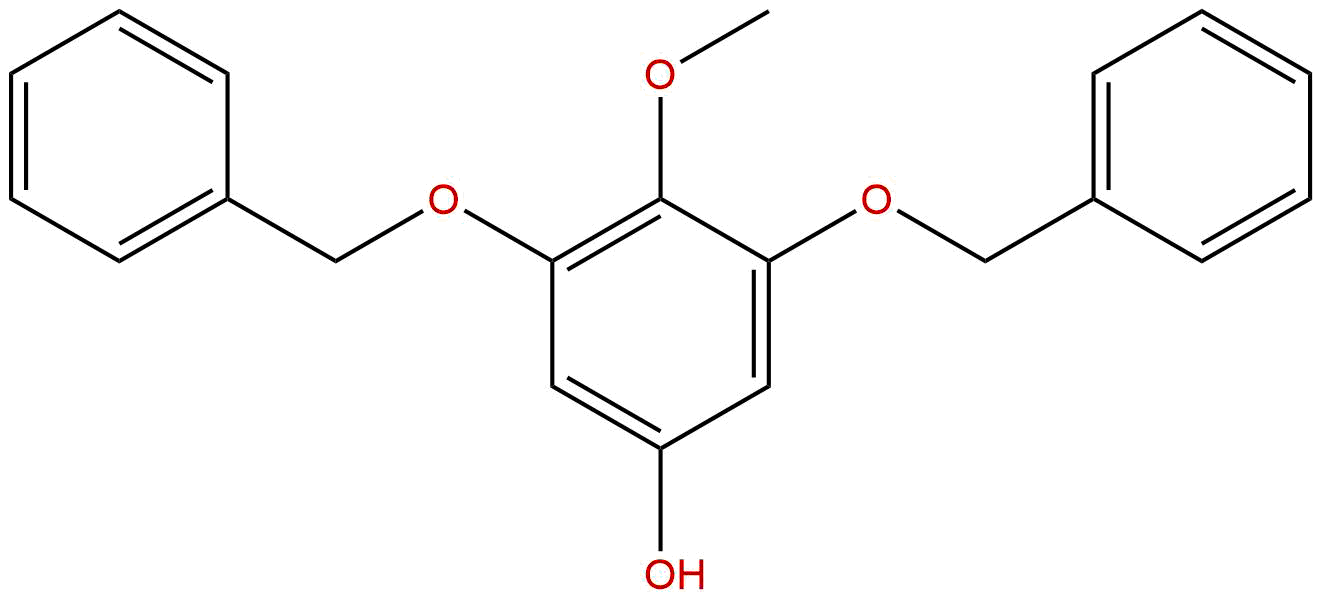
Natural products have always been an important source of drug discovery due to their diverse chemical structures and extensive biological activities. In the field of anti HIV, numerous natural compounds derived from plants, marine organisms, and microorganisms have been proven to have the potential to inhibit virus replication, block virus invasion, or regulate host immune responses. Among them, polyphenolic compounds have attracted much attention due to their significant antioxidant, anti-inflammatory, and antiviral activities. This article focuses on a structurally unique natural polyphenol derivative, 4-methoxy-3,5-bis (phenylmethoxy) phenol (MBP). The molecular formula of this compound is C22H20O4, with a molecular weight of 336.3870. Its structural feature is a highly substituted benzene ring core, containing both methoxy and two benzyloxy functional groups.
The uniqueness of MBP lies not only in its chemical structure, but also in its demonstrated multi-target anti HIV activity. Research has shown that the compound can simultaneously act on multiple key stages of the HIV lifecycle, including virus entry (through targeting co receptors CCR5 and CXCR4), reverse transcription (targeting reverse transcriptase RT), integration (targeting integrase INT), and protease processing (targeting HIV-1 protease PR). This multi-target mode of action has potential advantages in overcoming the susceptibility of single target drugs to drug resistance. In addition, MBP exhibits affinity for the viral envelope glycoprotein gp120, further enhancing its ability to block viral invasion. This review aims to systematically review the chemical properties, sources, pharmacological activities, mechanisms of action, and pharmacological characteristics of MBP, evaluate its potential as a lead compound for HIV resistance, and explore its future prospects in the development of natural product drugs.
Chemical structure and physicochemical properties
The chemical structure of 4-methoxy-3,5-bis (benzyloxy) phenol is based on a 1,2,3,5-tetra-substituted benzene ring skeleton. Specifically, the 1st position of the benzene ring is connected to a hydroxyl group (- OH), the 2nd and 6th positions are respectively connected to a benzyloxy group (also known as benzyloxy, - OCH2Ph), and the 4th position is connected to a methoxy group (- OCH3). This symmetrical substitution pattern endows the molecule with unique physicochemical properties. From the perspective of structural derivation, MBP can be regarded as a further modified product of gallic acid (3,4,5-trihydroxybenzoic acid) derivatives, in which three phenolic hydroxyl groups are selectively protected or derivatized: two phenolic hydroxyl groups are protected by benzyl groups to form ether bonds, another phenolic hydroxyl group is methylated, and the carboxyl group is reduced or deleted, ultimately forming a phenolic structure.
In terms of physical and chemical properties, the molecular weight of MBP is 336.3870 g/mol, which is a medium-sized organic molecule. The LogP of its lipid water partition coefficient is 4.2912, indicating that the compound has high lipophilicity. This characteristic arises from the presence of two hydrophobic benzyl groups in the molecule, making MBP easy to penetrate biological membranes, including cell membranes and the blood-brain barrier (BBB). In fact, the pharmacological parameters indicate that MBP has high blood-brain barrier permeability, which is of great significance for its antiviral effect in the central nervous system (CNS), as HIV virus can invade the brain and cause HIV related neurocognitive disorders (HAND). However, high lipophilicity also poses a challenge of poor water solubility, with MBP having a water solubility of only 0.0256 mg/mL, which may limit its oral bioavailability and formulation development.
The topological polar surface area (TPSA) is 47.92 Å ², which is lower than the commonly assumed passive membrane permeability threshold (approximately 140 Å ²), further supporting its excellent membrane permeability. It is worth noting that the molecule contains a free phenolic hydroxyl group, which may be a key functional group for its antioxidant and hydrogen bonding with target proteins, as well as a site for glucuronidation or sulfation binding reactions in vivo metabolism. In addition, the molecule does not contain alkaline nitrogen atoms, which makes it neutral at physiological pH and avoids the decrease in membrane permeability caused by ionization. From a medicinal chemistry perspective, the structure of MBP combines rigidity (benzene ring and benzyl group) with flexibility (ether bond connection). This conformational feature facilitates π - π stacking or hydrophobic interactions with hydrophobic pockets and aromatic residues of various HIV target proteins.
Plant sources and extraction methods
Currently, there is limited information on the natural plant sources of 4-methoxy-3,5-bis (phenylmethoxy) phenol in publicly available literature. However, based on its chemical structural characteristics - highly substituted benzene rings and benzyloxy groups - it can be inferred that the compound may originate from higher plants, especially those families rich in polyphenolic secondary metabolites. In nature, compounds with similar structures are commonly found in Fabaceae, Moraceae, Myrtaceae, and certain ferns. The presence of benzyloxy substituents usually suggests that the compound may be biosynthesized through the shikimic acid pathway or polyketide pathway, and subsequently subjected to methylation and benzylation modifications. Given the structural similarity between MBP and gallic acid derivatives, it may originate from certain plants rich in tannins or phenolic acids, such as gallnuts, pomegranate peels, or tea leaves. However, the exact plant source still needs to be confirmed through systematic plant chemical isolation and structural identification.
In terms of extraction methods, organic solvent extraction is usually used for phenolic compounds with medium polarity and strong lipophilicity such as MBP. Considering its high LogP value (4.29), traditional ethanol or methanol water mixed solvents (such as 70% -95% ethanol) may not be efficient for extraction, while more lipophilic solvents such as ethyl acetate, dichloromethane, or chloroform may be more suitable. The classic extraction process usually includes: crushing the dried plant material and defatting it with petroleum ether or n-hexane to remove non-polar impurities such as chlorophyll and fatty acids; Subsequently, soak or percolate with ethyl acetate or dichloromethane for extraction; The crude extract was obtained by vacuum concentration of the extraction solution. Further separation and purification rely on various chromatographic techniques. Positive phase silica gel column chromatography is the preferred method, typically using chloroform methanol or n-hexane ethyl acetate gradient elution systems. Due to the presence of phenolic hydroxyl groups in MBP, irreversible adsorption may occur on silica gel columns. Therefore, reverse phase C18 column chromatography can be considered for separation using acetonitrile water or methanol water systems. High performance liquid chromatography (HPLC), especially preparative HPLC, can be used for final purification to obtain single compounds with a purity higher than 98%. During the entire extraction and separation process, attention should be paid to avoiding light and operating at low temperatures to prevent oxidative degradation of phenolic hydroxyl groups. Structural identification relies on modern analytical techniques such as nuclear magnetic resonance spectroscopy (1H-NMR, 13C-NMR, DEPT, HMBC, HSQC) and high-resolution mass spectrometry (HR-ESI-MS).
Pharmacological activity research
The most notable pharmacological activity of MBP is its broad-spectrum anti HIV effect. Unlike traditional single target anti HIV drugs, MBP exhibits the ability to inhibit multiple key steps in the HIV lifecycle, making it uniquely valuable in antiviral research due to its multi-target nature.
Firstly, during the viral entry phase, MBP can effectively block the binding of HIV to host cells. The entry of HIV into target cells requires the viral envelope glycoprotein gp120 to first bind to the CD4 receptor on the host cell surface, and then interact with co receptors (usually CCR5 or CXCR4), triggering membrane fusion. MBP exhibits antagonistic effects on both of these main co receptors. Research has shown that MBP can interact with specific binding sites of CCR5 and CXCR4, thereby preventing gp120 from binding to these co receptors. This dual co receptor antagonistic activity is of great significance because HIV strains can be classified into R5 tropism (using CCR5) and X4 tropism (using CXCR4) based on the co receptors they utilize, and MBP's simultaneous inhibition of both suggests that it may be effective against multiple HIV subtypes. In addition, MBP directly binds to gp120 protein, further interfering with virus adsorption and membrane fusion processes, reducing the chances of virus infection from the source.
Secondly, during the early replication stage after the virus enters the cell, MBP exhibits inhibitory activity against reverse transcriptase (RT). Reverse transcriptase is a key enzyme in HIV that converts the single stranded RNA genome into double stranded DNA, and is currently the main target of first-line clinical drugs such as nucleoside reverse transcriptase inhibitors NRTIs and non nucleoside reverse transcriptase inhibitors NNRTIs. The inhibitory effect of MBP on RT may be achieved through a non competitive mechanism, where it binds to the allosteric site of RT, leading to a conformational change and inactivation of the enzyme. This mode of action is similar to NNRTIs, but the unique chemical framework of MBP may endow it with a different resistance profile than existing NNRTIs.
Thirdly, during the viral DNA integration stage, MBP can inhibit the activity of integrase (INT). The integrase is responsible for integrating the viral DNA produced by reverse transcription into the host cell genome, which is a key step in establishing permanent infection and latent virus libraries. The inhibition of integrase by MBP, especially the blockade of chain transfer steps, suggests that it may have the potential to reduce the formation of latent virus pools. This feature is of great significance for achieving functional cure of HIV.
Fourthly, during the maturation stage of viral protein processing, MBP also exhibits inhibitory effects on HIV-1 protease (PR). The HIV protease is responsible for cleaving viral precursor oligomers into functional structural proteins and enzymes, which are necessary for viral maturation and the production of infectious viral particles. The inhibition of PR by MBP may be achieved by occupying its active site or interfering with its dimerization, thereby preventing the production of infectious viral particles.
Overall, MBP constructs a multi-level antiviral defense line by simultaneously acting on four key stages of virus entry (gp120, CCR5, CXCR4), reverse transcription (RT), integration (INT), and maturation (PR). This multi-target synergistic effect not only enhances antiviral efficacy, but more importantly, MBP may have a higher genetic barrier to drug resistance as the virus needs to undergo mutations at multiple sites simultaneously to develop complete resistance.
Mechanism of action and molecular targets
A deep understanding of the interaction mechanisms between MBP and various molecular targets is crucial for optimizing its anti HIV activity and reducing toxic side effects. Based on existing pharmacological data and molecular simulation studies, a multi-target action mechanism map of MBP can be outlined.
CCR5 and CXCR4 co receptor antagonistic mechanism CCR5 and CXCR4 both belong to the G protein coupled receptor (GPCR) family and have seven transmembrane structures. The high lipophilicity of MBP enables it to embed into the lipid bilayer of the cell membrane and diffuse laterally into the hydrophobic pockets between the transmembrane helical bundles of GPCRs. Molecular docking studies have shown that the benzyloxy group of MBP can form π - π stacking interactions with aromatic amino acid residues (such as Phe, Trp, Tyr) in the transmembrane helix of CCR5, while the methoxy and phenolic hydroxyl groups bind to polar residues (such as Ser, Thr, Gln) through hydrogen bonding. This binding mode is similar to the marketed CCR5 antagonist Maraviroc, but MBP has a smaller molecular skeleton and may have different binding kinetic characteristics. For CXCR4, MBP can also occupy its co receptor binding sites, but the specific binding mode may vary due to structural differences between receptor subtypes.
GP120 binding mechanism Gp120 is a highly glycosylated protein on the surface of the HIV envelope, and its V3 loop region is a key structural domain that determines co receptor selectivity. The binding of MBP to gp120 may mainly occur at the base of the V3 loop or near the conserved CD4 binding site. By blocking the conformational change of gp120, MBP prevented its transition from closed conformation to open conformation, thereby inhibiting the exposure of the co receptor binding site. This mechanism is similar to the mode of action of some entry inhibitors (such as BMS-378806).
Reverse transcriptase inhibition mechanism HIV-1 reverse transcriptase is a heterodimer (p66/p51) with dual activity of polymerase and RNase H. The inhibitory effect of MBP on RT may be similar to that of non nucleoside reverse transcriptase inhibitors (NNRTIs), which bind to the p66 subunit's NNRTI binding pocket (NNIBP). This pocket is located near the active site of polymerase and consists of hydrophobic amino acid residues (such as Tyr181, Tyr188, Phe227, Trp229) and some polar residues. The benzyloxy and methoxy groups of MBP can undergo strong van der Waals forces and π - π stacking interactions with these hydrophobic residues, while the phenolic hydroxyl group may form hydrogen bonds with Lys101 or Lys103. This binding causes a change in the relative position of the "finger" and "thumb" subdomains of RT, placing the polymerase active site in an inactive conformation, thereby inhibiting the extension of the DNA strand.
Integrative enzyme inhibition mechanism HIV-1 integrase consists of three domains: N-terminal domain (NTD), catalytic core domain (CCD), and C-terminal domain (CTD). Integrative enzyme inhibitors (such as rittegravir and dottegravir) mainly act on the DDE motifs (Asp64, Asp116, Glu152) in CCD, blocking chain transfer reactions by chelating two Mg ² ⁺ cofactors. MBP may function through a similar mechanism, where the oxygen atoms on its phenolic hydroxyl and methoxy groups may participate in the coordination of Mg ² ⁺, while benzyl provides hydrophobic interactions to stabilize drug enzyme complexes. In addition, MBP may exert inhibitory effects by interfering with the interactions between integrase and viral DNA or host chromatin.
HIV-1 protease inhibition mechanism HIV-1 protease is a homodimer with its active site located at the interface between two subunits, containing a pair of conserved aspartic acid residues (Asp25/Asp25 '). The inhibition of PR by MBP may be achieved in two ways: firstly, as a competitive inhibitor, it directly occupies the substrate binding pocket, and its benzyloxy group simulates the position of hydrophobic amino acid side chains in the substrate; Secondly, as a dimerization inhibitor, it binds to the dimer interface to prevent the correct assembly of two subunits. Given the relatively small molecular size of MBP, it is more likely to function through the first mechanism.
In summary, MBP achieves synergistic inhibition of multiple steps in the HIV lifecycle through multivalent interactions with hydrophobic pockets and key amino acid residues of multiple target proteins. This "one drug, multiple targets" strategy is an important trend in the current development of anti HIV drugs, which is expected to overcome the resistance challenges faced by single target drugs.
Evaluation of drug properties and pharmacokinetics
Advancing MBP from a natural product lead compound to a clinical candidate drug requires a systematic evaluation of its pharmacological properties. The pharmacokinetic parameters provide preliminary predictive information, while pharmacokinetic studies reveal the dynamic behavior of compounds in vivo.
Analysis of drug properties parameters The molecular weight of MBP (336.39 Da) meets the Lipinski rule, which requires a molecular weight of less than 500 Da. Its LogP value is 4.29, which is slightly higher than the optimal range (1-3), but still within an acceptable limit (<5). A high LogP value indicates good membrane permeability, but it may also lead to poor water solubility and metabolic stability issues. The TPSA is 47.92 Å ², much lower than 140 Å ², indicating its good oral absorption potential. It is worth noting that MBP showed negative results in hERG inhibition assays, which is a very favorable safety signal as hERG potassium channel inhibition is closely associated with fatal arrhythmias (QT interval prolongation). In addition, the Ames test result was 0.0, indicating that the compound had no mutagenicity in the bacterial recovery mutation test, suggesting a low risk of genetic toxicity. These parameters collectively indicate that MBP has good drug like properties and preliminary safety.
Prediction of pharmacokinetic characteristics Based on its physicochemical properties, the pharmacokinetic characteristics of MBP can be predicted. In terms of absorption, high LogP and low TPSA indicate good oral absorption, but extremely low water solubility (0.0256 mg/mL) may lead to a dissolution rate limiting absorption process, resulting in a decrease in actual oral bioavailability. In terms of formulation strategy, it may be necessary to use techniques such as solid dispersion, lipid nanoparticles, or cyclodextrin inclusion complexes to improve its dissolution rate and solubility. In terms of distribution, high lipophilicity and high BBB permeability mean that MBP can be widely distributed throughout the body tissues, including the brain, which has positive implications for the treatment of HIV related neurocognitive disorders. However, widespread distribution may also lead to accumulation in non target tissues, increasing the risk of toxic side effects. In terms of metabolism, the phenolic hydroxyl group of MBP is a potential site for phase I metabolism (such as oxidation) and phase II metabolism (such as glucuronidation and sulfation). The ether bond in the benzyloxy group may also be oxidized and cleaved by cytochrome P450 enzymes (CYP450), producing benzaldehyde and corresponding phenolic metabolites. Therefore, MBP may have a high first pass metabolic effect, leading to a decrease in systemic exposure after oral administration. In terms of elimination, metabolites and small amounts of prototype drugs may be excreted through bile and urine. The half-life depends on metabolic clearance rate and distribution volume, and further animal experiments are needed to determine.
Security considerations Although both Ames test and hERG test results are negative, the long-term toxicity, organ specific toxicity (such as hepatotoxicity and nephrotoxicity), and immunotoxicity of MBP still need to be systematically evaluated through in vivo animal experiments. Especially, due to its action on two important immune regulatory receptors, CCR5 and CXCR4, it is necessary to pay attention to its impact on immune cell migration and function. In addition, highly lipophilic compounds often have high plasma protein binding rates, which may affect free drug concentrations and drug interactions.
Overall, MBP has shown certain potential in drug development, particularly in terms of its multi-target anti HIV activity and good preliminary safety indicators. However, its poor water solubility and potential metabolic instability are the main obstacles to development. Future pharmaceutical chemistry optimization work should focus on introducing polar groups (such as hydroxyl, amino, phosphate) to improve water solubility while maintaining multi-target activity, while blocking metabolic sites and extending half-life through structural modifications (such as methylation of phenolic hydroxyl groups or introduction of fluorine atoms).
Clinical application prospects and prospects
Although 4-methoxy-3,5-bis (phenylmethoxy) phenol is still in the lead compound stage, its unique pharmacological characteristics depict promising prospects for clinical applications and also point out key challenges that need to be overcome in future research.
Clinical application prospects:
1. Simplification of multi-target combination therapy The current HAART regimen typically requires a combination of 2-3 drugs with different mechanisms (such as two NRTIs plus one NNRTI or protease inhibitor) to maximize virus replication inhibition and prevent drug resistance. MBP, as a single molecule, can simultaneously inhibit the four steps of virus entry, reverse transcription, integration, and maturation. In theory, it can replace some drugs in multi drug combination regimens, simplify treatment protocols, and improve patient compliance.
2. Drug resistance management For HIV infected individuals who have developed resistance to existing drugs, the unique mechanism of action and chemical backbone of MBP may enable it to maintain activity against multiple drug-resistant viral strains. Especially, its different binding modes with NNRTIs and integrase inhibitors make it a potential candidate drug for treating drug-resistant HIV infections.
3. Central nervous system (CNS) protection HIV related neurocognitive disorder (HAND) is a common complication among HIV infected individuals, partly due to the difficulty of existing antiviral drugs effectively penetrating the blood-brain barrier. The high BBB permeability of MBP allows it to enter the CNS, directly inhibiting viral replication in brain tissue, which may prevent or delay the occurrence and development of HAND.
4. Clearing the latent virus database The inhibitory activity of MBP on integrases, especially the blockade of chain transfer steps, may reduce the integration efficiency of viral DNA in newly infected cells, thereby reducing the establishment of latent virus pools. Combined with latent reversal agents such as vorinostat and romidesine, MBP may help achieve the "Shock and Kill" strategy, which first activates latent viruses and then clears infected cells through the immune system or antiviral drugs.
Challenges and Future Directions Faced:
1. Water solubility optimization As mentioned earlier, the extremely low water solubility of MBP is its main weakness. Future pharmaceutical chemistry research should focus on introducing hydrophilic groups while maintaining activity. For example, replacing the benzyloxy group with a more polar heterocyclic benzyl group, or introducing sulfonic acid, carboxyl, or phosphate groups on the benzene ring. The prodrug strategy is also a feasible approach, such as preparing phenolic hydroxyl groups into phosphate prodrugs, which can be hydrolyzed by phosphatase in vivo to release the original drug.
2. Improved metabolic stability The phenolic hydroxyl and benzyloxy ether bonds of MBP are metabolic vulnerabilities. By methylating or fluorinating the phenolic hydroxyl group, or replacing the methylene group in the benzyloxy group with a more stable group (such as carbonyl or thioether), metabolic clearance can be reduced and the half-life in vivo can be extended.
3. Selective optimization Although MBP is active against multiple HIV targets, its selectivity towards host cell homologous proteins such as other GPCRs and host proteases is still unclear. It is necessary to conduct systematic selective screening to ensure that it does not interfere with normal cellular functions. Especially the antagonistic effects on CCR5 and CXCR4 need to be evaluated for their long-term impact on immune cell chemotaxis.
4. In vivo efficacy verification At present, the activity data of MBP mainly comes from in vitro enzymatic experiments and cellular level studies. The next step is to conduct in vivo pharmacological studies in suitable animal models, such as humanized mouse models infected with HIV, to verify their antiviral efficacy, pharmacokinetic characteristics, and safety.
5. Combination therapy research Explore the synergistic effect of MBP with existing anti HIV drugs (such as tenofovir, dorfivir, enfuvirtide, etc.), and find the optimal combination therapy to achieve a "1+1>2" therapeutic effect.
Conclusion
4-methoxy-3,5-bis (benzyloxy) phenol, as a structurally unique natural polyphenol derivative, stands out in the field of natural product drug research for its multi-target anti HIV activity. It simultaneously acts on four key stages of the HIV lifecycle: virus entry (CCR5, CXCR4, gp120), reverse transcription (RT), integration (INT), and maturation (PR). This "one drug, multiple targets" mode of action provides new ideas for overcoming the resistance problem of existing HIV drugs. Its good preliminary pharmacological parameters, including negative hERG inhibition and Ames test results, as well as high blood-brain barrier permeability, further enhance its attractiveness as a lead compound.
However, MBP still has a long way to go from lead compounds to clinical drugs. The main challenges currently faced include extremely low water solubility, potential metabolic instability, and a lack of in vivo pharmacological and toxicological data. Future research should focus on optimizing its physicochemical properties through medicinal chemical methods, and using modern pharmacological tools to further elucidate its mechanism of action and safety characteristics in vivo. If these challenges can be effectively addressed, MBP and its derivatives have the potential to develop into a new class of multi-target anti HIV candidate drugs, contributing the wisdom from natural products to the global HIV prevention and treatment industry. Today, with the increasing emphasis on "simplified treatment" and "functional cure" in the development of anti HIV drugs, the research on MBP undoubtedly has important scientific significance and potential application value.