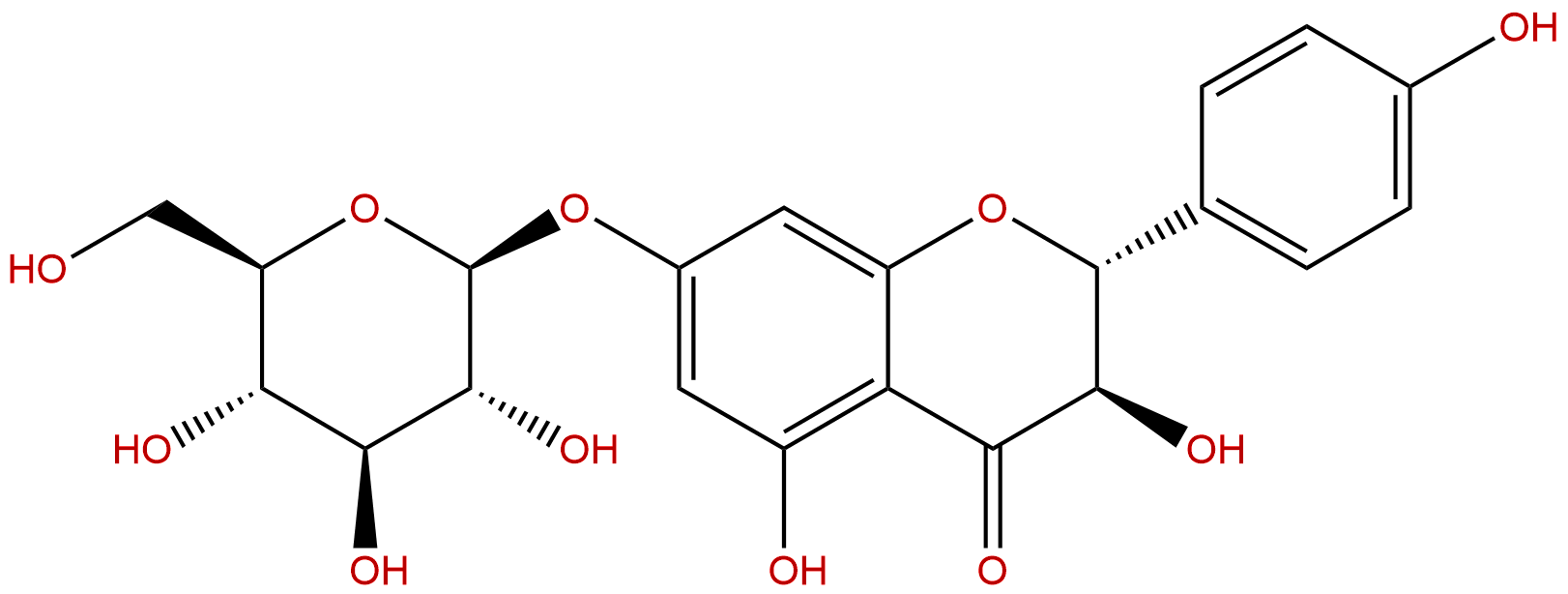
Introduction/Overview
Sinensis (CAS number: 28189-90-4) is an active compound derived from natural plants, mainly extracted from the roots of the mulberry plant Cudrania cochinchinensis. As a natural product with multiple biological activities, paeoniflorin has attracted widespread attention in the field of cardiovascular disease prevention and treatment in recent years. Cardiovascular disease, as one of the leading causes of death worldwide, has a complex pathological mechanism and the need for multi-target therapy, which has prompted researchers to continuously explore new drug molecules. Baochun Huangzhi, with its unique chemical structure and good safety characteristics, has shown the potential to regulate multiple key targets and has become a hot topic in natural product pharmacology research.
This article will provide a systematic review of the chemical structure and physicochemical properties, plant sources and extraction processes, pharmacological activity and mechanism of action, pharmacological evaluation, and pharmacokinetic characteristics of Baochun Huangzhi. The focus will be on exploring its regulatory role on cardiovascular disease-related targets and looking forward to its clinical application prospects as a potential new drug. By integrating existing literature and experimental data, the aim is to provide scientific basis and theoretical support for the subsequent research and development of paeoniflorin.
Chemical structure and physicochemical properties
The molecular formula of Baochun Huangzhi has not been widely reported in the literature, but its molecular weight is 450.3900. The chemical structure shows that the molecule contains multiple hydroxyl and glycosidic groups, making it a typical glycoside natural product. Its LogP value is -1.0000, indicating that the compound has strong hydrophilicity and good water solubility, which is conducive to absorption and distribution in vivo. The TPSA (topological polar surface area) is as high as 203.24 Å ², indicating that the molecule has a large number of polar groups, especially with a hydrogen bond acceptor count of 11, suggesting its strong ability to form hydrogen bonds in intermolecular interactions.
The physicochemical properties of paeoniflorin determine its bioavailability and targeting ability in vivo. A lower LogP and a higher TPSA value typically indicate that the molecule has difficulty passing through the blood-brain barrier (BBB), which is consistent with its evaluation of "low" blood-brain barrier permeability, suggesting that its main target of action may be limited to peripheral tissues, especially the cardiovascular system. In addition, Baochun Huangzhi did not show significant adverse signals in terms of hepatotoxicity, cardiotoxicity, and hERG channel inhibition, indicating high safety and laying the foundation for further drug development.
Plant sources and extraction methods
Primulaceae glycoside is mainly extracted from the roots of the mulberry plant Cudrania cochinchinensis. This plant is widely distributed in Southeast Asia and is commonly used in traditional Chinese medicine to treat inflammation and cardiovascular diseases. The roots contain abundant glycoside compounds, among which paeoniflorin, as an important active ingredient, has been successfully isolated and identified.
The extraction process usually adopts the alcohol extraction method, using 70% ethanol or methanol to reflux extract the dried root powder. After concentration, non-polar impurities are removed using liquid-liquid distribution technology, and then separated and purified by column chromatography (such as silica gel column, C18 reverse phase column). High performance liquid chromatography (HPLC) and mass spectrometry (MS) techniques are widely used for qualitative and quantitative analysis of paeoniflorin. In recent years, the introduction of ultrasound assisted extraction and microwave-assisted extraction technologies has improved the extraction efficiency and purity of paeoniflorin, promoting its feasibility for industrial production.
Pharmacological activity research
The pharmacological activity of Baochun Huangzhi mainly focuses on the prevention and treatment of cardiovascular diseases. Numerous in vitro and in vivo studies have shown that paeoniflorin has multiple effects including antioxidant, anti-inflammatory, anti fibrotic, and vascular function regulation.
-
Antioxidant effect
Baochun Huangzhi can activate nuclear factor erythroid 2-related factor 2 (NFE2L2), enhance the expression of intracellular antioxidant enzymes, and significantly reduce oxidative stress levels. Oxidative stress is a key factor in the pathogenesis of cardiovascular diseases, and paeoniflorin protects the function of myocardial cells and endothelial cells by reducing oxidative damage.
-
anti-inflammatory effect
Baochun Huangzhi inhibits the release of inflammatory mediators, reduces the expression of platelet selective protein (SELP), lowers blood viscosity and platelet aggregation, and prevents thrombosis. In addition, its regulatory effect on protein tyrosine phosphatase 1 (PTPN1) helps alleviate inflammation and improve insulin resistance, indirectly protecting the cardiovascular system.
-
Regulating vascular function
Baochun Huangzhi promotes vasodilation and neovascularization, improves myocardial ischemia and blood flow supply, and has potential myocardial protective effects by regulating targets such as estrogen receptor beta (ESR2) and hypoxia inducible factor 1 alpha (HIF1A).
-
Anti fibrosis and cell repair
Baochun Huangzhi regulates DNA topoisomerase 1 (TOP1) and APEX nuclease 1 (APEX 1), participates in DNA repair and cell proliferation processes, reduces myocardial fibrosis and cardiac remodeling, and is beneficial for cardiac function recovery.
-
metabolic regulation
By regulating the activity of aldose reductase (AKR1B1), primrose yellow glycoside may improve cardiovascular complications related to diabetes and reduce the risk of diabetes cardiomyopathy.
In summary, Baochun Huangzhi exhibits good cardiovascular protection potential through multi-target and multi pathway synergistic effects.
Mechanism of action and molecular targets
The mechanism of action of Baochun Huangzhi involves multiple molecular targets, reflecting its multi-target drug properties. The following is an analysis of the main targets and their related mechanisms:
-
BACE1 (β - secretase 1)
Although BACE1 is primarily associated with Alzheimer's disease, its potential role in the cardiovascular system is being revealed. The regulation of BACE1 by Baochun Huangzhi may affect cell apoptosis and inflammatory response, indirectly protecting cardiovascular function.
-
PTPN1 (protein tyrosine phosphatase 1)
PTPN1 is a negative regulator of insulin signaling pathway. Inhibiting its activity will help improve insulin sensitivity and reduce cardiovascular risk associated with diabetes. Baochun Huangzhi reduces the burden of metabolic cardiovascular diseases by regulating PTPN1.
-
ESR2 (estrogen receptor beta)
ESR2 mediates the cardiovascular protective effect of estrogen, promoting vasodilation and anti-inflammatory response. Baochun Huangzhi activates the ESR2 signaling pathway, which helps maintain vascular homeostasis and myocardial function.
-
APEX1 (AP nuclease 1)
The regulation of APEX1, which participates in DNA repair and oxidative stress response, is crucial for the survival and functional recovery of myocardial cells. Baochun Huangzhi enhances APEX1 activity and promotes myocardial cell repair.
-
AKR1B1 (aldose reductase)
AKR1B1 plays an important role in the complications of diabetes, and inhibiting its activity will help to alleviate diabetes cardiomyopathy. The inhibitory effect of primrose yellow glycoside on AKR1B1 provides a mechanism basis for its anti cardiovascular disease in diabetes.
-
SELP (Platelet Selective Protein)
SELP mediates the interaction between platelets and endothelial cells and is an important factor in thrombus formation. Baochun Huangzhi reduces SELP expression and lowers the risk of thrombosis.
-
NFE2L2 (Nuclear Factor Red Blood Cell 2-Associated Factor 2)
As a key transcription factor for antioxidant stress, the activation of NFE2L2 enhances cellular antioxidant defense and protects the cardiovascular system from oxidative damage.
-
SHBG (Sex Hormone Binding Globulin)
SHBG regulates the activity of sex hormones in the body and affects cardiovascular metabolic status. The regulation of SHBG by Baochun Huangzhi may be involved in cardiovascular metabolic balance.
-
TOP1 (DNA Topoisomerase 1)
Participate in DNA replication and repair, maintain cellular genomic stability. Baochun Huangzhi promotes the repair and regeneration of myocardial cells by regulating TOP1.
-
HIF1A (hypoxia inducible factor 1 alpha)
HIF1A regulates gene expression in hypoxic environments, promoting angiogenesis and cellular metabolic adaptation. Baochun Huangzhi activates HIF1A, which helps with the repair and functional recovery of myocardial ischemia.
The synergistic effect of these targets constitutes the molecular basis for the multidimensional regulation of cardiovascular pathological processes by paeoniflorin, reflecting its advantages as a multi-target natural medicine.
Evaluation of drug properties and pharmacokinetics
The pharmacological evaluation of Baochun Huangzhi shows that it has good safety and potential drug development value. The molecular weight is 450.39, which meets the Lipinski rule for molecular weight requirements. However, high TPSA and a higher number of hydrogen bond receptors may limit its oral bioavailability, and drug formulation technology is needed to optimize absorption.
LogP is -1.0, indicating that it has strong hydrophilicity and is conducive to fluid distribution, but not conducive to penetrating lipid membranes, especially the blood-brain barrier. Its blood-brain barrier permeability is low, indicating that paeoniflorin mainly acts on peripheral tissues, reducing the risk of central nervous system side effects.
In terms of safety, Baochun Huangzhi did not show hepatotoxicity, cardiotoxicity, or hERG channel inhibition, reducing the possibility of serious adverse reactions such as arrhythmia. The Ames test results are not yet clear and require further genetic toxicity assessment.
Pharmacokinetic studies are still in the preliminary stage, and it is speculated that the main metabolic pathway in vivo is through liver enzyme metabolism, while the excretion pathway may be mainly through the kidneys. In the future, systematic pharmacokinetic and toxicological studies need to be conducted to clarify their absorption, distribution, metabolism, and excretion (ADME) characteristics and guide clinical dose design.
Clinical application prospects and prospects
Baochun Huangzhi has broad clinical application prospects due to its multi-target and multi mechanism cardiovascular protective effects. Its antioxidant, anti-inflammatory, anti fibrosis and vascular function regulating effects are suitable for auxiliary treatment of coronary heart disease, myocardial ischemia, heart failure, cardiovascular complications of diabetes and other cardiovascular diseases.
In the future, paeoniflorin can be used as a single active ingredient to develop new cardiovascular drugs, or as a key ingredient in compound formulations to exert synergistic effects. Meanwhile, by combining modern pharmaceutical formulation technologies such as nanocarriers and sustained-release formulations, it is expected to enhance their bioavailability and targeting.
In addition, the potential of paeoniflorin in regulating metabolic and endocrine related targets suggests that it may be extended to the treatment of metabolic syndrome and related diseases. With the in-depth analysis of molecular mechanisms and the advancement of preclinical research, Baochun Huangzhi is expected to enter the clinical trial stage and become an emerging drug for the treatment of cardiovascular diseases.
Conclusion
As a natural glycoside derived from the roots of Cudrania cochinchinensis, Baochun Huangzhi has demonstrated significant pharmacological activity and good safety in the field of cardiovascular disease prevention and treatment due to its unique chemical structure and multi-target regulatory ability. It has the potential to become a novel cardiovascular drug by modulating key molecular targets such as BACE1, PTPN1, ESR2, APEX1, AKR1B1, SELP, NFE2L2, SHBG, TOP1, and HIF1A, exerting antioxidant, anti-inflammatory, anti fibrotic, and vascular protective effects.
Although the research on Baochun Huangglycoside is still in its basic stage and further exploration is needed in terms of pharmacokinetics and clinical applications, its good pharmacokinetic parameters and multiple biological activities provide a solid foundation for its subsequent development. In the future, combining modern drug design and formulation technology, Baochun Huangzhi is expected to become an important breakthrough in the field of natural product pharmacology, bringing new treatment options for cardiovascular disease patients.