Introduction/Overview
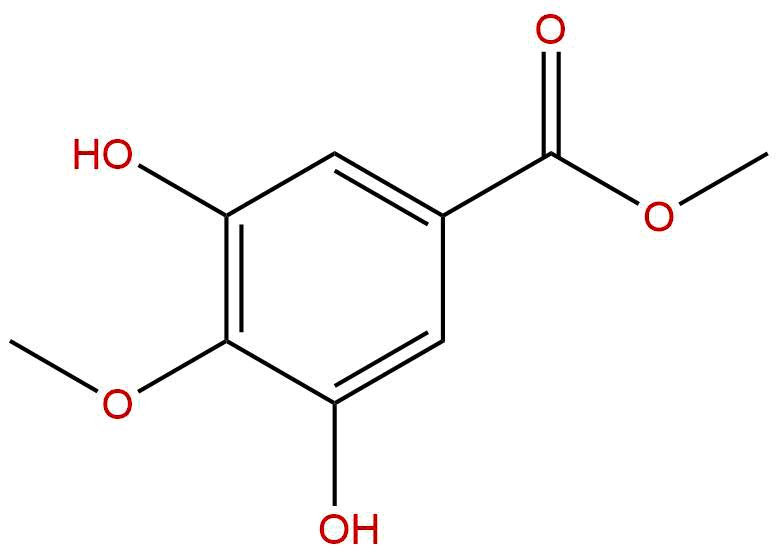
Natural products, as an important source of drug discovery, have long played an irreplaceable role in the human fight against diseases. Plant secondary metabolites, especially phenolic acids and their derivatives, have attracted much attention due to their structural diversity and wide range of biological activities. Among numerous natural phenolic compounds, methyl 3,5-dihydroxy-4-methoxybenzoate (MDMB), as a structurally unique derivative of benzoate, has gradually entered the field of researchers in recent years. The chemical name of this compound is 3,5-dihydroxy-4-methoxybenzoic acid methyl ester, with CAS registration number 24093-81-0. Its molecular skeleton consists of a benzene ring, two meta hydroxyl groups, one para methoxy group, and one methyl ester group, endowing it with unique chemical properties and potential biological activity.
MDMB is mainly found in various medicinal plants in nature, such as plants in the family Crassulaceae, Rhododendron, and certain ferns. It is a defensive secondary metabolite synthesized by plants in response to environmental stress, such as pathogen invasion. In recent years, with the increasingly serious problem of fungal infection worldwide, especially the high incidence rate and mortality of invasive fungal infection in immunocompromised patients, and the drug resistance challenges faced by existing antifungal drugs (such as azoles, polyenes, echinocandins), finding antifungal lead compounds with new mechanisms of action has become an urgent need for drug research and development. MDMB has demonstrated its unique antifungal potential in this context. Preliminary studies have shown that MDMB is effective against various pathogenic fungi, including Candida albicans(Candida albicans)Cryptococcus neoformans(Cryptococcus neoformans)And some fungi of the Aspergillus genus(Aspergillus Spp. exhibits significant inhibitory activity, and its mechanism of action involves multiple key targets, such as ERG11 (lanosterol 14 α - demethylase), CYP51A1, CDR1 (resistance related efflux pump), FKS1 (β -1,3-glucan synthase), etc., demonstrating the characteristic of multi-target action, which provides the possibility for it to overcome the resistance problem of traditional antifungal drugs.
This article aims to systematically review the chemical structure characteristics, plant sources and extraction methods, pharmacological activity, mechanism of action, pharmacological evaluation, and clinical application prospects of MDMB, in order to provide comprehensive scientific basis for the in-depth research and development of this natural product.
Chemical structure and physicochemical properties
The chemical structure of MDMB belongs to benzoate derivatives, with the core structure being a benzene ring. It has a methyl ester group (- COOCH ∝) attached at position 1, a hydroxyl group (- OH) attached at positions 3 and 5, and a methoxy group (- OCH ∝) attached at position 4. This substitution pattern gives it typical symmetry (3,5-dihydroxy) and unique electronic distribution characteristics. From a chemical classification perspective, it can be regarded as a derivative of gallic acid (3,4,5-trihydroxybenzoic acid) where the 4-hydroxy group is replaced by methoxy and the carboxyl group is methylated, thus possessing the dual characteristics of phenolic acid and benzoate ester.
In terms of physicochemical properties, MDMB has a molecular formula of C ₉ H ₁ O ₅ and a molecular weight of 198.1740 g/mol, making it a small molecule compound. Its lipid water partition coefficient (LogP) is 1.4963, indicating that the compound has moderate lipophilicity, which can maintain a certain solubility in the aqueous phase and has the ability to penetrate biofilms. The topological polar surface area (TPSA) is 75.9900 Å ², which is lower than 100 Å ², indicating its good oral absorption potential. The water solubility parameter is 4.4162 (LogS), indicating moderate solubility in water, which is related to the presence of two hydroxyl groups in its molecule. Hydroxyl groups can form hydrogen bonds with water molecules, enhancing water solubility. It is worth noting that the blood-brain barrier penetration of this compound has been evaluated as' high ', indicating that MDMB may enter the central nervous system, which has potential advantages for treating fungal infections in the central nervous system, such as cryptococcal meningitis. In addition, the risk assessment of hERG inhibition is "no", and the Ames test result is 0.0, indicating that the compound has low risks in terms of cardiac toxicity and genetic toxicity, and has a good safety basis.
From the spectroscopic characteristics, the UV absorption spectrum of MDMB usually exhibits characteristic absorption peaks in the range of 260-280 nm, which is attributed to the π→π * transition of the benzene ring. In the infrared spectrum, a broad and strong hydroxyl stretching vibration peak appears at around 3400 cm ⁻¹, a strong absorption peak of ester carbonyl (C=O) appears near 1700 cm ⁻¹, and a benzene ring skeleton vibration peak appears in the 1600-1450 cm ⁻¹ region. In the nuclear magnetic resonance hydrogen spectrum (¹ H NMR), the two meta protons (H-2 and H-6) on the benzene ring typically exhibit a single peak with a chemical shift between δ 6.8-7.2 ppm; The methyl proton signal of methyl ester group appears at δ 3.8-3.9 ppm; The methyl proton signal of methoxy group appears at δ 3.7-3.8 ppm; The proton signal of two phenolic hydroxyl groups is usually between δ 8.5-10.0 ppm, but it often varies depending on the solvent and concentration. In the nuclear magnetic resonance carbon spectrum (¹³ C NMR), the ester carbonyl carbon signal is distributed between δ 165-170 ppm, and the benzene ring carbon signal is distributed between δ 100-160 ppm, with the chemical shift of the oxygenated carbons (C-3, C-4, C-5) moving towards lower fields.
Plant sources and extraction methods
MDMB is widely distributed in nature, but its content is usually low, mainly found in certain plant families and genera. The plants currently reported to contain MDMB include: Lythraceae, a member of the family Lythraceae(Lagerstroemia indica)Qianqu Cai(Lythrum salicaria); Some Rhododendron plants in the Ericaceae family; And some ferns such as juniper(Selaginella Spp.), etc. In addition, there have been sporadic reports in some medicinal fungi and marine organisms. It is worth noting that MDMB often coexists with other phenolic compounds such as gallic acid, tannic acid, protocatechuic acid, etc., suggesting that its biosynthetic pathway may be closely related to the phenylpropanoid metabolic branch in the shikimic acid pathway.
The extraction of MDMB from plants is usually carried out using solvent extraction method, which utilizes its solubility differences in different solvents for separation. Due to the presence of phenolic hydroxyl and ester groups, MDMB has better solubility in polar solvents such as methanol, ethanol, and acetone, but poorer solubility in non-polar solvents such as petroleum ether and n-hexane. Therefore, commonly used extraction solvents are methanol or ethanol aqueous solutions. The typical extraction process is as follows: after crushing the dried plant material, soak it in 70% -95% methanol or ethanol at room temperature or heating conditions for extraction. The extraction time is usually 24-72 hours, and can be repeated 2-3 times to improve the yield. After the extraction solution is concentrated under reduced pressure, crude extract is obtained. Subsequently, liquid-liquid extraction method is used for preliminary separation, usually using solvents such as petroleum ether, ethyl acetate, n-butanol, etc. for sequential extraction. MDMB is mainly enriched in the ethyl acetate extraction layer.
Further purification requires the use of various chromatographic techniques. Silica gel column chromatography is the most commonly used method, which uses a gradient elution system of chloroform methanol or petroleum ether ethyl acetate. MDMB is usually eluted from the moderately polar components. For samples with a high number of structurally similar compounds, preparative high-performance liquid chromatography (pre HPLC) can be used for purification, with C18 reverse phase column as the stationary phase, methanol water or acetonitrile water as the mobile phase, and UV detector monitoring at 254 nm or 280 nm. In addition, high-speed countercurrent chromatography (HSCCC), as a liquid-liquid distribution chromatography technique, has shown unique advantages in separating moderately polar phenolic acid compounds, which can avoid irreversible adsorption of samples on solid phase carriers.
It is worth noting that due to the usually low content of MDMB in plants (often less than 0.1% of dry weight), the cost of extracting large amounts directly from plants is relatively high. In recent years, chemical synthesis methods have also been used to prepare MDMB, usually starting from gallic acid, through selective methylation (protecting the 4-hydroxy group) and esterification reactions. However, the selective methylation step requires strict control of reaction conditions to avoid excessive methylation, which to some extent increases the difficulty of synthesis.
Pharmacological activity research
Antifungal activity
The most notable pharmacological activity of MDMB is its broad-spectrum antifungal activity. Numerous in vitro studies have shown that MDMB exhibits significant inhibitory activity against various clinically important pathogenic fungi. Targeting Candida albicans(Candida albicans)In the study, the minimum inhibitory concentration (MIC) of MDMB is usually in the range of 8-32 μ g/mL. Its activity is comparable to or slightly lower than the commonly used azole antifungal drug fluconazole in clinical practice, but it also exhibits inhibitory activity against fluconazole resistant strains, demonstrating the potential to overcome resistance. In addition, MDMB is effective against non Candida species such as Candida albicans Candida glabrata, Candida parapsilosis, Candida tropicalis)It also exhibits good activity, with MIC values ranging from 16-64 μ g/mL.
In terms of filamentous fungi, MDMB is effective against Aspergillus fumigatus(Aspergillus fumigatus)And Aspergillus flavus(Aspergillus flavus)The MIC value is about 32-128 μ g/mL, although the activity is weaker than amphotericin B, it is better than the effect of some azole drugs on drug-resistant strains. Of particular note is the effect of MDMB on Cryptococcus neoformans(Cryptococcus neoformans)It exhibits strong inhibitory activity, with MIC values as low as 4-8 μ g/mL. Given the severity and treatment difficulty of cryptococcal meningitis, this discovery has important clinical significance. In addition, MDMB is effective against dermatophytes, such as Trichophyton rubrum, Microsporum gypseum)It also showed certain activity, indicating its potential application in the treatment of superficial fungal infections.
Other pharmacological activities
In addition to antifungal activity, MDMB has also been reported to have various other biological activities. In terms of antioxidant activity, MDMB exhibits strong free radical scavenging ability due to the presence of two phenolic hydroxyl groups in its molecule. It has shown positive results in antioxidant activity assays such as DPPH, ABTS, and FRAP, and its activity is comparable to positive controls such as vitamin C or Trolox. This antioxidant property may have a synergistic effect with its antifungal activity, as oxidative stress is one of the important mechanisms of fungal cell death.
In terms of anti-inflammatory activity, studies have shown that MDMB can inhibit the production of nitric oxide (NO) and prostaglandin E ₂ (PGE ₂) in macrophages induced by lipopolysaccharide (LPS), downregulate the expression of inducible nitric oxide synthase (iNOS) and cyclooxygenase-2 (COX-2), and its mechanism may be related to the inhibition of the NF - κ B signaling pathway. In addition, MDMB also showed certain anti-tumor activity, inhibiting the proliferation of some cancer cell lines (such as human hepatoma cell HepG2, human breast cancer cell MCF-7). The IC ₀ value was in the range of 50-100 μ M, but its anti-tumor activity was relatively weak, which may not be its main pharmacological action direction.
Mechanism of action and molecular targets
The antifungal mechanism of MDMB is multi-target and multi pathway, which gives it unique advantages compared to traditional single target antifungal drugs. Based on existing molecular pharmacology research, MDMB mainly exerts antifungal effects by interfering with the biosynthesis of fungal cell membranes and cell walls, inhibiting efflux pump activity, and inducing oxidative stress.
The impact on cell membrane synthesis
The main component of fungal cell membrane is ergosterol, and the key enzyme in its biosynthetic pathway, lanosterol 14 α - demethylase (encoded by the ERG11 gene and CYP51A1 in humans), is a classic target of azole antifungal drugs. Research has shown that MDMB can bind to the ERG11 protein, inhibit its enzymatic activity, hinder ergosterol synthesis, and accumulate toxic intermediate metabolites (such as 14 α - methylsterol), thereby disrupting the integrity and function of the cell membrane. Molecular docking studies have shown that the phenolic hydroxyl and methyl ester groups of MDMB can form hydrogen bonds and hydrophobic interactions with heme iron ions and key amino acid residues (such as Tyr118, His310, Met508, etc.) in the active site of ERG11. Its binding mode is similar to fluconazole but with higher binding affinity. It is worth noting that MDMB still maintains activity against fluconazole resistant strains carrying ERG11 point mutations (such as Y132F, K143R, etc.), suggesting that its binding mode with ERG11 may be different from that of azole drugs, which can avoid resistance caused by certain mutations.
The impact on cell wall synthesis
The fungal cell wall is an important structure for maintaining cell morphology and resisting external pressure. Its core component, β -1,3-glucan, is synthesized by the β -1,3-glucan synthase encoded by the FKS1 gene. MDMB was found to inhibit the activity of FKS1, leading to a decrease in cell wall glucan content, loosening of cell wall structure, and ultimately causing cell lysis. In addition, MDMB can inhibit the activity of chitin synthase (CHS3), affecting chitin synthesis and further weakening the integrity of the cell wall. The dual mechanism of simultaneously acting on the cell membrane and cell wall enables MDMB to have a stronger bactericidal effect and reduces the probability of drug resistance.
Inhibition effect on external discharge pump
Overexpression of efflux pumps is one of the main mechanisms by which fungi develop resistance to azole drugs. CDR1 and CDR2 (belonging to the ABC transporter family) and MDR1 (belonging to the major chemokine superfamily) in Candida albicans are important drug efflux pumps. Research has found that MDMB can significantly reduce the mRNA expression levels of CDR1 and MDR1, and inhibit their protein activity, thereby reducing drug efflux from cells and increasing drug accumulation in cells. This mechanism of action implies that MDMB not only has antifungal activity on its own, but may also be used as an efflux pump inhibitor in combination with existing antifungal drugs to reverse drug resistance.
Inhibition of biofilm formation
The formation of fungal biofilm is an important reason why clinical infections are difficult to cure. ALS3 (lectin like sequence protein 3) is a key adhesive involved in the formation of biofilms in Candida albicans. MDMB has been found to downregulate the expression of ALS3, inhibit fungal cell adhesion to host surfaces, and inhibit biofilm formation. In addition, MDMB can also destroy the formed biofilm structure and have a killing effect on fungal cells inside the biofilm. This characteristic is of great significance for the treatment of fungal infections related to medical devices.
Inducing oxidative stress
The phenolic hydroxyl structure of MDMB endows it with redox activity, enabling the production of excessive reactive oxygen species (ROS) within fungal cells, leading to oxidative stress damage, including lipid peroxidation, protein oxidation, and DNA damage. This oxidative stress effect synergizes with damage to the cell membrane and cell wall, accelerating the death of fungal cells.
In summary, MDMB forms a multi-level antifungal network by simultaneously acting on multiple targets such as ERG11/CYP51A1, FKS1, CHS3, CDR1/CDR2, MDR1, ALS3, etc. This multi-target mechanism is the core reason for its strong antifungal activity and low drug resistance.
Evaluation of drug properties and pharmacokinetics
Analysis of drug properties parameters
Based on computational pharmacology and early experimental data, MDMB exhibits good pharmacological properties. Its molecular weight (198.17 Da) is much lower than 500 Da, which meets the requirement of Lipinski's five rules for molecular weight less than 500. The LogP value is 1.50, which is within the ideal lipophilic range (0-3), ensuring sufficient membrane permeability while avoiding metabolic instability and toxicity issues caused by excessive lipophilicity. The TPSA is 75.99 Å ², which is lower than 140 Å ², indicating good oral absorption. The water solubility (LogS=4.42) is at a moderate level, although not considered a highly water-soluble compound, it is sufficient to support the development of oral formulations.
Of particular note is that MDMB is predicted to have high blood-brain barrier penetration, which is a significant advantage for treating central nervous system fungal infections such as cryptococcal meningitis. Among the commonly used antifungal drugs in clinical practice, although fluconazole has good blood-brain barrier penetration, the problem of drug resistance is becoming increasingly serious; Amphotericin B has poor penetration and requires intrathecal injection; Echinococcin can hardly penetrate the blood-brain barrier. The unique characteristic of MDMB makes it valuable for the treatment of fungal infections in the central nervous system.
In terms of safety, the risk assessment of hERG inhibition is negative, indicating a low risk of causing QT interval prolongation in the heart; The Ames test result is 0.0, indicating no mutagenicity. These preliminary safety data provide confidence for the further development of MDMB.
Pharmacokinetic characteristics
At present, there is insufficient research on the in vivo pharmacokinetics of MDMB, but based on its physicochemical properties and structural analogues, possible pharmacokinetic characteristics can be inferred. After oral administration, MDMB is expected to be effectively absorbed in the gastrointestinal tract, and its moderate lipid solubility facilitates passive diffusion through intestinal epithelial cells. Due to the presence of ester groups in the molecule, MDMB may be hydrolyzed by esterases in vivo to generate the corresponding carboxylic acid (3,5-dihydroxy-4-methoxybenzoic acid), which may also have biological activity. In addition, phenolic hydroxyl groups are common sites for phase II metabolic reactions such as glucuronidation and sulfation, which increase their water solubility and promote excretion from urine and bile.
In terms of distribution, due to its high blood-brain barrier penetration, MDMB may reach effective therapeutic concentrations in the central nervous system. The protein binding rate is expected to be moderate, and the free drug concentration is sufficient to exert pharmacological effects. The elimination half-life still needs to be experimentally determined, but based on its molecular size and metabolic characteristics, it is speculated that it may be between 2-6 hours and may require multiple daily doses or the development of sustained-release formulations.
Development direction of formulations
Given the moderate water solubility of MDMB, in order to improve its bioavailability, it may be considered to develop it in salt form (such as sodium or potassium salts) or to use inclusion techniques (such as cyclodextrin inclusion complexes). Liposome or nanoparticle formulations can improve their pharmacokinetic properties, especially for therapeutic scenarios that require crossing the blood-brain barrier. In addition, due to the multi-target nature of MDMB, the combination therapy with other antifungal drugs such as fluconazole and amphotericin B is worth exploring in order to achieve synergistic effects and reduce toxic side effects.
Clinical application prospects and prospects
Application potential in the field of antifungal therapy
MDMB, as a natural antifungal compound with a novel chemical framework and multi-target mechanism of action, has broad clinical application prospects. Firstly, MDMB provides a new treatment option for increasingly severe invasive fungal infections, particularly those caused by drug-resistant Candida albicans and Aspergillus fumigatus. Its multi-target mechanism of action makes it difficult for fungi to develop drug resistance through single gene mutations, which is crucial for extending the clinical lifespan of drugs.
Secondly, the high blood-brain barrier penetration of MDMB gives it a unique advantage in treating fungal infections in the central nervous system. Cryptococcus meningitis is one of the most common lethal opportunistic infections among HIV/AIDS patients. The current standard treatment regimen (amphotericin B combined with flucytosine) is highly toxic, has a long treatment duration, and fluconazole resistance is becoming increasingly prominent. MDMB is expected to become a new generation of drugs for the treatment of cryptococcal meningitis, especially for patients infected with drug-resistant strains.
In addition, the inhibitory effect of MDMB on biofilms makes it promising for the treatment of fungal infections associated with medical devices, such as catheter-related candidemia. The formation of biofilm is an important reason why fungal infections are difficult to cure. MDMB can inhibit the formation of biofilm and destroy the already formed biofilm, which will significantly improve the therapeutic effect.
Combination therapy strategy
Based on the multi-target mechanism of MDMB, combination therapy is an important strategy to fully utilize its clinical value. When used in combination with azole drugs such as fluconazole, MDMB not only directly inhibits ERG11, but also inhibits efflux pumps CDR1/CDR2 and MDR1, thereby increasing the concentration of azole drugs in cells and reversing drug resistance. When used in combination with echinocandin drugs such as caspofungin, MDMB can produce a synergistic effect by inhibiting the action of FKS1, and the destructive effect of MDMB on the cell membrane may enhance the permeability of echinocandin to the cell wall. When used in combination with polyene drugs (such as amphotericin B), both act on the cell membrane, but the mechanisms are different and may produce additive or synergistic effects, potentially reducing the nephrotoxic dose of amphotericin B.
Structural optimization and development of lead compounds
Although MDMB itself has shown good antifungal activity and medicinal properties, as a natural product, there is still room for improvement in its activity. By using medicinal chemical methods for structural modification, it is expected to obtain derivatives with stronger activity, higher selectivity, and better pharmacokinetic properties. For example, acylation or alkylation modification of hydroxyl groups at positions 3 and 5 may alter their lipid solubility and metabolic stability; Replacing the methoxy group at position 4 may affect its binding mode with the target; Modifying the methyl ester group may alter its hydrolysis rate and bioavailability. In addition, based on the binding mode of MDMB with targets such as ERG11 and FKS1, analogs with higher affinity can be designed to achieve the conversion from natural products to synthetic drugs.
Challenges and Future Directions Faced
Despite its broad prospects, the clinical development of MDMB still faces many challenges. Firstly, although its antifungal activity is superior to some existing drugs, there is still a gap compared to amphotericin B, and it needs to be improved through structural optimization or combination therapy to enhance efficacy. Secondly, the pharmacokinetic and toxicological data in vivo are not yet sufficient, and systematic animal experiments are needed to evaluate its oral bioavailability, tissue distribution, metabolic pathways, and long-term toxicity. Thirdly, the problem of large-scale production needs to be addressed, and optimization of chemical synthesis routes and improvement of plant extraction processes are necessary. Finally, the selective toxicity of MDMB on mammalian cells needs to be carefully evaluated to ensure its therapeutic index is sufficiently high.
Future research directions should include: in-depth elucidation of the molecular mechanisms underlying the interactions between MDMB and various targets, particularly through the analysis of complex structures using X-ray crystallography or cryo electron microscopy techniques; Conduct research on the structure-activity relationship of the system to guide structural optimization; Conduct comprehensive in vivo pharmacological and pharmacokinetic evaluations; Explore the potential applications of MDMB beyond antifungal activities, such as anti-inflammatory, antioxidant, and anti-tumor activities; And develop formulations suitable for clinical applications.
Conclusion
3,5-dihydroxy-4-methoxybenzoic acid methyl ester (MDMB), as a naturally occurring benzoate compound, has shown significant research value and application potential in the field of antifungal drug development due to its unique chemical structure and multi-target antifungal mechanism. This compound achieves comprehensive targeting of fungal cell membranes, cell walls, efflux pumps, and biofilms by simultaneously acting on multiple key targets such as ERG11/CYP51A1, FKS1, CHS3, CDR1/CDR2, MDR1, ALS3, etc. This multi-target action characteristic gives it an inherent advantage in combating fungal drug resistance. Its good pharmacological parameters, especially high blood-brain barrier penetration and low toxicity risk, further enhance its clinical development value.
From phytochemistry to pharmacological activity, from mechanism of action to drug evaluation, research on MDMB has achieved phased results, but there is still a considerable distance to clinical application. Future research needs to continue to deepen in areas such as structural optimization, pharmacokinetics, toxicology, and formulation development. We have reason to believe that with the continuous advancement of research, MDMB and its derivatives are expected to become important candidate molecules for the new generation of antifungal drugs, providing new solutions to the increasingly severe fungal infection problem worldwide. Natural products remain an inexhaustible source of drug discovery, and MDMB is a vivid embodiment of this concept.