| Catalog No | Package | Original Price | Price | Inventory | Quantity | Operating |
|---|---|---|---|---|---|---|
| BPF3286-100mg | 100mg | $20.00 | Sign in |
|


Product name: Pulegone
Synonym name:
Catalogue No.: BPF3286
Cas No.: 89-82-7
Formula: C10H16O
Mol Weight: 152.237
Botanical Source:
Physical Description:
Type of Compound: Monoterpenoids
Purity: 95%~99%
Analysis Method: HPLC-DAD or/and HPLC-ELSD
Identification Method: Mass, NMR
Packing: Brown vial or HDPE plastic bottle
Storage: Store in a well closed container, protected from air and light. Put into refrigerate or freeze for long term storage.
Whenever possible, you should prepare and use solutions on the same day. However, if you need to make up stock solutions in advance, we recommend that you store the solution as aliquots in tightly sealed vials at -20℃. Generally, these will be useable for up to two weeks.
The product could be supplied from milligrams to grams
Inquire for bulk scale.
For Reference Standard and R&D, Not for Human Use Directly.
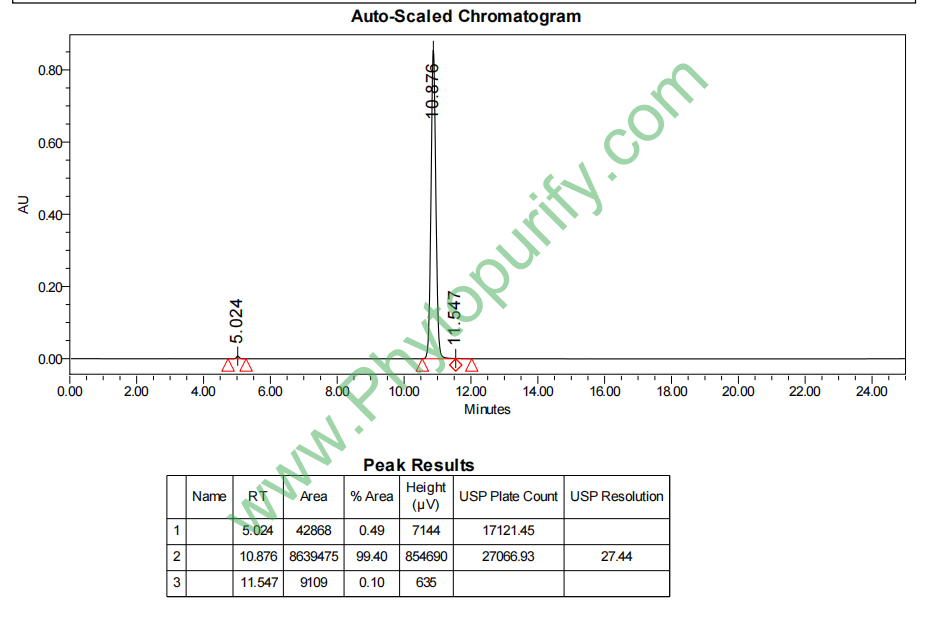
HPLC of Pulegone
Storage conditions:Short-term storage at 2~8℃, long-term storage at -20 ~ -80℃
17.0700
2.8003
2.8003
.9170
7.8510
24.6646
High
67.9189
3.1926
No
Yes
No
No
No
Yes
0.0
No
No
Yes
No
Natural products, as important sources of drug lead compounds, play an indispensable role in the long history of human struggle against diseases. From ancient Egyptian herbal records to modern drug discoveries based on high-throughput screening, plant secondary metabolites have always been a source of inspiration for innovative drug development. Among the diverse types of phytochemicals, monoterpenes have attracted much attention due to their structural diversity and extensive biological activities. Pulegone, also known as (R) -2-isopropylidene-5-methylcyclohexanone, is a typical monocyclic monoterpene ketone widely present in Lamiaceae plants such as Eurasian mint(Mentha pulegium)Peppermint(Mentha × piperita)And the genus Schizonepeta(Nepeta)In the essential oils of various aromatic plants. Its unique mint like aroma has made it historically used as a food seasoning and traditional herb for treating colds, headaches, indigestion, and as an insect repellent.
However, the biological significance of menthone goes far beyond its sensory properties. In recent years, with the deepening application of modern pharmacology and molecular biology techniques, various pharmacological activities of menthone have been gradually revealed, especially in the fields of anti-inflammatory, antibacterial, antifungal, and analgesic effects, showing significant potential. It is worth noting that it affects the Salmonella genus(Salmonella)The potent inhibitory effect of bacteria provides new ideas for addressing the increasingly severe problem of bacterial resistance. At the same time, the toxicological properties of menthone, especially its hepatotoxicity after metabolic transformation, have also attracted widespread attention, making it a double-edged sword molecule with significant therapeutic effects and potential risks. Therefore, systematically reviewing the chemical, biological, and pharmacological properties of menthone and evaluating its pharmacological properties have important theoretical value and practical significance for its scientific and safe development and utilization. This article aims to comprehensively review the chemical structure, plant origin, pharmacological activity, mechanism of action, medicinal properties, and clinical application prospects of menthone, in order to provide reference for the in-depth research and transformation application of this natural product.
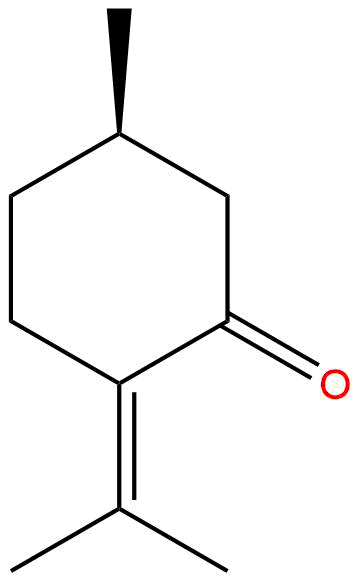
The chemical name of menthone is (R) -2-isopropylidene-5-methylcyclohexanone, with a CAS number of 89-82-7. Its molecular formula is C ₁₀ H ₁₆ O, and its molecular weight is 152.2370 g/mol. Structurally, menthone belongs to the class of monocyclic monoterpenes, with its core skeleton being a hexagonal cyclohexanone ring. The C-5 position of the ring is connected to a methyl group, while the C-2 position is connected to an isopropylidene group (- C (CH3) ₂) through a double bond. This structure endows menthone with an active center of alpha, beta unsaturated ketone, which is considered a key pharmacophore for its various biological activities and chemical reactivity. There is a chiral center (C-5 position) in the molecule of menthone, and naturally occurring menthone is mainly in the (R) - configuration. Its enantiomer (S) - menthone also exists but is relatively rare. This molecule has a relatively rigid structure, strong hydrophobicity, and is easy to penetrate biological membranes.
The physicochemical properties of menthone have a decisive impact on its biological activity, pharmacokinetic behavior, and formulation development.
Solubility and lipid solubility The lipid water partition coefficient (LogP) of menthone is 2.8003, indicating its strong lipophilicity and easy solubility in organic solvents (such as ethanol, ether, chloroform) and oils, while its solubility in water is relatively low (water solubility: 0.9170 mg/mL). This characteristic determines that it can easily penetrate the lipid bilayer of the cell membrane, thereby affecting intracellular targets. Meanwhile, a high LogP value also suggests that it may have a wide distribution in the body and is prone to accumulate in adipose tissue.
Polar Surface Area The topological polar surface area (TPSA) of menthone is only 17.0700 Å ². TPSA is an important parameter for predicting drug oral absorption and blood-brain barrier penetration ability. Generally, molecules with TPSA less than 60 Å ² have good intestinal absorption capacity, while molecules with TPSA less than 90 Å ² may penetrate the blood-brain barrier. The extremely low TPSA value of menthone perfectly explains its predicted high blood-brain barrier, suggesting that the compound can enter the central nervous system, which may be the structural basis for its analgesic and neuroregulatory activities.
Stability and reactivity As an α, β - unsaturated ketone, menthone has a carbonyl group conjugated with a double bond, making its C-3 position (β - carbon) highly electrophilic and prone to Michael addition reactions with nucleophilic groups in organisms, such as thiol and amino groups in proteins or DNA. This reactivity is not only one of the mechanisms by which it exerts antibacterial and anti-inflammatory activities, but may also be the root cause of its toxicity. In addition, menthone may undergo isomerization or oxidative degradation under light, high temperature, or alkaline conditions.
Peppermint ketone is a characteristic component of various aromatic plant essential oils, especially abundant in plants of the Lamiaceae family.
Eurasian mint(Mentha pulegium)This is the most classic and famous source of menthone, and its essential oil can contain up to 80% -95% menthone. Eurasian mint is commonly used in traditional medicine to treat digestive system diseases and as an abortion pill (due to its uterine stimulating effect). Its name "pulegium" comes from the Latin word "pulex" (flea), reflecting its traditional deworming use.
Peppermint(Mentha × piperita)Although the main components of peppermint essential oil are menthol and menthone, it also contains a certain proportion of menthone, usually at a low level (<5%). However, there are differences in the content of menthone among different varieties and regions of peppermint.
Plants of the Asparagus genus(Nepeta spp.)Various types of catnip (such as Nepeta cataria The essential oil of catnip also contains menthone, but its content is usually lower than that of catnip lactone.
Other plants Peppermint ketone also exists in the Rutaceae family (such as Barosma spp., Cloth withered leaves), peach blossom family (such as Backhousia citriodora)And the Asteraceae family (such as Tanacetum vulgare Among various plants such as mugwort. Its content is influenced by various factors such as plant genotype, growth environment, harvesting time, and extraction method.
The extraction of menthone mainly revolves around its volatile essential oil components, and common methods include:
steam distillation This is the most classic and commonly used method for extracting plant essential oils. Plant materials (usually aboveground parts) are heated together with water, and essential oils are evaporated with water vapor. After condensation and oil-water separation, they are obtained. This method is easy to operate, cost-effective, and suitable for industrial production, but high temperatures may lead to the degradation of thermosensitive components.
Solvent Extraction Method Soak plant materials in low boiling organic solvents (such as n-hexane, petroleum ether, ethanol) at room temperature or under heating conditions, and concentrate the extract to obtain a paste or essential oil. This method can avoid high-temperature damage, but attention should be paid to the issue of solvent residue.
Supercritical fluid extraction Extract using CO ₂ as the solvent in a supercritical state (temperature>31.1 ° C, pressure>7.38 MPa). This method has the advantages of high extraction efficiency, no solvent residue, good selectivity, and low-temperature operation, which can obtain high-quality essential oils. However, the equipment investment cost is relatively high.
Simultaneous distillation and extraction Combining steam distillation with solvent extraction to simultaneously complete distillation and extraction in one device, suitable for enrichment and analysis of trace components.
The crude essential oil extracted can be further purified by vacuum distillation, column chromatography (such as silica gel column, alumina column), or preparative high-performance liquid chromatography to obtain high-purity menthone monomer.
Humenthone exhibits diverse pharmacological activities, and in recent years, research has mainly focused on the following aspects:
Humenthone has shown significant anti-inflammatory effects in various in vitro and in vivo inflammatory models. Research has shown that menthone can inhibit the production of nitric oxide (NO), prostaglandin E ₂ (PGE ₂), and various pro-inflammatory cytokines such as tumor necrosis factor - α (TNF - α), interleukin-6 (IL-6), and interleukin-1 β (IL-1 β) by macrophages (such as RAW264.7 cells) stimulated by lipopolysaccharide (LPS). In animal models, menthone can alleviate carrageenan induced paw swelling in rats, xylene induced ear swelling in mice, and acetic acid-induced increased peritoneal capillary permeability in mice. In addition, in chronic inflammation models such as colitis and arthritis, menthone has also shown the potential to improve pathological symptoms.
Peppermint ketone has broad-spectrum antibacterial activity, especially significant against Gram negative bacteria. Numerous studies have confirmed that menthone has inhibitory effects on various foodborne and clinical pathogens, including:
- Salmonella genus(Salmonella spp.)This is a highlight of the antibacterial activity of menthone. Research has shown that menthone has an effect on Salmonella typhimurium in mice(Salmonella typhimurium)Salmonella enterica and enteritis(Salmonella enteritidis)When it has a strong bactericidal effect, its minimum inhibitory concentration (MIC) and minimum bactericidal concentration (MBC) are both low. This characteristic makes it have potential application value in food preservation and livestock breeding.
- Escherichia coli(Escherichia coli)Effective against various pathogenic strains of Escherichia coli.
- Staphylococcus aureus(Staphylococcus aureus)Including methicillin-resistant Staphylococcus aureus (MRSA) and other drug-resistant strains.
- Helicobacter pylori(Helicobacter pylori)Some studies have shown that it has anti Helicobacter pylori activity.
- fungus Regarding Candida albicans(Candida albicans)Aspergillus fungi(Aspergillus Common fungi such as spp also have inhibitory effects.
Its antibacterial mechanism may involve disrupting the integrity of bacterial cell membranes, inhibiting bacterial respiratory metabolism, and affecting bacterial quorum sensing systems.
Peppermint ketone exhibits significant analgesic effects in pain models. Research has shown that menthone can alleviate formalin induced inflammatory pain, acetic acid-induced visceral pain, and neuropathic pain. Its analgesic mechanism is closely related to the activation or regulation of transient receptor potential (TRP) channel family, especially TRPV1 and TRPA1 channels. Humenthone was initially found to be an agonist of TRPM8 (cold sensory receptor), but subsequent studies have shown that it can also activate TRPV1 and TRPA1, and exert analgesic effects through a desensitization mechanism (i.e. activation followed by inhibition). In addition, its anti-inflammatory activity indirectly participates in the analgesic process.
The pharmacological activity of menthone stems from its interactions with multiple molecular targets, and its core mechanisms can be summarized as follows:
The anti-inflammatory effect of menthone is mainly achieved by inhibiting key inflammatory signaling pathways.
- NF - κ B pathway This is the core regulatory hub of inflammatory response. Humenthone can inhibit the activity of I κ B kinase (IKBKB), prevent the phosphorylation and degradation of I κ B α, and thus inhibit the nuclear translocation of NF - κ B (composed of subunits such as RELA). After NF - κ B is inhibited, downstream target genes such as TNF、IL6、NOS2(Encoding iNOS)PTGS1(COX-1 encoding) and PTGS2 The transcription of COX-2 is significantly downregulated, thereby reducing the production of pro-inflammatory mediators such as TNF - α, IL-6, NO, and PGE ₂.
- STAT3 pathway Peppermint ketone can inhibit the phosphorylation of signal transducer and activator of transcription factor 3 (STAT3), interfere with its signal transduction, and thus suppress the expression of genes related to inflammation and tumors.
- CASP1 (Caspase-1) and pyroptosis Humenthone may inhibit the activity of Caspase-1, affect the assembly and function of NLRP3 inflammasomes, thereby reducing the maturation and secretion of IL-1 β and IL-18, and may inhibit cell pyroptosis, a pro-inflammatory cell death mechanism.
The regulation of the transient receptor potential (TRP) channel family by menthone is key to its analgesic, anti-inflammatory, and sensory regulatory effects.
- TRPV1 and TRPA1 Humenthone is an agonist of TRPV1 (capsaicin receptor) and TRPA1 (mustard oil receptor). The initial excitatory effect can cause calcium ion influx, resulting in burning and stinging sensations. However, sustained excitement can lead to desensitization of the channel, which reduces its responsiveness to subsequent stimuli (including pain inducing substances), resulting in analgesic effects. This "excitement desensitization" mechanism is the principle of action of many natural analgesics, such as capsaicin.
- TRPM8 Peppermint ketone is also an agonist of TRPM8 (cold sensation receptor), which explains the coolness it brings.
The antibacterial effect of menthone is multi-target.
- Damage the cell membrane As a lipophilic molecule, menthone can insert into the phospholipid bilayer of bacterial cell membranes, increasing membrane permeability and causing leakage of cellular contents such as potassium ions and ATP, ultimately leading to cell death.
- Inhibit energy metabolism Peppermint ketone can inhibit the respiratory chain enzyme system of bacteria, interfere with ATP synthesis, and lead to energy depletion.
- Suppress group sensing Partial studies suggest that menthone may interfere with bacterial quorum sensing systems, inhibit the expression of virulence factors, and promote biofilm formation.
The hepatotoxicity of menthone is its most concerning toxicological issue. The toxicity mechanism is mainly related to its metabolic activation:
- CYP450 metabolism Peppermint ketone is oxidized by cytochrome P450 enzymes (mainly CYP2A6 and CYP1A2) in the liver, producing highly reactive metabolic intermediates - pulegone epoxide and menthofuran.
- Glutathione depletion Active metabolites such as peppermint furan can covalently bind with glutathione (GSH), leading to a sharp decrease in GSH levels in liver cells.
- Hepatocyte injury GSH depletion causes cells to lose their antioxidant defense capabilities, and active metabolites covalently bind to large molecules such as proteins and nucleic acids within the cell, leading to mitochondrial dysfunction, lipid peroxidation, and endoplasmic reticulum stress, ultimately resulting in liver cell necrosis and bile stasis.
Based on the Lipinski Five Rules and modern pharmacological parameters, evaluate menthone:
- molecular weight 152.24 Da (<500, compliant)
- LogP 2.80 (<5, compliant)
- hydrogen bond donor: 0 (<5, compliant)
- Hydrogen bond acceptor: 1 (<10, compliant)
- TPSA: 17.07 Å ² (<140 Å ², compliant)
- Water solubility: 0.917 mg/mL (moderately low)
From these parameters, it can be seen that menthone fully meets the basic pharmacological requirements of oral medication, with good membrane permeability and absorption potential. However, its medicinal properties face two major challenges:
1. security issue The Ames test result is 0.0, indicating that it has no genetic toxicity. But as mentioned earlier, its metabolites have significant hepatotoxicity, which is the biggest obstacle to its use as a systemic medication. In addition, its uterine excitatory effect also limits its use in pregnant women.
2. Metabolic stability Peppermint ketone is rapidly and widely metabolized by CYP450 enzymes in the liver, leading to its potential low oral bioavailability, and the toxicity of metabolites is a major issue. The prediction of hERG inhibition is' no ', indicating a low risk of cardiac toxicity.
Despite the clear toxicity risks associated with menthone, its unique pharmacological activity spectrum still opens up multiple potential directions for its clinical application, with the key being how to "leverage strengths and avoid weaknesses".
This is the most promising direction for the practical application of menthone. By utilizing its anti-inflammatory, analgesic, antibacterial, and deworming activities, it can be developed into:
- Analgesic patches or creams Using its desensitization effect on TRP channels, it is used to treat muscle pain, arthritis, and neuropathic pain (such as postherpetic neuralgia). Local administration can avoid systemic liver toxicity.
- Antibacterial ointment Used to treat superficial infections of the skin and mucous membranes, especially infections caused by Staphylococcus aureus (including MRSA) and Candida albicans.
- Insect repellent spray or lotion As a natural and efficient mosquito and tick repellent, it can replace synthetic insecticides such as DEET.
To overcome the toxicity of menthone, medicinal chemists can modify its structure:
- Prodrug strategy Design prodrugs of menthone to be activated by specific enzymes in target tissues such as skin and intestines, while not being metabolically activated in the liver, thereby reducing liver toxicity.
- Synthetic analog By changing the substituent or double bond position of the cyclohexanone ring, a series of menthone analogues were synthesized, and candidate molecules were screened to retain or enhance the target activity (such as antibacterial and anti-inflammatory) but significantly reduce toxicity.
- nano-formulation Using carrier technologies such as liposomes and nanoemulsions to encapsulate menthone, achieving targeted delivery and sustained release, increasing local drug concentration, and reducing systemic exposure.
Future research should further clarify:
-The precise molecular mechanism of the interaction between menthone and TRPV1/TRPA1 channels, including binding sites and conformational changes.
-Its detailed molecular targets against Salmonella provide clues for the development of new antibacterial drugs.
-The individual differences in metabolic toxicity, such as CYP2A6 gene polymorphism, provide guidance for safe medication.
Peppermint ketone, a monoterpene ketone molecule derived from ancient aromatic plants, has demonstrated extraordinary charm on the modern pharmacology stage due to its unique chemical structure and diverse biological activities. It is not only an efficient anti-inflammatory, analgesic, and antibacterial molecule, but also a "problematic molecule" with significant liver toxicity. This "double-edged sword" characteristic is precisely a microcosm of the complexity and charm of natural product research. Through systematic research on its chemical structure, physicochemical properties, pharmacological mechanisms, metabolic pathways, and toxicology, we recognize that the direct systemic application of menthone faces enormous challenges, but its potential for local treatment, food preservation, and agriculture is enormous.
The future research focus should be on: firstly, avoiding its toxicity and leveraging its therapeutic advantages through modern formulation technology and structural modification strategies; The second is to deeply explore its mechanism of action, especially its unique TRP channel regulation and anti Salmonella activity, providing new ideas for targeted drug design. The research process of menthone once again proves that the evaluation of natural products must be comprehensive and dialectical, seeing both its bright side and its dark corners. Only in this way can we safely and effectively transform the gifts of nature into tools that benefit human health.
