Introduction/Overview
Natural products, as an important source of drug discovery, play an irreplaceable role in the long history of human struggle against diseases. Flavonoids, as the most widely distributed class of secondary metabolites in nature, have attracted much attention due to their structural diversity and extensive biological activity. Among numerous flavonoids, Toringin, as a bioflavonoid with unique pharmacological properties, has gradually entered the field of researchers in recent years. San Ye Haitang Su was originally derived from Rosaceae plants Docyniopsis tschonoski Isolation and identification of the bark of a unique East Asian plant in the genus Malus, whose chemical structure belongs to the flavanone derivative of flavonoids. This compound not only exhibits typical flavonoid antioxidant and anti-inflammatory activities, but also demonstrates significant regulatory effects on RNA toxicity and cytotoxicity caused by amplified CTG repeat sequences. This characteristic makes it of special value in the study of neurodegenerative diseases such as muscular dystrophy. In addition, the three leaf crabapple extract also shows potential application prospects in protecting nerve cells, anti-inflammatory, anti-tumor, and cardiovascular protection. This article will provide a systematic review of the research progress of Tripterygium wilfordii extract from multiple dimensions, including chemical structure, plant origin, pharmacological activity, molecular mechanism, medicinal properties, and clinical application prospects, in order to provide reference for the in-depth development and utilization of this natural product.
Chemical structure and physicochemical properties
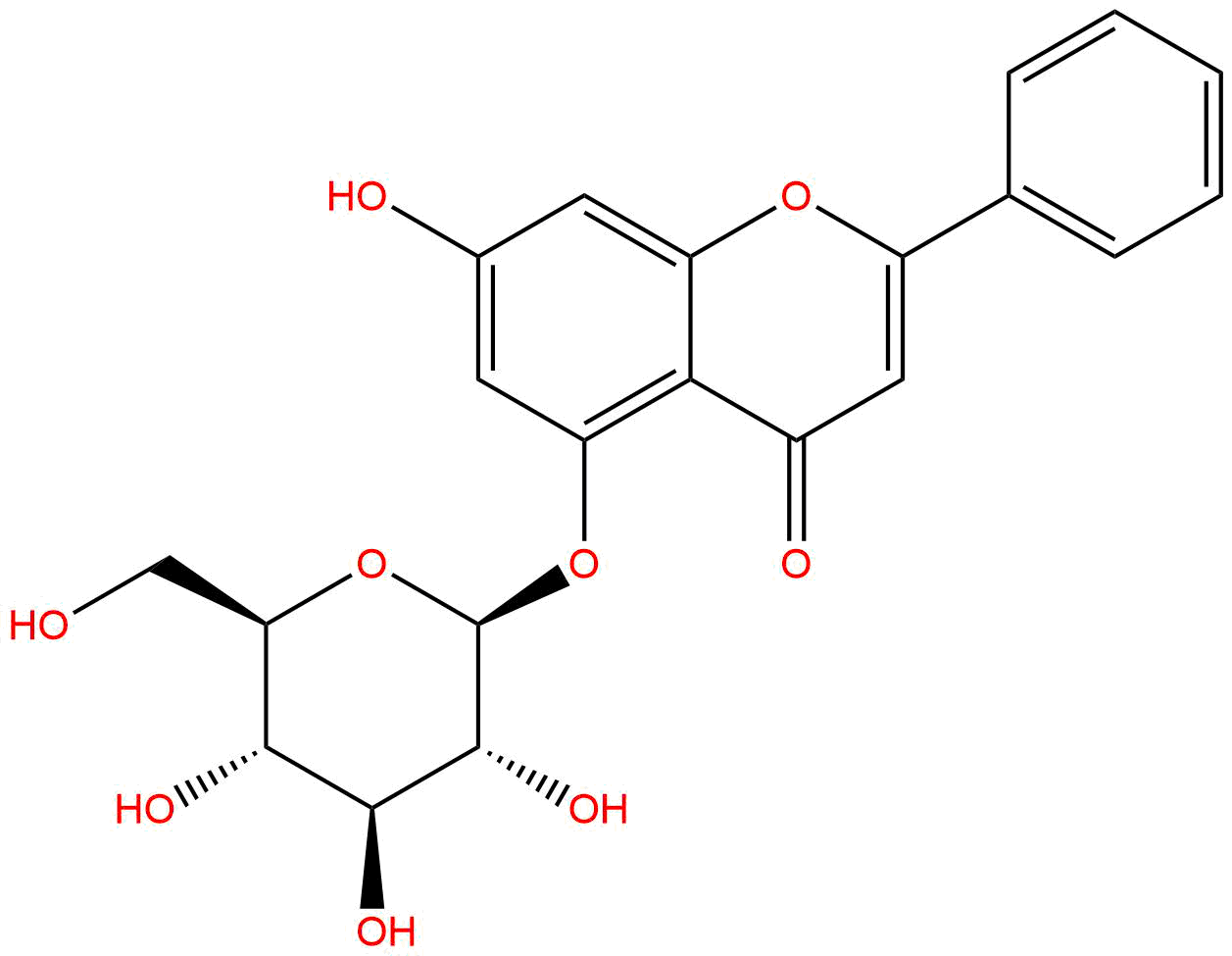
The chemical name of Tripterygium wilfordii extract is 5,7-dihydroxy-2- (4-methoxyphenyl) -4-oxo-3,4-dihydro-2H-1-benzopyran-3-yl - β - D-glucopyranoside, with a molecular formula of C ₂ ₂ H ₂ ₄ O ₁ ₀ and a molecular weight of 416.3820. Structurally speaking, Tripterygium wilfordii belongs to the class of flavanone glycosides, with its aglycone being isosakuranetin (5,7-dihydroxy-4 '- methoxyflavanone) and its sugar moiety being glucose. This glycosylation modification not only increases the water solubility of the molecule, but also has a significant impact on its biological activity and pharmacokinetic properties.
In terms of physicochemical properties, Tripterygium wilfordii extract exhibits moderate lipophilicity, with a LogP value of 0.4550, indicating a good distribution balance between the aqueous and lipid phases. The topological polar surface area (TPSA) is 149.8200 Å ², which is a relatively high value mainly attributed to the presence of multiple hydroxyl and sugar groups in the molecule, suggesting that it may have good water solubility. In fact, its water solubility parameter is 1.1206 mg/mL, which belongs to the category of moderately water-soluble compounds. It is worth noting that the blood-brain barrier (BBB) penetration ability of Tripterygium wilfordii extract is relatively low, which limits its direct application in central nervous system diseases. However, it also means that the potential side effects on the central nervous system after peripheral administration may be relatively small. In addition, the hERG inhibition test result was negative, indicating a low risk of cardiac toxicity; The Ames test result is 0.6, indicating a relatively low risk of genetic toxicity. These physicochemical properties and preliminary safety data provide a favorable basis for the further development of Tripterygium wilfordii extract.
Plant sources and extraction methods
San Ye Haitang Su was originally derived from Docyniopsis tschonoski Separated from the bark of the tree.Docyniopsis tschonoski Belonging to the Rosaceae family and the Camellia genus(Malus)Plants are deciduous trees distributed in East Asia. The bark, leaves, and fruits of this plant are rich in flavonoids, among which three leaf crabapple extract is one of its characteristic components. Except Docyniopsis tschonoski In addition, three leaf crabapple extract is also present in other Rosaceae plants, such as certain apple species(Malus)Pear genus(Pyrus)Plants, but their content is usually low. In addition, studies have reported the presence of this compound in some Asteraceae plants, but it has not yet become the main source.
The traditional method for extracting three leaf crabapple extract mainly uses organic solvent extraction. Due to the high polarity of triterpenoid compounds, methanol, ethanol, or acetone water mixed solvents are usually used as extraction solvents. With Docyniopsis tschonoski For example, the commonly used extraction process for bark is as follows: after drying and crushing the bark, soak it in 70% ethanol at room temperature or heating conditions for extraction. The extract is then concentrated under reduced pressure and extracted sequentially with petroleum ether, ethyl acetate, and n-butanol. The three leaf crabapple extract is mainly enriched in the n-butanol extraction phase. Subsequently, through silica gel column chromatography, Sephadex LH-20 gel column chromatography, preparative high performance liquid chromatography (HPLC) and other separation and purification technologies, the monomer of begonigenin with high purity can be obtained.
In recent years, with the promotion of green chemistry concepts, some new extraction techniques have also been applied to the extraction of three leaf crabapple extract, such as ultrasound assisted extraction, microwave-assisted extraction, and supercritical fluid extraction. These methods have the advantages of high extraction efficiency, low solvent consumption, and short time, but they are currently widely used in laboratory research, and traditional solvent extraction is still the main method for industrial production. It is worth noting that due to the relatively low content of three leaf crabapple extract in plants and the cumbersome separation and purification steps, its large-scale preparation still faces the problem of high cost. In the future, the large-scale production of three leaf crabapple extract through plant tissue culture, biosynthesis, or chemical total synthesis will be the key to promoting its in-depth research and application.
Pharmacological activity research
The pharmacological activity research of Tripterygium wilfordii extract mainly focuses on anti-inflammatory, neuroprotective, anti-tumor, and cardiovascular protection aspects, among which its regulatory effect on amplifying CTG repeat sequences is the most unique.
anti-inflammatory activity
Inflammation is the common pathological basis of various diseases, and flavonoids generally have anti-inflammatory activity. Research has shown that Tripterygium wilfordii extract can significantly inhibit macrophage inflammatory response induced by lipopolysaccharide (LPS). In vitro experiments have shown that trefoil extract can reduce the release of pro-inflammatory factors such as tumor necrosis factor - α (TNF - α), interleukin-6 (IL-6), and interleukin-1 β (IL-1 β), while inhibiting the expression of nitric oxide synthase (NOS2) and the production of nitric oxide (NO). In addition, trefoil extract can downregulate the expression of cyclooxygenase-2 (PTGS2) and reduce the synthesis of prostaglandin E ₂ (PGE ₂). These effects are closely related to the regulation of various inflammatory signaling pathways, including the inhibition of nuclear factor kappa B (NF - κ B) and signal transduction and transcriptional activation factor 3 (STAT3) pathways.
Neuroprotective activity
The research on the neuroprotective effects of Tripterygium wilfordii extract is particularly noteworthy. Research has found that trefoil extract can protect PC12 nerve cells from oxidative stress and neurotoxic substances. Of greater concern is that trefoil extract has a significant improvement effect on RNA toxicity caused by amplified CTG repeat sequences. In the cell model of myotonic dystrophy (DM1), tretinoin can reduce the cis effect of amplifying CTG repeat sequences, decrease the formation of abnormal RNA foci, and alleviate the resulting cytotoxicity. This discovery provides new candidate compounds for the treatment of trinucleotide repeat amplification diseases such as DM1. In addition, Tripterygium wilfordii extract can protect nerve cells through antioxidant and anti apoptotic mechanisms, and its effects are related to activating the Nrf2/ARE pathway and inhibiting caspase-3 activity.
Antitumor activity
The role of flavonoids in tumor prevention and treatment has been widely reported. Trifolin can inhibit the proliferation of many tumor cell lines, including breast cancer, liver cancer, colon cancer and lung cancer cells. Its anti-tumor mechanism involves multiple aspects: inducing cell cycle arrest (mainly in G1 or G2/M phase), promoting apoptosis (by activating mitochondrial and death receptor pathways), inhibiting angiogenesis (downregulating VEGF expression), and reversing epithelial mesenchymal transition (EMT). It is worth noting that the toxicity of Tripterygium wilfordii extract to normal cells is relatively low, demonstrating a certain degree of selectivity, which provides a safety basis for its use as an anti-tumor candidate drug.
Cardiovascular protective activity
Cardiovascular disease is one of the leading causes of death worldwide. Trifolium extract also shows potential in cardiovascular protection. Studies have shown that Trifolin can inhibit the oxidative modification of low-density lipoprotein (LDL), reduce the formation of foam cells, and thus delay the process of atherosclerosis. In addition, San Ye Haitang Su can also promote NO release by activating endothelial nitric oxide synthase (eNOS), exert vasodilatory effects, and lower blood pressure. In the myocardial ischemia-reperfusion injury model, pretreatment with trefoil can reduce myocardial infarction area and improve heart function, and its mechanism is closely related to anti-inflammatory, antioxidant, and anti apoptotic effects.
Other activities
In addition to the main activities mentioned above, three leaf crabapple extract has also been reported to have antibacterial, antiviral, anti allergic, and hepatoprotective effects. For example, trefoil extract has a certain inhibitory effect on Staphylococcus aureus and Candida albicans; In the influenza virus infection model, trefoil can inhibit virus replication; In the allergic reaction model, trefoil extract can inhibit degranulation of mast cells and histamine release. These diverse biological activities further expand the application potential of three leaf crabapple extract.
Mechanism of action and molecular targets
The pharmacological activity of Tripterygium wilfordii extract involves multiple molecular targets and signaling pathways, and its mechanism of action exhibits characteristics of multiple targets and pathways.
Anti inflammatory mechanism
The anti-inflammatory effect of Tripterygium wilfordii extract is mainly achieved by inhibiting the NF - κ B and STAT3 signaling pathways. In the resting state, NF - κ B binds to its inhibitory protein I κ B and exists in the cytoplasm. When stimulated by inflammation (such as LPS, TNF - α), I κ B kinase (IKBKB) is activated, phosphorylates and degrades I κ B, and the released NF - κ B (mainly p65/RELA dimer) is translocated into the nucleus, initiating the transcription of pro-inflammatory genes. Trifolium extract can inhibit the activity of IKBKB, prevent the degradation of I κ B, and thus block the nuclear translocation and transcriptional activity of NF - κ B. Meanwhile, San Ye Haitang Su can also inhibit the phosphorylation of STAT3, reduce its binding to DNA, and thereby downregulate the expression of target genes such as IL-6. In addition, trefoil extract also has inhibitory effects on the assembly of inflammasomes (such as NLRP3) and activation of caspase-1 (CASP1), thereby reducing the maturation and release of IL-1 β. In terms of transient receptor potential (TRP) channels, resveratrol can antagonize the activation of TRPV1 and TRPA1, and alleviate neurogenic inflammation.
Neuroprotective mechanism
The regulatory effect of trefoil extract on amplifying CTG repeat sequences is one of its most unique mechanisms. In DM1, the CTG repeat sequence in the 3 'untranslated region of the DMPK gene is abnormally amplified (normally 5-37 times, but can reach thousands of times in patients), and the transcribed RNA containing long strings of CUG repeats forms abnormal RNA foci in the nucleus. These foci can bind and isolate RNA binding proteins (such as MBNL1), leading to their loss of function, while activating the protein kinase C (PKC) pathway, ultimately causing a series of splicing abnormalities and cytotoxicity. Trifolium extract can reduce the cis effect of amplifying CTG repeat sequences, decrease the formation of abnormal RNA foci, restore the normal function of MBNL1, and alleviate cell toxicity. The specific mechanism may be related to the direct binding of Tripterygium wilfordii extract to CUG repeat RNA, which interferes with secondary structure formation, or it may involve regulation of transcription or RNA processing processes. In addition, three leaf crabapple extract activates the Nrf2/ARE antioxidant pathway, upregulates the expression of antioxidant enzymes (such as HO-1 and NQO1), and reduces oxidative stress damage to nerve cells; At the same time, by inhibiting the mitochondrial apoptosis pathway, reducing cytochrome c release and caspase-3 activation, it exerts anti apoptotic effects.
Antitumor mechanism
The anti-tumor mechanism of Tripterygium wilfordii extract involves multiple levels. In terms of cell cycle regulation, Tripterygium wilfordii extract can upregulate cell cycle inhibitory proteins such as p21 and p27, downregulate the expression of cyclin D1 and CDK4/6, and arrest the cell cycle in the G1 phase; Or induce G2/M phase blockade by activating Chk1/Chk2 checkpoint kinases. In terms of apoptosis induction, Tripterygium wilfordii extract can activate the mitochondrial pathway (endogenous pathway), promote Bax/Bak oligomerization, increase mitochondrial membrane permeability, release cytochrome c and Smac/DIABLO, activate caspase-9 and caspase-3; At the same time, the exogenous apoptotic pathway mediated by caspase-8 can also be activated by upregulating the expression of death receptors such as Fas and DR5. In terms of invasion and metastasis, Tripterygium wilfordii extract can inhibit the activity of matrix metalloproteinases (MMP-2/9), upregulate the expression of E-cadherin, downregulate the expression of N-cadherin and vimentin, thereby reversing EMT and inhibiting the migration and invasion of tumor cells. In addition, three leaf crabapple extract can also exert anti-tumor effects by inhibiting signaling pathways such as PI3K/Akt/mTOR and Wnt/β - catenin.
Cardiovascular protection mechanism
The cardiovascular protective effects of Tripterygium wilfordii extract are mainly related to its antioxidant, anti-inflammatory, and vasodilatory functions. In the aspect of atherosclerosis, trifolin can inhibit the oxidative modification of LDL and reduce the damage of oxidized LDL (ox LDL) to vascular endothelium; At the same time, it inhibits the uptake of ox LDL by macrophages and the formation of foam cells, and delays the formation of atherosclerotic plaque. In terms of vasodilation, Tripterygium wilfordii extract can activate the PI3K/Akt pathway, phosphorylate eNOS, promote the generation and release of NO, cause vascular smooth muscle relaxation, and lower blood pressure. In terms of myocardial protection, trefoil extract can activate the AMPK signaling pathway and improve myocardial energy metabolism; At the same time, by inhibiting the NF - κ B and MAPK pathways, inflammation and oxidative stress are alleviated, and myocardial cell apoptosis is reduced.
Evaluation of drug properties and pharmacokinetics
The evaluation of drug properties is a crucial step in the transition of natural products from laboratory research to clinical applications. San Ye Haitang Su has shown certain advantages in physical and chemical properties, safety, and preliminary pharmacokinetics, but there are also some challenges.
Physical and chemical properties and drug like properties
According to Lipinski's "Rule of Five", the molecular weight of Tripterygium wilfordii extract (416.38) is less than 500, the LogP (0.455) is less than 5, the number of hydrogen bond donors (- OH in hydroxyl and sugar groups) is 6, and the number of hydrogen bond acceptors (oxygen atoms) is 10. Only the number of hydrogen bond donors slightly exceeds 5, and the total meets the requirements of drug likeness. Its TPSA is 149.82 Å ², which is greater than 140 Å ², indicating that its oral absorption may be poor, but this is also consistent with its good water solubility (1.12 mg/mL). The blood-brain barrier penetration ability of Tripterygium wilfordii extract is relatively low, which may be advantageous for indications that require peripheral action (such as anti-inflammatory and cardiovascular protection), but may limit its efficacy for central nervous system diseases (such as DM1), requiring the development of appropriate administration routes or structural modifications.
safety evaluation
Preliminary safety evaluation shows that Tripterygium wilfordii extract has a low toxicity risk. The hERG inhibition test result is negative, indicating a low risk of cardiac toxicity; The Ames test result is 0.6, indicating a low risk of genetic toxicity. In addition, in the cytotoxicity experiment, the toxicity of Tripterygium wilfordii extract to normal cells was significantly lower than that to tumor cells, demonstrating a certain degree of selectivity. However, current systematic toxicology research on three leaf crabapple extract is still limited, and data on long-term toxicity, reproductive toxicity, and immune toxicity are still lacking, requiring further evaluation.
pharmacokinetics
At present, the pharmacokinetic research on Tripterygium wilfordii extract is not sufficient. Based on its physical and chemical properties, it is speculated that after oral administration, the absorption of Tripterygium wilfordii extract may be poor and its bioavailability may be low, which is related to its high polarity and molecular weight. Glycoside compounds may be hydrolyzed by gut microbiota into aglycones (isoquercetin) and glucose, and the aglycone portion may be more easily absorbed. Therefore, the oral bioavailability of Tripterygium wilfordii extract may be affected by the degree of hydrolysis of its glycosidic bonds. In terms of distribution, tretinoin is mainly distributed in the blood and vascular rich tissues. Due to its low BBB penetration ability, its distribution in the central nervous system is limited. In terms of metabolism, Tripterygium wilfordii extract may undergo glucuronidation and sulfation binding reactions in the liver, as well as hydrolysis reactions mediated by gut microbiota. In terms of excretion, it is mainly excreted in the form of metabolites through urine and bile. In the future, systematic pharmacokinetic studies are needed, including oral bioavailability, tissue distribution, metabolic pathways, and excretion pathways, to guide the design of clinical dosing regimens.
Clinical application prospects and prospects
San Ye Haitang Su, as a natural flavonoid compound with unique pharmacological activity, has shown potential application prospects in multiple disease fields.
Ankylosing muscular dystrophy (DM1)
The regulatory effect of Tripterygium wilfordii extract on amplifying CTG repeat sequences makes it a potential candidate drug for DM1 therapy. DM1 is an autosomal dominant inherited neuromuscular disease for which there are currently no effective therapeutic drugs. San Ye Haitang Su can reduce the cis effect of amplifying CTG repeat sequences, decrease the formation of abnormal RNA foci, and alleviate cell toxicity, which provides a new approach for the treatment of DM1. However, the low BBB penetration ability of Triptolide limits its application in the central nervous system, and DM1 patients often have central nervous system symptoms such as cognitive impairment, sleep disorders, etc. Therefore, the development of trefoil derivatives or nano formulations that can penetrate the BBB, or the use of intranasal administration, may be a future research direction.
Inflammatory diseases
The anti-inflammatory activity of Tripterygium wilfordii extract makes it potential for treating inflammatory diseases such as rheumatoid arthritis, inflammatory bowel disease, dermatitis, etc. Its multi-target anti-inflammatory mechanism (inhibition of NF - κ B, STAT3, inflammasome, etc.) may give it an advantage in controlling chronic inflammation. In addition, the antagonistic effects of Tripterygium wilfordii extract on TRPV1 and TRPA1 make it potentially useful in the treatment of neuropathic pain and inflammatory pain.
tumor
The anti-tumor activity of Tripterygium wilfordii extract and its low toxicity to normal cells make it a candidate drug for adjuvant therapy of tumors. Its multi mechanism anti-tumor effects (inducing apoptosis, blocking cell cycle, inhibiting invasion and metastasis, etc.) may help overcome tumor drug resistance. In the future, it is necessary to conduct in vivo anti-tumor experiments to evaluate its efficacy and safety in animal models, and explore its combination application with chemotherapy drugs or immunotherapy drugs.
cardiovascular disease
Trifolin has potential applications in the prevention and treatment of cardiovascular diseases due to its role in anti atherosclerosis, lowering blood pressure and myocardial protection. Its multi-target protective mechanisms (antioxidant, anti-inflammatory, vasodilation) may provide new options for the comprehensive treatment of cardiovascular diseases.
Challenges and Prospects
Despite the many advantages of Tripterygium wilfordii extract, it still faces many challenges from laboratory research to clinical application. Firstly, the content of Tripterygium wilfordii extract in plants is relatively low, and the cost of extraction and purification is high, making it difficult to meet the needs of large-scale production and clinical research. In the future, it is necessary to develop efficient chemical or biological synthesis methods to achieve large-scale preparation of three leaf crabapple extract. Secondly, the pharmacokinetic properties of Tripterygium wilfordii extract are not yet clear, and its oral bioavailability may be low. It is necessary to develop suitable dosage forms (such as liposomes, nanoparticles, phospholipid complexes, etc.) to improve its bioavailability. In addition, the systematic toxicology study of Tripterygium wilfordii extract is not yet sufficient, and a comprehensive preclinical safety evaluation is needed. Finally, the clinical efficacy of Tripterygium wilfordii extract needs to be rigorously validated through clinical trials, and there is currently a lack of clinical research data.
Conclusion
Tripterygium wilfordii extract as a type of extract from Docyniopsis tschonoski The natural flavonoids isolated from tree bark have attracted widespread attention from researchers due to their unique chemical structure and diverse pharmacological activities. This article systematically reviews the chemical structure and physicochemical properties, plant sources and extraction methods, pharmacological activity, mechanism of action, pharmacological evaluation, and clinical application prospects of Tripterygium wilfordii extract. San Ye Haitang Su has shown significant biological activities in anti-inflammatory, neuroprotective, anti-tumor, and cardiovascular protection, especially its regulatory effect on amplifying CTG repeat sequences, providing a new candidate compound for the treatment of trinucleotide repeat amplification diseases such as myotonic dystrophy. Its mechanism of action involves multiple signaling pathways and molecular targets such as NF - κ B, STAT3, Nrf2, PI3K/Akt, exhibiting the characteristics of multi-target and multi pathway. In terms of medicinal properties, Tripterygium wilfordii extract has good safety and drug like properties, but issues such as low oral bioavailability and poor BBB penetration ability still need to be addressed. In the future, with the development of disciplines such as synthetic biology, medicinal chemistry, and pharmacy, tretinoin is expected to overcome existing shortcomings through strategies such as structural modification, dosage form optimization, and combination therapy, and ultimately be transformed into a clinically available drug. In summary, the three leaf crabapple extract is a natural product with significant research value and development potential, and deserves further in-depth study and utilization.