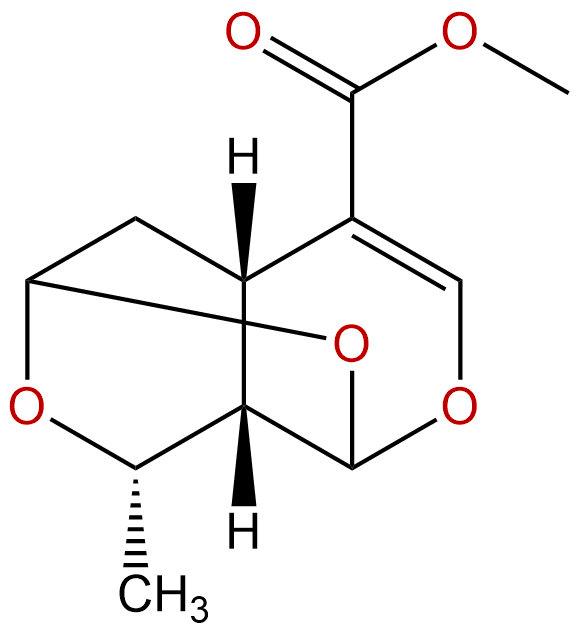


Product name: Sarracenin
Synonym name: 163959-61-3; Dehydromorroniaglycone
Catalogue No.: BP2009
Cas No.: 59653-37-1
Formula: C11H14O5
Mol Weight: 226.228
Botanical Source: Sarracenia flava
Physical Description:
Type of Compound:
Purity: 95%~99%
Analysis Method: HPLC-DAD or/and HPLC-ELSD
Identification Method: Mass, NMR
Packing: Brown vial or HDPE plastic bottle
The product could be supplied from milligrams to grams. Inquire for bulk scale.
We provide solution to improve the water-solubility of compounds, thereby facilitating the variety of activity tests and clinic uses.
For Reference Standard and R&D, Not for Human Use Directly.
HPLC of Sarracenin

Storage conditions:Short-term storage at 2~8℃, long-term storage at -20 ~ -80℃
53.9900
.5624
.5626
5.6447
3.1107
7.6657
High
31.8310
5.8814
Yes
No
Yes
No
Yes
No
0.9
No
No
Yes
Yes
Natural products, as an important source of drug discovery, play an irreplaceable role in the long history of human fight against diseases. According to statistics, about 60% of anti-tumor drugs worldwide are directly or indirectly derived from natural products and their derivatives. Iridoids are a class of natural monoterpenes with a cyclopentane [c] pyran core structure, widely found in various plants such as Rubiaceae, Lonicera japonica, and Scrophulariaceae, and have attracted much attention for their diverse biological activities. Dehydrated Sarracenin (CAS number: 59653-37-1), as a typical cyclohexene ether terpene compound, was originally derived from iris(Iris The isolation and identification of species from their roots and rhizomes have attracted the attention of researchers in recent years due to their selective cytotoxic activity against multiple myeloma (MM) cell lines.
Multiple myeloma is a hematological malignancy characterized by malignant clonal proliferation of plasma cells in the bone marrow, accounting for 10% -15% of all hematological tumors. Currently, it is still an incurable disease. Although new treatment methods such as proteasome inhibitors (such as bortezomib), immunomodulatory drugs (such as lenalidomide), and monoclonal antibodies have significantly improved the survival prognosis of patients, the development of drug resistance and disease recurrence remain major challenges in clinical practice. Therefore, the search for anti myeloma drugs with novel mechanisms of action has become a research hotspot in this field. Dehydrated mononucleoside has shown significant potential as a lead compound due to its unique chemical structure and potential anti-tumor activity, particularly its ability to regulate multiple myeloma related signaling pathways.
This article will provide a systematic review of the research status of dehydrated mononucleoside from multiple dimensions, including chemical structure and physicochemical properties, plant sources and extraction methods, pharmacological activity, mechanism of action and molecular targets, drug evaluation and pharmacokinetics, and clinical application prospects, in order to provide theoretical basis and reference for the in-depth development of this natural product.
Dehydrated mononucleoside belongs to a special subtype of iridoid compounds, and its chemical structure has typical iridoid skeleton characteristics. From the perspective of structural analysis, the compound has cyclopentane [c] pyran as the core mother nucleus, with a dihydropyran ring formed by an oxygen bridge connecting the C-1 and C-3 positions. A carboxylic acid methyl ester group (- COOCH ∝) is attached to the C-4 position, and a methyl substitution is present at the C-8 position. It is worth noting that, unlike common iridoid glycosides such as mononucleoside and loganin, dehydrated mononucleoside lacks sugar substitution at the C-1 position, which gives it stronger lipid solubility and better membrane permeability.
In terms of physicochemical properties, the molecular weight of dehydrated mononucleoside is 226.2280 g/mol, belonging to the category of small molecule compounds. Its lipid water partition coefficient (LogP) is 0.5624, indicating that the compound has moderate lipophilicity, which can maintain a certain solubility in aqueous environments and has the ability to cross biofilms. The topological polar surface area (TPSA) is 53.9900 Å ², which is lower than the recommended upper limit of 140 Å ² for oral drugs, indicating its good oral absorption potential. The water solubility parameter is 5.6447 mg/mL, indicating that the compound has good solubility in water, which provides convenient conditions for its formulation development.
Of particular note is that the blood-brain barrier (BBB) penetration ability of dehydrated mononucleoside was evaluated as "high". This characteristic is relatively rare in natural products, indicating that the compound may have the potential for central nervous system targeted therapy. However, for drug development with multiple myeloma as the main indication, high BBB penetration may pose a risk of central nervous system toxicity, which needs to be addressed in subsequent research. In addition, the hERG inhibition assessment was negative, indicating a low risk of the compound causing QT interval prolongation in the heart; The Ames test result is 0.9 (close to the positive threshold), indicating a possible genetic toxicity risk, which will be a key indicator to be examined in preclinical safety evaluation.
From the perspective of structure-activity relationship analysis, the α, β - unsaturated lactone structural units in the cyclohexene ether terpene skeleton of dehydrated mononucleoside are considered to be the key pharmacophores for its anti-tumor activity. This structure can covalently bind to cysteine residues in the target protein through Michael addition reaction, thereby regulating related signaling pathways. In addition, the methyl group at C-4 position may affect the metabolic stability of compounds, while the methyl group at C-8 position may participate in hydrophobic interactions with target proteins.
Dehydrated mononucleoside was initially isolated from plants of the Iris genus, Iris(Iris tectorum Maxim. is its main natural source. Iris plants belong to the Iridaceae family, with over 300 species worldwide, widely distributed in northern temperate regions. In China, iris grass has been used as a traditional Chinese medicinal herb for thousands of years. Its rhizome (also known as "Chuan She Gan") is believed to have the effects of clearing heat and detoxifying, expelling phlegm and clearing the throat in traditional Chinese medicine theory. It is commonly used to treat sore throat, phlegm and cough. Modern pharmacological research has confirmed that Iris plants contain abundant flavonoids, triterpenes, and cyclohexene ether terpenes, among which dehydrated mononucleoside is a recently discovered cyclohexene ether terpene component with significant biological activity.
In addition to iris, dehydrated mononucleoside has also been reported to exist in other plants, such as certain species of the Sarraceniaceae family, which is also the origin of its English name "Sarracenin". However, the content of dehydrated mononucleoside varies greatly among different plant sources and is influenced by various factors such as growth environment, harvest season, and plant location. Generally speaking, the content of dehydrated mononucleoside in the rhizomes of Iris is relatively high, making it the main industrial extraction material for this compound.
In terms of extraction methods, traditional solvent extraction remains the main means of obtaining dehydrated mononucleoside. Considering the polarity of the compound, an ethanol water mixed solvent (such as 70% ethanol) is usually used as the extraction solvent to obtain the crude extract through reflux extraction or cold soaking extraction. The extraction efficiency is significantly affected by parameters such as temperature, time, and solid-liquid ratio. Research has shown that under 60 ℃ conditions, using 10 times the amount of 70% ethanol reflux extraction for 2 hours can achieve a higher extraction rate. Subsequently, after vacuum concentration, the crude extract can be preliminarily purified by liquid-liquid extraction (such as extraction with petroleum ether, ethyl acetate, and n-butanol in sequence). Dehydrated mononucleoside is mainly enriched in the ethyl acetate extraction site.
Modern chromatographic separation techniques are widely used to further obtain high-purity dehydrated mononucleoside. Silica gel column chromatography is the most commonly used preliminary separation method, usually using chloroform methanol or petroleum ether acetone gradient elution systems. For the separation of cyclohexene ether terpenes with similar structures, reverse phase silica gel column chromatography (such as ODS-C18) shows better separation efficiency, using methanol water or acetonitrile water systems as mobile phases. High performance liquid chromatography (HPLC) technology can be used for final purification, and preparative HPLC combined with ultraviolet detector (detection wavelength is usually 240 nm, corresponding to the characteristic absorption of cyclohexene ether terpenes) can obtain dehydrated mononucleoside monomers with a purity of over 98%.
In recent years, with the promotion of green chemistry concepts, new extraction techniques such as supercritical fluid extraction (SFE) and microwave-assisted extraction (MAE) have also been applied to the extraction of iridoid compounds. These technologies have the advantages of short extraction time, low solvent dosage, and environmental friendliness, but their application in the extraction of dehydrated mononucleoside is not yet widely used, and their industrial feasibility needs further verification.
The pharmacological activity research of dehydrated mononucleoside mainly focuses on the anti-tumor field, especially its cytotoxic activity against multiple myeloma. Existing research evidence indicates that the compound exhibits varying degrees of proliferation inhibition on multiple tumor cell lines, with particular selectivity towards multiple myeloma cells.
Multiple myeloma cell lines (such as RPMI 8226, U266, MM.1S, etc.) exhibit high sensitivity to dehydrated mononucleoside. In vitro experimental data shows that dehydrated mononucleoside can significantly inhibit the viability of multiple myeloma cells after 48 hours of treatment. The half maximal inhibitory concentration (IC ₅₀) value is usually in the range of 5-20 μ M and is dose-dependent. It is worth noting that compared with normal peripheral blood mononuclear cells (PBMCs), dehydrated mononucleoside exhibits certain selective toxicity to myeloma cells, with a treatment window of about 3-5 times, providing a safety basis for its clinical application.
Further research has found that dehydrated mononucleoside is not only effective against drug sensitive myeloma cells, but also exhibits cytotoxic activity against bortezomib resistant strains (such as RPMI 8226/BTZ), suggesting its potential to overcome traditional chemotherapy drug resistance. This discovery is of great significance for the treatment of multiple myeloma, as acquired drug resistance is one of the main causes of treatment failure in patients.
In addition to multiple myeloma, dehydromogenin also showed certain cytotoxicity to breast cancer (MCF-7, MDA-MB-231), lung cancer (A549), liver cancer (HepG2) and other solid tumor cells, but the IC ₀ value was generally higher than that of multiple myeloma cells, indicating that it may have tumor type selectivity. This selectivity may be related to differences in the expression profiles of target proteins in different tumor cells.
Preliminary studies also suggest that dehydrated mononucleoside may have anti-inflammatory and antioxidant activities. In the lipopolysaccharide (LPS) - induced macrophage inflammation model, this compound can reduce the production of nitric oxide (NO) and prostaglandin E ₂ (PGE ₂), and inhibit the expression of pro-inflammatory cytokines such as TNF - α and IL-6. In addition, its antioxidant activity may be achieved by scavenging free radicals and upregulating the activity of antioxidant enzymes such as superoxide dismutase (SOD) and glutathione peroxidase (GPx). These non anti-tumor activities may provide clues for their application in inflammation related diseases, but related research is still in its infancy.
The mechanism of action of dehydrated mononucleoside against multiple myeloma involves the regulation of multiple signaling pathways and molecular targets, exhibiting characteristics of multi-target and multi pathway action. Based on existing research data, its core mechanisms can be summarized as follows:
Apoptosis is one of the main mechanisms by which dehydrated mononucleoside exerts its anti myeloma effect. Research has shown that this compound can induce apoptosis in myeloma cells through both endogenous (mitochondrial) and exogenous (death receptor) pathways.
Regulation of Bcl-2 Family Proteins Dehydrated mononucleoside treatment can significantly downregulate the expression of anti apoptotic proteins MCL1 (myeloid leukemia factor 1) and BCL2 (B-cell lymphoma 2), while upregulating the expression of pro apoptotic protein BAX. MCL1 and BCL2 are key anti apoptotic members of the Bcl-2 family, often highly expressed in multiple myeloma cells, and are important factors in maintaining tumor cell survival. The dual inhibition of dehydration mononucleoside on MCL1 and BCL2 can disrupt the balance between pro apoptotic and anti apoptotic proteins on the outer membrane of mitochondria, leading to loss of mitochondrial membrane potential, release of cytochrome c, and activation of Caspase cascade reaction. It is worth noting that BCL2L1 (Bcl xL), as another important anti apoptotic protein, is also regulated by dehydrated mononucleoside, further enhancing the pro apoptotic signal.
Activation of Caspase The Caspase family is a key protease involved in the execution of apoptosis. Dehydrated mononucleoside can activate both initiating Caspases (such as Caspase-8 and Caspase-9) and effector Caspases (such as Caspase-3). Among them, the activation of Caspase-8 suggests the involvement of the death receptor pathway, while the activation of Caspase-9 confirms the role of the mitochondrial pathway. Caspase-3, as a co executor of apoptosis, activation ultimately leads to DNA fragmentation and cytoskeletal disintegration.
Signal transducer and activator of transcription factor 3 (STAT3) is a key oncogenic transcription factor in the occurrence and development of multiple myeloma. In myeloma cells, STAT3 is typically in a sustained phosphorylation activated state, promoting the expression of anti apoptotic proteins (such as MCL1, BCL2) and cell cycle regulatory proteins. Dehydrated mononucleoside can significantly inhibit the phosphorylation of STAT3 (Tyr705 site), thereby blocking its nuclear translocation and transcriptional activity. The inhibition of STAT3 activity not only directly downregulates the expression of MCL1 and BCL2, but also reduces the secretion of angiogenic factors such as vascular endothelial growth factor (VEGF), indirectly inhibiting angiogenesis in the tumor microenvironment.
Nuclear factor kappa B (NF - κ B) is another transcription factor that is abnormally activated in multiple myeloma, involved in regulating inflammation, cell proliferation, and anti apoptotic responses. Dehydrated mononucleoside can inhibit the phosphorylation and nuclear translocation of RELA (p65) subunits, and reduce the transcriptional activity of NF - κ B. The inhibition of NF - κ B activity further downregulates its target gene products, including BCL2, BCL2L1, and Cyclin D1, thereby synergistically enhancing the induction of apoptosis.
Topoisomerase I (TOP1) is an essential enzyme in DNA replication and transcription processes, and is also a target for various anti-tumor drugs such as camptothecin. Molecular docking and enzyme activity experiments have shown that dehydrated mononucleoside can bind to the active site of TOP1, inhibit its catalytic activity, hinder the relaxation of DNA supercoiled structure, and subsequently cause DNA damage and cell cycle arrest. This mechanism provides a new explanation for the anti-tumor activity of dehydrated mononucleoside and suggests that it may have a different binding mode from camptothecin drugs.
ABCG2 (breast cancer resistance protein, BCRP) is an important member of the ATP binding cassette (ABC) transporter family. It is often overexpressed in multiple myeloma cells and mediates drug efflux leading to drug resistance. Dehydrated mononucleoside can downregulate the expression level of ABCG2, thereby increasing intracellular drug concentration and reversing drug resistance phenotype. In addition, the activity of protein kinase C alpha (PRKCA) is also inhibited by dehydrated mononucleoside, and the activation of PRKCA is associated with multiple resistance mechanisms, further enhancing the sensitivity of chemotherapy drugs through its inhibition.
The mitogen activated protein kinase (MAPK) pathway, especially the ERK (MAPK1) pathway, plays an important role in cell proliferation and survival. The regulation of MAPK1 by dehydrated mononucleoside is bidirectional: in sensitive cells, it mainly inhibits ERK phosphorylation, while in drug-resistant cells, it may restore cell sensitivity to apoptotic signals by inhibiting ERK overactivation. This sophisticated regulatory mechanism reflects the complexity of multi-target effects of natural products.
Overall, dehydrated mononucleoside exerts a "multidimensional attack" on multiple myeloma cells by simultaneously targeting multiple targets such as MCL1, BCL2, STAT3, NF - κ B, TOP1, ABCG2, PRKCA, MAPK1, etc. This multi-target mode of action not only enhances anti-tumor efficacy but may also reduce the risk of drug resistance caused by single target mutations.
In the process of transforming natural products into clinical drugs, the evaluation of drug performance is a crucial link. Dehydrated mononucleoside, as a lead compound, has both advantages and aspects that need to be optimized for its pharmacological properties.
According to Lipinski's "Rule of Five", the molecular weight of dehydrated mononucleoside (226.23 Da) is less than 500, the LogP (0.56) is less than 5, and the number of hydrogen bond donors (estimated to be 1-2) and hydrogen bond acceptors (estimated to be 5-6) is within an acceptable range, meeting the basic requirements for oral medication. The TPSA value is 53.99 Å ², below the threshold of 140 Å ², indicating good oral bioavailability potential. These physical and chemical parameters indicate that dehydrated mononucleoside has the basic drug like characteristics to become an oral medication.
At present, there is insufficient systematic research on the pharmacokinetics of dehydrated mononucleoside in vivo, but preliminary speculation can be made based on its structural characteristics. The ester bond (C-4 methyl ester) in the cyclohexene ether terpene skeleton may become a site for esterase hydrolysis in the body, leading to metabolic inactivation. In addition, the α, β - unsaturated lactone structures of iridoids may covalently bind to glutathione (GSH) through Michael addition, which is both a mechanism for their pharmacological activity and a pathway for metabolic clearance. Therefore, improving metabolic stability is one of the key directions for optimizing the structure of dehydrated mononucleoside.
As mentioned earlier, negative hERG inhibition indicates a lower risk of cardiac toxicity, which is a favorable safety feature. However, the Ames test results were close to the positive threshold (0.9), indicating that the compound may have a genetic toxicity risk. This result requires high attention, as genetic toxicity is a common "fatal injury" in drug development. Subsequent research should be confirmed through more comprehensive genetic toxicity tests, such as in vivo micronucleus tests and chromosome aberration tests, and explore the possibility of reducing genetic toxicity through structural modifications.
The high BBB penetration of dehydrated mononucleoside is both an advantage and a challenge. For the treatment of multiple myeloma, high BBB penetration may increase the risk of central nervous system toxicity, as myeloma cells mainly exist in the bone marrow rather than brain tissue. However, this characteristic may provide opportunities for the development of other indications, such as glioma. At the drug design level, prodrug strategies or formulation techniques (such as liposomes) can be used to regulate the tissue distribution of drugs and reduce brain exposure.
Based on the existing understanding of structure-activity relationships, the structural optimization of dehydrated mononucleoside can be carried out from the following aspects: (1) modifying the C-4 methyl ester group, such as introducing bioelectronic or prodrug groups, to improve metabolic stability; (2) Introducing appropriate substituents at C-1 position to regulate lipophilicity and target selectivity; (3) Modify the structure of α, β - unsaturated lactones to reduce genetic toxicity while maintaining activity; (4) Synthesize a series of derivatives, systematically study the structure-activity relationship, and search for candidate molecules with higher activity and lower toxicity.
Dehydrated mononucleoside, as a natural iridoid compound with unique chemical structure and multi-target mechanism of action, has shown promising application prospects in the treatment of multiple myeloma.
The treatment of multiple myeloma has entered the era of targeted therapy and immunotherapy, but the problem of drug resistance has always plagued clinical practice. The activity of dehydrated mononucleoside against bortezomib resistant strains, as well as its mechanism of action by regulating multiple resistance related signaling pathways such as MCL1, STAT3, NF - κ B, make it have the potential to overcome traditional drug resistance. In addition, the inhibitory effect of this compound on ABCG2 suggests that it may be used as a chemotherapy sensitizer in combination with existing drugs to improve efficacy.
Based on its multi-target action characteristics, the combined application of dehydrated mononucleoside and existing anti myeloma drugs deserves further exploration. For example, in combination with proteasome inhibitor (bortezomib), a synergistic effect may be achieved by simultaneously inhibiting the NF - κ B and STAT3 pathways; Combined with immunomodulatory drugs (lenalidomide), it may enhance immune-mediated tumor killing by regulating apoptotic proteins; Combined with BCL2 inhibitor (vinaclat), it may achieve comprehensive inhibition of Bcl-2 family proteins. These combination therapies are expected to provide new treatment options for drug-resistant or relapsed patients.
In addition to multiple myeloma, the activity of dehydromogenin against other hematological malignancies (such as acute myeloid leukemia and lymphoma) and solid tumors (such as breast cancer and lung cancer) deserves further evaluation. Especially its high BBB penetration gives it a unique advantage in the treatment of brain tumors. In addition, its anti-inflammatory activity suggests that it may be used to treat inflammation related diseases such as rheumatoid arthritis and inflammatory bowel disease.
Despite its broad prospects, the clinical translation of dehydrated mononucleoside still faces many challenges. Firstly, genetic toxicity risks need to be confirmed and avoided through systematic toxicological studies. Secondly, insufficient metabolic stability may lead to short half-life and low bioavailability in vivo, which needs to be improved through structural modification or novel drug delivery systems (such as nanomaterials). Again, although multi-target action is beneficial for anti-tumor activity, it may also lead to off target toxicity, requiring comprehensive safety evaluation. Finally, the large-scale synthesis and purification processes of natural products need to be further optimized to meet the needs of preclinical research and clinical trials.
Dehydrated mononucleoside, as a natural product of iridoids isolated and identified from traditional Chinese medicine Iris, has shown significant research value in the treatment of multiple myeloma due to its unique chemical structure and multi-target mechanism of action. This compound induces tumor cell apoptosis by regulating multiple molecular targets closely related to the occurrence and development of myeloma, such as MCL1, BCL2, STAT3, NF - κ B, TOP1, ABCG2, and has the potential to overcome drug resistance. The evaluation of drug properties shows that it has good drug like characteristics, but there are also shortcomings in genetic toxicity and metabolic stability.
The transformation from natural products to clinical drugs is a challenging path, and research on dehydrated mononucleoside is still in its early stages. Future research should focus on the following aspects: in-depth elucidation of the molecular mechanism of its anti myeloma effect, especially the identification of key targets and integrated analysis of signal networks; Conduct systematic research on drug metabolism and toxicology to clarify their in vivo fate and safety characteristics; By optimizing the structure and using medicinal chemistry methods, we aim to enhance activity, reduce toxicity, and improve pharmacokinetic properties; Explore reasonable combination therapy regimens to maximize their therapeutic potential.
Natural products have always been an important source of drug discovery, and the discovery and research of dehydrated mononucleoside once again confirms this viewpoint. In the context of precision medicine and targeted therapy, this natural product with multi-target action characteristics may provide new ideas and strategies for the treatment of complex diseases such as multiple myeloma. We have reason to believe that with the continuous deepening of research, dehydrated mononucleoside and its derivatives have the potential to become a new starting point for the development of anti myeloma drugs, bringing new hope to patients.
