Introduction/Overview
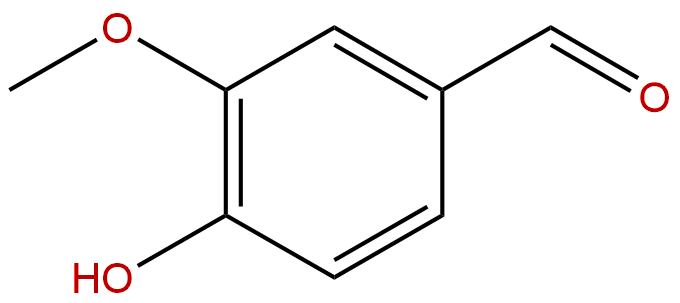
Vanillin, chemical name 4-hydroxy-3-methoxybenzaldehyde, CAS number 121-33-5, is the main aromatic compound that gives vanilla beans their characteristic sweet aroma. For a long time, it has been famous as a food flavor and perfume additive widely used in the world. However, beyond its sensory attributes, vanillin is showing increasing scientific value in the biomedical field. Modern pharmacological research has gradually revealed that this relatively simple structure of natural phenylpropanoid compounds contains diverse biological activities, especially in the regulation of the central nervous system. In recent years, research on its sedative, anti anxiety, neuroprotective and other activities has continued to deepen, and related molecular targets such as the gamma aminobutyric acid (GABA) system and serotonergic system have gradually become clear. This article aims to systematically review the chemical characteristics, sources, and extraction methods of vanillin, with a focus on its sedative related pharmacological activity, mechanism of action, and drug evaluation. It also looks forward to its clinical application prospects as a potential therapeutic agent or lead compound, in order to provide professional references for the research and development of natural product pharmacology.
Chemical structure and physicochemical properties
The molecular formula of vanillin is C8H8O3, with a molecular weight of 152.1490 g/mol. Its chemical structure consists of a benzene ring, which is connected to three substituents: methoxy (- OCH3), hydroxyl (- OH), and aldehyde (- CHO), with specific positions of 4-hydroxy and 3-methoxy. The structure of this ortho methoxy hydroxybenzaldehyde is the chemical basis for its aroma and various biological activities.
In terms of physical and chemical properties, vanillin is usually white to slightly yellow needle shaped crystals or crystalline powder, with a rich vanilla characteristic aroma and sweetness. Its lipid water partition coefficient (LogP) is about 1.3137, indicating that it has a certain degree of lipophilicity, but not highly hydrophobic. The theoretical polar surface area (TPSA) is 46.53 Å ², reflecting the presence of hydrogen bond donors (hydroxyl) and acceptors (aldehyde, methoxy) in the molecule. Its water solubility data (approximately 3.59 mg/mL) shows limited solubility in water, but it is soluble in organic solvents such as ethanol, ether, chloroform, and alkaline aqueous solutions. These properties directly affect their extraction, formulation, absorption, and distribution in organisms. It is worth noting that the aldehyde group of vanillin gives it certain chemical activity, making it prone to oxidation, reduction, and condensation reactions, which are also factors that need to be considered in its storage and in vivo metabolism.
Plant sources and extraction methods
The main natural source of vanillin is the mature pods of the orchid plant Vanilla planifolia, known as vanilla beans. During the fermentation and drying process of pods, endogenous β - glucosidase hydrolyzes the precursor substance of vanillin - vanillin glucoside, releasing free vanillin. This process is crucial for the formation of the unique flavor of vanilla. In addition, there are also small amounts of vanillin present in benzoin resin, certain pine lignin, and clove oil.
The traditional method for extracting natural vanillin mainly relies on solvent extraction. Organic solvents such as ethanol, acetone, or petroleum ether are commonly used to extract fermented and dried vanilla beans, followed by purification through concentration, crystallization, and other steps. However, natural extraction methods are expensive and have limited production, making it difficult to meet the huge market demand. Therefore, currently, the large-scale production of vanillin in industry is mainly obtained through chemical synthesis (such as using lignin or guaiacol as raw materials) or biotechnology (such as using microbial fermentation or plant cell culture). Although synthetic products are chemically identical to natural ones, vanillin derived from natural processes is more valuable in the food and high-end spice industries due to its flavor complexity and "natural" label. For pharmacological research, both naturally extracted and synthesized high-purity vanillin can be used as research objects, but their source and purity need to be clarified to ensure the accuracy and reproducibility of experimental results.
Pharmacological activity research
The pharmacological activity research of vanillin has surpassed its traditional spice category, exhibiting various biological effects, among which the central nervous system activity is particularly prominent.
1. Sedative and anti anxiety effects:
Numerous preclinical studies have confirmed that vanillin has clear sedative and anti anxiety like effects. Animal behavioral experiments have shown that intraperitoneal injection or oral administration of vanillin can significantly prolong the sleep time induced by pentobarbital sodium in mice, increase the proportion of animals falling asleep, and exhibit a synergistic sedative effect. In anxiety models such as elevated cross maze and light dark box, vanillin treatment can increase the exploration time and activity frequency of animals in open arms or bright areas. Its anti anxiety effect is similar to the classic drug diazepam, but may have a better safety profile.
2. Neuroprotective effect:
Research suggests that vanillin has protective potential against nerve damage induced by multiple factors. In cellular and animal models of oxidative stress, ischemia-reperfusion injury, or neurotoxic substances such as beta amyloid, vanillin can alleviate neuronal apoptosis, improve mitochondrial function, and reduce levels of oxidative damage markers. Its antioxidant activity (clearing free radicals and enhancing endogenous antioxidant enzyme activity) is considered one of the important mechanisms of neuroprotection.
3. Other biological activities:
In addition, vanillin has been reported to have anti-inflammatory, antibacterial, anti nociceptive (analgesic), anti sickle cell disease, and certain anti-tumor activities. These broad activities suggest that vanillin may exert its effects by regulating multiple signaling pathways, but its sedative effects are currently a relatively focused area of mechanism exploration.
Mechanism of action and molecular targets
The sedative mechanism of vanillin is complex, involving regulation of multiple neurotransmitter systems and their receptors, with main targets including GABAergic and serotonergic systems.
1. Regulation of GABAergic system:
Gamma aminobutyric acid (GABA) is the main inhibitory neurotransmitter in the central nervous system. Vanillin has been proven to positively regulate GABA receptor function. Research has shown that vanillin can enhance the effect of GABA on GABAA receptors, but does not directly act on the benzodiazepine binding site. Molecular docking and functional experiments suggest that vanillin may interact with specific subunits of GABAA receptors, such as α 1 (GABRA1), β 2 (GABRB2), and γ 2 (GABRG2), to enhance GABA mediated chloride ion influx through allosteric regulation, leading to neuronal hyperpolarization and producing sedative, anti anxiety, and anticonvulsant effects. This enhancing effect on the GABAergic system is one of the core mechanisms underlying the central inhibitory effect of vanillin.
2. Serotonin system regulation:
The serotonin (5-HT) system plays a crucial role in regulating emotions and wakefulness. The sedative and anti anxiety effects of vanillin also partially involve its regulation of the 5-HT system. Research has found that vanillin may exert its effects by activating the 5-HT1A receptor (HTR1A). 5-HT1A receptors are important self receptors and heteroreceptors, and their activation can lead to a decrease in neuronal excitability, producing anti anxiety and sedative effects. In addition, vanillin has been found to potentially affect the function of serotonin transporter (SLC6A4), regulating the reuptake of 5-HT in synaptic cleft, thereby indirectly altering 5-HTergic neurotransmission. These effects collectively contribute to its behavioral effects.
3. Other potential mechanisms:
In addition to the main targets mentioned above, the antioxidant and anti-inflammatory properties of vanillin may indirectly support its neuroprotective effects and improve pathological states related to anxiety and insomnia by reducing neuroinflammation and oxidative stress. Its aldehyde structure may participate in interactions with protein amino groups, affecting the function of certain enzymes or receptors, but the specific targets still need further clarification.
Evaluation of drug properties and pharmacokinetics
From the perspective of drug development, vanillin exhibits some favorable pharmacological characteristics, but there are also challenges.
1. Basic pharmacological parameters:
Vanillin has a small molecular weight (152 Da) and meets the basic requirements of the "five rules" of drug properties. Its LogP value (~1.31) is moderate, indicating good membrane permeability. The theoretical polar surface area (TPSA~46.5 Å ²) is relatively low, which is conducive to transmembrane transport. Of particular importance is that both predicted and experimental data indicate that vanillin has High blood-brain barrier permeability This is crucial for it to exert central nervous system activity. In terms of early warning indicators for security, existing data shows that HERG inhibition risk is negative The potential risk of cardiac toxicity is low. The Ames test results (usually reported as the ratio of the number of revertant colonies, where "1.2" needs to be determined based on specific experimental design, generally close to or slightly higher than 1 may indicate a low risk of mutagenicity, but caution should be exercised in interpretation) suggest that the genetic toxicity risk may be controllable, but a more comprehensive genetic toxicity assessment is still needed.
2. Pharmacokinetic characteristics:
Vanillin is rapidly absorbed after oral administration and has moderate bioavailability. It is widely and rapidly metabolized in the body, with the main metabolic pathways including: 1) Reduction: aldehyde groups are reduced to alcohol groups, producing vanillol; 2) Combination: Phenolic hydroxyl groups combine with glucuronic acid or sulfuric acid to form corresponding complexes; 3) Oxidation: O-demethylation may occur to generate protocatechualdehyde, etc. These metabolites are mainly excreted through urine. The rapid metabolism of vanillin may result in a short half-life in the body and difficulty in maintaining blood drug concentration, which may be one of the limitations of its direct use as a drug. However, its metabolites (such as vanillin) may also have biological activity and contribute to the overall effect.
3. Challenges and optimization directions:
Although vanillin itself has good brain permeability and preliminary safety screening characteristics, its limited water solubility and fast metabolic rate are the main pharmaceutical barriers. Future structural optimization strategies may include: preparing prodrugs (such as ester prodrugs to improve lipid solubility and stability), developing sustained-release formulations, or modifying their structures to enhance affinity, selectivity, and metabolic stability towards specific targets, thereby improving their pharmacokinetic properties.
Clinical application prospects and prospects
Vanillin, as a safe, edible, and naturally occurring compound with clear central activity, deserves further exploration of its clinical application prospects.
1. Direct application and functional food/health products:
Given its long-term safety record as a food additive, vanillin's most direct potential lies in the development of functional foods or dietary supplements for alleviating mild anxiety and improving sleep quality. The pleasant aroma itself may also produce a relaxing effect through the olfactory pathway, forming a synergistic effect with pharmacological effects.
2. As a lead compound for a novel sedative anti anxiety drug:
The core structure of vanillin provides valuable lead templates for medicinal chemists. By systematically modifying the benzene ring, methoxy group, hydroxyl group, and aldehyde group, it is expected to discover derivatives or analogues with stronger activity, higher selectivity, and more stable metabolism, which can be used to develop novel non benzodiazepine sedatives and anti anxiety drugs with less dependence, tolerance, and cognitive side effects.
3. Combination therapy and adjuvant therapy:
Vanillin or its optimized derivatives may be used as adjunctive drugs in combination with existing sedative hypnotic drugs to reduce the dosage of the latter and thus reduce adverse reactions. In addition, its potential in neuroprotection also suggests that it may have certain value in the adjuvant treatment of neurodegenerative diseases such as Alzheimer's disease or cerebral ischemic injury.
4. Challenges and future research directions:
Future research needs to delve deeper into the following areas: firstly, it is necessary to rigorously validate its sedative and anti anxiety effectiveness and long-term safety in higher-level animal models and final human clinical trials. Secondly, it is necessary to accurately elucidate the structural basis and structure-activity relationship of its interaction with various subtypes of GABAA receptors and 5-HT1A receptors. Thirdly, it is necessary to systematically evaluate the activity and toxicity of its metabolites. Finally, it is necessary to develop a suitable drug delivery system to overcome its pharmacokinetic shortcomings.
Conclusion
Vanillin, a familiar aromatic molecule derived from vanilla beans, is attracting researchers' attention with its unexpected pharmacological depth. From a wide range of edible spices to potential bioactive molecules with clear sedative, anti anxiety, and neuroprotective activities, their roles have undergone a significant transformation. Existing research has preliminarily revealed the molecular mechanism by which it exerts central inhibitory effects by regulating the GABAergic and serotonergic systems, and has shown good blood-brain barrier penetration and preliminary safety characteristics. Despite facing challenges such as rapid metabolism in direct drug development, vanillin is undoubtedly a highly valuable lead compound, providing unique chemical structure and mechanism of action insights for the design and development of new and safe sedative and anti anxiety drugs. With the continuous development of chemical biology, structural pharmacology, and formulation technology, in-depth research on vanillin and its derivatives will not only help to explore the modern medical value of this traditional natural product, but also provide useful examples for the research and development of innovative natural product drugs. In the future, interdisciplinary collaborative research is expected to truly push vanillin from the "kitchen" to the "pharmacy", benefiting human health.