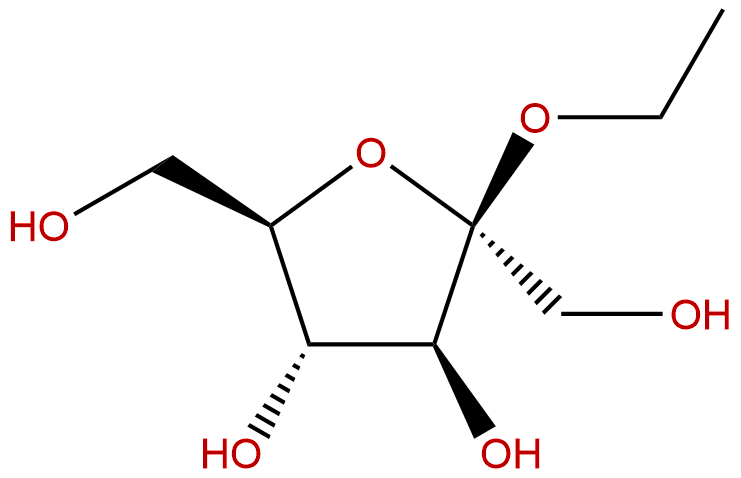


Product name: Ethyl β-D-fructofuranoside
Synonym name:
Catalogue No.: SBP01478
Cas No.: 1820-84-4
Formula: C8H16O6
Mol Weight: 208.21
Botanical Source:
Physical Description: Powder
Type of Compound: Saccharides
Purity: 95%~99%
Analysis Method: HPLC-DAD or/and HPLC-ELSD
Identification Method: Mass, NMR
Packing: Brown vial or HDPE plastic bottle
The product could be supplied from milligrams to grams. Inquire for bulk scale.
We provide solution to improve the water-solubility of compounds, thereby facilitating the variety of activity tests and clinic uses.
For Reference Standard and R&D, Not for Human Use Directly.
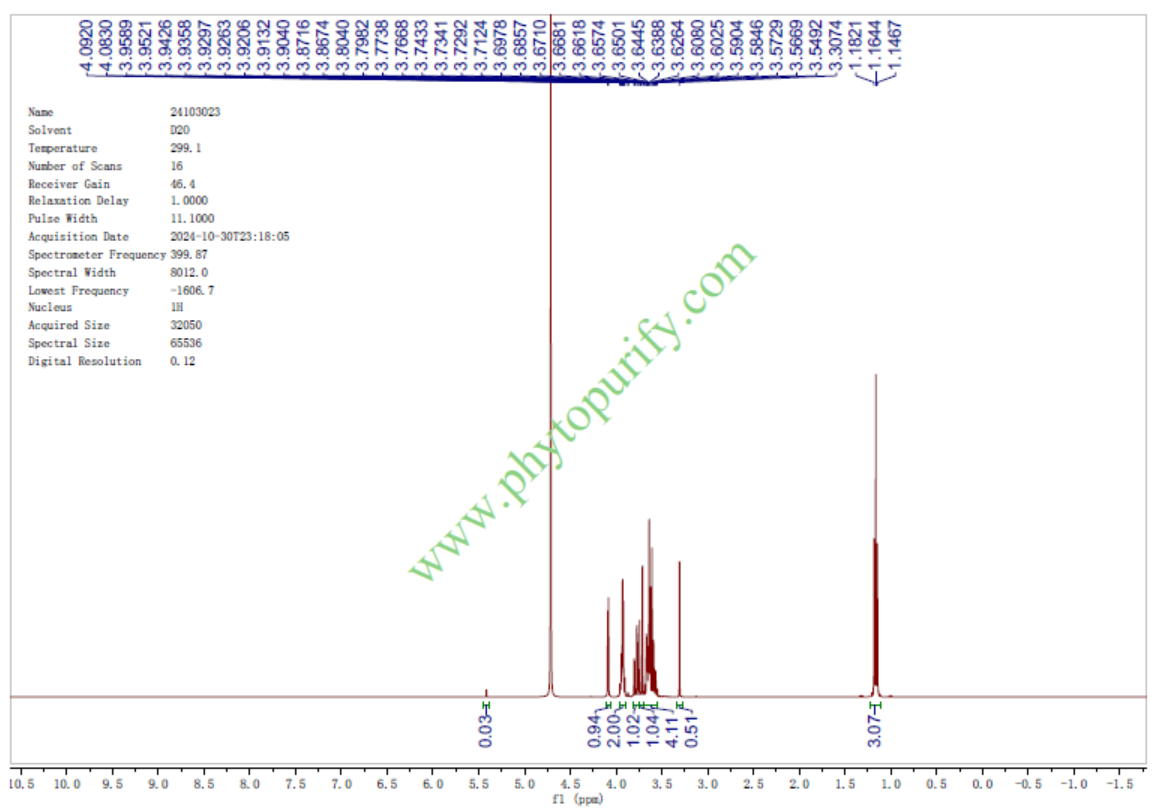
HNMR of Ethyl β-D-fructofuranoside
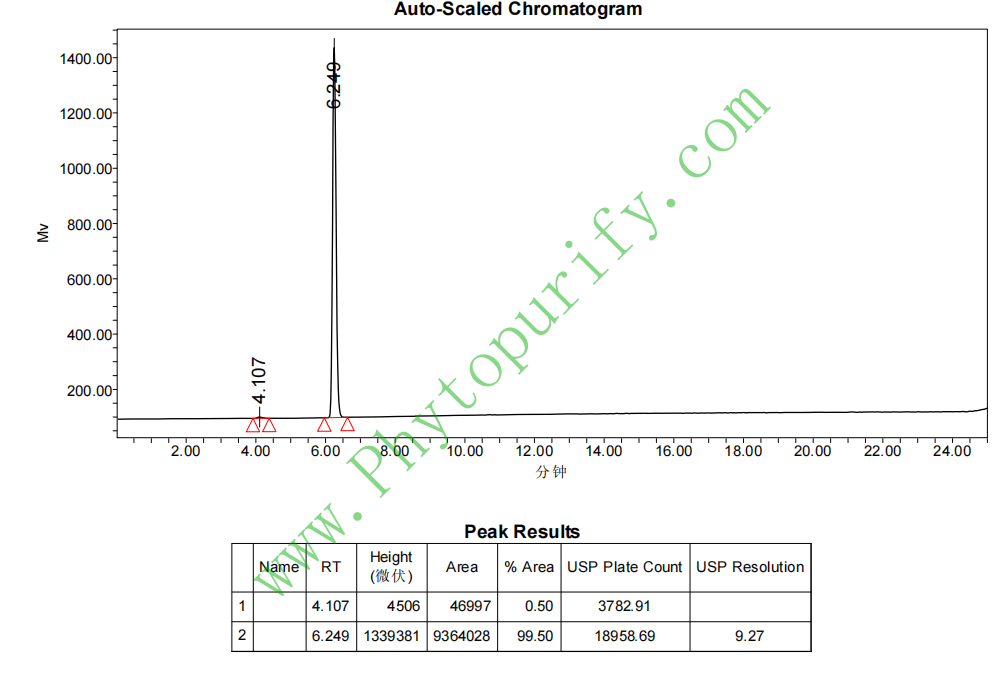
HPLC of Ethyl β-D-fructofuranoside
Storage conditions:Short-term storage at 2~8℃, long-term storage at -20 ~ -80℃
99.3800
-1.3719
-1.3719
96.1202
.4847
.9670
Low
12.9573
4.0409
Yes
No
No
No
Yes
No
0.6
Yes
Yes
Yes
Yes
Natural products, as an important source of drug discovery, play an irreplaceable role in the long history of human struggle against diseases. From classic plant medicines to modern targeted drugs, the diverse secondary metabolites in nature have always been the core resource for innovative drug development. Among numerous natural products, glycoside compounds have attracted much attention due to their unique physicochemical properties, extensive biological activity, and good biocompatibility. Ethyl β - D-fructofuranoside (EBF), as a relatively simple structure of fructofuranoside, has gradually entered the field of researchers in recent years. Although it is not a newly discovered compound, research on its biological activity, mechanism of action, and potential application value is gradually deepening, revealing the complex pharmacological functions that may be hidden behind this "simple" molecule.
The chemical structure of EBF is composed of one molecule of D-fructofuranate and one molecule of ethanol connected by a β - glycosidic bond, and belongs to the small molecule glycosidic compounds. Its CAS number is 1820-84-4 and its molecular weight is 208.21 Da. In nature, EBF is not a commonly distributed secondary metabolite, but is found in specific plants or fermentation products. Early research has mostly focused on its role as a food flavor precursor or fermentation intermediate, while recent pharmacological studies have begun to reveal its potential activities in anti-inflammatory, antioxidant, neuroprotective, and metabolic regulation. Given its low toxicity and high water solubility, EBF has shown unique appeal in the development of functional foods, health products, and drug lead compounds.
This article aims to systematically review the research status of ethyl - β - D-fructofuron glycoside, starting from its chemical structure and physicochemical properties, sorting out its plant sources and extraction methods, deeply analyzing its pharmacological activity, mechanism of action, and molecular targets, and evaluating its potential as a candidate molecule based on its pharmacological parameters. Finally, it looks forward to its clinical application prospects. By comprehensively integrating existing research data, this article aims to provide a professional reference for researchers in the field of natural product pharmacology on EBF and stimulate deeper exploration of this compound.
The chemical structure of ethyl - β - D-fructofuranoside is centered around D-fructofuranose as the sugar group. D-fructose mainly exists in the form of a pyran ring in solution, but in EBF, fructose exists in the form of a furan ring (pentagonal ring) and is connected to the ethoxy group (- OCH ₂ CH3) through a β - glycosidic bond. This structural feature endows EBF with unique chemical stability and reactivity. Compared to pyranoside bonds, furanoside bonds are more easily hydrolyzed under acidic conditions, but relatively stable in neutral or weakly alkaline environments. The molecular formula of EBF is C ₈ H ₁₆ O ₆, with an accurate mass of 208.0947 Da, which is consistent with the calculated value of 208.2100 Da.
In terms of physicochemical properties, EBF exhibits typical polar small molecule glycoside characteristics. Its lipophilic water partition coefficient (LogP) is -1.3719, indicating that the compound has strong hydrophilicity and much higher solubility in the aqueous phase than in the lipid phase. This characteristic is closely related to the presence of multiple hydroxyl groups (- OH) and an ether bond in its molecular structure. Specifically, the calculated water solubility (LogS) of EBF is 96.1202 mg/mL, indicating that it is a highly water-soluble compound. On the one hand, high water solubility is beneficial for its absorption and distribution in organisms, but on the other hand, it also limits its ability to passively diffuse across membranes, especially when passing through the blood-brain barrier (BBB). According to computational pharmacology predictions, the BBB penetration ability of EBF is evaluated as' low ', which means its concentration in the central nervous system may be low, but it also reduces the risk of central neurotoxicity.
Topological Polarity Surface Area (TPSA) is an important parameter for evaluating molecular polarity and oral absorption capacity. The TPSA of EBF is 99.38 Å ², which is slightly higher than the recommended threshold for oral medications (approximately 60-70 Å ²), indicating that its oral bioavailability may be limited. However, for glycoside compounds, glycosidases in the intestine may hydrolyze them into glycosides and aglycones, thereby altering their absorption characteristics. In addition, the molecular weight of EBF is less than 500 Da, which meets the basic requirements of the "five rules for drug like drugs". However, its hydrogen bond donor (5 hydroxyl groups) and acceptor (6 oxygen atoms) numbers are relatively high, which may affect its membrane permeability.
In terms of safety prediction, based on the computational toxicology model, the inhibitory risk of EBF on hERG potassium channels was evaluated as' no ', indicating a low potential risk of inducing QT interval prolongation and arrhythmia in the heart. The Ames test predicts a value of 0.6, which is generally considered negative (non mutagenic) if it is below 0.5. 0.6 is in the critical region, indicating a possible weak risk of mutagenicity, but further experimental verification is needed. Overall, the physicochemical properties of EBF determine its basic characteristics as a natural polar molecule: high water solubility, low fat solubility, low BBB penetration, and low cardiac toxicity. These properties provide a foundation for its application in specific disease fields such as peripheral inflammation and metabolic diseases, but also pose higher requirements for drug delivery strategies.
The distribution of ethyl - β - D-fructofuranoside in nature is relatively limited and it is not the main secondary metabolite commonly found in plants. The currently known natural sources mainly include certain medicinal plants, fermented foods, and specific microbial metabolites. For example, in the fruit of the traditional Chinese medicine Lycium barbarum, researchers identified the presence of EBF through chromatographic separation techniques, despite its low content. In addition, EBF has also been detected in the processed product of Panax ginseng, red ginseng, which may originate from the degradation or sugar transfer reaction of ginsenosides during processing. It is worth noting that EBF has also been reported in fermented foods such as wine, honey, and certain fermented dairy products. Its formation is usually related to the metabolic activity of yeast or bacteria, where microorganisms use fructose and ethanol to synthesize EBF under specific enzyme catalysis.
In addition to being naturally occurring, EBF can also be obtained through chemical synthesis or biocatalytic methods. Chemical synthesis typically starts with D-fructose and reacts with anhydrous ethanol in the presence of an acidic catalyst (such as p-toluenesulfonic acid) to selectively produce fructofuron glycosides by controlling reaction conditions (temperature, time, acid concentration). However, chemical synthesis often faces challenges in controlling regioselectivity and stereoselectivity, and the products may contain alpha isomers or other by-products. In contrast, enzymatic synthesis has more advantages. Using β - fructofuranosidase or fructosyltransferase, under the condition of ethanol as the acceptor molecule, catalyzing the transfer of fructosyl from the donor (such as sucrose) to ethanol, EBF can be efficiently and selectively synthesized. This method has mild conditions, environmental friendliness, and high product purity, making it a highly recommended preparation strategy in current research and application.
In terms of extraction and purification, due to the strong water solubility of EBF, traditional organic solvent extraction methods (such as chloroform and ethyl acetate) are difficult to effectively transfer it from the aqueous phase. Therefore, extracting EBF from plant materials usually uses water or aqueous alcohols (such as methanol, ethanol solution) as extraction solvents. After concentration, the extract can be preliminarily separated by macroporous adsorption resins (such as D101, HP-20), and eluted using different concentrations of ethanol water gradient. EBF is usually enriched in the 30% -50% ethanol elution site. Further purification can be achieved by preparative high-performance liquid chromatography (Prep HPLC) using hydrophilic interaction chromatography (HILIC) column or reverse phase C18 column, with acetonitrile water system as the mobile phase for isocratic or gradient elution. Due to the lack of strong UV absorbing groups in EBF, detection is usually carried out using evaporative light scattering detectors (ELSD) or mass spectrometry (MS) in combination. In addition, activated carbon column chromatography can also be used for decolorization and preliminary purification of glycoside compounds.
It is worth noting that EBF may undergo hydrolysis during the extraction process due to the action of endogenous enzymes in plants, such as glycosidases. Therefore, enzyme inactivation treatment (such as microwave heating, boiling water blanching, or liquid nitrogen freezing) is usually required on plant materials before extraction. Meanwhile, the extraction temperature should not be too high to avoid acid catalyzed hydrolysis of furan glycosidic bonds. Overall, the acquisition strategy of EBF has gradually evolved from early accidental discovery to a systematic approach combining targeted extraction, enzymatic synthesis, and efficient purification, providing a material basis for subsequent pharmacological research.
In recent years, there has been an increasing amount of research on the pharmacological activity of ethyl - β - D-fructofuranoside. Although it is still in the early stages of exploration overall, there is evidence to suggest that this compound exhibits potential biological effects in multiple disease models. The following is a review from four aspects: anti-inflammatory, antioxidant, neuroprotective, and metabolic regulation.
anti-inflammatory activity Inflammation is an important defensive response of the body to injury and infection, but excessive or sustained inflammatory response is the pathological basis of many chronic diseases (such as arthritis, atherosclerosis, inflammatory bowel disease). In vitro studies have shown that EBF can significantly inhibit the production of nitric oxide (NO) and prostaglandin E ₂ (PGE ₂) in macrophages (such as RAW264.7 cells) stimulated by lipopolysaccharide (LPS). Further research has found that EBF can downregulate the protein expression levels of inducible nitric oxide synthase (iNOS) and cyclooxygenase-2 (COX-2). In animal models, oral administration of EBF can alleviate carrageenan induced toe swelling in rats and reduce the levels of tumor necrosis factor - α (TNF - α) and interleukin-6 (IL-6) in inflammatory exudate. These results preliminarily suggest that EBF has anti-inflammatory potential, and its effect may be related to the inhibition of the NF - κ B signaling pathway.
antioxidant activity Oxidative stress is the result of an imbalance between the production of free radicals and the antioxidant defense system, and is closely related to aging, cardiovascular disease, neurodegenerative diseases, and other conditions. The antioxidant activity of EBF is mainly evaluated through chemical methods and cell models. In vitro chemical experiments, EBF exhibits scavenging ability against 1,1-diphenyl-2-trinitrophenylhydrazine (DPPH) free radicals, 2,2 '- diazo-bis-3-ethylbenzothiazoline-6-sulfonic acid (ABTS) cationic free radicals, and hydroxyl free radicals, but its half maximal scavenging concentration (IC ₅₀) is usually higher than classical antioxidants such as ascorbic acid or gallic acid, indicating moderate direct free radical scavenging ability. However, in cell models, EBF pretreatment can significantly reduce the levels of reactive oxygen species (ROS) induced by hydrogen peroxide (H ₂ O ₂) in liver cells (such as L02 cells) or neuronal cells (such as PC12 cells), and increase the activity of intracellular superoxide dismutase (SOD) and glutathione peroxidase (GSH Px). This indirect antioxidant effect may be related to its activation of the Nrf2/ARE signaling pathway.
Neuroprotective activity Due to the low BBB penetration of EBF, its neuroprotective activity was not initially expected. However, some studies suggest that EBF may indirectly affect the central nervous system by regulating peripheral immune or metabolic pathways. For example, in the Alzheimer's disease cell model induced by β - amyloid protein (A β), EBF treatment can reduce the aggregation of A β and the excessive phosphorylation of tau protein, while inhibiting the overactivation of microglia. In addition, in the model of cerebral ischemia-reperfusion injury, intraperitoneal injection of EBF can reduce the infarct volume, improve neurological function scores, and decrease the content of malondialdehyde (MDA) in brain tissue. Further verification is needed to determine whether these effects are entirely due to peripheral effects or whether EBF can partially enter the brain parenchyma under pathological conditions (such as when the blood-brain barrier is damaged). It is worth noting that the neuroprotective effect of EBF may be closely related to its anti-inflammatory and antioxidant mechanisms.
Metabolic regulatory activity The disorder of glucose metabolism is the core pathological link of metabolic syndrome such as diabetes and obesity. Preliminary research has found that EBF has a moderate inhibitory effect on alpha glucosidase and alpha amylase, suggesting that it may delay the digestion and absorption of carbohydrates, thereby helping to control postprandial blood sugar. In the 3T3-L1 preadipocyte differentiation model, EBF treatment can inhibit adipocyte differentiation, reduce lipid droplet accumulation, and downregulate the expression of peroxisome proliferator activated receptor gamma (PPAR gamma) and CCAAT enhancer binding protein alpha (C/EBP alpha). In addition, in the db/db diabetes mouse model, EBF can reduce fasting blood glucose, improve oral glucose tolerance, and reduce body weight after 4 weeks of continuous intragastric administration. These results suggest that EBF may have development value in the treatment of type 2 diabetes and obesity.
Other activities In addition to the main activities mentioned above, EBF has also been reported to have mild antibacterial activity (MIC values of mg/mL against Staphylococcus aureus and Candida albicans), immunomodulatory activity (promoting splenic lymphocyte proliferation), and hepatoprotective activity (protecting against carbon tetrachloride induced liver injury). However, these studies are mostly preliminary observations and lack in-depth mechanism exploration and in vivo validation.
Overall, the pharmacological activity spectrum of EBF is relatively broad, but most studies have limited depth and lack multi center, large sample validation. Its activity intensity is usually weaker than known positive drugs, but its low toxicity gives it a unique advantage in long-term use or as a functional food ingredient.
A deep understanding of the mechanism of action of ethyl - β - D-fructofuranoside is key to its clinical application. At present, the research on EBF molecular targets is not systematic, but based on existing pharmacological data, several possible signaling pathways and target networks can be preliminarily outlined.
NF - κ B signaling pathway NF - κ B is the core transcription factor of inflammatory response. In the resting state, NF - κ B binds to the inhibitory protein I κ B and exists in an inactive form in the cytoplasm. When cells are stimulated by LPS, TNF - α, etc., I κ B kinase (IKK) is activated, phosphorylates and degrades I κ B, and the released NF - κ B enters the nucleus, initiating the transcription of pro-inflammatory genes (such as iNOS, COX-2, TNF - α, IL-6). Research has shown that EBF can inhibit LPS induced phosphorylation and degradation of I κ B α, reduce nuclear translocation of the p65 subunit, and thus block the activation of the NF - κ B pathway. This mechanism can explain the phenomenon of EBF downregulating inflammatory factors in various inflammatory models. However, the target proteins directly targeted by EBF are not yet clear, and may be achieved by intervening in IKK activity or upstream Toll like receptor 4 (TLR4) signaling.
Nrf2/ARE signaling pathway Nuclear factor E2 related factor 2 (Nrf2) is the main regulator of cellular antioxidant defense. Under normal conditions, Nrf2 binds to Keap1 and is degraded by ubiquitination. Oxidative stress or electrophilic agents can modify the cysteine residues of Keap1, leading to the release and translocation of Nrf2 into the nucleus, which binds to antioxidant response elements (ARE) and initiates the expression of downstream antioxidant enzymes (SOD, GSH Px, heme oxygenase-1 HO-1, etc.). EBF treatment can increase nuclear accumulation of Nrf2 and upregulate the expression of HO-1 and quinone oxidoreductase 1 (NQO1). Molecular docking simulations suggest that EBF may form hydrogen bonds with specific amino acid residues of Keap1 protein through its hydroxyl group, interfering with Keap1-Nrf2 interactions and activating the Nrf2 pathway. This mechanism provides a molecular basis for the antioxidant and cell protective activities of EBF.
MAPK signaling pathway The mitogen activated protein kinase (MAPK) family includes three main branches: ERK, JNK, and p38, which are involved in regulating cell proliferation, differentiation, stress response, and apoptosis. In inflammation and oxidative stress models, EBF was found to inhibit LPS or H ₂ O ₂ - induced phosphorylation of p38 and JNK, with little effect on ERK phosphorylation. Inhibition of p38 and JNK helps reduce the production of inflammatory factors and cell apoptosis. However, there is still a lack of direct evidence on whether EBF directly binds to MAPK kinase (MKK) or upstream signaling molecules.
PPAR γ and Fat Metabolism PPAR γ is a key nuclear receptor for adipocyte differentiation and lipid metabolism. EBF inhibits the expression of PPAR γ and its target genes (such as aP2 and LPL) in 3T3-L1 cells, consistent with its anti adipogenic effect. However, whether EBF directly binds to the receptor ligand binding domain as an antagonist of PPAR γ or indirectly regulates PPAR γ through upstream signaling (such as the Wnt/β - catenin pathway) still needs to be confirmed through direct binding experiments such as surface plasmon resonance (SPR) or fluorescence polarization.
Potential direct target exploration Given the glycosidic structure of EBF, a reasonable hypothesis is that it may act on sugar metabolism related enzymes or sugar binding proteins. For example, EBF may act as a weak inhibitor of certain glycosidases (such as alpha glucosidase, beta fructosyltransferase), or interact with lectins on the cell surface, thereby affecting cellular signal transduction. In addition, the ethyl portion of EBF may endow it with a certain hydrophobic interaction ability, allowing it to embed into cell membranes or bind to membrane receptors. At present, there have been no reports on unbiased target identification techniques based on affinity chromatography, drug affinity reaction target stability (DARTS), or thermal proteomics analysis (TPP), which will be an important direction for future mechanism research.
Overall, the mechanism of action of EBF exhibits the characteristics of multi-target and multi pathway, which is in line with the natural product's "multi-component, multi-target" mode of action. Its anti-inflammatory, antioxidant, and metabolic regulatory activities may be achieved through cross regulation of pathways such as NF - κ B, Nrf2, and MAPK. However, current research still remains at the level of phenomenon description and pathway association, lacking confirmation of direct molecular targets. In the future, it is necessary to combine chemical biology, structural biology, and systems pharmacology methods to systematically identify the binding proteins of EBF and elucidate their structure-activity relationships.
The evaluation of drug properties is an essential key step in pushing natural products from laboratory discoveries to clinical applications. The pharmacological characteristics of ethyl - β - D-fructofuron glycoside can be systematically evaluated from three aspects: physicochemical properties, pharmacokinetics (ADME), and safety.
Physical and chemical properties and drug like properties As mentioned earlier, the molecular weight of EBF is 208.21 Da, which meets the requirement of molecular weight less than 500 in the "Five Rules for Drugs". Its LogP is -1.37, much lower than 5, indicating strong hydrophilicity. Although high hydrophilicity is beneficial for aqueous dissolution, it is not conducive to passive diffusion across membranes, which may lead to poor oral absorption. The TPSA is 99.38 Å ², which is higher than the recommended 60-70 Å ² for oral medications, indicating the possibility of lower membrane permeability. In addition, the number of hydrogen bond donors in EBF is 5, and the number of hydrogen bond acceptors is 6, both of which are at a high level, further limiting its passive absorption. Overall, the physicochemical properties of EBF are more inclined towards water-soluble molecules rather than atypical oral small molecule drugs, with a moderate to low drug efficacy rating.
Pharmacokinetic prediction The ADME prediction based on computer simulation shows that the oral bioavailability of EBF may be low. High water solubility and low LogP value mean that it is difficult to pass through the lipid bilayer of small intestinal epithelial cells. However, for glycosidic compounds, glycosidases present in the intestine (such as lactase root bark glycoside hydrolase and sucrase isomaltase) may hydrolyze EBF into fructose and ethanol, thereby altering absorption characteristics. Therefore, the oral absorption of EBF may depend on the monosaccharide transport pathway after enzymatic hydrolysis, rather than the transmembrane transport of intact molecules. Once it enters the bloodstream, EBF, due to its high polarity, is mainly distributed in the extracellular fluid and may have a lower binding rate with plasma proteins. Its metabolism may mainly be through glycosidase hydrolysis by liver or intestinal microbiota, as well as subsequent fructose metabolism pathways. In terms of excretion, due to its small molecular weight and high polarity, EBF and its metabolites may be mainly excreted through the kidneys in their original form or metabolite form. It is worth noting that the BBB penetration ability of EBF is predicted to be low, which limits its application in central nervous system diseases, but also reduces the risk of central toxicity.
safety evaluation Safety is the cornerstone of drug development. Based on computational toxicology, the inhibitory risk of EBF on hERG potassium channels is' no ', indicating a low risk of cardiac toxicity. The predicted value of Ames test is 0.6, which is in the critical positive range, indicating the possibility of weak mutagenicity. However, this predicted value needs to be experimentally verified through standard bacterial reverse mutation test (Ames test). In addition, there have been no detailed reports on the acute toxicity of EBF in rodents, but based on the safety data of its structural analogues (such as other fruit glycosides), it is speculated that its acute toxicity may be relatively low. The research on long-term toxicity, reproductive toxicity, and carcinogenicity is still blank. It is worth noting that EBF, as a natural component in food fermentation products, has a long history of human exposure and no serious adverse reactions have been reported, providing preliminary epidemiological evidence for its safety.
Optimization strategy for drug properties Given the limitations of EBF in terms of physicochemical properties and pharmacokinetics, if it is to be developed as an oral drug, the following optimization strategies need to be considered: (1) prodrug design: by esterifying or etherification modifying the hydroxyl group of EBF, its lipid solubility and membrane permeability can be improved, and the original drug can be released in vivo through enzymatic interpretation; (2) Nano delivery system: using liposomes, polymer nanoparticles, or phospholipid complexes to encapsulate EBF, improving its oral absorption and bioavailability; (3) Structural modification: Introducing hydrophobic groups (such as alkyl chains and aromatic rings) while retaining the active groups, optimizing LogP and TPSA values; (4) Non oral administration route: Given its high water solubility, the development of injections, transdermal patches, or nasal administration formulations can be considered to bypass the oral absorption barrier.
Based on comprehensive drug evaluation, EBF has the advantages of low toxicity, high water solubility, and easy synthesis, but its main shortcomings are low oral bioavailability and poor BBB penetration. Therefore, EBF is more suitable for development as a topical, injectable, or functional food ingredient, rather than a traditional oral small molecule drug. For specific indications (such as peripheral inflammation and metabolic diseases), the drug efficacy is expected to be significantly improved through rational formulation methods or structural modifications.
Based on current research progress, ethyl - β - D-fructofuranoside has shown potential application prospects in multiple disease fields, but there are still many challenges to its true clinical translation.
Functional foods and health products Given that EBF naturally exists in traditional health foods such as goji berries and honey, and has antioxidant, anti-inflammatory, and blood glucose regulating activities, it has natural advantages as a functional food ingredient or dietary supplement. High water solubility makes it easy to add to beverages, dairy products, or solid drinks. Low toxicity ensures the safety of long-term consumption. In the future, standard goji berry extracts with EBF as a signature ingredient can be developed, or they can be used as prebiotics for functional evaluation. However, it should be clarified that as a food ingredient, the amount of EBF added must comply with regulatory requirements, and its health claims must be supported by sufficient clinical evidence.
Treatment of metabolic diseases EBF's inhibitory activity on α - glucosidase and the in vivo and in vitro evidence for improving glucose and lipid metabolism make it a potential candidate for the treatment of type 2 diabetes and obesity. Compared with existing alpha glucosidase inhibitors such as acarbose, the inhibitory activity of EBF may be weaker, but its natural source and potential side effects may be smaller. By optimizing its structure to enhance its enzyme inhibitory activity or combining it with other hypoglycemic drugs, new adjuvant therapeutic drugs may be developed. In addition, the anti adipogenic activity of EBF suggests its potential value in the treatment of non-alcoholic fatty liver disease (NAFLD) and deserves further exploration.
Inflammatory diseases The anti-inflammatory activity of EBF has been validated in various models, but its strength of action is weaker than classical steroidal or nonsteroidal anti-inflammatory drugs. Therefore, EBF is more suitable for long-term management of chronic, mild to moderate inflammation, such as osteoarthritis, ulcerative colitis, or allergic dermatitis. Local administration (such as topical cream, enema) can avoid the disadvantage of poor oral absorption, directly act on the lesion site, increase local drug concentration, and reduce systemic side effects. Developing local formulations of EBF may be a shortcut to its clinical translation.
Neurodegenerative diseases Although EBF has low BBB penetration, considering the critical role of neuroinflammation in Alzheimer's and Parkinson's diseases, EBF may indirectly affect central nervous system inflammation by regulating peripheral immune cells (such as regulatory T cells) or releasing anti-inflammatory factors. In addition, in pathological states of BBB damage (such as stroke, traumatic brain injury), EBF may enter the brain parenchyma to exert a direct protective effect. Therefore, the application of EBF in the field of neuroprotection requires precise localization based on specific disease stages and administration strategies.
Future research directions To accelerate the clinical translation of EBF, future research should focus on the following directions: (1)target validation Using chemical biology methods such as photoaffinity labeling and biotinylated probes to identify the direct binding protein of EBF and elucidate its molecular mechanism; (2)Study on Structure Activity Relationship Systematically synthesize analogues of EBF (such as altering glycosyl, aglycone, or glycosidic bond configurations), identify essential functional groups, and guide structural optimization; (3)Pharmacokinetic experiments Conduct research on ADME in animals to clarify the oral bioavailability, tissue distribution, metabolic pathways, and excretion kinetics of EBF; (4)Formulation development Explore delivery technologies such as liposomes, cyclodextrin inclusion complexes, and phospholipid complexes to improve the oral absorption or targeted delivery efficiency of EBF; (5)Preclinical safety evaluation Complete standardized studies on acute toxicity, long-term toxicity, reproductive toxicity, and genetic toxicity to provide data support for clinical trial applications; (6)clinical research: In a strictly designed randomized controlled trial, evaluate the effectiveness and safety of EBF in specific indications (such as pre diabetes, mild inflammation).
Ethyl - β - D-fructofuranoside, a seemingly simple molecule of fructofuranoside, is gradually moving from the corner of food chemistry to the forefront of natural product pharmacology. This article systematically reviews its chemical structure, physicochemical properties, plant origin, extraction methods, pharmacological activity, mechanism of action, evaluation of drug properties, and clinical application prospects. Existing evidence suggests that EBF has multiple pharmacological activities including anti-inflammatory, antioxidant, neuroprotective, and metabolic regulation. Its mechanism of action involves key signaling pathways such as NF - κ B, Nrf2, and MAPK. This compound has high water solubility, low toxicity, and good safety prediction, but its low oral bioavailability and poor BBB penetration are its main bottlenecks in drug development.
The research status of EBF presents the characteristics of "broad activity but shallow mechanism, huge potential but insufficient transformation". It is neither a powerful 'bombshell' drug nor a worthless inert molecule, but more like a jade to be finely crafted. In the future, through in-depth target confirmation, rational structural modification, and innovative formulation strategies, EBF is expected to find its unique application positioning in functional foods, metabolic disease adjuvant therapy, and local anti-inflammatory fields. For natural product researchers, EBF reminds us that even in the most familiar field of glycochemistry, there are still untapped pharmacological treasures. Continued attention and in-depth research on these "simple" molecules may not only lead to new therapeutic strategies, but also enrich our understanding of the complexity of interactions between natural products and organisms.
