Norbergenin: A systematic review from natural antioxidants to multi-target antidepressant candidate molecules
Introduction/Overview
Natural products, as an important source of drug discovery, play an irreplaceable role in the long struggle between humans and diseases. Bergenin, as a classic natural product of isocoumarins, is widely present in various plants such as the family Saxifragaceae and Euphorbiaceae. It has long been highly regarded for its significant pharmacological activities such as cough relief, phlegm removal, anti-inflammatory, and liver protection. However, with the deepening of research on structural modification and structure-activity relationship, the ortho demethylated derivative of kaempferol, norbergenin (CAS number: 79595-97-4), has gradually entered the field of researchers, demonstrating unique biological characteristics and potential therapeutic value.
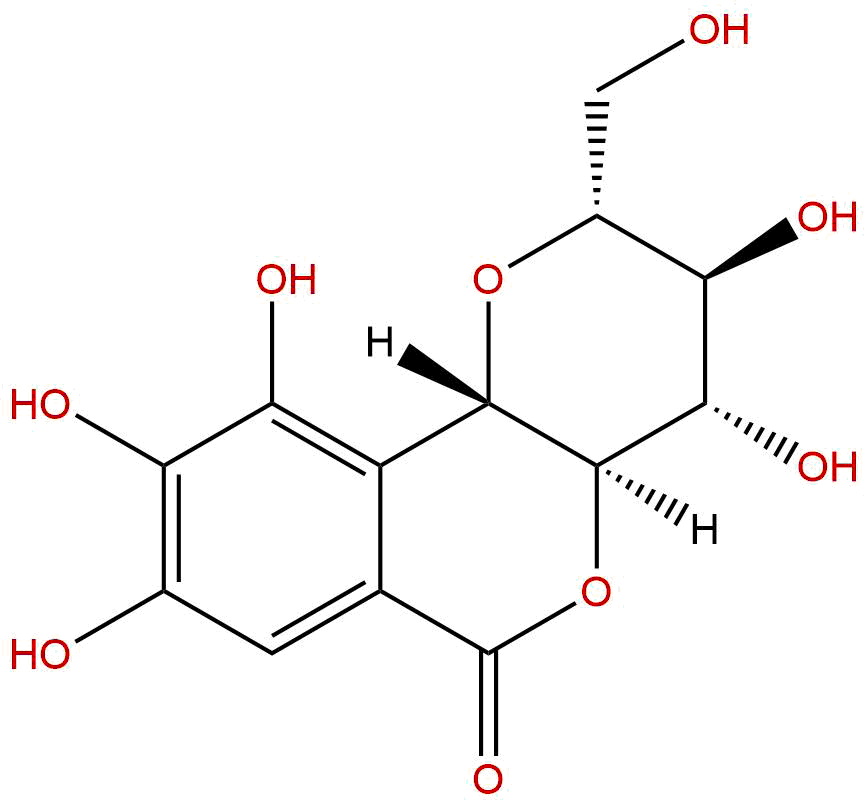
The structural feature of dejia rock white cabbage extract is that the number of phenolic hydroxyl groups in its molecule increases by one compared to rock cabbage extract. This seemingly small structural change brings significant functional differences. From a chemical perspective, the additional phenolic hydroxyl group endows the molecule with stronger electron donor ability, resulting in moderate but clear activity in free radical scavenging - with a half maximal inhibitory concentration (IC50) of 13 μ M for DPPH radicals and 32 μ M for superoxide anions. This antioxidant activity, although not top-notch, lays the foundation for its potential application in oxidative stress-related diseases.
What is even more remarkable is that pharmacological studies on norepinephrine in recent years have revealed its enormous potential in the treatment of neurological diseases, especially depression. Through a multi-target mechanism, this compound can simultaneously regulate multiple targets closely related to the pathogenesis of depression, including monoamine oxidase A/B (MAOA/MAOB), glycogen synthase kinase 3 β (GSK3B), serotonin transporter (SLC6A4), serotonin 1A receptor (HTR1A), gamma aminobutyric acid type A receptor alpha 1 subunit (GABRA1), cAMP response element binding protein 1 (CREB1), brain-derived neurotrophic factor (BDNF), and catechol-O-methyltransferase (COMT). The characteristic of multi-target synergistic effect coincides with the current trend of psychiatric treatment shifting from "single target high selectivity" to "multi-target system regulation".
This article will provide a systematic review of norepinephrine, a natural product, from multiple dimensions including chemical structure, plant origin, pharmacological activity, molecular mechanism, pharmacological evaluation, and clinical application prospects. The aim is to provide comprehensive academic references for the in-depth research and development of this compound.
Chemical structure and physicochemical properties
Molecular structural characteristics
The chemical name of desmopyrazine is 2,3,4,6-tetrahydroxy-5- (hydroxymethyl) -10-methoxy-3,4,4,4a, 10b-tetrahydro-2H-pyrano [3,2-c] isochromene-6 (2H) - one, with a molecular formula of C13H14O9 and a molecular weight of 314.2460. From a structural classification perspective, this compound belongs to the natural product class of isocoumarins. Its core skeleton is a benzopyranone structure, with a glucose unit connected to the C-2 position to form a C-glycosidic structure.
The key structural difference between demethylated lapis lazuli and its parent compound lapis lazuli is that the methoxy group at C-11 position is replaced by a hydroxyl group, resulting in adjacent demethylation. This change increased the total number of phenolic hydroxyl groups in the molecule from four to five, significantly altering the electron distribution and hydrogen bond donor ability of the molecule. Specifically, the five phenolic hydroxyl groups are located at positions C-2, C-3, C-4, C-6, and C-11, respectively. The hydroxyl group at position C-11 forms an ortho substitution pattern with the methoxy group at position C-10, which may affect the interaction mode between the molecule and biological targets.
Physical and chemical property parameters
The physicochemical properties parameters of dejia rock white cabbage provide important basis for the evaluation of its medicinal properties. The lipid water partition coefficient (LogP) of this compound is -0.8815, indicating its strong hydrophilicity, which is consistent with its abundant phenolic hydroxyl structure in the molecule. The polar surface area (TPSA) is as high as 156.9100 Å ², which is much higher than the recommended upper limit of 140 Å ² for oral medications, indicating that this compound may face challenges in terms of membrane permeability.
In terms of water solubility, the calculated water solubility value of desmopyrrhizin is 20.6451 mg/mL, which is above average, providing favorable conditions for its absorption and distribution in organisms. However, high water solubility is often accompanied by low fat solubility, which may be an important reason for its low blood-brain barrier penetration ability (blood-brain barrier penetration rating is "low"). For central nervous system targeted drugs, the ability to penetrate the blood-brain barrier is one of the key factors determining their efficacy, and this characteristic will be further discussed in the subsequent drug efficacy evaluation section.
Spectral characteristics and identification methods
The structural identification of desmopyrrhizin usually relies on nuclear magnetic resonance spectroscopy (NMR) and mass spectrometry (MS) techniques. In the ¹ H NMR spectrum, aromatic proton signals typically appear in the δ 6.5-7.5 ppm region, while the proton signals of the sugar moiety are concentrated in the δ 3.0-5.0 ppm region. In the ¹ ³ C NMR spectrum, the carbonyl carbon signal of lactone appears at δ 160-170 ppm, and the carbon signal of the sugar end group appears at δ 100-110 ppm. High resolution mass spectrometry (HR-ESI-MS) can provide accurate molecular weight information, and the theoretical value of its [M+H] ⁺ ion peak is 315.0716, which can be used to confirm the molecular formula.
Plant sources and extraction methods
Natural source plants
De Jia Yan Bai Cai Su, as a derivative of Yan Cai Su, usually coexists with Yan Cai Su in various plants. At present, the plants reported to contain norepinephrine mainly include the following categories:
-
Tiger ear grass family plants This family of plants is an important source of lignin compounds. For example, plants in the Bergenia genus such as Bergenia crassifolia and Bergenia purpurpurascens contain norepinephrine in their roots, stems, and leaves. These plants are commonly used in traditional medicine to treat cough, bleeding, and inflammatory diseases.
-
Euphorbiaceae plants Euphorbia plants such as Euphorbia hirta have also been reported to contain norepinephrine. It is worth noting that there is a significant difference in the content of norepinephrine from different plant sources, which is closely related to factors such as their growth environment, harvesting season, and plant location.
-
Other plants The presence of norepinephrine has also been detected in some plants of the Myrsinaceae and Combretaceae families and genera. In addition, certain fungal or microbial metabolites may also contain this compound, but related research is not yet sufficient.
Extraction and Separation Purification Methods
The extraction of dejia rock white cabbage extract usually adopts solvent extraction method, which is based on the good solubility of the compound in polar solvents. Common extraction solvents include methanol, ethanol, acetone, and their aqueous solutions. To improve extraction efficiency, researchers often adopt the following strategies:
- Ultrasound assisted extraction Using the cavitation effect of ultrasound to destroy plant cell walls, accelerate solvent penetration and target substance dissolution. Usually 70% ethanol is used as the extraction solvent, with a solid-liquid ratio of 1:10-1:20, ultrasonic power of 200-400 W, and extraction time of 30-60 minutes.
- Backflow extraction Mix plant powder with solvent and heat to reflux, control the temperature at 60-80 ℃, and extract for 2-4 hours. This method is easy to operate, but some thermosensitive components may degrade due to high temperatures.
- Microwave assisted extraction By utilizing the polar molecular heating effect of microwaves, the extraction time can be significantly shortened (usually 10-20 minutes), and the extraction efficiency is relatively high.
After concentration, the extraction solution is usually purified through liquid-liquid extraction. Due to the moderate polarity of norepinephrine, ethyl acetate or n-butanol are commonly used extraction solvents. Further separation and purification mainly rely on chromatographic techniques:
- Silica gel column chromatography The gradient elution using chloroform methanol or ethyl acetate methanol system can achieve the preliminary separation of demethylated kaempferol from kaempferol and other polar similar components.
- Reverse phase column chromatography Using C18 or C8 bonded silica gel and elution with methanol water or acetonitrile water system, the separation effect is better than that of normal phase chromatography.
- Preparation type high-performance liquid chromatography For high-purity requirements, preparative HPLC can be used, typically using a C18 column with methanol water (30:70 to 50:50, v/v) as the mobile phase and detection wavelength of 270-280 nm.
Content determination method
The quantitative analysis of desmopyrrhizin mainly adopts high-performance liquid chromatography (HPLC), combined with ultraviolet detector (UV) or diode array detector (DAD). The chromatographic conditions are usually: C18 reverse phase chromatography column (250 mm × 4.6 mm, 5 μ m), mobile phase of methanol-0.1% phosphoric acid aqueous solution (30:70 to 40:60, v/v), flow rate of 1.0 mL/min, detection wavelength of 275 nm. This method has a wide linear range (usually 0.1-100 μ g/mL), and both precision and recovery rate meet the analytical requirements.
Pharmacological activity research
antioxidant activity
The antioxidant activity of desmopyrrhizin is one of its earliest confirmed pharmacological properties. Multiple in vitro studies have shown that this compound can effectively scavenge various free radicals, including DPPH free radicals, superoxide anion free radicals, hydroxyl free radicals, etc.
In the DPPH radical scavenging experiment, desmopyrrhizin showed moderate activity with an IC50 value of 13 μ M. Although this activity is lower than the classical antioxidants vitamin C (IC50 of about 5 μ M) and quercetin (IC50 of about 3 μ M), considering the synergistic effect of the five phenolic hydroxyl groups in its molecular structure, it still has value for further development. It is worth noting that the scavenging ability of desmopyrrhizin on superoxide anions (IC50=32 μ M) is slightly weaker than that on DPPH radicals, which may be related to the different reaction mechanisms of the two radicals - DPPH radical scavenging mainly relies on hydrogen atom transfer (HAT) mechanism, while superoxide anion scavenging involves more electron transfer (SET) mechanism.
In addition to direct free radical scavenging, desmopyrrhizin may also indirectly exert antioxidant effects by chelating transition metal ions (such as Fe ² ⁺, Cu ² ⁺). The coordination between phenolic hydroxyl groups and metal ions can inhibit the Fenton reaction, thereby reducing the generation of hydroxyl radicals. In addition, the inhibitory effect of the compound on lipid peroxidation reaction has also been validated in cell models.
Antidepressant activity
In recent years, the antidepressant activity of norepinephrine has become a research hotspot. Depression is a complex neurological and psychiatric disorder, involving multiple mechanisms such as the monoamine neurotransmitter system, hypothalamic pituitary adrenal axis, neurotrophic factors, and neuroinflammation. Norepinephrine exhibits potential antidepressant effects through a multi-target mode of action.
In the classic forced swimming test (FST) and tail suspension test (TST), norepinephrine significantly shortened the immobility time of mice in a dose-dependent manner. It is worth noting that its antidepressant effect begins to manifest 30-60 minutes after administration, suggesting the possibility of a rapid onset mechanism. Compared with traditional selective serotonin reuptake inhibitors (SSRIs), the mechanism of action of norepinephrine is more complex, possibly involving regulation of the monoaminergic system, glutamatergic system, and neurotrophic factor signaling pathway simultaneously.
Other pharmacological activities
In addition to antioxidant and antidepressant activities, desmopyrrhizin also exhibits various other pharmacological activities:
- anti-inflammatory activity In a macrophage model stimulated by lipopolysaccharide (LPS), norepinephrine can inhibit the release of pro-inflammatory factors such as TNF - α, IL-6, IL-1 β, and reduce the expression of inducible nitric oxide synthase (iNOS) and cyclooxygenase-2 (COX-2). Its anti-inflammatory mechanism may be related to the inhibition of nuclear factor kappa B (NF - κ B) and mitogen activated protein kinase (MAPK) signaling pathways.
- Neuroprotective activity In the glutamate induced neuronal damage model, norepinephrine can alleviate cell apoptosis and improve cell survival rate. Its neuroprotective effect may be related to its antioxidant activity and regulation of the BDNF signaling pathway.
- Hepatoprotective activity In the liver injury model induced by carbon tetrachloride (CCl ₄), norepinephrine can reduce serum transaminase levels and alleviate liver tissue pathological damage. Its mechanism may be related to the synergistic effect of antioxidant and anti-inflammatory effects.
Mechanism of action and molecular targets
Inhibition mechanism of monoamine oxidase
De Jia Yan Bai Cai Su has inhibitory effects on both monoamine oxidase A (MAOA) and monoamine oxidase B (MAOB), which is an important molecular basis for its antidepressant activity. MAO is a key enzyme that catalyzes the oxidation and deamination of monoamine neurotransmitters such as serotonin, norepinephrine, and dopamine. Its excessive activity can lead to a decrease in neurotransmitter levels in synaptic cleft, thereby inducing depressive symptoms.
Molecular docking studies have shown that the phenolic hydroxyl group of desmopyrrhetinic acid can form hydrogen bonds with key amino acid residues at MAO active sites (such as Tyr398, Tyr435), while its isocoumarin skeleton binds to FAD cofactors through π - π stacking. Compared with selective MAO inhibitors, the inhibitory activity of norepinephrine on MAOA and MAOB is comparable, and this non selective inhibition may lead to a wider range of neurotransmitter regulatory effects.
Regulation of GSK3B signaling pathway
Glycogen synthase kinase 3 β (GSK3B) is a key regulatory factor in multiple signaling pathways, and its abnormal activity is closely related to mental illnesses such as depression and bipolar disorder. Norepinephrine can inhibit the activity of GSK3B, thereby affecting the Wnt/β - catenin signaling pathway and BDNF/TrkB signaling pathway.
Specifically, the inhibition of GSK3B leads to the accumulation and translocation of β - catenin in the cytoplasm to the nucleus, activating the transcription of downstream target genes such as c-Myc and Cyclin D1. At the same time, the decrease in GSK3B activity can enhance BDNF induced TrkB receptor phosphorylation, promote CREB activation and BDNF expression, and form a positive feedback regulatory loop. These molecular events collectively promote neuronal survival, synaptic plasticity, and neurogenesis.
5-hydroxytryptamine system regulation
The effects of norepinephrine on the serotonin system involve multiple levels. Firstly, this compound can inhibit the activity of serotonin transporter (SLC6A4), reduce the reuptake of serotonin in synaptic cleft, and thus increase its effective concentration. Secondly, norepinephrine can act as an agonist of the 5-hydroxytryptamine 1A receptor (HTR1A), and upon activation of this receptor, it can regulate adenylate cyclase activity through the Gi protein mediated signaling pathway, affecting the cAMP PKA CREB signaling cascade.
It is worth noting that the activation of HTR1A receptors is not only involved in antidepressant effects, but also related to anti anxiety, improved cognitive function, and other effects. This dual mechanism of action (inhibition of reuptake+receptor activation) may give norepinephrine unique advantages in antidepressant treatment.
GABAergic system and neuroplasticity
Gamma aminobutyric acid type A receptor alpha 1 subunit (GABRA1) is a component of the central nervous system's major inhibitory receptor GABAA. Norepinephrine can enhance the function of GABAA receptors, increase chloride ion influx, and thus exert sedative and anti anxiety effects. This mechanism may be related to its auxiliary role in antidepressant treatment, as patients with depression often have anxiety symptoms.
In addition, the regulatory effect of desmopyrrhizin on CREB1 and BDNF is a key mechanism for its promotion of neural plasticity. CREB1, as a transcription factor, regulates the expression of various neurotrophic factors and anti apoptotic proteins, including BDNF. BDNF activates the PI3K/Akt and MAPK/ERK signaling pathways by binding to TrkB receptors, promoting synaptic formation and neuronal survival. Norepinephrine can simultaneously upregulate the phosphorylation level of CREB1 and the expression of BDNF, forming a molecular environment conducive to neuroplasticity.
COMT activity regulation
Catechin-O-methyltransferase (COMT) is a key enzyme involved in the metabolism of catecholamine neurotransmitters such as dopamine and norepinephrine. The inhibitory effect of norepinephrine on COMT can reduce the degradation of dopamine and norepinephrine, thereby enhancing their signaling. This mechanism works synergistically with MAO inhibition to maintain the homeostasis of monoamine neurotransmitters in synaptic cleft.
Evaluation of drug properties and pharmacokinetics
Analysis of drug properties
Based on the Lipinski Rule of Five, the drug properties of norepinephrine were evaluated: molecular weight 314.2460 (<500), LogP -0.8815 (<5), hydrogen bond donor number (phenolic hydroxyl+alcohol hydroxyl) of 6 (>5, violating the rule), and hydrogen bond acceptor number of 9 (<10). This compound violates a rule (excessive number of hydrogen bond donors), indicating a potential challenge in membrane permeability.
From a structural perspective, although the abundant phenolic hydroxyl groups in the molecule of norepinephrine endow it with good antioxidant activity and water solubility, it also leads to a high polar surface area and hydrogen bond donor ability, which is not conducive to its passive diffusion across cell membranes. However, for central nervous system targeted drugs, the ability to penetrate the blood-brain barrier is more critical than just cell membrane permeability.
Blood-brain barrier penetrability
The blood-brain barrier penetration ability rating of desmopyrrhizin is "low", which is one of the main challenges it faces as an antidepressant candidate drug. The blood-brain barrier is composed of brain capillary endothelial cells and their tight connections, which have a strict limiting effect on polar molecules. The high polarity and low fat solubility of norepinephrine make it difficult to cross the blood-brain barrier through passive diffusion.
However, it is worth noting that certain natural products can enter brain tissue through carrier mediated transport mechanisms. For example, glucose transporter (GLUT1) can recognize certain glycoside compounds and transport them into the brain. The glucose unit in the molecule of norepinephrine may make it a substrate for GLUT1, thereby overcoming the blood-brain barrier barrier barrier to some extent. In addition, intranasal administration can also bypass the blood-brain barrier and directly deliver drugs to the brain, which may be the direction for optimizing future drug delivery methods.
safety evaluation
The Ames test results showed that the mutagenicity score of norepinephrine was 1.2, indicating a low risk of genetic toxicity. The hERG inhibition assessment is' no ', indicating that the risk of the compound causing QT interval prolongation in the heart is relatively low. These safety data provide favorable conditions for the further development of dejia rock white cabbage extract.
However, there is still relatively limited research on the systemic toxicity of desmopyrrhizin. Existing acute toxicity experiments have shown that the compound has a high LD50 in animal models and a wide safety window. Long term toxicity, reproductive toxicity, carcinogenicity and other studies still need to be conducted to comprehensively evaluate their safety.
Pharmacokinetic characteristics
At present, there is insufficient systematic research on the pharmacokinetics of norepinephrine, but based on its physicochemical properties and studies of similar compounds, preliminary inferences can be made:
- absorb After oral administration, norepinephrine may be partially absorbed in the gastrointestinal tract. Its high water solubility facilitates dissolution in gastrointestinal fluids, but its low fat solubility limits its passive diffusion through intestinal epithelial cells. It is speculated that its oral bioavailability is low, and dosage form optimization (such as liposomes, nanoparticles, etc.) may be needed to improve absorption efficiency.
- distribution Due to limited ability to penetrate the blood-brain barrier, the distribution of norepinephrine in brain tissue may be low. Its distribution volume may be small, mainly distributed in blood and extracellular fluid.
- Metabolism Norepinephrine may undergo phase II metabolic reactions, including glucuronidation and sulfation, which mainly occur in the liver and intestines. Phenolic hydroxyl is the main site of phase II metabolism, and metabolites may lose some pharmacological activity.
- excretion Norepinephrine and its metabolites may be mainly excreted through the kidneys, and bile excretion may also be involved.
Clinical application prospects and prospects
New strategies for antidepressant treatment
Depression has become one of the main sources of global disease burden, and existing drug treatments have limitations such as slow onset, low efficacy, and multiple side effects. The multi-target mode of action of norepinephrine provides a new approach for antidepressant treatment. Compared with traditional SSRIs drugs, demethylated colchicine simultaneously regulates multiple processes such as the monoamine system, neurotrophic factors, GABAergic system, and oxidative stress, which may achieve more comprehensive symptom improvement.
Of particular note is that the inhibitory effect of norepinephrine on GSK3B may endow it with the potential for rapid onset of action. In recent years, the rapid antidepressant effects of NMDA receptor antagonists such as ketamine have attracted widespread attention, and GSK3B is considered one of the key downstream targets of ketamine's antidepressant effects. As a GSK3B inhibitor, norepinephrine may achieve rapid antidepressant effects through a similar signaling pathway, while avoiding the addictive and psychotic side effects of ketamine.
The possibility of combination therapy
Based on its multi-target action characteristics, norepinephrine may have a synergistic effect with other antidepressant drugs. For example, when used in combination with SSRIs, norepinephrine can reduce neurotransmitter metabolism by inhibiting MAO and COMT, enhancing the efficacy of SSRIs; When used in combination with bupropion (a dopamine and norepinephrine reuptake inhibitor), it can simultaneously enhance the function of three monoamine systems.
In addition, the antioxidant activity of norepinephrine may help alleviate oxidative stress in patients with depression, improve mitochondrial function, and enhance neuronal energy metabolism and survival ability. This multi mechanism synergistic effect may make norepinephrine an ideal adjuvant drug in antidepressant combination therapy.
Structural modification and optimization
The chemical structure of desmopyrrhizin provides multiple sites for its structural modification. To address the issue of low blood-brain barrier penetration ability, optimization can be achieved through prodrug design strategies. For example, esterification or etherification modification of phenolic hydroxyl groups can enhance the lipid solubility of molecules and promote their crossing of the blood-brain barrier. After entering the brain tissue, the prodrug can be hydrolyzed by endogenous esterases or oxidases, releasing active parent compounds.
In addition, modifying the sugar moiety may also alter the pharmacokinetic characteristics of the molecule. For example, introducing acetyl or methyl groups can improve lipid solubility, while introducing phosphate or amino acids may improve water solubility and targeting. These structural modifications need to be carried out while maintaining or enhancing pharmacological activity, and a balance needs to be found between activity and drug formation.
Formulation development and administration route
Given that the oral bioavailability of norepinephrine may be low, the development of novel drug delivery systems is key to enhancing its clinical application value. Formulations such as nanoliposomes, polymer nanoparticles, and solid dispersions can improve the solubility and dissolution rate of drugs, enhancing their absorption. Especially for brain diseases, brain targeted nano delivery systems (such as transferrin modified nanoparticles and glucose modified nanoparticles) can achieve brain targeted delivery of drugs.
Nasal administration is an effective way to bypass the blood-brain barrier and achieve drug delivery to the brain. The intranasal administration of norbergenin (such as nasal gel and nasal spray) can directly enter the brain tissue through the olfactory nerve and trigeminal nerve pathway to avoid the first pass effect and improve the bioavailability. This administration route is particularly suitable for the treatment of acute depressive episodes that require rapid onset of action.
Challenges faced in clinical translation
Although norepinephrine has shown promising application prospects, its clinical translation still faces multiple challenges:
- Pharmacokinetic optimization Improving the blood-brain barrier penetration ability and oral bioavailability is an urgent issue that needs to be addressed. Pre drug design and novel drug delivery systems may be effective solutions.
- Pharmacodynamic validation At present, the antidepressant activity of desmopyrazine is mainly based on in vitro experiments and animal models, and its efficacy and safety still need to be validated in clinical trials.
- mass production The content of norepinephrine in plants is usually low, and the development of chemical or biological synthesis methods is the key to achieving large-scale production.
- Intellectual Property Protection The patent protection of natural products faces challenges and requires the establishment of intellectual property barriers through structural modifications or the development of new uses.
Conclusion
As a natural demethylated derivative of kaempferol, demethylated kaempferol has demonstrated unique value in the field of natural product drug development due to its unique chemical structure and multi-target pharmacological activity. The research process of this compound, from moderate antioxidant activity to multi-target antidepressant effect, reflects the paradigm shift of natural products from "single activity discovery" to "systematic pharmacology analysis".
From a chemical structure perspective, the five phenolic hydroxyl groups endow norepinephrine with abundant hydrogen bond donor ability and free radical scavenging activity, but also bring challenges in membrane permeability. From the perspective of pharmacological activity, this compound achieves multi-level intervention on the pathogenesis of depression by simultaneously regulating multiple targets such as MAOA/MAOB, GSK3B, SLC6A4, HTR1A, GABRA1, CREB1, BDNF, and COMT. From the perspective of drug development, good safety features and modifiable chemical structures lay the foundation for its further development.
Looking ahead to the future, research on norepinephrine should focus on the following directions: firstly, to further elucidate the molecular mechanisms of its multi-target effects, especially the role of the GSK3B signaling pathway in rapid antidepressant treatment; The second is to optimize its pharmacokinetic characteristics through prodrug design and nano delivery system, and increase the concentration of drugs in the brain; Thirdly, conduct systematic preclinical toxicology research and clinical trials to verify its safety and effectiveness; The fourth is to explore its potential applications in other neurological diseases such as anxiety disorders, Alzheimer's disease, and Parkinson's disease.
The research on desmopyrrhizin not only provides new candidate molecules for the development of antidepressant drugs, but more importantly, it demonstrates the unique advantages of natural products as lead compounds for multi-target drugs. Today, with the increasing emphasis on precision medicine and systems pharmacology, this "multi-target, multi mechanism" natural product is expected to provide new solutions for the treatment of complex diseases. With the deepening of research and the advancement of technology, the transformation of norepinephrine from the laboratory to clinical practice is worth looking forward to.