Introduction/Overview
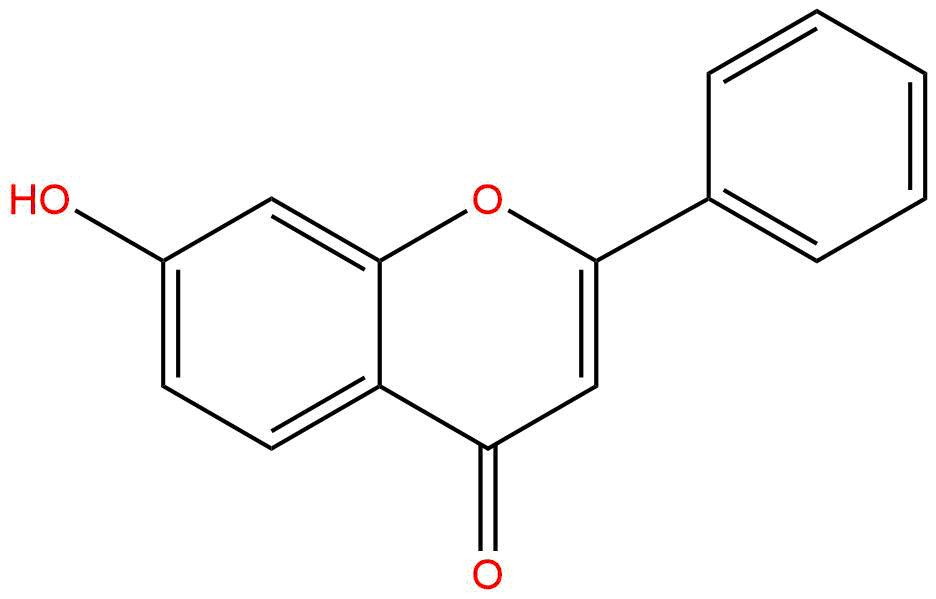
Natural products have always been an important source of drug discovery and development, and their structural diversity and unique biological activity have made indelible contributions to human health. Among the diverse natural products, flavonoids have attracted much attention due to their extensive pharmacological activities, such as antioxidant, anti-inflammatory, anti-tumor, neuroprotective, etc. The basic parent nucleus of flavonoids is 2-phenylchromone, and small structural differences such as the substitution positions and quantities of hydroxyl and methoxy groups can often lead to significant changes in biological activity. 7-Hydroxyflavone (CAS number: 6665-86-7), as a member of the flavonoid family, is characterized by the presence of a hydroxyl group at position 7 of the chromophore nucleus. This simple structural modification endows it with a unique spectrum of biological activity.
7-Hydroxyflavone originated from traditional medicinal plants Clerodendrum phlomidis The plant is isolated from the Indian traditional medicine Ayurveda and used to treat inflammation, rheumatism, diabetes and other diseases. Subsequent studies have found that 7-hydroxyflavonoids are not only present in a single plant, but are widely distributed in various plant communities, such as legumes, labiaceae, Asteraceae, etc. They are one of the active ingredients in many medicinal plants. Early research mainly focused on its anti-inflammatory activity, revealing its mechanism of exerting anti-inflammatory effects by inhibiting cyclooxygenase-2 (COX-2) and 5-lipoxygenase (5-LOX), making it a potential multi-target anti-inflammatory lead compound.
In recent years, with the deepening of research, the pharmacological activity spectrum of 7-hydroxyflavonoids has been continuously expanded. Especially noteworthy is its potential in the field of neuroprotection. Research has shown that 7-hydroxyflavonoids can protect kidney cells from nicotine induced cytotoxicity by activating the ERK/Nrf2/HO-1 signaling pathway, suggesting their value in combating oxidative stress-related diseases. In addition, it has been found to inhibit pyruvate kinase M2 (PKM2) with an IC50 as low as 2.12 μ M, providing new clues for its application in anti-tumor metabolic reprogramming. Meanwhile, its potential regulatory role on Alzheimer's disease (AD) related targets such as β - amyloid precursor protein (APP), β - secretase 1 (BACE1), microtubule associated protein Tau (MAPT), and apoptosis related proteins BCL2 and CASP9 further highlights its research value in the treatment of neurodegenerative diseases.
This review aims to comprehensively and systematically review the research progress of 7-hydroxyflavone, covering its chemical structure and physicochemical properties, plant sources and extraction methods, pharmacological activity, mechanism of action, drug evaluation and pharmacokinetic characteristics. It also looks forward to its clinical application prospects, in order to provide reference for the in-depth research and development of this natural product.
Chemical structure and physicochemical properties
The chemical name of 7-hydroxyflavone is 7-hydroxy-2-phenyl-4H-chromene-4-one, with a molecular formula of C15H10O3 and a molecular weight of 238.24 g/mol. Its core skeleton consists of A ring, C ring (chromone moiety), and B ring (phenyl group). The 7-carbon atom on the A ring is connected to a phenolic hydroxyl group (- OH), which is a key structural feature that distinguishes it from other flavonoids. The presence of this hydroxyl group not only affects the polarity, acidity, and hydrogen bonding ability of the molecule, but also serves as an important pharmacophore for its various biological activities.
From the perspective of physical and chemical properties, 7-hydroxyflavone is a light yellow to yellow crystalline powder with a certain melting point (about 240-242 ° C). Its LogP value is 2.80, indicating that the compound has moderate lipid solubility, which allows it to penetrate biological membranes, including the blood-brain barrier (BBB), well. In fact, its blood-brain barrier penetration ability has been evaluated as "high", which lays an important pharmacokinetic foundation for its application in central nervous system diseases. Its topological polar surface area (TPSA) is 50.44 Å ², which conforms to the general rules of oral medication (usually<140 Å ²), indicating its good oral absorption potential. However, its water solubility is poor, with a calculated water solubility of only 0.0175 mg/mL, which may be one of the main factors limiting its in vivo bioavailability. In addition, preliminary toxicity predictions indicate that 7-hydroxyflavonoids have no inhibitory activity on hERG potassium channels (hERG inhibition: No), and the Ames test result is 0.6, suggesting a low genetic toxicity risk and good safety. These physicochemical properties and early safety assessment results make it a candidate molecule worth further development.
Plant sources and extraction methods
7-Hydroxyflavone is widely distributed in nature, initially originating from plants in the family Lamiaceae Clerodendrum phlomidis Isolation and identification of roots or whole plants. In addition to this primary source, it is also an active ingredient in many other medicinal plants, such as:
- Leguminous plants Like licorice(Glycyrrhiza uralensis)Soybeans(Glycine max)Wait.
- Asteraceae plants Like dandelions(Taraxacum mongolicum)Purple cone chrysanthemum(Echinacea purpurea)Wait.
- Lamiaceae plants: Except Clerodendrum phlomidis Externally, it also exists in Scutellaria baicalensis(Scutellaria baicalensis)Waiting in the plants.
- Other Like Ginkgo biloba(Ginkgo biloba)Propolis, etc.
Given its wide range of plant sources, the extraction method of 7-hydroxyflavonoids is mainly based on classical flavonoid compound extraction processes, combined with modern separation and purification techniques. Common extraction methods include:
1. Solvent extraction method This is the most traditional method. Usually, methanol, ethanol, acetone, or their aqueous solutions are used as extraction solvents to dissolve 7-hydroxyflavonoids from plant materials through methods such as cold soaking, percolation, or reflux extraction. Due to the phenolic hydroxyl group of 7-hydroxyflavonoids, the extraction effect is better under alkaline conditions (such as using dilute sodium hydroxide solution), but attention should be paid to avoiding long-term high temperature that may cause oxidative degradation.
2. Ultrasound assisted extraction (UAE)Utilizing the cavitation effect of ultrasound to accelerate the rupture of plant cell walls and promote the release of target compounds has the advantages of short extraction time, high efficiency, and low solvent dosage.
3. Microwave assisted extraction (MAE)Using microwave energy to selectively heat plant cells, rapidly increasing the temperature and pressure inside the cells, thereby disrupting cell structure and accelerating the dissolution of active ingredients.
The crude extract after extraction usually needs further separation and purification to obtain high-purity 7-hydroxyflavonoids. Common purification techniques include:
- Column chromatography method: such as silica gel column chromatography, polyamide column chromatography, dextran gel (Sephadex LH-20) column chromatography, etc. Separate based on the difference in adsorption capacity between 7-hydroxyflavone and other coexisting components on the adsorbent.
- High performance liquid chromatography (HPLC)Especially preparative HPLC, which can achieve high-purity and high recovery separation, is the main means of obtaining standards or conducting in-depth research.
- High Speed Counter Current Chromatography (HSCCC)A chromatographic technique based on liquid-liquid distribution principle, which avoids the irreversible adsorption problem caused by solid stationary phase and is suitable for the separation of flavonoids.
Pharmacological activity research
The pharmacological activity research of 7-hydroxyflavone has expanded from its initial anti-inflammatory activity to multiple fields such as neuroprotection, anti-tumor, antioxidant, etc., demonstrating its multi effect characteristics.
1. Anti inflammatory activity
Anti inflammation is the most classic and extensively studied pharmacological activity of 7-hydroxyflavonoids. Its mechanism of action is mainly reflected in the dual inhibition of key enzymes in the arachidonic acid metabolism pathway. Arachidonic acid generates prostaglandins (PGs) under the action of COX-2 and leukotrienes (LTs) under the action of 5-LOX, both of which are important inflammatory mediators. 7-hydroxyflavone can simultaneously inhibit COX-2 (IC50 of 27 µ g/mL) and 5-LOX (IC50 of 33 µ g/mL), thereby blocking the two main inflammatory pathways and exerting a synergistic anti-inflammatory effect. This "dual inhibition" characteristic gives it a unique advantage in treating inflammation related diseases, especially chronic inflammation, and may avoid the cardiovascular risks associated with a single COX-2 inhibitor.
2. Neuroprotective activity
This is a hot topic in the research of 7-hydroxyflavonoids in recent years. Multiple in vitro and in vivo experiments have confirmed its neuroprotective potential.
- Anti Alzheimer's disease (AD)Research has shown that 7-hydroxyflavonoids can inhibit BACE1 activity and reduce the production of A β; At the same time, it can also regulate the processing of the APP, reduce the aggregation and toxicity of A β. In addition, its inhibitory effect on Tau protein hyperphosphorylation (MAPT) has been preliminarily confirmed. By regulating apoptosis related proteins BCL2 and CASP9,7-hydroxyflavone, A β - induced neuronal apoptosis can be inhibited. These multi-target effects make it a potential candidate drug for treating AD.
- Nicotine induced nephrotoxicity An important study has found that 7-hydroxyflavonoids can protect kidney cells from nicotine (NIC) - induced cytotoxicity. The mechanism is to enhance the antioxidant defense ability of cells by activating the ERK/Nrf2/HO-1 signaling pathway, thereby reducing nicotine induced oxidative stress damage. This discovery not only reveals its renal protective effect, but also provides new ideas for its application in combating the toxicity of addictive substances.
- Other neuroprotective effects By activating longevity and antioxidant pathways such as SIRT1 and NFE2L2 (Nrf2), 7-hydroxyflavonoids may also have protective effects against other neurodegenerative diseases such as Parkinson's disease and cerebral ischemia-reperfusion injury.
3. Antitumor activity
The anti-tumor activity of 7-hydroxyflavonoids is mainly achieved through the following mechanisms:
- Inhibit PKM2 PKM2 is a key enzyme in aerobic glycolysis (Warburg effect) of tumor cells. 7-hydroxyflavone can directly inhibit the activity of PKM2 (IC50 of 2.12 μ M), thereby inhibiting the energy metabolism of tumor cells and inducing their apoptosis. This provides new lead compounds for the development of inhibitors targeting tumor metabolism.
- Inducing cell cycle arrest and apoptosis: In a variety of cancer cell lines (such as breast cancer, liver cancer, lung cancer, etc.), 7-hydroxyflavone can block the cell cycle in G0/G1 phase or G2/M phase by up regulating the expression of p53, p21 and other proteins, and induce apoptosis by activating Caspase family proteins (such as CASP9).
- Inhibit angiogenesis Partial studies have shown that 7-hydroxyflavonoids may exert anti-tumor angiogenesis effects by inhibiting the expression of angiogenic factors such as VEGF.
4. Antioxidant activity
As a flavonoid compound, 7-hydroxyflavone itself has strong free radical scavenging ability. Its 7-hydroxyl group is a key functional group that provides hydrogen atoms and neutralizes free radicals. In addition, it can enhance the antioxidant defense ability of cells at the endogenous level by activating the Nrf2/ARE signaling pathway and upregulating the expression of a series of antioxidant enzymes such as HO-1, SOD, and CAT. This direct and indirect antioxidant effect is the basis for its various pharmacological activities such as anti-inflammatory and neuroprotective effects.
Mechanism of action and molecular targets
The pharmacological activity of 7-hydroxyflavonoids does not originate from a single target, but is regulated through a network of multiple signaling pathways and molecular targets. The core mechanism can be summarized as follows:
1. Anti inflammatory mechanism: COX-2/5-LOX dual inhibition
This is its most clear anti-inflammatory mechanism. 7-hydroxyflavone competes with arachidonic acid to bind to the active sites of COX-2 and 5-LOX, directly inhibiting the activity of these two enzymes, thereby reducing the synthesis of downstream inflammatory mediators prostaglandin and leukotriene. This dual inhibition strategy has more advantages than single target inhibition and can more comprehensively control inflammatory responses.
2. Anti oxidative stress and cell protective mechanism: ERK/Nrf2/HO-1 pathway
This is the key pathway through which it exerts neuroprotective and renal protective effects. Under oxidative stress or toxic substances (such as nicotine) stimulation, 7-hydroxyflavonoids can activate upstream ERK (MAPK1) signaling molecules. Activated ERK phosphorylation and activation of transcription factor Nrf2 (NFE2L2). Nrf2 dissociates from Keap1 and enters the nucleus, where it binds to antioxidant response elements (ARE) and initiates the transcription of a series of downstream protective genes, the most important of which is heme oxygenase-1 (HO-1). HO-1 is an important antioxidant enzyme that can degrade heme, producing biliverdin, carbon monoxide, and free iron with antioxidant and anti-inflammatory effects. Through this cascade amplification effect, 7-hydroxyflavonoids significantly enhance the antioxidant defense ability of cells.
3. Antitumor mechanism: PKM2 inhibition and regulation of apoptosis pathway
- PKM2 inhibition 7-hydroxyflavone directly binds to PKM2, inhibiting its enzymatic activity, thereby blocking aerobic glycolysis of tumor cells, cutting off their energy supply, inducing metabolic crisis and cell death.
- Regulation of apoptotic pathway 7-hydroxyflavone can upregulate the expression of pro apoptotic protein Bax and downregulate the expression of anti apoptotic protein BCL2, leading to a decrease in mitochondrial membrane potential, release of cytochrome c, and activation of Caspase-9 (CASP9) and downstream Caspase-3, ultimately inducing cell apoptosis. In addition, it may also affect signaling pathways related to cell proliferation and survival, such as Wnt/β - catenin, by inhibiting the activity of GSK3B.
4. Neuroprotective mechanism: multi-target intervention in AD pathology
Regarding Alzheimer's disease, 7-hydroxyflavonoids exhibit multi-target intervention properties:
- Reduce the generation of A βInhibit the activity of BACE1 (β - secretase), reduce the β - secretase cleavage of APP, and thus decrease the production of A β.
- Inhibition of Tau protein phosphorylation By inhibiting the activity of kinases such as GSK3B, reducing the excessive phosphorylation of Tau protein (MAPT), and preventing the formation of neurofibrillary tangles.
- anti-apoptotic Inhibit A β - induced neuronal apoptosis by regulating BCL2 family proteins and Caspase-9.
- Enhance autophagy Partial studies have shown that 7-hydroxyflavonoids may enhance cellular autophagy ability, promote the clearance of misfolded proteins and damaged organelles by activating deacetylases such as SIRT1.
Evaluation of drug properties and pharmacokinetics
The drug like and pharmacokinetic (ADME) properties of a natural product are crucial for its transition from laboratory to clinical application. Based on existing data and computational predictions, a preliminary evaluation of the pharmacological properties of 7-hydroxyflavonoids is conducted
1. Physical and chemical properties and drug like properties
- molecular weight 238.24 Da (<500 Da, according to Lipinski's five rules).
- LogP 2.80 (between 2-5, moderate lipid solubility, beneficial for oral absorption and membrane penetration).
- TPSA 50.44 Å ² (<140 Å ², indicating good oral absorption and intestinal permeability).
- Water solubility 0.0175 mg/mL (poor, which is its main weakness and may limit its oral bioavailability).
- Blood-brain barrier penetration High (a huge advantage for the development of drugs targeting the central nervous system).
- HERG inhibition No (low risk of cardiac toxicity).
- Ames test 0.6 (low risk of genetic toxicity).
Overall, 7-hydroxyflavonoids comply with most pharmacological rules and have good potential for drug development, but poor water solubility is a key issue that urgently needs to be addressed.
2. Pharmacokinetic characteristics
At present, there are relatively limited detailed research reports on the pharmacokinetics of 7-hydroxyflavonoids in vivo. However, based on their physicochemical properties and the metabolic patterns of similar flavonoid compounds, their general characteristics can be inferred:
- absorb After oral administration, 7-hydroxyflavone may be absorbed in the small intestine. Its moderate lipid solubility facilitates passive diffusion, but poor water solubility may result in slow dissolution rate, thereby affecting absorption degree and rate. Its oral activity has been experimentally confirmed, but its bioavailability may not be high.
- distribution Due to its high lipid solubility and BBB penetration, 7-hydroxyflavone is widely distributed in the body, especially prone to accumulation in organs with high blood flow such as the brain, liver, and kidneys.
- Metabolism Flavonoids mainly undergo phase II metabolism in the body, which involves binding with glucuronic acid, sulfuric acid, or methyl in the liver and intestines to form more water-soluble metabolites that are easily excreted from the body. The 7-hydroxyl group of 7-hydroxyflavonoids is the main metabolic site and may be subjected to glucuronidation or sulfation. In addition, its mother nucleus may also undergo phase I oxidative metabolism by cytochrome P450 enzyme systems (such as CYP1A2, CYP3A4).
- excretion The water-soluble products after metabolism are mainly excreted through bile and urine.
3. Drug development strategy
To address the issues of poor water solubility and potential low bioavailability, the following strategies can be adopted for optimization:
- Prodrug design Phosphorylation, amino acid esterification, or glycosylation modification of the 7th hydroxyl group of 7-hydroxyflavonoids to prepare prodrugs, improve their water solubility, and release the original drug after enzymatic hydrolysis in vivo.
- Formulation technology Modern formulation technologies such as solid dispersions, liposomes, nanoparticles, and cyclodextrin inclusion complexes are used to improve their solubility and bioavailability.
- Structural modification On the basis of maintaining the core pharmacophore, reasonable structural modifications can be made to the molecule, such as introducing polar groups (such as carboxyl and amino groups) or preparing salts to improve water solubility.
Clinical application prospects and prospects
Based on the unique pharmacological activity and preliminary pharmacological evaluation of 7-hydroxyflavone, it has shown broad clinical application prospects in the following fields:
1. Treatment of neurodegenerative diseases
This is the most promising application direction of 7-hydroxyflavonoids. Its high BBB penetration, multi-target intervention in AD pathology (inhibition of A β production, Tau phosphorylation, neuroinflammation, and oxidative stress), and neuroprotective effects make it an ideal candidate molecule for the treatment of Alzheimer's disease (AD) and Parkinson's disease (PD). Future research should focus on:
-Validate its efficacy and safety in various AD/PD animal models, such as transgenic mice.
-Clarify the optimal dosage, route of administration, and course of treatment.
-Explore its synergistic effects with other anti AD drugs such as donepezil and memantine.
2. Treatment of chronic inflammatory diseases
Its dual inhibition of COX-2/5-LOX properties gives it unique advantages in the treatment of chronic inflammatory diseases such as rheumatoid arthritis, inflammatory bowel disease, and asthma. Compared to traditional nonsteroidal anti-inflammatory drugs (NSAIDs), it may have lower gastrointestinal and cardiovascular side effects. Future research should:
-Evaluate its anti-inflammatory effect in animal models such as inflammatory bowel disease and arthritis.
-Study the safety of long-term medication, especially its impact on the gastrointestinal and cardiovascular systems.
3. Tumor adjuvant therapy
As a PKM2 inhibitor, 7-hydroxyflavone is expected to become a novel tumor metabolic regulator for combination chemotherapy or radiotherapy to enhance efficacy and overcome drug resistance. Its low toxicity also makes it suitable as a tumor prevention or adjuvant therapy drug. Future research should:
-Its anti-tumor activity was verified in a variety of tumor models, especially tumors related to the high expression of PKM2 (such as liver cancer, pancreatic cancer, lung cancer).
-Explore its combination therapy with conventional chemotherapy drugs such as cisplatin and paclitaxel.
4. Organ protection
It exerts antioxidant and cell protective effects by activating the Nrf2/HO-1 pathway, making it potentially valuable in protecting organs such as the kidneys, liver, and heart from ischemia-reperfusion injury and drug toxicity (such as nicotine and cisplatin).
Outlook and Challenges
Although 7-hydroxyflavonoids have broad prospects, their clinical translation still faces challenges:
- Poor water solubility and low bioavailability This is the primary bottleneck restricting its development, which needs to be addressed through prodrug design or advanced formulation technology.
- Complex mechanism of action network Its multi-target nature is both an advantage and a challenge, requiring deeper systemic pharmacology research to elucidate its core mechanism of action and potential off target effects.
- Lack of systematic pharmacokinetic and toxicological data At present, most of the research is conducted in vitro and animal experiments, lacking pharmacokinetic parameters and long-term toxicological evaluation in humans, which is a necessary task before entering clinical trials.
- Source and Cost Although plant sources are widespread, the large-scale production cost of high-purity 7-hydroxyflavonoids still needs to be optimized. The development of chemical synthesis or biosynthetic pathways is the future direction.
Conclusion
The research value of 7-hydroxyflavone, as a natural flavonoid compound with simple structure but diverse functions, is increasingly prominent. From its initial discovery as an anti-inflammatory active ingredient to its current enormous potential in various fields such as neuroprotection, anti-tumor, and antioxidant, its research process reflects the charm of natural product drug discovery. It exerts anti-inflammatory effects by dual inhibition of COX-2/5-LOX, achieves cell protection by activating the ERK/Nrf2/HO-1 pathway, intervenes in tumor metabolism by inhibiting PKM2, and targets Alzheimer's disease pathology, forming its unique pharmacological activity spectrum.
Although there are challenges in drug formulation, especially in terms of water solubility, these issues are expected to be resolved through modern medicinal chemistry and pharmaceutical methods. In the future, with in-depth analysis of its mechanism of action, comprehensive elucidation of pharmacokinetic characteristics, and systematic preclinical research, 7-hydroxyflavonoids and their derivatives are highly likely to develop into new candidate drugs for the treatment of complex diseases such as neurodegenerative diseases, chronic inflammation, and tumors. In depth research on it not only helps to reveal the scientific connotation of traditional medicinal plants, but also provides valuable lead compounds for the development of modern innovative drugs.