Introduction/Overview
Natural products, as an important source of drug discovery, play an irreplaceable role in the long history of human struggle against diseases. Flavonoids, as the most widely distributed class of secondary metabolites in nature, have attracted much attention due to their structural diversity and extensive biological activity. Quercetin is a typical representative of flavonoids, widely present in vegetables, fruits, and various medicinal plants. It has various pharmacological activities such as antioxidant, anti-inflammatory, anti allergic, antiviral, and anti-tumor. However, quercetin does not exist in large quantities in its free form in nature, but usually binds with glycosides to form glycosides, among which quercetin-3-O - β - D-glucoside (isoquercitrin) is one of the most common derivatives.
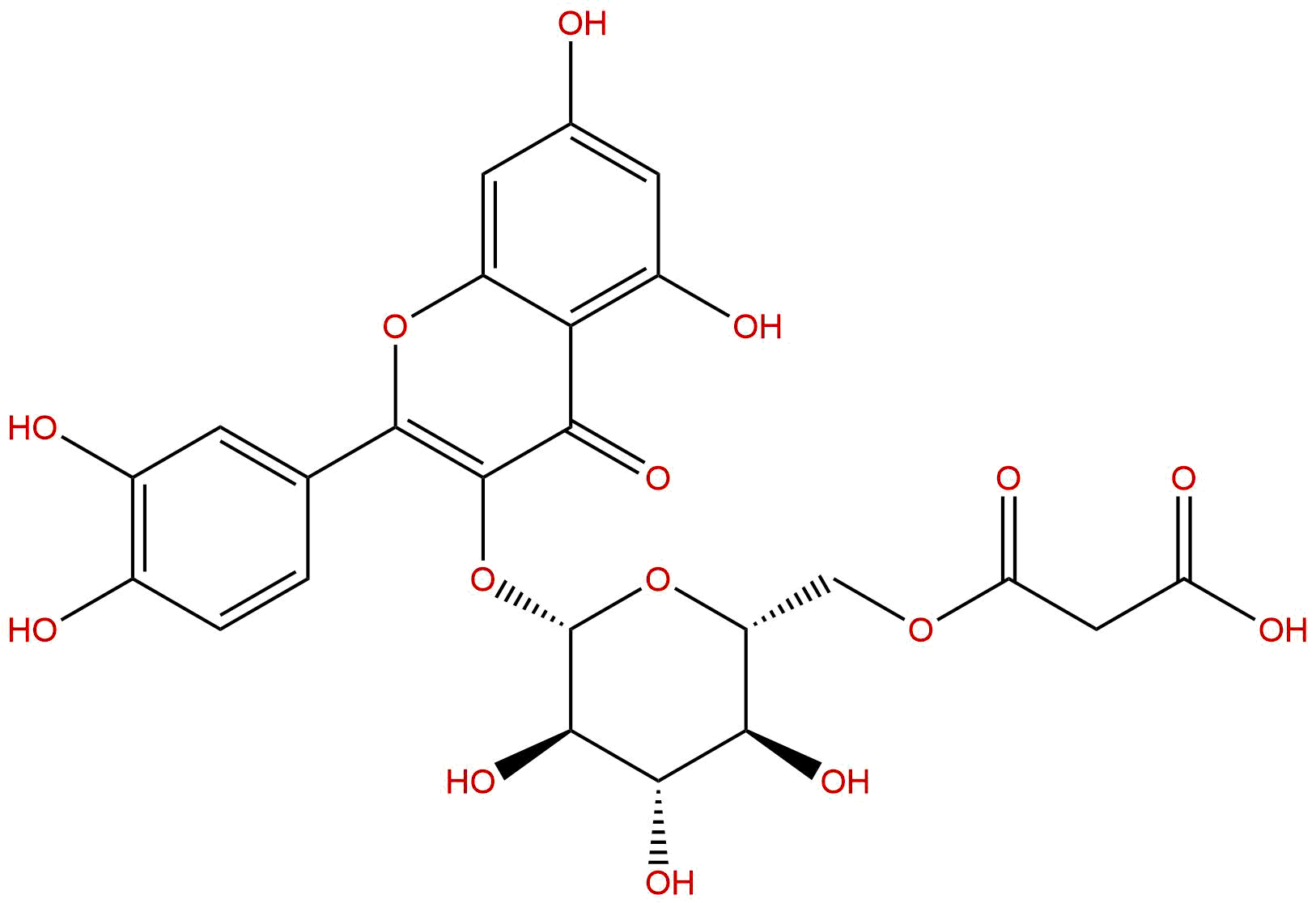
Quercetin 3-O - (6 '' - O-malonyl) - β - D-glucoside (Q3MG) is a malonylated derivative of quercetin glycoside. Its structural feature is that the 3rd hydroxyl group of quercetin is connected to a β - D-glucopyranose group through a glycosidic bond, and the 6th "hydroxyl group of this glucose group further forms an ester bond with malonic acid. This type of malonylation modification is not uncommon, and in many plants, especially leguminous, polygonum, and cruciferous plants, malonylated flavonoid glycosides are important storage forms. Q3MG, as a metabolic intermediate or storage form in plants, has both similarities and differences in biological activity with the parent compounds quercetin and isoquercitrin.
In recent years, with the deepening of research on the fine structure activity relationship of natural products, Q3MG has gradually entered the field of researchers. Especially its potential application value in the field of anti allergy has aroused widespread interest in the pharmacology community. Allergic diseases, such as allergic rhinitis, asthma, atopic dermatitis and food allergy, continue to increase in incidence rate worldwide, which seriously affects the quality of life of patients. The existing anti allergic drugs, such as antihistamines and glucocorticoids, although have certain therapeutic effects, often come with side effects or cannot meet the long-term treatment needs. Therefore, searching for efficient and low toxicity new anti allergic active molecules from natural products has become an important direction for drug development. Q3MG, with its unique chemical structure and preliminary anti allergic activity, shows great potential as a lead compound or functional food ingredient. This article aims to systematically review the chemical structure, physicochemical properties, plant origin, pharmacological activity, mechanism of action, medicinal properties, and clinical application prospects of Q3MG, in order to provide comprehensive scientific basis for the in-depth research and development of this compound.
Chemical structure and physicochemical properties
chemical structure
The chemical structure of Q3MG can be accurately described as the 3-hydroxyl group of quercetin (3,5,7,3 ', 4' - pentahydroxyflavone) connected to a 6-O-malonyl - β - D-glucopyranose residue via a β - glycosidic bond. Its molecular formula is C ₂₄ H ₂₂ O ₁₅, and its molecular weight is 550.4250 g/mol.
From a structural perspective, the molecule consists of three core components:
1. Aglycone Quercetin, belonging to flavonols, has a 2-phenylchromenone structure as its parent nucleus. The phenolic hydroxyl groups on the A ring (5,7-dihydroxy) and B ring (3 ', 4' - dihydroxy) endow the molecule with strong antioxidant and metal chelating abilities. The 3-hydroxyl group is the site connecting the sugar group.
2. Glyconeβ - D-glucopyranose. The presence of sugar groups significantly alters the solubility and bioavailability of aglycones. The 1st carbon of the glucose group is connected to the 3rd oxygen atom of quercetin through a β - glycosidic bond.
3. Acyl modified group Propionyl (- CO-CH ₂ - COOH). This group is connected to the 6 "hydroxyl group of the glucose group through an ester bond. The introduction of malonyl group is a key feature that distinguishes this molecule from isoquercitrin. It not only increases the polarity of the molecule, but may also affect its interaction, stability, and metabolic behavior with biological targets. The free carboxyl group (- COOH) at the end of the malonyl group can undergo ionization at different pH environments, endowing the molecule with certain acid-base properties.
Physicochemical properties
The physicochemical properties of Q3MG determine its absorption, distribution, metabolism, and excretion (ADME) process in the body, which is the basis for its pharmacological evaluation.
- Molecular weight and polarity The molecular weight is 550.43 Da, which belongs to the category of medium to large molecules. The calculated lipid water partition coefficient (LogP) is 0.0090, indicating that the molecule has extremely low lipophilicity and is almost completely hydrophilic. The extremely high polarity is mainly due to the numerous hydroxyl groups (phenolic hydroxyl, alcohol hydroxyl) in the molecule and the carboxyl group on the malonyl group. The topologically polar surface area (TPSA) is as high as 253.88 Å ², far exceeding the recommended upper limit of 140 Å ² for oral medications, indicating poor transmembrane permeability and potential limitations in oral absorption.
- Water solubility The calculated value of water solubility (LogS) is 2.1762, indicating good solubility in water. This is consistent with high polarity and TPSA values. Good water solubility facilitates its dissolution in gastrointestinal fluids, but also limits its passive diffusion through lipid bilayers.
- acid-base properties The carboxyl group on the malonyl group (pKa of about 3-4) allows Q3MG to exist mainly in anionic form under physiological pH (7.4) conditions, further increasing its water solubility but also reducing its membrane permeability.
- Stability The stability of Q3MG is influenced by multiple factors. Glycoside bonds can be hydrolyzed under acidic or enzymatic conditions (such as β - glucosidase), releasing aglycones quercetin and malonylated glucose. The ester bond of malonyl group is sensitive to pH and enzymes (such as esterases), and is prone to hydrolysis under alkaline environment or in vivo esterase action, producing isoquercitrin and malonic acid. Therefore, Q3MG may be a prodrug or intermediate metabolite in vivo, and its biological activity may be partially derived from its metabolites.
- Blood-brain barrier permeability The evaluation shows that its blood-brain barrier permeability is "low". This is consistent with its high polarity, high molecular weight, and potential as a substrate for efflux transporters. Low brain permeability may be an advantage in treating peripheral allergic diseases such as rhinitis and dermatitis, as it can reduce central nervous system side effects.
Plant sources and extraction methods
Plant-based
Q3MG is not a rare compound, it is widely present in various higher plants, especially abundant in some common vegetables, fruits, and medicinal plants. Its distribution has obvious family and genus specificity.
- Fabaceae (Fabaceae)Leguminous plants are a rich source of Q3MG. For example, in peas(Pisum sativum)Bean beans(Phaseolus vulgaris)And soybeans(Glycine max)It has been detected in seeds, leaves, or seedlings. Especially during the germination process of legumes, the content of Q3MG will significantly increase.
- Polygonaceae family Buckwheat(Fagopyrum esculentum)It is another important source of Q3MG. Buckwheat malt and buckwheat leaves are rich in various flavonoids, among which Q3MG is one of the main malonylated flavonoid glycosides.
- Brassicaceae family: Broccoli(Brassica oleracea var. italica)Vegetables such as cauliflower and cabbage also contain Q3MG. In these plants, Q3MG typically coexists with other flavonoid glycosides.
- Asteraceae (Asteraceae)Some medicinal plants, such as Echinochloa purpurea(Echinacea purpurea)And chamomile(Matricaria chamomilla)The above ground part also contains Q3MG.
- Other families and genera In addition, in tea(Camellia sinensis)Onion(Allium cepa)And the presence of Q3MG has also been reported in some ferns.
It is worth noting that the content of Q3MG in plants is influenced by various factors, including variety, growth stage, light, temperature, nutritional status, and post harvest treatment. For example, UV irradiation or mechanical damage can induce plants to synthesize more malonylated flavonoid glycosides as a defense response.
extraction method
The extraction of Q3MG usually follows the classic process of natural product chemistry, but special attention should be paid to the stability of its ester bonds to avoid hydrolysis during the extraction process.
- Raw material pretreatment Fresh or dry plant materials are usually extracted using solvent extraction after being crushed. Due to the high polarity and good water solubility of Q3MG, high polarity solvent systems are often used.
- Solvent extraction:
- Traditional solvents Methanol, ethanol or methanol water, ethanol water mixed solvents are the most commonly used extraction solvents. Usually, 70% -80% methanol or ethanol aqueous solution is used for leaching or percolation extraction at room temperature or heating (usually not exceeding 60 ° C to avoid ester bond hydrolysis). Acidizing solvents (such as adding a small amount of formic acid or acetic acid) are sometimes used to inhibit phenolic hydroxyl ionization and stabilize malonyl groups.
- Modern extraction techniques To improve extraction efficiency and reduce solvent usage, ultrasound assisted extraction (UAE) and microwave-assisted extraction (MAE) are widely used. These methods can shorten the extraction time and potentially improve the yield of Q3MG.
- Purification and Separation:
- Preliminary purification After the extraction solution is concentrated under reduced pressure, liquid-liquid extraction is often used for preliminary purification. Due to the high polarity of Q3MG, it is usually enriched in the aqueous phase or n-butanol extraction phase.
- Column chromatography separation This is the core step of purifying Q3MG. Common column chromatography packing materials include:
- Macroporous adsorption resin Examples such as D101 and HP-20 can be used for preliminary separation, removing a large amount of water-soluble impurities such as sugars, and enriching flavonoid components.
- Polyamide Has good separation effect on flavonoids, achieved through hydrogen bonding.
- Silicone gel Positive phase silica gel can be used to separate moderately polar flavones, but for high polarity compounds such as Q3MG, the separation effect may be poor.
- Reverse phase silica gel (C18): is the most commonly used and effective method for separating Q3MG. The gradient elution using methanol water or acetonitrile water system can efficiently separate Q3MG from other flavonoid glycosides such as isoquercitrin and rutin.
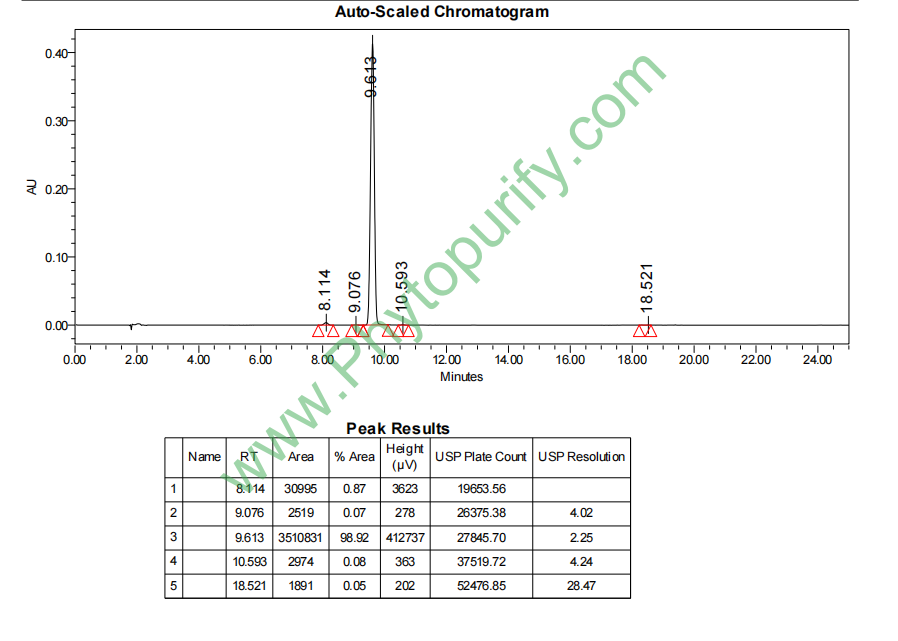
- High performance liquid chromatography (HPLC)Preparation HPLC is the ultimate method for obtaining high-purity Q3MG (>98%). C18 columns are usually prepared using an acidic aqueous solution (such as 0.1% formic acid water) and acetonitrile or methanol as the mobile phase for isocratic or gradient elution.
- appraisal The purified compound was structurally confirmed by ultraviolet spectroscopy (UV), mass spectrometry (MS, especially high-resolution mass spectrometry HR-MS), and nuclear magnetic resonance spectroscopy (NMR, including 1H-NMR, 13C-NMR, and two-dimensional spectra such as HMBC and HSQC). In the HMBC spectrum, the correlation signals between the sugar terminal matrix and the 3-carbon of quercetin, as well as the correlation signals between the carbonyl carbon of malonyl and the 6 "methylene proton of glucose, are key evidence for confirming the structure.
Pharmacological activity research
The pharmacological activity research of Q3MG is still in its infancy, but there is evidence to suggest that it has multiple biological activities, especially outstanding in anti allergic, antioxidant, and anti-inflammatory aspects.
Antiallergic activity
This is currently the most concentrated area of Q3MG research. Allergic reactions are usually classified into immediate type (Type I hypersensitivity reaction) and delayed type. The anti allergic effect of Q3MG mainly manifests in the inhibition of type I hypersensitivity reactions.
- Inhibit degranulation of mast cells Mast cells are the core effector cells of type I allergic reactions. When allergens crosslink with Fc ε RI receptors bound to IgE on the surface of mast cells, it triggers an intracellular signaling cascade, leading to the release of particles containing allergens such as histamine, leukotrienes, and prostaglandins. Research has shown that Q3MG can effectively inhibit antigen induced degranulation of mast cells (such as RBL-2H3 cells or primary cultured mast cells), reduce the release of histamine and β - hexosaminase. Its mechanism of action may be related to inhibiting the increase of intracellular calcium ion concentration and regulating signaling pathways.
- Inhibit the production of inflammatory cytokines In addition to directly inhibiting mediator release, Q3MG can also inhibit activated mast cells and Th2 cells from producing various pro-inflammatory cytokines and chemokines, such as IL-4, IL-5, IL-13, TNF - α, etc. These cytokines play a crucial role in the maintenance and chronicity of allergic inflammation.
- Validation of in vivo anti allergic model In passive cutaneous hypersensitivity (PCA) mouse models or ovalbumin (OVA) - induced allergic rhinitis mouse models, oral or intraperitoneal injection of Q3MG can significantly inhibit increased vascular permeability, reduce nasal mucosal eosinophil infiltration, lower serum OVA specific IgE levels, and improve allergic symptoms (such as sneezing and scratching the nose).
antioxidant activity
Quercetin glycoside is a well-known potent antioxidant, and its glycoside derivatives typically retain some antioxidant capacity. The antioxidant activity of Q3MG is mainly attributed to its ortho dihydroxy group (3 ', 4' - dihydroxy) on the B ring and meta dihydroxy group (5,7-dihydroxy) on the A ring.
- Free radical scavenging ability Q3MG has shown good free radical scavenging and reducing abilities in in vitro chemical experiments (such as DPPH, ABTS, FRAP methods). Its activity is usually weaker than that of quercetin, but stronger than many other flavonoid glycosides.
- Inhibit lipid peroxidation In cell models, Q3MG can inhibit oxidative stress induced by hydrogen peroxide (H ₂ O ₂) or tert butyl hydroperoxide (t-BHP), reduce intracellular reactive oxygen species (ROS) levels, decrease the production of lipid peroxidation product malondialdehyde (MDA), and protect cells from oxidative damage.
- Activate antioxidant enzymes Q3MG may upregulate the expression of downstream antioxidant enzymes such as superoxide dismutase (SOD), catalase (CAT), and glutathione peroxidase (GPx) by activating the nuclear factor E2 related factor 2 (Nrf2)/antioxidant response element (ARE) signaling pathway, thereby enhancing the endogenous antioxidant defense system of cells.
anti-inflammatory activity
Oxidative stress is closely related to inflammation, and the antioxidant activity of Q3MG is one of the foundations of its anti-inflammatory activity.
- Inhibit inflammatory mediators In the lipopolysaccharide (LPS) - stimulated macrophage model (such as RAW264.7 cells), Q3MG can significantly inhibit the production of nitric oxide (NO) and prostaglandin E2 (PGE2), which is related to its inhibition of the expression of inducible nitric oxide synthase (iNOS) and cyclooxygenase-2 (COX-2).
- Regulating signal pathways The anti-inflammatory mechanism of Q3MG involves regulating multiple key inflammatory signaling pathways, including inhibiting the activation of nuclear factor kappa B (NF - κ B) and reducing the phosphorylation levels of mitogen activated protein kinases (MAPKs, such as p38, JNK, ERK). By inhibiting these pathways, Q3MG can downregulate the expression of various pro-inflammatory cytokines (such as TNF - α, IL-1 β, IL-6) and chemokines at the transcriptional level.
Other potential activities
- Antiviral activity Preliminary studies suggest that Q3MG may have inhibitory effects on certain viruses, but its specific mechanism and efficacy remain to be further explored.
- Cardiovascular protective effect In view of its antioxidant and anti-inflammatory properties, Q3MG may have a protective effect on vascular endothelial cells, which is helpful to improve vascular function and prevent atherosclerosis.
- Anti diabetes effect Some studies have shown that Q3MG may play a potential anti diabetes role by inhibiting α - glucosidase activity or improving insulin resistance.
Mechanism of action and molecular targets
The pharmacological activity of Q3MG is the result of the synergistic effect of multiple targets and pathways. Based on existing research, especially its outstanding performance in the field of anti allergy, its mechanism of action can be summarized as follows.
Mechanism of anti allergic action
The anti allergic targets of Q3MG are highly compatible with the key components of type I hypersensitivity reactions, including ALOX5, HRH1, IL4, IL5, IL13, FCER1A, TBXA2R, STAT6, TSLP, etc.
-
Inhibition of Fc ε RI mediated signaling pathway This is the core mechanism of Q3MG anti allergy. After binding to IgE Fc ε RI complexes on the surface of mast cells, allergens activate Lyn and Syk tyrosine kinases, which in turn phosphorylate downstream adaptor proteins such as LAT and NTAL, ultimately activating pathways such as PLC γ, PI3K, and MAPK, leading to calcium influx and degranulation. Q3MG may intervene in this process through the following ways:
- Inhibition of Syk kinase activity Syk is a key kinase involved in Fc ε RI signaling. Q3MG may directly or indirectly inhibit the phosphorylation and activation of Syk, thereby blocking downstream signals.
- Inhibit PLC gamma activation The activation of PLC γ is a key step in the production of the second messenger IP3 and DAG, which in turn triggers the release of calcium from the endoplasmic reticulum. Q3MG may inhibit the phosphorylation of PLC γ, thereby reducing intracellular calcium ion concentration.
- Inhibition of MAPK pathway The activation of ERK, JNK, and p38 MAPK is involved in degranulation and cytokine gene expression. Q3MG can inhibit the phosphorylation of these kinases.
- Inhibition of PI3K/Akt pathway This pathway is crucial for cytoskeleton rearrangement and granule movement. Q3MG may block the degranulation process by inhibiting PI3K activity.
-
Antagonistic allergen receptor:
- HRH1 (histamine H1 receptor)Histamine is one of the most important mediators in allergic reactions, causing vasodilation, smooth muscle contraction, and itching by binding to HRH1. Q3MG is predicted to be a potential antagonist of HRH1, which may directly alleviate allergic symptoms by blocking the binding of histamine to receptors.
- TBXA2R (thromboxane A2 receptor)Thromboxane A2 (TXA2) is a potent bronchoconstrictor and platelet aggregation inducer. Q3MG may help alleviate bronchospasm in allergic asthma by antagonizing TBXA2R.
-
Regulating Th2 immune response The core of allergic reactions is the overactivation of Th2 type immune responses.
- Inhibition of Th2 cytokine expression Q3MG can inhibit the production of key cytokines such as IL-4, IL-5, IL-13 by Th2 cells and mast cells. IL-4 and IL-13 are key factors in inducing B-cell class switching to produce IgE, while IL-5 is a key factor in eosinophil activation and survival.
- Inhibition of STAT6 signaling pathway The signal transduction of IL-4 and IL-13 depends on the phosphorylation and dimerization of transcription factor STAT6. Q3MG may inhibit the activation of STAT6, thereby blocking IL-4/IL-13-mediated gene transcription, such as suppressing the expression of FCER1A (encoding IgE high affinity receptor alpha chain) and reducing the number of Fc ε RIs on the surface of mast cells.
- Inhibition of TSLP (thymic stromal lymphopoietin)TSLP is a cytokine derived from epithelial cells and a key upstream factor in initiating Th2 immune response. Q3MG may inhibit the production of TSLP in epithelial cells under allergen stimulation, thereby suppressing the initiation of allergic reactions from the source.
-
Inhibition of arachidonic acid metabolism:
- ALOX5 (5-lipoxygenase)ALOX5 is a key enzyme that catalyzes the production of leukotrienes (LTs) from arachidonic acid. Leukotrienes (such as LTC4, LTD4, LTE4) are potent inflammatory mediators that cause bronchial constriction and mucus secretion in asthma. Q3MG is predicted to be an inhibitor of ALOX5, exerting anti allergic effects by inhibiting the synthesis of leukotrienes.
Antioxidant and anti-inflammatory mechanisms
- Directly eliminate free radicals and chelate metal ions The ortho dihydroxy structure in Q3MG molecule can directly provide hydrogen atoms or electrons, neutralizing ROS and RNS. At the same time, this structure can chelate transition metal ions (such as Fe ² ⁺, Cu ² ⁺), inhibit Fenton reaction, and reduce the production of hydroxyl radicals.
- Activate Nrf2/ARE pathway Q3MG or its metabolites may act as electrophiles, modifying the thiol groups on Keap1 protein, causing Nrf2 to dissociate from Keap1 and transfer to the nucleus, binding to ARE and initiating the expression of downstream antioxidant enzymes (such as HO-1, NQO1, GST) and phase II detoxifying enzymes.
- Inhibition of NF - κ B pathway NF - κ B is the core transcription factor of inflammatory response. Q3MG can inhibit the activity of I κ B kinase (IKK), prevent the phosphorylation and degradation of I κ B α, thereby trapping NF - κ B in the cytoplasm and preventing it from entering the nucleus to initiate the transcription of pro-inflammatory genes (such as iNOS, COX-2, TNF - α, IL-6).
Evaluation of drug properties and pharmacokinetics
Drugability assessment
Preliminary evaluation of the pharmacological properties of Q3MG based on Lipinski's "Rule of Five" and Veber's rule.
- molecular weight:550.43 Da, Slightly above the threshold of 500 Da.
- LogP 0.009, far less than 5, meets the requirements.
- Hbond donor There are 9 hydroxyl groups (5 phenolic hydroxyl groups, 4 alcohol hydroxyl groups) in the molecule, far exceeding the upper limit of 5.
- Number of hydrogen bond acceptors There are 15 oxygen atoms in the molecule, far exceeding the upper limit of 10.
- Number of rotatable keys About 7, approaching the upper limit of 10.
- TPSA 253.88 Å ², much larger than 140 Å ².
Overall, Q3MG seriously violates the "Five Rules" and Veber Rules, especially with an excessive number of hydrogen bond donors/acceptors and a large TPSA. This indicates that its medicinal properties as an oral medication are poor, with the main challenge being Low membrane permeability and Potential metabolic instability However, this does not mean that Q3MG has no development value. It may be more suitable for development as:
- Local medication: For example, nasal spray for allergic rhinitis, ointment or gel for atopic dermatitis. Local administration can bypass absorption barriers and directly act on the target site.
- Prodrug Modify the phenolic hydroxyl and carboxyl groups in the molecule (such as esterification or salt formation), temporarily block polar groups, improve lipid solubility, and convert them into active forms in the body after absorption.
- Functional foods or dietary supplements Although oral bioavailability is low, its metabolites (such as quercetin, isoquercitrin, phenolic acids) may exert systemic health benefits through gut microbiota metabolism. Its good water solubility makes it easy to add to beverages or foods.
Other pharmacological parameters:
- HERG inhibition A prediction of 'no' indicates a lower risk of causing QT interval prolongation and arrhythmia in the heart, which is an important safety advantage.
- Ames test The predicted value is 0.6, and it is generally considered that the Ames test result is negative (<0.5 is negative, 0.5-0.8 is weakly positive or uncertain), indicating a low risk of mutagenicity. But experimental verification is needed.
pharmacokinetics
The in vivo pharmacokinetic studies of Q3MG are very limited, but reasonable inferences can be made based on its structural characteristics and known information of similar compounds such as isoquercitrin and quercetin.
- absorb Oral absorption is extremely poor. The high polarity makes it difficult for it to passively diffuse through the lipid bilayer of small intestinal epithelial cells. It may mainly rely on intestinal transporters (such as SGLT1, MRP2) for absorption, but the efficiency is not high. Most Q3MG will enter the colon.
- Metabolism Metabolism is a key link in the in vivo disposal of Q3MG.
- Intestinal metabolism In the colon, the glycosidic and ester bonds of Q3MG can be hydrolyzed by β - glucosidase and esterase produced by the gut microbiota. Firstly, the malonyl group is hydrolyzed by esterase to produce isoquercitrin; Subsequently, the glycosidic bond of isoquercitrin was hydrolyzed by β - glucosidase, releasing the glycoside quercetin. Quercetin is further degraded by gut microbiota into phenolic acids (such as 3,4-dihydroxyphenylacetic acid, triphenylphenol, etc.). These metabolites may be absorbed into the bloodstream.
- Liver metabolism If Q3MG or its early metabolites (such as isoquercitrin) are absorbed into the portal vein, they will undergo phase II metabolism in the liver. Quercetin glycosides are widely methylated, sulfated, and glucuronidated to form various complexes. These complexes have higher polarity and water solubility, and are easily excreted through bile or urine.
- distribution Due to its high polarity, Q3MG and its bound metabolites are mainly distributed in extracellular fluid and plasma, making it difficult to enter tissue cells. Its binding rate with plasma proteins (especially albumin) may be high.
- excretion The prototype drug and its metabolites are mainly excreted into the intestine through bile and excreted with feces. A small amount can be excreted through the kidneys in the form of urine.
Conclusion The oral bioavailability of Q3MG is extremely low, and its pharmacological activity in vivo is likely to mainly rely on its metabolites (quercetin, isoquercitrin, and phenolic acid), or through local effects (such as direct action on intestinal immune cells). Therefore, when evaluating its efficacy, it is necessary to distinguish whether it is the prototype drug or the metabolite at work.
Clinical application prospects and prospects
Clinical application prospects
Based on the unique pharmacological activity and relatively low toxicity risk of Q3MG, its clinical application prospects mainly focus on the following areas:
-
Local treatment of allergic diseases:
- allergic rhinitis Develop Q3MG nasal spray. Its good water solubility facilitates formulation, directly acting on the nasal mucosa, can inhibit degranulation of mast cells, reduce the release of inflammatory mediators, and quickly alleviate symptoms such as nasal congestion, runny nose, and sneezing. Low systemic absorption can avoid central side effects such as drowsiness.
- atopic dermatitis Develop ointment or cream for Q3MG. Localized application can inhibit the inflammatory response of skin keratinocytes and immune cells, alleviate itching and skin lesions. Its antioxidant effect helps to repair the skin barrier.
- Allergic conjunctivitis Develop Q3MG eye drops for relieving eye itching and redness.
-
Functional foods and dietary supplements:
- Develop plant extracts rich in Q3MG, such as buckwheat malt extract and pea seedling extract, as functional food ingredients or dietary supplements. Although oral bioavailability is low, beneficial substances produced through gut microbiota metabolism and the regulatory effect of Q3MG on local intestinal immunity may have a positive impact on overall health, such as improving intestinal barrier function, regulating immune balance, and alleviating systemic low-grade inflammation.
-
Adjuvant treatment for asthma:
- Although oral absorption is limited, Q3MG may be directly delivered to the lungs through inhalation administration (such as dry powder inhalers or nebulized inhalation solutions). This can directly act on mast cells, eosinophils, and epithelial cells in the airway, inhibit airway inflammation and remodeling, and alleviate asthma symptoms. Inhalation administration is an effective strategy to bypass oral bioavailability barriers.
Future research directions
Despite the promising prospects, the research on Q3MG still faces many challenges, and future research should focus on the following aspects:
- In depth pharmacokinetic research Sensitive methods such as LC-MS/MS are required to systematically study the absorption, distribution, metabolism, and excretion characteristics of Q3MG under different administration routes (oral, nasal, dermal, inhalation). Clarify its metabolic profile in the body and distinguish the pharmacological contributions of prototype drugs and metabolites.
- Fine analysis of the mechanism of action Using techniques such as molecular docking, surface plasmon resonance (SPR), and cellular thermal transition analysis (CETSA), verify the direct binding ability of Q3MG to its predicted targets (such as HRH1, ALOX5, Syk). Confirm the necessity of key targets in the anti allergic effect of Q3MG through gene knockout or RNA interference techniques.
- Structural modification and prodrug design Reasonably modify the structure to address its low oral bioavailability. For example, esterification or salt formation of phenolic hydroxyl and carboxyl groups can be designed as prodrugs to enhance their lipid solubility and membrane permeability. Or designed as conjugates targeting specific tissues.
- Pharmaceutical research Develop formulations suitable for different routes of administration, such as nanoemulsions, liposomes, cyclodextrin inclusion complexes, etc., to improve their stability, targeting, and bioavailability. Especially for formulations intended for nasal and pulmonary administration, it is necessary to optimize their particle size, viscosity, and deposition characteristics.
- Toxicology and Safety Evaluation Although the initial prediction of toxicity is low, systematic in vivo toxicology studies are still needed, including acute toxicity, long-term toxicity, reproductive toxicity, and mutagenicity tests, to provide safety guarantees for its clinical application.
- Clinical translational research After completing sufficient preclinical studies, rigorous clinical trials should be designed, starting with tolerance and pharmacokinetic studies in healthy volunteers, followed by preliminary efficacy and safety validation in target indications such as allergic rhinitis patients.
Conclusion
Quercetin-3-O - (6 "- O-malonyl) - β - D-glucopyranoside (Q3MG) is a widely present and structurally unique quercetin malonyl glycoside in the plant kingdom. Its chemical structure endows it with high polarity, good water solubility, and potential acid-base sensitivity. As a secondary metabolite of plants, it plays a role in plant defense and adaptation to the environment. In terms of pharmacological activity, Q3MG exhibits significant anti allergic, antioxidant, and anti-inflammatory potential. Its anti allergic mechanism involves inhibiting the Fc ε RI signaling pathway, antagonizing allergy mediator receptors, regulating Th2 immune response, and inhibiting arachidonic acid metabolism. It is closely related to multiple targets such as HRH1, ALOX5, STAT6, FCER1A, etc.
However, the pharmacological properties of Q3MG face significant challenges, as its high polarity and high molecular weight result in extremely low oral bioavailability, seriously violating the classic rules of pharmacological properties. But this is not the end point of its development, but rather indicates its development direction as a topical drug, prodrug design matrix, or functional food ingredient. In the future, through in-depth pharmacokinetic research, precise mechanism analysis, innovative formulation technology, and reasonable structural modification, it is expected to overcome its pharmacokinetic bottleneck and fully explore its clinical value in treating allergic diseases. The research of Q3MG not only provides important lead compounds for the development of new anti allergic drugs, but also once again confirms the profound connection between the structural diversity and biological activity of natural products, as well as the wisdom of finding solutions to human health problems from the "natural treasure trove". In depth exploration of Q3MG will help us better understand the relationship between the structure and function of flavonoids, and promote their transition from laboratory research to clinical applications.