Introduction/Overview
Natural products, as an important source of drug discovery, play an irreplaceable role in the long history of human fight against diseases. From classic aspirin to complex paclitaxel, the chemical diversity inherent in nature provides endless inspiration for modern pharmacology. Among numerous natural products with biological activity, isoflavone compounds have attracted much attention due to their structural similarity to endogenous estrogens and extensive pharmacological activities. Satifanone, as a typical isoflavone compound, has gradually entered the field of researchers in recent years and demonstrated various biological activity potentials.
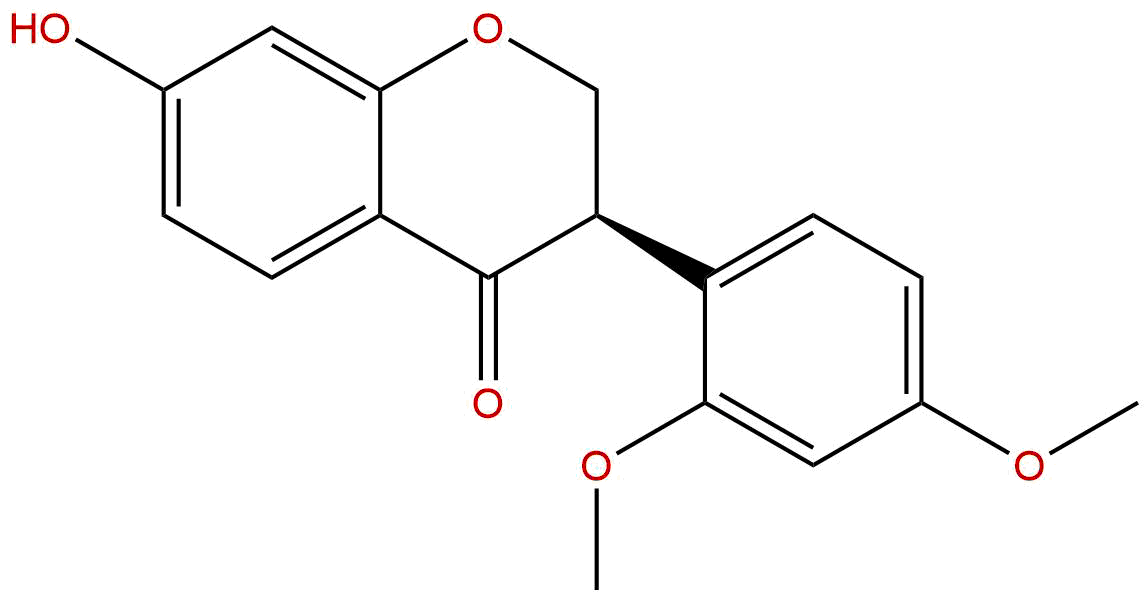
Alfalfa ketone (CAS number: 70561-31-8) was initially isolated and identified from leguminous plants, and its name comes from its first discovered source plant - purple clover(Medicago sativa). However, subsequent studies have found that the compound is distributed in various leguminous plants, especially in the genus Sandalwood(Dalbergia)Plants. Vietnamese rosewood(Dalbergia tonkinensis)As a traditional medicinal plant, its heartwood is used in folk medicine to treat various diseases, and alfalfa ketone is one of its important active ingredients. The chemical structure of alfalfa ketone belongs to the subfamily of isoflavones, and its unique diphenylpropane skeleton endows it with diverse biological activities.
From the perspective of pharmacological activity, the research on alfalfa ketone presents multidimensional and cross disciplinary characteristics. Firstly, it was identified as an effective alpha glucosidase inhibitor, exhibiting significant inhibitory activity against alpha glucosidase from rat sources, with a half effect concentration (EC ₅₀) of 0.357 mg/mL. This finding implies its potential application value in regulating postprandial blood glucose level and assisting in the treatment of type 2 diabetes. Secondly, alfalfa ketone exhibits certain antibacterial activity, especially against the pathogen of banana bacterial wilt disease - Ralstonia solani(Ralstonia solanacearum)This provides candidate molecules for the development of new plant-based fungicides. In addition, alfalfa ketone has been reported to have anti-aging and antioxidant effects, which can clear free radicals and delay the process of cellular aging. More notably, as an isoflavone compound, alfalfa ketone has phytoestrogenic effects and can interact with estrogen receptors (ER) to affect downstream signaling pathways, which makes it potentially valuable for intervention in hormone related diseases such as menopausal syndrome and osteoporosis.
Given the promising applications of alfalfa ketone in various disease fields, a systematic and in-depth review is particularly necessary. This article will comprehensively review and evaluate the research status of alfalfa ketone from multiple dimensions, including chemical structure and physicochemical properties, plant sources and extraction methods, pharmacological activity research, mechanism of action and molecular targets, pharmacological evaluation and pharmacokinetics, as well as clinical application prospects and prospects. The aim is to provide scientific basis for the in-depth development and utilization of this compound.
Chemical structure and physicochemical properties
The chemical structure of alfalfa ketone belongs to isoflavones, and its core skeleton is 3-phenylchroman-4-one. Compared with common isoflavones, the C-ring of isoflavones is in a saturated state, with a single bond between C-2 and C-3 and a carbonyl group at the C-4 position. Specifically, the chemical name of alfalfa ketone is 3- (4-methoxyphenyl) -5,7-dihydroxychroman-4-one, with a molecular formula of C ₁₇ H ₁₆ O ₅ and a molecular weight of 300.3100 g/mol. From the perspective of structural features, the C-5 and C-7 positions of ring A each have a hydroxyl group (- OH), while the C-4 'position of ring B has a methoxy group (- OCH ∝). This specific substitution pattern of hydroxyl and methoxy groups not only determines its chemical properties, but is also closely related to its biological activity.
In terms of physicochemical properties, alfalfa ketone exhibits typical characteristics of flavonoids. Its lipid water partition coefficient (LogP) is 2.7130, indicating that the compound has moderate lipophilicity, which facilitates its transmembrane transport and binding to lipophilic targets such as receptors on the cell membrane. The topological polar surface area (TPSA) is 64.9900 Å ², which is at a moderate level. Compounds with TPSA less than 140 Å ² are generally considered to have good oral bioavailability potential. In terms of water solubility, the water solubility value of alfalfa ketone is 0.1788 mg/mL, which belongs to the category of slight solubility. This suggests that solubilization techniques (such as cyclodextrin inclusion, solid dispersion, etc.) may need to be used in formulation development to improve its solubility. It is worth noting that the blood-brain barrier (BBB) penetration of alfalfa ketone has been evaluated as "high", which is of great significance for the development of drugs for the treatment of central nervous system diseases, but may also bring potential central side effects that need to be addressed in subsequent research.
From the perspective of chemical stability, the phenolic hydroxyl group in alfalfa ketone molecules gives it a certain antioxidant capacity, but at the same time, it also makes it susceptible to oxidative degradation under alkaline conditions. In addition, the carbonyl group at position C-4 gives it the potential to react with nucleophiles. In storage and experimental operations, strong light, high temperature, and strong alkaline environments should be avoided. It is usually recommended to store at low temperatures, away from light, and under inert gas protection. The UV absorption characteristics of alfalfa ketone mainly come from its conjugated system. In methanol solution, its maximum absorption wavelength (λ max) is usually around 280-290 nm, which can be used for its qualitative and quantitative analysis.
Plant sources and extraction methods
Alfalfa ketone is relatively widely distributed in nature, but mainly concentrated in Fabaceae plants. Originally from purple clover(Medicago sativa)Separated from the middle, this is also the origin of its name "Sativanone". Subsequently, researchers began to investigate from the genus Dalbergia(Dalbergia)The compound has been found in plants, including Vietnamese rosewood(Dalbergia tonkinensis)Fragrant yellow sandalwood(Dalbergia odorifera)And Indian rosewood(Dalbergia sissoo)Wait. In addition, in the genus Glycyrrhiza(Glycyrrhiza)The genus of chicken blood vine(Spatholobus)Alfalfa ketone has also been detected in medicinal plants. Among them, the heartwood of Vietnamese rosewood is considered one of the natural sources with high content of alfalfa ketone, which is closely related to its application in traditional medicine.
The choice of extraction method directly affects the yield and purity of alfalfa ketone. The traditional extraction method is mainly based on solvent extraction. Given the moderate lipophilicity of alfalfa ketone, moderately polar organic solvents such as methanol, ethanol, ethyl acetate, etc. are commonly used as extraction solvents. Usually, dried plant materials (such as heartwood powder) are soaked or refluxed with methanol or ethanol for extraction, and the extract is concentrated under reduced pressure to obtain a crude extract. Subsequently, using liquid-liquid extraction method, the crude extract was sequentially extracted with solvents of different polarities such as petroleum ether, chloroform, ethyl acetate, n-butanol, etc. Alfalfa ketone is usually enriched in the ethyl acetate or chloroform extraction sites. In order to improve extraction efficiency and selectivity, modern extraction techniques have also been applied to the preparation of alfalfa ketone. For example, ultrasound assisted extraction (UAE) utilizes the cavitation effect of ultrasound to destroy plant cell walls, accelerate solvent penetration, significantly shorten extraction time, and improve yield. Microwave assisted extraction (MAE) utilizes the body heating effect of microwaves, which can also effectively improve extraction efficiency. In addition, supercritical fluid extraction (SFE), especially using carbon dioxide as a solvent, is increasingly valued in natural product extraction due to its green and residue free characteristics. However, the SFE process parameters for alfalfa ketone still need to be further optimized.
In terms of separation and purification, column chromatography is the core method. Common stationary phases include silica gel, reverse silica gel (such as C18), dextran gel (such as Sephadex LH-20), etc. Taking silica gel column chromatography as an example, gradient elution is usually performed using solvent systems such as chloroform methanol or petroleum ether acetone, combined with thin-layer chromatography (TLC) detection, to preliminarily obtain the enriched components of alfalfa ketone. Subsequently, using Sephadex LH-20 column chromatography with methanol or ethanol water system elution, pigments and impurities can be further removed. For the preparation of high-purity alfalfa ketone, high-performance liquid chromatography (HPLC) is the ultimate choice. Usually, a reverse phase C18 chromatography column is used, with acetonitrile water or methanol water (often with a small amount of formic acid or acetic acid added) as the mobile phase, and separation is carried out under the monitoring of a UV detector (detection wavelength around 280 nm). By optimizing chromatographic conditions, alfalfa ketone monomers with a purity exceeding 98% can be obtained.
Pharmacological activity research
The pharmacological activity research of alfalfa ketone covers metabolic diseases, infectious diseases, aging and hormone related fields, showing the characteristics of pleiotropy.
α - glucosidase inhibitory activity This is currently one of the most extensively studied pharmacological activities of alfalfa ketone. Alpha glucosidase is located at the brush border of the small intestine and is responsible for hydrolyzing oligosaccharides into monosaccharides, thereby promoting glucose absorption. Inhibiting the activity of this enzyme can delay the digestion and absorption of carbohydrates, effectively reducing postprandial blood glucose peak. Research has shown that alfalfa ketone has a significant inhibitory effect on alpha glucosidase in the small intestine of rats, with an EC ₅₀ value of 0.357 mg/mL. Compared with the commonly used alpha glucosidase inhibitor acarbose in clinical practice, the activity of alfalfa ketone is comparable or even better, and its molecular weight is smaller, which may have better oral absorption potential. Further enzyme kinetics studies have shown that alfalfa ketone may be a reversible, non competitive inhibitor that changes the conformation of the enzyme by binding to its inactive center site, thereby reducing its catalytic efficiency. This discovery provides lead compounds for the development of novel, efficient, and low toxicity alpha glucosidase inhibitors.
Antibacterial activity Alfalfa ketone against plant pathogen - banana bacterial wilt pathogen(Ralstonia solanacearum)Exhibiting significant antibacterial activity. Banana bacterial wilt disease is a devastating soil borne disease that poses a serious threat to the global banana industry. At present, chemical pesticides are mainly relied upon for prevention and control, but long-term use has led to increased pathogen resistance and environmental pollution problems. As a natural product, the antibacterial mechanism of alfalfa ketone may be related to the destruction of bacterial cell membrane integrity, inhibition of key enzyme activity, or interference with quorum sensing systems. Although the current research on its antibacterial spectrum is not comprehensive, this discovery opens up new avenues for the development of environmentally friendly plant-based fungicides. In addition, it is worth further exploring whether alfalfa ketone also has antibacterial activity against clinical pathogenic bacteria such as Staphylococcus aureus, Escherichia coli, etc.
Anti aging and antioxidant effects Aging is a complex biological process, and oxidative stress is considered one of the key factors leading to cellular aging and organ dysfunction. The molecular structure of alfalfa ketone contains phenolic hydroxyl groups, which enable it to directly scavenge free radicals such as DPPH radicals and ABTS cationic radicals. In vitro experiments have shown that alfalfa ketone can reduce intracellular reactive oxygen species (ROS) levels and increase the activity of antioxidant enzymes such as superoxide dismutase (SOD) and glutathione peroxidase (GSH Px). In the cellular aging model, alfalfa ketone treatment can delay the increase in the positive rate of cell aging related β - galactosidase (SA - β - gal) and upregulate the expression of longevity proteins such as SIRT1. These results suggest that alfalfa ketone may exert anti-aging effects through a dual mechanism of direct antioxidant and regulation of the longevity signaling pathway.
Plant estrogen like effects As an isoflavone compound, alfalfa ketone can bind to estrogen receptors (ER) and exert estrogenic or antiestrogenic effects. The phenolic hydroxyl group in its structure shares a spatial conformation similarity with the A-ring phenolic hydroxyl group of estradiol, allowing it to simulate the binding of estrogen to ER. Research has shown that alfalfa ketone has a certain affinity for both estrogen receptor alpha (ER alpha) and beta (ER beta), but may be selective for ER beta. This selective activation characteristic is theoretically significant: the activation of ER β is considered to be related to anti-inflammatory, neuroprotective and cell proliferation inhibition, while the over activation of ER α is related to the increased risk of breast cancer. Therefore, as a potential ER β selective agonist, alfalfa ketone has unique advantages in preventing and treating menopausal syndrome, osteoporosis, and certain neurodegenerative diseases. In addition, alfalfa ketone may indirectly exert its phytoestrogenic effect by affecting the activity of aromatase (CYP19A1), regulating the synthesis and metabolism of estrogen in the body.
Mechanism of action and molecular targets
The pleiotropic pharmacological activity of alfalfa ketone originates from its interactions with multiple molecular targets. A deep understanding of its mechanism of action is crucial for guiding its clinical application and structural optimization.
Molecular mechanism of α - glucosidase inhibition The inhibitory effect of alfalfa ketone on alpha glucosidase is not through competition with the substrate for active sites, but through a non competitive inhibition mode. Molecular docking and dynamic simulation studies suggest that alfalfa ketone may bind to allosteric sites near the enzyme active center. This binding site is typically composed of hydrophobic amino acid residues (such as Phe, Trp, Leu) and polar amino acid residues (such as Asp, Glu). The A and B rings of alfalfa ketone form stable complexes with aromatic amino acid residues through π - π stacking, while the hydroxyl groups at positions C-5 and C-7 form hydrogen bonds with the carboxyl groups of Asp or Glu. This binding causes subtle conformational changes in the enzyme protein, resulting in a shift in the relative position of the catalytic triad (usually Asp Glu Asp), thereby reducing the enzyme's affinity and catalytic efficiency towards the substrate. The advantage of this non competitive inhibition mechanism is that the inhibitor can still effectively exert its effect even at high substrate concentrations.
Molecular targets of phytoestrogenic effects The phytoestrogenic effect of alfalfa ketone is mainly achieved through its interaction with estrogen receptors (ESR1 and ESR2). Compared with estradiol (E2), alfalfa ketone has a lower affinity for binding to ER, but its selectivity may be higher. Research has shown that alfalfa ketone is more inclined to bind to the ligand binding domain (LBD) of ER β. In the LBD of ER β, the phenolic hydroxyl group of alfalfa ketone forms a hydrogen bond network with key amino acids such as Glu305, Arg346, and His475, while the methoxy group undergoes hydrophobic interactions with residues such as Leu298 and Met336 in the hydrophobic pocket. This binding mode induces the helix 12 (H12) of ER β to adopt a unique conformation, which facilitates the recruitment of co activators (such as SRC-1) or co repressors, thereby regulating the transcription of downstream target genes. Compared with ER α, the activation of ER β by alfalfa ketone may be more inclined to induce gene expression profiles related to anti-inflammatory, antioxidant, and neuroprotective effects. In addition, alfalfa ketone may also exert its effects through non genomic pathways, such as binding to membrane associated ER (such as GPER), rapidly activating signaling pathways such as MAPK and PI3K/Akt.
Molecular mechanisms of antioxidant and anti-aging effects The antioxidant effect of alfalfa ketone is multi-layered. Firstly, the phenolic hydroxyl group in its molecule can directly serve as a hydrogen atom donor, neutralizing free radicals such as · OH and O ₂⁻ ·, thereby blocking the lipid peroxidation chain reaction. Secondly, alfalfa ketone can activate the nuclear factor E2 related factor 2 (Nrf2) signaling pathway. Nrf2 is a key transcription factor in cellular oxidative stress response. After activation, it translocates into the nucleus and binds to antioxidant response elements (ARE), initiating the expression of downstream antioxidant enzymes (such as HO-1, NQO1, SOD, CAT) and phase II detoxifying enzymes. Alfalfa ketone may activate the Nrf2 pathway by modifying cysteine residues on Keap1 protein, leading to the dissociation and stabilization of Nrf2 from Keap1. In terms of anti-aging, alfalfa ketone has been reported to upregulate the expression of SIRT1. SIRT1 is an NAD ⁺ - dependent deacetylase that participates in regulating cellular aging, energy metabolism, and stress resistance by deacetylating substrates such as p53, FOXO, and PGC-1 α. In addition, alfalfa ketone may also delay cellular aging by inhibiting the mTOR signaling pathway, inducing autophagy, clearing damaged organelles and proteins.
Molecular mechanism of antibacterial activity Alfalfa ketone Ralstonia solanacearum The antibacterial mechanism is not fully understood, but preliminary studies suggest that it may act on the cell membrane of bacteria. The lipophilicity of alfalfa ketone allows it to insert into the phospholipid bilayer of bacterial cell membranes, disrupting membrane integrity and permeability, leading to the leakage of intracellular substances such as K ⁺ and ATP, ultimately causing bacterial death. In addition, alfalfa ketone may also inhibit the type III secretion system (T3SS) or quorum sensing (QS) system of bacteria, thereby weakening their pathogenicity. T3SS is a key virulence factor for many Gram negative pathogens, responsible for injecting effector proteins into host cells. The QS system regulates bacterial biofilm formation and expression of virulence factors. By interfering with these systems, alfalfa ketone may be able to effectively control diseases at concentrations lower than the bactericidal concentration, which helps reduce the risk of drug resistance.
Evaluation of drug properties and pharmacokinetics
The evaluation of drug properties is a crucial step in transitioning natural products from laboratory research to clinical applications. Based on the existing physicochemical properties and preliminary pharmacokinetic predictions, a preliminary evaluation of the pharmacological properties of alfalfa ketone can be conducted.
Physical and chemical properties and drug like properties According to the Lipinski Five Rules, a compound has good potential for oral administration if it meets the following conditions: molecular weight<500 LogP<5、 The number of hydrogen bond donors is less than 5, and the number of hydrogen bond acceptors is less than 10. The molecular weight of alfalfa ketone is 300.31, the LogP is 2.71, the number of hydrogen bond donors is 2 (two phenolic hydroxyl groups), and the number of hydrogen bond acceptors is 5 (three oxygen atoms and two hydroxyl oxygen groups). These parameters all meet the requirements of the "Five Rules", indicating that they have good drug properties. The TPSA is 64.99 Å ², which is also within the ideal range (usually<140 Å ²), indicating good oral absorption and membrane permeability. However, its low water solubility (0.1788 mg/mL) may become the limiting step for oral bioavailability. In addition, the high penetration of the blood-brain barrier provides a possibility for the treatment of central nervous system diseases, but potential central nervous system side effects such as dizziness and drowsiness should also be monitored.
Pharmacokinetic prediction At present, there is a lack of experimental data on the pharmacokinetics of alfalfa ketone in vivo, but preliminary predictions can be made through computer simulations such as ADMET Predictor, SwissADME, etc. The prediction results show that the human intestinal absorption rate of alfalfa ketone is relatively high (>90%), which is consistent with its moderate LogP and low molecular weight. However, its liver first pass effect may be more significant. The phenolic hydroxyl group in alfalfa ketone molecules is a common substrate for phase II metabolic enzymes such as UGT and SULT. It is expected to undergo extensive glucuronidation and sulfation binding reactions in the liver and intestine, generating more water-soluble metabolites that are quickly excreted from the body. This may result in lower oral bioavailability. In addition, the carbonyl group at the C-4 position may also be reduced by reductases to a hydroxyl group, generating dihydro derivatives. Regarding its metabolic enzymes, the CYP450 enzyme system (especially CYP3A4 and CYP2C9) may be involved in its oxidative metabolism. It is worth noting that the Ames test predicted a value of 0.6, indicating a low risk of genetic toxicity. However, this result still needs to be validated through standardized in vitro and in vivo genetic toxicity tests. The prediction of hERG inhibition as' no 'indicates a lower risk of causing QT interval prolongation in the heart, which is a favorable safety feature.
safety evaluation In addition to genetic toxicity and cardiac toxicity, a systematic evaluation is also needed for the acute toxicity, subchronic toxicity, and reproductive developmental toxicity of alfalfa ketone. As a plant estrogen, its impact on the endocrine system is particularly noteworthy. Long term high-dose exposure may lead to hormonal imbalances and affect reproductive function. Therefore, in the development process, it is necessary to clarify its safe dosage range, especially for special populations such as children, pregnant women, and breastfeeding women. In addition, its high BBB penetration also suggests the need for neurotoxicity evaluation.
Clinical application prospects and prospects
Based on the unique pharmacological activity and preliminary pharmacological characteristics of alfalfa ketone, its application prospects in multiple disease fields are worth looking forward to.
Adjuvant treatment of type 2 diabetes Given its significant α - glucosidase inhibitory activity, alfalfa ketone has the potential to be developed as a novel postprandial blood glucose regulator. Compared with traditional drugs such as acarbose, alfalfa ketone, as a natural product, may have better patient tolerance and lower gastrointestinal side effects (such as bloating and diarrhea). Future research should focus on: (1) improving its water solubility and oral bioavailability through structural modifications (such as introducing sugar groups, phosphate groups, etc.); (2) Carry out pharmacodynamics research in vivo, and verify its hypoglycemic effect on diabetes animal models; (3) Assess the safety of long-term medication.
Plant estrogen replacement therapy: For estrogen deficiency related diseases such as climacteric syndrome and osteoporosis, hormone replacement therapy (HRT) is effective, but long-term use will increase the risk of breast cancer, endometrial cancer and cardiovascular events. As a plant estrogen, alfalfa ketone, especially its potential ER β selectivity, makes it an ideal alternative or supplement to HRT. Future research directions include: (1) validating its protective effects on bone density, lipid metabolism, and cognitive function in an ovariectomy rat model; (2) Evaluate its safety on the breast and endometrium through cell and animal models, and confirm whether it has tissue selectivity; (3) Explore its synergistic or antagonistic effects with classical estrogens.
Development of plant-based fungicides Developing efficient, low toxicity, and environmentally friendly biopesticides for plant diseases such as banana bacterial wilt is an urgent need for sustainable agriculture. Alfalfa ketone R. solanacearum The antibacterial activity has laid the foundation for its application. Subsequent work should focus on: (1) expanding antibacterial spectrum research and evaluating its activity against other important plant pathogens (such as fungi and bacteria); (2) Study its field efficacy and stability, and develop suitable dosage forms (such as microemulsions and suspensions); (3) Assess its ecological toxicity to non target organisms such as bees and soil microorganisms.
Anti aging and neuroprotection The antioxidant and anti-aging activities of alfalfa ketone, combined with its high BBB penetration, make it potential for intervention in neurodegenerative diseases such as Alzheimer's disease and Parkinson's disease. Future research should use genetically modified animal models to evaluate their effects on cognitive function, neuropathological markers such as A β deposition and tau protein phosphorylation, and explore their interactions with longevity pathways such as SIRT1 and Nrf2.
Challenges and Countermeasures Faced Despite its broad prospects, the development of alfalfa ketone still faces many challenges. The primary issue is its low water solubility and potential for rapid metabolism, resulting in low bioavailability. To address this issue, prodrug strategies, nanoformulation technologies (such as liposomes and polymer nanoparticles), or structural modifications (such as introducing polar groups) can be used to improve it. Secondly, its phytoestrogenic effect is a double-edged sword, requiring precise evaluation of its effects in different tissues to avoid adverse hormone like side effects. Finally, obtaining high-purity alfalfa ketone in large quantities from natural sources is costly, and developing efficient chemical or biological synthesis methods (such as using genetically engineered strains) is the key to achieving its industrialization.
Conclusion
As a typical natural product of isoflavones, alfalfa ketone, with its multi-dimensional pharmacological activities such as α - glucosidase inhibition, antibacterial, antioxidant, anti-aging and phytoestrogen like effects, shows a broad application prospect in the field of metabolic diseases, infectious diseases, and aging related diseases. Its chemical structure is clear, its physical and chemical properties comply with the drug like rules, and the preliminary safety assessment (such as low hERG inhibition risk and low genetic toxicity risk) is relatively optimistic. However, the transformation of alfalfa ketone from laboratory discovery to clinical application is still full of challenges. Its low water solubility and potential rapid metabolism are the main bottlenecks restricting its drug development, which need to be overcome through modern medicinal chemistry and pharmacology methods. At the same time, its endocrine regulatory role as a plant estrogen is not only a source of therapeutic potential, but also a core focus of safety evaluation. In the future, multidisciplinary methods such as pharmacology, medicinal chemistry, pharmacy, toxicology, etc. should be comprehensively applied to systematically and deeply elucidate its mechanism of action, optimize its pharmacokinetic properties, and evaluate its long-term safety. We have reason to believe that with the continuous deepening of research, alfalfa ketone and its derivatives are expected to play an important role in human health and sustainable agricultural development, becoming another model that originates from nature and benefits humanity.