Introduction/Overview
Natural products, as an important source of drug discovery, play an irreplaceable role in the long history of human fight against diseases. Isolating and identifying active ingredients from traditional herbs, and elucidating their pharmacological mechanisms of action, is an important paradigm in modern medicinal chemistry and pharmacology research. Among numerous natural products with biological activity, naphthoquinones and their derivatives have attracted much attention due to their structural diversity and extensive pharmacological activities. Plants of the Rubiaceae family, especially the Rubiaceae genus(Rubia)Plants are known for their abundant anthraquinone and naphthoquinone pigments, many of which exhibit significant anti-inflammatory, antioxidant, anti-tumor, and cardiovascular protective activities. Dihydromollugin, as a natural naphthoate compound, is one of the important active ingredients isolated from plants of the Rubia genus. Its unique chemical structure and potential platelet aggregation inhibitory activity provide a new molecular framework for the development of cardiovascular disease therapeutic drugs.
Platelets play a central role in both physiological hemostasis and pathological thrombosis. Abnormal hyperactivity of platelet aggregation is a key pathological link in the occurrence and development of thrombotic diseases such as atherosclerosis, acute coronary syndrome, ischemic stroke, etc. Therefore, antiplatelet therapy is the cornerstone of preventing and treating such diseases. The commonly used antiplatelet drugs in clinical practice, such as aspirin (cyclooxygenase-1 inhibitor), clopidogrel (P2Y12 receptor antagonist), and ticagrelor, although effective, have limitations such as increased bleeding risk, drug resistance (especially clopidogrel), and gastrointestinal side effects. This has prompted researchers to continue exploring new antiplatelet drugs that act on new targets and have higher safety and efficacy. The emergence of dihydroquercetin provides a new candidate molecule for this field. Preliminary studies have shown that the compound can effectively inhibit platelet aggregation induced by various inducers, and its mechanism of action may involve the regulation of arachidonic acid metabolism pathways, platelet surface receptors, and intracellular signal transduction networks.
This article aims to provide a systematic professional review of dihydroquercetin. We will start with its chemical structure and physicochemical properties, trace its plant origin and extraction methods, deeply explore its pharmacological activity and potential mechanism of action and molecular targets for anti platelet aggregation, evaluate its pharmacokinetic properties based on drug parameters, and finally look forward to its clinical application prospects. By integrating existing research data, this article aims to provide a comprehensive and in-depth knowledge framework for natural product pharmacology researchers on dihydroquercetin, and to provide theoretical basis for its subsequent drug development.
Chemical structure and physicochemical properties
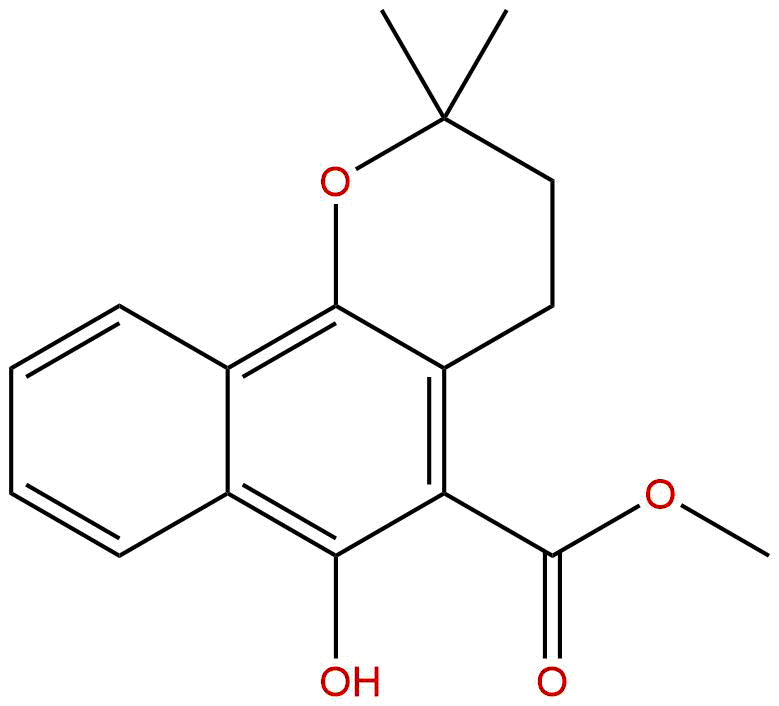
The chemical structure of Dihydromollugin belongs to the naphthalene ester group, with a partially hydrogenated naphthalene ring as its core skeleton and formate ester groups attached at specific positions. Specifically, its chemical name is (1R, 2R) -1,2-dihydro-1,2,8-trihydroxy-6-methoxy-1-methylnaphthalene-2-carboxylic acid methyl ester (or similar name, depending on the specific stereoconfiguration), and its molecular formula is C ₁₆ H ₁₈ O ₅. The difference between this structure and its oxidized form, Mollugin, is that the double bonds at positions 1 and 2 of the naphthalene ring are reduced, forming two chiral centers and thus exhibiting stereoisomerism. This subtle difference in structure often leads to significant differences in its physicochemical properties and biological activity.
From the perspective of physicochemical properties, the molecular weight of dihydroquercetin is 286.3270 g/mol, belonging to the category of small molecule compounds, which provides a structural basis for its binding with biomolecules such as enzymes and receptors. Its lipid water partition coefficient (LogP) is 4.2784, indicating that the compound has high lipid solubility. High lipid solubility is beneficial for its penetration through cell membranes, but it may also lead to poor water solubility. Its water solubility calculation value is 0.0616 mg/mL, which belongs to the category of poorly soluble drugs, posing a challenge to the development and bioavailability of its oral formulations. The topological polar surface area (TPSA) is 55.76 Å ², which is lower than the commonly assumed passive diffusion threshold (about 140 Å ²), indicating good oral absorption potential. However, combined with its high LogP value, its absorption may be limited by dissolution rate rather than permeability. In addition, its blood-brain barrier (BBB) penetration assessment is "high", which means that the compound may enter the central nervous system, bringing potential therapeutic effects on central nervous system diseases while also being alert to possible central nervous system side effects.
Overall, dihydroquercetin is a molecule with typical natural product characteristics: complex structure and multiple chiral centers, high lipid solubility but poor water solubility. These properties determine the specificity of its pharmacokinetic behavior and provide direction for subsequent drug chemical modifications, such as prodrug design and formulation optimization. For example, by introducing hydrophilic groups or preparing salts, its water solubility can be improved; Reducing its BBB penetration through structural modification may decrease potential neurotoxicity.
Plant sources and extraction methods
Dihydroquercetin mainly comes from the Rubiaceae family and the Rubiaceae genus(Rubia)Plants. This genus of plants is widely distributed worldwide, and many of its species have a long history of application in traditional medicine. For example, Chinese madder(Rubia cordifolia L. It is a commonly used traditional Chinese medicine for promoting blood circulation and removing blood stasis, commonly used to treat bleeding, stasis, amenorrhea, and traumatic injuries. In addition, large leaved madder(Rubia schumanniana)Hook hair madder(Rubia oncotricha)Waiting is also a potential source. Dihydroquercetin is usually present as a trace component with lower levels in plants of the Rubia genus, coexisting with higher levels of anthraquinone (such as quercetin) and naphthoquinone (such as quercetin) pigments.
The extraction of dihydroquercetin usually follows the classic process of natural product chemistry, which mainly includes the following steps:
-
Raw material preparation and extraction Collect dried rhizomes of plants in the Rubia genus and grind them to an appropriate particle size. Use organic solvents such as methanol, ethanol, or their aqueous solutions for cold soaking, percolation, or reflux extraction. Due to the strong lipophilicity of dihydroquercetin, high concentration ethanol (such as 95% ethanol) or methanol is often used as the preferred extraction solvent. The extract was concentrated under reduced pressure to obtain the total extract.
-
Preliminary separation The total extract is usually suspended in water and then subjected to liquid-liquid extraction using solvents of different polarities such as petroleum ether, ethyl acetate, n-butanol, etc. Dihydroquercetin is usually enriched in the ethyl acetate extraction site due to its equipolarity.
-
Chromatographic Separation and Purification This is the key step to obtaining pure product. Common chromatographic techniques include:
- Silica gel column chromatography Gradient elution using solvent systems such as petroleum ether ethyl acetate or chloroform methanol is the main method for achieving preliminary separation and enrichment.
- Gel column chromatography Using the molecular sieve effect, such as Sephadex LH-20, pigments and impurities can be effectively removed, further purifying the target compound.
- Preparation type high-performance liquid chromatography For isomers or trace components with similar structures that are difficult to separate, preparative HPLC is a necessary means to ultimately obtain high-purity dihydroquercetin. Usually, a reverse phase C18 column is used for isocratic or gradient elution using methanol water or acetonitrile water systems.
-
Structural Identification The isolated compounds need to be structurally confirmed by spectroscopic methods. The main methods include nuclear magnetic resonance spectroscopy (¹ H-NMR, ¹ ³ C-NMR, 2D-NMR such as HSQC, HMBC, COSY) and high-resolution mass spectrometry (HR-ESI-MS). By comparing with the spectral data reported in the literature and combining it with its optical rotation value, the absolute configuration is determined.
The main challenge in extracting and separating dihydroquercetin is that its content in plants is usually low, and it coexists with structurally similar components such as quercetin, making separation and purification difficult. Therefore, developing efficient and highly selective extraction and separation processes, such as using high-speed countercurrent chromatography or molecular imprinting techniques, is crucial for obtaining sufficient compounds to support in-depth pharmacological research.
Pharmacological activity research
The pharmacological activity research of dihydroquercetin is still in its early stages, but existing research results, especially its role in antiplatelet aggregation, have shown clear potential.
Antiplatelet aggregation activity This is the pharmacological activity of dihydroquercetin that has received the most attention. Research has shown that dihydroquercetin can concentration dependently inhibit platelet aggregation in humans or rats induced by various inducers such as adenosine diphosphate, arachidonic acid, collagen, and thrombin in vitro. Its inhibitory effect on platelet aggregation induced by arachidonic acid is particularly significant, suggesting that its mechanism of action may be closely related to interference with arachidonic acid metabolism pathways. Compared with the classic COX-1 inhibitor aspirin, dihydroquercetin may have a broader antiplatelet spectrum, that is, it has inhibitory effects on multiple activation pathways, which may be its potential advantage.
Other potential activities Given that its structure belongs to the naphthoquinone/naphthol class, dihydroquercetin may also have other activities related to these compounds, such as:
- anti-inflammatory activity Naphthoquinone compounds often have anti-inflammatory effects. Dihydroquercetin may exert anti-inflammatory effects by inhibiting the production of inflammatory mediators (such as prostaglandins and leukotrienes) or regulating inflammatory signaling pathways (such as NF - κ B).
- antioxidant activity The phenolic hydroxyl group in its molecule endows it with potential antioxidant capacity, which may alleviate oxidative stress damage by scavenging free radicals or chelating metal ions.
- Antitumor activity Some naphthoquinone compounds exhibit cytotoxicity. The inhibitory effect of dihydroquercetin on the proliferation of certain tumor cell lines deserves further exploration.
It should be pointed out that there are relatively few reports on the in vivo pharmacological studies of dihydroquercetin. Whether its anti platelet aggregation activity can be reproduced in an in vivo model, as well as its anti thrombotic effect and safety, are the key directions that future research needs to focus on. In addition, its potential impact on other diseases related to platelet function, such as inflammation and tumor metastasis, is also worth exploring.
Mechanism of action and molecular targets
A deep understanding of the mechanism of action of dihydroquercetin, especially its molecular targets for antiplatelet aggregation, is key to its clinical application. Based on existing research and its chemical structural characteristics, its mechanism of action may involve multiple levels and be highly correlated with the target list you provided.
-
Regulation of arachidonic acid metabolism pathway This is one of the core mechanisms of its antiplatelet effect. When platelets are activated, membrane phospholipids release arachidonic acid under the action of phospholipase A2. Arachidonic acid is subsequently catalyzed by cyclooxygenase-1 (PTGS1/COX-1) and cyclooxygenase-2 (PTGS2/COX-2) to produce prostaglandin G2/H2, which is then converted into thromboxane A2 through the action of thromboxane A2 synthase. Thromboxane A2 is a potent inducer of platelet aggregation and vasoconstrictor. Dihydroquercetin may inhibit platelet aggregation by suppressing the activity of PTGS1 and/or PTGS2, reducing the production of thromboxane A2. Its mode of action may be similar to aspirin, but it may have a stronger inhibitory effect on COX-2, which may reduce the inhibition of protective prostaglandin synthesis in the gastrointestinal tract and lower the risk of gastrointestinal side effects while preventing thrombosis.
-
Interference with platelet surface receptors and signal transduction:
- P2Y12 receptor (P2RY12)P2Y12 is a key receptor for ADP induced platelet aggregation. After ADP binds to P2Y12, it inhibits adenylate cyclase through Gi protein coupling, reduces cAMP levels, and activates signaling pathways such as PI3K/Akt and Rap1, ultimately leading to platelet aggregation. Dihydroquercetin may act as an antagonist of P2Y12 receptor, blocking ADP signaling transduction, similar to the mechanism of action of clopidogrel and ticagrelor.
- Thromboxane A2 receptor (TBXA2R)Thromboxane A2 binds to TBXA2R on the surface of platelets, activating Gq protein and causing phospholipase C activation, leading to an increase in intracellular calcium ion concentration and platelet deformation and aggregation. Dihydroquercetin may directly antagonize TBXA2R, thereby blocking the downstream effects of thromboxane A2.
- Integrin α IIb β 3 (ITGA2B/ITGB3)Integrin α IIb β 3 (also known as glycoprotein IIb/IIIa) is the ultimate common pathway for platelet aggregation. Regardless of the inducer, it is ultimately necessary to activate integrin α IIb β 3 to bind with fibrinogen and form platelet bridging. Dihydroquercetin may inhibit aggregation by affecting its conformational changes (from low affinity state to high affinity state) or blocking its binding to ligands.
- Glycoprotein Ib α (GP1BA)The GP1b-IX-V complex is necessary for platelets to bind to von Willebrand factor and mediate platelet adhesion to damaged blood vessel walls. Dihydroquercetin may interfere with this initial adhesion process.
-
Regulation of intracellular signaling molecules:
- Phosphodiesterase 3A (PDE3A)PDE3A is the main cAMP hydrolase in platelets. Inhibiting PDE3A activity can increase cAMP levels in platelets, thereby inhibiting platelet activation and aggregation. Dihydroquercetin may act as a PDE3A inhibitor, exerting antiplatelet effects by increasing cAMP levels.
In summary, dihydroquercetin is likely to be a multi-target antiplatelet compound. It may exert a powerful anti platelet aggregation effect by simultaneously inhibiting the arachidonic acid metabolism pathway (PTGS1/2), blocking ADP and thromboxane A2 receptors (P2RY12, TBXA2R), interfering with integrin activation (ITGA2B/ITGB3), and increasing intracellular cAMP levels (PDE3A) through multiple mechanisms. This multi-target mode of action is its potential advantage over single target drugs, which may lead to stronger efficacy and lower incidence of drug resistance. However, most of these mechanisms are based on in vitro experiments and computer simulation predictions, and need to be validated through more precise molecular biology experiments such as surface plasmon resonance, enzyme activity assays, gene knockout models, etc.
Evaluation of drug properties and pharmacokinetics
Based on the pharmacological parameters you provided, we can conduct preliminary pharmacological evaluation and pharmacokinetic prediction of dihydroquercetin.
Drugability assessment:
- drug-likeness The molecular weight (286.33 Da) and LogP value (4.28) of dihydroquercetin both conform to the Lipinski five rule (molecular weight<500, LogP<5), indicating its good medicinal properties. TPSA (55.76 Å ²) is also within the ideal range, indicating its good oral absorption potential. However, its extremely poor water solubility (0.0616 mg/mL) is the main bottleneck for drug development. Low water solubility can lead to poor dissolution after oral administration, thereby affecting absorption and bioavailability.
- Security prediction HERG inhibition is predicted as' no ', which is a positive signal indicating a lower risk of causing QT interval prolongation and fatal arrhythmias (apical torsion ventricular tachycardia) in the heart. The Ames test result is 0.6, and it is generally considered that a positive Ames test (>0.5) indicates a potential risk of genetic toxicity. The result of 0.6 is at a critical value and requires special attention. This means that the compound or its metabolites may have mutagenicity, which is a major safety hazard that must be addressed in its clinical development. Confirmation must be conducted through more comprehensive genetic toxicity tests, such as in vivo micronucleus tests and chromosome aberration tests.
- Central nervous system risk The prediction of blood-brain barrier penetration as' high 'is both an opportunity and a challenge. For the treatment of central nervous system diseases, it is an opportunity, but for antiplatelet drugs, this is usually a disadvantageous factor as it may increase the risk of intracranial hemorrhage and may cause central side effects such as dizziness and drowsiness. Therefore, in drug design, it may be necessary to reduce its BBB penetration through structural modifications.
Pharmacokinetic prediction:
- absorb After oral administration, its absorption will be limited by the dissolution rate. A high LogP value indicates good permeability, but extremely low water solubility may lead to its precipitation in the gastrointestinal tract, incomplete absorption, and significant individual differences. The food effect may also be significant.
- distribution High lipid solubility and BBB penetration indicate that it has a large apparent distribution volume and can be widely distributed in tissues throughout the body, including adipose tissue and the central nervous system. Its binding rate with plasma proteins may be high.
- Metabolism As a naphthoate ester, its ester bond is likely to be hydrolyzed by esterases in the body, generating corresponding acids and alcohols. In addition, its phenolic hydroxyl and methoxy groups are also potential sites for phase I metabolism (such as oxidation and demethylation) and phase II metabolism (such as glucuronidation and sulfation). The liver is its main metabolic organ.
- excretion Metabolites and small amounts of prototype drugs may be excreted through bile and urine.
Optimization Strategy Due to its insufficient medicinal properties, especially low water solubility and potential genetic toxicity, structural modification of dihydroquercetin is necessary. Possible strategies include:
1. Prodrug design Introducing hydrophilic groups (such as phosphate esters and amino acid esters) onto phenolic hydroxyl or carboxyl groups to make prodrugs and improve water solubility. Enzyme mediated release of raw materials in the body.
2. salt formation If there are alkaline or acidic groups in the molecule, it can be attempted to prepare salts (such as sodium salts, hydrochloride salts) to improve solubility.
3. Simplification and optimization of structure Retain its core pharmacophore, simplify its structure, and introduce functional groups that improve solubility and reduce toxicity. For example, replacing methyl ester with other water-soluble groups or introducing polar substituents on the naphthalene ring.
4. Formulation optimization Adopting modern formulation technologies such as solid dispersions, nanocrystals, and liposomes to improve the dissolution and bioavailability of poorly soluble drugs.
Clinical application prospects and prospects
Dihydroquercetin, as a natural product with multi-target antiplatelet aggregation activity, has the following clinical application prospects:
-
Lead compounds of novel antithrombotic drugs Its unique chemical skeleton and mechanism of action different from existing drugs (possibly simultaneously inhibiting COX, P2Y12, TBXA2R, and PDE3A) make it potential for development as a new generation of antiplatelet drugs. This type of multi-target drug may have stronger antithrombotic efficacy and overcome the resistance problem of single target drugs such as clopidogrel. Especially for high-risk patients who require long-term antiplatelet therapy (such as after stent implantation or multi vessel disease), dihydroquercetin or its derivatives may provide a new treatment option.
-
Adjuvant therapy drugs: Given that it may have both anti-inflammatory and antioxidant activities, dihydro large leaf alizarin or its derivatives may be used as an auxiliary drug in combination with standard antiplatelet therapy (such as aspirin+clopidogrel) to enhance the antithrombotic effect, stabilize atherosclerotic plaque, improve vascular endothelial function and achieve more comprehensive cardiovascular protection through anti-inflammatory and antioxidant effects.
-
Other potential applications If its anti-tumor activity is confirmed and the issue of genetic toxicity is resolved, it may also find a place in the field of tumor therapy. In addition, its anti-inflammatory activity may also play a role in the treatment of chronic inflammatory diseases such as rheumatoid arthritis.
Future research directions:
- Deepening mechanism research By utilizing advanced technologies such as gene knockout mice, protein-protein interaction analysis, and phosphoproteomics, we aim to accurately elucidate its target network at the molecular level.
- Study on Structure Activity Relationship Systematically synthesize a series of derivatives of dihydroquercetin, study the effects of different substituents on its antiplatelet activity, water solubility, metabolic stability, and toxicity, and search for candidate compounds with higher activity, lower toxicity, and better pharmacokinetic properties.
- In vivo efficacy and safety evaluation Establish various in vivo thrombus models (such as arterial thrombosis, venous thrombosis, pulmonary embolism models) and evaluate their antithrombotic effects. At the same time, a comprehensive safety evaluation should be conducted on acute and chronic toxicity, genetic toxicity, reproductive toxicity, etc., especially to clarify the potential risks of its Ames test.
- Pharmacokinetic optimization Through prodrug design or structural modification, improve its water solubility and oral bioavailability, and reduce its BBB penetration to enhance its therapeutic window and safety.
- Formulation development Develop formulations suitable for their physical and chemical properties, such as solid dispersions, self microemulsifying drug delivery systems, etc., to address their solubility issues.
Conclusion
Dihydroquercetin, a natural naphthoate derived from the traditional Chinese medicine for promoting blood circulation and removing blood stasis, has injected new vitality into the field of cardiovascular disease drug development due to its unique chemical structure and multi-target antiplatelet aggregation activity. This article systematically reviews and evaluates it from multiple dimensions such as chemistry, botany, pharmacology, pharmacokinetics, and drug properties. Research has shown that dihydroquercetin may synergistically exert antiplatelet effects by inhibiting cyclooxygenase, antagonizing P2Y12 and thromboxane A2 receptors, inhibiting integrin activation, and phosphodiesterase, demonstrating potential superior to single target drugs.
However, the road from natural products to clinical drugs is still long and challenging. The main obstacles currently faced by dihydroquercetin include extremely low water solubility, potential genetic toxicity risks, and central safety concerns caused by high blood-brain barrier penetration. The solution to these problems relies on in-depth structure-activity relationship research, clever prodrug design, advanced formulation technology, and rigorous in vitro and in vivo safety evaluation.
Looking ahead to the future, research on dihydroquercetin should not be limited to its natural form. It is more like a valuable molecular template, guiding chemists and pharmacologists to explore and optimize. By finely modifying the molecular skeleton, it is expected to develop a new generation of antiplatelet drugs with independent intellectual property rights, better efficacy, and higher safety. This is not only a modern interpretation of the wisdom of traditional Chinese medicine, but also a practical effort to bring new hope to billions of cardiovascular disease patients worldwide. The continuous in-depth research on dihydroquercetin will undoubtedly promote the development of the interdisciplinary field of natural product medicinal chemistry and cardiovascular pharmacology.